
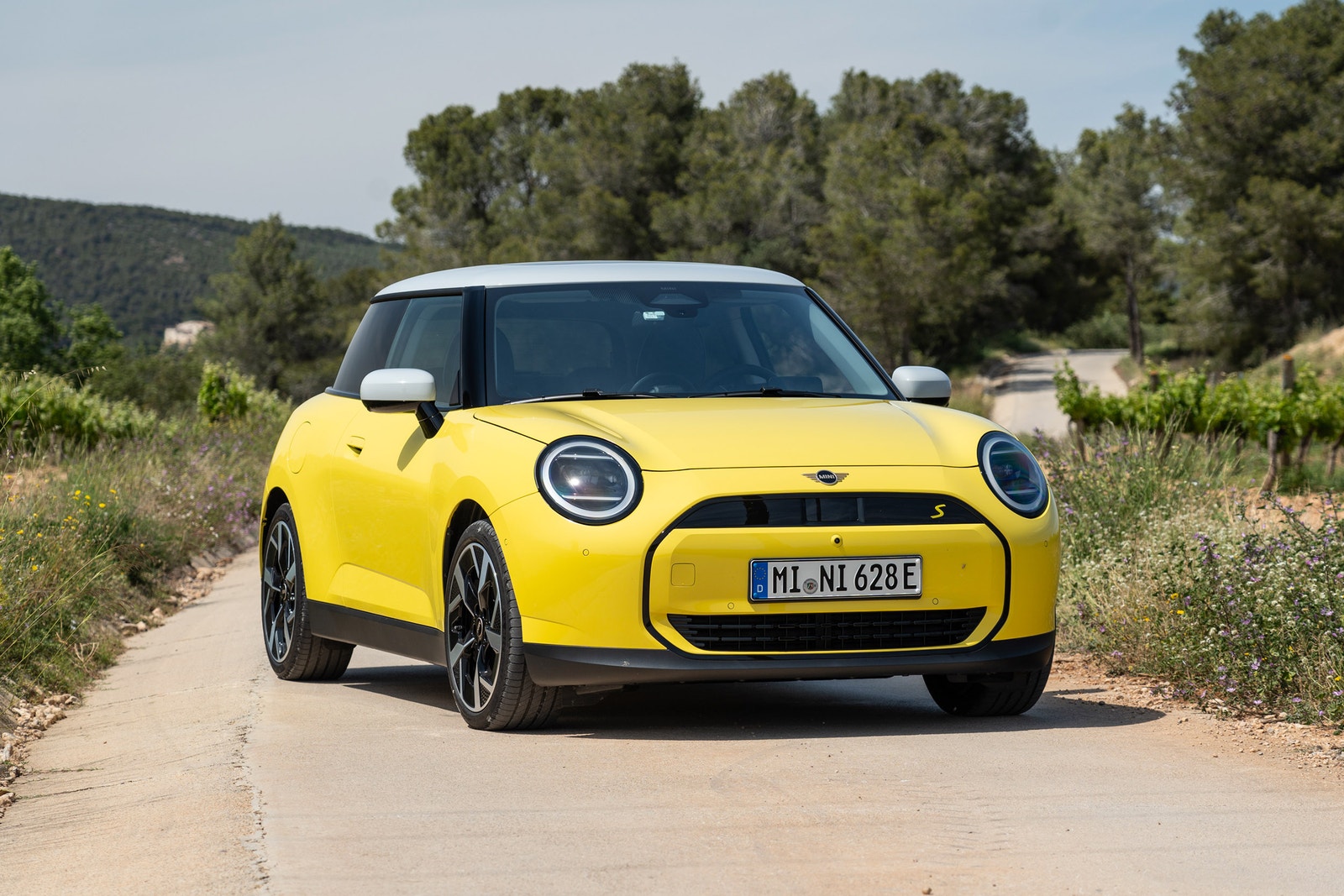
Night driving used to demand concentration, patience, and good road awareness. Today, it often feels like a battle against intense white beams firing directly into your eyes from every direction. What was once a simple automotive feature has quietly turned into one of the most irritating and potentially dangerous problems on modern roads.
Headlights have become brighter, sharper, and far more aggressive than they were a decade ago. Automakers present this as technological progress, claiming better visibility and improved nighttime safety.
Yet millions of drivers now report the exact opposite experience. Instead of feeling safer after dark, they feel overwhelmed, distracted, and temporarily blinded by the vehicles around them.
The problem has grown so common that it is no longer limited to modified cars or illegal aftermarket kits. Even factory-fitted lighting systems on brand-new vehicles are contributing to the issue.
Modern LEDs and laser-assisted headlights produce an intense blue-white light that can feel unbearable when viewed from the opposite lane. For many drivers, nighttime roads no longer feel dark. They feel hostile.
Also Read: 8 Cars That Are Nearly Impossible to Steal
Brightness Became a Competition Instead of a Safety Feature
Automotive lighting changed dramatically once LED technology became mainstream. Older halogen headlights produced a softer yellow beam that illuminated the road without creating excessive glare for other motorists. LEDs changed the equation completely.
Manufacturers quickly realized LEDs could shine brighter, last longer, and consume less energy. The technology also gave designers more freedom to create futuristic-looking front ends. Thin light bars, razor-sharp daytime running lamps, and ultra-bright projectors soon became symbols of premium design.
But in chasing better visibility and modern styling, automakers ignored a major consequence. Human eyes do not react kindly to extremely bright white light at night.
A driver approaching a modern SUV with high-mounted LEDs can experience temporary blindness lasting several seconds. During that short period, lane markings become difficult to follow, road signs disappear into glare, and pedestrians become harder to detect.
That is not a minor inconvenience. It is a genuine safety hazard. The problem becomes worse because modern vehicles have become significantly taller.
SUVs and pickup trucks dominate roads in many countries, placing headlights directly at eye level for drivers in smaller sedans or hatchbacks. Even correctly aligned beams can feel painfully bright simply because of their height and intensity.
Rain and fog amplify the issue further. Bright LEDs scatter aggressively through moisture in the air, producing reflections that make visibility even worse. Instead of helping drivers see clearly, excessive brightness can reduce contrast and create visual confusion.
Ironically, headlights designed to improve safety may actually reduce it for everyone outside the vehicle using them.
Drivers Are Getting Tired of Night Driving
Public frustration around modern headlights is rising rapidly. Online forums, social media discussions, and road safety surveys all reveal the same complaint. Drivers increasingly avoid nighttime travel because glare has become exhausting.
Older motorists suffer the most. Aging eyes are naturally more sensitive to bright light and recover more slowly after exposure to glare. For them, facing a stream of modern LEDs can make driving after sunset genuinely stressful. But younger drivers are complaining too.
Anyone who regularly travels on highways has likely experienced the same moment. A vehicle approaches from the opposite direction, its lights flood your cabin, and for a second, you cannot clearly judge the road ahead. Your instinct is to look away, but doing so creates another danger because your attention leaves the lane in front of you.
The psychological effect matters as well. Constant exposure to glare increases fatigue during long drives. Instead of calmly scanning the road, drivers tense up every time another vehicle appears in the distance.
Many people now flash their high beams at cars whose low beams already seem blinding. In response, some drivers install even brighter aftermarket lights to compete with everyone else. The cycle keeps escalating. This is how a safety feature slowly turned into an arms race.
Technology Alone Is Not Solving the Problem
Automakers often point to adaptive lighting systems as the answer. These headlights automatically adjust beam direction and brightness depending on traffic conditions. Some systems can selectively dim sections of light to avoid blinding oncoming drivers while still illuminating the rest of the road.
On paper, it sounds impressive. Real-world driving tells a different story. Adaptive systems do not react perfectly every time. Curved roads, hills, poor weather, and delayed sensor responses can still expose drivers to sudden bursts of glare. In many situations, the technology reacts just a little too late to prevent discomfort.
Regulations have also failed to keep pace with modern lighting technology. Many current standards focus heavily on how well headlights illuminate the road ahead while paying less attention to how much glare they produce for other drivers.
That imbalance needs to change. Road safety should never prioritize one driver’s visibility at the expense of everyone else nearby. A truly effective headlight system must balance illumination with comfort and visibility for all road users.
There are practical solutions available. Automakers could lower color temperatures to reduce harsh blue tones. Regulators could tighten glare limits and improve testing standards. Vehicle inspections could include stricter headlight alignment checks. Even small design changes could dramatically improve nighttime comfort without sacrificing visibility.
Instead, the market continues rewarding brighter and more aggressive lighting because it looks advanced and expensive. That approach may help sell cars, but it is making roads more stressful after dark.
Modern vehicles already include extraordinary safety technology. Automatic emergency braking, lane-keeping assistance, collision warnings, and advanced airbags have all improved driver protection significantly. Yet one of the simplest components on a car has quietly become a growing source of danger.
Headlights were supposed to help drivers see the road. Somewhere along the way, they became so powerful that they started preventing other people from seeing it clearly at all.
Also Read: 8 Cars With the Highest Number of Owner Complaints Filed With NHTSA
