
The thunder of a naturally aspirated V8 is becoming rarer with every passing year. Turbocharged engines, hybrid systems, and electric drivetrains may be faster and cleaner, but they still struggle to recreate the emotional punch delivered by eight cylinders firing in perfect rhythm.
A proper V8 does more than move a car quickly. It shakes the cabin at idle, cracks during downshifts, and creates the kind of soundtrack that turns tunnels into concert halls. For many enthusiasts, the sound alone is enough reason to own one.
Some V8 cars sound refined and muscular, while others behave like rolling rock concerts. American muscle cars produce deep and aggressive growls that feel raw and rebellious. European performance machines often deliver sharper and more mechanical notes that become addictive at high rpm.
Certain Japanese V8s balance smoothness with an exotic tone that surprises people who expect silence. Every manufacturer tunes the sound differently, giving each car a distinct personality.
The magic also comes from the era these cars represent. Many modern vehicles rely heavily on artificial audio enhancement pumped through speakers, but older and more focused V8 machines create authentic noise directly from their engines and exhaust systems.
That honesty is what keeps enthusiasts chasing them years after production ends. A great-sounding V8 can make even slow city driving feel dramatic and memorable.
This list focuses on ten V8 cars that deserve attention primarily because of the noise they make. Performance, styling, and handling certainly matter, but the soundtrack remains the main attraction.
Some are loud and intimidating, while others build their sound progressively into a spine-tingling crescendo. Every car here delivers a different experience, proving there is no single formula for creating the perfect V8 symphony.
Also Read: 8 Cars That Are Nearly Impossible to Steal
1. Ford Mustang Shelby GT350
The flat plane crank V8 inside the Ford Mustang Shelby GT350 completely changed expectations for American muscle cars. Most traditional muscle machines rely on deep, bass-heavy rumbling, but the GT350 introduced a sharper and far more exotic sound signature.
The moment the 5.2-liter Voodoo engine climbs past 4,000 rpm, it transforms from a burbling cruiser into something that sounds closer to a European supercar. The engine screams with urgency and intensity, creating one of the most unforgettable exhaust notes ever fitted to a Mustang.
Driving the GT350 feels dramatic even at moderate speeds because the soundtrack constantly dominates the experience. Downshifts produce violent crackles, while hard acceleration unleashes a metallic howl that echoes for blocks.
Unlike turbocharged engines that often muffle natural sound, the GT350 delivers clean and raw mechanical noise. Ford engineers intentionally designed the exhaust to emphasize the unique firing order of the flat-plane crankshaft, and the result became an instant favorite among enthusiasts.
The sound also evolves beautifully throughout the rev range. At idle, the engine feels uneven and aggressive, almost as if it is impatient to move. Push harder, and the tone becomes increasingly sharp and emotional.
Near redline, the noise is intense enough to send chills through anyone sitting behind the wheel. Few V8 cars create such a dramatic transition between low-speed cruising and full-throttle chaos.
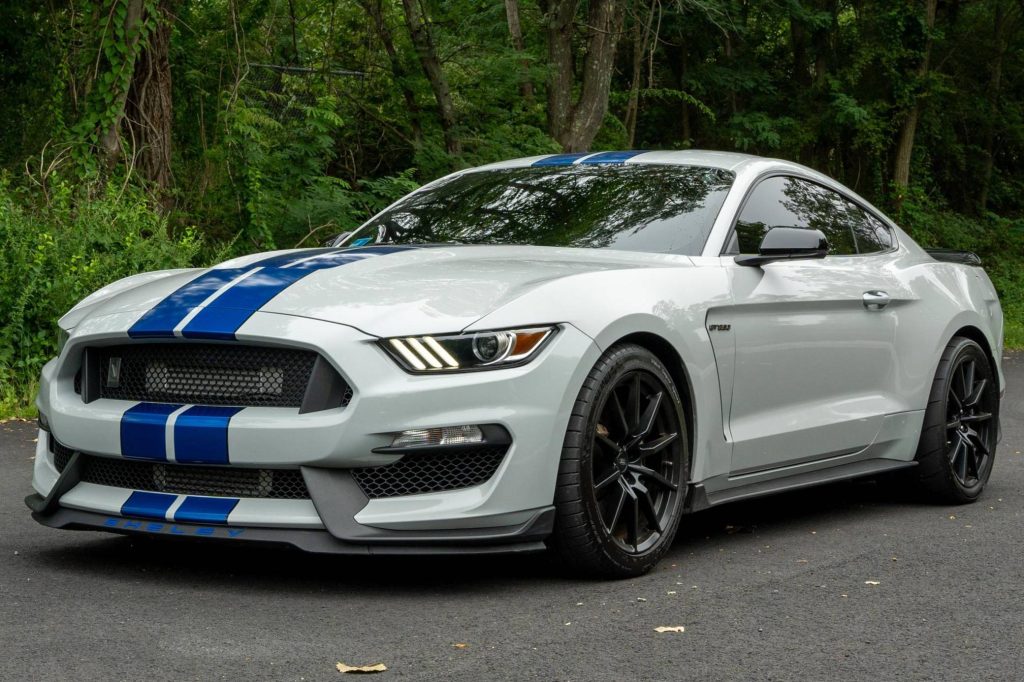
Even years after its release, many enthusiasts still consider the GT350 the best-sounding Mustang ever built. It delivered an entirely different personality compared to traditional American V8s while still retaining enough muscle car character to feel authentic. The car proved that sound engineering could be just as important as horsepower figures.
- Engine: 5.2-liter naturally aspirated V8
- Torque: 429 lb ft
- Horsepower: 526 hp
- Length/Width: 189.3 inches / 75.9 inches
2. Audi RS7 Performance
The Audi RS7 Performance earns its place on this list because of the way its twin-turbocharged V8 combines luxury car refinement with an aggressive and unmistakably powerful soundtrack.
While many modern turbocharged engines sound muted or overly artificial, the RS7 still delivers deep exhaust tones and sharp crackles that make the car feel exciting every time the engine starts.
At low speeds, the 4.0-liter twin-turbo V8 produces a smooth but intimidating growl that suits the RS7’s sleek and muscular appearance perfectly.
The sound is refined enough for luxury cruising yet aggressive enough to remind drivers that this is still a serious performance machine. Once the throttle opens fully, the exhaust note becomes far more dramatic with loud upshift cracks and heavy acceleration roar.
One of the most enjoyable parts of the RS7 experience is how the sound changes between drive modes. In comfort settings, the car remains calm and quiet enough for daily commuting.
Switch into performance mode, however, and the exhaust valves open wider, releasing a much deeper and louder tone that transforms the personality of the car instantly.
The RS7 also blends turbocharged power with surprising emotional character. Many large luxury sedans focus entirely on isolation, but Audi managed to keep enough rawness in the exhaust note to create genuine excitement behind the wheel.
Highway tunnels and empty roads quickly become impossible to resist because the V8 soundtrack fills the cabin beautifully during acceleration.
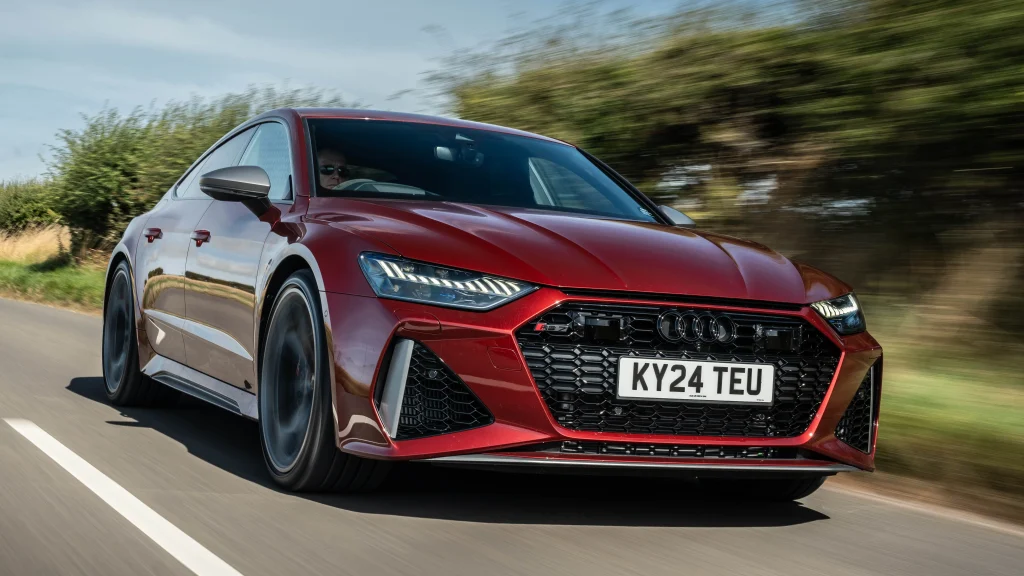
Its long roofline, wide stance, and aggressive bodywork also complement the sound perfectly. The RS7 looks fast even while parked, and the V8 soundtrack fully matches that visual drama once the engine comes alive.
As the automotive industry moves toward hybrid systems and smaller engines, the RS7 Performance already feels like one of the final luxury super sedans still prioritizing emotional V8 sound alongside comfort and technology.
- Engine: 4.0-liter twin-turbocharged V8
- Torque: 627 lb ft
- Horsepower: 621 hp
- Length/Width: 197.2 inches / 76.8 inches
3. Chevrolet Corvette C7 Z06
Some performance cars sound aggressive only when pushed hard, but the Chevrolet Corvette C7 Z06 announces its presence immediately after startup.
The supercharged 6.2-liter LT4 V8 erupts with a deep and intimidating bark that instantly separates it from ordinary sports cars. Even at idle, the exhaust pulses feel heavy and violent, giving the car an unmistakable muscle car personality mixed with genuine supercar energy.
The brilliance of the Z06 soundtrack comes from its dual character. During relaxed driving, the exhaust can remain controlled enough for highway cruising without becoming tiring. Press the throttle aggressively, though, and the personality changes completely.
The supercharger whine begins to mix with the thunderous exhaust note, creating a layered mechanical symphony that few modern cars can replicate. That combination of induction noise and V8 growl gives the Z06 a sense of brutality that feels addictive.
Chevrolet also engineered the exhaust system to maximize drama during gear changes. Upshifts create explosive cracks, while downshifts release sharp pops that echo through tunnels and parking garages.
Unlike smaller turbocharged engines that often sound filtered, the LT4 delivers raw mechanical emotion. The sound feels physical, almost like the car is fighting against its own power output.
Part of what makes the C7 Z06 memorable is how honest it feels. There is no artificial soundtrack attempting to imitate aggression. The engine, exhaust, and supercharger naturally combine to create the experience. That authenticity matters because enthusiasts can instantly recognize when a performance car sounds forced or synthetic.
The Corvette has always represented accessible American performance, but the C7 Z06 upgraded the formula dramatically.
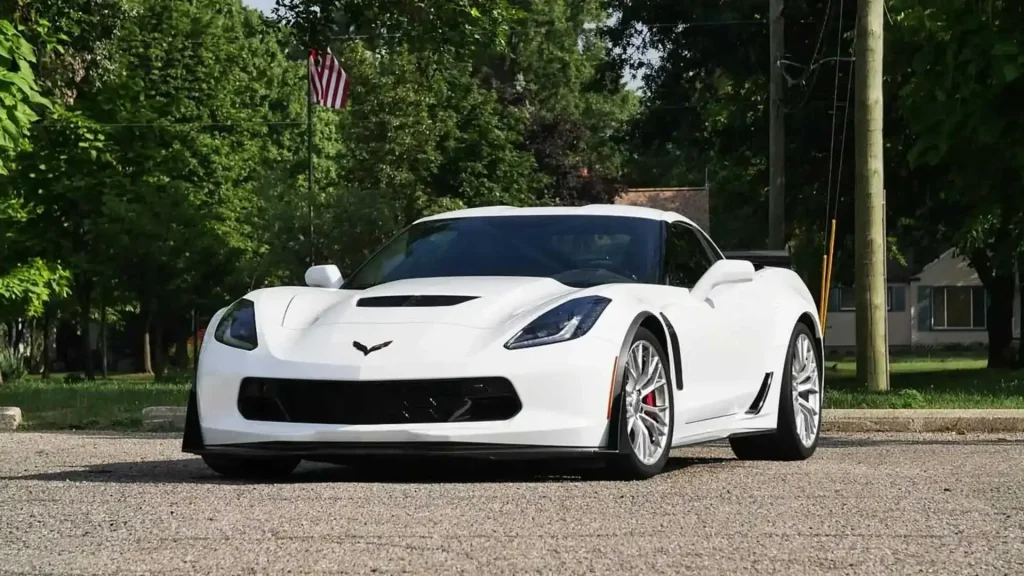
It produced the kind of soundtrack normally associated with far more expensive exotic machinery while still retaining the intimidating rumble expected from a front-engine American V8. Few cars blend violence and excitement so effectively through pure sound alone.
- Engine: 6.2-liter supercharged V8
- Torque: 650 lb ft
- Horsepower: 650 hp
- Length/Width: 177.9 inches / 74.4 inches
4. Mercedes AMG C63 Black Series
The Mercedes AMG C63 Black Series sounds like controlled chaos trapped inside a coupe. Before turbocharging changed the personality of AMG models, Mercedes built naturally aspirated monsters with enormous character, and the Black Series represented the peak of that era.
Its 6.2-liter V8 delivered one of the nastiest and most aggressive exhaust notes ever heard from a German performance car.
Cold starts are unforgettable in this machine. The engine erupts violently, shaking the surroundings with a bass-heavy roar that feels more American than European. Yet once the revs rise, the character changes into something sharper and more mechanical.
The sound grows increasingly intense as the engine approaches redline, producing a metallic bark that feels race-inspired rather than refined.
The Black Series also stood out because AMG allowed the car to sound unapologetically loud. Modern regulations often force performance cars to become quieter and more restrained, but this coupe belonged to an era where emotional impact mattered more than subtlety.
Hard acceleration sends booming exhaust notes through the cabin, while quick throttle lifts trigger crackles that sound almost explosive.
Another reason enthusiasts love this car is the unpredictability of its soundtrack. Some V8s sound smooth and polished, but the AMG feels wild and untamed.
Every throttle input creates slightly different reactions from the exhaust, making the driving experience feel alive. That personality gave the car enormous emotional appeal beyond straight-line speed or handling numbers.
The naturally aspirated AMG engines are disappearing rapidly, which makes the C63 Black Series even more special today.
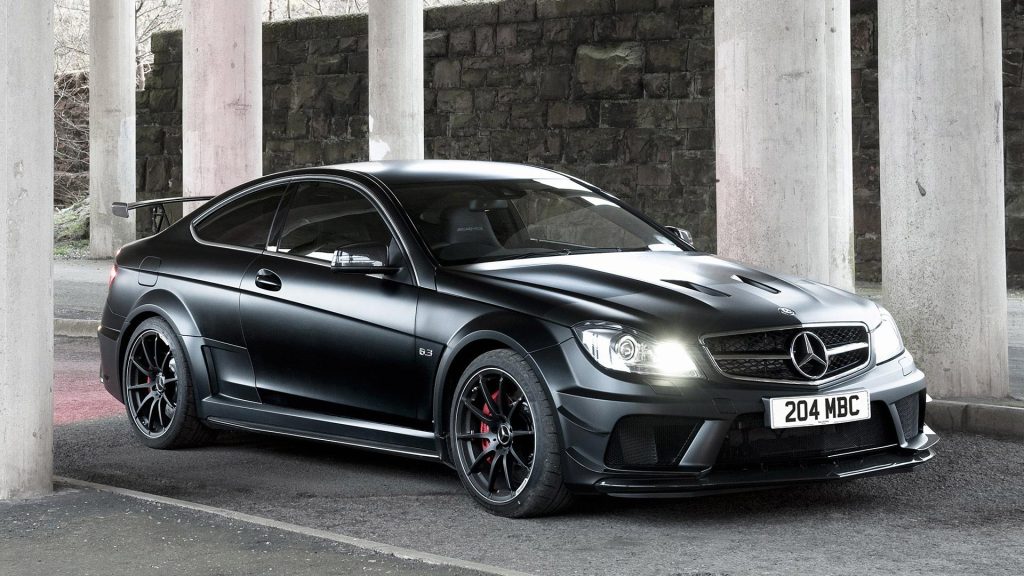
Turbocharged successors became faster in many measurable ways, but many enthusiasts still prefer the old 6.2-liter engine because of its unmatched sound character. It delivered noise with attitude, aggression, and authenticity in a way that modern performance sedans rarely achieve.
- Engine: 6.2-liter naturally aspirated V8
- Torque: 457 lb ft
- Horsepower: 510 hp
- Length/Width: 185.5 inches / 70.7 inches
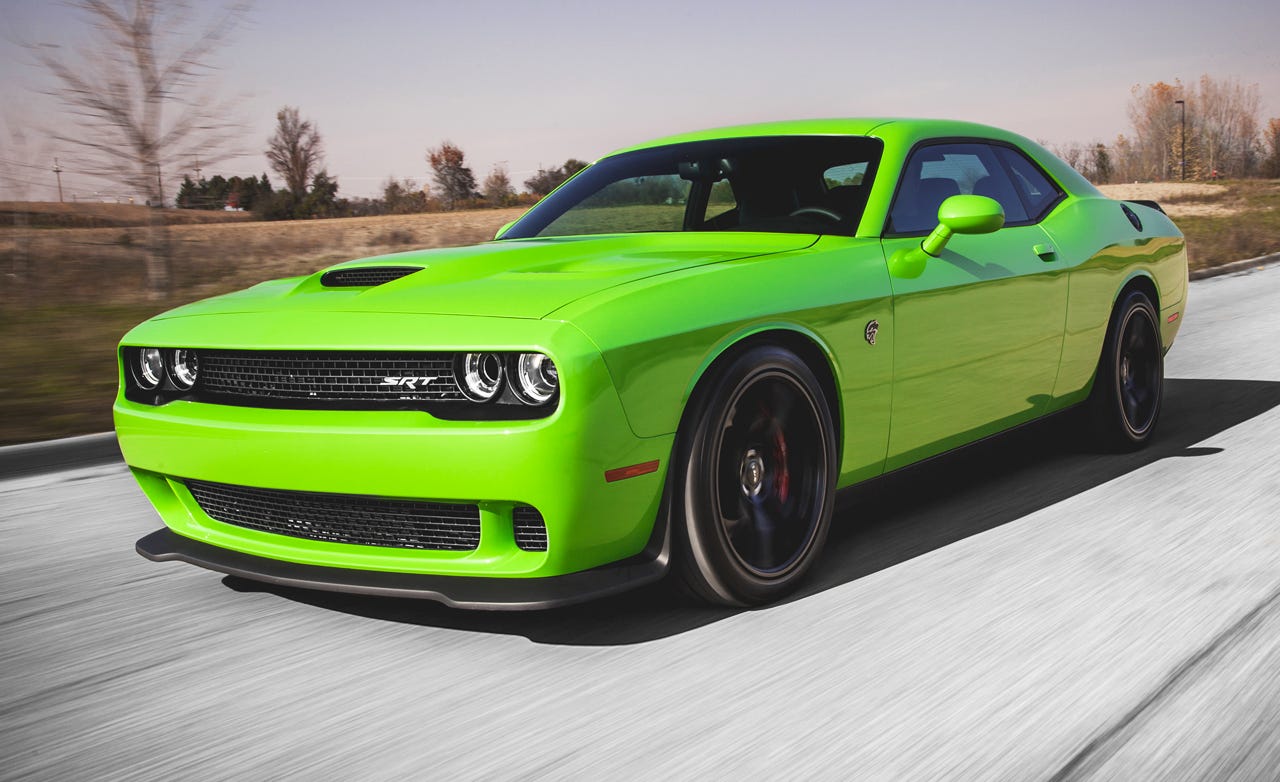
5. Dodge Challenger SRT Hellcat
The Dodge Challenger SRT Hellcat does not try to sound sophisticated or elegant. Its purpose is simple: dominate the road with noise, power, and attitude.
The supercharged 6.2-liter HEMI V8 creates one of the loudest and most intimidating soundtracks available in a modern muscle car. From the moment the engine fires up, the entire car feels angry, almost as if it resents being forced to idle quietly.
One reason the Hellcat became legendary is the combination of exhaust thunder and supercharger whine. Many V8 cars sound deep and aggressive, but the Hellcat adds a piercing mechanical scream from the blower that intensifies with throttle input.
Under hard acceleration, the engine growls while the supercharger shrieks loudly enough to cut through traffic noise. That layered sound makes the car feel brutally powerful even before the speedometer climbs.
Unlike lighter sports cars that encourage precision driving, the Hellcat delivers drama through sheer excess. Rolling into the throttle creates instant acceleration. The rear tires struggle for grip, the exhaust erupts violently, and the cabin fills with mechanical noise.
Drivers often remember the soundtrack more vividly than the acceleration itself because the car constantly announces its presence to everyone nearby.
The Challenger’s retro-inspired styling also complements the engine note perfectly. The long hood, wide body, and old-school muscle proportions match the raw sound pouring from the exhaust pipes. Dodge understood that emotion sells muscle cars just as much as performance statistics, so the Hellcat was engineered to feel theatrical every second it runs.
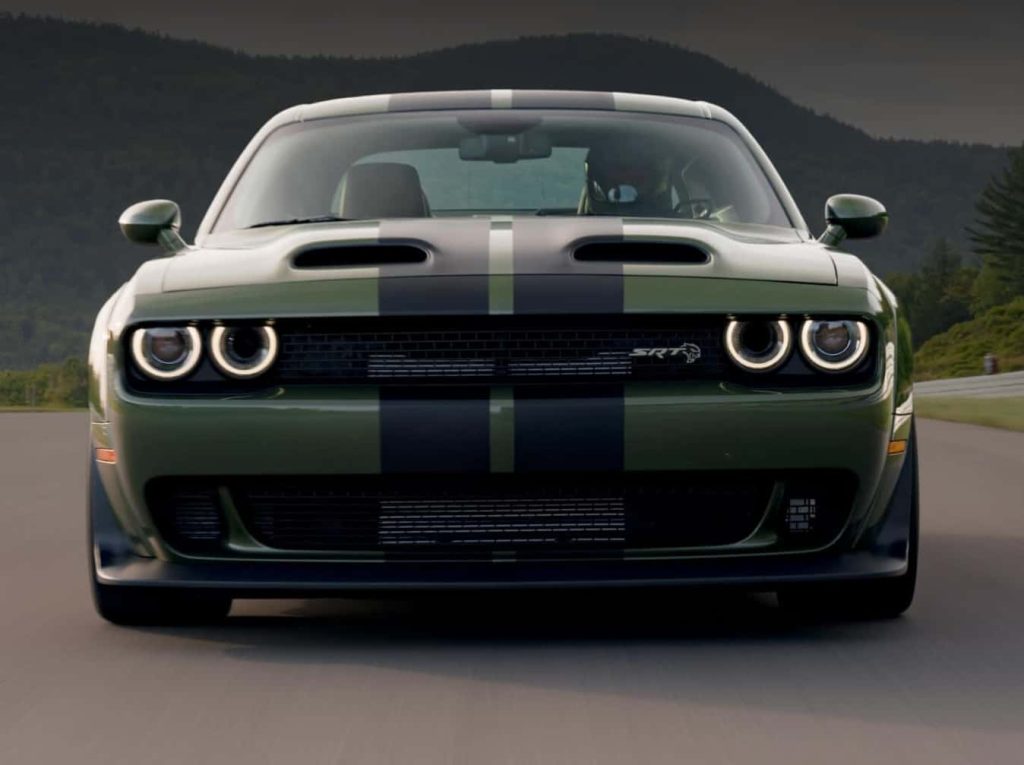
Even with stricter emissions standards changing the industry rapidly, the Hellcat remained unapologetically loud and excessive. It became a symbol of modern American muscle at its most outrageous. For enthusiasts who believe cars should sound rebellious and slightly ridiculous, few machines satisfy like the Hellcat.
- Engine: 6.2-liter supercharged HEMI V8
- Torque: 650 lb ft
- Horsepower: 717 hp
- Length/Width: 197.9 inches / 75.7 inches
6. Ferrari F355
Ferrari built countless legendary-sounding machines, but the F355 remains one of the company’s finest achievements because of how emotional and mechanical its engine note feels.
The 3.5-liter naturally aspirated V8 produces a sharp and exotic soundtrack that starts smooth and controlled before erupting into an unforgettable scream at high rpm. Even decades later, many enthusiasts consider it the best-sounding V8 Ferrari ever made.
The F355 creates excitement differently from American muscle cars. Instead of relying on deep, rumbling bass, it focuses on precision and intensity. At low speeds, the engine emits a clean metallic growl that feels refined yet purposeful.
Push the throttle harder, and the tone rises dramatically into a high-pitched wail that sounds incredibly alive. Near the 8,500 rpm redline, the sound becomes almost racecar-like.
One of the most satisfying parts of driving the F355 is the way the gated manual transmission interacts with the engine note. Each shift interrupts the scream momentarily before the V8 launches back into full song.
That rhythm creates a deeply engaging experience that modern dual-clutch systems struggle to replicate emotionally. Drivers feel connected not only through steering and pedals but also through sound.
Ferrari engineered the intake and exhaust systems carefully to maximize emotion. The engine does not merely produce noise. It creates progression and tension as the revs rise. Every tunnel becomes irresistible because the sound reflects beautifully off the surrounding surfaces, amplifying the drama inside the cabin.
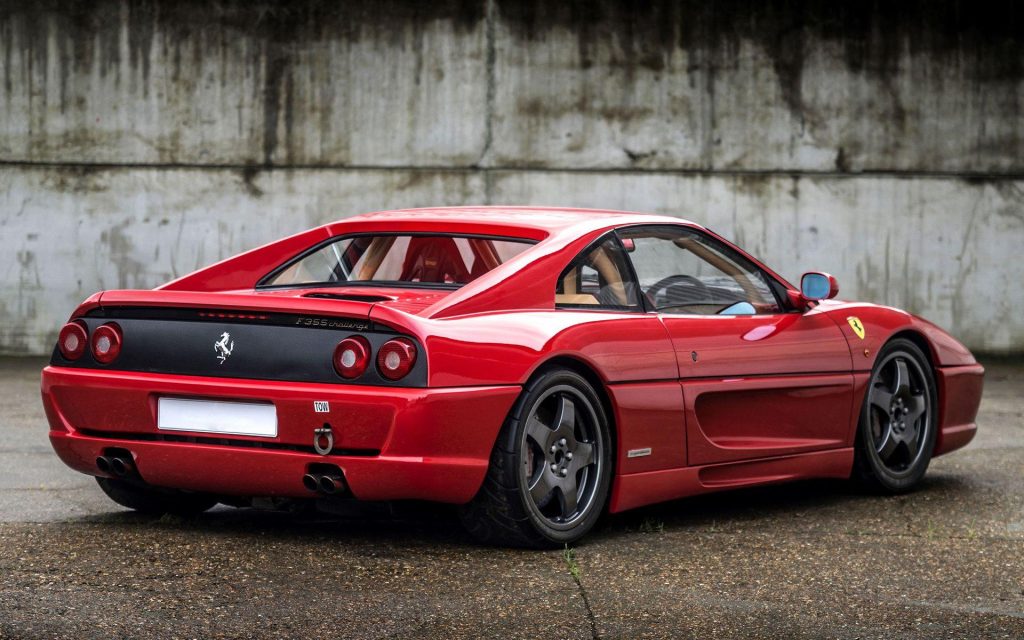
The F355 arrived during an era before turbocharging softened Ferrari’s naturally aspirated character. Its soundtrack feels pure, analog, and mechanical in the best possible way. While newer Ferraris deliver astonishing speed, many enthusiasts still return to the F355 because of how emotionally rewarding its V8 sounds from idle to redline.
- Engine: 3.5-liter naturally aspirated V8
- Torque: 268 lb ft
- Horsepower: 375 hp
- Length/Width: 166.7 inches / 74 inches
7. Jaguar F-Type R
Few modern performance cars sound as dramatic as the Jaguar F-Type R. Jaguar designed this coupe to deliver emotion first, and the supercharged 5.0-liter V8 became the centerpiece of that philosophy.
The moment the engine starts, the car erupts with a violent crack that instantly grabs attention. Even standing still, it sounds impatient and aggressive, setting the tone for the entire driving experience.
The exhaust system is what truly transformed the F-Type R into an enthusiast favorite. During acceleration, the V8 produces a deep and muscular growl filled with character. Lift off the throttle, and the car fires off loud pops and crackles that sound almost exaggerated.
Some performance cars try to hide their aggression behind refinement, but the Jaguar embraces chaos proudly. Every gear change feels like a miniature fireworks display from the exhaust pipes.
What makes the F-Type R special is how emotional the sound remains at everyday speeds. Drivers do not need to push the car to dangerous limits to enjoy the soundtrack.
Simple throttle inputs during normal driving already create entertaining reactions from the exhaust. That constant sense of drama makes ordinary commutes feel far more exciting than they should.
Jaguar also succeeded in giving the V8 a distinctly British personality. American muscle cars often sound heavier and rougher, while Italian exotics focus on high-pitched intensity.
The F-Type R sits somewhere between those worlds. It combines deep, supercharged rumble with sharp crackles that feel uniquely its own. The result is a soundtrack that remains memorable long after the drive ends.
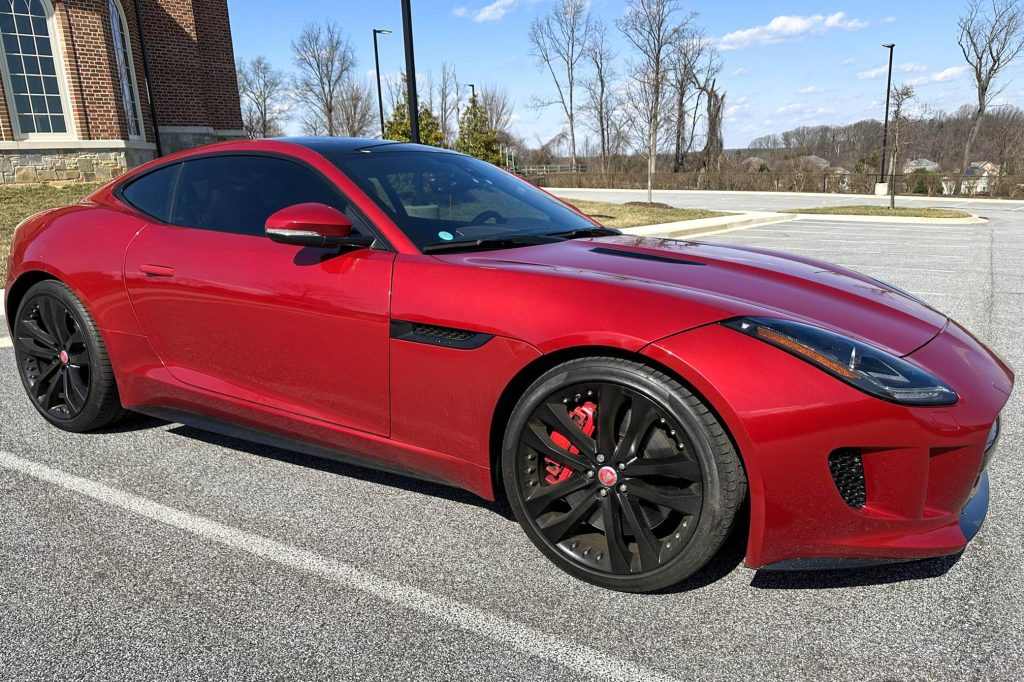
As the automotive industry moves toward smaller turbocharged engines and electrification, cars like the F-Type R are becoming increasingly rare.
It represents a time when manufacturers still prioritized emotional sound design over silence and efficiency. For enthusiasts who want a modern V8 with genuine personality, the Jaguar remains impossible to ignore.
- Engine: 5.0-liter supercharged V8
- Torque: 516 lb-ft
- Horsepower: 575 hp
- Length/Width: 176 inches / 75.7 inches
8. BMW E92 M3
The BMW E92 M3 approached V8 sound differently from most performance cars of its era. Instead of chasing brutal muscle car thunder, BMW engineered a high-revving 4.0-liter naturally aspirated V8 that sounded sharp, smooth, and incredibly precise.
The S65 engine became legendary because it combined race-inspired character with everyday usability, creating a soundtrack unlike anything else in the segment.
At startup, the engine sounds restrained compared to larger American V8s, but that subtlety disappears once the tachometer climbs. As the revs increase, the V8 develops a metallic growl that steadily transforms into an intense, high-RPM howl.
Near the 8,400 rpm redline, the sound becomes pure motorsport theater. The engine feels eager and alive, rewarding drivers who push it harder.
One reason enthusiasts adore the E92 M3 is the way the engine note reflects the car’s personality. It does not feel wild or reckless like some muscle cars. Instead, the sound communicates precision and balance.
Every throttle input produces a clean and calculated response, almost as if the engine were carefully tuned like a musical instrument. That refinement helped distinguish the M3 from many competitors.
The induction sound also deserves attention. Inside the cabin, drivers hear a sharp mechanical intake roar that intensifies beautifully during acceleration. Combined with the exhaust note, the experience feels immersive without becoming overwhelming.
BMW achieved a balance between aggression and sophistication that many modern turbocharged M cars struggle to recreate.
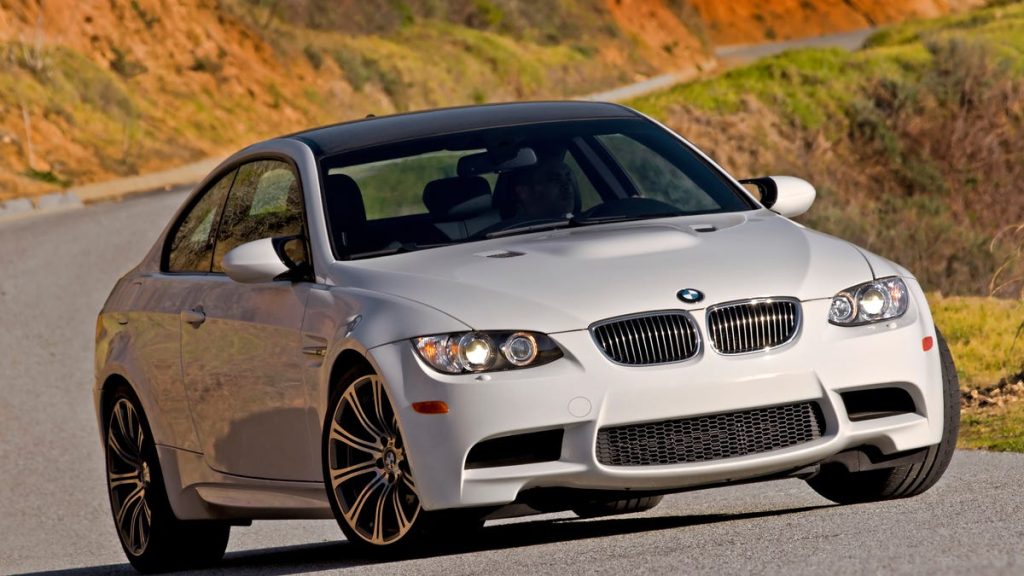
The E92 M3 also marked the end of a unique chapter for BMW. Later generations abandoned naturally aspirated V8 power in favor of turbocharged inline six engines.
While newer models became faster and more efficient, many enthusiasts still miss the sound and character of the S65 V8. It delivered emotion through revs, precision, and mechanical purity rather than brute force alone.
- Engine: 4.0-liter naturally aspirated V8
- Torque: 295 lb-ft
- Horsepower: 414 hp
- Length/Width: 181.8 inches / 71.7 inches
9. Aston Martin V8 Vantage
The Aston Martin V8 Vantage proves that a performance car does not need outrageous horsepower figures to create an unforgettable experience. What truly defines this British coupe is the emotion carried through its soundtrack.
Powered by a naturally aspirated 4.7-liter V8, the Vantage delivers a rich and sophisticated exhaust note that feels emotional from the first press of the starter button. The sound is not simply loud for attention. Instead, it carries depth, texture, and personality in a way very few modern sports cars manage.
At idle, the engine produces a deep rumble that feels smooth yet powerful. Unlike many muscle cars that sound rough and aggressive immediately, the Aston Martin introduces itself with a more elegant tone.
The refinement disappears gradually once the driver pushes harder. As the revs rise, the V8 develops a sharper edge, transforming into a metallic roar that fills the cabin beautifully. The higher the engine climbs, the more dramatic and addictive the soundtrack becomes.
One reason the V8 Vantage feels so special is the connection between sound and driving rhythm. The car encourages drivers to stretch every gear slightly longer just to hear the engine continue building intensity.
Downshifts create crisp blips from the exhaust, while hard acceleration sends a powerful growl echoing behind the car. Even moderate throttle inputs feel rewarding because the exhaust constantly reacts with character and energy.
The design of the Vantage also contributes heavily to the experience. The long hood, low roofline, and muscular rear proportions create the perfect visual match for the soundtrack. Everything about the car feels dramatic without becoming excessive.
Aston Martin understood that emotion often matters more than outright speed numbers, and the Vantage reflects that philosophy perfectly.
Inside the cabin, the sound experience becomes even more engaging. Drivers hear the intake noise, exhaust pulses, and mechanical vibrations working together naturally rather than relying on artificial speaker enhancement.
That authenticity gives the car a timeless appeal. Modern performance vehicles may produce greater acceleration figures, but few create the same emotional atmosphere during a spirited drive.
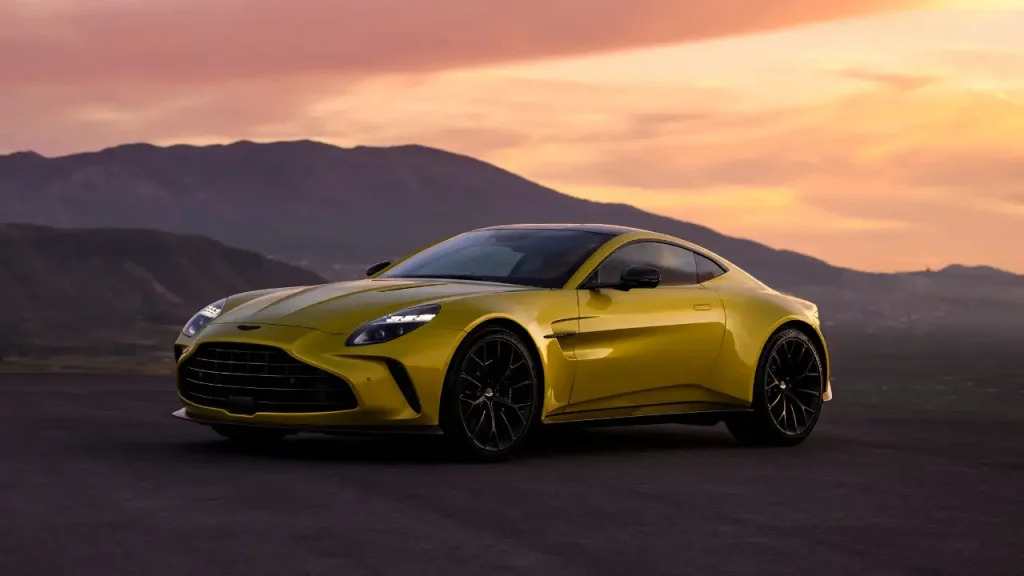
The V8 Vantage also arrived during an era when naturally aspirated engines still dominated enthusiast cars. As turbocharging spread across the industry, many manufacturers lost some of the raw character that made their older engines memorable.
The Aston Martin remains desirable today because it captures the final years of naturally aspirated performance in a stylish and emotional package. For people who value sound as much as speed, the V8 Vantage remains one of the finest grand touring cars ever built.
- Engine: 4.7-liter naturally aspirated V8
- Torque: 361 lb ft
- Horsepower: 420 hp
- Length/Width: 172.5 inches / 73 inches
10. Chevrolet Camaro ZL1 1LE
The Chevrolet Camaro ZL1 1LE sounds like a machine built specifically to intimidate everything around it. Equipped with a supercharged 6.2-liter V8, this track-focused monster combines raw American muscle with serious motorsport aggression.
The engine note is heavy, violent, and constantly present, turning every drive into an event. Even before the car begins moving, the exhaust announces itself with a deep roar that shakes the nearby surroundings.
Unlike some performance cars that save their excitement for high rpm driving, the Camaro feels aggressive at all times. Gentle throttle inputs already produce loud exhaust pulses and a noticeable supercharger whine.
Push harder, and the sound becomes overwhelming in the best possible way. The blower scream mixes with the thunderous V8 rumble to create a soundtrack that feels mechanical, angry, and addictive all at once.
The ZL1 1LE differs from many traditional muscle cars because it was engineered heavily for track use. That sharper focus gives the sound a more purposeful edge. Acceleration feels intense not only because of the speed but also because the engine noise builds with such urgency.
Upshifts hit with explosive cracks, while deceleration produces aggressive pops echoing from the exhaust system. Every movement of the throttle creates some kind of dramatic reaction.
Another reason enthusiasts admire this Camaro is how authentic it feels. The sound is not polished or overly refined. Instead, it carries rough edges that make the car feel alive and unpredictable.
The exhaust note changes depending on throttle position, road conditions, and driving style, which keeps the experience exciting even after long ownership periods. Drivers constantly find excuses to accelerate simply to hear the V8 erupt again.
Chevrolet also gave the ZL1 1LE an appearance that perfectly suits its soundtrack. The massive rear wing, aggressive front splitter, and wide stance all communicate seriousness before the engine even starts. Once running, the car fully delivers on that visual promise. It sounds every bit as aggressive as it looks.
As stricter regulations continue reshaping performance cars, vehicles like the Camaro ZL1 1LE are becoming increasingly uncommon. Large supercharged V8 engines with unapologetically loud exhaust systems may soon disappear entirely.
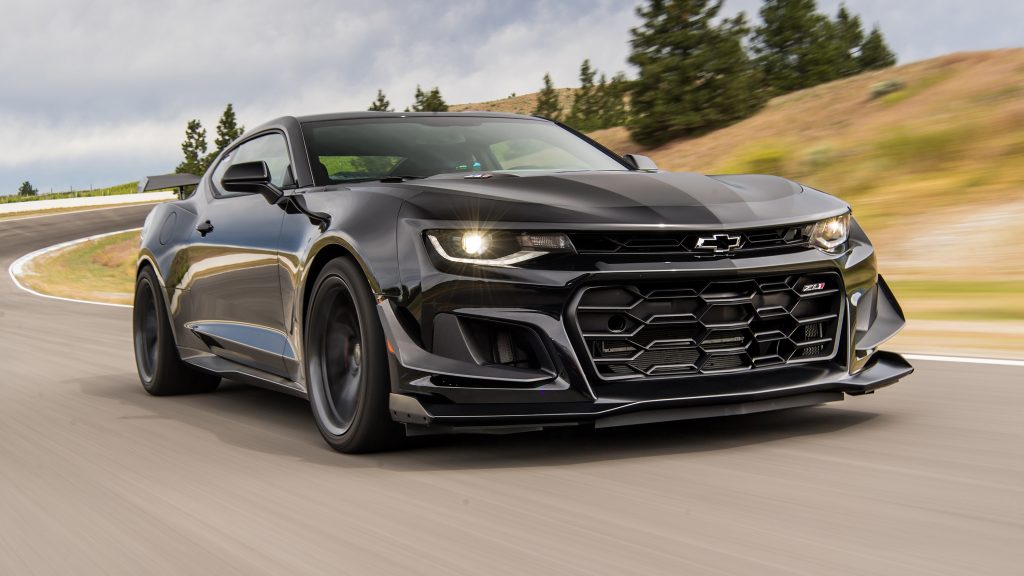
That reality makes the ZL1 1LE feel like one of the final celebrations of traditional American performance excess. For enthusiasts who want a car capable of making every tunnel and empty road unforgettable, this Camaro delivers one of the most thrilling soundtracks ever created.
- Engine: 6.2-liter supercharged V8
- Torque: 650 lb ft
- Horsepower: 650 hp
- Length/Width: 190.2 inches / 74.7 inches
Also Read: 8 Car Mods That Actually Raise Resale Value
