
Electric vehicles have made enormous progress over the past decade. Range has improved, charging networks have expanded, and battery technology has matured to the point where EVs are genuinely practical for daily transportation in most conditions, except one.
Winter remains the honest test that separates well-engineered electric vehicles from those whose EPA range ratings exist in a temperature-controlled testing environment that has very little in common with January in Minnesota, Michigan, or Montana. Cold weather is an EV’s most demanding operating condition.
Lithium-ion batteries lose electrochemical efficiency when temperatures drop, reducing the amount of usable energy they can deliver. Cabin heating in an EV draws directly from the same battery pack that powers the drivetrain, unlike a gasoline vehicle, where waste engine heat provides cabin warmth essentially for free.
Regenerative braking performance changes in cold conditions. DC fast charging rates slow down when the battery temperature is too low to accept the maximum current. All of these factors stack simultaneously in a cold winter environment, and the result is an observed range that can fall 20 to 40 percent below what the window sticker claims.
Not all EVs handle this reality equally. Some manufacturers have invested in advanced thermal management systems, heat pump technology, and battery preconditioning features that minimize cold-weather range loss. Others have not, and their vehicles pay a real operational penalty every time the temperature drops below freezing.
This page covers eight EVs that struggle most in winter conditions, based on cold-weather range-testing data, owner-reported real-world performance, battery thermal management quality, and the practical ownership challenges these vehicles face when exposed to sustained cold temperatures.
Whether you are shopping for a new EV or trying to understand your current vehicle’s winter limitations, this breakdown gives you the honest picture that the manufacturer specification sheets do not always provide.
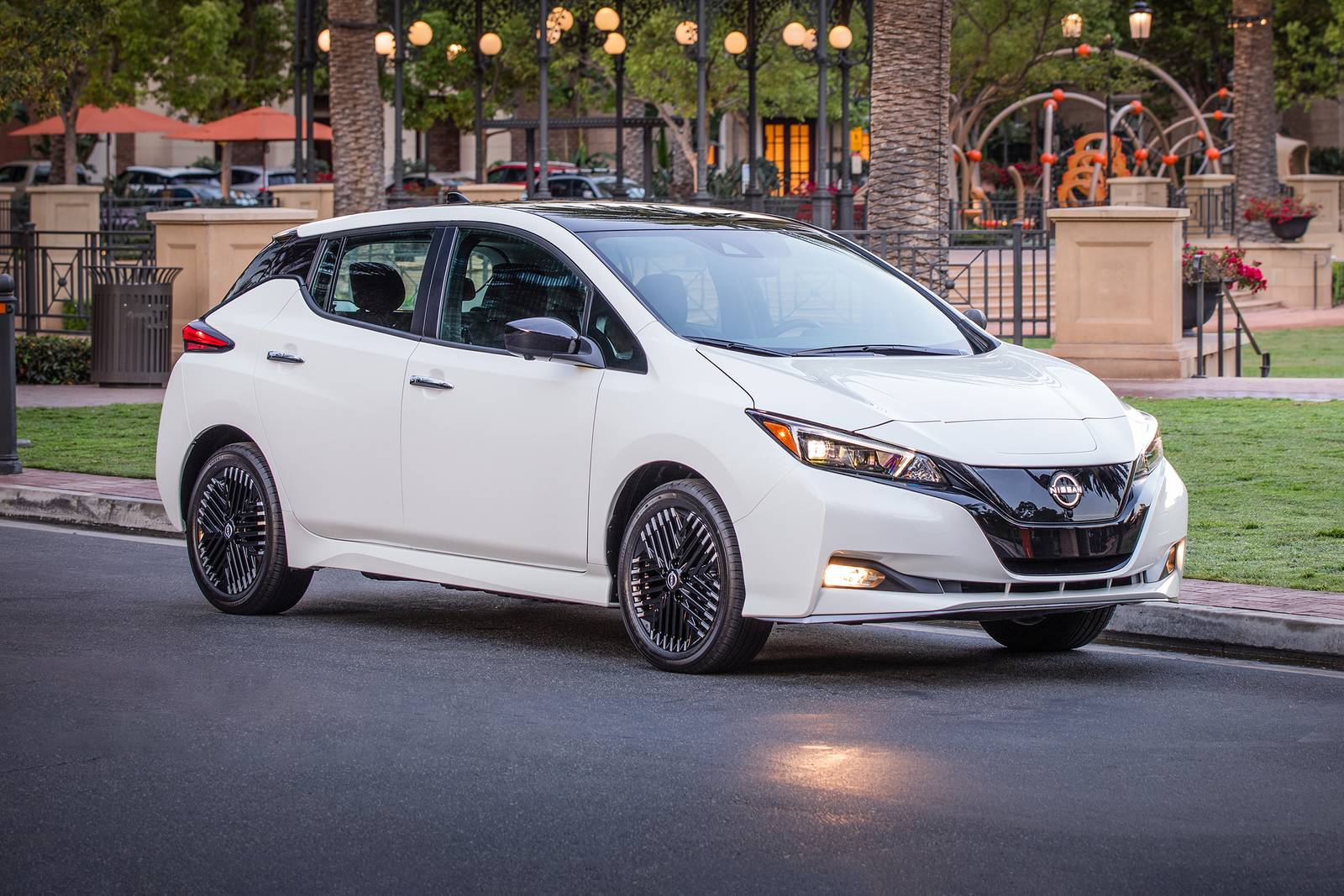
1. 2024 Nissan Leaf SV Plus FWD
- Engine: Single electric motor FWD
- Torque: 250 lb-ft
- Horsepower: 214 hp
- Length: 176.4 in
- Width: 70.5 in
Nissan’s Leaf was one of the vehicles that introduced mainstream American buyers to electric transportation, and it deserves genuine credit for that role in the EV story. However, in 2024, the Leaf SV Plus’s battery architecture reflects design decisions made during a period when EV technology was less mature, and those decisions produce winter performance outcomes that no amount of loyalty to the nameplate can offset.
Nissan’s most documented engineering gap in the Leaf platform is the absence of active liquid thermal management for the battery pack on certain configurations. Some Leaf variants use a passive air-cooled battery system rather than the active liquid cooling and heating systems found in more recently engineered competitors.
A passive system cannot maintain battery temperature within the optimal operating range when ambient temperatures fall below freezing, and the consequences are measurable and predictable. Real-world winter range testing conducted by AAA and independent Norwegian automotive organizations, where winter EV performance data is extensively documented, has placed the Leaf among the highest percentage range-loss vehicles in cold conditions.
At temperatures around 20 degrees Fahrenheit with cabin heating active, Leaf owners in northern states and Canada have reported observed ranges of 110 to 130 miles on a vehicle rated at 212 miles EPA on the 62 kWh SV Plus. That represents a range reduction of 35 to 45 percent, which fundamentally changes how the vehicle must be used in winter conditions.
Charging behavior in cold weather compounds the range reduction problem. Without active battery warming prior to a DC fast charging session, the Leaf SV Plus’s battery may not accept charge at its maximum 100 kW rate, and charging sessions can take longer than expected.
Unlike some competitors that offer navigation-integrated battery pre-conditioning that automatically warms the battery during routing to a fast charger, the Leaf’s pre-conditioning options are more limited, placing more responsibility on the driver to manually manage battery temperature preparation.
Cabin heating efficiency in the Leaf draws heavily from the battery because its resistive heating system does not use a heat pump, which is a more efficient method of extracting heat for cabin warming. A heat pump moves heat rather than generating it electrically, requiring three to four times less energy to produce the same cabin warming effect as a resistive heater.
Every kilowatt-hour spent on cabin heating in the Leaf’s resistive system is energy not available for range, and in cold weather, where the cabin needs sustained heating, this energy draw is substantial.
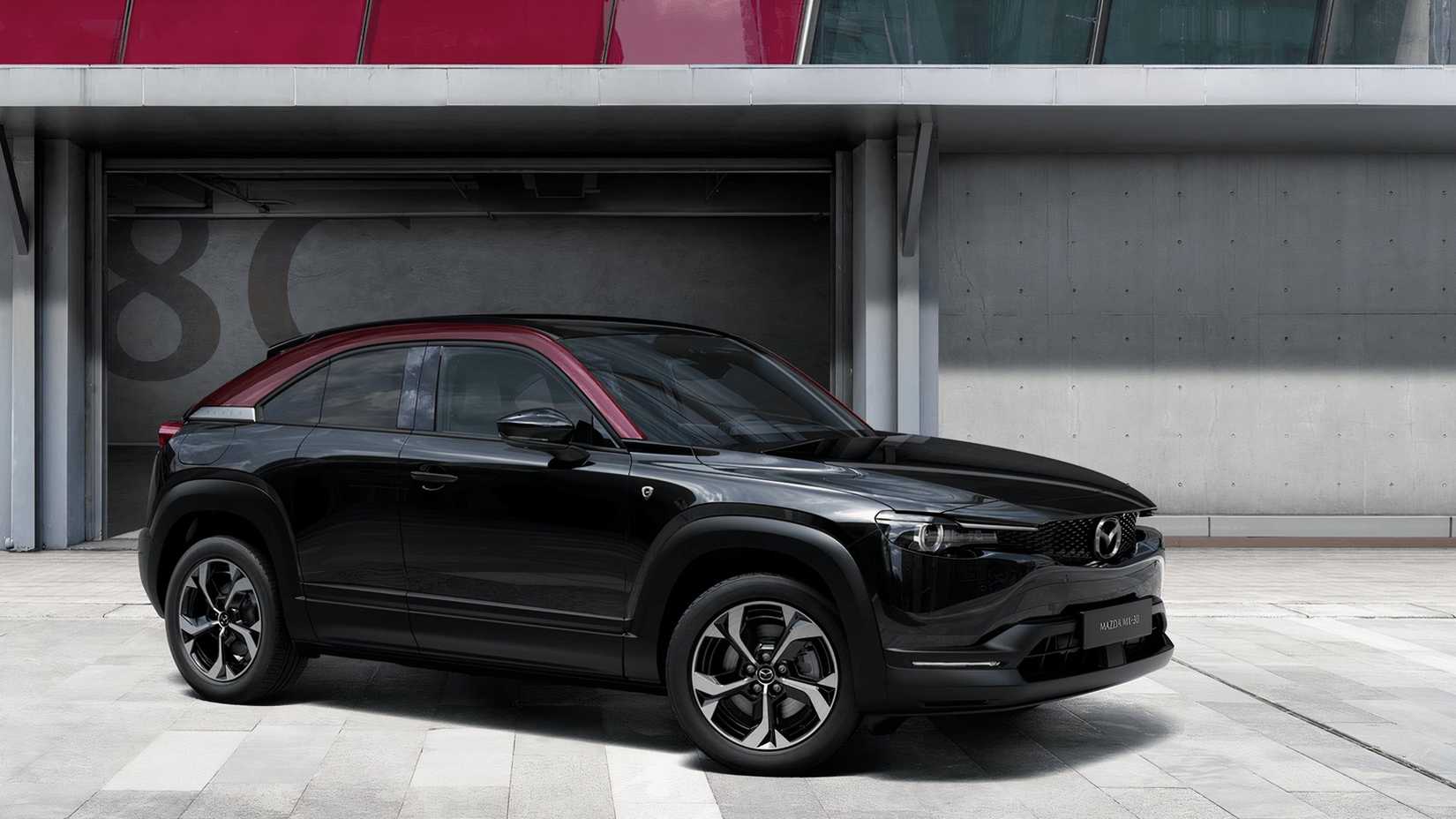
2. 2024 Mazda MX-30 EV Premium Plus FWD
- Engine: Single electric motor FWD
- Torque: 162 lb-ft
- Horsepower: 143 hp
- Length: 173.0 in
- Width: 70.7 in
Mazda’s MX-30 EV arrived in the American market as a range-limited urban EV with an intentionally small 35.5 kWh battery pack, a design choice Mazda justified through arguments about battery production sustainability and weight management for driving dynamics.
Its EPA range of 100 miles was modest by 2024 standards, positioned as adequate for urban commuters with short daily distances. Cold weather does not respect modest range claims, and the MX-30’s small battery pack makes it particularly vulnerable to winter range reduction.
A 35.5 kWh battery pack leaves very little margin for cold-weather efficiency losses. When ambient temperatures fall to 20 degrees Fahrenheit and cabin heating draws its share of available energy, MX-30 owners have reported observed ranges of 60 to 75 miles in cold conditions. An EV with 60 to 75 miles of real winter range requires careful charging discipline that most buyers of a $34,000 vehicle would not anticipate needing to exercise in the 21st-century EV market.
Mazda’s decision to use a relatively conventional thermal management system without the advanced heat pump and battery pre-conditioning integration found in longer-range competitors reflects the MX-30’s positioning as an entry-level EV rather than a full-featured alternative to longer-range options.
In warm climates like Southern California, where the MX-30 was primarily designed for, 100 miles of EPA range is practically workable for urban commuting. In Chicago, Minneapolis, or Boston during winter, a vehicle with 60 to 75 miles of cold-weather range requires home charging every single night without exception and eliminates the flexibility buffer that makes EV ownership comfortable rather than anxiety-inducing.
DC fast charging capability on the MX-30 is also limited at 50 kW maximum, which is lower than most competing EVs at comparable or lower price points. A slower maximum charge rate combined with cold-weather reduced acceptance means that a quick top-up stop during a winter outing takes longer than the battery’s small capacity would suggest.
A 50 kW charger adding range to a cold, capacity-reduced battery pack is a slow process that reduces the vehicle’s practical utility for anything beyond the most predictable daily driving routine.
Also Read: 5 Used EVs With Strong Battery Health vs 5 Known for Rapid Degradation
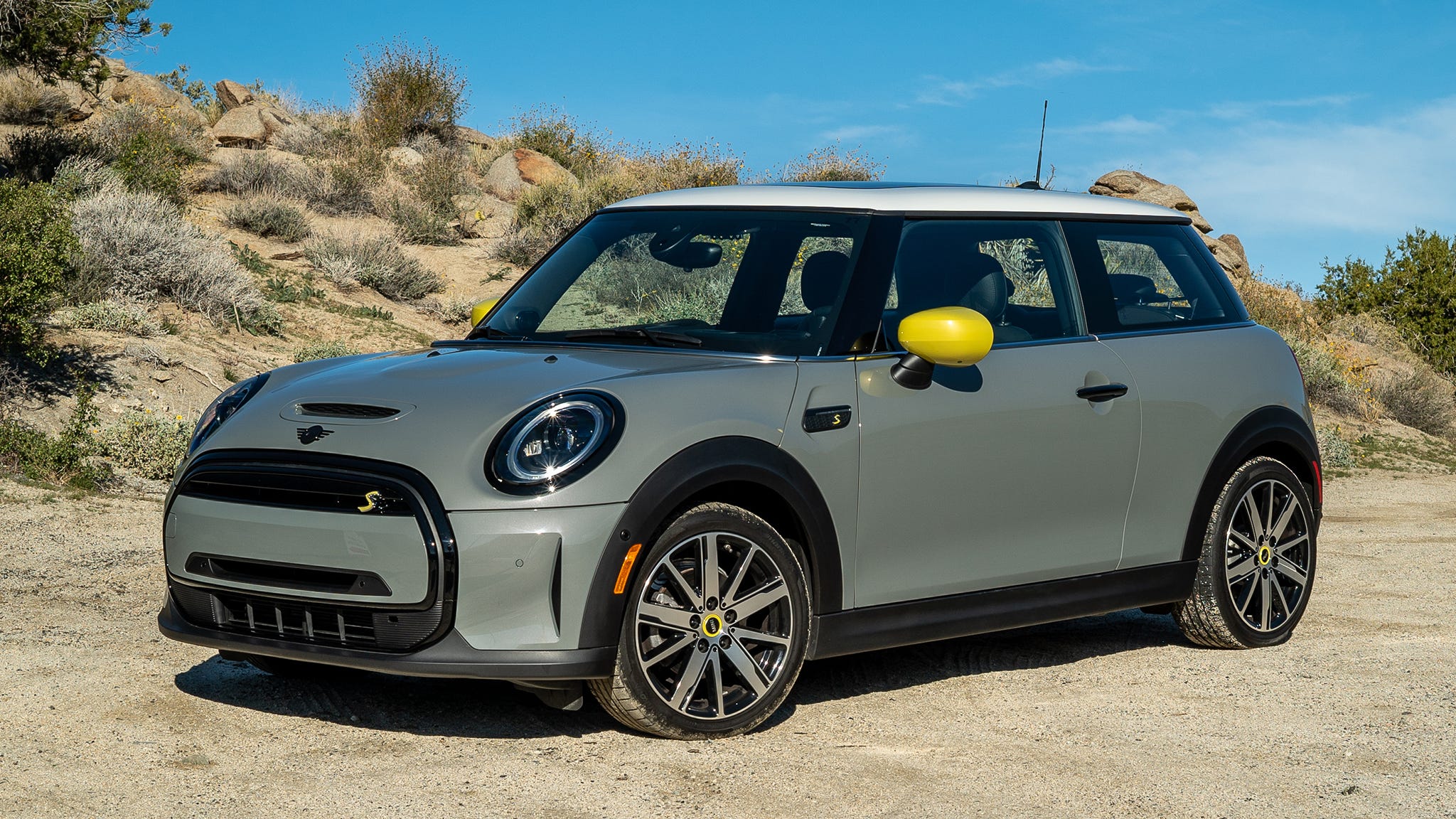
3. 2023 Mini Cooper SE Hardtop 2 Door FWD
- Engine: Single electric motor FWD
- Torque: 199 lb-ft
- Horsepower: 181 hp
- Length: 151.1 in
- Width: 68.0 in
The Mini Cooper SE Hardtop represents Mini’s first full attempt at bringing battery electric power to its long-established small car formula. In city driving and moderate weather, the car delivers the lively responses and compact agility that buyers associate with the brand.
Its steering feel, short wheelbase, and brisk throttle reaction give it a playful character that works well in dense urban settings. These strengths, however, become less convincing once the car is exposed to sustained cold weather conditions, where its limited energy storage begins to restrict daily usability.
The Cooper SE uses a usable battery capacity of 32.6 kilowatt hours, a figure that immediately places it behind many electric competitors in terms of energy reserve. The official EPA driving estimate stands at 114 miles, a number that already suggests a narrow margin for error.
Cold weather testing paints a more demanding picture. At temperatures close to 20 degrees Fahrenheit, with normal cabin heating in operation, real driving distances often fall between 70 and 85 miles. This reduction forces drivers to think carefully about trip planning, especially when errands extend beyond short urban loops.
For an electric car marketed as a premium city vehicle, this winter distance limitation introduces daily pressure to charge more frequently. Many Mini buyers are accustomed to simple ownership routines and minimal planning, yet the Cooper SE in cold regions requires careful attention to charging habits.
Missing a nightly charge or underestimating energy usage can quickly result in range anxiety, which undermines the relaxed ownership experience associated with the brand. Battery temperature management has attracted criticism from owners in colder climates. The system lacks strong preconditioning capability, meaning the battery may remain cold at the start of a journey even after an overnight charge.
A cold battery reduces efficiency and limits power acceptance during charging. Some drivers report that morning commutes begin with reduced responsiveness until driving activity gradually warms the battery pack. This behaviour affects both range and performance consistency.
Cabin heating relies on a combined system using resistive elements supported by a heat pump. This design is preferable to pure resistive heating, yet its advantage diminishes as temperatures drop further. Below roughly 25 degrees Fahrenheit, the heat pump operates with reduced efficiency, forcing greater reliance on resistive heating. As a result, more battery energy is diverted to cabin comfort, accelerating range loss during winter travel.
4. 2024 Volkswagen ID.4 Standard Range RWD
- Engine: Single electric motor RWD
- Torque: 229 lb-ft
- Horsepower: 201 hp
- Length: 180.5 in
- Width: 72.9 in
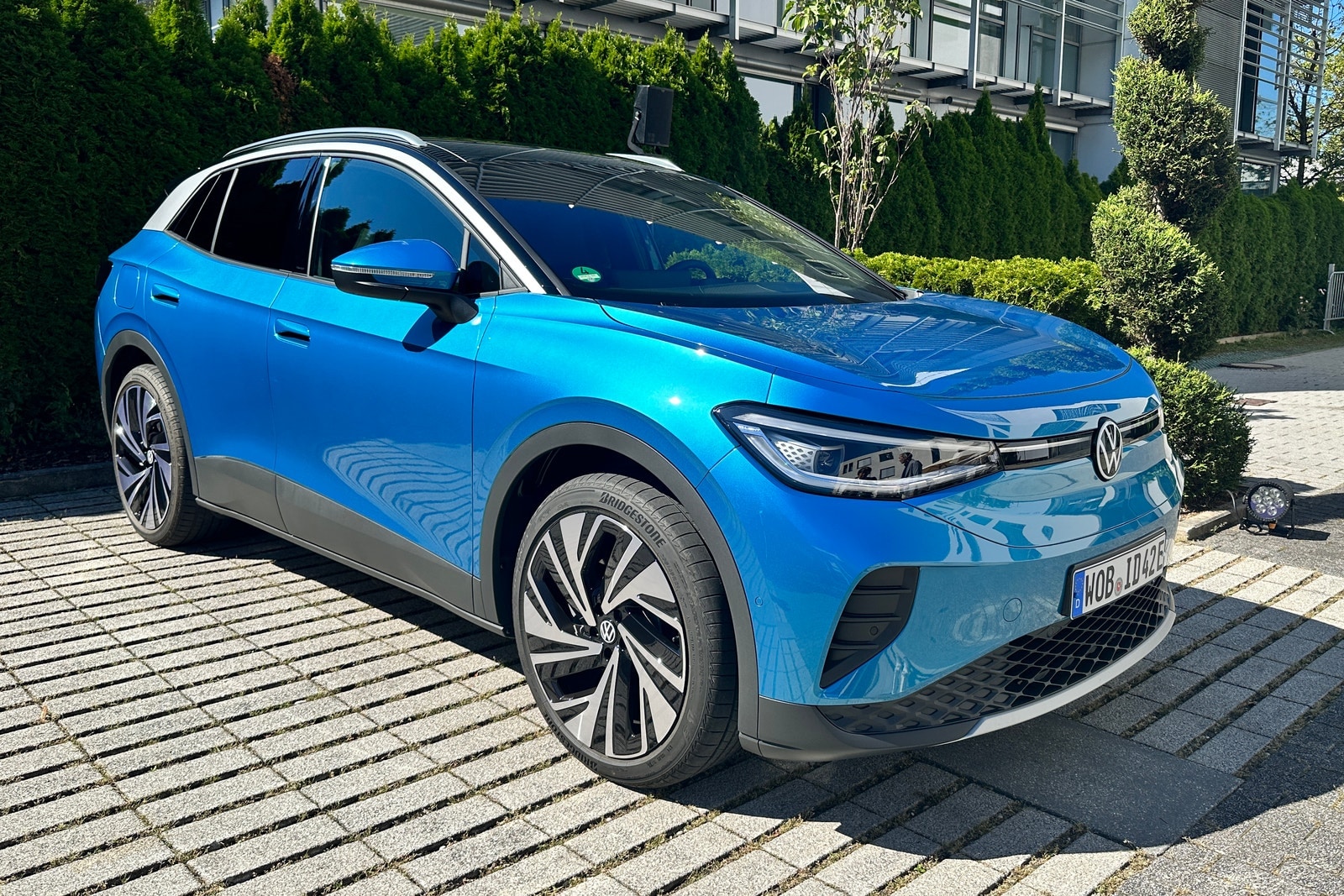
The Volkswagen ID.4 has earned a reputation for balanced electric vehicle design, particularly in its long-range and All Wheel Drive versions. These higher specifications benefit from effective thermal systems that reduce efficiency losses during cold-weather use.
The Standard Range rear wheel drive variant, however, operates under tighter energy constraints. Its smaller battery and adjusted thermal calibration lead to winter performance that differs clearly from the stronger versions within the same model line. The Standard Range ID.4 is rated at approximately 209 miles by the EPA.
In practical cold weather driving at temperatures near 20 degrees Fahrenheit, observed distances often fall between 130 and 155 miles when cabin heating is active. This represents a noticeable reduction that becomes more apparent during longer commutes or highway travel. The percentage loss places this version behind competitors that maintain stronger efficiency in similar conditions.
Thermal management is present, including a heat pump and active battery temperature control, yet the system does not always operate at peak effectiveness without driver involvement. Reports from owners indicate that battery preconditioning is not consistently triggered by the navigation system when routing to a fast charging station.
Without proper pre-conditioning, the battery remains cold upon arrival, limiting charging speed and extending stop durations beyond expectations. Charging delays have been a point of frustration. A fast charging session expected to last around 30 minutes may extend closer to 45 or 50 minutes if the battery temperature is low.
Drivers who are unaware of the need to manually activate pre-conditioning face unnecessary delays, particularly during winter travel. This places additional responsibility on the owner to understand and manage the vehicle’s energy systems. The Standard Range configuration begins at a price close to 38,000 dollars, positioning it as an entry point into the ID.4 lineup.
At this level, buyers may assume they are receiving the same cold-weather competence associated with higher trims. In practice, the gap between the Standard Range and the Long Range All Wheel Drive versions is wide enough to affect daily satisfaction in colder states.
5. 2024 Fiat 500e Inspired By Beauty FWD
- Engine: Single electric motor FWD
- Torque: 220 lb-ft
- Horsepower: 117 hp
- Length: 143.0 in
- Width: 66.3 in
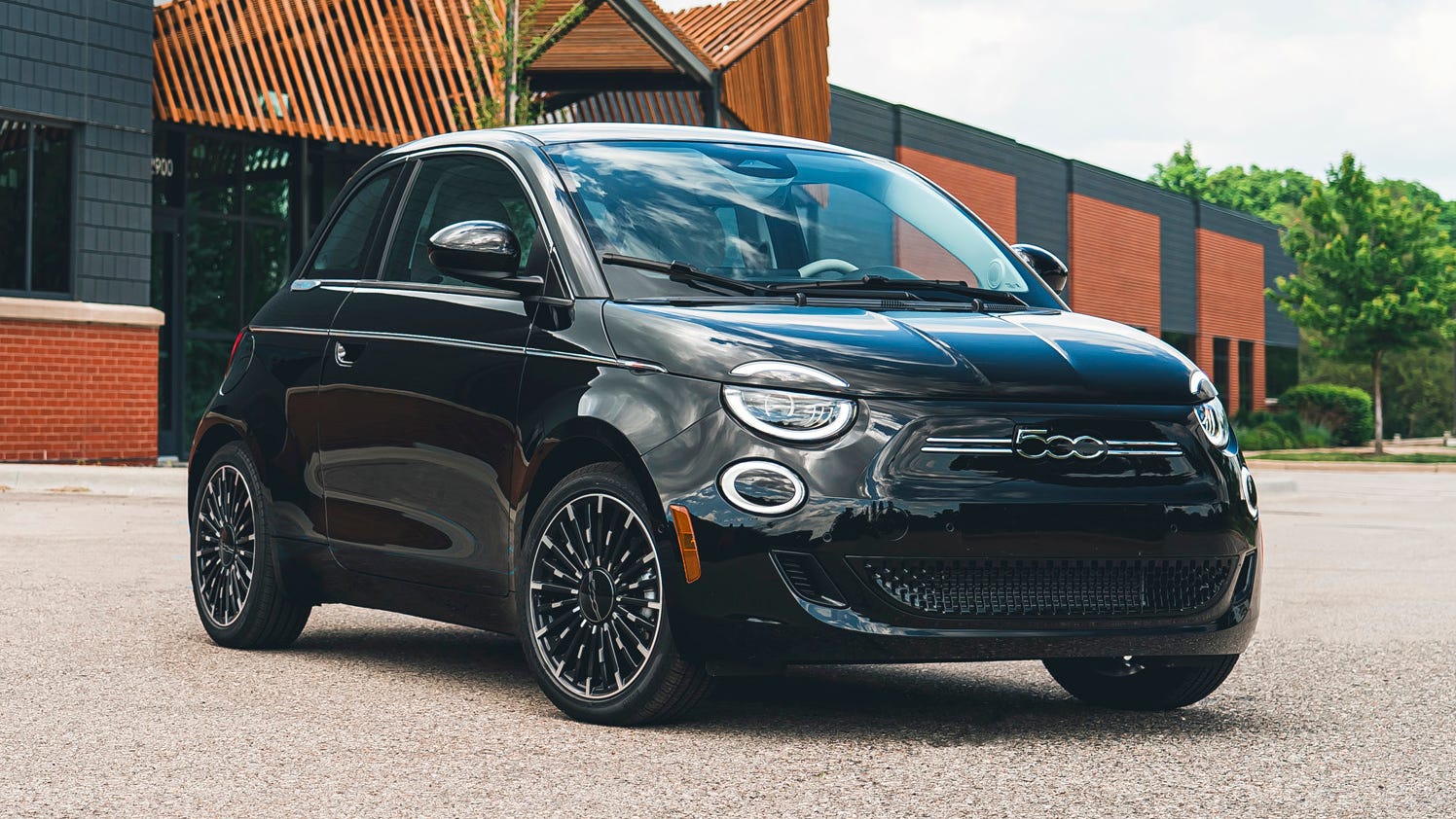
Fiat’s 500e is genuinely charming. Retro-inspired styling, a color palette that makes every parking lot more interesting, and a premium interior quality that punches above its size create a personality-driven ownership experience that has found a loyal buyer base in urban markets and sunbelt states.
Winter in a cold-climate market, however, is where the 500e’s 42 kWh battery and its thermal management architecture produce outcomes that are difficult to defend as practically adequate for four-season transportation needs. EPA range for the 2024 Fiat 500e Inspired By Beauty FWD is rated at 149 miles.
Cold weather testing at sub-freezing temperatures with cabin heating active has produced documented real-world ranges of 90 to 110 miles in 20-degree Fahrenheit conditions. For a vehicle positioned as a premium urban EV, that winter range requires the same charging discipline as much less expensive economy EVs, without the economy price to compensate for the limitation.
Fiat’s thermal management approach on the 500e uses a heat pump system, which is a positive engineering choice that moderates cold-weather range loss relative to a pure resistive heating alternative. However, the relatively small battery capacity means that even with heat pump efficiency, the absolute range in cold conditions is constrained by the amount of stored energy the system has to work with.
A heat pump that saves 20 to 30 percent of cabin heating energy is meaningful on a large battery pack. On a 42 kWh pack already losing cold-weather efficiency from battery chemistry limitations, the savings help but do not fully resolve the winter range problem.
DC fast charging capability on the 500e tops out at 85 kW, which is lower than several competing EVs at comparable prices. At that charge rate in cold conditions, where the battery may not immediately accept maximum current until it warms through charging, session times run longer than the vehicle’s small battery size might suggest.
A buyer who needs to top up quickly during a winter outing faces a charging experience that is slower than more cold-weather-capable alternatives in the same price range.
6. 2024 Honda Prologue FWD
- Engine: Single electric motor FWD
- Torque: 236 lb-ft
- Horsepower: 212 hp
- Length: 192.0 in
- Width: 78.3 in
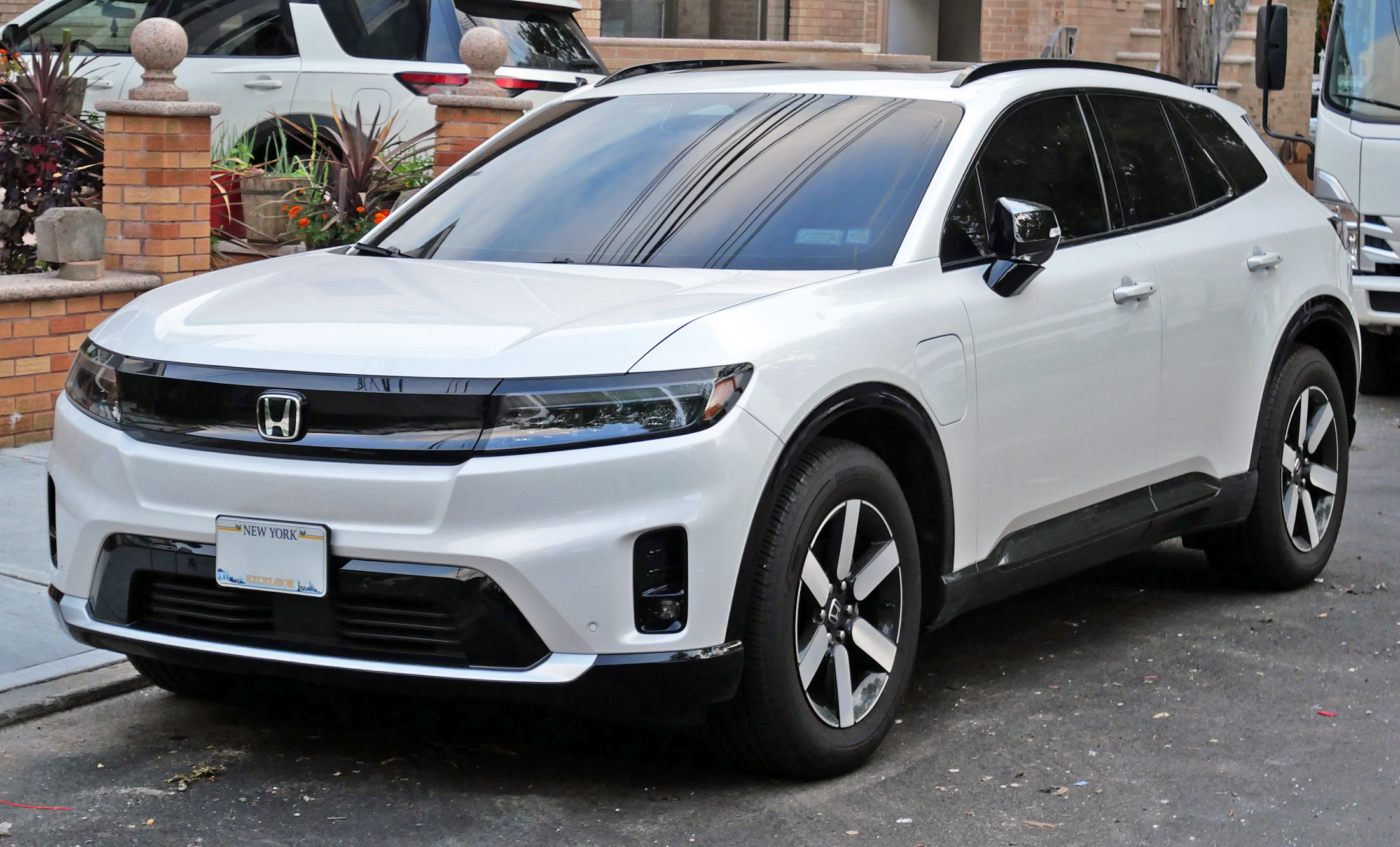
Honda’s Prologue arrived as the Japanese manufacturer’s first mainstream American EV, built on a GM Ultium platform under a development partnership. Entry into the EV market is always a learning process, and the Prologue’s cold-weather performance reflects some of the growing pains that accompany a first-generation EV architecture from a manufacturer that is still developing its electric vehicle thermal management expertise.
EPA range for the 2024 Honda Prologue FWD is rated at 296 miles, which is genuinely competitive on paper with established cold-weather performers. Real-world winter testing has produced observed ranges in the 185 to 215 mile range at temperatures around 20 degrees Fahrenheit with active cabin heating, representing a reduction of approximately 27 to 37 percent from the EPA figure.
While that percentage reduction is not exceptional in the EV market, it places the Prologue toward the lower end of winter efficiency performance among similarly priced competitors. Battery pre-conditioning integration with the navigation system has been a specific area of owner feedback in cold weather conditions.
Honda’s software implementation for routing to fast chargers does not always activate battery preconditioning as proactively as competitors whose systems have been refined through multiple generations of EV development. Arriving at a fast charger with a cold battery that needs time to warm before accepting peak current is an experience that affects charging planning, especially on longer winter road trips where fast charger stops are factored into travel time.
Regenerative braking behavior in cold conditions has also drawn attention from winter owners. At very low temperatures, reduced regenerative braking effectiveness means more reliance on conventional friction brakes and less energy recovery per deceleration event.
This affects both range and the one-pedal driving experience that many EV owners learn to rely on for efficient urban driving. A Prologue owner who uses one-pedal driving extensively in mild conditions may find the winter driving experience meaningfully different.
7. 2024 Genesis GV60 Standard Range RWD
- Engine: Single electric motor RWD
- Torque: 258 lb-ft
- Horsepower: 225 hp
- Length: 177.8 in
- Width: 74.4 in
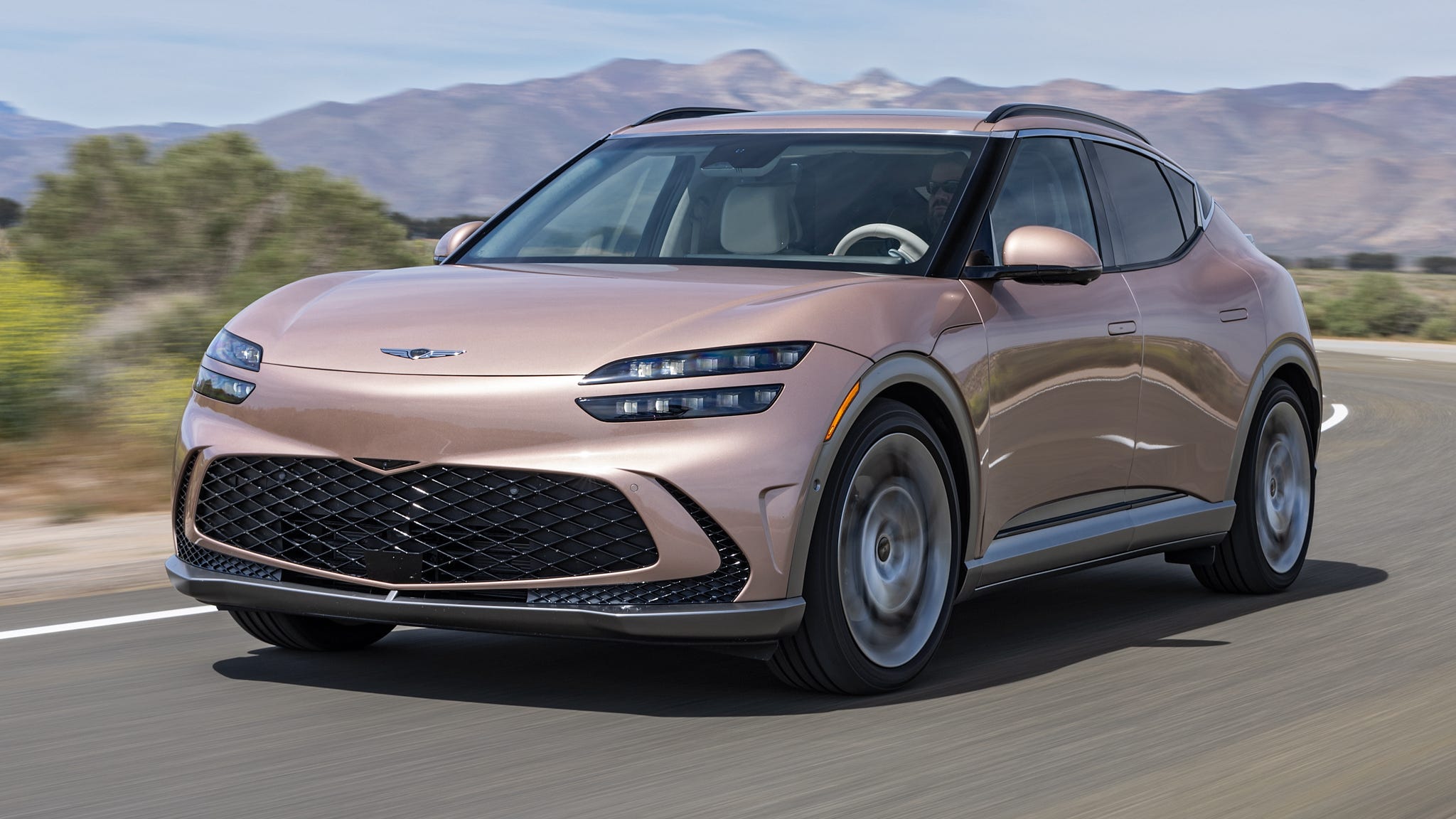
Genesis introduced the GV60 as a premium electric vehicle designed to blend refined interior craftsmanship with advanced electric technology. Positioned as an alternative to established European luxury brands, the model places strong emphasis on comfort, design quality, and quiet performance.
With a starting price of about 47,000 dollars for the Standard Range rear wheel drive version, buyers reasonably expect consistent usability throughout the year, including during colder seasons. Winter driving data, however, raises practical questions about how well this particular configuration supports that expectation.
The GV60 Standard Range RWD carries an EPA driving estimate of 248 miles. Independent winter use reports from owners driving in temperatures around 20 degrees Fahrenheit, with cabin heating in regular operation, indicate achievable distances between 155 and 185 miles.
This represents a substantial reduction from the rated figure. For a vehicle in the luxury category, such a reduction creates a noticeable difference between advertised capability and cold-season use, especially for drivers who rely on predictable daily distances without frequent charging interruptions.
Genesis equips the GV60 platform with advanced charging technology, including an 800-volt electrical system on higher trim All Wheel Drive versions. This system allows for rapid charging under ideal conditions. The Standard Range rear wheel drive version, however, does not consistently benefit from this advantage in cold environments.
Owner feedback points to slower battery temperature preparation before fast charging sessions. When the battery remains cold, charging speed is limited until sufficient warmth is achieved, reducing the benefit of the advanced electrical architecture during winter travel.
Battery preparation behaviour before fast charging has been a particular concern. Drivers in colder regions report that the vehicle does not always raise battery temperature quickly enough before arriving at high-power chargers. As a result, time spent connected to a charger may extend beyond planned stops.
For buyers accustomed to premium convenience, this adds an extra layer of planning that may feel inconsistent with the vehicle’s luxury positioning.
Also Read: 5 EVs That Make Sense for City Owners vs 5 That Complicate Daily Use
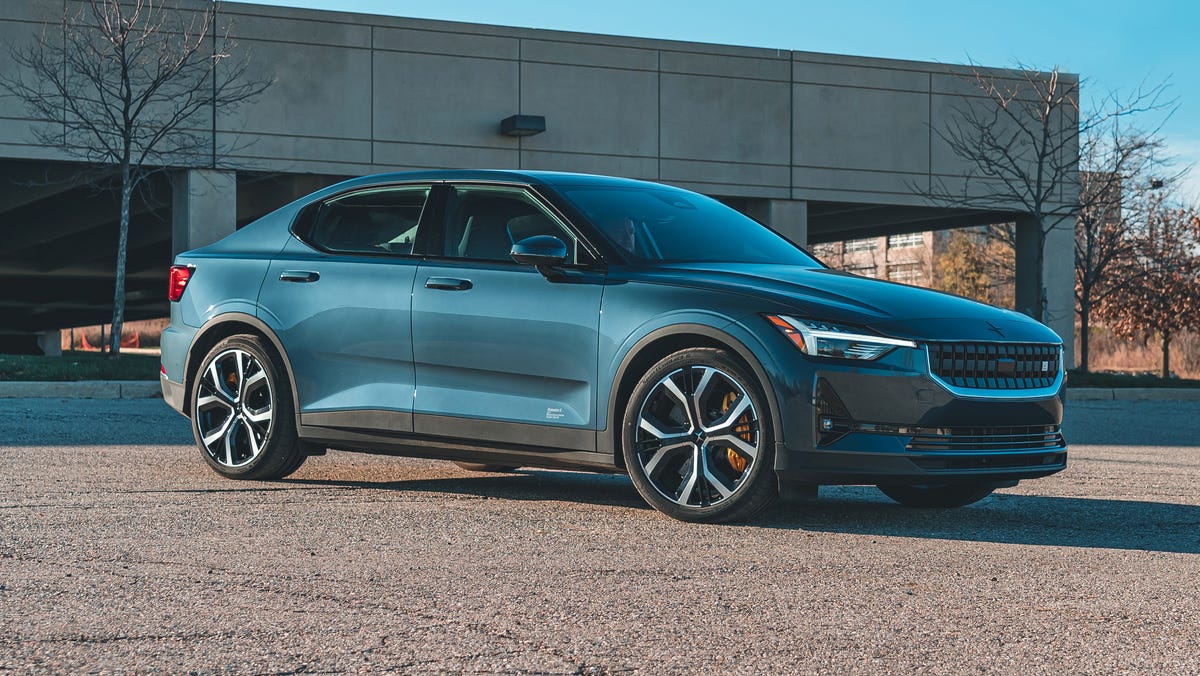
8. 2023 Polestar 2 Standard Range Single Motor FWD
- Engine: Single electric motor FWD
- Torque: 243 lb-ft
- Horsepower: 231 hp
- Length: 181.3 in
- Width: 73.2 in
Polestar developed its identity from Volvo’s performance division, drawing heavily on Scandinavian design principles and engineering discipline. This background creates expectations of strong cold climate competence. The Standard Range single motor front wheel drive version of the Polestar 2, however, delivers winter driving results that challenge those assumptions, especially when evaluated against competing electric vehicles at similar price levels.
The EPA driving estimate for this configuration is listed at 265 miles. Real driving reports from cold conditions around 20 degrees Fahrenheit, with cabin climate systems engaged, show achievable distances between 155 and 185 miles. This places winter reduction between roughly thirty and forty percent. Such figures position the Standard Range Polestar 2 among electric vehicles that lose a larger share of rated distance during cold-weather operation.
Polestar employs software-controlled thermal management to regulate battery temperature and protect long-term battery health. In cold conditions, the system prioritises warming the battery pack during the early phase of a drive. While this approach supports efficiency and durability once the optimal temperature is reached, it limits immediate power availability during short winter trips.
Drivers starting early morning journeys in low temperatures often experience restrained acceleration until sufficient battery warmth develops. This operating behaviour is technically logical but may surprise drivers expecting full performance immediately. In urban winter driving, where trips are often short, the battery may spend a substantial portion of each journey warming rather than delivering peak efficiency.
This contributes to both reduced driving distance and a less responsive feel during initial operation. Polestar has released multiple software updates aimed at improving cold-weather behaviour, reflecting a willingness to respond to owner feedback. These updates have refined energy management and driving consistency. Software adjustments, however, cannot fully compensate for physical battery size.
The Standard Range battery remains smaller than many alternatives in its price category, limiting reserve capacity when cold temperatures reduce usable energy.
