
Most drivers assume that a car battery lives in one obvious location. Open the hood, look near the engine bay, and there it is sitting in plain sight. That expectation comes from decades of automotive design, where convenience and simplicity mattered more than packaging creativity.
However, modern vehicles have become far more complex, and engineers now prioritize weight distribution, cabin space, safety, aerodynamics, and electronics placement. As a result, many automakers have started placing batteries in unusual and sometimes frustrating locations.
Some are tucked into the trunk beneath carpeting, others hide under seats, and a few are buried behind wheel liners or deep inside the cabin. For mechanics, these placements can turn a simple battery replacement into a time-consuming process.
For owners, the first encounter with a hidden battery often leads to confusion, especially during emergencies like a dead battery on a cold morning. Yet these strange placements are rarely random. Engineers often choose them to improve vehicle balance, protect sensitive electrical systems, or create more room under the hood for turbochargers, hybrid components, or safety structures.
Luxury brands are especially known for unusual battery locations because their vehicles contain advanced electronics and carefully tuned chassis dynamics. Sports cars also tend to relocate batteries to improve handling characteristics by balancing front and rear weight.
In some cases, the battery is hidden simply because there is no remaining room in the crowded engine bay. While these odd placements can complicate maintenance, they also reveal the fascinating engineering decisions behind modern automotive design.
Understanding where these batteries are hidden and why manufacturers chose those spots gives drivers a deeper appreciation for the complexity of today’s vehicles. From German luxury sedans to American sports cars and compact city vehicles, several automobiles stand out for their truly bizarre battery locations.
Some are practical once understood, while others seem designed specifically to confuse first-time owners. This article explores eight cars where the battery is hidden in surprisingly strange places, explaining the reasoning behind each design and what owners should know before attempting maintenance or jump-starting procedures.
Also Read: 8 Cars That Are Nearly Impossible to Steal
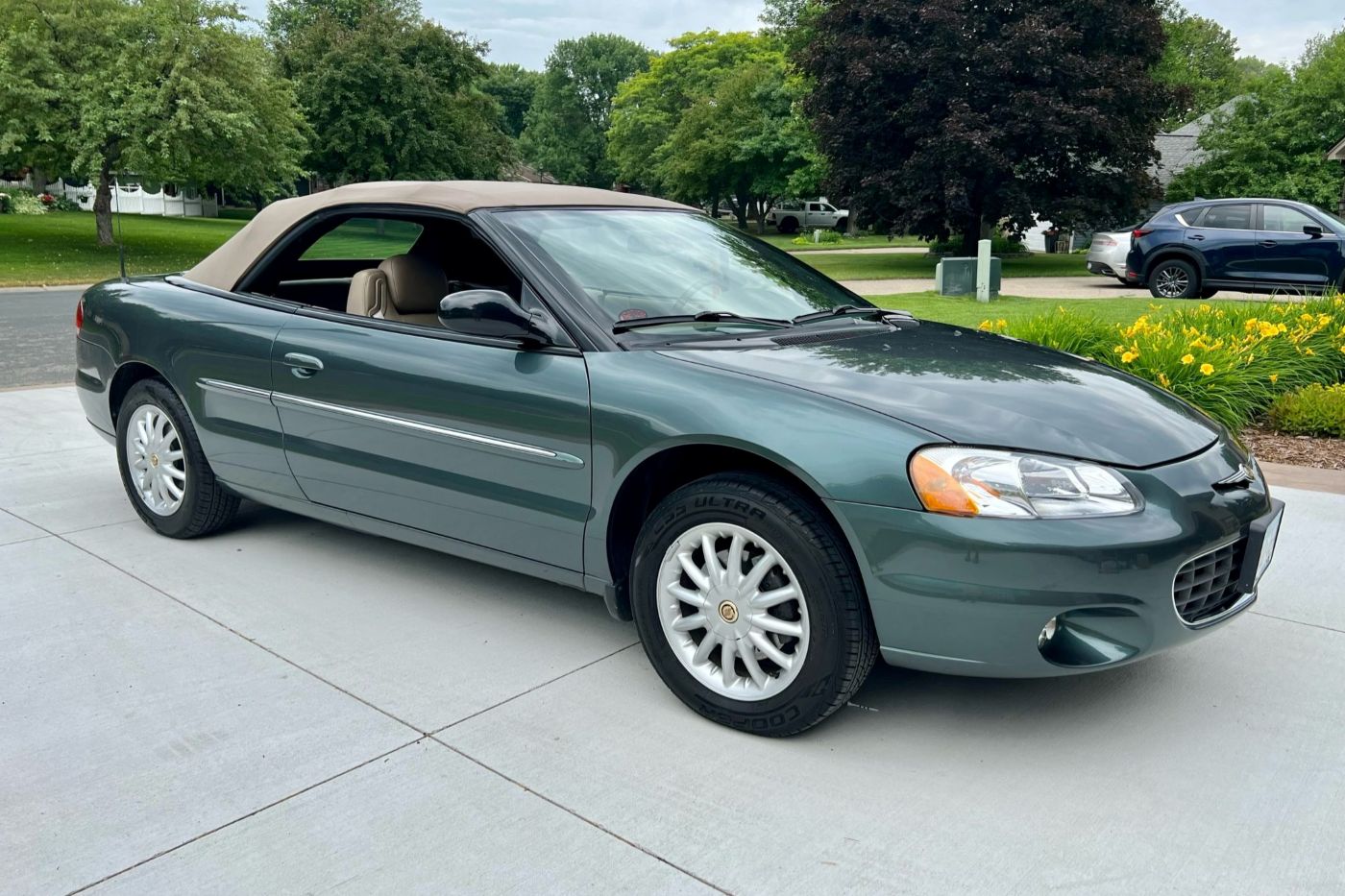
- Engine: 2.4L inline 4 cylinder / 2.7L V6 (varies by trim)
- Horsepower: ~173 hp (2.4L) / ~200 hp (2.7L V6)
- Torque: ~165 lb-ft / ~190 lb-ft
- Length: ~4,840 mm (190.6 in)
- Width: ~1,800 mm (71 in)
1. Chrysler Sebring
The Chrysler Sebring earned a reputation for one of the strangest battery locations in mainstream automotive history. Instead of placing the battery under the hood where drivers naturally expect it, Chrysler engineers installed it behind the front driver’s side wheel liner.
To access the battery, owners often need to turn the steering wheel fully, remove several fasteners, and partially pull back the wheel well cover. For many people, discovering this setup for the first time feels almost unbelievable because the engine bay contains no obvious battery at all.
This unusual design decision was largely driven by packaging constraints. The Sebring featured a tightly packed engine compartment, especially in models equipped with larger V6 engines. Engineers needed additional room for intake components, emissions systems, and safety structures.
Relocating the battery allowed Chrysler to optimize under-hood space while also lowering the center of gravity slightly. Unfortunately, the practical benefits rarely outweighed the inconvenience experienced by owners and mechanics.
Battery replacement in the Sebring can become especially frustrating during bad weather. If the battery dies unexpectedly, roadside assistance workers may spend valuable time locating it before jump-starting the vehicle.
Dirt, road salt, and moisture from the wheel area can also contribute to corrosion around battery terminals and mounting hardware. In snowy regions, this setup sometimes accelerates wear because the battery sits closer to environmental contaminants than traditional engine bay locations.
Another challenge involves accessibility for average drivers. Many owners are comfortable changing a battery themselves when it sits under the hood. However, removing wheel liners and dealing with cramped wheel well spaces discourages do-it-yourself maintenance.
This means more owners end up paying mechanics for what would otherwise be a straightforward task. Some drivers even report being shocked during emergency situations when they cannot immediately locate the battery for a jump start.
Despite the criticism, the Sebring remains one of the most memorable examples of unconventional automotive engineering. It demonstrates how manufacturers sometimes prioritize packaging efficiency over owner convenience. While hidden batteries have become more common today, the Sebring’s wheel well placement still stands out as one of the most bizarre solutions ever used in a mass market sedan.
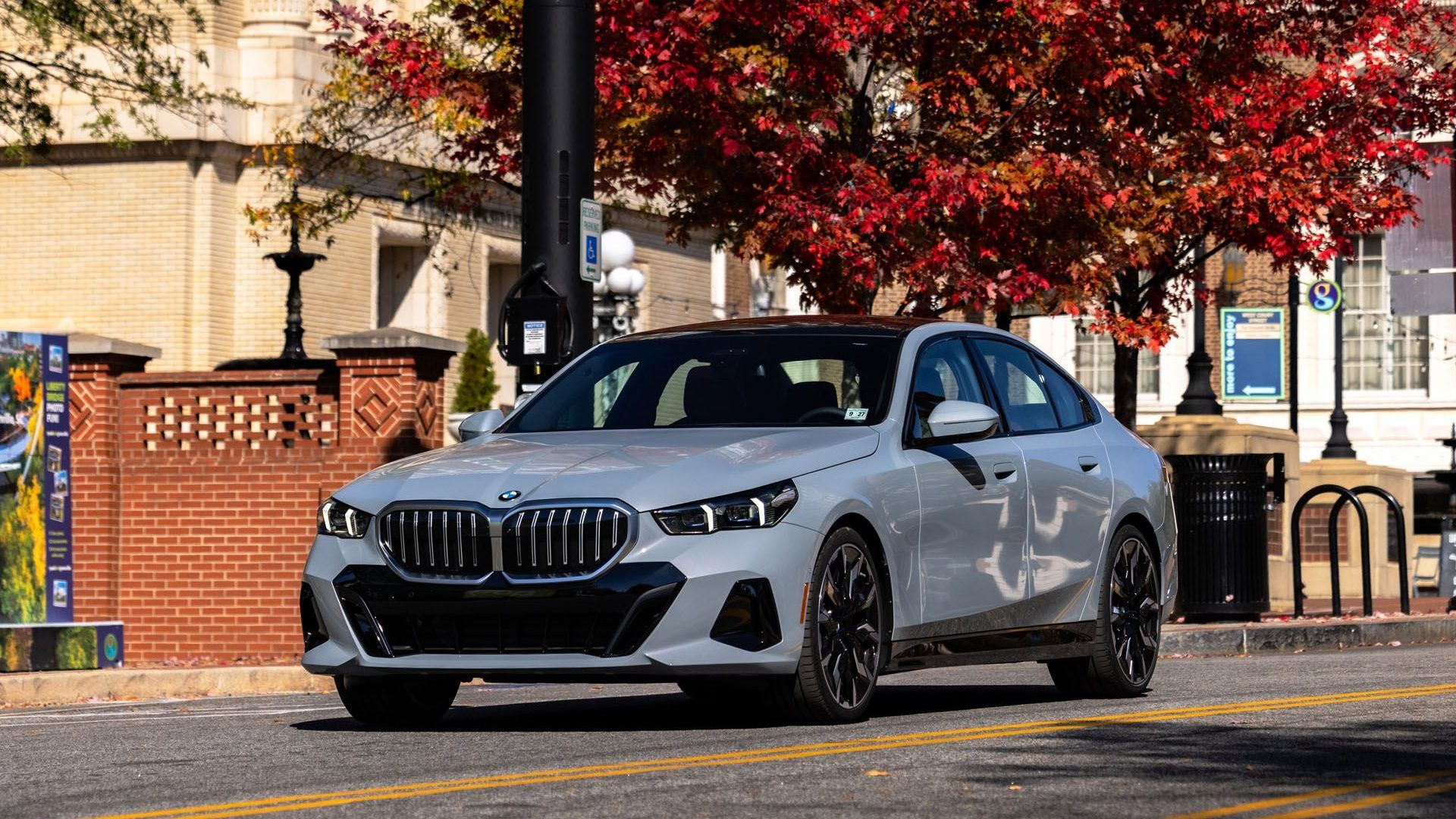
- Engine: 3.0L inline 6 cylinder (530i variant)
- Horsepower: ~255 hp
- Torque: ~220 lb-ft
- Length: ~4,841 mm (190.6 in)
- Width: ~1,846 mm (72.7 in)
2. BMW 5 Series
The BMW 5 Series has long hidden its battery inside the trunk, usually beneath carpeting on the right side. Unlike traditional engine bay placements, BMW positions the battery near the rear of the vehicle to improve weight distribution. Since balanced handling is central to BMW’s engineering philosophy, moving heavy components toward the back helps create the near-perfect front-to-rear balance that enthusiasts appreciate.
At first glance, this setup may seem inconvenient, but there are logical advantages. Modern BMWs contain crowded engine bays packed with turbochargers, cooling systems, electronic modules, and emissions hardware.
Relocating the battery frees valuable space while also reducing heat exposure. Excessive engine heat can shorten battery lifespan, so the cooler trunk environment often helps improve durability over time.
However, the hidden trunk location can still confuse owners unfamiliar with the vehicle. Many first-time BMW drivers open the hood during a dead battery situation and panic when they cannot find the battery.
Fortunately, BMW anticipated this issue by including designated jump-start terminals under the hood. Drivers can connect jumper cables there without directly accessing the battery itself. This solution adds convenience while maintaining the benefits of rear battery placement.
Maintenance costs can increase because BMW batteries often require electronic registration after replacement. The vehicle’s computer monitors charging patterns and battery condition closely. Installing a new battery without programming the system properly can cause charging irregularities or warning lights. As a result, many owners rely on dealerships or specialized shops for battery replacement, increasing service expenses compared to simpler vehicles.
The BMW 5 Series illustrates how hidden battery placement can serve a genuine engineering purpose rather than simply being an odd design quirk.
Although the trunk location initially surprises many drivers, it contributes to handling performance, thermal management, and engine bay efficiency. Among luxury vehicles, this approach has become increasingly common, but BMW helped popularize it decades ago through its commitment to balanced driving dynamics.
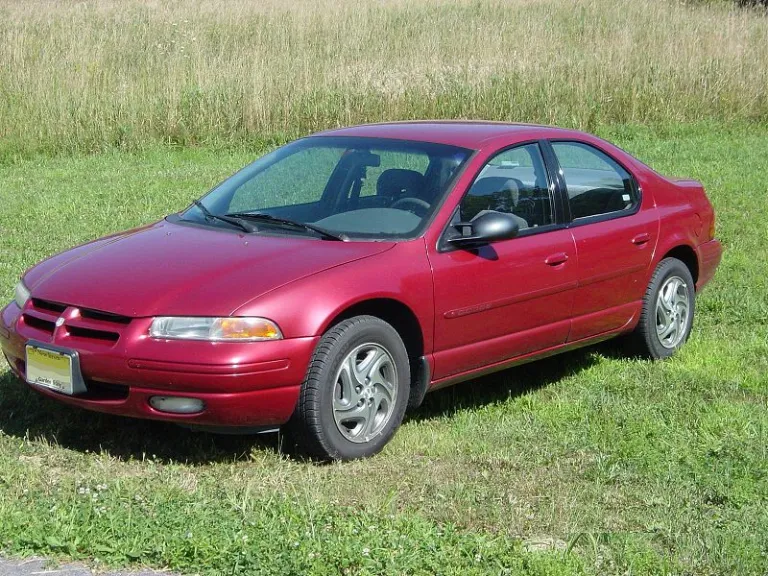
- Engine: 2.4L inline 4 cylinder / 2.7L V6
- Horsepower: ~150–200 hp depending on trim
- Torque: ~160–190 lb-ft
- Length: ~4,740 mm (186.6 in)
- Width: ~1,800 mm (70.9 in)
3. Dodge Stratus
The Dodge Stratus shares a notorious reputation with the Chrysler Sebring because both vehicles hide the battery behind the front wheel liner.
Owners frequently express frustration about this setup because replacing the battery involves far more effort than expected for an everyday midsize sedan. Instead of opening the hood and disconnecting terminals, drivers must work through the wheel well area, often requiring jack stands or additional tools.
One reason for this placement was the limited under-hood space available in the Stratus platform. Engineers faced increasing demands for safety systems, larger engines, and improved emissions equipment.
By relocating the battery to the side of the vehicle, they could create more flexibility in engine compartment design. Unfortunately, this convenience for engineers translated into inconvenience for nearly everyone else.
The wheel well environment creates additional problems over time. Water, mud, and road debris frequently reach the battery compartment despite protective covers.
Corrosion can build up around mounting brackets and electrical connections, especially in regions with harsh winters. Mechanics often encounter rusted fasteners that make battery access even more difficult than originally intended. What should be a simple maintenance job sometimes turns into an unexpectedly time-consuming repair.
Emergency situations become particularly stressful because many roadside assistance technicians initially search under the hood like they would on most vehicles.
Owners unfamiliar with the hidden battery may struggle to explain its location accurately. Even experienced mechanics occasionally complain about the awkward access angles required to disconnect and remove the battery safely. In some cases, removing the front wheel entirely simplifies the process.
Despite widespread criticism, the Dodge Stratus became one of the automotive industry’s most famous examples of bizarre battery placement. It serves as a reminder that engineering decisions often involve compromises.
While the hidden battery may have solved packaging concerns, it also created years of frustration for drivers and repair professionals alike. Even today, automotive enthusiasts frequently mention the Stratus when discussing the strangest battery locations ever designed.
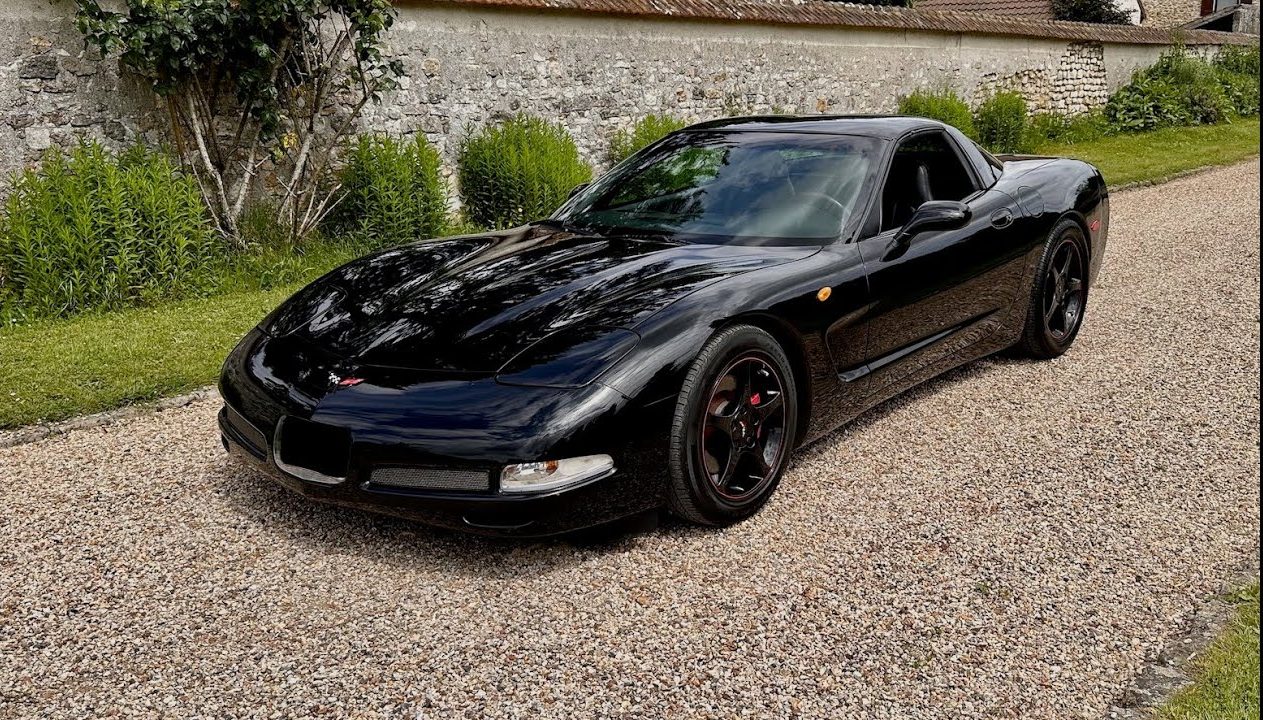
- Engine: 5.7L LS1 V8
- Horsepower: ~345 hp (up to ~385 hp in Z06)
- Torque: ~350 lb-ft
- Length: ~4,556 mm (179.2 in)
- Width: ~1,876 mm (73.8 in)
4. Chevrolet Corvette C5
The Chevrolet Corvette C5 hides its battery behind the passenger side rear wheel area, making it one of the more unusual placements in the sports car world.
Unlike ordinary sedans, the Corvette was engineered with high-performance handling in mind. Engineers carefully distributed weight throughout the chassis to maximize balance, cornering stability, and acceleration characteristics. Relocating the battery toward the rear played a role in achieving those performance goals.
Sports cars often place heavy components away from the front end to reduce nose heaviness. In the C5 Corvette, moving the battery rearward helped improve weight distribution significantly.
Combined with the rear-mounted transmission setup, this design contributed to the Corvette’s impressive handling dynamics. For performance enthusiasts, these engineering choices made practical sense even if maintenance became more complicated.
Battery access in the C5 can confuse new owners because the engine bay lacks a visible battery. Instead, drivers must remove panels near the rear wheel section to reach it. While not impossible, the process requires patience and familiarity with the car’s design.
Fortunately, many Corvette owners become accustomed to specialized maintenance procedures because sports cars frequently involve less conventional engineering layouts.
Heat management also influenced the decision. High-performance engines generate substantial heat, and prolonged exposure can damage batteries over time. By relocating the battery farther from the engine compartment, Chevrolet improved thermal protection and potentially extended battery lifespan. This setup also freed additional space under the hood for intake systems and cooling components.
The C5 Corvette demonstrates how unusual battery placement can directly support performance engineering objectives.
Although some owners initially dislike the hidden location, many enthusiasts appreciate the reasoning behind it once they understand the car’s design philosophy. In the world of sports cars, maximizing balance and handling often outweighs concerns about easy maintenance access.
Also Read: 8 Car Mods That Actually Raise Resale Value
- Engine: 3.5L V6 (E350 variant)
- Horsepower: ~268 hp
- Torque: ~258 lb-ft
- Length: ~4,854 mm (191.1 in)
- Width: ~1,821 mm (71.7 in)
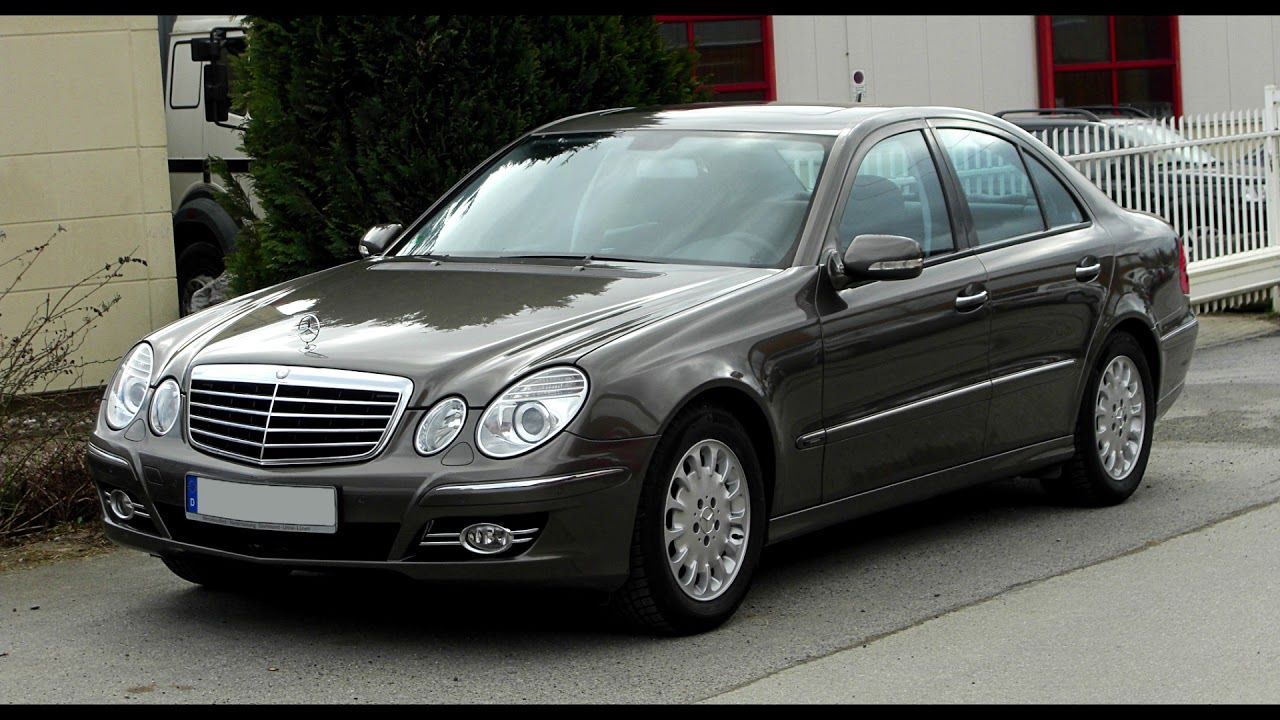
5. Mercedes-Benz W211 E-Class
The Mercedes-Benz W211 E-Class hides its main battery inside the trunk, while some models also include a secondary battery beneath the hood or behind interior panels. This dual battery arrangement surprises many owners because it adds complexity compared to traditional single battery systems. Mercedes implemented this design to support the vehicle’s extensive electronic features and luxury systems.
Modern luxury sedans contain enormous numbers of electrical components, including advanced infotainment systems, seat controls, climate management technology, driver assistance features, and electronic suspension systems.
The W211 generation pushed automotive electronics further than many competitors of its era. To ensure stable voltage and reliable operation, Mercedes used multiple battery configurations in certain versions of the car.
The trunk-mounted main battery contributes to improved weight distribution and frees engine bay space. Meanwhile, secondary batteries support specific systems during startup or high electrical demand situations.
Although technically sophisticated, this arrangement creates confusion for owners attempting maintenance. Many drivers do not realize their vehicle contains more than one battery until warning lights appear or electrical problems develop.
Replacing the battery in a W211 can require additional steps beyond simple terminal removal. Electronic systems may need reinitialization afterward, and some functions can behave unpredictably if the voltage drops during replacement.
This complexity encourages many owners to seek professional service instead of attempting battery replacement themselves. Luxury vehicle maintenance costs often rise partly because of these advanced electrical designs.
Despite the added complications, the W211 E-Class highlights the evolution of automotive technology. Hidden batteries became increasingly common as vehicles incorporated more electronics and demanded better weight management.
Mercedes engineers prioritized refinement, safety, and performance over maintenance simplicity. For luxury car buyers, these tradeoffs often seemed acceptable in exchange for advanced features and premium driving experiences.

- Engine: 1.8L hybrid inline 4 + electric motor
- Horsepower: ~134 hp combined
- Torque: ~105 lb-ft (engine, electric assist varies)
- Length: ~4,460 mm (175.6 in)
- Width: ~1,745 mm (68.7 in)
6. Toyota Prius
The Toyota Prius places its small 12-volt battery in the rear cargo area beneath interior trim panels, a location that surprises many first-time hybrid owners. Unlike conventional cars, the Prius relies primarily on its large hybrid battery pack for propulsion assistance.
The smaller auxiliary battery mainly powers electronics and starts the vehicle’s computer systems rather than cranking a traditional starter motor.
This unique hybrid architecture explains the unusual battery placement. Since the Prius does not require a large engine starting battery under the hood, engineers had greater flexibility regarding placement. By locating the auxiliary battery in the rear, Toyota optimized space within the engine compartment for hybrid components, cooling systems, and electronic control units.
Owners unfamiliar with hybrid technology sometimes panic when attempting to jump-start a dead Prius. Opening the hood reveals no conventional battery, leading many drivers to believe something is missing. Toyota addressed this issue by including jump-start terminals under the hood, connected to the rear battery. Once owners understand the system, emergency procedures become much easier.
The smaller battery size also reflects the Prius’s efficiency-focused design philosophy. Because the gasoline engine does not rely on the battery for heavy cranking duties, Toyota could use a compact, lightweight unit. This contributes slightly to fuel efficiency and packaging advantages. However, the specialized battery type can sometimes cost more than standard automotive batteries.
The Prius demonstrates how alternative powertrain technology changes traditional automotive design assumptions. Hidden batteries in hybrids are often practical engineering decisions rather than strange gimmicks. As electrification becomes more widespread, unconventional battery locations may become increasingly normal across the automotive industry.

- Engine: 3.6L V6 (base model) / 4.5L V8 (higher trims)
- Horsepower: ~290 hp (V6) / up to ~340+ hp (V8)
- Torque: ~385 Nm (~284 lb-ft)
- Length: ~4,780 mm (188.2 in)
- Width: ~1,928 mm (75.9 in)
7. Porsche Cayenne
The Porsche Cayenne hides its battery beneath the driver’s seat in certain generations, creating one of the more unexpected locations in the luxury SUV segment.
Accessing the battery may require moving the seat fully forward or backward and removing protective covers. For drivers accustomed to traditional battery placements, discovering a battery under the seat can feel remarkably strange.
Porsche engineers selected this location partly for weight distribution reasons. Even though the Cayenne is an SUV, Porsche designed it with sports car-inspired handling characteristics. Centralizing heavy components within the chassis helps improve stability and balance during aggressive driving. Placing the battery low and near the center of the vehicle contributes to these dynamics.
Interior placement also protects the battery from engine heat and harsh weather exposure. Batteries generally perform better when shielded from extreme temperatures and moisture. The cabin environment offers greater thermal stability than crowded engine bays or exposed wheel well areas. This can potentially improve battery longevity under certain conditions.
However, maintenance accessibility becomes more complicated. Reaching the battery may require careful seat positioning and panel removal. During emergencies, unfamiliar owners often waste time searching under the hood before learning the true location. Professional technicians usually know these procedures well, but casual drivers may find the setup intimidating.
The Cayenne reflects Porsche’s tendency to prioritize performance engineering even in practical vehicles like SUVs. Hidden battery placement supports handling refinement and packaging efficiency while reinforcing the brand’s engineering-focused identity. Although unusual, the under-seat location serves multiple functional purposes beyond simply being unconventional.
- Engine: 2.5L inline 5 cylinder (common NA variant)
- Horsepower: ~170 hp
- Torque: ~177 lb-ft
- Length: ~4,278 mm (168.4 in)
- Width: ~1,808 mm (71.2 in)
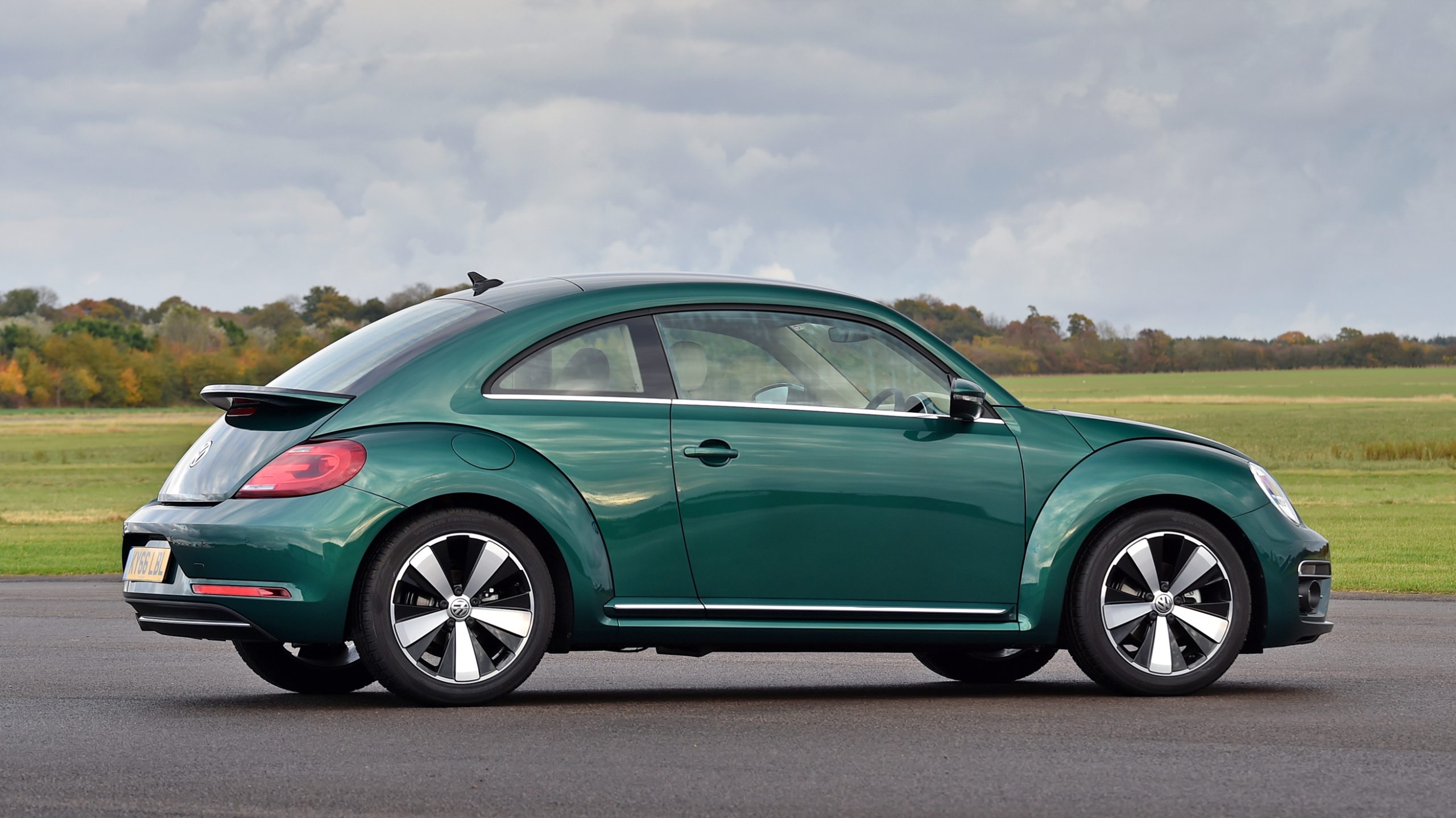
8. Volkswagen Beetle
The modern Volkswagen Beetle hides its battery beneath various covers and trim pieces that make access more difficult than many drivers expect. While technically still under the hood, the battery often sits buried beneath plastic panels and tightly packed components. Some owners jokingly describe it as hidden because locating and accessing it requires far more effort than in older vehicles.
One reason for this complexity involves modern safety and aerodynamic requirements. Contemporary engine bays contain carefully designed airflow management panels, crash structures, and electronic systems.
Automakers increasingly cover components with protective trim to improve appearance, reduce noise, and optimize airflow. In the Beetle, these design choices contribute to the battery feeling concealed rather than openly accessible.
Volkswagen also engineered compact packaging solutions to maximize cabin space within the Beetle’s iconic rounded body shape. Tight engine compartments forced designers to utilize every available inch efficiently. As a result, the battery competes for space alongside intake plumbing, fuse boxes, and emissions equipment. This creates cramped access conditions during maintenance procedures.
Battery replacement can become frustrating because owners often need to remove multiple covers and brackets before reaching the terminals. While not as extreme as wheel well-mounted batteries, the setup still surprises many drivers expecting a quick, straightforward process. Some mechanics criticize modern automotive design trends for prioritizing appearance and packaging over serviceability.
Despite these complaints, the Beetle’s hidden battery reflects broader industry evolution. Modern vehicles increasingly integrate complex systems into compact spaces while meeting stricter safety and emissions regulations.
What once seemed like simple maintenance tasks now involve dealing with carefully engineered packaging solutions and tightly packed components. The Beetle serves as a recognizable example of this modern automotive reality.
