
Rural gravel roads present some of the most demanding driving conditions on the planet. Loose stones, deep ruts, sudden potholes, and unpredictable drainage create a punishing environment for ordinary vehicles.
Drivers going through these terrains daily need machines that combine ground clearance, suspension travel, torque delivery, and structural durability in equal measure. The wrong vehicle on a rough gravel road can mean costly repairs, broken axles, or worse, getting stranded miles from the nearest town.
Choosing the right vehicle is not merely about four-wheel drive capability. It demands a holistic assessment of powertrain strength, chassis reinforcement, tyre compatibility, and long-term mechanical reliability.
Whether you are hauling farm supplies across a muddy ranch track, commuting on an unmaintained forest road, or exploring remote countryside, the vehicle beneath you must be engineered to endure.
This guide examines ten of the finest vehicles purpose-built or genuinely proven for gravel road performance. Each vehicle is assessed across engineering specifications, real-world capability, and everyday practicality.
From legendary pickup trucks to rugged SUVs and capable crossovers, this list covers the full spectrum of drivers who demand dependability when pavement disappears.
1. Toyota Land Cruiser 300 Series (2021–Present)
The Toyota Land Cruiser 300 Series represents the pinnacle of off-road engineering from one of the world’s most trusted automakers. It has been refined over seven decades of continuous development, and the latest iteration is arguably the most sophisticated version yet.
Every component has been engineered with the philosophy that extreme terrain should never defeat a well-prepared driver. At the heart of the 300 Series sits a twin-turbocharged 3.5-litre V6 petrol engine producing 305 horsepower and a commanding 650 Nm of torque.
That torque figure is crucial on gravel roads, where constant low-speed pulling power and smooth throttle response prevent wheel spin and loss of directional control. The engine pairs with a 10-speed automatic transmission that intelligently spaces gear steps for seamless traction delivery on loose surfaces.
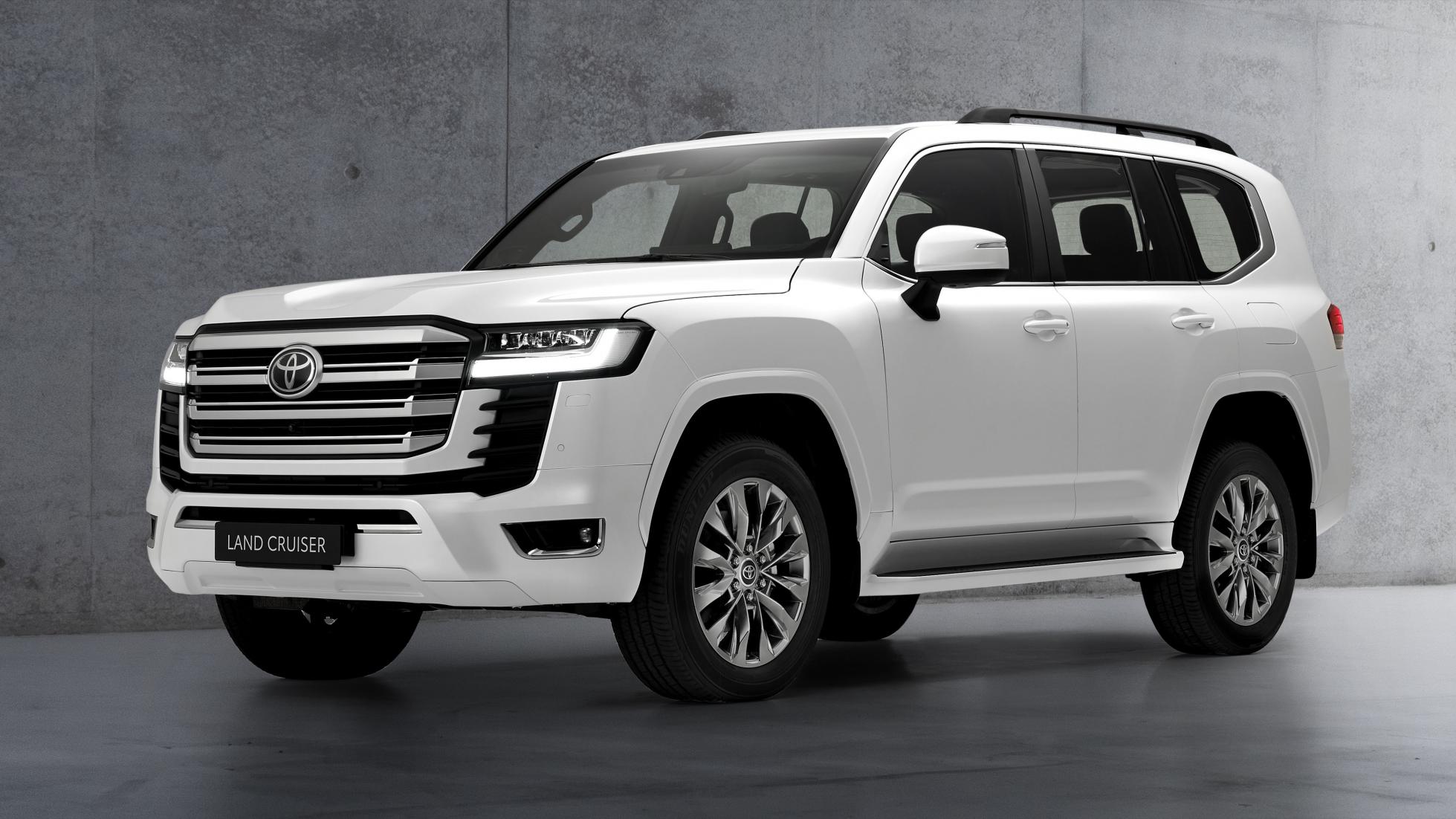
- Engine: 3.5-litre twin-turbo V6 petrol
- Horsepower: 305 hp
- Torque: 650 Nm
- Length: 4,985 mm
- Width: 1,980 mm
Toyota’s Multi-Terrain Select system allows the driver to dial in surface-specific traction management across sand, mud, rock, and loose gravel. The dedicated gravel mode modulates throttle input, brake bias, and stability correction in real time.
Combined with a kinetic dynamic suspension system (KDSS), which automatically adjusts front and rear anti-roll bars, the Land Cruiser maintains outstanding wheel contact over undulating gravel terrain.
Ground clearance measures a generous 235 mm, allowing confident travel over exposed rocks and eroded road edges. The approach angle of 32 degrees and departure angle of 25 degrees further support performance on heavily rutted surfaces. Four-wheel drive is permanent with a two-speed transfer case, providing both high and low range for all conditions.
The cabin delivers a premium experience without sacrificing durability. Interior materials are high-quality yet tactile, and the driving position is commanding. The Land Cruiser also boasts exceptional long-term reliability, with high resale value and global parts availability making it a favourite in remote and agricultural regions worldwide.
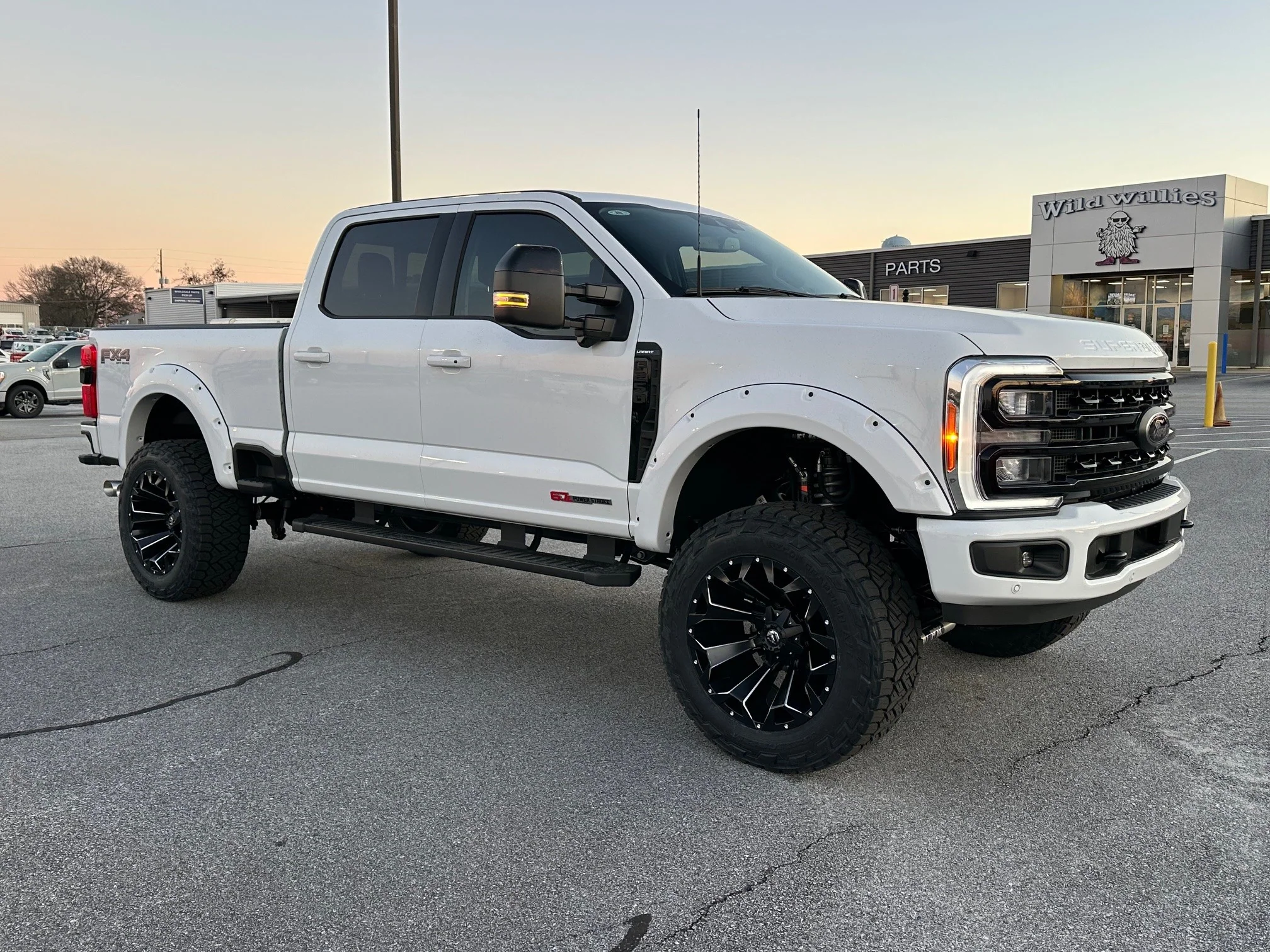
2. Ford F-250 Super Duty (2023–Present)
The Ford F-250 Super Duty occupies a unique position in the gravel road vehicle world. It combines the raw hauling capacity of a heavy-duty pickup with the increasingly refined road manners of a modern truck.
For farmers, ranchers, and rural property owners who regularly carry heavy loads across unpaved tracks, very few vehicles can match its blend of strength and versatility.
The most capable powertrain option is the 6.7-litre Power Stroke turbocharged diesel V8, which produces 500 horsepower and an extraordinary 1,356 Nm of torque. This torque output is among the highest of any production pickup on the market.
On gravel roads, the ability to maintain steady momentum while carrying a full load in the bed is transformative, eliminating the wheel-spin and hesitation that underpowered trucks experience on loose surfaces.
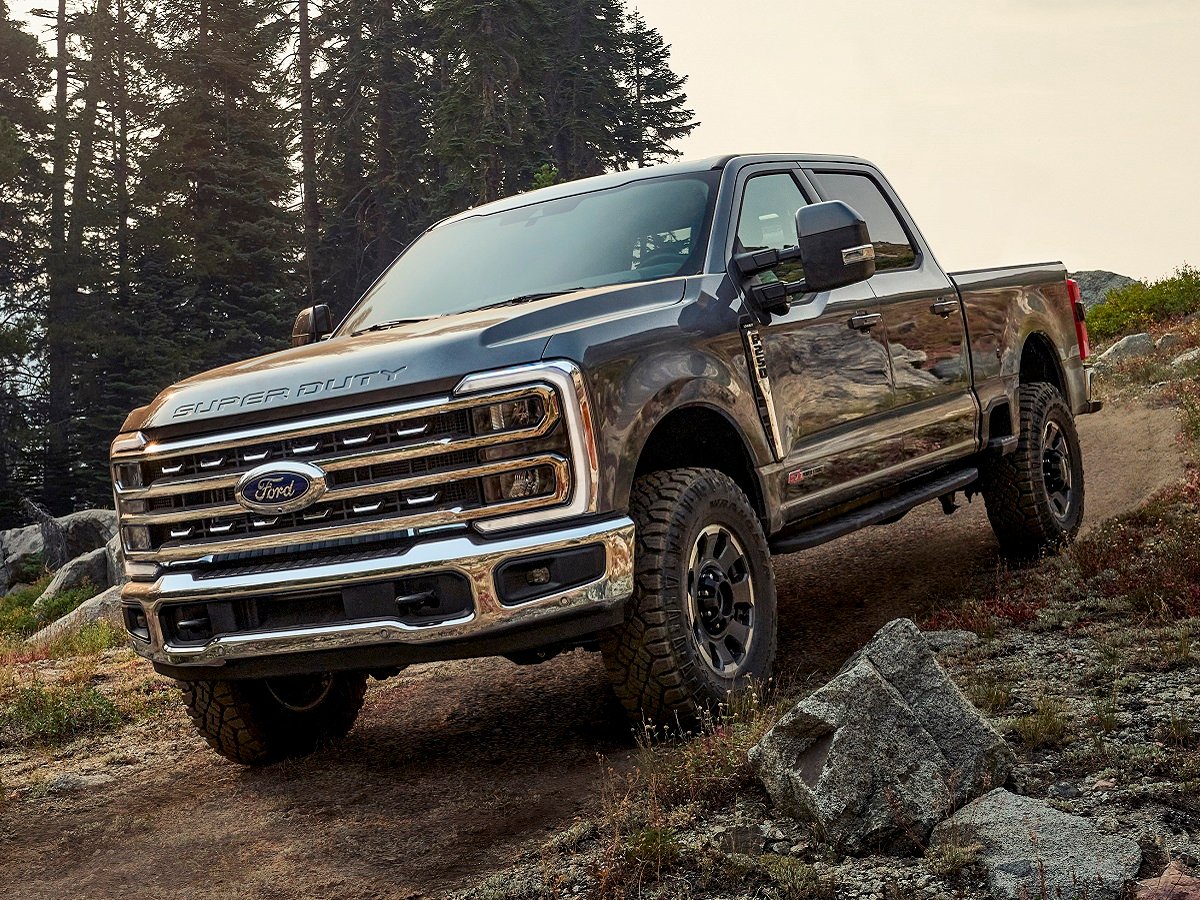
- Engine: 6.7-litre turbocharged diesel V8
- Horsepower: 500 hp
- Torque: 1,356 Nm
- Length: 5,854 mm (crew cab long bed)
- Width: 2,079 mm
The F-250 rides on a fully boxed high-strength steel frame with hydroformed front rails. This construction methodology significantly improves torsional rigidity without adding excessive weight.
The solid front axle configuration, carried over from the heavy-duty tradition, provides exceptional articulation and reliability under extreme stress. Coil spring front suspension offers more controlled movement over washboard gravel than leaf spring alternatives.
Payload capacity reaches up to 1,814 kilograms, making the F-250 indispensable for those transporting livestock feed, building materials, or agricultural equipment across farm roads. Four-wheel drive is driver-selectable with an electronic shift-on-the-fly system and a dedicated low range for maximum traction situations. The optional locking rear differential further eliminates wheel spin when one rear tyre loses grip.
Ford’s Pro Trailer Backup Assist and 360-degree camera system make going through the narrow gravel lanes and reversing onto farm tracks considerably less stressful. The interior, available in trim levels from the working-class XL to the luxurious King Ranch, ensures the F-250 can serve double duty as both a workhouse and a family vehicle.
3. Land Rover Defender 110 (2020–Present)
The reborn Land Rover Defender 110 honours a legacy that spans more than seven decades of serious off-road use. Unlike its predecessor, which remained largely unchanged for decades, the new Defender integrates modern technology without surrendering the mechanical toughness that made the nameplate legendary. It has quickly established itself as one of the most capable production off-road vehicles available to the public.
Power is delivered by a 3.0-litre inline six-cylinder mild hybrid petrol engine producing 400 horsepower and 550 Nm of torque in the P400 specification. The mild hybrid system provides an additional 48 volts of electrical torque assist, which is particularly beneficial during low-speed gravel road manoeuvres where instantaneous response matters most. A smooth 8-speed ZF automatic transmission distributes that power with impressive precision.
The Defender’s Terrain Response 2 system is one of the most advanced terrain management platforms in the automotive world. It analyses road surface conditions and automatically optimises throttle, transmission, suspension, and stability systems simultaneously. The Configurable Terrain Response allows experienced drivers to fine-tune each parameter individually for specific gravel conditions, whether firm-packed or loose and sandy.
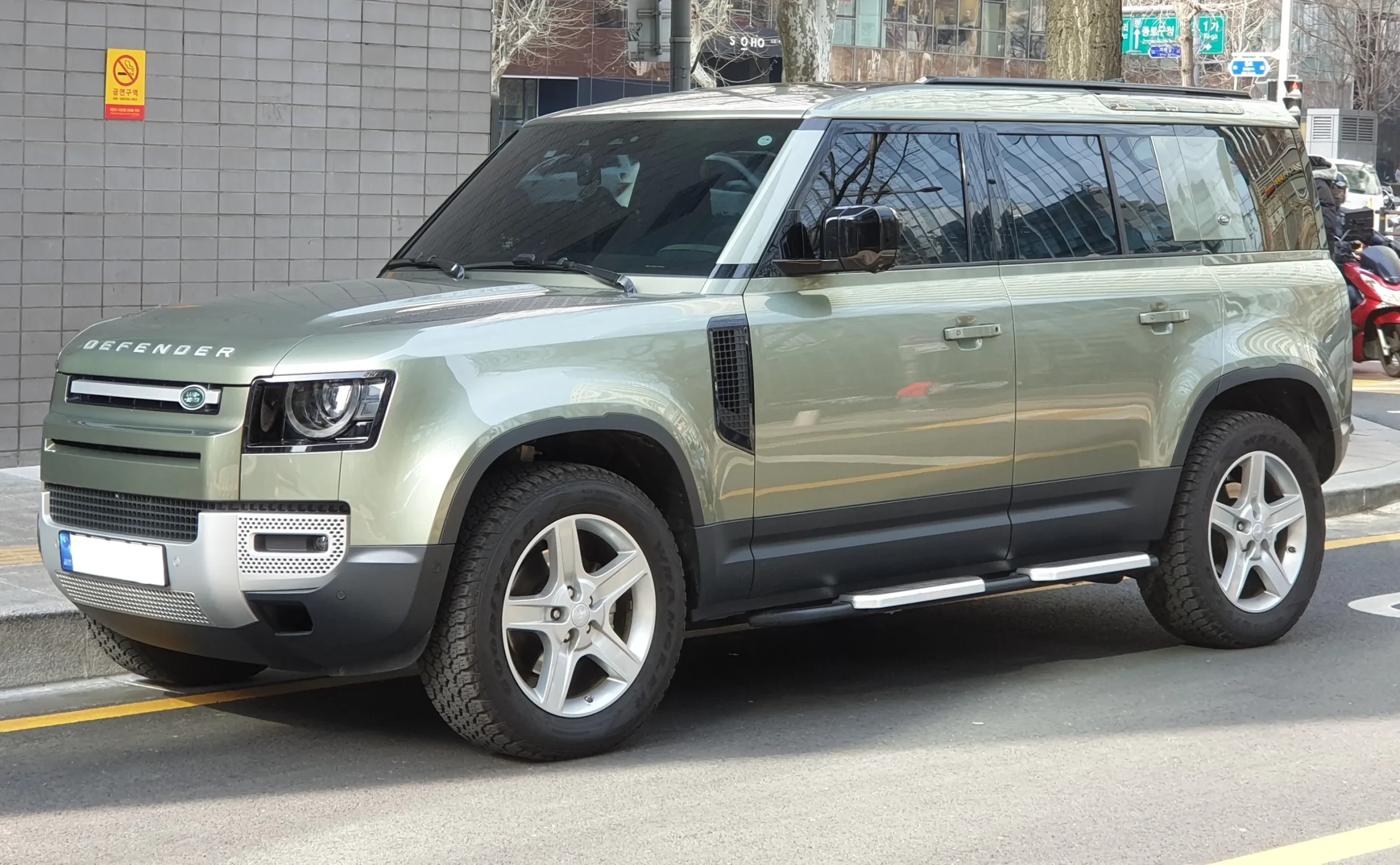
- Engine: 3.0-litre inline six mild hybrid petrol
- Horsepower: 400 hp
- Torque: 550 Nm
- Length: 4,758 mm
- Width: 2,008 mm
Ground clearance stands at 291 mm in its standard configuration, rising to an impressive 358 mm with the optional air suspension in maximum height mode.
This exceptional clearance ensures the undercarriage remains free of contact even on severely eroded gravel roads with prominent central ridges. Approach and departure angles of 38 and 40 degrees, respectively, exceed most competitors significantly.
The 110’s extended wheelbase delivers superior stability on high-speed gravel sections, where shorter vehicles can become unsettled and prone to oversteer.
A wading depth of 900 mm also prepares the Defender for water crossings that often accompany rural gravel roads after heavy rainfall. The interior strikes an admirable balance between rugged practicality and modern sophistication.
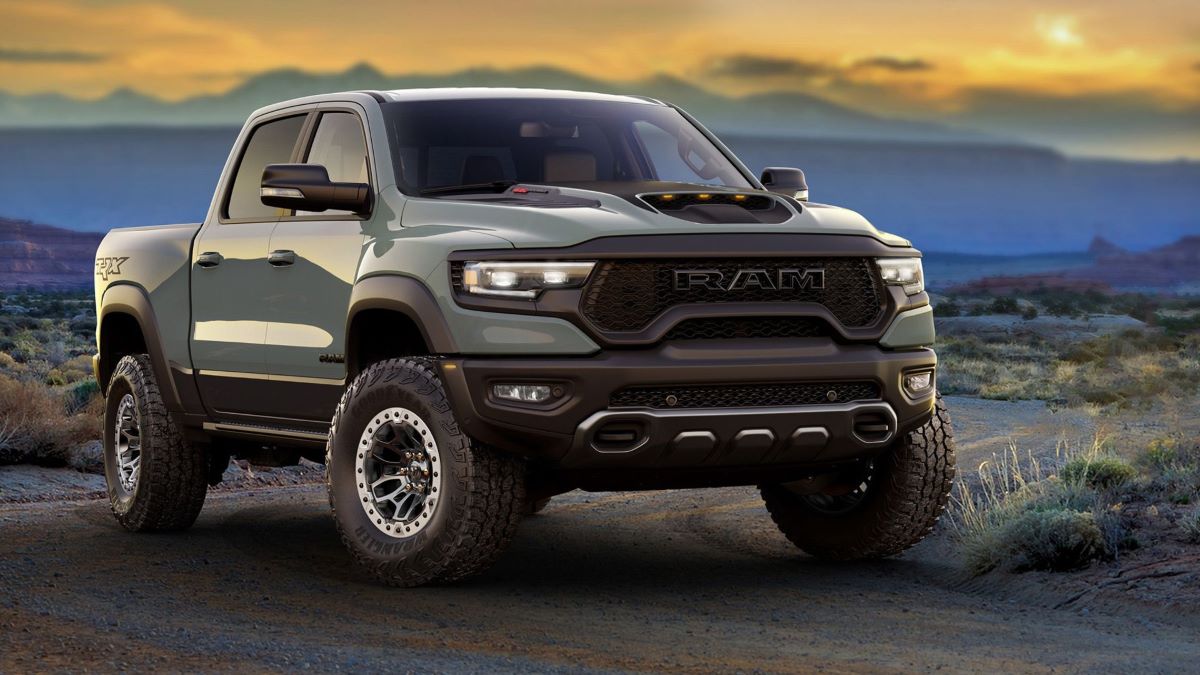
4. Ram 1500 TRX (2021–Present)
The Ram 1500 TRX is perhaps the most theatrical entry on this list, and deliberately so. Designed specifically to dominate high-speed desert and gravel terrain, it brings supercar power to the pickup truck segment.
For drivers who traverse long stretches of fast gravel at sustained speeds, the TRX offers a level of dynamic stability and suspension absorption that few vehicles in any category can match.
Powering the TRX is a 6.2-litre supercharged HEMI V8 engine producing a staggering 702 horsepower and 881 Nm of torque. This power is channelled through an 8-speed automatic TorqueFlite transmission with launch control capability.
The supercharged delivery provides instantaneous torque at any engine speed, ensuring the TRX can accelerate hard on loose gravel without bog or hesitation.
The suspension system is the engineering masterstroke of the TRX. Bilstein remote-reservoir shock absorbers with 13 inches of front travel and 14.1 inches of rear travel absorb the most violent terrain inputs without transmitting them to the cabin.
The truck rides on a 35-inch Goodyear Wrangler Territory all-terrain tyre as standard, providing excellent traction and puncture resistance on sharp gravel. Wheel travel of this magnitude is genuinely competitive with purpose-built race trucks.
- Engine: 6.2-litre supercharged HEMI V8
- Horsepower: 702 hp
- Torque: 881 Nm
- Length: 5,862 mm
- Width: 2,159 mm (mirrors folded)
Front track width is the widest of any half-ton pickup at approximately 1,955 mm. This broad stance delivers outstanding lateral stability at speed, preventing the pendulum effect that makes narrow trucks feel unsettled on loose surfaces.
The front skid plates, rock rails, and bash plate protection system are standard fitment, not optional accessories, reflecting the TRX’s commitment to genuine all-terrain use.
The TRX commands a high price, but for those who prioritise gravel road performance above all else, it represents a genuinely unique proposition. It can tow over 4,300 kilograms while also completing a 0-100 km/h run in approximately 4.5 seconds. That combination is not available elsewhere in the market.
Also Read: 10 Best Cars for Mountain Living
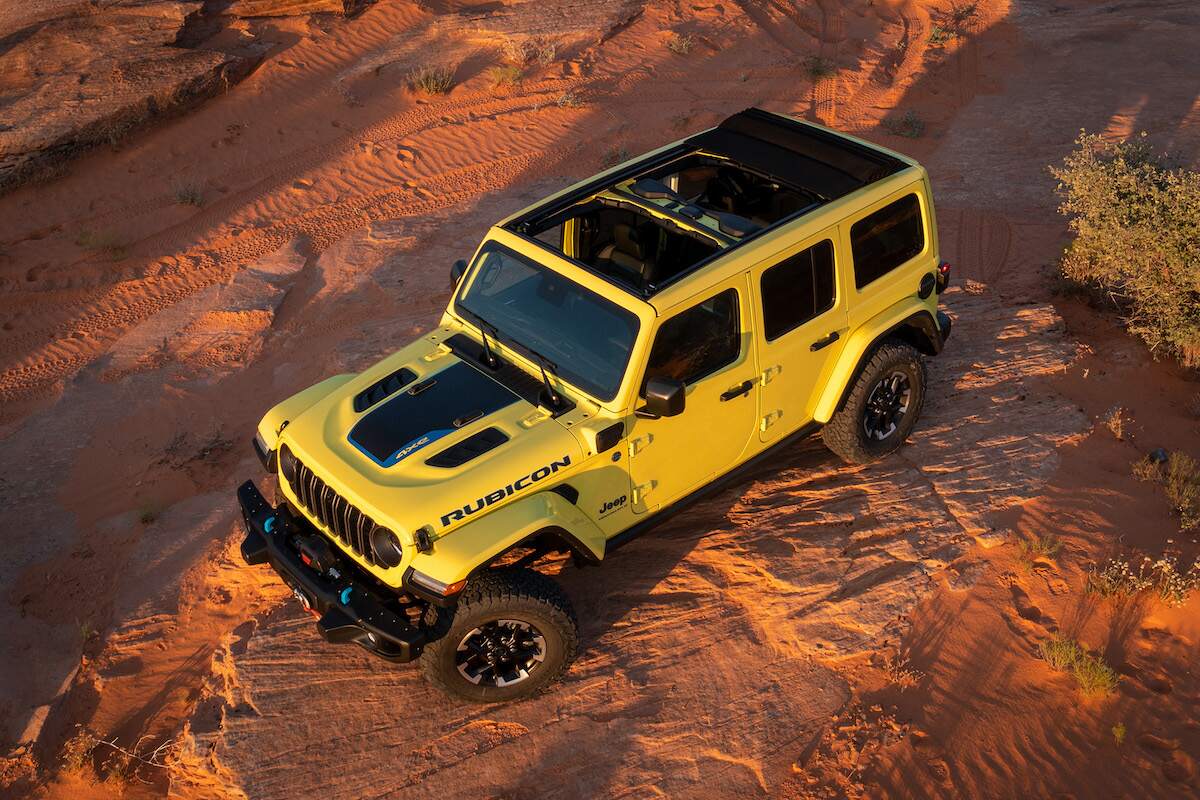
5. Jeep Wrangler Rubicon 4xe (2021–Present)
The Jeep Wrangler Rubicon has been the benchmark for serious off-road capability for generations. The 4xe plug-in hybrid variant adds electric torque delivery to the already formidable mechanical package without meaningfully compromising the go-anywhere reputation that defines the nameplate. For rural drivers who also have access to charging infrastructure, it represents a compelling technical advancement.
The 4xe powertrain combines a 2.0-litre turbocharged four-cylinder petrol engine with two electric motors, producing a combined output of 375 horsepower and 637 Nm of torque.
The electric motor torque is delivered instantaneously from a standstill, which is enormously valuable on gravel roads where measured, progressive acceleration prevents wheel spin. An electric-only range of approximately 40 kilometres is useful for quiet farm track driving.
- Engine: 2.0-litre turbo four-cylinder + dual electric motors
- Horsepower: 375 hp (combined)
- Torque: 637 Nm
- Length: 4,333 mm
- Width: 1,874 mm
The Rubicon specification includes the Dana 44 front and rear axles with factory electronic locking differentials at both ends. This combination of dual lockers provides maximum traction when gravel roads deteriorate into muddy farm tracks or rocky creek crossings.
The electronic front sway bar disconnect system allows dramatic wheel articulation, enabling each tyre to maintain ground contact on severely uneven terrain.
Ground clearance of 246 mm pairs with an approach angle of 44 degrees and a departure angle of 37 degrees, among the most capable geometries in the production vehicle world.
The Rock-Trac two-speed transfer case provides a 4:1 low-range crawl ratio for the most demanding low-speed situations. The transfer case can be engaged and disengaged electronically without stopping, a practical refinement for mixed-surface driving.
The Wrangler’s short wheelbase of 2,948 mm makes it exceptionally manoeuvrable on tight gravel tracks with narrow passing points. This characteristic also makes it more prone to body sway on fast, open gravel roads compared to longer wheelbase competitors. For dedicated off-road and mixed gravel use, however, the Rubicon 4xe remains essentially unrivalled in production form.
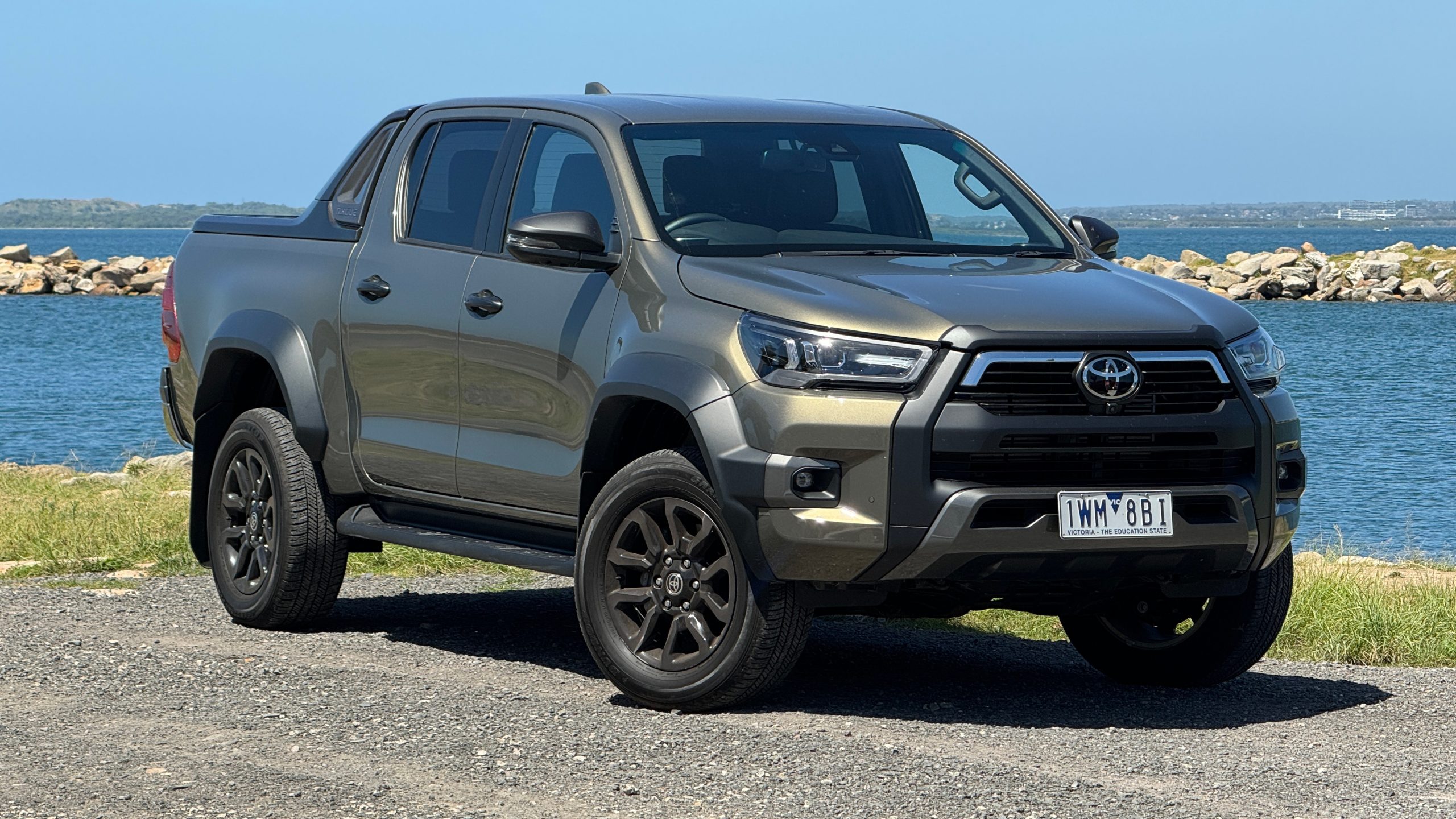
6. Toyota Hilux Rogue (2023–Present)
The Toyota Hilux Rogue represents the premium expression of the world’s best-selling pickup truck. While the standard Hilux is already deeply respected for its mechanical reliability and off-road competence, the Rogue specification adds meaningful suspension and body enhancements that raise its gravel road credentials substantially. It is particularly favoured in agricultural and mining regions of Australia, Africa, and South America.
The Rogue is powered by a 2.8-litre turbocharged diesel four-cylinder engine delivering 224 horsepower and 550 Nm of torque. The diesel powertrain is ideally suited to gravel road use, providing broad, usable torque across a wide rev range that maintains confident forward progress even when engine speed drops during gradient changes. The 6-speed automatic transmission offers smooth, appropriately spaced ratios for mixed road driving.
The Rogue receives an upgraded Old Man Emu suspension setup with stiffer springs and revised damper tuning compared to the standard Hilux. This setup improves high-speed gravel stability by reducing the front-end dive and body bounce that can unsettle lesser utes on corrugated surfaces. The suspension geometry also improves laden handling when the Hilux is carrying its full 1,055-kilogram payload through remote country.
- Engine: 2.8-litre turbocharged diesel four-cylinder
- Horsepower: 224 hp
- Torque: 550 Nm
- Length: 5,325 mm
- Width: 1,855 mm
Toyota’s A-TRAC active traction control system replaces the conventional traction control on off-road terrain, applying individual brake pressure to spinning wheels rather than simply cutting engine power.
This approach maintains engine response and speed while redistributing torque effectively. The part-time four-wheel drive system with 2H, 4H, and 4L modes gives drivers appropriate flexibility across varying gravel conditions.
Build quality is the Hilux Rogue’s defining characteristic. The ladder-frame chassis is known for its resistance to corrosion, fatigue cracking, and collision damage on rough terrain. Parts availability in even the most remote global markets is exceptional, and the mechanical simplicity of the diesel powertrain allows bush repairs that would be impossible on more electronically complex competitors.
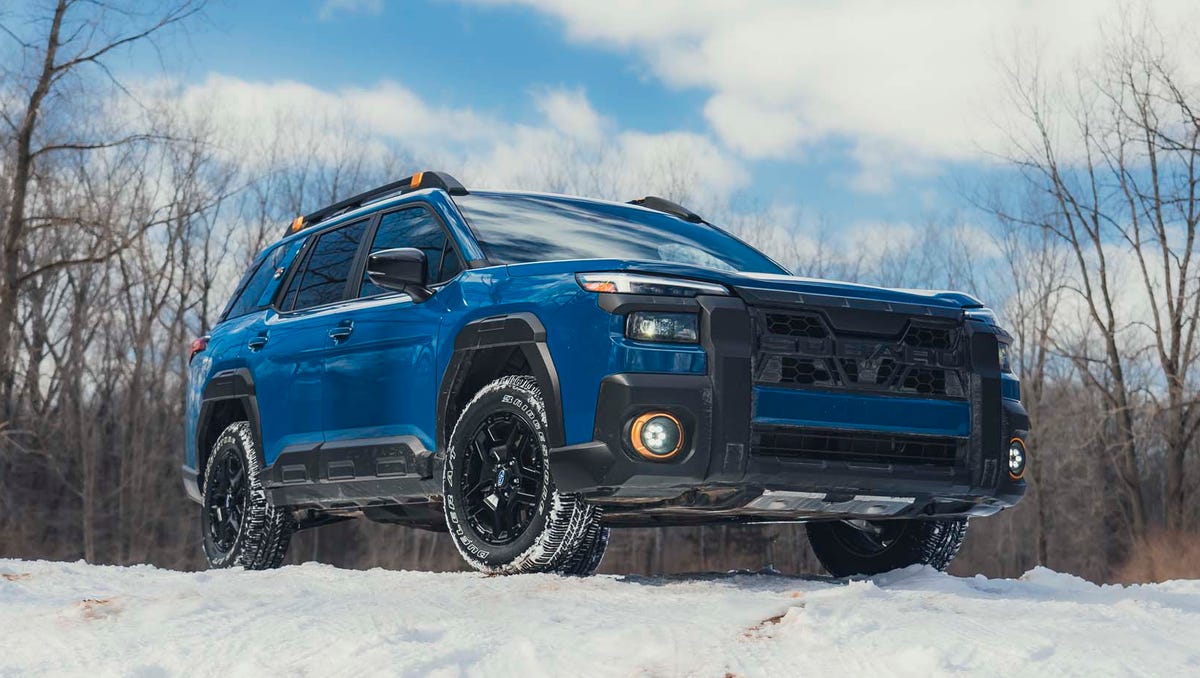
7. Subaru Outback Wilderness (2022–Present)
The Subaru Outback Wilderness occupies an important niche in the gravel road vehicle spectrum. It offers the everyday practicality and fuel efficiency of a passenger wagon with genuine off-road enhancements that make it far more capable than conventional crossovers on rough, unpaved roads.
For rural residents who primarily use gravel roads rather than extreme off-road tracks, it presents a compelling and cost-effective alternative to a large SUV.
The Wilderness is powered by a 2.4-litre turbocharged horizontally-opposed four-cylinder engine producing 260 horsepower and 376 Nm of torque.
The flat-four configuration lowers the centre of gravity compared to conventionally mounted engines, contributing to the stable, planted feel the Outback is known for on loose surfaces. Subaru’s Lineartronic CVT transmission maintains optimal engine speed throughout gravel driving without the hunting behaviour of lesser automatics.
- Engine: 2.4-litre turbocharged flat-four
- Horsepower: 260 hp
- Torque: 376 Nm
- Length: 4,870 mm
- Width: 1,875 mm
Subaru’s symmetrical all-wheel drive system is a permanent full-time setup that cannot be switched to two-wheel drive, ensuring maximum traction in all conditions without driver input. Torque distribution between front and rear axles is continuous and instantaneous.
The Wilderness-specific tuning of the active torque vectoring system provides more aggressive all-wheel drive response than the standard Outback, better managing traction on loose gravel and slippery verges.
Ground clearance of 241 mm exceeds the standard Outback by 9 mm and surpasses many nominally capable SUVs. The Wilderness-specific suspension tuning raises both front and rear ride height while improving wheel travel for better obstacle absorption.
X-Mode terrain management with hill descent control is standard, providing a safety net for steep descents on loose downhill gravel sections. The interior offers a thoughtfully practical environment with wipeable seat surfaces, a cargo area well-suited to rural utility, and generous headroom for taller drivers.
Fuel economy in real-world mixed gravel and highway use is considerably better than larger body-on-frame competitors. The Outback Wilderness proves that gravel road competence does not always require a heavy, thirsty truck.
8. Mercedes-Benz G 500 (2023–Present)
The Mercedes-Benz G-Class, universally known as the G-Wagen, is one of the most enduring off-road vehicle designs in automotive history. Originally developed for military applications in the 1970s, it has evolved into a luxury icon that retains genuinely exceptional mechanical capability.
The G 500 variant balances performance and refinement in a way that no direct competitor can replicate, and its gravel road credentials are embedded in its very architecture.
The G 500 is powered by a 4.0-litre twin-turbocharged V8 petrol engine producing 422 horsepower and 610 Nm of torque. Power delivery is characteristically smooth and linear, allowing precise throttle modulation on loose gravel where measured inputs are essential for maintaining traction.
The 9-speed automatic transmission maps gearing intelligently to terrain gradient, holding lower ratios on descents to provide engine braking without driver intervention.
The G-Class retains three locking differentials front, rear, and centre as standard equipment. This configuration, shared with almost no other production passenger vehicle, allows the driver to lock individual axles or the entire drivetrain, depending on traction conditions.
On severely degraded gravel roads, the combination of all three lockers engaged provides maximum torque distribution regardless of surface conditions beneath any individual tyre.
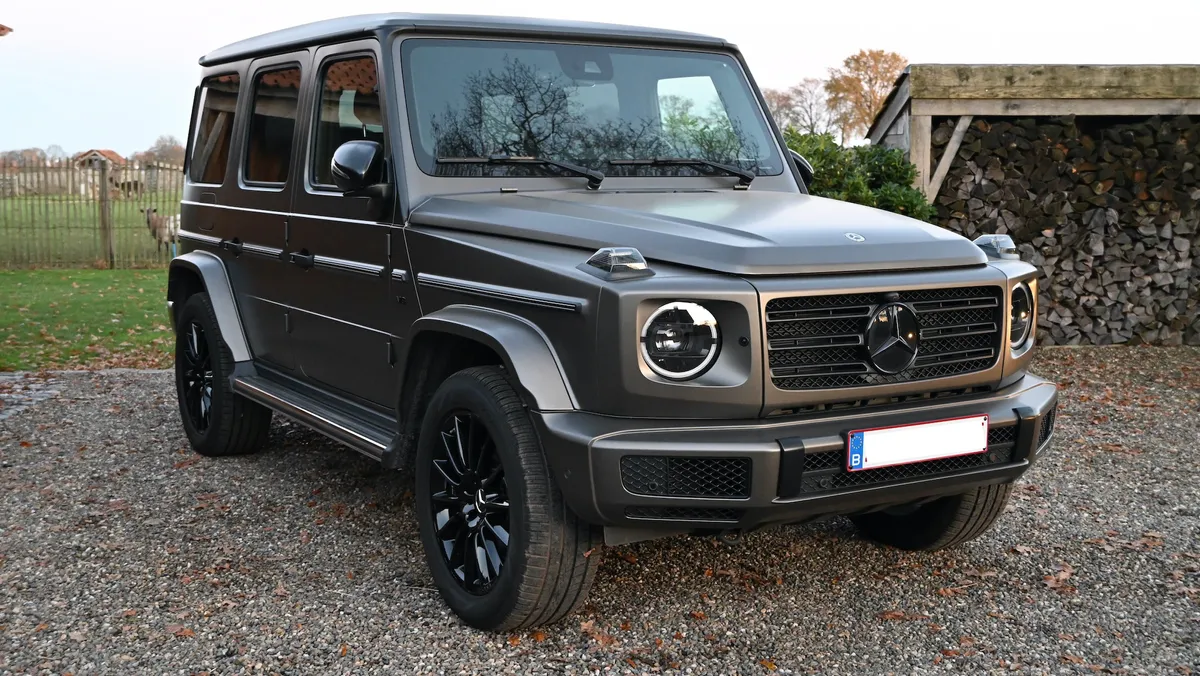
- Engine: 4.0-litre twin-turbocharged V8 petrol
- Horsepower: 422 hp
- Torque: 610 Nm
- Length: 4,624 mm
- Width: 1,984 mm
A ladder-frame construction provides the G-Class with structural integrity that monocoque crossovers cannot match under sustained rough terrain use.
Ground clearance of 241 mm and solid front axle geometry deliver exceptional durability under load. The portal axle design, available on the G 550 4×4² variant, raises ground clearance even further, though the standard G 500 is already highly capable.
The interior is among the most distinctive in the automotive world, blending military-grade functionality with handcrafted German luxury. Circular air vents, exposed screws, and grab handles coexist with nappa leather, ambient lighting, and a widescreen digital instrument cluster.
The G-Wagen is unapologetically expensive, but its combination of genuine off-road capability and long-term mechanical longevity justifies the investment for serious rural driving.
9. Isuzu D-Max X-Terrain (2021–Present)
The Isuzu D-Max X-Terrain has established itself as one of the most analytically sound choices for consistent gravel road use, particularly among drivers who prioritise long-term mechanical durability and operating cost over outright performance metrics.
Isuzu’s commercial vehicle heritage means the D-Max is engineered to standards closer to a light commercial truck than a lifestyle pickup, with corresponding benefits in component longevity and maintenance simplicity.
The X-Terrain is powered by a 3.0-litre turbocharged diesel four-cylinder engine producing 188 horsepower and 450 Nm of torque. While these figures appear modest compared to some competitors, the engine’s broad diesel torque curve delivers consistent pulling power from very low revs, which is precisely what gravel road driving demands. The 6-speed automatic transmission is well-matched to the powertrain, avoiding unnecessary gear hunting on variable gradients.
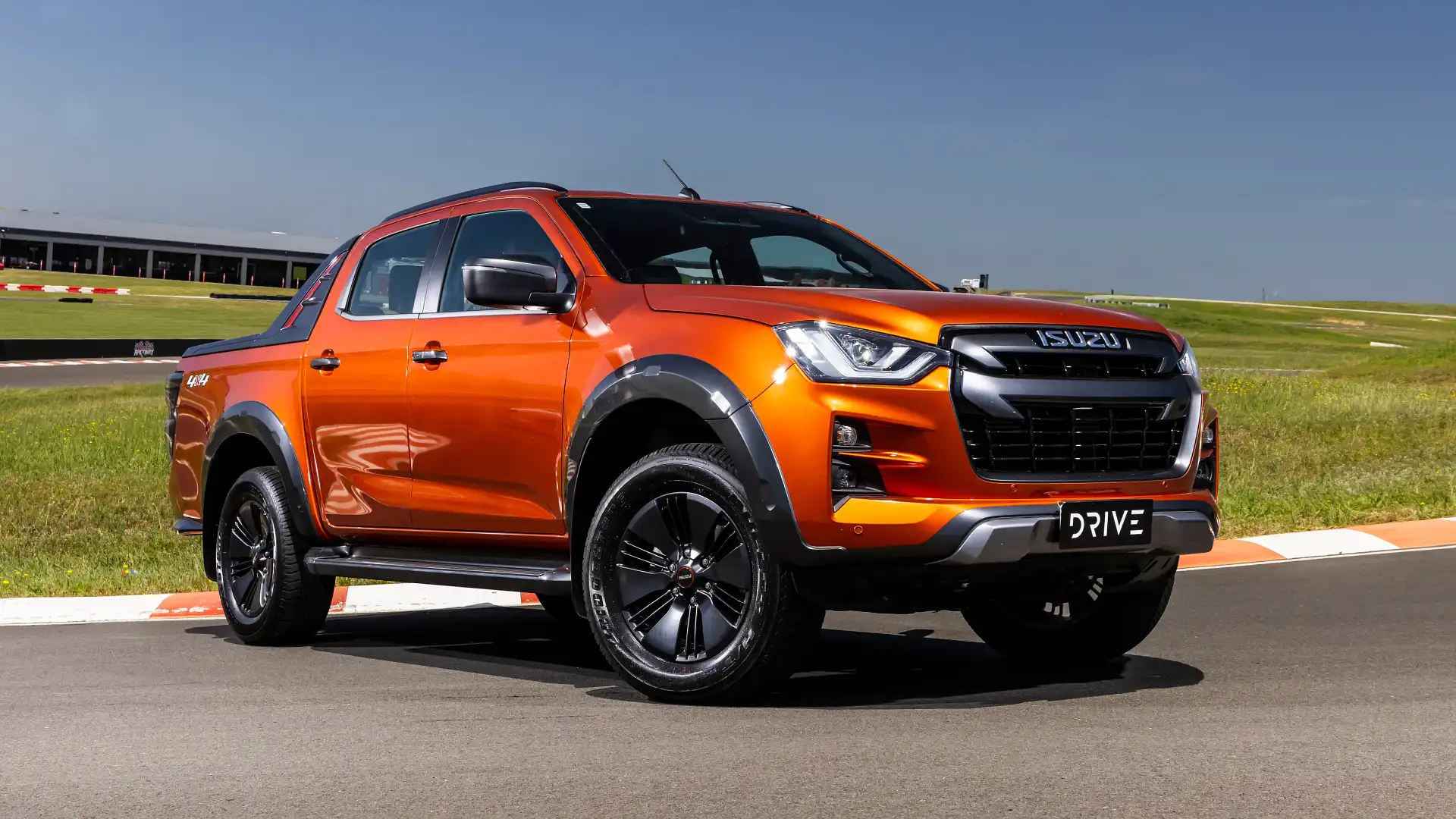
- Engine: 3.0-litre turbocharged diesel four-cylinder
- Horsepower: 188 hp
- Torque: 450 Nm
- Length: 5,265 mm
- Width: 1,870 mm
The X-Terrain’s suspension setup is derived from Isuzu’s extensive experience supplying light commercial vehicles to mining and agricultural sectors across Australia and Africa.
The front double wishbone suspension and rear five-link coil spring configuration provide superior compliance over corrugated gravel compared to the leaf-spring rear arrangements found on many competitors. This translates directly into reduced driver fatigue on long rural commutes.
Isuzu’s Terrain Command system provides electronic four-wheel drive management with 2H, 4H Auto, 4H, and 4L modes selectable at speeds up to 100 km/h for the 4H Auto setting.
A locking rear differential provides additional traction security on particularly loose or wet gravel surfaces. Ground clearance of 235 mm is adequate for most gravel road conditions encountered in agricultural and rural settings.
The D-Max earns exceptionally high marks for whole-of-life ownership costs. Service intervals are competitive, parts are widely available, and the powertrain is known for reaching extremely high mileages with minimal major repairs when maintained correctly.
For fleet buyers, rural businesses, and owner-operators who calculate the total cost of operating a vehicle over a decade rather than just the purchase price, the D-Max X-Terrain presents a compelling case.
10. Ford Bronco Wildtrak (2021–Present)
The Ford Bronco represents one of the most significant vehicle revivals in recent automotive history. After a twenty-five-year absence, the reborn Bronco arrived with a deeply considered off-road specification that addressed every weakness of its original iteration.
The Wildtrak variant, positioned between the base model and the extreme Raptor specification, delivers the ideal balance of off-road hardware and daily usability for rural gravel road drivers.
The Wildtrak is offered with a 2.7-litre twin-turbocharged EcoBoost V6 producing 330 horsepower and 542 Nm of torque. This V6 EcoBoost unit provides substantially more torque than the optional four-cylinder variant, which translates to more confident traction management on steep and loose gravel climbs.
The 10-speed automatic transmission provides finely graduated gear steps that keep the engine operating in its optimal torque band across all terrain types.
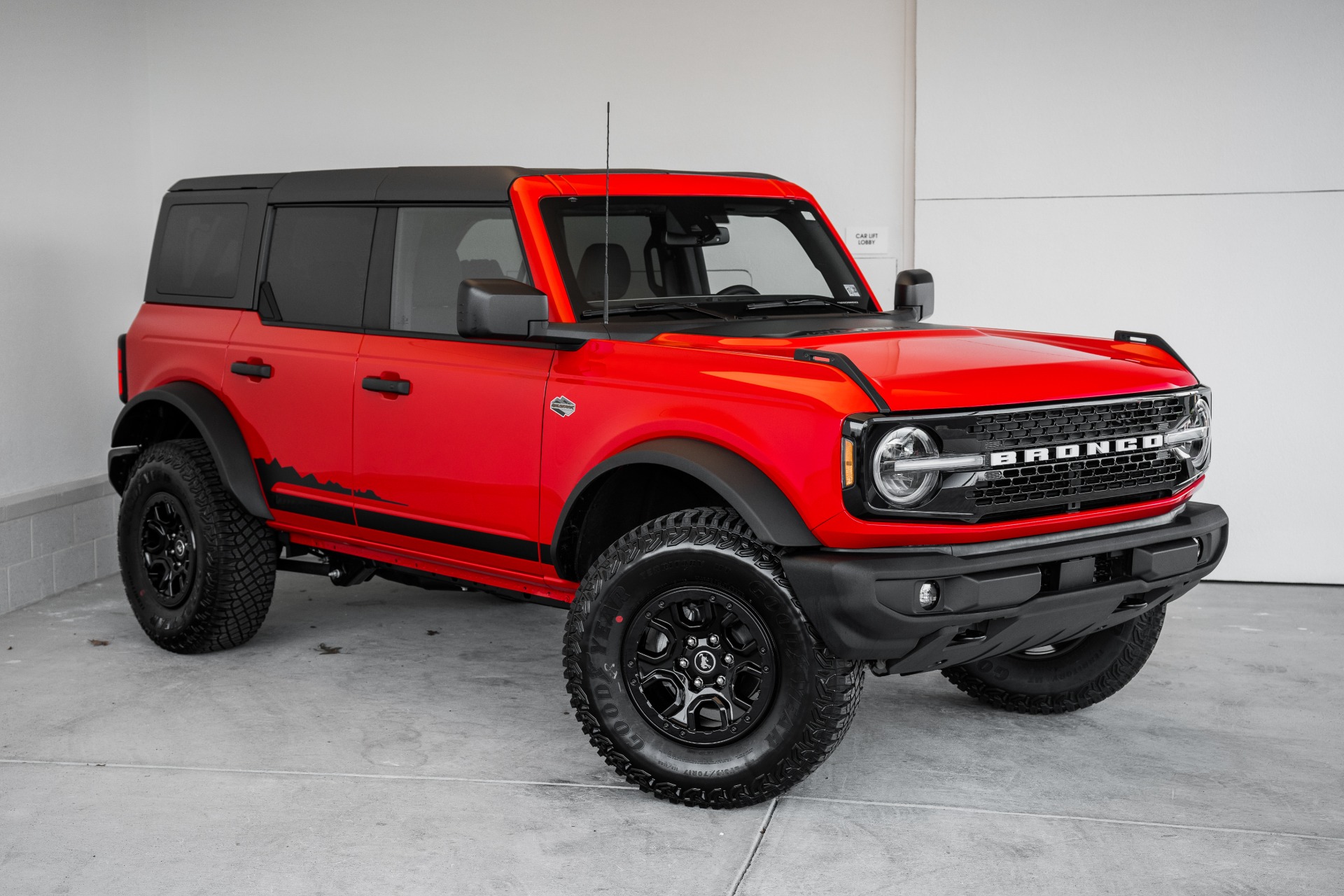
- Engine: 2.7-litre twin-turbocharged EcoBoost V6
- Horsepower: 330 hp
- Torque: 542 Nm
- Length: 4,521 mm
- Width: 1,981 mm
The Wildtrak’s suspension is specifically tuned for high-speed stability on rough, unpaved surfaces, with position-sensitive front and rear dampers that provide a firm response during small, rapid bumps while allowing maximum absorption of larger obstacles.
This characteristic is precisely what makes a vehicle composed and predictable on gravel rather than nervous and unpredictable. The wider track width of the Wildtrak compared to standard Bronco specifications further aids stability.
HOSS High-Performance Off-Road Stability Suspension is a segment-exclusive technology that integrates the damper tuning with the Bronco’s electronic stability systems for cohesive terrain response.
The standard front solid axle configuration provides genuine articulation capability and long-term durability under repeated off-road stress. Four-wheel drive is managed via the Terrain Management System with G.O.A.T. (Goes Over Any Type of Terrain) modes.
Removable doors and roof panels are hallmarks of the Bronco experience, connecting it to an open-air driving philosophy that resonates with rural drivers who value the connection between vehicle and world.
The modular design also simplifies accident repair by allowing individual panel replacement. Ford’s extensive dealer network and competitive parts pricing make the Bronco Wildtrak a practical long-term investment for those living and working on the gravel.
Also Read: IIHS Dings BMW i4 for Weak Headlights and AEB System
