

Family cars are typically purchased for practical reasons. Buyers want comfortable seating, good fuel economy, useful cargo space, modern safety features, and the ability to handle daily commuting duties without drama.
Performance usually sits lower on the priority list than reliability, affordability, and comfort. Yet throughout automotive history, manufacturers have occasionally created versions of ordinary family vehicles that hide surprisingly serious performance capabilities beneath their sensible appearances.
These vehicles occupy a unique place in the market. From the outside, many look almost identical to their standard counterparts. They blend into parking lots, school pickup lines, and suburban driveways.
Most people see them as ordinary sedans, wagons, or family-oriented hatchbacks. What they often fail to realize is that some of these practical vehicles possess engines, suspension systems, and braking hardware capable of challenging dedicated sports cars.
The appeal of a secret performance car lies in its dual personality. During the week, it can transport children to school, carry groceries, and handle long highway trips in comfort. When the road opens up, however, the same vehicle reveals an entirely different character.
Strong acceleration, precise handling, and impressive driver engagement transform a routine family vehicle into something genuinely exciting.
Manufacturers have approached this formula in different ways over the years. Some have installed powerful engines into otherwise conservative vehicles. Others have refined suspension tuning and chassis dynamics while preserving everyday usability.
The best examples achieve a delicate balance between practicality and performance, delivering both without major compromises.
For enthusiasts with family responsibilities, these hidden performance machines represent the ideal middle ground. They eliminate the need to choose between excitement and practicality.
The following eight vehicles are among the most impressive examples of family cars that secretly evolved into serious performance machines, often surprising anyone who underestimated them.
Also Read: 8 Forgotten American Muscle Cars Worth Buying
1. Volvo V70 R
Volvo built its reputation on safety, durability, and family-friendly transportation. For decades, the brand became synonymous with practical wagons that prioritized passenger protection above all else. That reputation makes the V70 R one of the most unexpected performance vehicles ever created.
At first glance, the V70 R appeared to be a typical European family wagon. It offered generous cargo space, comfortable seating for five passengers, and the understated styling that Volvo buyers appreciated. Parked beside a standard V70, many people would struggle to identify major differences. This subtle appearance was part of its charm.
Beneath the conservative bodywork, however, Volvo engineers created something dramatically different. The V70 R received a turbocharged five-cylinder engine capable of producing impressive power figures for its era. Combined with an advanced all-wheel-drive system, the wagon delivered acceleration that rivaled many respected sports sedans.
What truly distinguished the V70 R was its ability to blend comfort and performance. Adjustable suspension settings allowed drivers to alter the vehicle’s personality. One moment it could serve as a relaxed long-distance cruiser, and the next it could become a surprisingly capable backroad machine.
The interior reflected this dual-purpose philosophy. Premium materials and supportive sport seats created a comfortable environment for daily use, while performance-focused instrumentation reminded drivers that this was not an ordinary family hauler.
Many enthusiasts regard the V70 R as one of the greatest sleeper vehicles ever produced. It lacked the aggressive styling cues commonly associated with performance cars, which made its capabilities even more surprising.
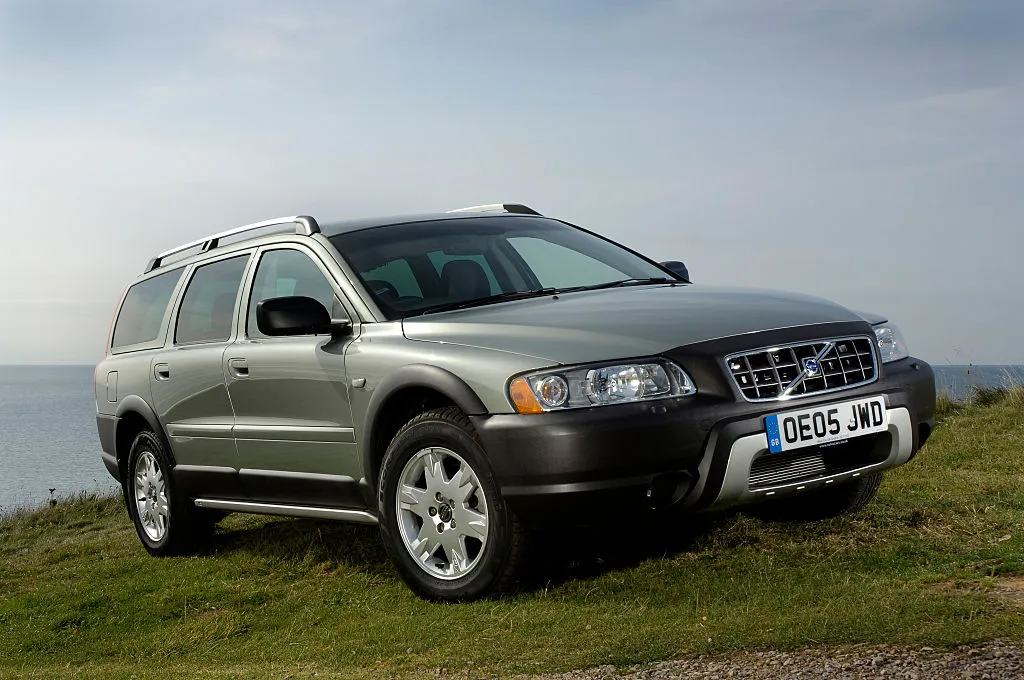
Competitors from Germany often attracted more attention, allowing the Volvo to remain relatively unnoticed despite possessing impressive credentials.
Today, the V70 R has earned cult status among automotive enthusiasts who appreciate vehicles that deliver unexpected excitement. Its combination of practicality, turbocharged performance, and understated styling created a formula that remains highly appealing years after production ended.
The V70 R proved that a family wagon could be both sensible and thrilling. Few vehicles have hidden their performance talents so effectively.
Specifications
- Engine: 2.5L Turbocharged Inline 5
- Torque: 295 lb-ft
- Horsepower: 300 hp
- Length/Width: 186.2 in / 71.3 in
2. Chevrolet SS
Some performance cars announce their intentions immediately through aggressive styling, oversized spoilers, and dramatic bodywork. The Chevrolet SS chose a completely different strategy. It looked so ordinary that many people never realized it existed, let alone understood what made it special.
The SS arrived during a period when rear-wheel-drive V8 sedans were becoming increasingly rare. From a distance, it resembled a conventional four-door family sedan.
There were no flashy design elements demanding attention. To the average observer, it appeared to be just another practical commuter vehicle. That perception changed dramatically once the engine started.
Under the hood sat a naturally aspirated 6.2-liter V8 producing substantial power. This was essentially the same engine family that powered some of Chevrolet’s most respected performance models. The result was acceleration and performance far beyond what its modest appearance suggested.
Unlike many high-performance vehicles that sacrifice comfort for speed, the Chevrolet SS remained genuinely practical. The spacious cabin comfortably accommodated adults, while the trunk offered useful cargo capacity. Long road trips felt effortless thanks to a well-tuned suspension that balanced ride comfort and handling precision.
Its origins also contributed to its appeal. The SS was derived from a platform developed by Holden in Australia, bringing a distinct character rarely found in American family sedans. Rear-wheel drive architecture, balanced handling, and strong power delivery created an engaging driving experience.
The vehicle’s anonymity became one of its greatest strengths. Owners often enjoyed surprising drivers of more obviously sporty cars. Because few people recognized the model, expectations were usually low until the traffic light turned green.
Automotive enthusiasts frequently describe the Chevrolet SS as one of the finest sleeper sedans of the modern era. It combined V8 muscle, family practicality, and understated styling in a package that never received the attention it deserved.
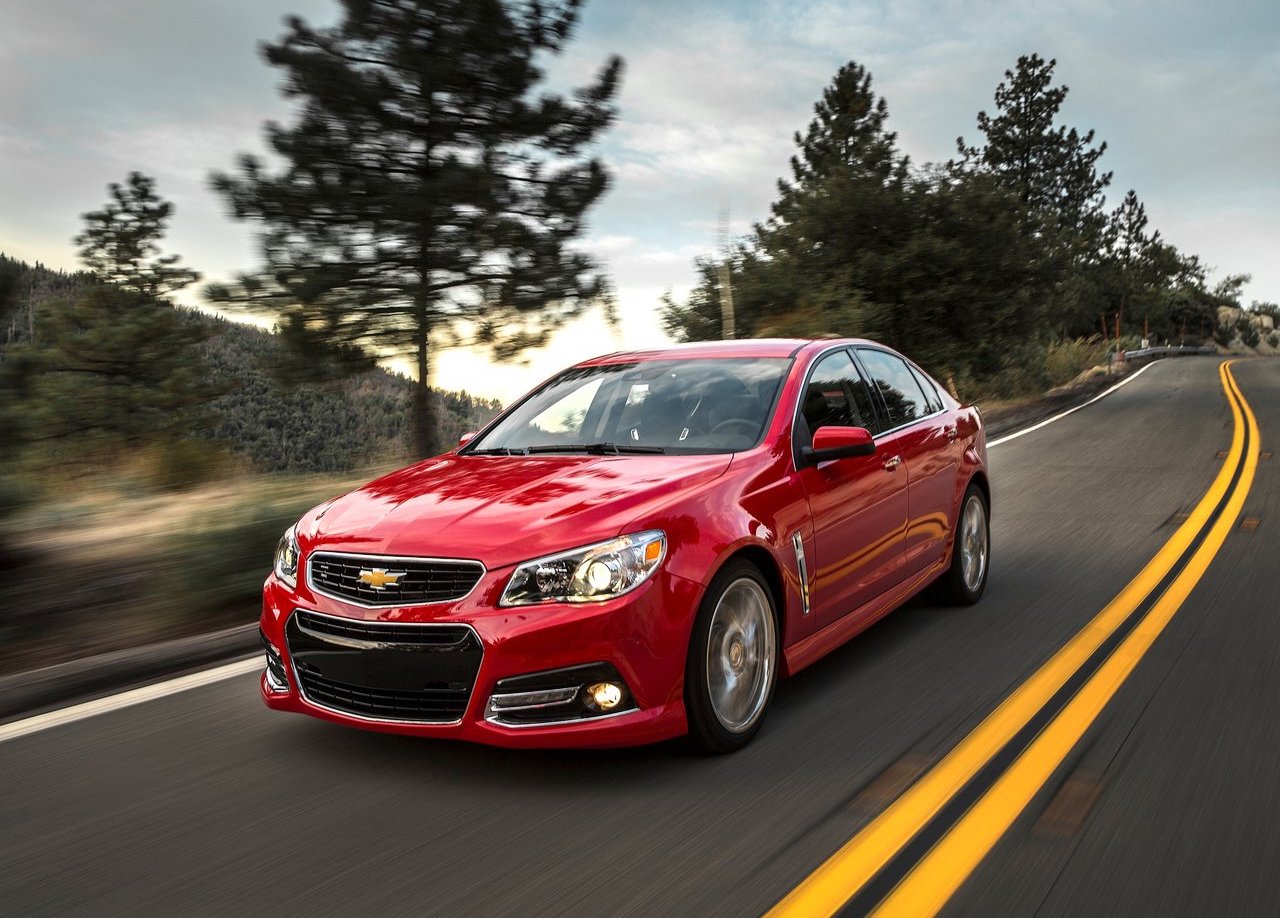
Today, limited production numbers and growing enthusiast appreciation have increased its desirability. The Chevrolet SS serves as proof that some of the most rewarding performance cars are the ones nobody notices at first glance.
Specifications
- Engine: 6.2L Naturally Aspirated V8
- Torque: 415 lb-ft
- Horsepower: 415 hp
- Length/Width: 195.9 in / 74.8 in
3. Ford Taurus SHO
The Ford Taurus spent years serving as one of America’s most recognizable family sedans. It was practical, comfortable, reasonably affordable, and designed primarily for commuters and families. Millions were sold, making it a familiar sight in driveways, office parking lots, and suburban neighborhoods.
Because of that widespread popularity, few people expected the Taurus to become the foundation for a genuinely quick performance sedan. Yet that is exactly what Ford accomplished with the Taurus SHO.
The letters “SHO” stood for Super High Output, a name that hinted at the car’s hidden capabilities. While standard Taurus models focused on practicality, the SHO variant targeted drivers who wanted something much more exciting without sacrificing family usability.
Importantly, Ford avoided turning the vehicle into a flashy performance machine. The styling remained relatively restrained, allowing it to blend into everyday traffic.
What made the later Taurus SHO especially interesting was its powertrain. Ford equipped the sedan with a twin-turbocharged EcoBoost V6 engine that delivered performance levels far beyond what most people associated with a family sedan.
The engine produced strong torque across a wide range of speeds, giving the vehicle impressive acceleration in both city and highway driving.
The all-wheel-drive system further enhanced performance by helping transfer power effectively to the pavement. Even in poor weather conditions, the Taurus SHO remained composed and confident. This combination of power and traction made it surprisingly capable in situations where many front-wheel-drive family sedans struggled.
Inside, the vehicle retained the spacious cabin that made the Taurus popular among families. Adults could comfortably occupy both rows, and the trunk offered enough room for luggage, groceries, or sports equipment. Drivers did not have to sacrifice practicality to enjoy performance.
Another appealing characteristic was value. Compared with luxury sport sedans offering similar acceleration, the Taurus SHO often represented a more affordable alternative. Buyers received substantial performance without the premium price tags associated with many European competitors.
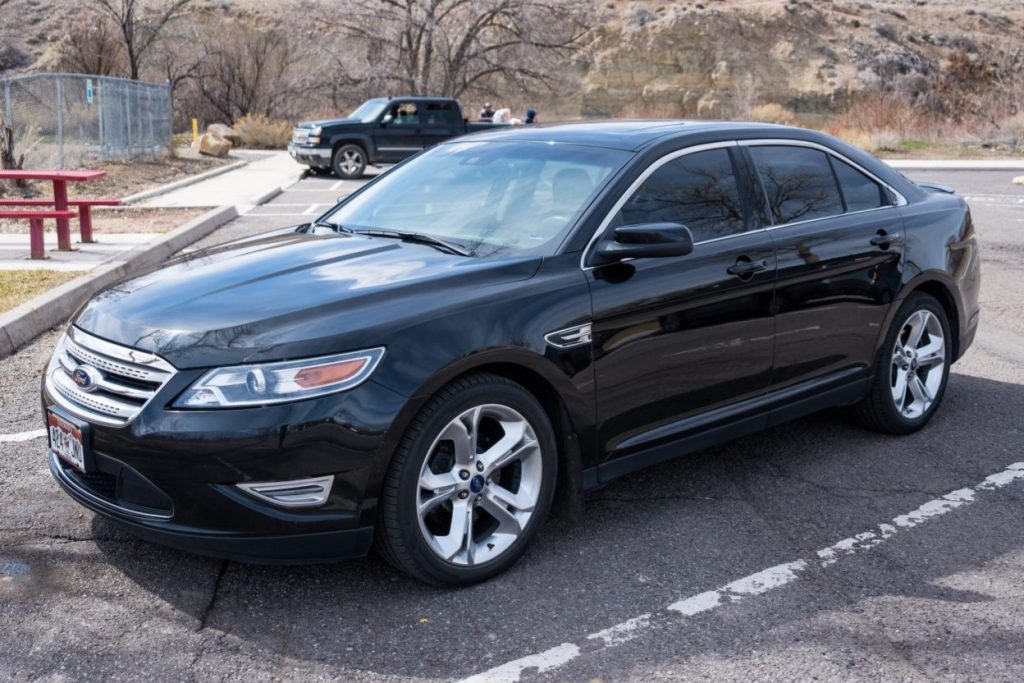
The SHO never achieved the same level of recognition as some performance icons, but that anonymity became part of its appeal. It delivered high speed while maintaining the appearance of an ordinary family sedan. For enthusiasts who preferred subtlety over attention, the Taurus SHO offered a compelling package.
Years after production ended, the model remains respected among enthusiasts who appreciate sleeper vehicles. Its combination of family-friendly practicality and unexpected performance secured its place among the most interesting hidden performance sedans ever produced.
Specifications
- Engine: 3.5L Twin Turbocharged V6
- Torque: 350 lb-ft
- Horsepower: 365 hp
- Length/Width: 202.9 in / 76.2 in
4. Subaru Legacy GT
Subaru’s performance reputation is often associated with the WRX and STI, vehicles that openly advertise their sporting intentions. The Legacy, by contrast, has traditionally been viewed as a sensible family sedan focused on comfort, safety, and all-weather capability.
That perception makes the Legacy GT one of the most underrated performance cars Subaru ever built.
Unlike purpose-built sports sedans that immediately attract attention, the Legacy GT maintained a refined and mature appearance. It lacked oversized wings, aggressive body kits, and dramatic styling cues.
To most observers, it looked like a practical sedan purchased by someone seeking reliability and year-round usability. Beneath that conservative exterior sat a far more interesting mechanical package.
Subaru equipped the Legacy GT with a turbocharged boxer engine closely related to the powerplant found in the WRX. This engine delivered strong acceleration and a distinctive character that separated the car from ordinary family transportation. The low center of gravity provided by the boxer layout also contributed to balanced handling characteristics.
Equally important was Subaru’s symmetrical all-wheel-drive system. While many competitors relied on front-wheel drive configurations, the Legacy GT benefited from superior traction and stability. Whether driving on dry pavement, rain-soaked roads, or snow-covered highways, the car inspired confidence.
The suspension setup represented another key strength. Engineers tuned the chassis to provide responsive handling without compromising ride comfort. Families could enjoy a smooth commute during the week, while enthusiastic drivers could appreciate the vehicle’s agility on winding roads during weekends.
Inside the cabin, practicality remained a priority. The rear seats provided ample room for passengers, and the trunk accommodated everyday cargo needs. This dual personality allowed the Legacy GT to function equally well as a family vehicle and a driver’s car.
One reason the Legacy GT remains highly regarded among enthusiasts is its balance. Some performance sedans prioritize speed at the expense of comfort. Others focus so heavily on practicality that driving enjoyment suffers. The Legacy GT successfully occupied the middle ground, offering meaningful performance while remaining highly usable.

Because it lived in the shadow of Subaru’s more famous performance models, many buyers overlooked it when new. Those who experienced the car understood its appeal immediately. It delivered turbocharged excitement without abandoning the qualities that families valued most.
Today, clean examples are increasingly appreciated by enthusiasts who recognize how rare this formula has become. The Legacy GT demonstrated that a practical family sedan could possess genuine performance credentials while maintaining the everyday versatility that made it useful year-round.
Specifications
- Engine: 2.5L Turbocharged Boxer 4
- Torque: 258 lb-ft
- Horsepower: 265 hp
- Length/Width: 186.4 in / 71.7 in
5. Mazda Mazdaspeed6
When people discuss performance sedans from the 2000s, names from Germany and Japan usually dominate the conversation. Hidden among those better-known models was a vehicle that never received the attention it truly deserved: the Mazda Mazdaspeed6.
Based on the practical Mazda6 family sedan, this special performance version transformed an already competent car into something that could challenge far more expensive rivals.
At first glance, the Mazdaspeed6 did not appear radically different from the standard Mazda6. There were subtle styling enhancements, unique wheels, and a slightly more aggressive stance, but the full shape remained familiar.
Parents could drive it to work, pick up groceries, or take the family on vacation without attracting unusual attention. That understated appearance was one of its greatest strengths.
The real story began under the hood. Mazda installed a turbocharged 2.3-liter four-cylinder engine that produced significantly more power than the standard model.
Unlike many family sedans that focused primarily on fuel economy, the Mazdaspeed6 was engineered to deliver genuine driver engagement. Strong mid-range torque allowed the car to accelerate with surprising urgency, making highway merging and passing maneuvers effortless.
What upgraded the vehicle beyond a simple engine upgrade was its sophisticated all-wheel-drive system. During a period when many midsize family sedans remained front-wheel drive, Mazda equipped the Mazdaspeed6 with a setup capable of distributing power effectively under varying driving conditions.
This improved traction and enhanced driver confidence, particularly on wet or slippery roads. The manual transmission further distinguished the car from mainstream family vehicles.
Enthusiasts appreciated the level of involvement it provided, while the precise steering and balanced chassis rewarded drivers who enjoyed winding roads. Mazda’s long-standing focus on driving dynamics was evident in every aspect of the vehicle’s behavior.
Inside, practicality remained intact. The cabin offered comfortable seating, useful storage areas, and enough space for daily family duties. Unlike many sports cars, it did not force owners to compromise convenience in pursuit of performance.
One reason the Mazdaspeed6 remains respected among enthusiasts is its rarity. Production numbers were relatively limited, and many buyers overlooked the model when it was new. As a result, it developed a reputation as an insider’s performance car known primarily by those who truly appreciated driving.
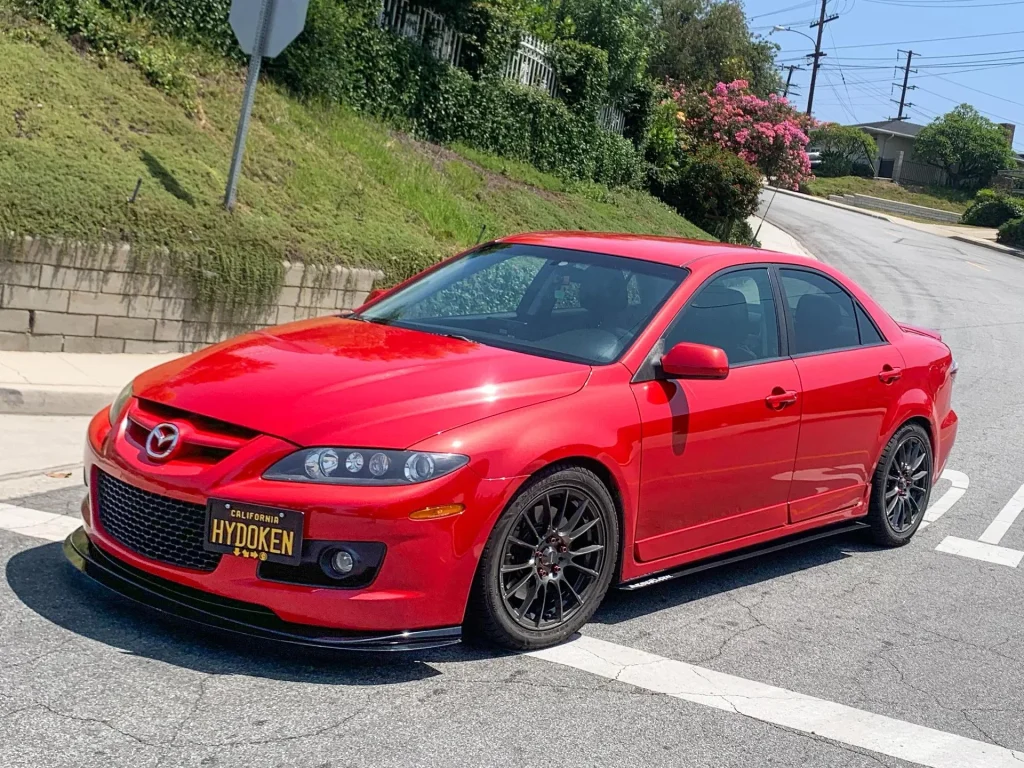
Years later, the Mazdaspeed6 stands as one of the finest examples of a family sedan hiding serious performance potential beneath a sensible exterior. It delivered speed, traction, practicality, and driving enjoyment in a package that rarely demanded attention, making it a true sleeper in every sense of the word.
Specifications
- Engine: 2.3L Turbocharged Inline 4
- Torque: 280 lb-ft
- Horsepower: 274 hp
- Length/Width: 187.8 in / 70.1 in
6. Mercedes-Benz E55 AMG
The standard Mercedes-Benz E-Class has long been regarded as one of the world’s premier executive sedans. Comfortable, refined, and packed with technology, it became a favorite among professionals and families seeking luxury transportation.
Hidden within the lineup, however, was a version capable of delivering supercar-like acceleration while maintaining all the practicality expected from a premium family sedan. That vehicle was the E55 AMG.
Unlike some high-performance models that rely on dramatic styling to announce their presence, the E55 AMG embraced restraint.
A casual observer might notice larger wheels or subtle body modifications, but the car largely preserved the elegant appearance of the regular E-Class. This understated design allowed it to blend seamlessly into daily traffic.
Its secret weapon was a hand-assembled supercharged V8 engine. At a time when many competitors relied on naturally aspirated powerplants, Mercedes-AMG chose forced induction to create extraordinary performance.
The result was immense torque available almost instantly. Pressing the accelerator produced acceleration that shocked passengers unfamiliar with the vehicle’s capabilities.
The numbers alone were impressive, but they only told part of the story. The E55 AMG delivered its performance with remarkable refinement. Long-distance journeys remained comfortable and quiet, while the suspension balanced luxury and control exceptionally well.
Drivers could spend hours cruising on highways and then immediately enjoy the car’s immense power when conditions allowed.
Family practicality remained a central part of the package. The spacious rear seat accommodated adult passengers comfortably, and the trunk provided ample cargo capacity. This combination of utility and performance helped distinguish the E55 AMG from traditional sports cars that often sacrificed convenience.
Another reason enthusiasts admire the model is its character. The supercharged V8 produced a distinctive sound and effortless power delivery that modern turbocharged engines often struggle to replicate. Acceleration felt immediate, relentless, and highly memorable.
The E55 AMG also benefited from Mercedes-Benz engineering excellence. Advanced braking systems, carefully tuned suspension components, and a strong chassis helped ensure the vehicle remained composed even when driven enthusiastically. It possessed the confidence and stability expected from a high-speed executive sedan.
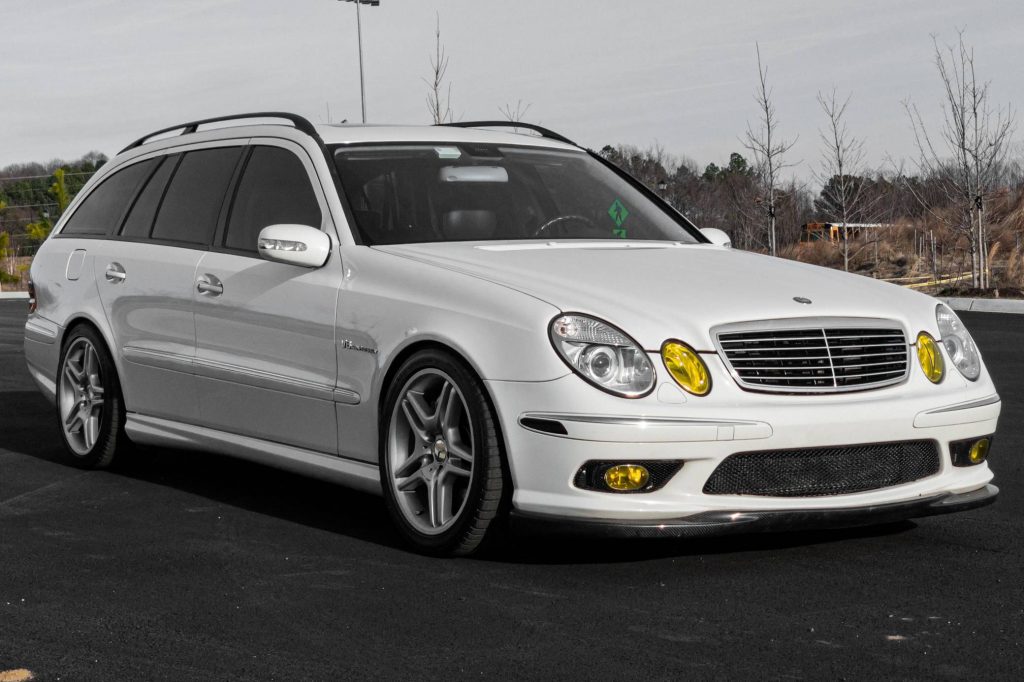
For many automotive enthusiasts, the E55 AMG represents one of the greatest sleeper sedans ever built. It looked like a sophisticated family car yet possessed performance capable of embarrassing dedicated sports cars.
That contrast between appearance and capability remains a major reason the vehicle continues to enjoy legendary status among those who appreciate hidden performance machines.
Specifications
- Engine: 5.4L Supercharged V8
- Torque: 516 lb-ft
- Horsepower: 469 hp
- Length/Width: 190.6 in / 71.7 in
7. Cadillac CTS-V
For many years, Cadillac was associated primarily with comfort, luxury, and traditional American motoring. Buyers often choose the brand for its smooth ride quality, spacious interiors, and premium features rather than outright performance.
That perception began to change dramatically when Cadillac introduced the CTS-V, a vehicle that transformed a respectable family sedan into one of the most formidable performance machines of its era.
The standard CTS already served as a practical luxury sedan capable of handling everyday transportation duties. It provided comfortable seating, a refined cabin, and enough space for family use.
On the surface, the CTS-V retained those qualities, which helped it maintain an understated presence. While enthusiasts could identify its wider stance, larger wheels, and subtle performance cues, many people simply viewed it as another upscale sedan. That assumption disappeared the moment the accelerator was pressed.
Cadillac equipped the CTS-V with one of the most powerful engines ever installed in a production sedan. The supercharged V8 delivered extraordinary horsepower and torque, placing the car in direct competition with some of the most respected performance vehicles from Europe.
Acceleration was explosive, yet the vehicle remained remarkably composed and easy to drive during normal daily use.
The engineering improvements extended far beyond the engine. Cadillac upgraded the suspension, braking system, steering calibration, and chassis structure to ensure the car could handle its immense power. The result was a sedan capable of delivering impressive track performance while retaining the comfort expected from a luxury vehicle.
One of the most fascinating aspects of the CTS-V was its versatility. During a weekday commute, it behaved like a refined executive sedan. Passengers enjoyed comfortable seating, modern technology, and a quiet cabin.
On a winding road or race circuit, however, the vehicle revealed an entirely different personality. Sharp handling and immense power transformed it into a genuine high-performance machine.
Unlike exotic sports cars that often sacrifice practicality, the CTS-V remained useful for family responsibilities. The rear seat offered generous room, the trunk accommodated luggage with ease, and long highway journeys were completed in comfort. Owners could enjoy supercar-rivalling acceleration without abandoning everyday convenience.
Automotive journalists frequently praised the CTS-V for challenging established European performance sedans. It demonstrated that an American luxury sedan could compete at the highest levels of performance while maintaining a distinctly Cadillac character.
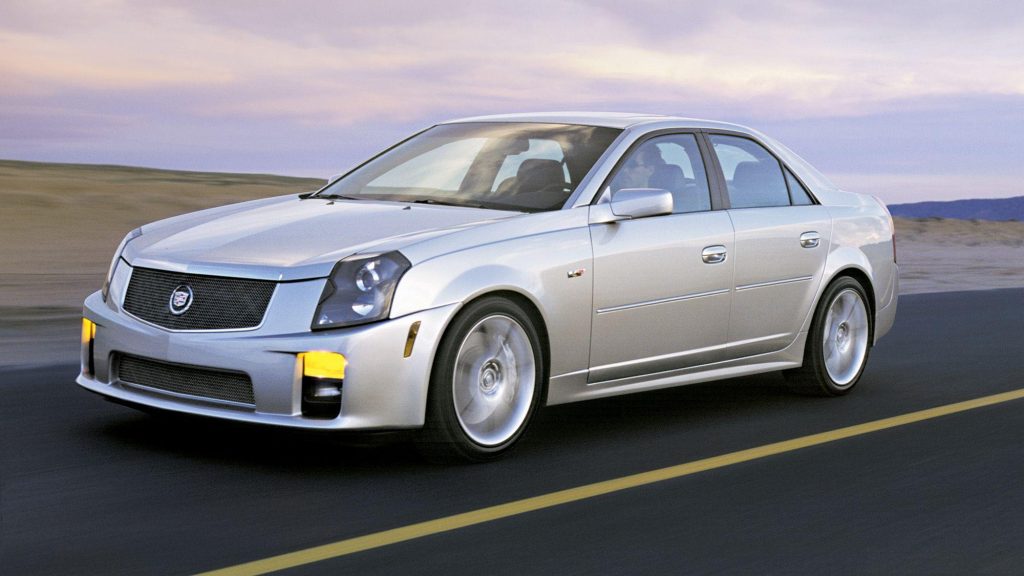
Today, the CTS-V continues to be celebrated as one of the greatest sleeper luxury sedans ever produced. It combined practicality, comfort, and astonishing performance in a package that rarely attracted unwanted attention. That unique blend of qualities secured its place among the finest secret performance family cars ever built.
Specifications
- Engine: 6.2L Supercharged V8
- Torque: 630 lb-ft
- Horsepower: 640 hp
- Length/Width: 196.0 in / 72.2 in
8. Audi RS6 Avant
Station wagons are typically associated with practicality rather than extreme performance. Families choose them because they offer generous cargo capacity, comfortable seating, and everyday usability.
Audi spectacularly challenged that stereotype with the RS6 Avant, a vehicle that combined family-friendly functionality with performance levels capable of rivaling many exotic sports cars.
At first glance, the RS6 Avant appears to be a premium wagon designed for active families. Its long roofline, spacious cargo area, and comfortable cabin certainly support that impression. Yet beneath the elegant exterior lies one of the most sophisticated performance packages ever installed in a family vehicle.
The heart of the RS6 Avant is a powerful twin-turbocharged V8 engine engineered to deliver relentless acceleration. The sheer force produced by this power plant transforms the wagon into something few people expect.
Despite carrying passengers, luggage, and daily necessities, the vehicle can accelerate with astonishing speed. The contrast between its practical appearance and its performance capabilities is a major part of its appeal.
Audi’s renowned Quattro all-wheel-drive system plays an equally important role. Rather than simply focusing on straight-line speed, the RS6 Avant provides exceptional grip and stability in a wide variety of conditions. Whether driving through rain, snow, or dry pavement, the system helps transfer power efficiently and confidently.
The chassis receives extensive modifications compared with ordinary Audi wagons. Adaptive suspension technology allows the vehicle to switch between comfortable cruising and aggressive performance driving.
This flexibility gives owners the best of both worlds. One day, the RS6 Avant can handle school runs and grocery shopping. The next day, it can tackle challenging roads with remarkable precision.
Inside, practicality remains a priority. The rear seating area accommodates passengers comfortably, while the cargo compartment offers significantly more versatility than most performance sedans. Families gain the ability to carry sports equipment, luggage, and other large items without sacrificing driving excitement.
What makes the RS6 Avant particularly special is how effortlessly it combines opposing characteristics. It is luxurious yet aggressive, practical yet thrilling, sophisticated yet immensely powerful. Few vehicles manage such a balance successfully.
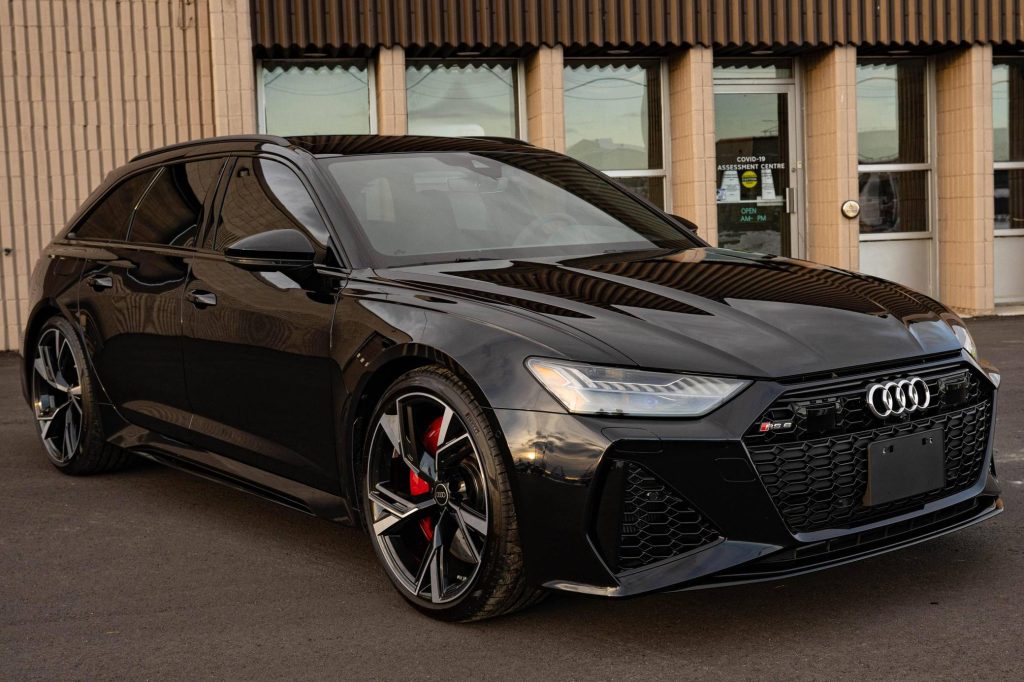
For enthusiasts who refuse to choose between family responsibilities and performance passion, the RS6 Avant represents an ideal solution. It proves that practicality does not have to come at the expense of excitement. Among all secret performance family vehicles, few have achieved the same level of admiration and respect.
The RS6 Avant remains one of the clearest examples of a vehicle that disguises extraordinary performance beneath an exceptionally useful and family-friendly package.
Specifications
- Engine: 4.0L Twin Turbocharged V8
- Torque: 627 lb-ft
- Horsepower: 621 hp
- Length/Width: 196.7 in / 77.3 in
