
Fuel economy figures have become one of the most important factors for modern car buyers. Manufacturers proudly advertise official mileage ratings, and these numbers often influence purchasing decisions as much as horsepower, design, or technology features.
However, many drivers eventually discover that achieving those advertised figures in daily driving can be surprisingly difficult. While laboratory testing procedures provide a standardized way to compare vehicles, real-world conditions often tell a different story.
Traffic congestion, aggressive acceleration, weather conditions, road gradients, passenger loads, and driving habits all affect fuel consumption. Some vehicles come reasonably close to their official ratings, giving owners exactly what they expected. Others create frustration because the gap between the sticker and reality is far larger than anticipated.
The biggest disappointments are not always high-performance sports cars or heavy-duty trucks. Buyers generally expect such vehicles to consume plenty of fuel. Instead, the greatest complaints often come from vehicles marketed as efficient yet struggle to deliver those promises once they leave the testing environment.
Turbocharged engines, hybrid systems, and advanced transmissions can achieve impressive results under controlled conditions, but some combinations prove less effective in everyday use.
This difference between laboratory testing and real-world performance has generated countless discussions among owners.
Many report fuel economy figures significantly lower than advertised, particularly when driving in urban traffic, carrying passengers, or traveling at higher highway speeds. In some cases, owners have experienced consumption levels that place these vehicles far behind direct competitors.
The cars on this list have developed reputations for producing larger-than-expected gaps between official fuel economy ratings and real-world results. That does not necessarily make them bad vehicles.
Many remain excellent choices because of their performance, comfort, luxury, or capability. Nevertheless, buyers expecting to match the numbers displayed on the window sticker often discover that reality can be considerably less forgiving.
Also Read: 8 Foreign Car Brands That Could Enter the US Market by 2030
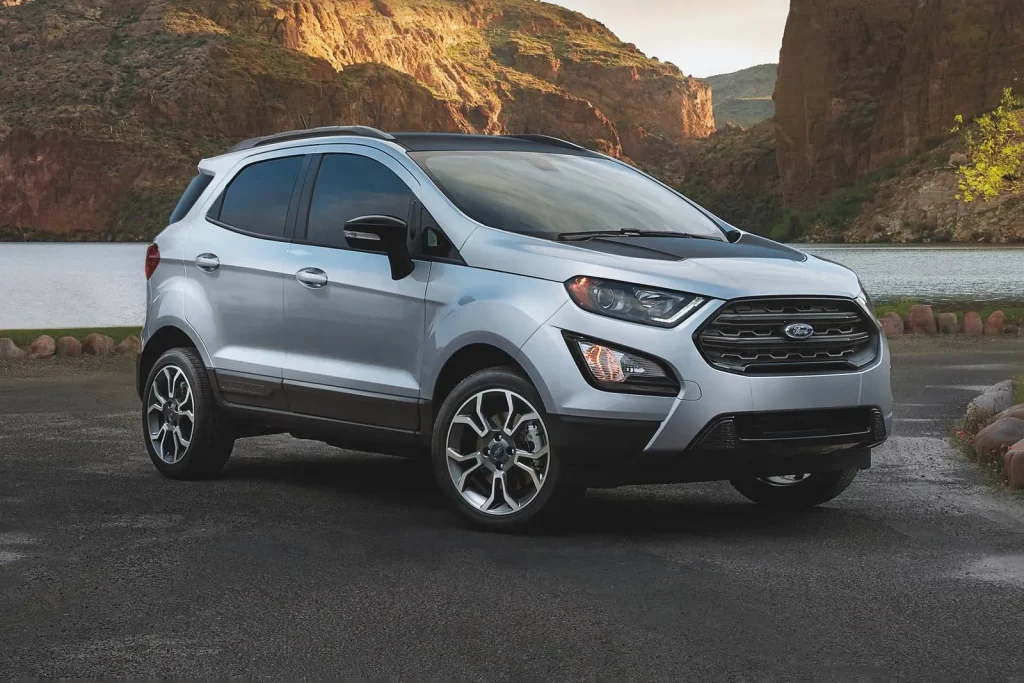
1. Ford EcoSport 1.0 EcoBoost
When Ford introduced the EcoSport equipped with the 1.0-liter EcoBoost engine, the vehicle seemed perfectly positioned to attract fuel-conscious buyers. The small turbocharged three-cylinder engine promised efficiency without sacrificing everyday usability.
Official fuel economy ratings appeared attractive, encouraging many shoppers to believe they could enjoy crossover practicality while spending less money at the fuel pump.
Real-world ownership experiences frequently painted a different picture. The EcoSport’s relatively tall body and crossover proportions created aerodynamic challenges that became increasingly noticeable at highway speeds.
While the engine performed admirably in controlled testing situations, maintaining competitive acceleration in daily driving often required the turbocharger to work harder than expected.
Drivers quickly discovered that the vehicle’s fuel consumption was highly sensitive to driving style. Gentle acceleration could produce respectable numbers, but city traffic and frequent stop-and-go conditions often caused fuel economy to fall well below official estimates.
The small engine frequently had to operate under heavier loads because it was moving a vehicle larger than a traditional compact hatchback.
Another factor involved driver expectations. Buyers often assumed that a tiny turbocharged engine would automatically guarantee exceptional mileage.
In reality, extracting strong performance from a small displacement engine sometimes requires increased fuel consumption, especially when carrying passengers or cargo. The difference became particularly noticeable during highway overtaking or climbing steep grades.
Owner forums and long-term reviews repeatedly highlighted the discrepancy. Many reported that achieving the advertised ratings required ideal circumstances that rarely occurred in everyday driving. Urban commuters experienced some of the largest differences, especially in heavily congested areas where frequent acceleration reduced efficiency considerably.
Despite these concerns, the EcoSport remained practical for many owners due to its compact dimensions and upgraded driving position.
The issue was not that it consumed excessive fuel compared with larger crossovers. Rather, it often failed to deliver the impressive efficiency suggested by its official figures, creating disappointment among buyers expecting class-leading economy.
Specifications
- Engine: 1.0 Liter Turbocharged Inline 3
- Torque: 125 lb-ft
- Horsepower: 123 hp
- Length/Width: 161.3 in / 69.7 in
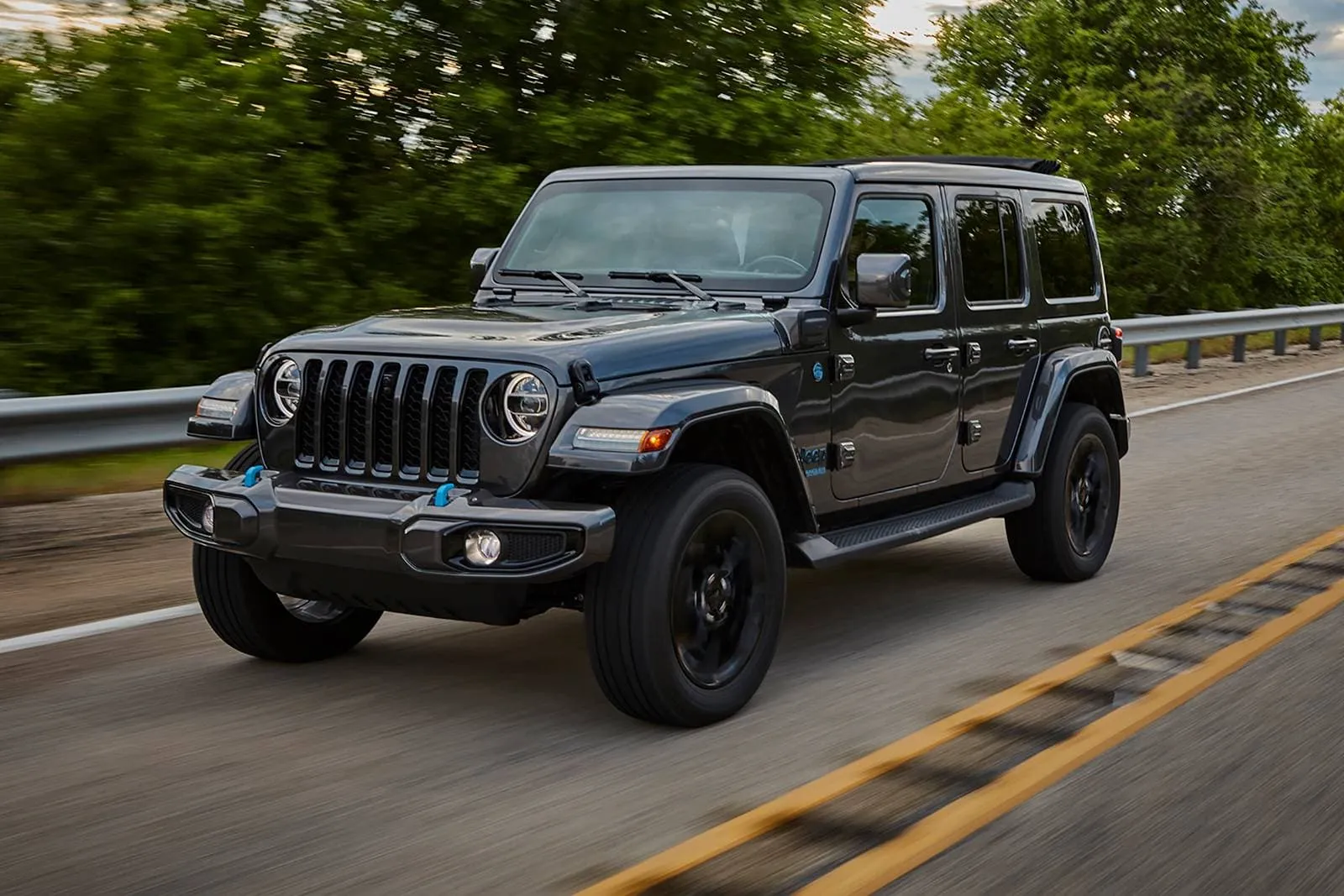
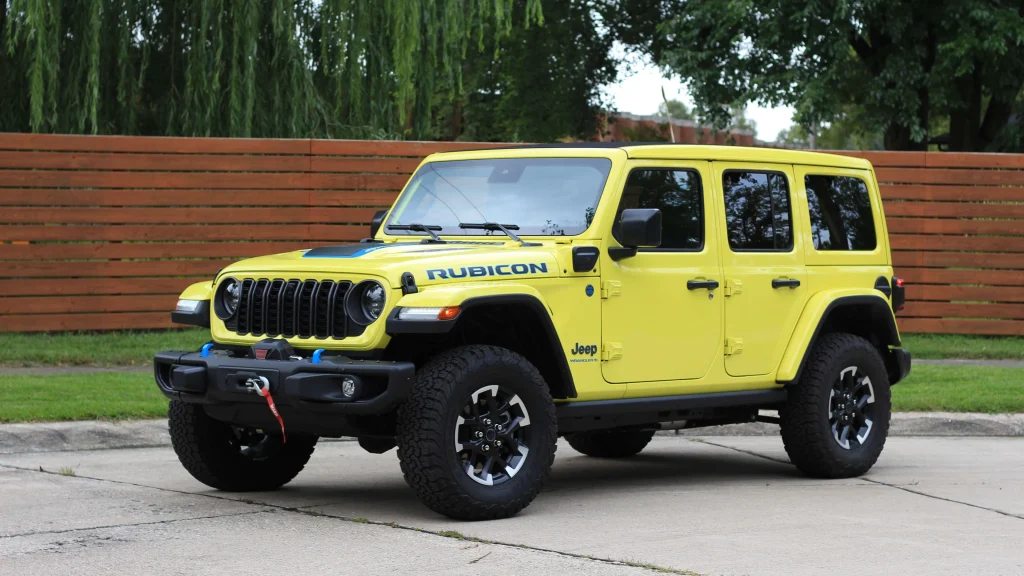
2. Jeep Wrangler Unlimited Rubicon
The Jeep Wrangler Unlimited Rubicon occupies a unique place in the automotive world. Few vehicles can match its off-road capability, rugged image, and adventurous spirit. Buyers choose it because they want access to trails, rocky terrain, and outdoor experiences that most vehicles cannot handle.
Fuel economy is rarely the primary reason for purchasing a Wrangler, yet many owners have still been surprised by the gap between official ratings and real-world results.
Unlike conventional SUVs designed primarily for paved roads, the Wrangler prioritizes durability and off-road performance. Features such as solid axles, aggressive tires, increased ground clearance, and boxy styling contribute to its legendary capability. Unfortunately, many of those same characteristics work against fuel efficiency.
Aerodynamics represents one of the biggest challenges. The upright windshield and squared-off body create substantial wind resistance, particularly at highway speeds. Even moderate increases in speed can have a noticeable impact on fuel consumption.
Drivers often find that maintaining interstate cruising speeds results in fuel economy figures well below official estimates.
The Rubicon trim introduces additional factors. Larger off-road tires create increased rolling resistance, while specialized drivetrain components add weight. Together, these features contribute to higher fuel usage during everyday driving. Although they are invaluable on challenging terrain, they provide little benefit during daily commutes.
Many owners also personalize their Wranglers with roof racks, larger tires, lift kits, and additional accessories. These modifications can further widen the gap between laboratory ratings and actual fuel economy. A heavily modified Wrangler often delivers numbers that differ significantly from those displayed on the original window sticker.
Driving environment matters as well. Frequent acceleration, urban congestion, and cold weather can all reduce efficiency. Since Wranglers are often used for recreational trips involving gear, passengers, and challenging terrain, many owners rarely encounter the conditions necessary to achieve official mileage figures.
The Wrangler Unlimited Rubicon remains one of the most capable off-road vehicles available. Buyers love it for reasons unrelated to fuel economy. Still, drivers expecting the advertised ratings to translate directly into daily use are often surprised by how quickly fuel consumption rises under realistic conditions.
Specifications
- Engine: 3.6 Liter Pentastar V6
- Torque: 260 lb-ft
- Horsepower: 285 hp
- Length/Width: 188.4 in / 73.8 in
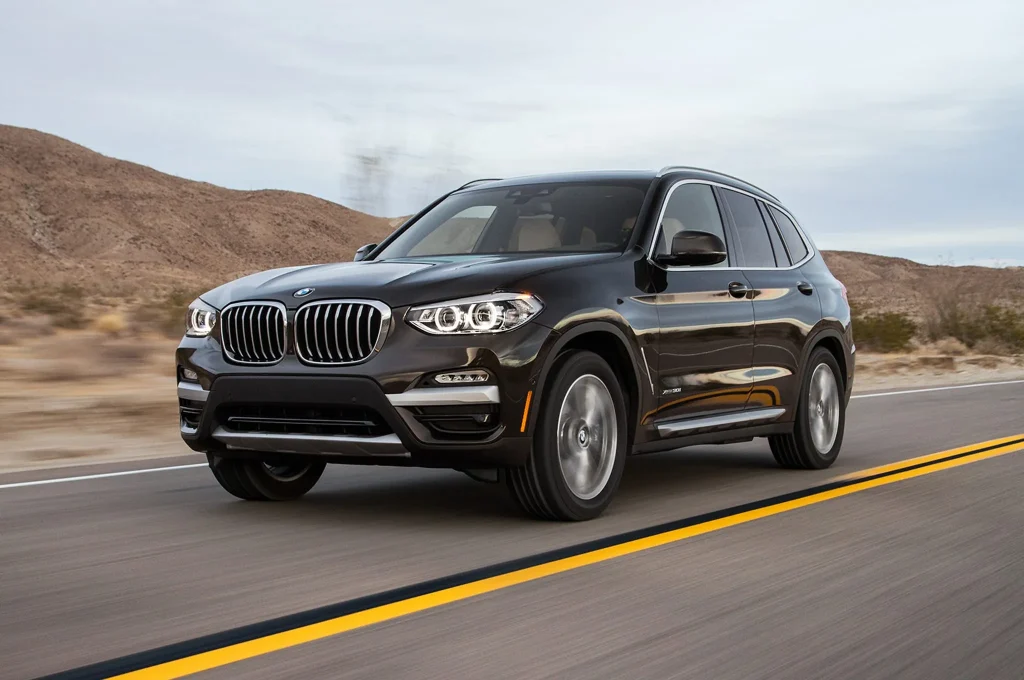
3. BMW X3 xDrive30i
On paper, the BMW X3 xDrive30i appears to be a sensible luxury SUV for drivers who want a blend of performance and efficiency.
The turbocharged four-cylinder engine produces strong power, while official fuel economy ratings suggest that owners will not have to make frequent stops at the gas station. For many buyers, this combination seems ideal. Unfortunately, real-world driving often tells a different story.
The X3 is a vehicle that encourages enthusiastic driving. BMW has spent decades refining its reputation for creating engaging driver-focused vehicles, and the X3 continues that tradition.
The steering feels responsive, the suspension is well-tuned, and the turbocharged engine delivers power with impressive eagerness. The problem is that enjoying these strengths usually comes at the expense of fuel economy.
Many owners report that the official figures are difficult to match during everyday use. Urban driving is particularly challenging. Stop-and-go traffic forces the engine to work repeatedly from a standstill, and the vehicle’s weight becomes a significant factor.
Drivers who regularly commute through busy city streets often see numbers well below the ratings displayed on the sticker.
Highway travel does not always solve the issue. While the X3 can be efficient on long, uninterrupted journeys, maintaining higher cruising speeds reduces its advantage. The all-wheel-drive system, although excellent for traction and stability, also contributes to additional fuel consumption compared with lighter front-wheel-drive alternatives.
Weather conditions can widen the gap even further. Cold temperatures, heavy use of climate control systems, and short trips where the engine never reaches ideal operating temperature frequently hurt efficiency. Owners in colder regions often report fuel economy results that fall considerably short of expectations.
Interestingly, few drivers criticize the vehicle because of its consumption. Most appreciate its balance of luxury, performance, practicality, and technology.
The disappointment comes from the difference between expectation and reality. Buyers attracted by impressive official ratings often discover that achieving those numbers requires unusually careful driving habits.
The X3 xDrive30i remains one of the most capable compact luxury SUVs in its class. However, when compared with its advertised fuel economy, real-world results often leave owners wishing for better efficiency.
Specifications
- Engine: 2.0 Liter Turbocharged Inline 4
- Torque: 258 lb-ft
- Horsepower: 248 hp
- Length/Width: 185.9 in / 74.4 in
4. Mazda CX-9
The Mazda CX-9 earned praise throughout its production life for offering something many three-row SUVs struggled to deliver. It combined family-friendly practicality with driving dynamics that felt noticeably more engaging than the segment average.
Buyers appreciated its stylish design, premium interior, and responsive turbocharged engine. Yet one area where expectations were not always met involved fuel economy.
Mazda’s turbocharged 2.5-liter engine was engineered to provide strong low-end torque, helping the large SUV feel lighter and more responsive than its size would suggest. In real-world conditions, this characteristic became both an advantage and a disadvantage.
The generous torque made acceleration effortless, but frequent use of that performance often resulted in higher fuel consumption than many owners anticipated.
Consider a typical family road trip. The vehicle is loaded with passengers, luggage, snacks, and travel equipment. Under these conditions, the CX-9’s engine works significantly harder than during standardized testing procedures. Climbing hills, merging onto highways, and maintaining speed with a full load can quickly reduce efficiency.
Owner reports frequently highlighted the difference between city and highway results. While highway mileage could approach official estimates under favorable conditions, urban driving often produced much lower figures.
Families using the CX-9 for school runs, shopping trips, and daily commuting commonly experienced fuel economy numbers that fell short of expectations.
The SUV’s size also played a role. Although Mazda did an excellent job minimizing weight compared with some competitors, the CX-9 remained a large three-row vehicle. Moving that mass requires energy, especially in traffic where momentum is constantly lost and regained.
Another factor involved driver behavior. Because the CX-9 felt more athletic than many rival SUVs, drivers naturally tended to accelerate more aggressively. The enjoyable driving experience encouraged habits that reduced efficiency, even if owners did not consciously realize it.
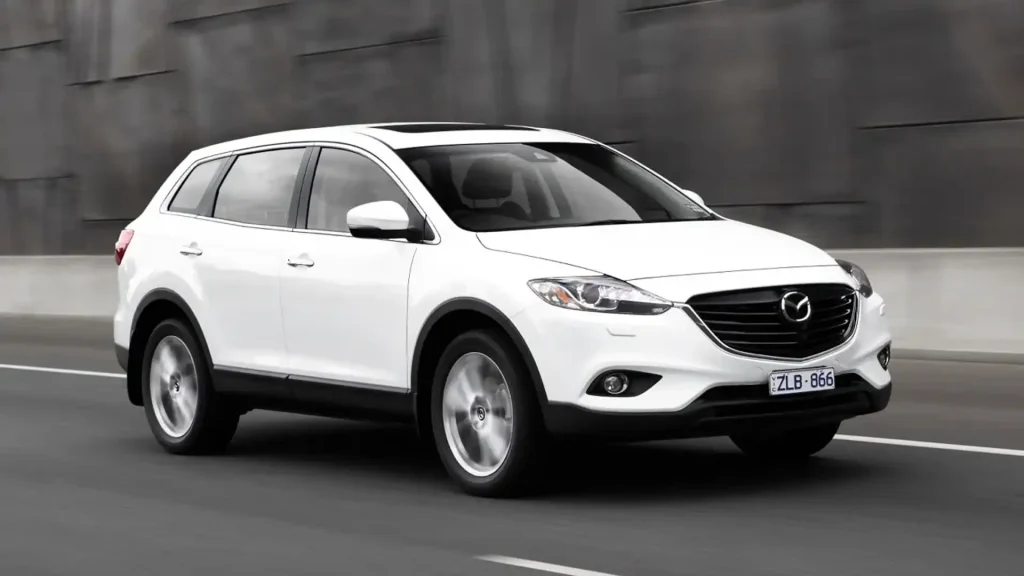
Despite these shortcomings, the CX-9 developed a loyal following because of its refined interior, attractive styling, and rewarding road manners. Fuel economy concerns rarely overshadowed its strengths, but the discrepancy between advertised and real-world performance remained a common topic among owners.
Specifications
- Engine: 2.5 Liter Turbocharged Inline 4
- Torque: 320 lb-ft
- Horsepower: 250 hp
- Length/Width: 199.4 in / 77.5 in
5. Chevrolet Silverado 1500 2.7 Turbo
Pickup truck buyers often pay close attention to fuel economy because these vehicles accumulate substantial mileage through commuting, work duties, and long-distance travel.
When Chevrolet introduced the 2.7-liter turbocharged four-cylinder engine in the Silverado 1500, many shoppers viewed it as a modern solution. The smaller engine promised a balance between capability and efficiency, suggesting that truck owners could enjoy lower fuel costs without sacrificing usefulness.
The concept sounded excellent in theory. A turbocharged engine could deliver V8-like torque when needed while consuming less fuel during normal driving. Official ratings reinforced that idea, leading many buyers to expect a significant improvement over larger engines.
Reality proved more complicated.
A full-size pickup remains a heavy and physically large vehicle regardless of engine size. The Silverado’s dimensions create substantial aerodynamic drag, especially at highway speeds. When drivers load the bed with cargo, tow trailers, or carry multiple passengers, the engine must work considerably harder than during standardized testing.
One reason for the gap is how turbocharged engines behave under load. During gentle driving, fuel consumption can remain relatively modest.
However, whenever additional power is required, the turbocharger increases boost pressure, and fuel usage rises accordingly. Truck owners frequently encounter these situations because hauling and towing are part of normal ownership.
Many drivers reported respectable numbers during steady highway cruising but disappointing results during mixed-use driving. Construction workers, contractors, and business owners who regularly carried tools and equipment often experienced fuel economy well below the advertised figures.
The transmission calibration also contributed to varying results. While designed to maximize efficiency, it could sometimes require frequent downshifts when encountering hills or heavier loads. Those extra demands on the powertrain inevitably affected fuel consumption.
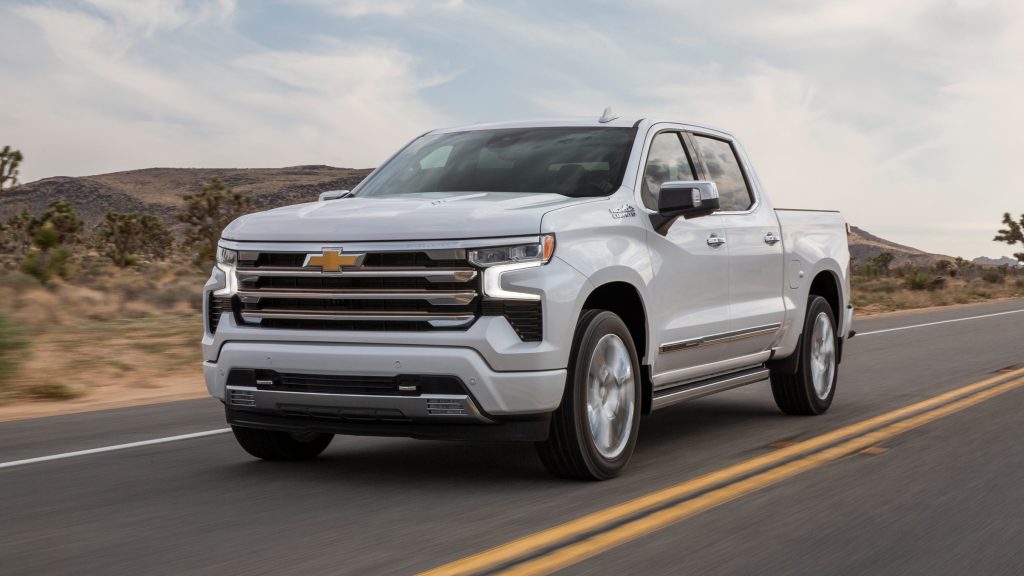
Ironically, some owners discovered that larger engine options occasionally delivered similar real-world mileage because they did not need to work as hard to move the truck. This created frustration among buyers who selected the smaller engine specifically for its promised efficiency advantage.
The Silverado 1500 with the 2.7-liter turbo remains a capable and technologically impressive truck. Yet its reputation for missing fuel economy expectations has made it a frequent example in discussions about the difference between laboratory ratings and everyday driving.
Specifications
- Engine: 2.7 Liter Turbocharged Inline 4
- Torque: 430 lb-ft
- Horsepower: 310 hp
- Length/Width: 231.7 in / 81.2 in
6. Subaru Ascent
The Subaru Ascent entered the market with an important mission. Subaru needed a three-row SUV capable of accommodating growing families while preserving the all-weather capability that had become central to the brand’s identity.
The result was a spacious and practical vehicle that quickly attracted buyers seeking versatility and safety. Fuel economy, however, became a recurring topic among owners.
Unlike many competitors that offered naturally aspirated V6 engines, Subaru equipped the Ascent with a turbocharged four-cylinder engine. The goal was straightforward.
The smaller displacement would help improve efficiency while still providing enough power for a large family SUV. Official ratings suggested the strategy had worked. Once owners began using the vehicle in everyday situations, the story often changed.
The Ascent’s standard all-wheel-drive system is one of its greatest strengths. It provides confidence during rain, snow, and challenging road conditions. However, maintaining power delivery to all four wheels adds mechanical complexity and increases fuel consumption compared with front-wheel-drive alternatives.
Family usage patterns further complicate matters. The Ascent is frequently driven with multiple passengers, child seats, luggage, sports equipment, groceries, and vacation gear. Every additional pound increases the workload placed on the engine.
Drivers who regularly use all three seating rows often report fuel economy figures noticeably lower than the official estimates.
Another challenge comes from the turbocharged engine itself. Around town, repeated acceleration events force the turbocharger to generate boost frequently. This improves responsiveness but can also increase fuel consumption. In heavy traffic, where drivers are constantly starting and stopping, efficiency often suffers.
Long-term ownership reports frequently reveal a common pattern. Drivers who spend most of their time on open highways tend to achieve respectable numbers. Those dealing with suburban congestion, school drop-offs, and short-distance errands often struggle to approach the advertised figures.
What makes this particularly noticeable is that Subaru owners often purchase the brand with practicality in mind. Many carefully compare fuel economy ratings before making a decision. When actual results differ significantly from expectations, disappointment becomes understandable.
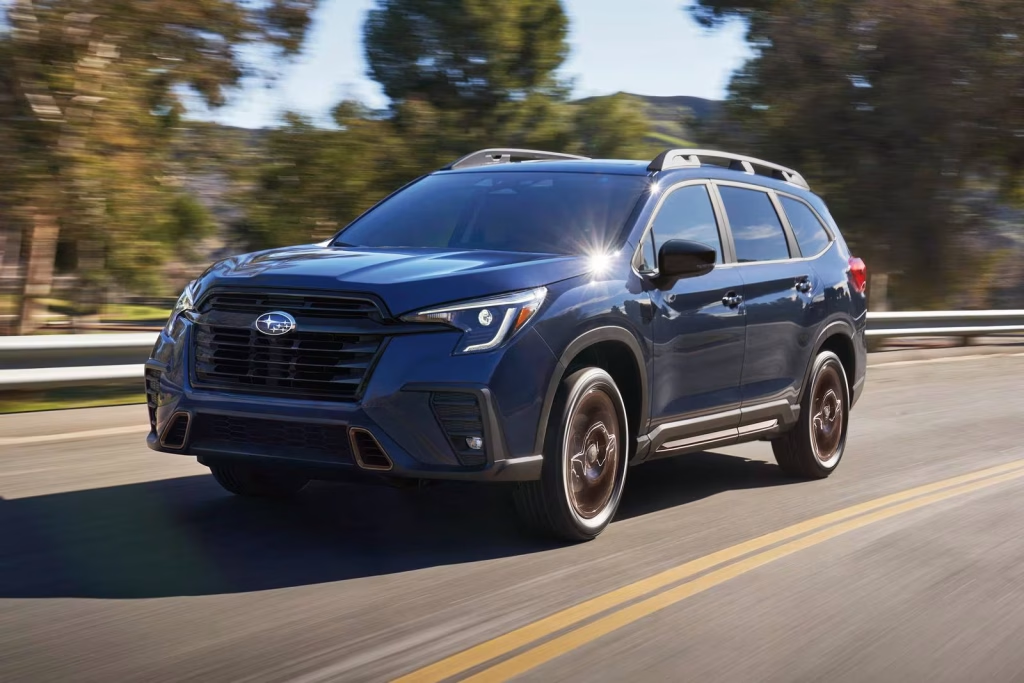
The Ascent succeeds in numerous areas, including safety, interior space, and year-round usability. Nevertheless, it remains one of the vehicles most frequently mentioned when discussing models that consume more fuel in real-world conditions than their sticker ratings initially suggest.
Specifications
- Engine: 2.4 Liter Turbocharged Boxer 4
- Torque: 277 lb-ft
- Horsepower: 260 hp
- Length/Width: 196.8 in / 76.0 in
7. Toyota Tundra i-FORCE MAX Hybrid
Hybrid technology usually creates expectations of exceptional fuel economy. When Toyota introduced the i-FORCE MAX hybrid system in the Tundra, many buyers assumed they would receive the benefits of a powerful full-size truck combined with the efficiency commonly associated with hybrid vehicles.
The promise sounded extremely appealing, especially as fuel prices continued to fluctuate. The reality, however, proved more nuanced.
Toyota designed the hybrid system primarily to improve performance and torque rather than maximize fuel savings. The electric motor works alongside a twin-turbocharged V6 engine to deliver impressive pulling power and strong acceleration.
As a result, the truck feels remarkably responsive for a vehicle of its size. Unfortunately, that focus on capability means fuel economy gains are often less dramatic than some buyers expect.
A full-size pickup presents significant challenges for any efficiency-focused technology. The Tundra’s large frontal area creates substantial aerodynamic resistance, particularly during highway travel. Once speeds increase, the benefits provided by the electric motor become less noticeable, and the gasoline engine shoulders most of the workload.
Many owners purchase the Tundra specifically for demanding tasks. Towing boats, campers, utility trailers, and heavy equipment is common. During these activities, fuel consumption naturally rises.
Drivers expecting a hybrid-like economy during towing often find themselves disappointed when real-world figures fall well below the advertised ratings.
Urban driving creates another interesting situation. In theory, hybrids perform best in stop-and-go traffic because regenerative braking helps recover energy. However, the Tundra’s size and weight can limit those advantages. Frequent acceleration from traffic lights still requires considerable energy, especially when the truck is carrying passengers or cargo.
Owner discussions frequently reveal a gap between expectations and reality. Many drivers acknowledge that the truck delivers excellent power and refinement but admit that fuel economy improvements are smaller than anticipated. Some expected numbers similar to midsize SUVs simply because the vehicle carried a hybrid badge.
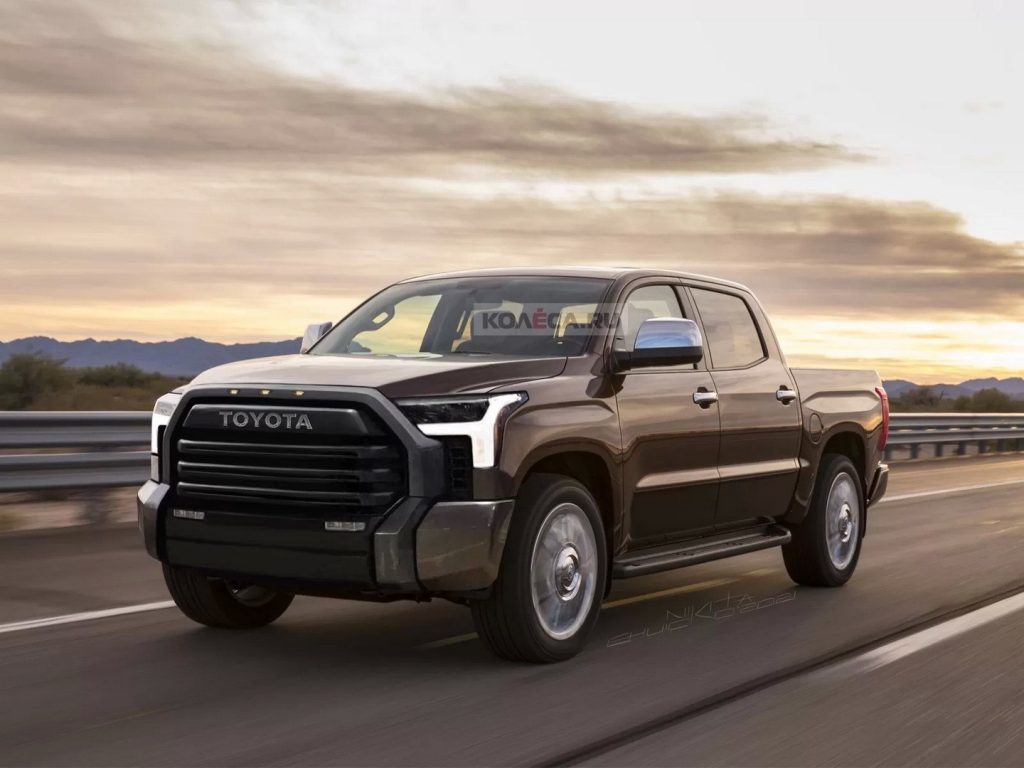
The Tundra i-FORCE MAX remains an impressive engineering achievement. It combines capability, comfort, and modern technology in a highly competitive package. Yet among buyers focused primarily on efficiency, the difference between sticker ratings and everyday results has generated more than a few surprises.
Specifications
- Engine: 3.4 Liter Twin-Turbocharged V6 Hybrid
- Torque: 583 lb-ft
- Horsepower: 437 hp
- Length/Width: 233.6 in / 80.2 in
8. Alfa Romeo Stelvio Ti
Luxury crossovers are often expected to provide a balanced mix of performance, comfort, and efficiency. The Alfa Romeo Stelvio Ti excels in the first two categories thanks to its sharp handling and energetic character. Fuel economy, however, has proven less consistent when drivers attempt to match official ratings in everyday use.
Unlike many competitors that prioritize isolation and comfort above all else, the Stelvio was developed with driving enjoyment as a central objective.
The steering is exceptionally quick, the chassis feels athletic, and the turbocharged engine responds eagerly to driver inputs. These traits make the vehicle engaging, but they can also contribute to increased fuel consumption.
One challenge comes from the way owners naturally interact with the vehicle. The Stelvio encourages spirited driving. Its responsive throttle and lively handling often tempt drivers to accelerate harder than they might in a more conventional crossover. Even small increases in enthusiasm can significantly affect fuel economy.
Road conditions also play a role. In dense urban environments, the turbocharged engine frequently operates under varying loads. Accelerating away from intersections, moving through heavy traffic, and dealing with changing speeds can all reduce efficiency. Drivers who spend most of their time in city settings often report figures noticeably below official estimates.
Highway travel presents a different scenario. While the Stelvio can achieve respectable mileage on long journeys, maintaining higher cruising speeds often narrows the gap between it and larger, more powerful SUVs. The sporty nature of the vehicle encourages faster driving, which inevitably affects fuel consumption.
Another factor is all-wheel drive. The system improves traction and handling stability, particularly in adverse weather conditions, but it also introduces additional mechanical resistance. This can make achieving laboratory-tested fuel economy figures more difficult during normal use.
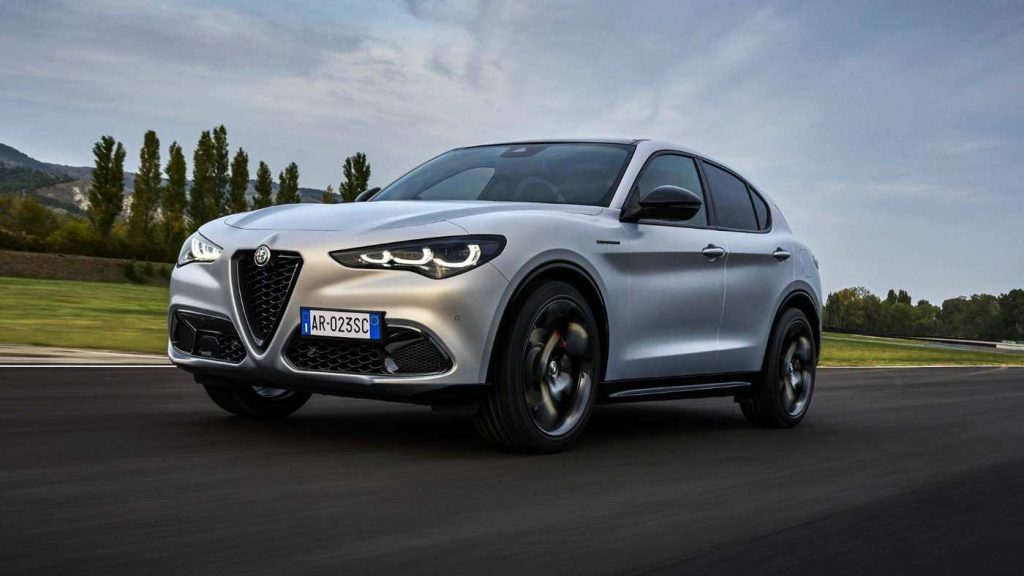
The Stelvio Ti remains one of the most entertaining luxury crossovers on the market. Its driving dynamics frequently earn praise from automotive journalists and owners alike.
Nevertheless, many buyers discover that enjoying those strengths often means accepting fuel economy results that do not fully align with the optimistic numbers displayed on the window sticker.
Specifications
- Engine: 2.0 Liter Turbocharged Inline 4
- Torque: 306 lb-ft
- Horsepower: 280 hp
- Length/Width: 184.6 in / 74.9 in
9. Land Rover Defender 110 P400
The Land Rover Defender 110 P400 is admired for its ability to blend luxury, off-road capability, and modern technology into a single package. Buyers are often attracted by its rugged image and premium features, while the mild-hybrid powertrain creates the impression that fuel economy will be more competitive than expected for a large SUV.
Unfortunately, many owners find that real-world consumption differs noticeably from the official ratings.
One of the main reasons is the Defender’s design. Its upright shape, large dimensions, and considerable weight create challenges that no amount of engineering can eliminate. The vehicle cuts an imposing figure on the road, but that shape generates substantial aerodynamic drag at highway speeds.
The turbocharged and supercharged inline-six engine delivers smooth and effortless power. However, the strong acceleration that makes the Defender enjoyable to drive can also increase fuel consumption.
Many owners appreciate the vehicle’s refined performance, yet that refinement often comes with more frequent visits to the fuel station than anticipated.
Off-road equipment further contributes to the issue. The advanced four-wheel-drive system, heavy-duty components, and sophisticated suspension all add weight. These features are invaluable when tackling difficult terrain, but they require additional energy during normal driving.
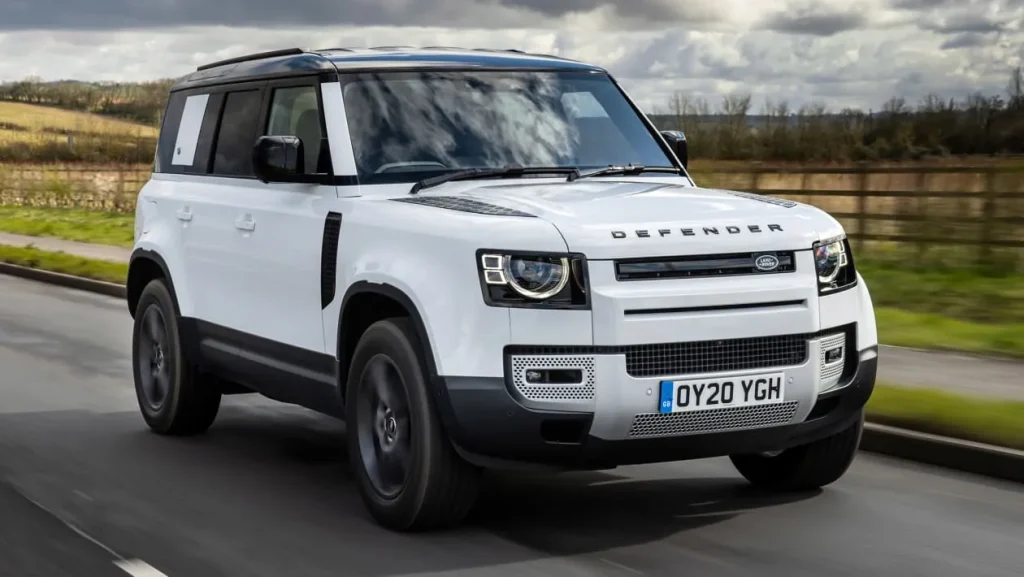
Drivers who regularly carry passengers, camping gear, or adventure equipment often report fuel economy figures that fall well below the sticker estimates. While the Defender excels in versatility and capability, matching its official fuel economy numbers can be difficult outside ideal conditions.
Specifications
- Engine: 3.0 Liter Turbocharged and Supercharged Inline 6 Mild Hybrid
- Torque: 406 lb-ft
- Horsepower: 395 hp
- Length/Width: 197.6 in / 79.1 in
10. Hyundai Santa Fe Hybrid
The Hyundai Santa Fe Hybrid entered the market with strong expectations. Hybrid vehicles are commonly associated with impressive efficiency, and Hyundai promoted the model as a family SUV capable of delivering meaningful fuel savings.
While many owners achieve respectable mileage, a significant number report real-world results that fall short of the optimistic figures displayed on the sticker.
A key factor is usage pattern. The Santa Fe Hybrid performs best when driven smoothly in moderate traffic conditions where the electric motor can contribute frequently.
However, many families use the vehicle for long highway trips, heavily loaded vacations, and daily commuting in congested areas. These situations reduce the effectiveness of the hybrid system.
The SUV’s size also influences fuel consumption. Although not as large as some three-row competitors, it remains a substantial family vehicle. Carrying passengers, luggage, and everyday cargo increases the demands placed on both the gasoline engine and electric motor.
Climate conditions create another challenge. Extreme temperatures often require greater use of heating and air conditioning systems, which can negatively affect efficiency. Short trips are equally problematic because the hybrid system may not have sufficient time to operate at peak effectiveness.
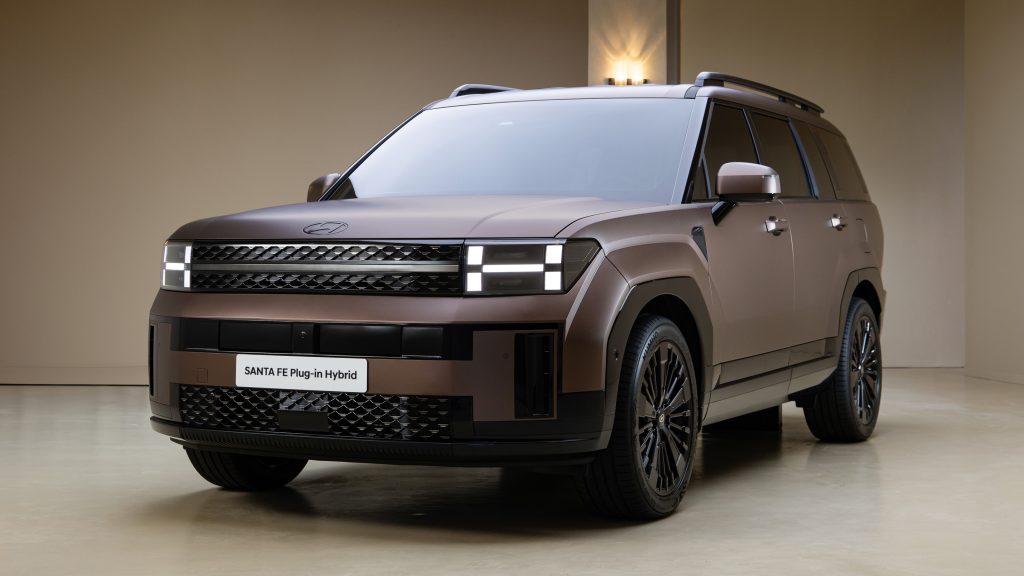
Owners generally praise the Santa Fe Hybrid for its comfort, technology, and practicality. The disappointment comes primarily from the gap between expectation and reality. Buyers expecting hybrid-level fuel savings in every situation sometimes discover that actual results depend heavily on driving conditions and habits.
Specifications
- Engine: 1.6 Liter Turbocharged Inline 4 Hybrid
- Torque: 271 lb-ft
- Horsepower: 231 hp
- Length/Width: 190.2 in / 74.8 in
Also Read: 10 V8 Cars Worth Buying for the Sound Alone
