The automotive world in 2026 looks strikingly different from just five years earlier. A sweeping shift across the industry has introduced high-voltage electrical systems, large infotainment displays that now manage functions ranging from climate settings to gaming features, and semi-autonomous driving technologies powered by integrated radar, lidar, and camera systems.
Yet, amid this dizzying influx of cutting-edge technology, the fundamental question for any car buyer remains the same: Will this vehicle start every single morning without fail, and will it keep me out of the service bay?
As vehicles become increasingly complex, building a truly dependable machine has become a moving target for global automakers.
The latest iteration of the J.D. Power Vehicle Dependability Study (VDS) cuts through the marketing fluff, evaluating real-world owner feedback after three years of ownership. By tracking the number of problems experienced per 100 vehicles (PP100), the study highlights which manufacturers are successfully blending new-age tech with bulletproof mechanical platforms.
For savvy consumers looking to dodge crippling depreciation and unexpected repair bills, these rankings offer the most objective roadmap available for understanding the 2026 new and used car markets.
A close examination of recent automotive service data points to a clear shift in how vehicle reliability is understood today. In the past, dependability was measured almost exclusively through mechanical performance, focusing on issues such as head gasket failures, slipping transmissions, or early alternator breakdowns. Although these kinds of mechanical problems still happen, they are no longer the main cause of frustration for today’s vehicle owners.
Instead, the modern service bay is dominated by software glitches, frozen centre screens, and overly sensitive advanced driver assistance systems (ADAS) that throw false warnings on a dirty windshield.
The friction between software development cycles and traditional automotive engineering is where many brands stumble. Consumer electronics move fast, but cars are expected to last fifteen years.
The automakers that top the reliability charts in 2026 are not necessarily the ones with the most screen real estate or the flashest gimmicks; they are the ones that thoroughly test their electronic architectures before rolling them out to the public.
By ensuring that over-the-air updates actually fix bugs rather than introducing new ones, and by retaining physical controls for critical functions, these top-tier manufacturers manage to keep their PP100 scores low while keeping customer satisfaction exceptionally high.
ALSO READ: 8 Foreign Car Brands That Could Enter the US Market by 2030
1. Lexus
Lexus continues its historic run at the absolute pinnacle of automotive dependability, proving once again that luxury does not have to come at the expense of peace of mind. While European rivals frequently chase bleeding-edge performance metrics that require highly strung, high-maintenance powertrains, the Japanese luxury titan takes a deliberately measured approach.
Lexus engineers do not rush unproven powertrains or experimental user interfaces to market. Instead, they perfect their engineering cycles, ensuring that every sensor, luxury amenity, and powertrain component undergoes rigorous stress testing far beyond typical industry standards.
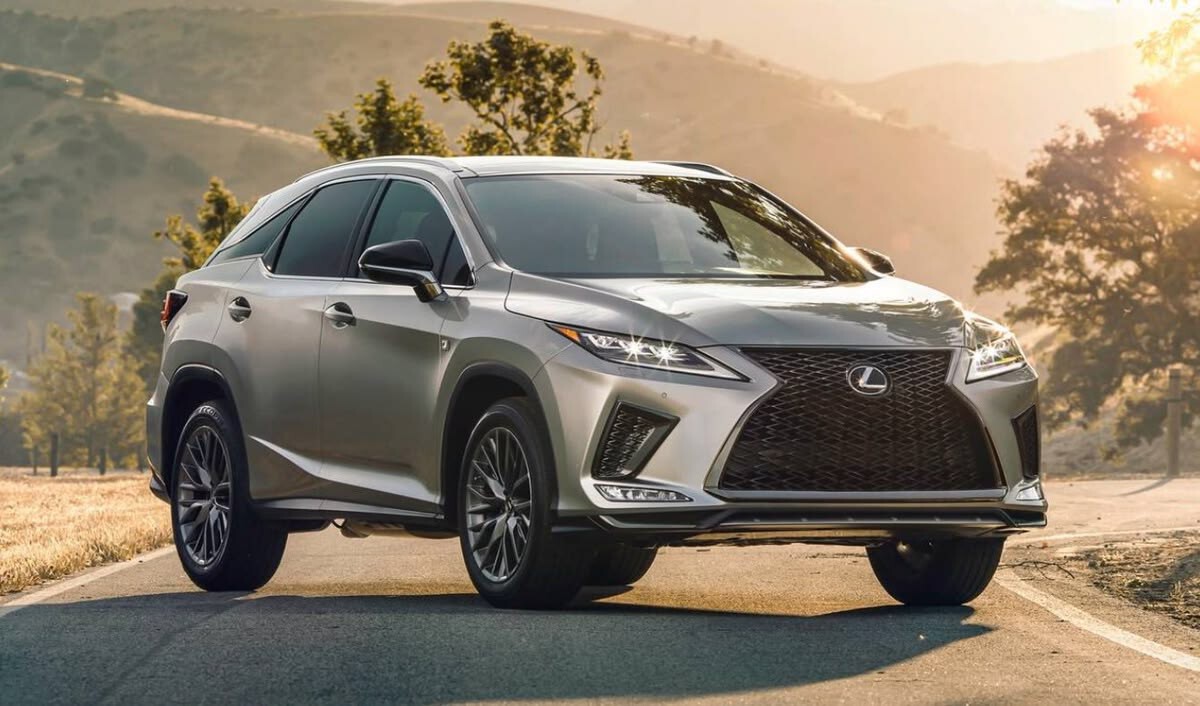
The brand’s continued dominance in the J.D. Power VDS is driven largely by its immaculate build quality and the legendary longevity of its hybrid and naturally aspirated engines.
Inside a modern Lexus, everything feels meticulously assembled; panel gaps are microscopic, and premium materials are fastened down with a level of precision that eliminates annoying interior squeaks and rattles over years of driving.
Also, their infotainment setups, which transitioned away from the widely criticized trackpad system to intuitive touch interfaces, have stabilized significantly, avoiding the frequent software crashes that plague other premium marques.
The flagship RX midsize luxury crossover remains the gold standard for this bulletproof philosophy, offering a serene cabin, exceptional fuel economy through its mature hybrid tech, and a historic lack of mechanical vulnerabilities.
- Engine: 2.4-liter Inline-4 Hybrid
- Horsepower: 246 hp (combined system net)
- Torque: 233 lb-ft
- Length: 192.5 inches
- Width: 75.6 inches
2. Toyota
As the parent company of Lexus, Toyota employs the exact same corporate philosophy of continuous improvement, known internally as Kaizen. It is an approach that values incremental, proven optimization over radical, unassisted reinvention.
While some critics occasionally label Toyota as conservative in its styling or adoption of experimental tech, the brand’s army of fiercely loyal buyers understands the method to the madness. When you buy a Toyota, you are buying a vehicle designed to easily clear the 200,000-mile mark with nothing more than routine fluid changes and basic scheduled maintenance.
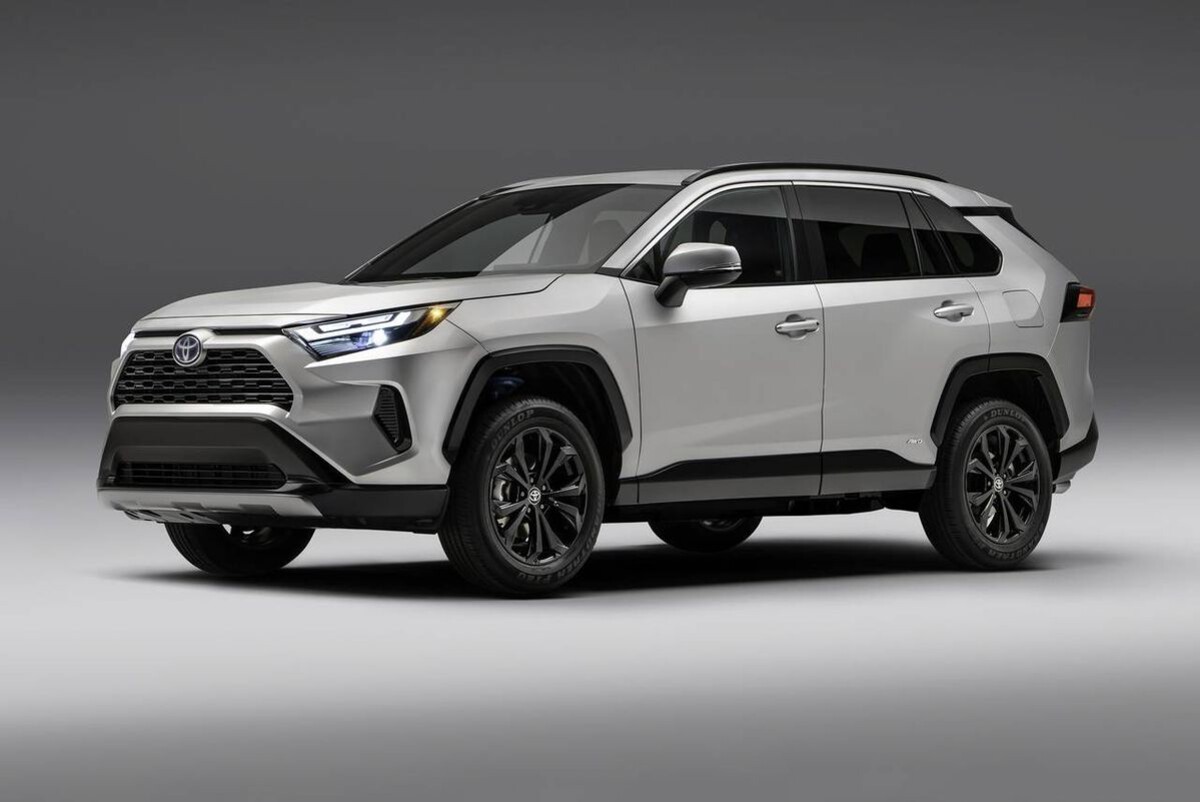
Toyota’s stellar performance in mass-market dependability stems from its unparalleled mastery of hybrid powertrains. Having pioneered the technology nearly three decades ago, Toyota’s planetary gear-based electronic continuously variable transmissions (eCVTs) are mathematically and mechanically simpler than traditional multi-speed automatics, eliminating conventional clutches and torque converters that can wear out over time.
Even across their newer turbocharged platforms, Toyota’s manufacturing tolerances remain incredibly tight.
From the ubiquitous RAV4 to the legendary Camry, these vehicles are built to withstand the brutal realities of daily commuting, harsh weather conditions, and minimal maintenance budgets, securing a top-three spot in mass-market dependability year after year.
- Engine: 2.5-liter four-cylinder with Electric Motors
- Horsepower: 219 hp
- Torque: 163 lb-ft (engine) / 149 lb-ft (front motor)
- Length: 180.9 inches
- Width: 73.0 inches
3. Buick
Buick’s consistent position near the top of the dependability rankings remains one of the automotive industry’s best-kept secrets, defying old stereotypes and proving that General Motors can build world-class premium vehicles.
Buick has quietly carved out a highly successful niche for itself by focusing entirely on a streamlined lineup of premium, elegant crossovers.
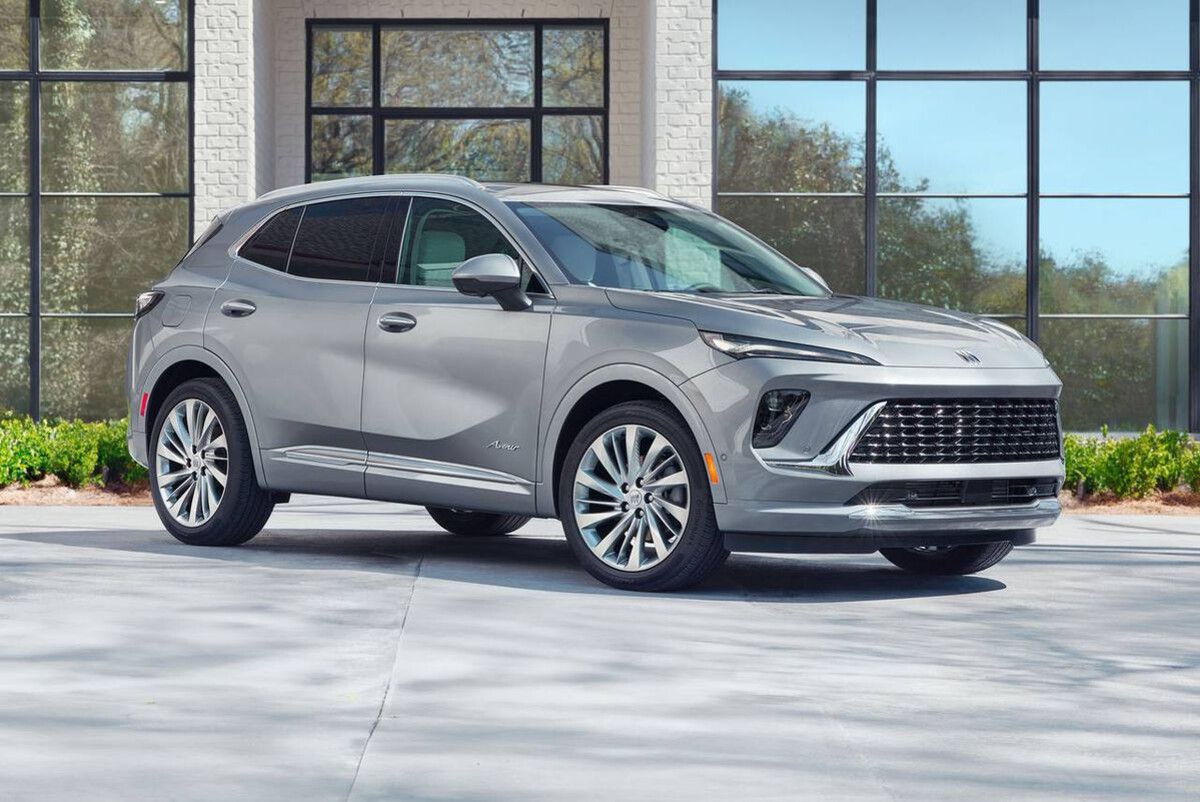
By narrowing its engineering focus and avoiding the complexities of developing high-performance sports cars or heavy-duty work trucks, Buick has managed to refine its shared global platforms to an exceptional degree of reliability.
The secret to Buick’s low problem counts lies in its deliberate reuse of highly dependable GM powertrains and a remarkably stable electrical architecture. Their current generation of EcoTec turbocharged engines and nine-speed automatic transmissions have had their real-world kinks ironed out over millions of fleet miles.
Also, Buick’s infotainment systems are frequently praised by consumer clinics for their straightforward layout, rapid processing speeds, and lack of systemic connectivity glitches.
Drivers who step into an Envision or an Encore GX find an entry-level luxury experience that bypasses the frustrating, overly digitized menus of high-end European crossovers, resulting in fewer owner complaints and stellar scores in long-term satisfaction surveys.
- Engine: 2.0-liter Turbocharged ECOTEC Four-Cylinder
- Horsepower: 228 hp
- Torque: 258 lb-ft
- Length: 182.5 inches
- Width: 74.1 inches
4. Chevrolet
As the high-volume, blue-collar cornerstone of General Motors, Chevrolet’s inclusion among the industry’s most dependable brands is a massive testament to the robustness of its core engineering.
Building dependable cars is one thing, but maintaining high reliability scores across an expansive lineup that includes affordable compact crossovers, high-stress full-size pickup trucks, and large body-on-frame family SUVs is a monumental manufacturing challenge.
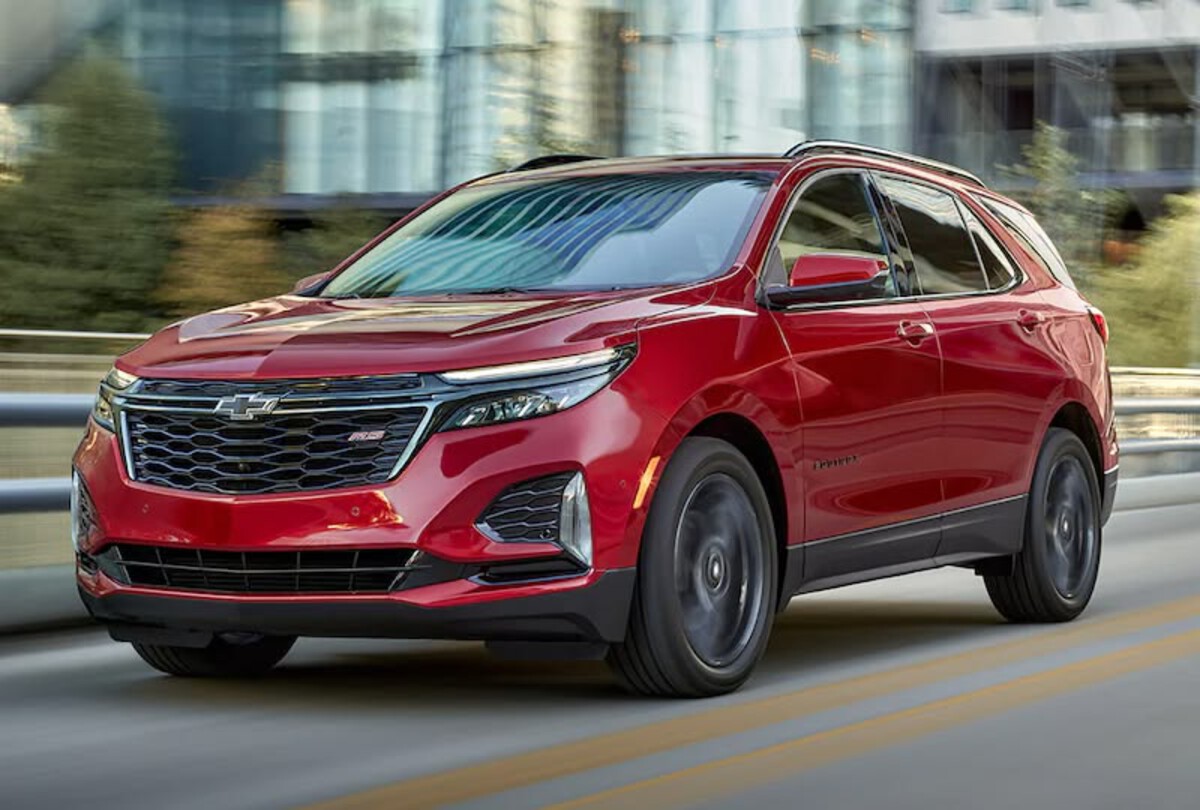
Chevrolet succeeds by deploying highly durable, well-proven mechanical architectures designed to handle rigorous commercial duty cycles.
A significant driver of Chevrolet’s dependability accolades is its powertrain lineup. The legendary small-block V8 engines found in their full-size trucks and SUVs are fundamentally simple, highly durable pushrod designs that have been refined over several decades, meaning they lack the delicate overhead-cam complexities of imported luxury powerplants.
On the crossover side of the house, models like the Equinox benefit from mature, highly standardised platform components that have gone through multiple generations of real-world refinement.
By ensuring that their cabins feature smart, durable interior materials that resist wear and tear alongside highly intuitive, stable infotainment software, Chevy delivers exceptional long-term utility without the premium price tag.
- Engine: 1.5-liter Turbocharged Four-Cylinder
- Horsepower: 175 hp
- Torque: 203 lb-ft
- Length: 183.1 inches
- Width: 73.4 inches
ALSO READ: 10 Car Brands That Quietly Left the American Market
5. Mini
Mini’s dramatic ascent up the J.D. Power reliability charts stands as one of the most impressive corporate turnaround stories of the modern automotive era. Historically plagued by reputation-damaging electrical gremlins and mechanical vulnerabilities during the early 2000s, the British iconic brand underwent a comprehensive, multi-year engineering overhaul under the direct stewardship of its parent company, BMW.
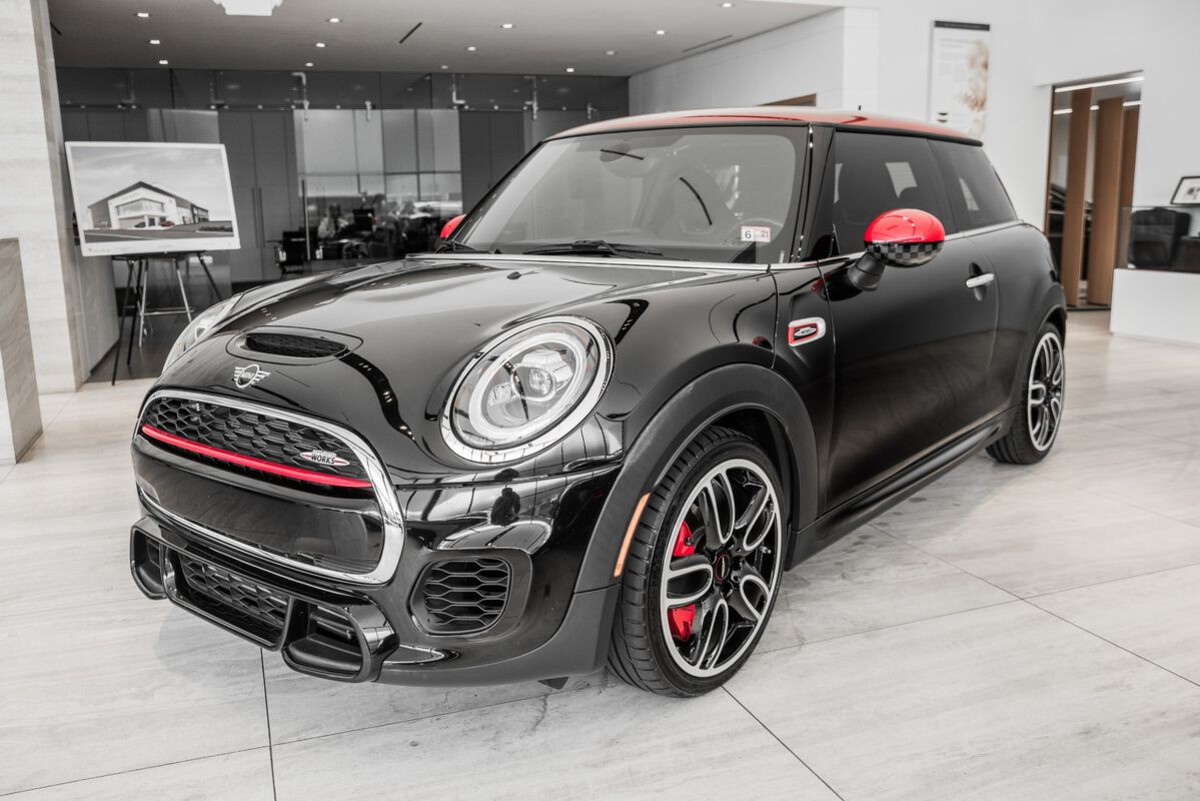
By completely aligning Mini’s mechanical underpinnings with BMW’s highly rated premium architectures, the brand has transformed its quirky, fun-to-drive hatchbacks into some of the most mechanically sound vehicles on the road today.
The backbone of Mini’s current dependability success is the widespread utilisation of BMW’s modular engine family, specifically the exceptionally robust B48 turbocharged four-cylinder engine. Paired with polished transmissions from Aisin and ZF, these powertrains are legendary among technicians for their lack of oil leaks and robust thermal management.
Inside the cabin, Mini has successfully preserved its distinct, retro-futuristic design language while entirely replacing its older, glitchy electronics with a heavily reskinned, rock-solid version of BMW’s iDrive software operating system.
The result is a highly reliable vehicle that retains its signature go-kart handling and unmistakable personality without forcing owners to make compromises on daily usability and long-term durability.
- Engine: 2.0-litre TwinPower Turbo Four-Cylinder
- Horsepower: 201 hp
- Torque: 221 lb-ft
- Length: 152.6 inches
- Width: 68.7 inches
6. Hyundai
Hyundai’s prominent placement in modern dependability studies is the direct result of a calculated, multi-decade transformation driven by aggressive engineering investments and a legendary factory warranty program.
Rather than resting on its laurels as a budget-friendly brand, the South Korean automaker has systematically poached top-tier engineering and design talent from premier European brands, completely revamping its vehicle development pipelines.
Hyundai treats dependability as a core customer-retention strategy, recognizing that building highly reliable vehicles is the fastest way to earn long-term market share.
Hyundai’s high reliability marks are heavily bolstered by the maturity of its Smartstream engine family and its incredibly robust electrical engineering.
The company develops and manufactures its own steel, giving it unprecedented control over structural chassis tolerances and 89% build rigidity.
Also, Hyundai has mastered the art of user-friendly cabin ergonomics; while they offer incredibly advanced digital displays across models like the Tucson and Santa Fe, they consistently retain physical buttons for highly used functions like volume adjustment and climate control.
This balanced design philosophy drastically reduces driver distraction and limits the software directing bugs that frequently result in negative marks on consumer dependability questionnaires.
- Engine: 2.5-liter Four-Cylinder Smartstream
- Horsepower: 187 hp
- Torque: 178 lb-ft
- Length: 182.3 inches
- Width: 73.4 inches
7. Kia
Operating under the broader Hyundai Motor Group umbrella, Kia shares a wealth of foundational research, development resources, and powertrain architectures with its corporate sibling, yet it maintains an entirely distinct design ethos and brand identity.
Kia has successfully positioned itself as the youthful, tech-forward, and value-oriented option in the mass market. What makes Kia’s high placement on the J.D. Power list so remarkable is that the brand manages to offer cutting-edge, aggressive exterior styling and highly advanced cabin tech while keeping its long-term reliability metrics fiercely competitive with traditional Japanese stalwarts.
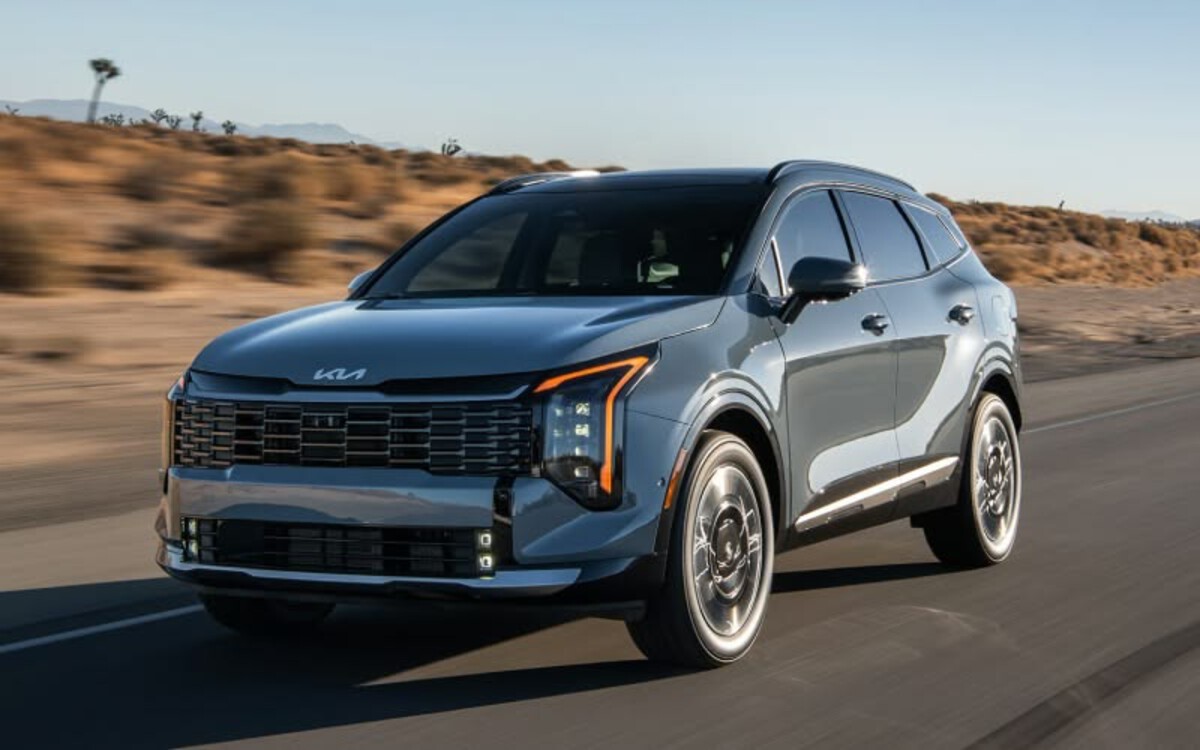
Kia’s stellar dependability track record is anchored by its highly refined, naturally aspirated and turbocharged four-cylinder engines, alongside exceptionally crisp conventional automatic transmissions.
The brand meticulously stress-tests its platforms across global testing facilities to ensure that components can withstand extreme environmental conditions without cracking, warping, or developing electrical faults.
From the commuter-friendly Forte sedan to the wildly popular Telluride three-row SUV, Kia models are highly praised by long-term owners for their solid interior build quality, highly intuitive UVO/Kia Connect infotainment interfaces, and an 89% lack of annoying mechanical surprises as the odometer climbs.
- Engine: 2.5-liter Four-Cylinder
- Horsepower: 187 hp
- Torque: 178 lb-ft
- Length: 183.5 inches
- Width: 73.4 inches
ALSO READ: 8 Car Brands That Almost Went Bankrupt and Came Back
8. Porsche
Porsche stands as a fascinating and deeply impressive anomaly in the automotive industry: a dedicated high-performance sports car manufacturer that routinely goes toe-to-toe with mainstream, high-volume economy brands in long-term reliability metrics.
While most exotic and ultra-premium marques build fragile machines that require highly specialised, frequent maintenance and are prone to finicky electrical temper tantrums, Porsche treats motorsport-grade engineering as a foundation for daily-driver durability.
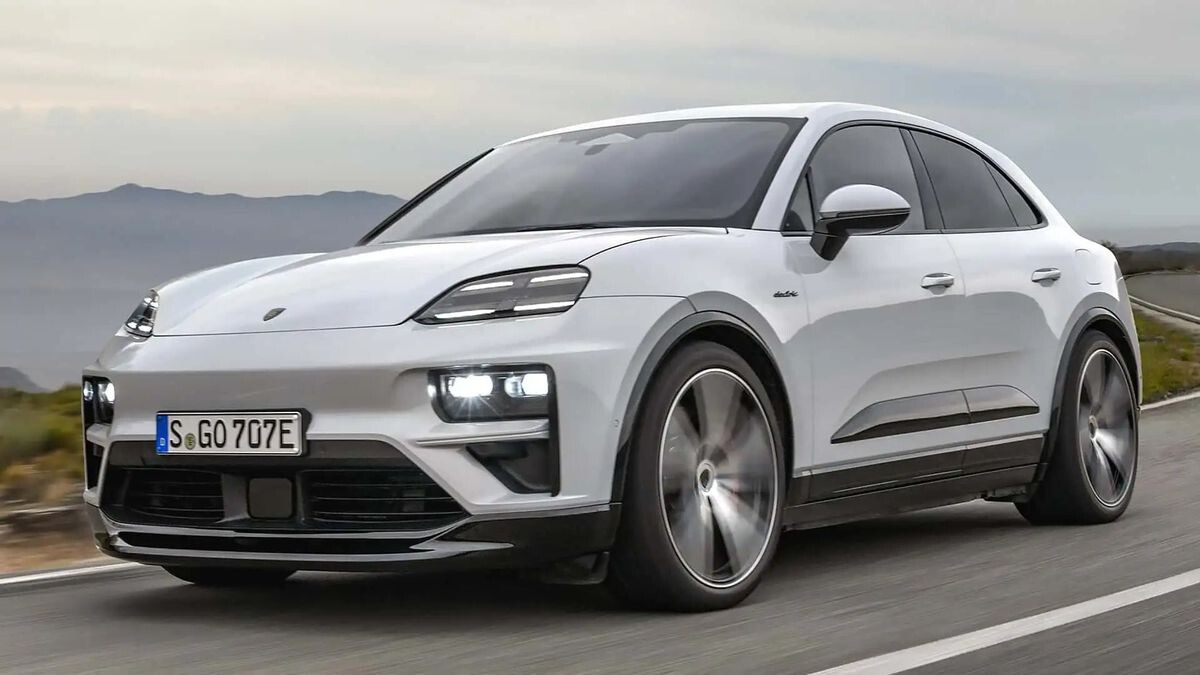
The German sports car brand’s exceptional dependability scores are rooted in a corporate culture obsessed with relentless mechanical precision and motorsport-tested durability.
Whether it is the iconic 911 rear-engine sports car or the highly practical Macan performance crossover, Porsche vehicles are engineered to handle the thermal stress of racetrack speeds while remaining perfectly mannered in stop-and-go city traffic.
Their legendary dual-clutch PDK transmissions are widely considered by automotive journalists to be completely bulletproof, and their turbocharged boxer and inline engines feature incredibly robust internal components.
By combining this mechanical perfection with highly stable, premium electrical systems, Porsche proves that high-end performance and enduring dependability do not have to be mutually exclusive concepts.
- Engine: 2.0-liter Turbocharged Inline-4
- Horsepower: 261 hp
- Torque: 295 lb-ft
- Length: 186.1 inches
- Width: 76.1 inches
The results of the latest J.D. Power Vehicle Dependability Study clearly show that the automotive industry is entering a defining era where software stability matters just as much as mechanical endurance.
As cars evolve into complex rolling computers, the brands that prioritise rigorous real-world testing over rushed feature rollouts are the ones that ultimately protect their customers’ wallets.
Buying a vehicle from an automaker that consistently dominates these long-term reliability charts is more than just an exercise in avoiding the inconvenience of an unexpected breakdown; it is a smart, highly effective financial strategy.
Vehicles that maintain low problem counts over their first few years of ownership naturally hold onto their residual values far better than their problematic competitors, shielding buyers from the worst effects of automotive depreciation.
Also, choosing a highly dependable brand ensures that your long-term ownership experience is defined by predictable maintenance costs rather than stressful, expensive diagnostic troubleshooting sessions.
As technology continues to reshape the modern driving experience, keeping a sharp eye on these hard-earned automotive dependability rankings is the single best way to ensure that your next vehicle purchase is one you will happily look back on for many years and miles to come.