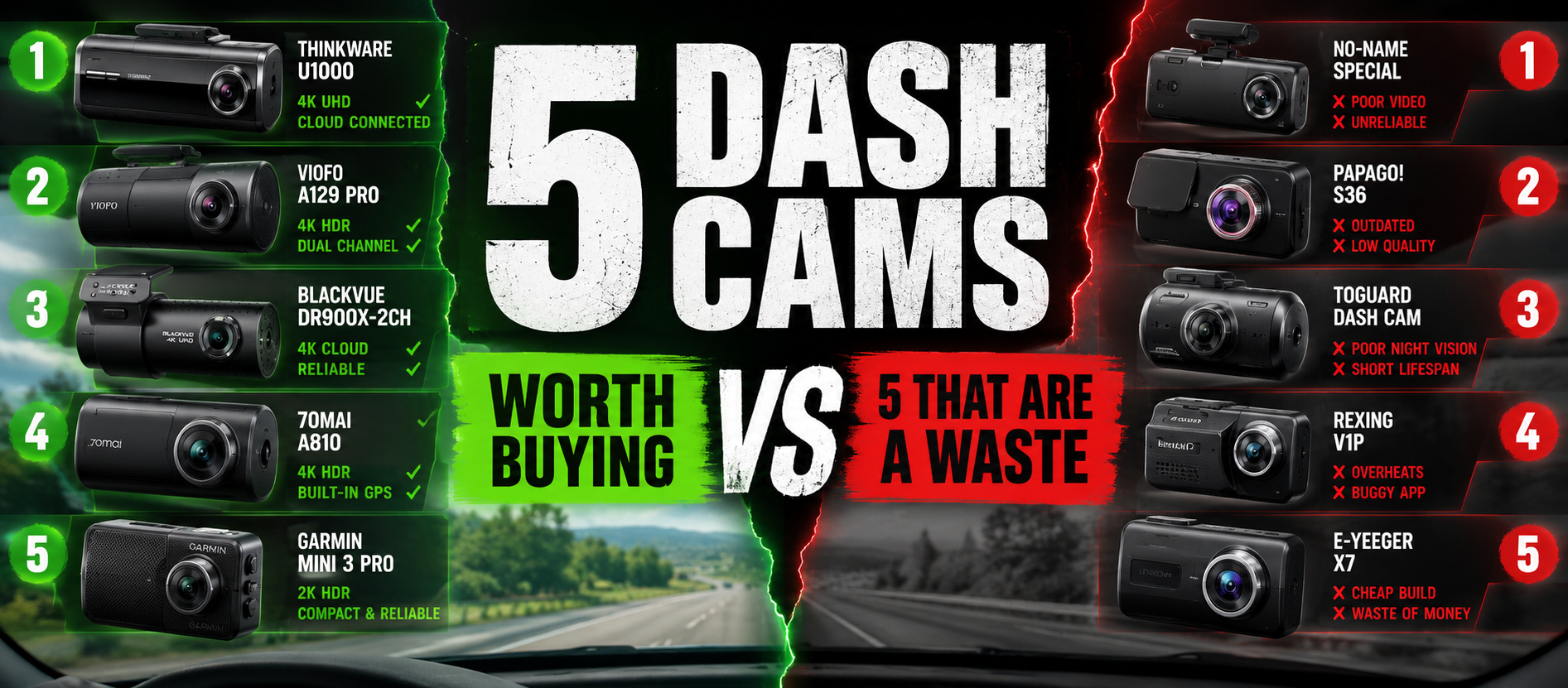
Modern road conditions have become increasingly complex, marked by heavy highway congestion, unpredictable driving behavior, and more sophisticated insurance fraud tactics. For drivers operating vehicles with significant engineering value, depending on unverified accounts after a collision can create serious financial risk. Dash cameras are no longer treated as optional aftermarket accessories; they function as essential, objective recording devices that help safeguard against costly insurance deductibles and disputes.
However, the rapid growth of the consumer electronics sector has flooded the market with sub-standard hardware hidden behind inflated marketing claims. Countless devices sold online promise “4K resolution” or “total parking security” but deliver corrupt files, heat-warped lenses, or severe battery drain when installed.
Separating a high-performance video toolkit from an unreliable plastic liability requires analyzing internal components rather than reading promotional packaging. This evaluation analyzes five dash cameras that offer professional-grade reliability and five models that represent a significant waste of money, paired directly with the vehicle platforms they match or compromise.
Integrating a secondary electrical accessory into a contemporary vehicle architecture involves more than running an auxiliary cable to a cigarette lighter socket. Modern platforms spanning advanced 48-volt mild-hybrid powertrains, massive electric vehicle (EV) battery arrays, and highly complex internal combustion powerplants utilize highly responsive energy management networks.
Traditional 12V charging circuits are heavily managed by the vehicle’s onboard computer, which constantly monitors resting voltage to prioritize critical vehicle operations. Installing a poorly engineered electronic accessory can cause system conflicts, triggering false diagnostic trouble codes (DTCs), disrupting sensitive infotainment modules, or draining the primary starter battery.
For an optimal installation, an elite dash camera must feature precise power management hardware, such as a dedicated low-voltage cutoff switch or compatibility with high-capacity external lithium-iron-phosphate ($LiFePO_4$) battery packs. This ensures the device records continuously during parking mode without pulling power from the vehicle’s primary starter battery or triggering power-draw warnings on EV control screens.
From an SEO optimization standpoint, targeting high-volume automotive search terms means evaluating how these cameras function within these complex ecosystems.
True value is determined by looking past basic resolution specifications and investigating the actual component layer: checking for real Sony STARVIS 2 image sensors, examining physical supercapacitor thermal limits instead of cheap lithium batteries, and confirming the stability of high-bandwidth 5GHz Wi-Fi file transfers.
5 Dash Cams Worth Buying
The market division between high-performance dash cameras and low-grade options comes down to their internal components and hardware engineering.
Reliable, worthwhile investments like the Viofo A229 Pro, Nextbase iQ 4K, BlackVue DR970X, Garmin X310, and Thinkware U3000 set themselves apart by using true 4K resolution sensors, heat-resistant supercapacitors, and advanced features like dual Sony STARVIS 2 sensors, true proximity radar, low power draw, ultra-compact form factors, and dedicated radar-guided parking modes.
ALSO READ: 10 Best Dash Cams That Can Lower Your Insurance Liability in an Accident
1. Viofo A229 Pro 3-CH
The Viofo A229 Pro 3-CH represents a major step forward in mobile video capture, using true Sony STARVIS 2 sensors on both its primary front and rear cameras. Unlike first-generation sensors that suffer from limited dynamic range, the dual STARVIS 2 architecture delivers exceptional multi-exposure performance.
This setup allows the camera to clearly capture high-speed vehicle license plates across multiple lanes of traffic, even under bright oncoming headlight glare or complete darkness.
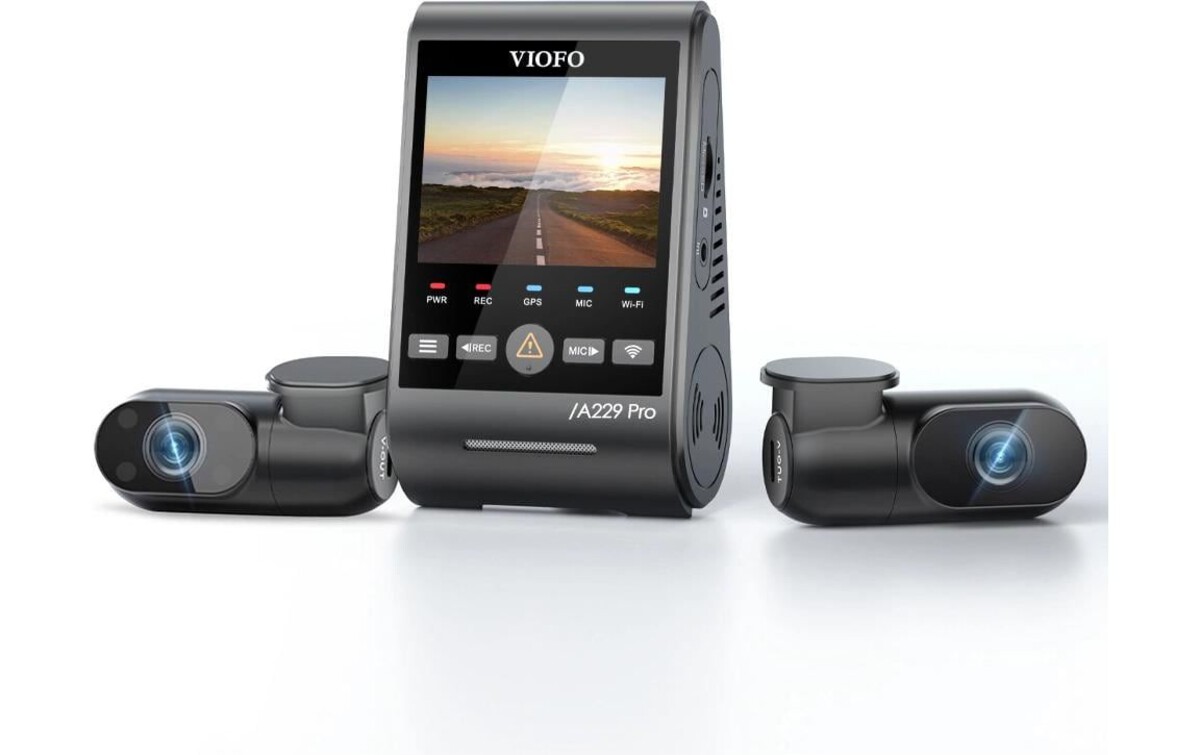
The system records three channels simultaneously (Front, Rear, and Interior), providing comprehensive coverage of the vehicle exterior and cabin environment.
A high-performance supercapacitor core replaces standard lithium-ion batteries, allowing the unit to operate safely in extreme cabin temperatures up to 65°C without risking thermal swelling or file corruption.
The camera relies on an integrated 5GHz Wi-Fi module to handle massive 4K video files, delivering transfer speeds up to four times faster than standard 2.4GHz connections.
When hardwired via the Viofo HK4 kit, its advanced parking modes, including low-bitrate continuous recording and auto-event detection, allow the device to monitor surroundings without overtaxing the battery management system of modern sports cars.
2. Nextbase iQ 4K
Designed specifically to interface cleanly with the high-voltage electrical architectures of modern luxury electric vehicles, the Nextbase iQ 4K functions as a true connected security hub.
Operating on a dedicated 4G LTE network connection, the iQ 4K provides real-time cloud backups, live vehicle tracking, and instant push notifications to the owner’s smartphone if an impact occurs. Its primary lens shoots in native 4K, utilizing customized low-light tuning to maintain clean contrast across highly reflective environments.
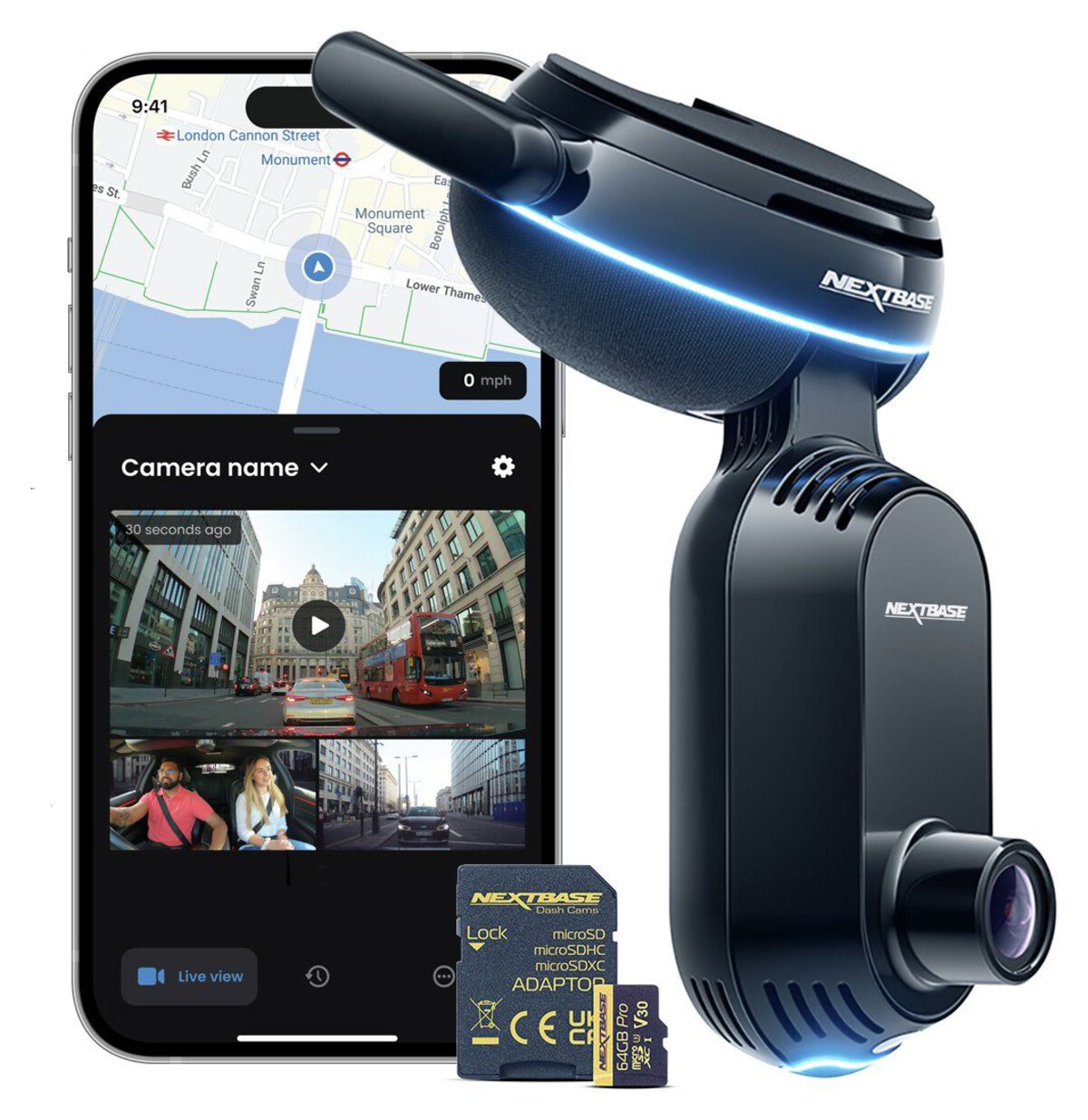
The standout feature of the iQ is its radar-guided spatial awareness system. Traditional motion-detection dash cams rely on simple camera pixel changes, which often trigger thousands of false alerts from falling leaves or moving shadows.
Nextbase utilizes true proximity radar to scan the vehicle surroundings, waking the camera to record only when a physical object enters a predefined threat perimeter.
This filtering dramatically lowers standby power consumption, making it an excellent match for premium electric cars where parasitic 12V battery drain can lock out main drivetrain relays and require a manual jump-start.
3. BlackVue DR970X Plus
For drivers who prioritize a clean, uncompromised factory look inside their vehicle cabin, the BlackVue DR970X Plus is a premier choice. Ditching bulky LCD screens that can distract the driver at night and overheat under direct sunlight, BlackVue relies on a sleek cylindrical design that tucks away neatly behind the rearview mirror.
The camera features a heavily revised 4K sensor paired with a custom-tuned, wide-angle lens that reduces edge distortion while maintaining sharpness from corner to corner.
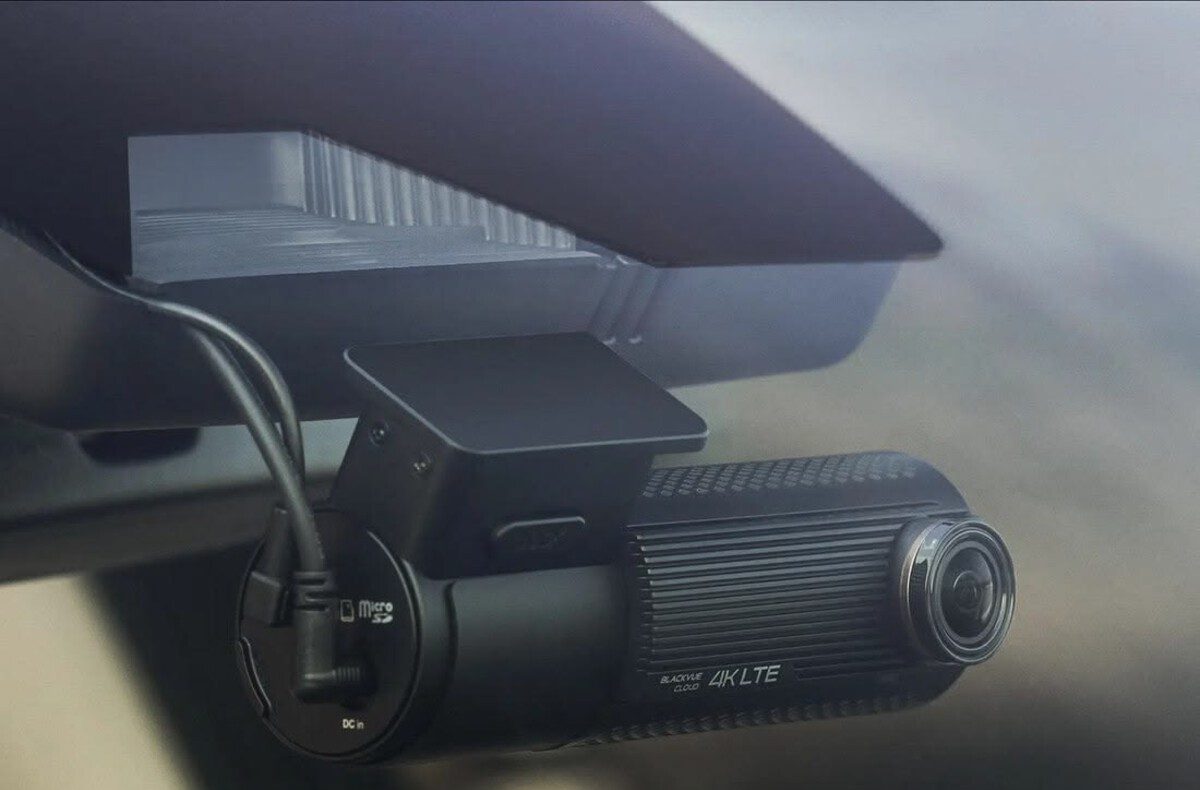
The DR970X Plus features an integrated low-voltage monitoring circuit, removing the need for external inline cutoff boxes during installation. It can be connected directly to a vehicle fuse panel, where it actively monitors resting battery voltage and shuts down instantly if the battery drops below a set threshold (such as 11.8V).
This protects the starting power of massive multi-cylinder engines. Combined with its reliable cloud ecosystem and sub-one-second wake times, the BlackVue ensures that fleet managers and luxury car owners have access to untampered video evidence without risking dead batteries.
ALSO READ: 10 Best Dash Cams That Integrate Perfectly With Your Interior
4. Garmin Dash Cam X310
The Garmin Dash Cam X310 stands out by packing premium, enthusiast-grade features into a tiny, ultra-compact chassis roughly the size of a standard matchbox. It features a crisp, integrated touchscreen interface along with responsive voice controls, allowing drivers to manually save video clips, log specific road incidents, or mute the cabin microphone without taking their hands off the steering wheel.
The X310 captures sharp, high-dynamic-range video that easily resolves license plates across shifting light conditions, like entering or exiting dark highway tunnels.
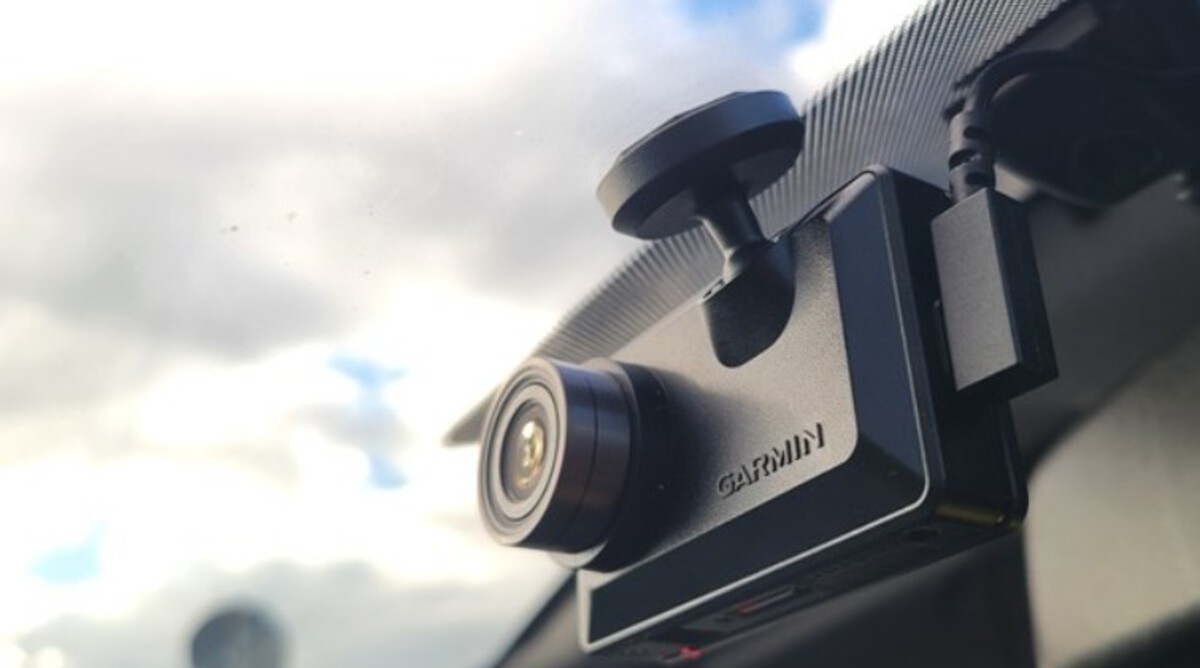
The camera features a built-in GPS module that stamps exact speed, time, and geographical coordinates directly onto the video file, providing legally admissible telemetry for insurance adjusters. Garmin’s proprietary “Clarity HDR” handling keeps colours accurate and prevents overexposure in wide-open, sun-drenched driving environments.
Its ultra-small mounting footprint ensures it stays clear of advanced forward-facing camera arrays (ADAS) built into modern sports car windshields, preserving safety systems while documenting every mile.
5. Thinkware U3000
The Thinkware U3000 is widely considered the ultimate parking mode option on the market, thanks to its specialized, ultra-low-power internal radar system. While most high-end dash cams draw substantial current while monitoring a vehicle in parking mode, the U3000 reduces power consumption down to minimal levels by keeping its main video processors completely asleep.
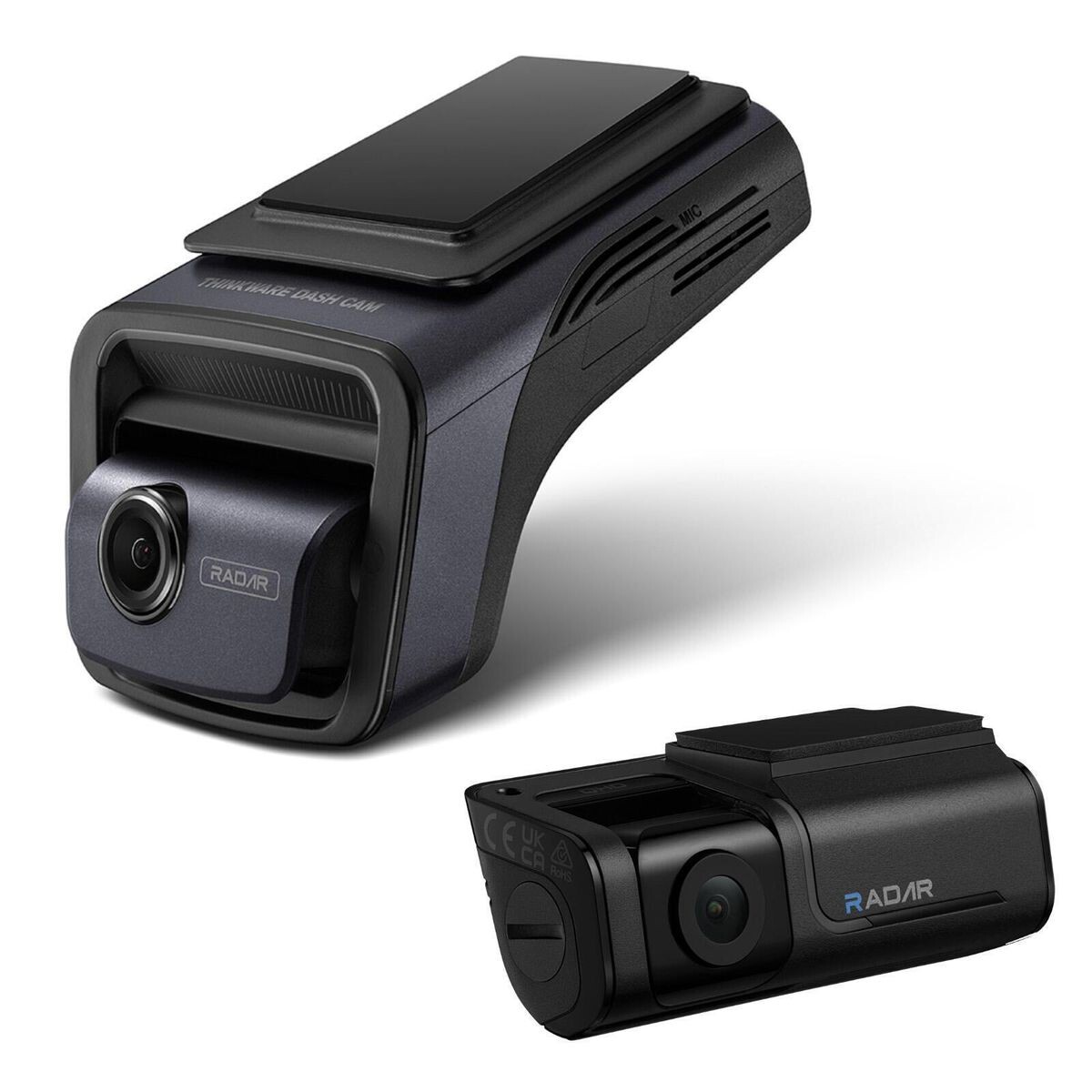
The onboard radar continues to monitor for physical movement; if an object or vehicle approaches, the camera warms up its buffering system, and if an impact occurs, it saves video from both 10 seconds before and after the event.
The front camera records in native 4K, while the rear camera operates at 2K. Both channels are supported by an automated night vision processing mode that boosts ISO sensitivity in low-light environments without introducing heavy digital grain.
For heavy-duty applications or larger utility vehicles that are frequently parked outside for extended periods, the U3000 provides long-term parking protection that other brands cannot match without requiring bulky external battery additions.
5 Dash Cams That Are a Waste of Money
Let’s know, models that represent a waste of money, such as the Rexing V1 Basic, Cobra Smart Cam, generic cheap Amazon options, Apeman C450, and white-label licensed products like the Motorola Startac, compromise performance by using outdated OmniVision sensors, buggy applications prone to wireless dropouts, fake upscaled 4K software tricks, and dangerous internal lithium batteries susceptible to thermal swelling.
1. Rexing V1 Basic
The Rexing V1 Basic is frequently featured in budget-friendly online buying guides, but its internal hardware has fallen far behind modern standards. The camera relies on an outdated OmniVision image sensor that lacks high dynamic range capabilities. In real-world driving scenarios, this hardware limitation results in heavily overexposed video frames.
Whenever the vehicle encounters direct sunlight or oncoming evening headlights. The camera wedge design, while low-profile, angles the lens flat against the glass, making it highly susceptible to distracting dashboard reflections.
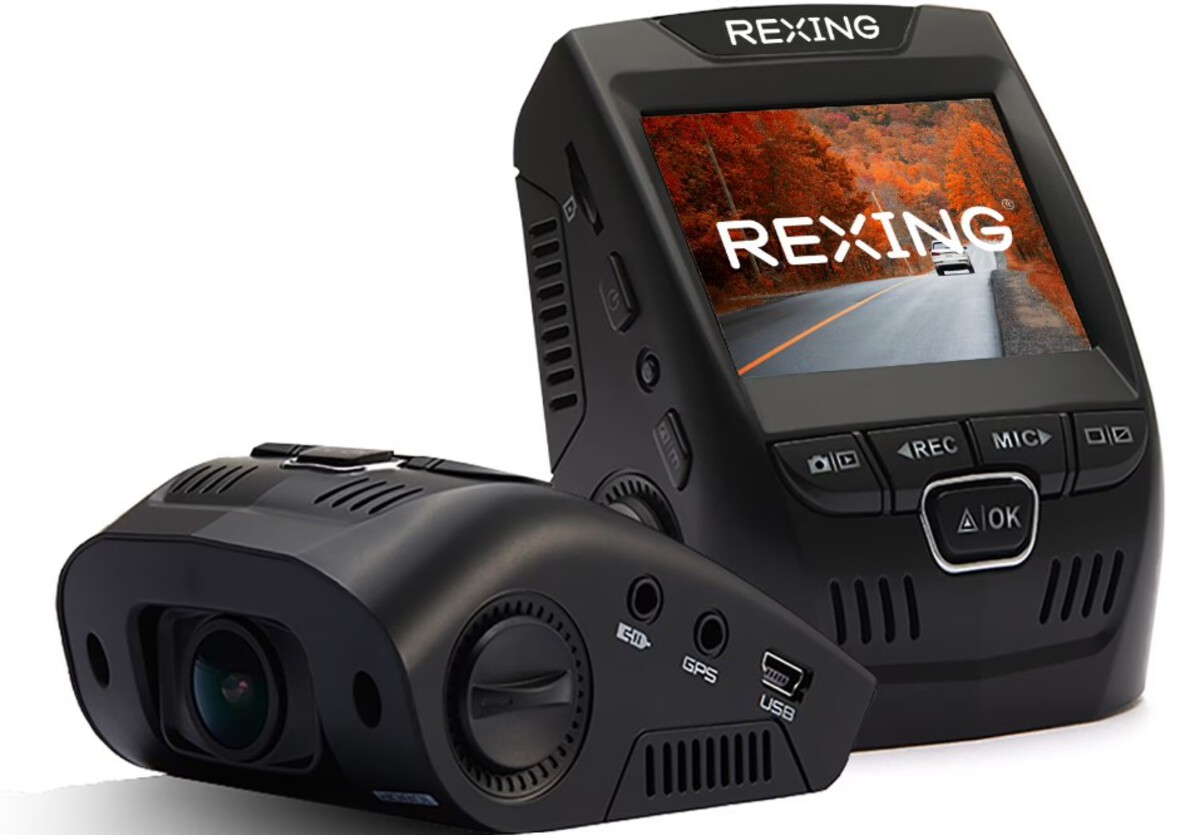
The internal video processor struggles under high bitrates, leading to noticeable frame drops and pixelated artifacting when capturing fast-moving roadside objects.
For a high-performance track or street car experiencing significant lateral G-forces, the Rexing low processing threshold can cause the system to drop critical frames exactly when an incident occurs. This makes it an unreliable choice for modern performance vehicles.
ALSO READ: Top 6 Best Dash Cams to Enhance Safety and Capture Critical Moments
2. Cobra Smart Dash Cam
The Cobra Smart Dash Cam commands a premium retail price by leveraging a legacy brand name, but it delivers an incredibly frustrating user experience due to a broken app ecosystem. To adjust basic camera settings, format the memory card, or download video clips, users must connect via the proprietary smartphone application.
Unfortunately, this app suffers from persistent wireless dropouts, slow connection handshakes, and frequent crashes during file transfers.
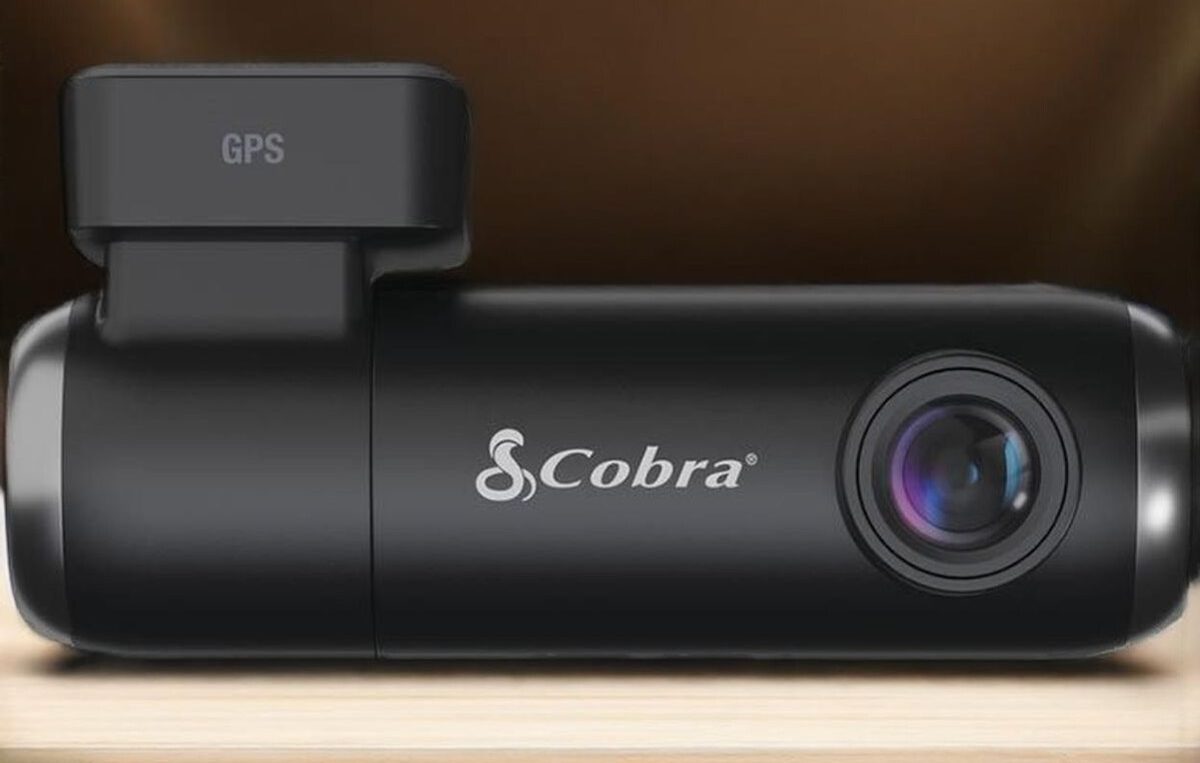
If a driver needs to quickly share roadside footage with a law enforcement officer or insurance agent after an accident, the app will often hang indefinitely while attempting to transcode the video file.
The camera runs surprisingly hot during standard operation. This heat buildup causes the internal software to lock up randomly, requiring a manual pinhole reset and leaving long stretches of driving completely unrecorded.
3. Cheap No-Name Amazon “4K” Cams
Online marketplaces are saturated with generic, unbranded dash cameras that loudly advertise “Ultra HD 4K Resolution” for under fifty dollars. These claims are entirely misleading.
These units utilise cheap 1080p entry-level sensors paired with low-grade plastic lenses instead of optical-quality glass. The onboard firmware relies on interpolation, a software trick that digitally stretches a low-resolution 1080p frame up to a 4K pixel count.
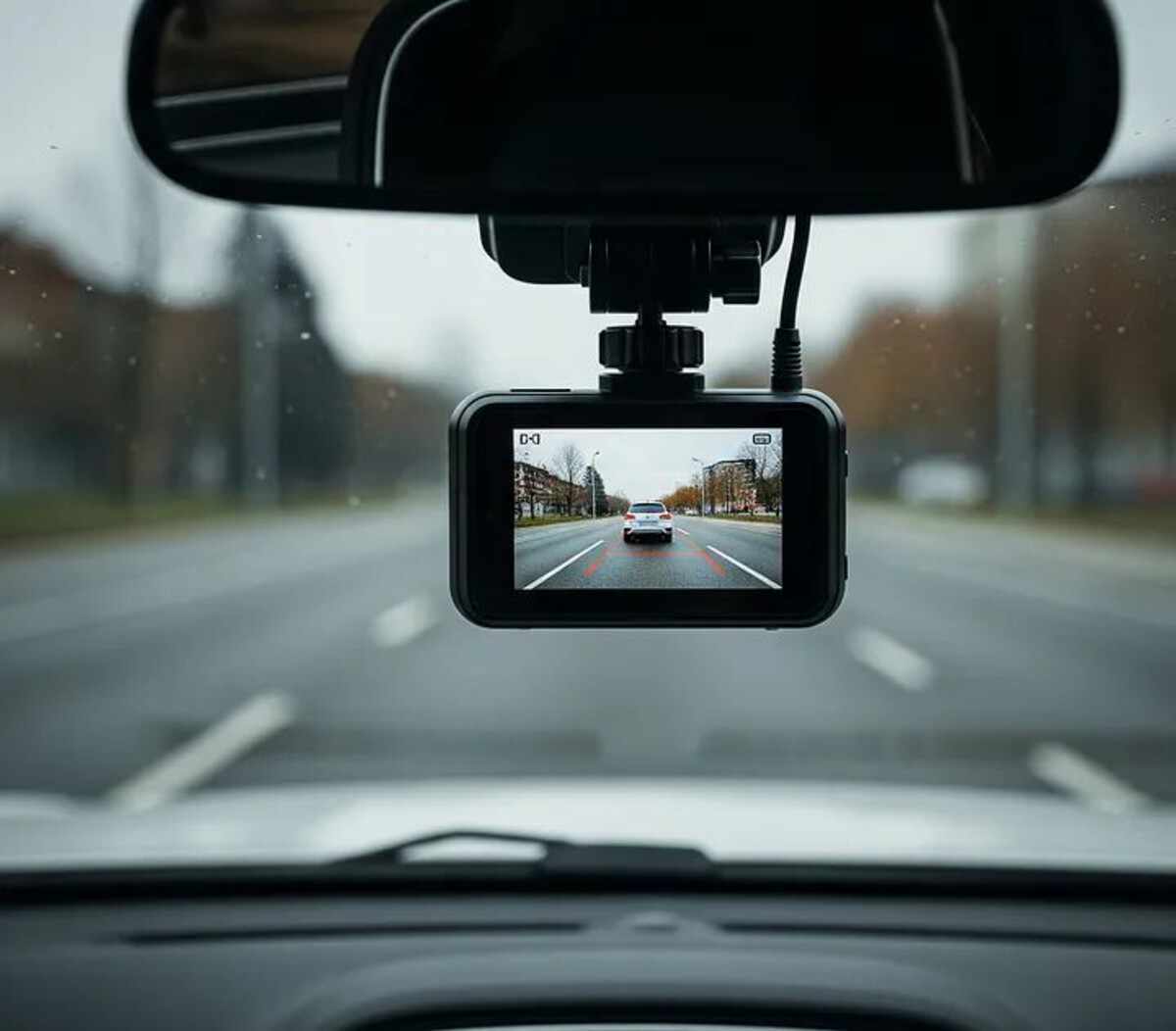
The resulting video files look incredibly blurry, showing heavy digital noise, distorted colours, and a complete lack of fine detail. These cheap sensors are completely unable to resolve license plates or facial features beyond a distance of ten feet.
These generic units typically lack proper FCC shielding. When plugged into a vehicle’s 12V accessory socket, they emit significant electromagnetic interference (EMI) that can noticeably degrade AM/FM radio reception and disrupt keyless entry signals.
4. Apeman C Series
The Apeman C Series serves as a clear warning about the risks of budget power engineering. While reputable dash cameras use rugged, heat-resistant supercapacitors to manage temporary power, the C422 uses an inexpensive lithium-ion internal battery pack.
Standard lithium batteries are poorly suited for the intense greenhouse heat that builds up inside a parked vehicle’s windshield, where interior temperatures can easily surpass 60°C.
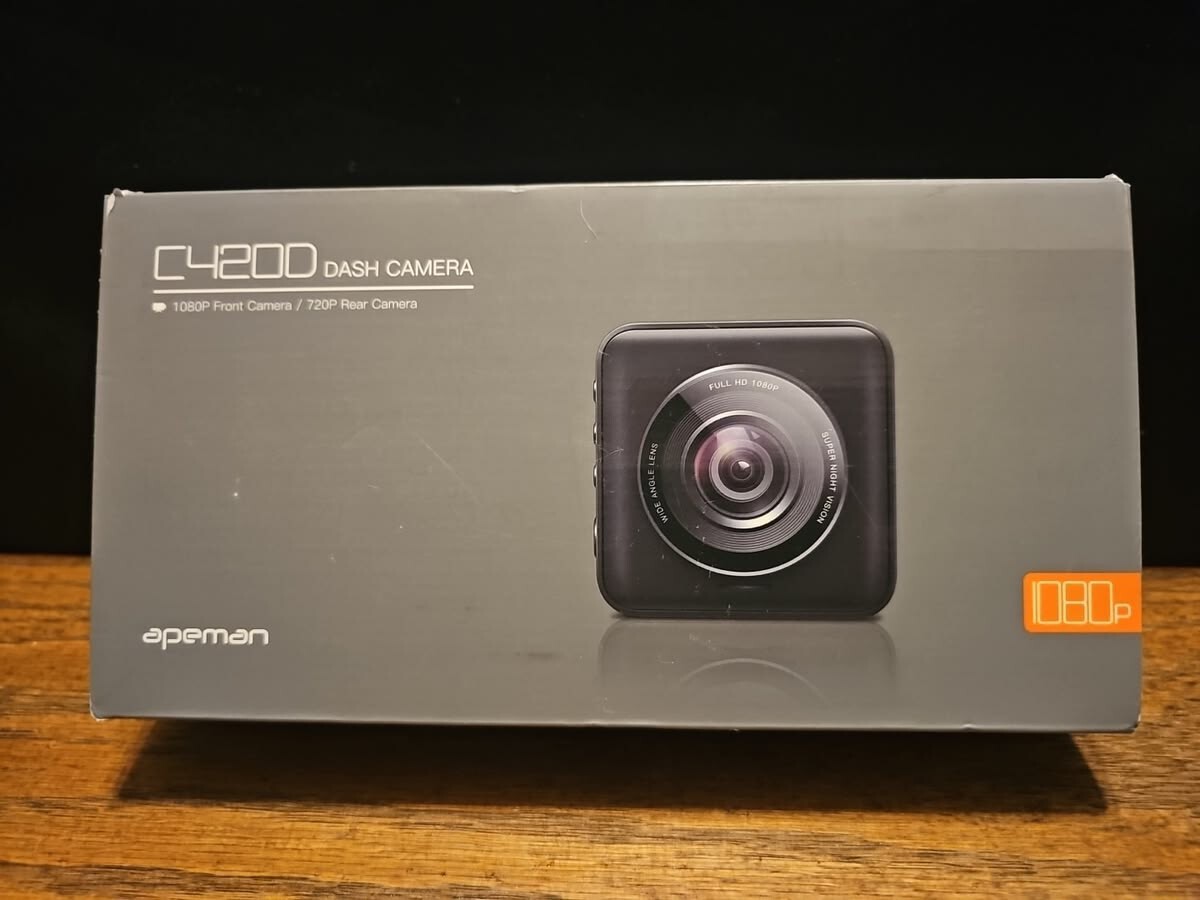
Under prolonged exposure to summer heat, these internal lithium batteries can suffer from thermal swelling, which cracks open the plastic casing, destroys the internal circuit board, and presents a genuine fire hazard.
When the battery begins to degrade, the camera loses its ability to save the final video file when the vehicle engine is turned off. This means that if a severe collision cuts vehicle power, the camera will fail to finalise the video file, destroying the exact collision footage you need.
5. Motorola Startac / Legacy Branded Cams
Many consumer electronics products sold under iconic historical brand names like Motorola or Kodak are actually white-label licensing arrangements. These devices are designed, manufactured, and assembled by third-party factories using cheap components, with the classic brand logo stamped onto the plastic shell at the very end. The performance of these legacy-branded cameras rarely justifies their retail pricing.
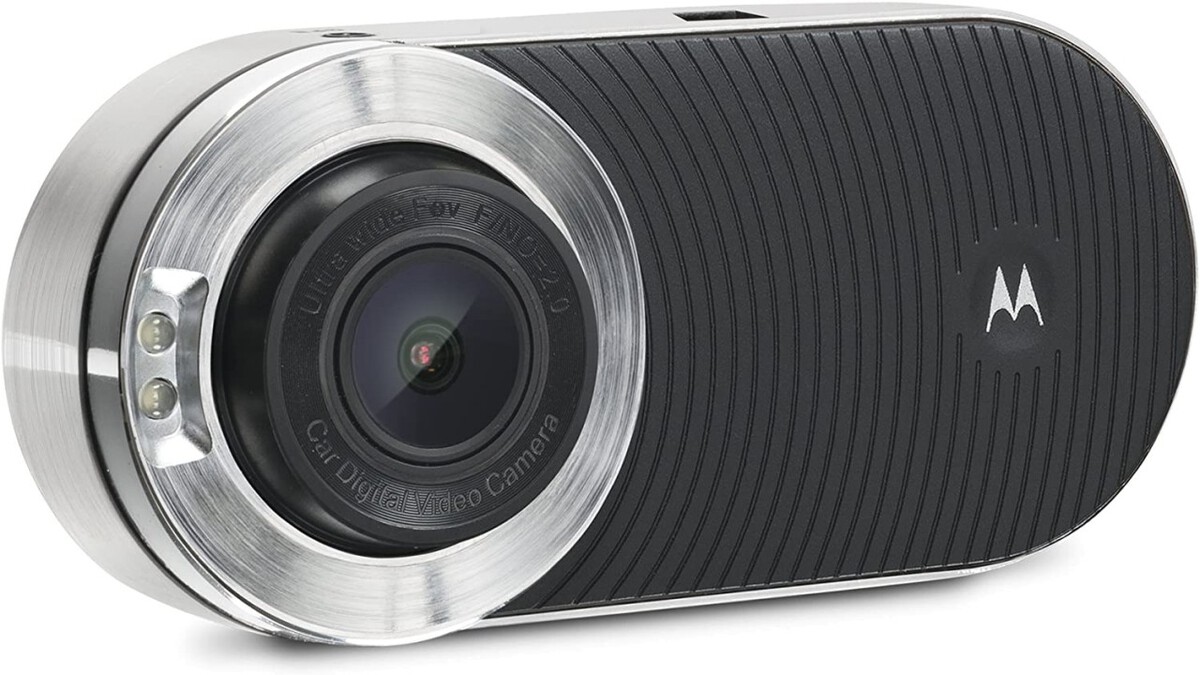
The internal software frameworks are rarely updated, meaning that bugs and security vulnerabilities are almost never patched. Nighttime video capture is notably poor, producing dark, muddy frames with heavy motion blur that washes out license plates.
For an advanced vehicle interior featuring high-resolution digital displays and sensitive cabin electronics, installing an unoptimized white-label device can cause unexpected electrical draw issues and offer very little actual security.
An investment in a high-performance vehicle demands an equal investment in the optical hardware tasked with protecting it. Far too many drivers spend upwards of eighty thousand dollars on a meticulously engineered machine, only to compromise its complex electrical architecture with a cheap, thirty-dollar online marketplace camera. A dash camera should never be viewed as a passive lifestyle accessory; it is a critical, forensic data logger.
When an incident occurs on the highway, a device relying on cheap upscaled resolutions, a swelling lithium battery, or a glitched mobile app ecosystem becomes a massive liability that can cost you thousands in disputed insurance claims.
True security on the modern road requires prioritizing core component infrastructure over flashy packaging claims. Opting for a top-tier system equipped with a genuine Sony STARVIS 2 image sensor, radar-guided parking algorithms, and heat-resistant supercapacitors ensures that your vehicle’s surroundings are documented with absolute clarity.
By matching the engineering caliber of your vehicle with professional-grade digital eyes, you effectively insulate yourself against insurance fraud, protect your financial deductibles, and ensure that your uncompromised video evidence stands up to any level of legal or insurance scrutiny.