
Television history carries more than memorable characters and storylines. A number of shows built their identity around machines that became instantly recognizable the moment they appeared on screen. These vehicles were not simply props sitting in the background.
They were written into scripts, used in action sequences, and presented as extensions of the personalities driving them. Viewers connected with them in a way that blurred the line between fiction and automotive culture. As years passed, several of these cars moved beyond television sets and studio lots into private collections and auction houses.
Their value grew far beyond their original production purpose. Some were preserved originals, while others were carefully restored or rebuilt replicas tied to the same specifications used during filming. Auction events hosted by major houses such as Barrett-Jackson and Mecum became stages where television history met collector demand.
The results were striking. Prices climbed into hundreds of thousands, and in some cases, millions of dollars, depending on provenance, condition, and cultural weight. Each sale reflected not only automotive interest but also the emotional connection audiences formed during the original broadcast years.
This list reviews eight television cars that crossed the auction block, arranged in no strict order of importance but grouped to highlight their production history, television run dates, auction houses involved, and highest recorded sale prices. Every entry carries a story that links Hollywood production design with real-world collector enthusiasm, showing how screen-built machines became prized automotive assets long after filming ended.
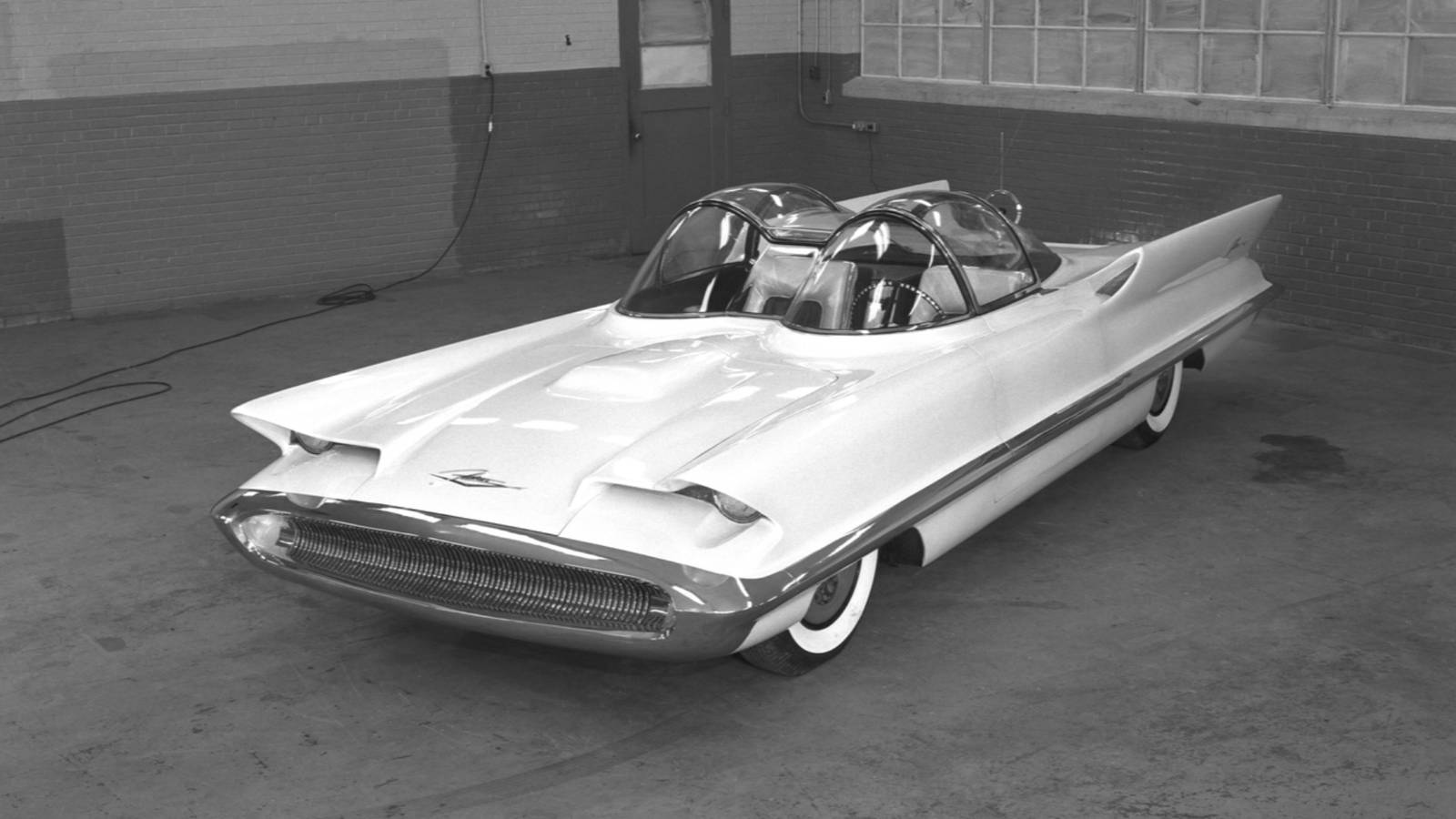
1. 1955 Ford Lincoln Futura Batmobile (Batman)
- Engine: 6.0L Lincoln V8
- Horsepower: 330 hp
- Torque: 430 lb-ft
- Length and Width: 227 in length, 84.6 in width
Design development of the 1955 Ford Lincoln Futura began as a Ford Motor Company concept project during the mid-1950s. The vehicle was originally built as a styling exercise meant to showcase futuristic automotive design ideas rather than serve as a production model. Its construction featured extreme proportions for its era, including a wide body stance, dramatic tail fins, and a clear bubble-style canopy that gave it a jet-inspired appearance.
Although it generated public attention at auto shows, it was never intended for mass production and eventually remained as a concept unit without a defined commercial path. Years later, custom car builder George Barris acquired the Futura and transformed it for use in the 1966 Batman television series, which aired from 1966 to 1968 on ABC.
Barris and his team reworked the original concept structure into the Batmobile, incorporating theatrical design elements that aligned with the show’s bright, stylized presentation. Additions included bat-themed exterior modifications, turbine-inspired detailing, and built-in production props such as flashing lights and specialized dashboard controls designed specifically for filming sequences.
The finished vehicle carried a dramatic visual identity that matched the series’s comic-book-inspired tone. Once introduced to television audiences, the Batmobile became one of the most recognizable screen vehicles of its era. It appeared regularly throughout the series, supporting both action scenes and promotional materials tied to the program.
The vehicle’s strong visual presence helped define the show’s identity, especially during chase sequences that relied heavily on stylized cinematography and sound effects typical of 1960s television production techniques. Auction history for the Batmobile reached a major milestone during its sale at Barrett-Jackson Scottsdale in 2013. The vehicle achieved a final price of approximately 4.62 million dollars, placing it among the highest-valued television cars ever sold at public auction.
Buyer interest was driven by its documented connection to George Barris’s workshop, its verified television usage history, and its status as a one-of-a-kind conversion of a Ford concept vehicle. Condition played an important role during valuation.
While the car maintained operational display functions used for exhibitions and promotional appearances, it was not designed for modern road driving standards. Its value is derived heavily from historical preservation, originality of conversion work, and direct association with the 1960s television production environment.
Collectors continue to view this Batmobile as a rare convergence of concept automotive design and entertainment adaptation. Its transition from a Ford styling exercise into a television icon demonstrates how design experimentation can evolve into cultural heritage through media exposure and preservation within auction markets.
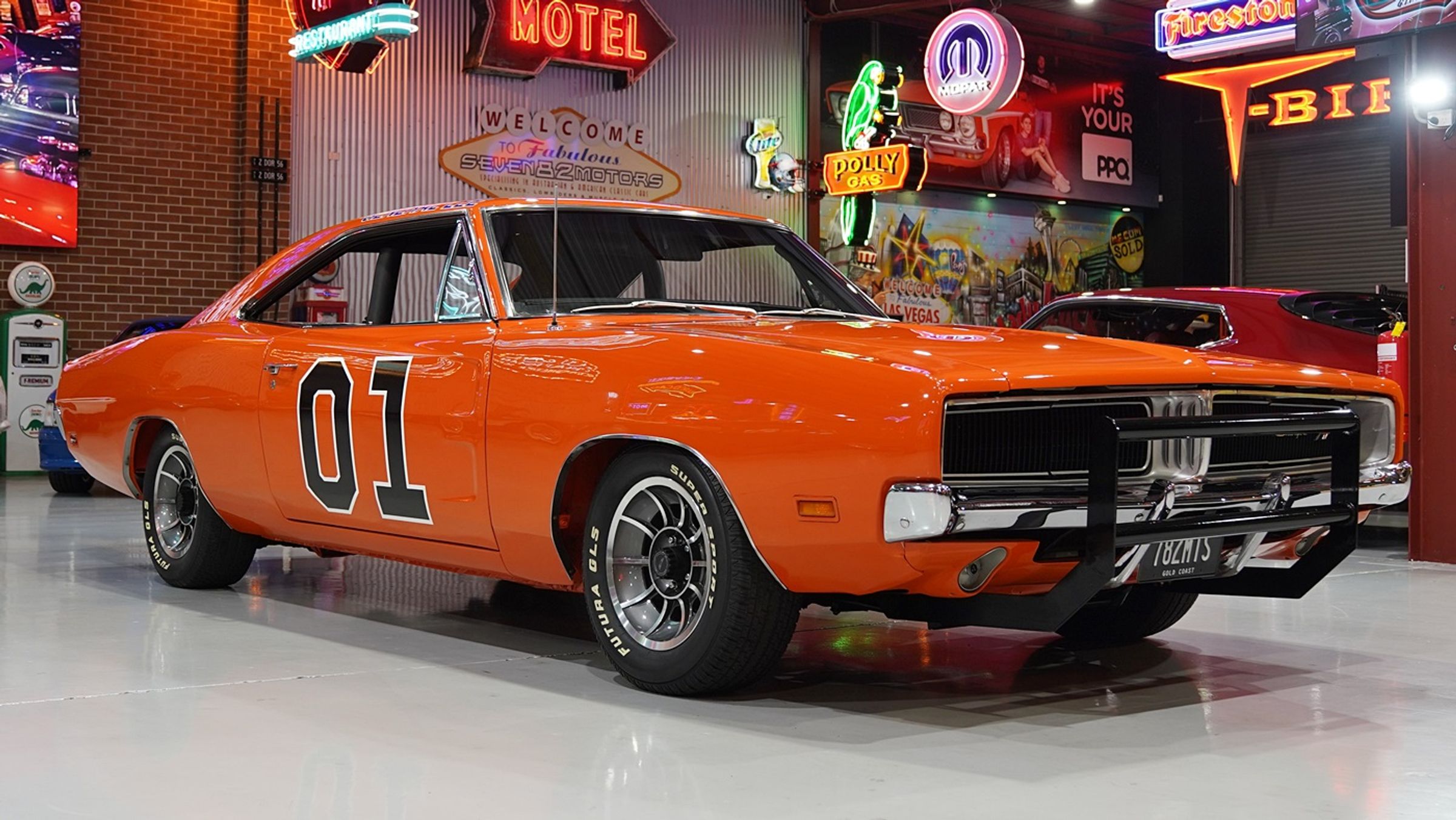
2. 1969 Dodge Charger “General Lee” (The Dukes of Hazzard)
- Engine: 7.2L V8 (440 Magnum typical)
- Horsepower: Around 375 hp
- Torque: Around 480 lb-ft
- Length and Width: Approx 208 in length, 76.6 in width
The 1969 Dodge Charger known as the “General Lee” became one of the most recognized television vehicles through its role in The Dukes of Hazzard, which aired on CBS from 1979 to 1985. The car featured a bright orange paint scheme, a roof-mounted Confederate flag graphic, and the number “01” displayed prominently on both doors.
Its appearance was closely tied to the show’s action-focused storytelling style, which relied heavily on chase sequences, rural road settings, and stunt driving. Production required a large number of Charger units due to the physically demanding nature of filming. Multiple vehicles were prepared for different purposes, including stunt driving, jump sequences, close-up shots, and static filming.
Stunt units were reinforced with roll cages, strengthened suspension systems, and modified frames to withstand repeated high-impact landings. Because of this production method, there is no single definitive hero car that represents all screen appearances, though some surviving units carry documented production links.
Auction activity involving General Lee units has produced varied results depending on provenance. One of the highest recorded sales occurred through Barrett-Jackson, where a documented screen-linked unit sold for approximately 450,000 dollars during a charity-associated auction event.
Mecum Auctions has also handled multiple examples, with values ranging widely based on authenticity, restoration quality, and production verification. Units with direct filming history or confirmed studio documentation consistently achieve stronger bidding interest than replicas constructed after the series ended.
Television air dates from 1979 through 1985 placed The Dukes of Hazzard within a period when action-comedy programming held strong prime-time appeal. The General Lee functioned as more than a prop vehicle; it became a recurring visual anchor that appeared in nearly every episode. Its presence often defined chase sequences, which formed a central structure of the show’s storytelling approach.
Collector interest is strongly influenced by originality and documented production use. Vehicles with verified screen connection or studio lineage tend to achieve higher auction values compared with tribute builds. Restoration condition also plays a major role, especially regarding paint accuracy, structural integrity, and adherence to original stunt specifications.
The General Lee continues to maintain a strong position in television automotive history, supported by its long broadcast run and repeated on-screen presence. Its auction performance reflects sustained demand among collectors interested in iconic television-era American muscle cars.
Also Read: 5 Iconic 1980s Movie Cars That You Can Actually Buy Today
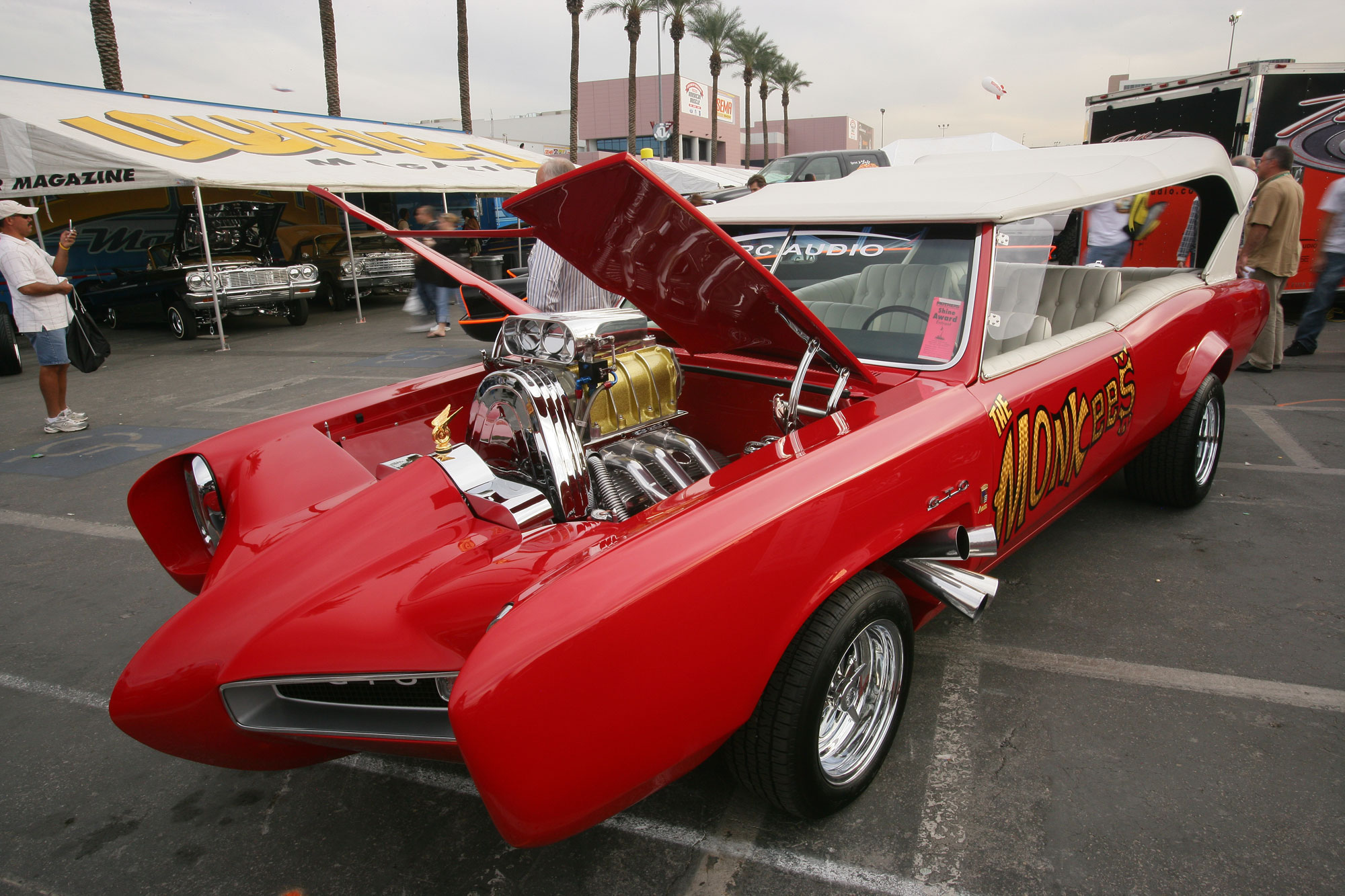
3. 1966 Pontiac GTO “Monkeemobile” (The Monkees)
- Engine: 6.4L V8 (389 cubic inch)
- Horsepower: Around 335 hp
- Torque: Around 431 lb-ft
- Length and Width: Extended custom body over 203 in length, approx 74 in width
The 1966 Pontiac GTO transformed into the “Monkeemobile” for The Monkees television series carried a level of styling that set it apart from nearly every production car of its era. The series aired on NBC from 1966 to 1968, targeting a youth audience that connected strongly with music-driven storytelling and fast-paced visual presentation.
To match that tone, television producers commissioned custom car designer Dean Jeffries to build a vehicle that would function as both transport and promotional icon within the show. Jeffries began with the Pontiac GTO as a base, then reshaped it into a highly stylized convertible with exaggerated proportions.
The rear section was extended dramatically, giving the car a stretched appearance that looked unlike anything available from factory production lines. A split convertible roof was added, allowing quick visual transformation during filming sequences.
Additional styling elements, including oversized wheels and bold body contours, reinforced a playful and theatrical presence that suited the show’s musical direction. Two primary Monkeemobile units were constructed for production use. These vehicles were rotated during filming schedules to manage wear and ensure continuity across episodes.
Both versions were designed to deliver a strong visual impact during opening credits, musical interludes, and staged driving scenes that became a routine part of the show’s presentation style. The car’s appearance often aligned with the band’s performance segments, linking automotive design with television music production in a direct way.
Auction activity tied to surviving Monkeemobile units reflects strong collector attention. A documented example sold through Barrett-Jackson achieved approximately 396,000 dollars. Buyer interest in that sale was driven by verified production association, custom design history, and preserved structural elements tied to the original build.
Other appearances at collector auctions have drawn varied bidding outcomes depending on restoration condition, originality, and documentation quality. Television air dates from 1966 through 1968 placed the Monkeemobile within a period when American television leaned heavily into youth culture programming.
Visual branding carried high importance, and the vehicle served as a recurring identity marker for the series. Its exaggerated styling allowed it to stand apart during broadcast sequences, helping viewers immediately associate it with the show’s energetic format.
Preservation status among surviving units differs widely. Some versions have undergone extensive restoration to maintain structural integrity and visual accuracy, while others remain closer to original production condition with visible age-related wear. Auction results tend to reflect these conditions directly, with documented authenticity playing a strong role in valuation outcomes.
Collectors continue to regard the Monkeemobile as a landmark example of 1960s television automotive design. Its construction demonstrates how production requirements and creative direction combined to produce a vehicle that remains strongly tied to its original television identity decades after its first appearance.
4. 1984 GMC Vandura “The A-Team Van” (The A-Team)
- Engine: 5.7L V8 (350 small block)
- Horsepower: Around 190 hp
- Torque: Around 290 lb-ft
- Length and Width: Approx 202 in length, 79 in width
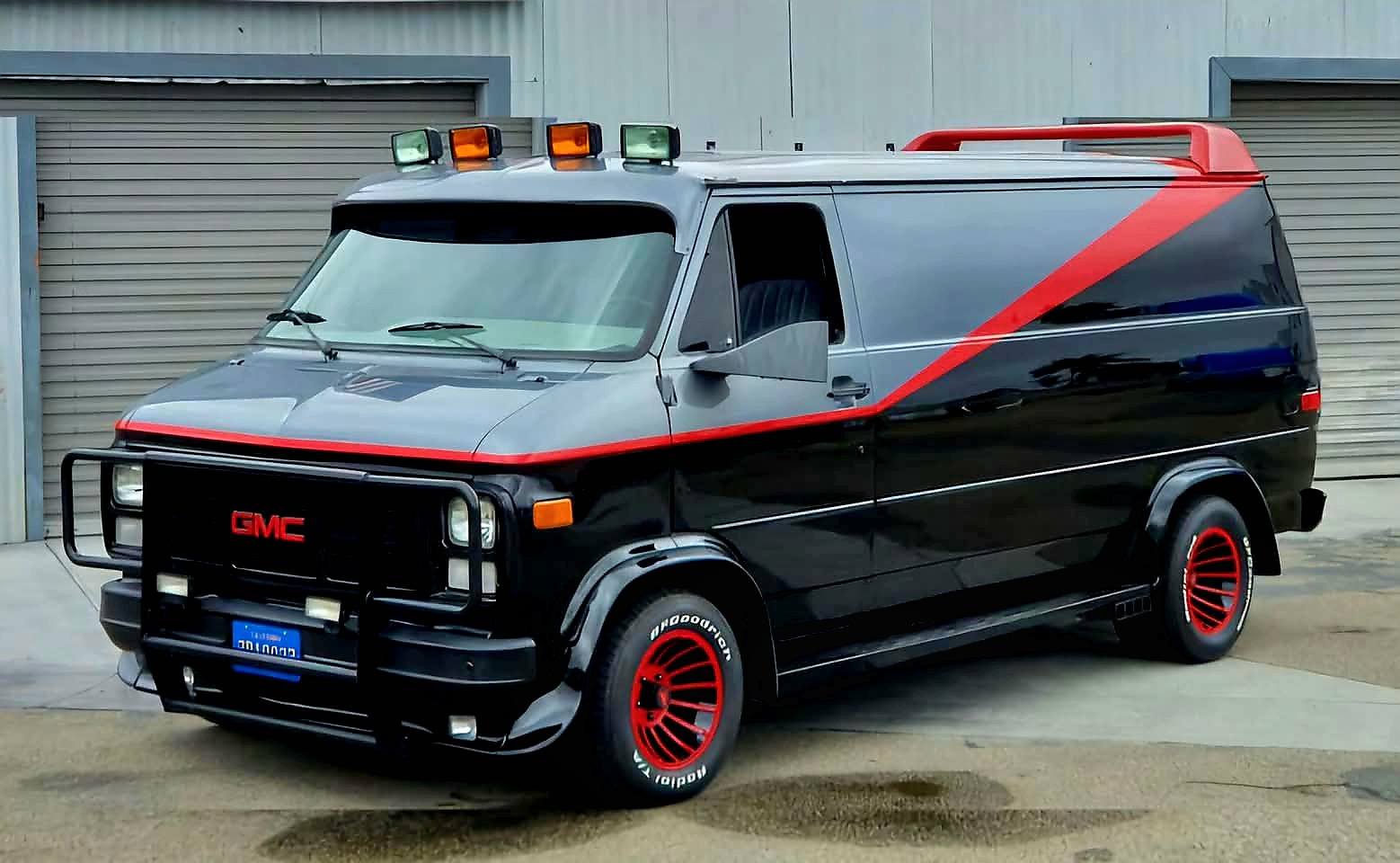
The 1984 GMC Vandura customized for The A-Team television series became one of the most recognizable television vehicles of the 1980s. The show aired from 1983 to 1987 on NBC, presenting a fast-paced action format centered on a team of ex-military specialists who relied heavily on mobility and tactical planning. The van served as their primary transport and mobile base during missions.
Visually, the Vandura was finished in a black exterior paint scheme with a distinctive red side stripe running across the body. This design created immediate recognition during action sequences and promotional materials. Its appearance remained consistent across episodes, reinforcing its identity as a central element of the series rather than a background prop.
Production required multiple units of the van. Some were built for close-up filming and interior shots, while others were reinforced for stunt work. These stunt units were modified with strengthened suspension systems and structural reinforcements to handle jumps, rapid turns, and controlled impact scenes used throughout the series.
The durability of these builds allowed repeated use during filming without frequent replacement. Auction records show strong collector interest in verified A-Team vans. One of the highest recorded sales reached approximately 216,000 dollars at a Mecum auction.
Additional examples have appeared at Barrett-Jackson events, with pricing influenced by build history, documentation, and restoration condition. Units with confirmed production lineage consistently attract stronger bidding activity compared with replica builds lacking verified provenance.
Television air dates from 1983 to 1987 placed The A-Team within a period of high popularity for action-adventure programming. The van became closely tied to the show’s identity, appearing in nearly every episode and often featured during chase sequences or mission planning scenes. Its repeated screen presence strengthened its association with the series’ structure and pacing.
Collector demand is shaped by originality, mechanical condition, and documentation from production archives. Fully restored units with verified studio connection tend to achieve higher auction values, while tribute builds created for display or recreation purposes remain at lower price points. Restoration accuracy also influences valuation, especially when exterior paint schemes and interior layouts match production specifications.
The GMC Vandura continues to hold a respected position in television automotive history. Its transition from functional production vehicle to auctioned collector piece reflects how television design choices from the 1980s continue to influence collector markets today.
5. 1986 Ferrari Testarossa (Miami Vice)
- Engine: 4.9L flat-12
- Horsepower: Around 390 hp
- Torque: Around 361 lb-ft
- Length and Width: Approx 176.6 in length, 77.8 in width
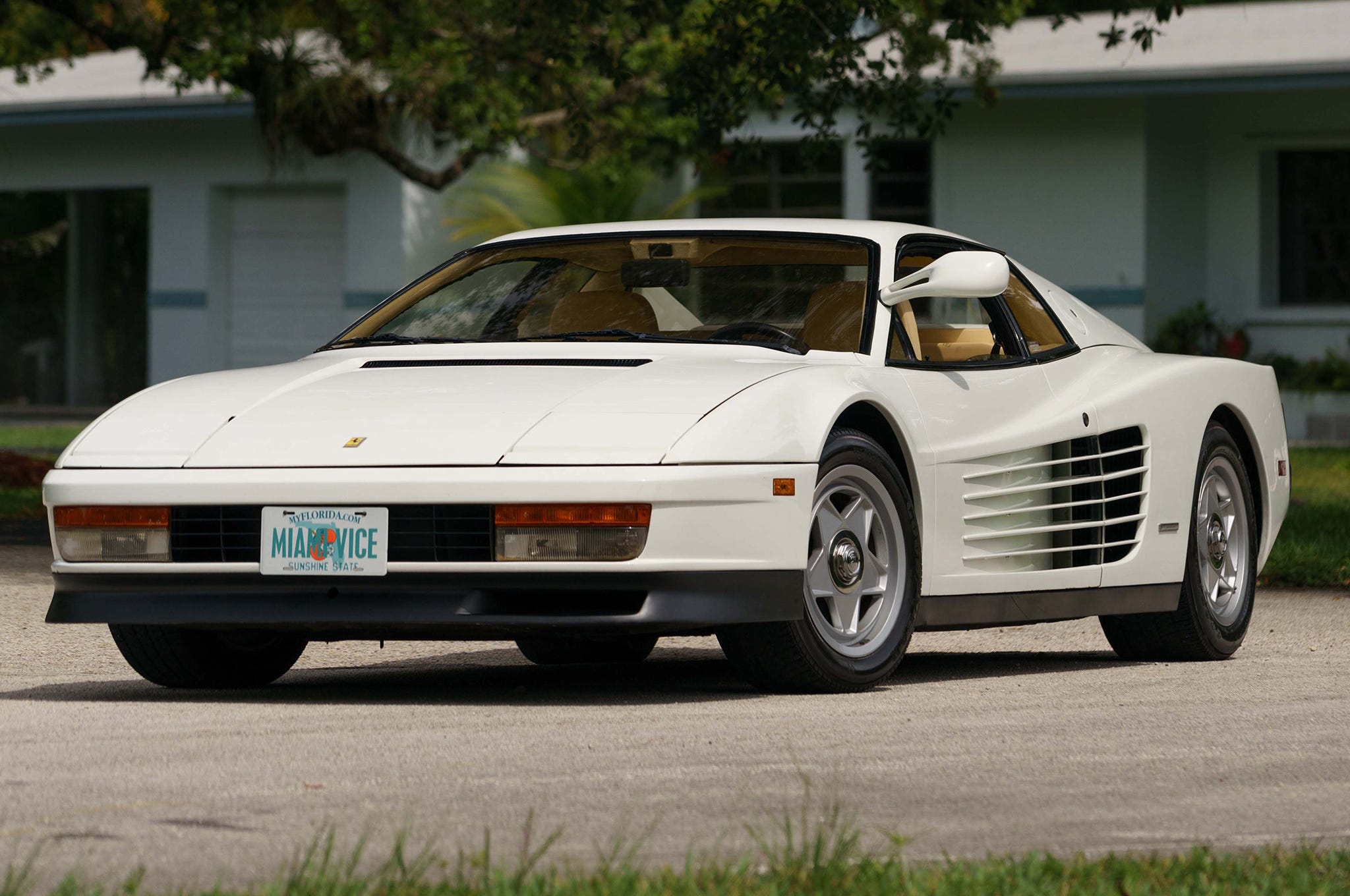
Few television cars carried as much instant recognition as the 1986 Ferrari Testarossa featured in Miami Vice. The model appeared during the show’s run from 1984 to 1989, with the Testarossa joining later seasons and becoming closely tied to the polished Miami street lifestyle portrayed on screen.
Produced by Ferrari during the mid-1980s, the Testarossa carried a flat-12 engine and wide side strakes that made it instantly distinguishable from other sports cars of its era. Auction records show strong demand whenever an original television-linked Testarossa appears for sale.
One example connected to the Miami Vice production was sold through Barrett-Jackson, reaching a final hammer price reported around 1.75 million dollars, depending on provenance and documentation. Another well-documented sale linked to similar celebrity ownership history went through RM Sotheby’s, where collector interest pushed bids into the seven-figure range.
Television exposure during Miami Vice began in 1986 when the Ferrari replaced earlier vehicles used in the series. The car’s screen time immediately aligned with the show’s visual identity, which ran from 1984 through 1989 on NBC. That timing placed the Testarossa in the middle of the show’s strongest cultural impact period, when its music, fashion, and filming style were heavily discussed in American pop culture.
Performance specifications helped reinforce its on-screen presence. The mid-mounted 4.9 liter flat-12 engine delivered strong acceleration for its time, while the low, wide stance contributed to a road presence that suited the Miami setting. Ferrari’s engineering focus during this period emphasized both speed and design distinction, which matched the television production’s visual direction.
Collectors tend to evaluate these auction units based on documentation linking them to the production itself. Cars with confirmed screen usage or studio records attract higher bids compared with replicas or promotional stand-ins. Restoration quality also plays a major role in valuation, since originality tends to carry more weight in collector markets.
Interest in this Ferrari continues through modern auction cycles, where media-linked supercars maintain strong bidding activity. The Testarossa’s association with Miami Vice remains one of the strongest examples of television influence on automotive value.
6. 1978 Pontiac Firebird Trans Am (Knight Rider)
- Engine: 5.0L V8 (305 cubic inch)
- Horsepower: Around 165 hp
- Torque: Around 240 lb-ft
- Length and Width: Approx 191.8 in length, 72.4 in width
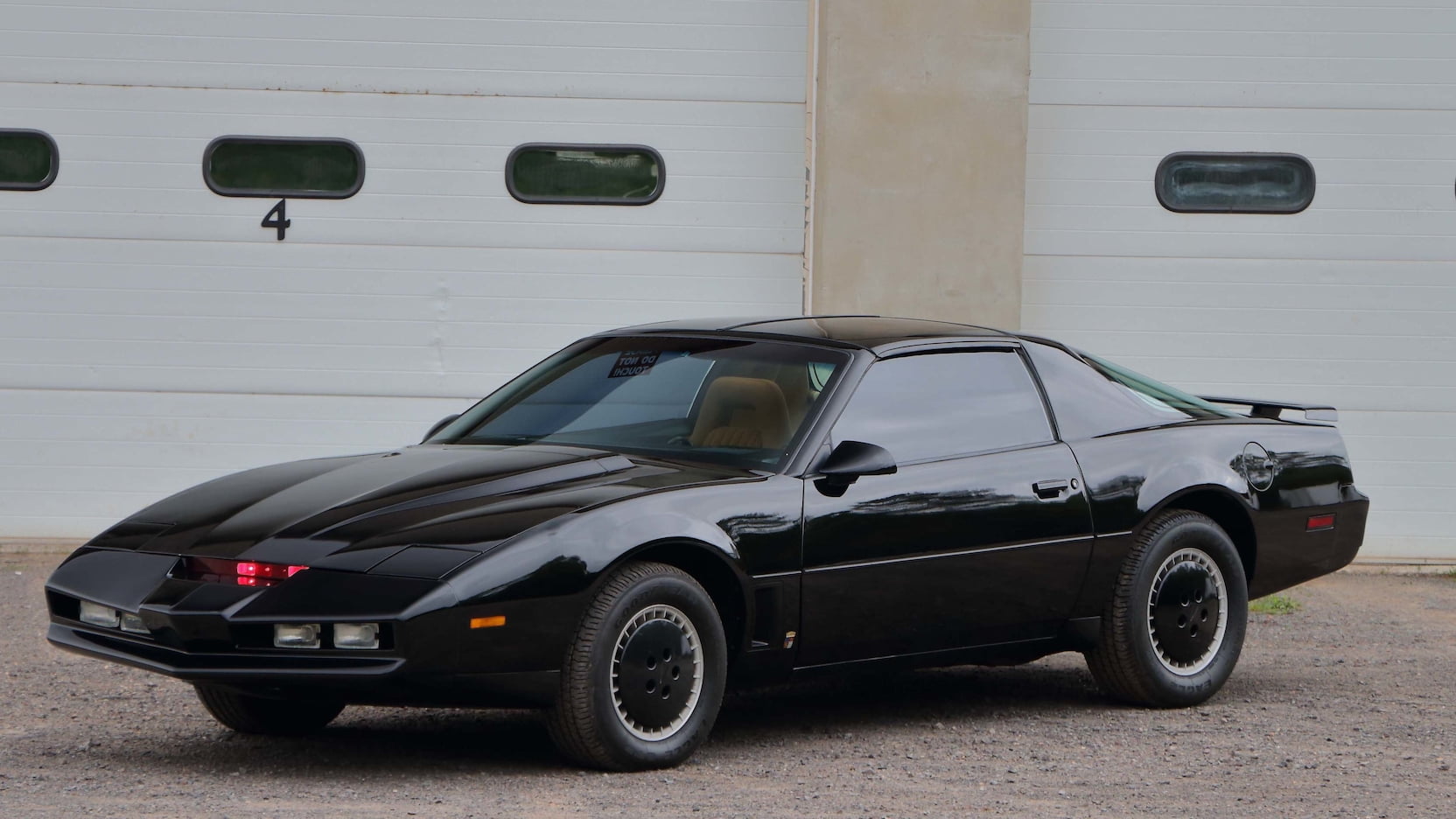
The 1978 Pontiac Firebird Trans Am used in Knight Rider became one of the most recognizable television vehicles from the 1980s. Known as KITT, the car appeared throughout the series, which aired from 1982 to 1986 on NBC. The model used on screen was modified extensively with electronic features, lighting effects, and interior instrumentation designed for television production.
Auction appearances tied to screen-used or promotional units have drawn strong attention. One verified replica used in promotional work sold at Barrett-Jackson for approximately 300,000 dollars, while higher-grade screen-connected builds have reached even higher figures depending on documentation. Mecum Auctions has also handled several examples, with prices ranging widely based on originality and condition.
Television exposure began with the pilot episode in 1982, where the black Trans Am introduced audiences to the concept of an intelligent talking vehicle. That presentation carried through the entire run of the show, which ended in 1986. During that period, the car became closely tied to the action format and technology themes of 1980s television storytelling.
Mechanical specifications for the base 1978 Firebird Trans Am included a V8 engine, with variations depending on trim and emissions requirements of the era. While the television version was heavily modified, the original platform provided a strong foundation for stunt work and camera-mounted sequences.
Collectors place strong emphasis on authenticity when evaluating auction units. Cars with verified studio documentation or production lineage tend to command higher prices than tribute builds. Restoration quality, electronic modifications, and body accuracy also influence buyer interest.
Cultural impact continues to support strong demand at auction. The vehicle remains a reference point in discussions about television cars that shaped automotive enthusiasm during the 1980s.
7. 1977 Pontiac Firebird Esprit (The Rockford Files)
- Engine: 5.0L to 5.7L V8 options
- Horsepower: Around 135 to 170 hp
- Torque: Around 245 to 270 lb-ft
- Length and Width: Approx 196.8 in length, 73.4 in width
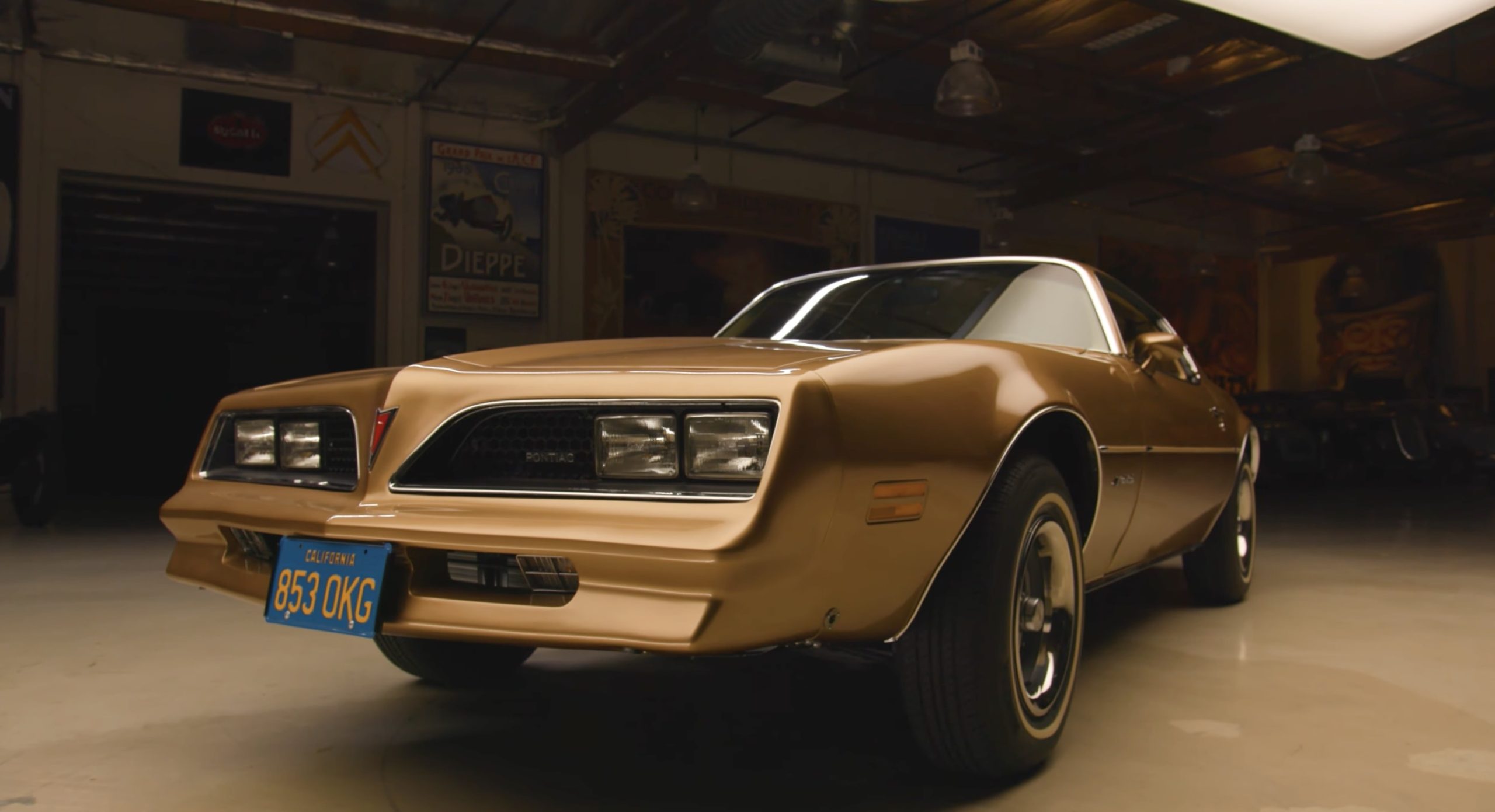
The 1977 Pontiac Firebird Esprit featured in The Rockford Files carried a restrained on-screen identity compared with heavily modified television vehicles. The series aired on NBC from 1974 to 1980, with the Firebird appearing across multiple seasons as the primary personal vehicle of the lead character.
Its presentation stayed close to factory appearance, aligning with the character’s private investigator role that relied on practicality rather than flashy styling. Auction activity tied to verified screen-used units or documented replicas has recorded steady collector attention.
A well-preserved example linked to production history sold through Mecum Auctions for around 75,000 dollars. Higher auction values have been achieved when documentation confirms direct screen use, studio records, or continuity verification from production archives. Such verified units remain limited in circulation, which affects availability during bidding events.
Television appearance began early in the series run, with the Firebird serving as a consistent visual element from the first season. The show’s broadcast spanned from 1974 through 1980, allowing the vehicle to gain recognition alongside character development and recurring storylines.
This long exposure helped establish the car as a familiar part of weekly television viewing during that period. Mechanical configuration for the 1977 Firebird Esprit included V8 engine options depending on trim level, paired with a rear-wheel drive layout typical of Pontiac models from the late 1970s.
While not positioned as a high-performance variant like the Trans Am, the Esprit delivered steady road behavior suitable for production filming requirements, including repeated driving sequences and controlled stunt usage. Collectors often assess these vehicles based on originality, preservation state, and documented production association.
Units that retain factory styling and verified screen linkage tend to draw stronger interest than heavily modified or restyled examples. Restoration decisions influence buyer perception, especially when originality remains a priority for historical accuracy.
Market activity for this model tends to remain steady rather than extreme. Value tends to be supported more by the television association than performance, reputation, or rarity within Pontiac’s performance lineup. Interest remains consistent among collectors who focus on television-related automotive history.
Also Read: 5 Cars for American Drive-In Movies vs. 5 Cars with Distracting Auto-Lights
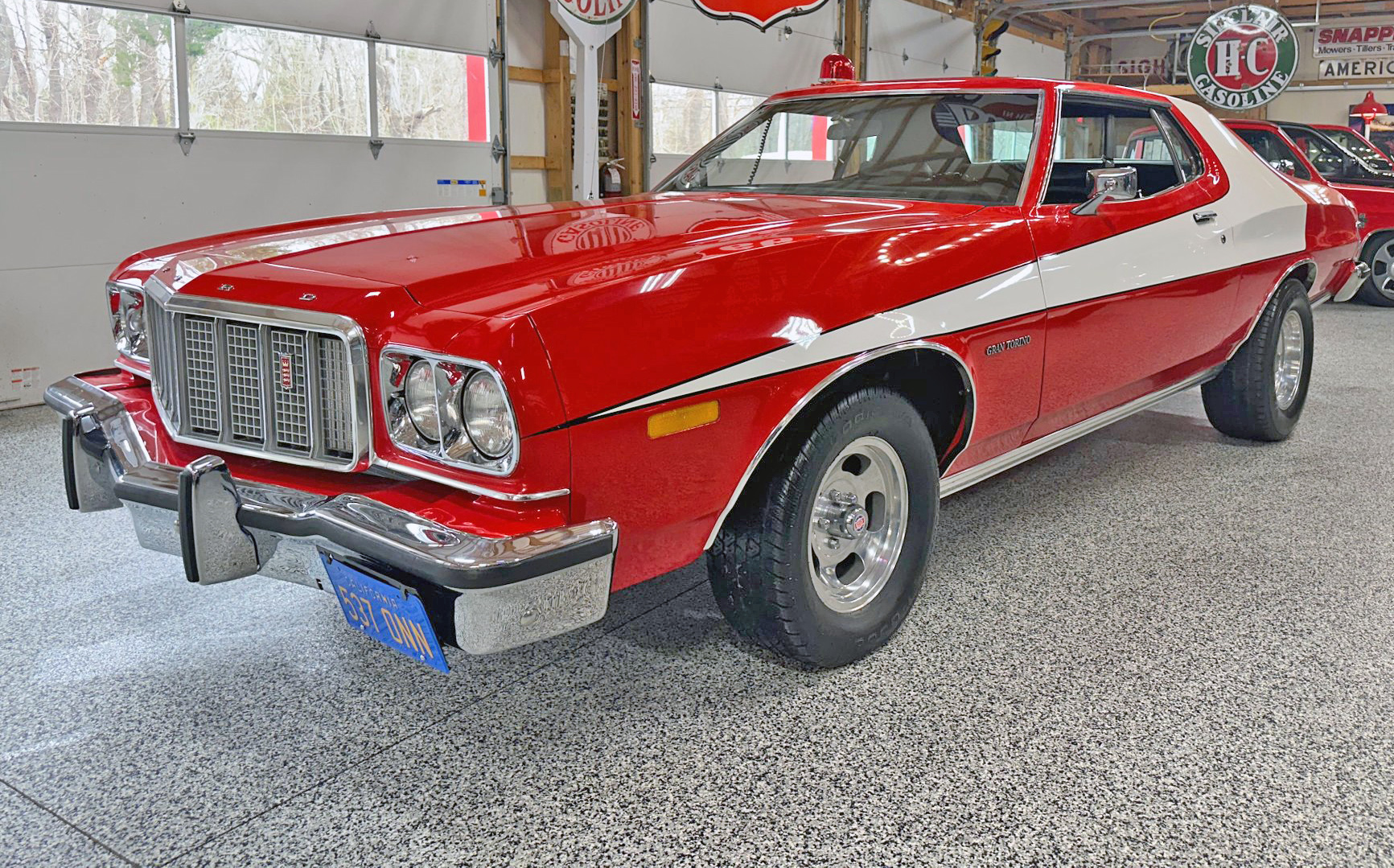
8. 1975 Ford Gran Torino (Starsky & Hutch)
- Engine: 5.8L to 7.5L V8 options
- Horsepower: Around 148 to 218 hp
- Torque: Around 244 to 369 lb-ft
- Length and Width: Approx 213.7 in length, 79.3 in width
The 1975 Ford Gran Torino gained widespread recognition through its appearance in Starsky & Hutch, which aired on ABC from 1975 to 1979. The vehicle’s red body with white vector stripe design became closely associated with the show’s urban crime-drama format.
Its visual identity became one of the most recognizable television car designs of the 1970s, shaping audience memory of the series. Auction records show repeated interest in screen-used examples and studio-built replicas. Sales conducted through Barrett-Jackson have placed verified units in the range of approximately 40,000 to 100,000 dollars, depending on documentation, condition, and production linkage.
Units with confirmed screen usage or direct studio provenance tend to achieve stronger bidding activity compared with tribute builds. Television appearance began with the pilot episode in 1975, where the Gran Torino served as the primary transport for the two lead detectives.
Throughout the series run until 1979, the vehicle appeared frequently in chase scenes and street driving sequences, becoming a constant visual element across episodes. Mechanical specifications for the 1975 Gran Torino varied depending on trim configuration, with V8 engine options available across several versions. The platform focused on durability and comfort, which suited repeated filming demands, including controlled stunt driving and location shooting.
Collectors place strong emphasis on exterior correctness, especially stripe alignment, paint accuracy, and body proportion consistency with production standards. Vehicles that maintain original design features linked to the show tend to attract stronger interest during auction listings.
Market presence for this model remains steady, supported by its television heritage and strong visual identity. Auction performance continues to reflect consistent demand among collectors interested in 1970s television automobiles and period-specific American performance sedans.
