
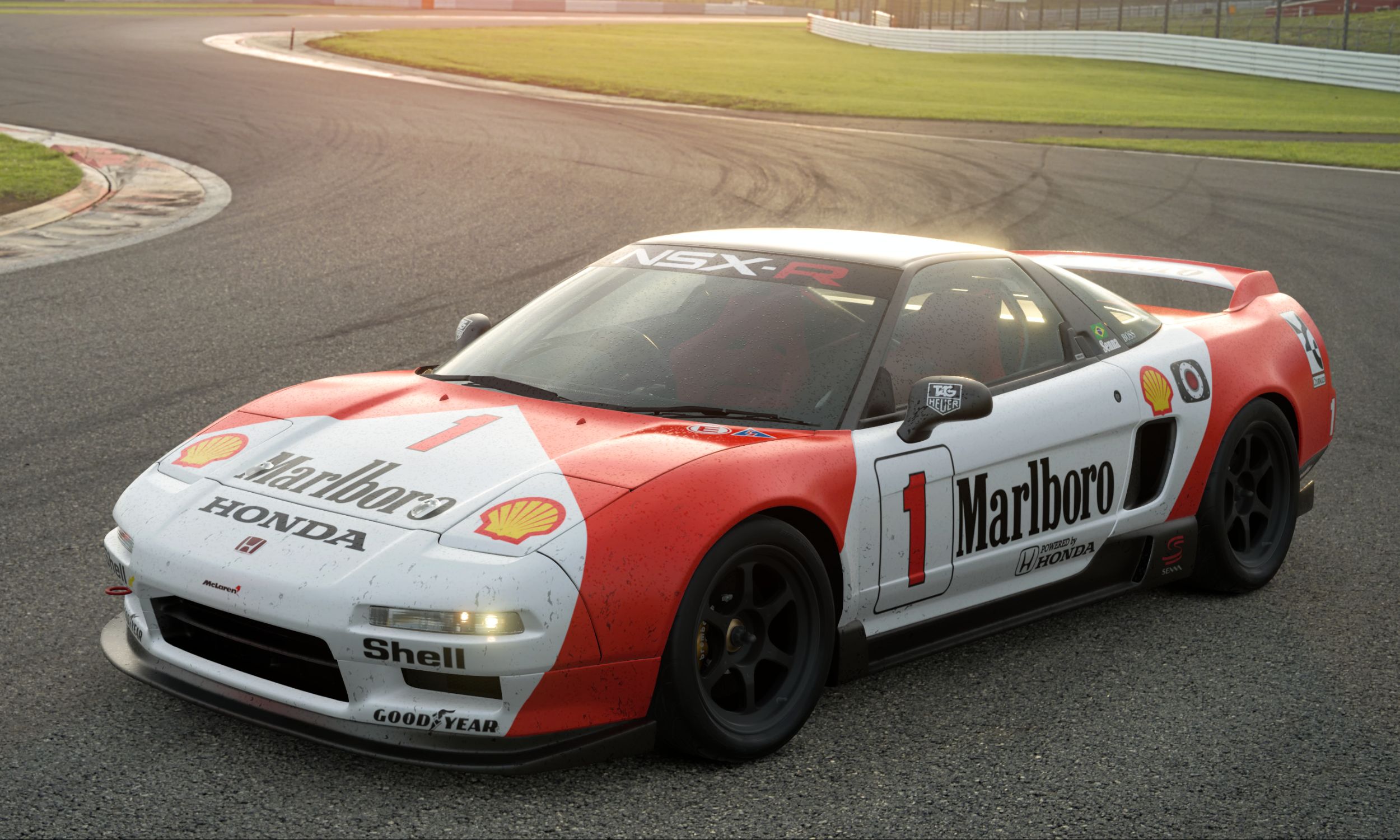
Racing legends are defined by what they do behind the wheel of a race car. Lap records, championship titles, and moments of brilliance under pressure build the reputations that motorsport history preserves for generations. But what these men drove when the cameras were off, when the race suits were hung up, and the helmets were on a shelf, tells a completely different and equally fascinating story about who they were as people and what cars meant to them when nobody was watching.
Some of the most interesting automobiles ever to exist sat in the private garages of Formula 1 champions, rally heroes, and endurance racing icons who bought them not for promotion or investment purposes but because they genuinely wanted to own them. A racing driver’s personal car collection reflects taste, passion, and sometimes a sense of humor about their own identity that the controlled environment of a press conference never allows through.
This page covers eight cars owned by eight of the most celebrated racing drivers in history. Each car has a story that goes beyond the spec sheet, connected to a specific person whose relationship with speed and machinery was as personal as it was professional.
Some of these connections are rooted in emotion, while others are simply practical. A few even come as a surprise, given the drivers’ level and reputation. This list looks at eight cars linked to some of motorsport’s most respected names, showing what each car is, how it connects to the driver, and the role that relationship played in shaping automotive history.
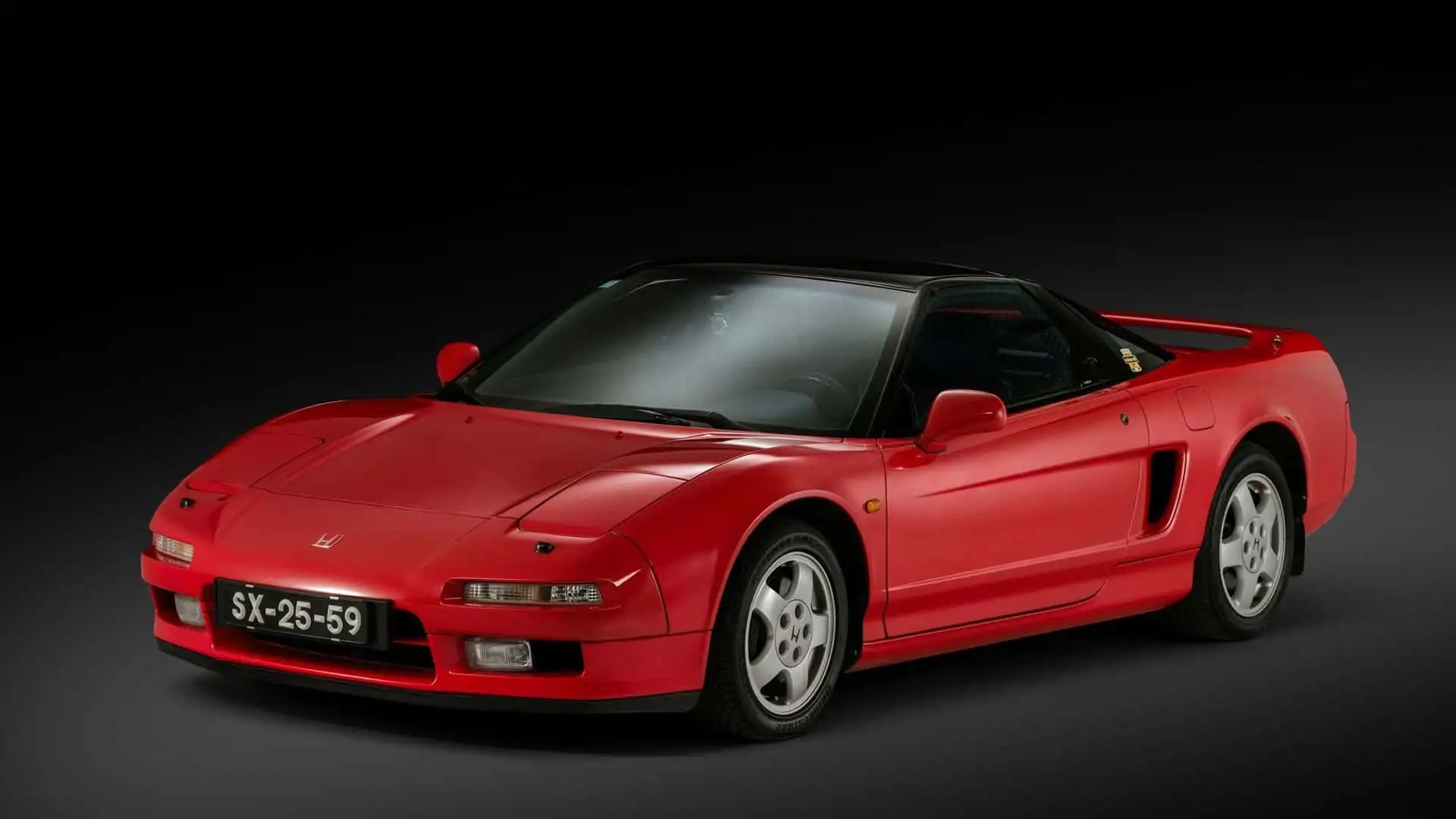
1. Honda NSX – Ayrton Senna
- Engine: 3.0L naturally aspirated V6
- Horsepower: 270 hp
- Torque: 210 lb-ft
- Length and Width: 173.4 in, 71.3 in
Ayrton Senna’s connection to the Honda NSX NA1 Coupe goes considerably deeper than simple ownership, and understanding that depth requires understanding the relationship between Honda and Senna during his dominant years at McLaren.
Honda supplied the engines that powered McLaren to consecutive constructors’ championships, and that partnership created a level of trust and mutual investment between the driver and the manufacturer that extended beyond contractual obligations into genuine collaborative engineering dialogue.
When Honda was developing the NSX in the late 1980s, Senna drove prototypes at the Suzuka Circuit and provided feedback that Honda engineers took seriously enough to act upon. His assessment that the prototype’s suspension was too stiff for a production road car intended for customers with varying skill levels led to a suspension recalibration before production began.
That contribution is documented and acknowledged by Honda, and it means that every NSX ever produced carries a small piece of Senna’s engineering input in its fundamental setup. NSX NA1 specifications that Honda brought to market in 1990 reflected a philosophy that Senna specifically embodied and consistently articulated.
A mid-mounted 3.0-liter VTEC V6 engine producing 270 horsepower in Japanese market specification was not the most powerful engine Honda could have installed, but it was calibrated for linear, communicative power delivery that rewarded driver skill rather than overwhelming it. All-aluminum construction kept curb weight below 3,000 pounds, producing a power-to-weight ratio that made the NSX feel more urgent than the output figures suggested in isolation.
Senna owned multiple NSX models during his years at McLaren, using them for road driving at a time when his professional demands kept him away from everyday life for months at a time. That ownership reflected genuine appreciation for what the NSX delivered as a road car rather than a celebrity endorsement arrangement.
A Formula 1 champion who had driven the fastest machinery of his era chose the NSX as a personal vehicle because it offered driving satisfaction that more powerful road cars of the same period did not provide with the same purity. Handling balance in the NSX was the attribute that Senna identified as its most important quality and the area where his development input had the greatest influence.
Mid-engine placement produced the weight distribution that Senna, accustomed to Formula 1 cars’ precision, found most satisfying in a production road car. Double wishbone suspension at all four corners provided the feedback and response characteristics that driving at any level of seriousness rewards, and the NSX delivered those qualities without the compromises that made contemporary European sports cars more demanding to live with on ordinary roads.
NSX examples with documented connections to Senna’s ownership or development involvement have become among the most valuable production Hondas in existence, with auction results reflecting both the car’s intrinsic quality and the irreplaceable human story attached to specific examples.
Buying an NSX without that connection still means owning one of the finest sports cars Japan ever produced. Owning one that Senna touched is something different entirely.
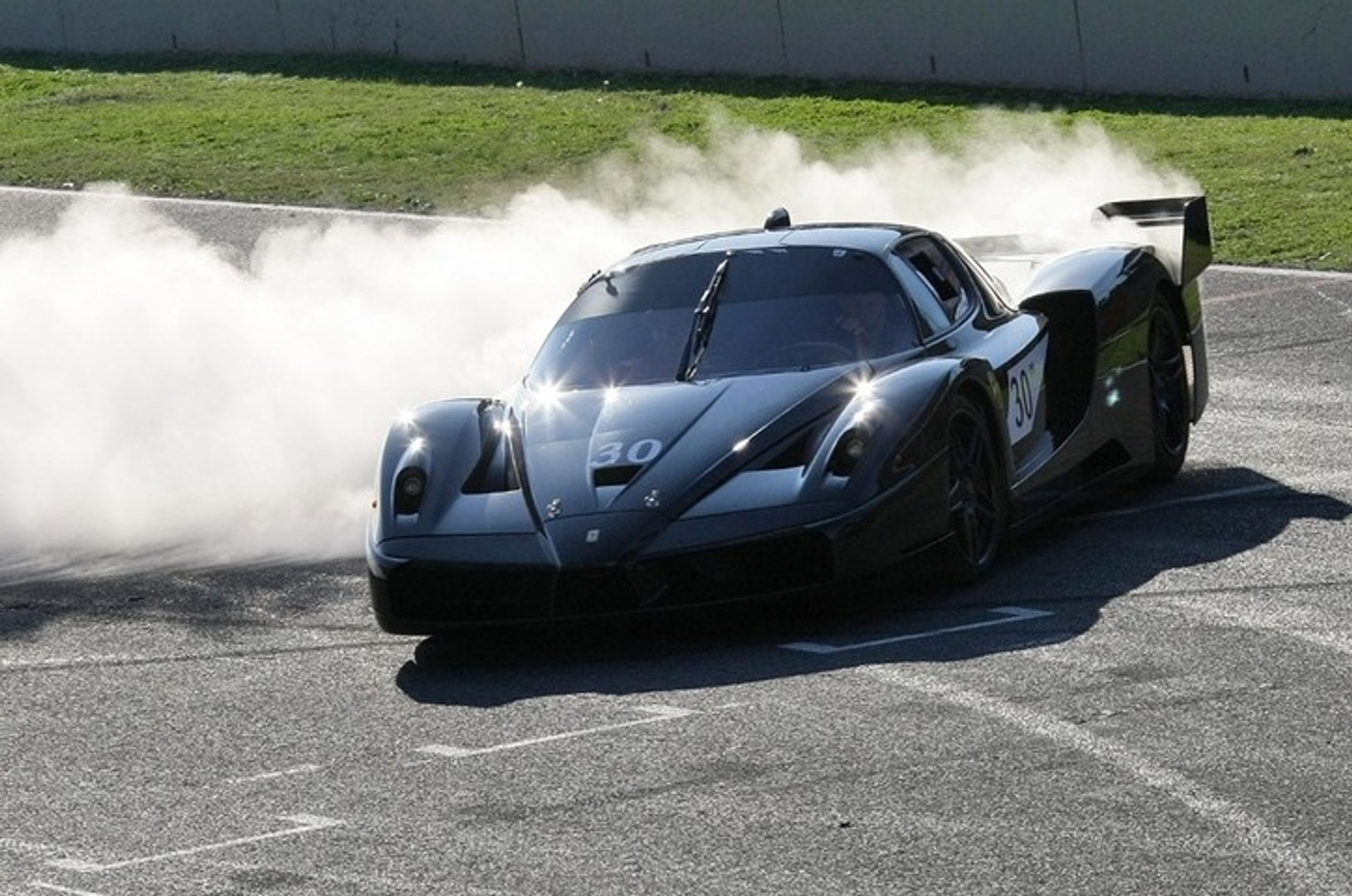
2. Ferrari FXX – Michael Schumacher
- Engine: 6.3L naturally aspirated V12
- Horsepower: 800 hp
- Torque: 506 lb-ft
- Length and Width: 190.2 in, 80.3 in
Intensity shaped the connection between the Ferrari FXX and Michael Schumacher. Built as part of Ferrari’s exclusive XX program, the FXX was not intended for road use. Instead, it served as a track-focused experimental platform where select clients, including Schumacher, could experience advanced engineering in controlled environments.
Owning an FXX put Schumacher in a very small circle of drivers who were trusted with Ferrari’s most advanced performance technology. The car used a highly tuned V12 engine that produced outstanding power, along with aerodynamic features designed purely for racing. Everything about it was built with one goal in mind: maximum performance on the track.
Participation in Ferrari’s program allowed Schumacher to engage directly with the car’s development. Data collected during track sessions contributed to ongoing improvements, creating a feedback loop between driver and engineering team. This approach mirrored the precision-driven environment he experienced during his Formula One career.
Driving the FXX required discipline and technical awareness. Unlike road cars, it offered minimal compromise for comfort. Instead, it demanded focus, rewarding precise inputs with immediate response. This characteristic aligned with Schumacher’s reputation for methodical driving and attention to detail.
Collector interest in the FXX remains strong due to its exclusivity and association with Ferrari’s performance heritage. Cars linked to Schumacher attract additional attention, as they represent a direct connection to one of the sport’s most accomplished drivers. Ownership records and participation history within the XX program influence valuation.
Observing the FXX through Schumacher’s involvement highlights how elite drivers continue to influence automotive engineering beyond competitive racing. His experience contributed to a platform that tested boundaries in aerodynamics, power delivery, and data-driven performance analysis.
Also Read: 9 Drift Cars That Started as Cheap Practice Builds and Became Collectibles
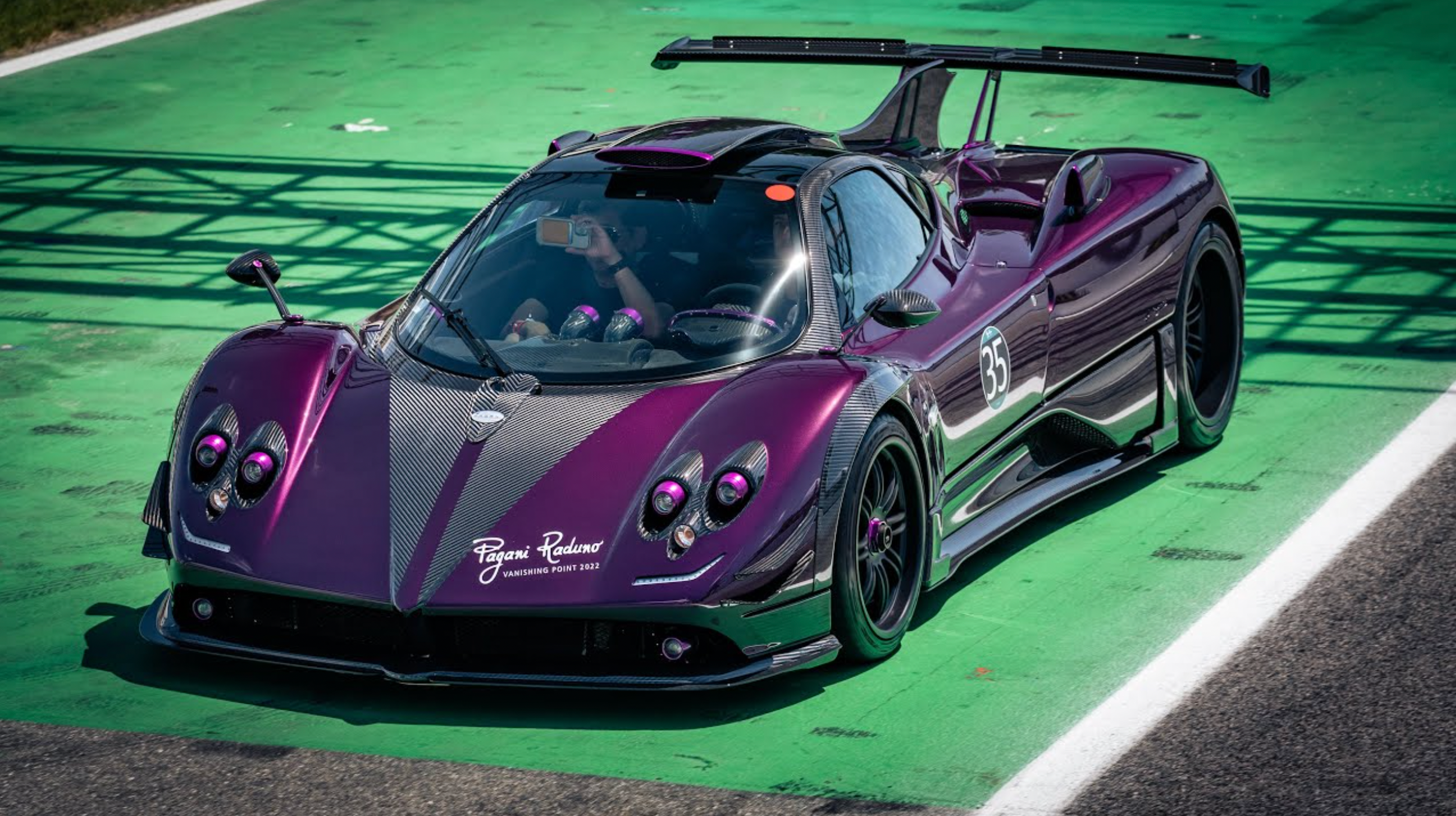
3. Pagani Zonda 760 LH – Lewis Hamilton
- Engine: 7.3L naturally aspirated V12
- Horsepower: 760 hp
- Torque: 575 lb-ft
- Length and Width: 173.1 in, 80.9 in
Individual expression found a clear outlet in the Pagani Zonda 760 LH owned by Lewis Hamilton. Unlike standard production vehicles, this car was built as a one-off commission tailored to his personal preferences. The “LH” designation reflects his initials, marking the car as a unique creation within the Zonda lineage.
Specification choices reflected Hamilton’s driving style and aesthetic taste. The car featured a manual transmission, a rare choice among modern hypercars, indicating his preference for direct driver engagement. Its naturally aspirated V12 engine delivered strong performance while maintaining a distinctive exhaust note that became part of its identity.
The exterior design featured one-off touches, like a unique paint job and custom aerodynamic upgrades. Every detail was chosen to give the car a look that truly matched its performance. Inside, the same idea carried through, blending high-end materials with a practical, driver-focused layout.
The Zonda 760 LH wasn’t just kept as a showpiece. Hamilton was often spotted driving it in different situations, showing it was a car he actually used, not just collected. Seeing him behind the wheel made it feel more connected to his public persona.
Market perception of the Zonda 760 LH reflects its uniqueness. As a one-off model tied to a high-profile driver, its value extends beyond standard production metrics. Collectors emphasize exclusivity, customization, and documented ownership when evaluating such vehicles.
Examining this car reveals how modern drivers engage with automotive design on a personal level. Hamilton’s involvement ensured that the Zonda 760 LH represented both performance capability and individual identity, creating a machine that stands apart even within the high-end hypercar segment.
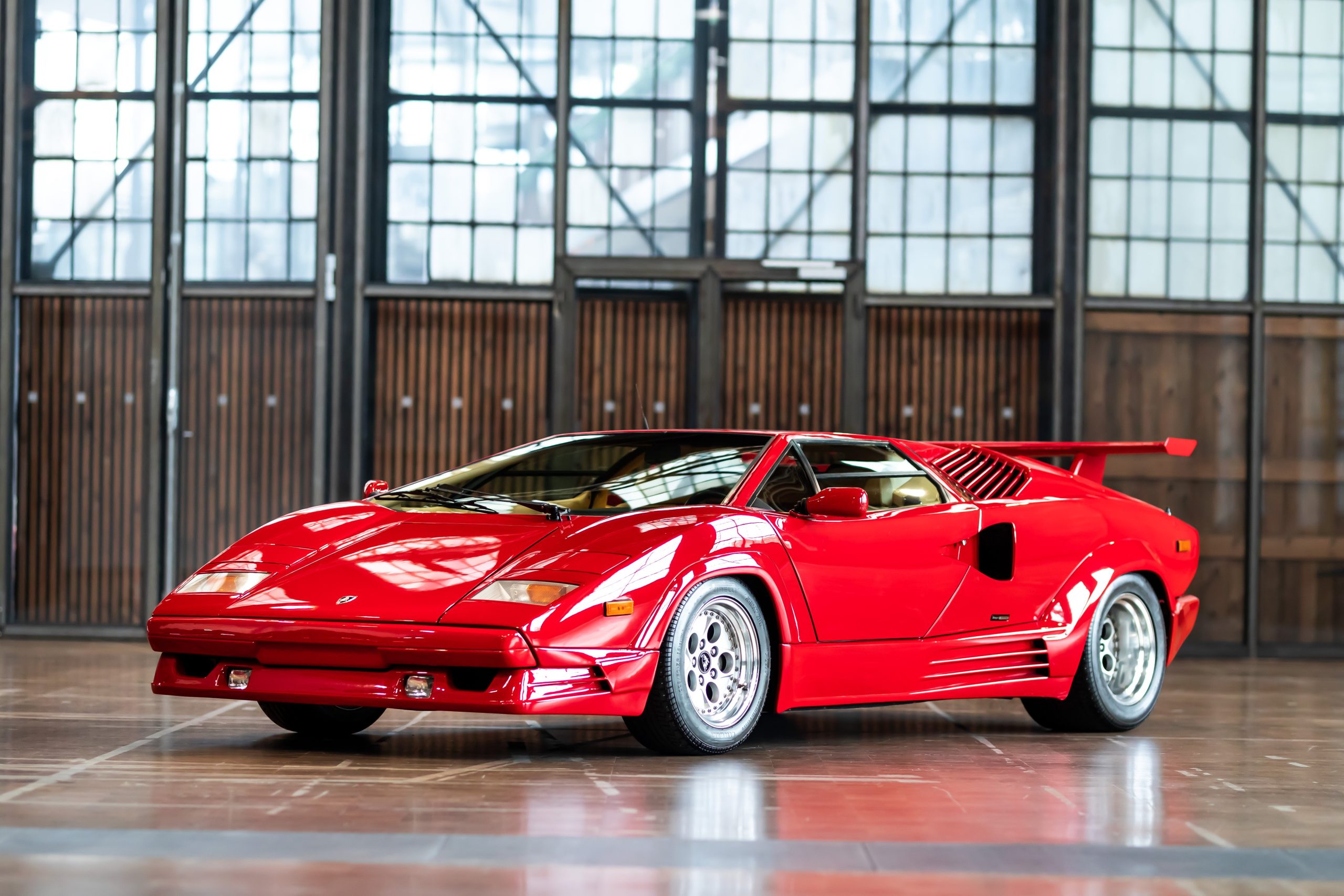
4. Lamborghini Countach – Mario Andretti
- Engine: 4.0L naturally aspirated V12
- Horsepower: 375 hp
- Torque: 271 lb-ft
- Length and Width: 163.0 in, 78.7 in
Mario Andretti winning the 1978 Formula 1 World Championship while simultaneously maintaining a full IndyCar programme represents a breadth of motorsport achievement that no other driver has replicated in the sport’s history. Andretti’s career covered Formula 1, IndyCar, NASCAR, sports car racing, and Can-Am, with major victories across multiple disciplines that would individually define lesser careers combined into one sustained record of excellence.
A man with that relationship with performance machinery choosing the Lamborghini Countach LP 400 S as a personal road car in the late 1970s was making a statement about what he valued when his own money was involved. Lamborghini Countach LP 400 S styling was the most dramatic visual statement available in road-legal form when the car was introduced, and it remains one of the most arresting automotive designs ever produced.
Gandini’s wedge body, scissor doors, and low-slung proportions created an appearance that communicated performance before the engine was started and continued communicating it long after the car passed from view. Andretti, who had spent his career in the most purposeful-looking racing machinery of each era, chose a road car whose visual drama matched the emotional register of what he drove professionally.
V12 engine in the Countach LP 400 S displaced 4.0 liters in a naturally aspirated configuration and produced power that the car’s low weight allowed to be felt with immediacy at every throttle input. Rear-wheel drive through a five-speed gearbox positioned ahead of the engine in the longitudinal mid-engine layout gave the car handling characteristics that rewarded mechanical sympathy and punished complacency, a dynamic character that racing drivers of Andretti’s caliber approached with appreciation rather than anxiety.
Outward visibility from inside the Countach LP 400 S was honestly terrible, a limitation that the design’s extreme proportions made unavoidable. Andretti, who routinely placed race cars within inches of track barriers at racing speeds, presumably found the Countach’s visibility limitations manageable by comparison with professional driving demands. Ordinary drivers found the same limitations more consequential during parking maneuvers and highway lane changes.
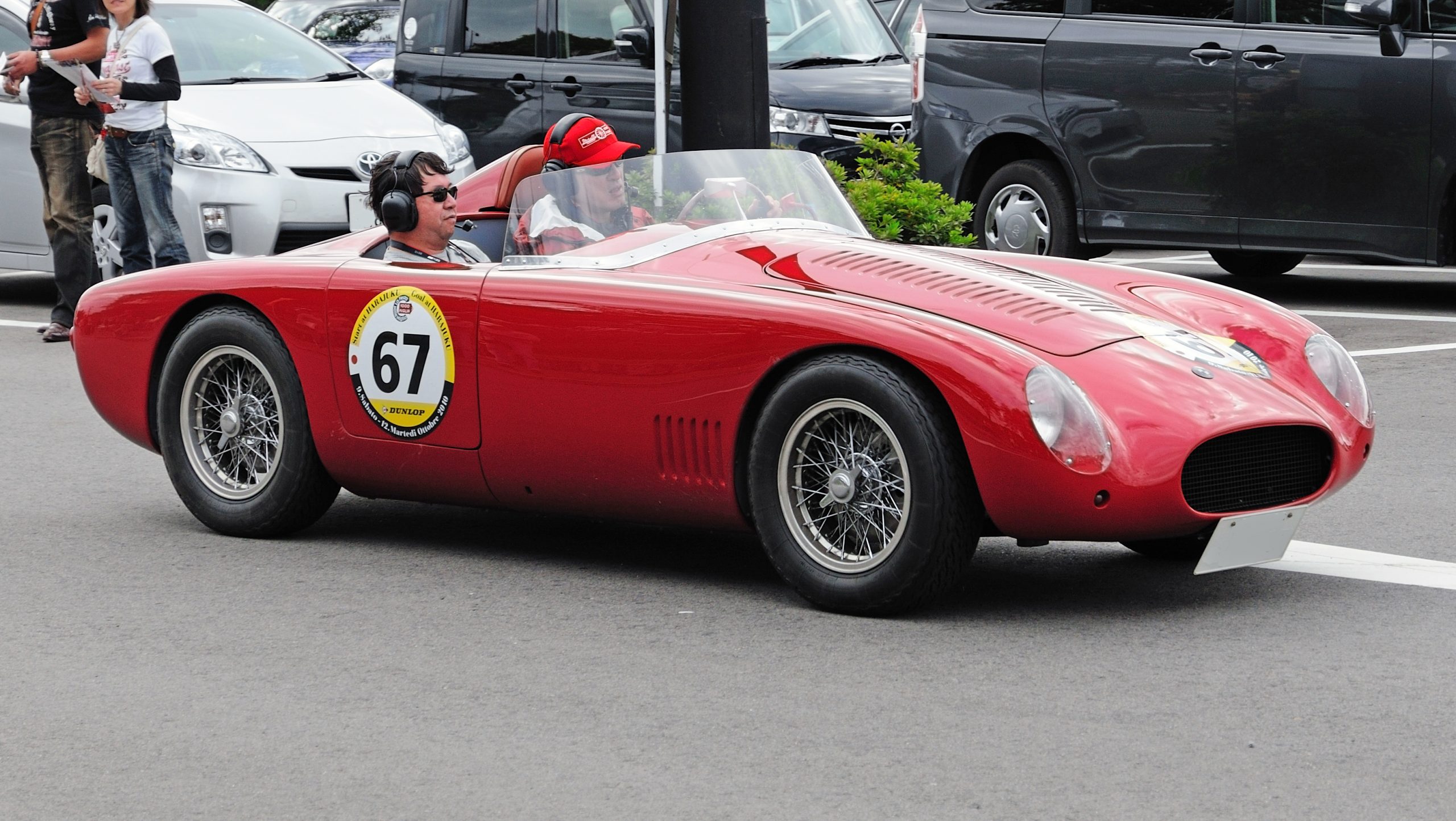
5. OSCA MT4 – Stirling Moss
- Engine: 1.5L inline-4
- Horsepower: 118 hp
- Torque: 110 lb-ft
- Length and Width: 154.0 in, 54.0 in
Stirling Moss is remembered primarily through his Formula 1 achievements and his heartbreaking near-misses at the World Championship title, four times finishing as runner-up without ever claiming the championship that his driving talent warranted by any objective assessment.
Less discussed is Moss’s versatility across vehicle categories and his genuine engagement with sports car racing throughout his career, including his ownership and racing of an OSCA MT4 that demonstrated his ability to extract competitive results from privately-entered, underpowered machinery against better-equipped factory teams.
OSCA was founded by the three Maserati brothers, Bindo, Ernesto, and Ettore, after they departed from the Maserati company they had originally established. OSCA initials stood for Officine Specializzate Costruzione Automobili, and the brothers brought to their new venture the same engineering philosophy that had made Maserati competitive in pre-war European racing.
Small displacement engines with precise construction, lightweight chassis, and aerodynamically developed bodywork produced OSCA’s competitive formula against rivals with larger engines and greater resources. MT4 specification employed a twin-cam four-cylinder engine of modest displacement that produced power figures considerably below what Moss’s Formula 1 machinery delivered, requiring a different driving approach that emphasized corner speed, mechanical sympathy, and race strategy rather than outright power exploitation.
Moss adapted to that requirement with characteristic effectiveness, using the MT4 to achieve results that exceeded what the car’s specifications should theoretically have permitted against faster machinery. Sebring 1954 represents the most documented example of Moss using the OSCA MT4 to competitive effect at the highest level of sports car racing.
Competing in the 12-hour event alongside Bill Lloyd, Moss drove with a consistency and technical precision that class victory rewarded despite the OSCA’s displacement disadvantage relative to outright leaders in larger categories. That result demonstrated what Moss himself repeatedly articulated: that driver skill and preparation contributed more to racing results than raw specification advantages in properly managed competition.
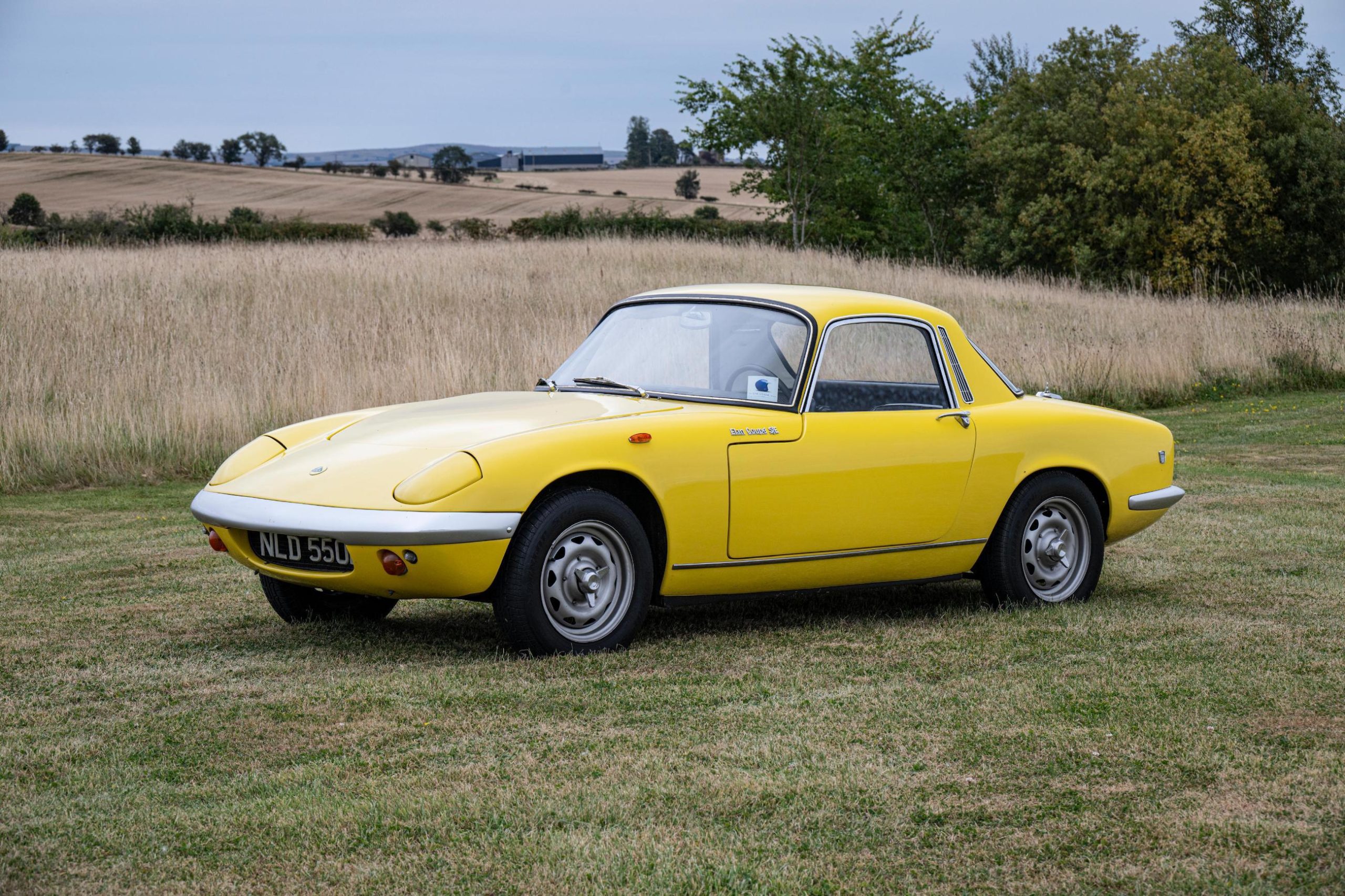
6. Lotus Elan – Jim Clark
- Engine: 1.6L inline-4
- Horsepower: 105 hp
- Torque: 108 lb-ft
- Length and Width: 145.0 in, 56.0 in
Few drivers embodied purity in racing quite like Jim Clark, and his connection to the Lotus Elan reflects that same philosophy. Developed by Lotus under Colin Chapman, the Elan prioritized lightness, balance, and responsive handling. Clark’s driving style, which relied on smooth inputs and precision, aligned perfectly with the car’s design.
Unlike larger grand touring cars of its time, the Lotus Elan focused on delivering an engaging driving experience through minimal weight and a well-tuned suspension system. Its fiberglass body and compact dimensions allowed it to achieve remarkable agility. Clark appreciated these characteristics, often favoring cars that responded intuitively to driver input rather than those that depended on raw output.
Inside, the cabin offered a simple yet purposeful layout. Controls were positioned for ease of use, with little distraction from the driving experience. There were no unnecessary features. Every element served the goal of maintaining driver focus. This approach reflected Chapman’s belief that reducing weight and complications led to better performance.
On the road, the Elan delivered sharp steering response and excellent cornering capability. Drivers experienced a sense of connection that felt immediate and engaging. Clark’s ability to extract performance from such a car demonstrated his understanding of balance and momentum, qualities that made him one of the most respected drivers of his era.
Collectors tend to prize Jim Clark-linked Lotus Elans because of the history behind them. If there’s solid proof the car was owned by him or connected to him in some way, it becomes far more desirable. To many enthusiasts, these cars aren’t just road vehicles; they feel like a piece of Clark’s racing story.
When it comes to restoring an Elan, most owners try to keep things as original as possible while still dealing with wear that comes with age. The fiberglass body needs careful upkeep, and the chassis has to be checked regularly. People who care about authenticity usually go out of their way to preserve as many original parts as they can.
Public exhibitions and classic car events provide opportunities to showcase these vehicles, allowing enthusiasts to appreciate their design and historical context. Seeing a Lotus Elan connected to Jim Clark offers a look into a period when engineering simplicity and driver skill defined performance.
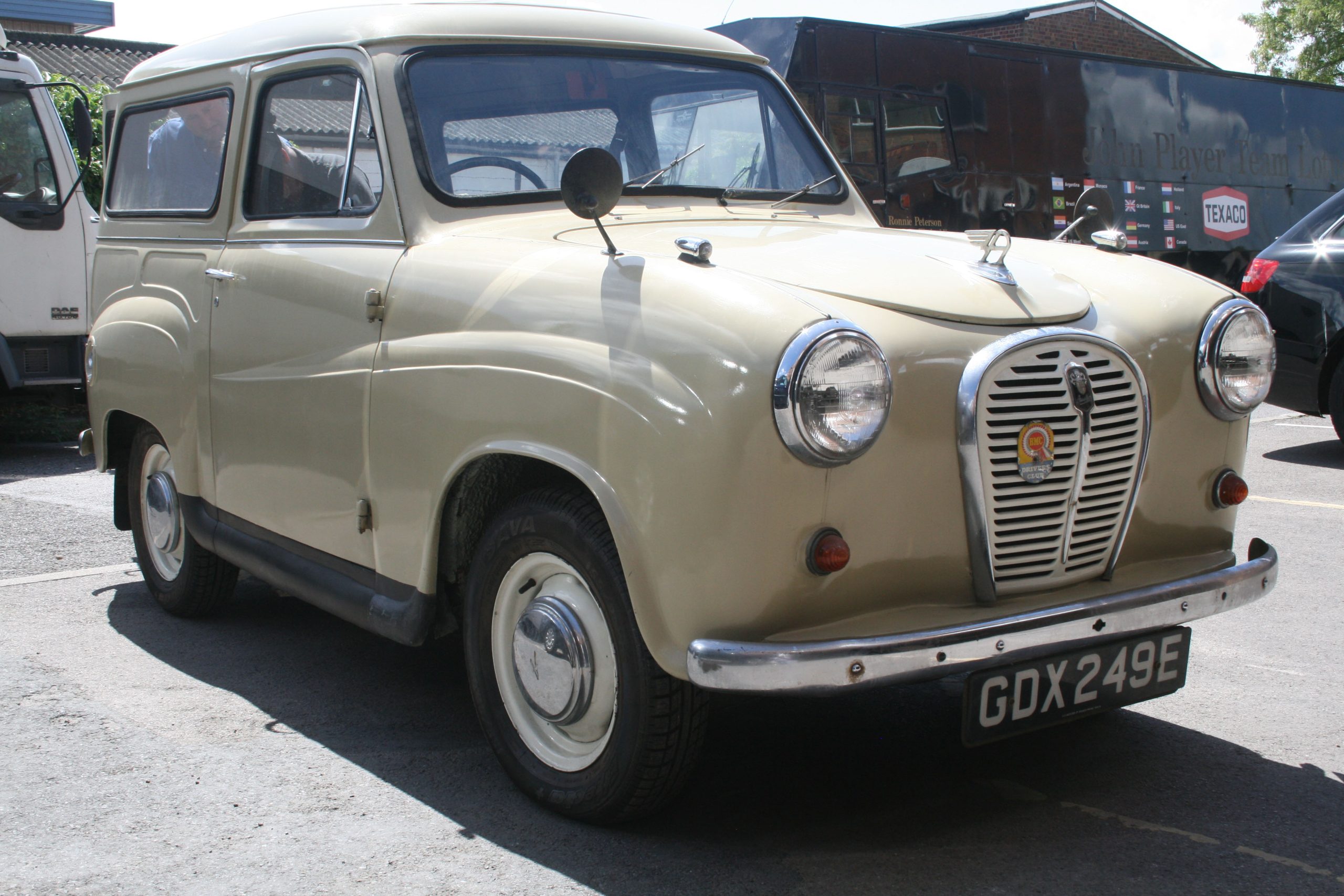
7. Austin A35 – James Hunt
- Engine: 948 cc inline-4
- Horsepower: 34 hp
- Torque: 50 lb-ft
- Length and Width: 136.4 in, 55.1 in
Personality often shapes the cars drivers choose, and the Austin A35 linked to James Hunt offers a quick look into a more relaxed side of a fiercely competitive champion. Known for his bold approach on the track and charismatic presence away from it, Hunt’s association with this modest British car highlights a different perspective on automotive enjoyment.
The Austin A35 was never designed as a performance machine. It served as an affordable, practical vehicle aimed at everyday use. Its small engine and compact size made it accessible, yet it also became popular in club racing circles due to its simplicity and ease of modification. For Hunt, such a car may have represented an opportunity to engage with driving in a less formal environment.
Driving an A35 required a different mindset compared to high-performance race cars. Momentum became more important than acceleration, and maintaining speed through corners demanded careful planning. This approach encouraged drivers to refine their technique, focusing on smooth inputs and efficient driving lines.
Ownership of a car like the A35 reflects an appreciation for grassroots motorsport culture. Hunt’s career included exposure to various levels of racing, and this connection likely influenced his interest in simpler vehicles. The A35 offered a platform where skill could shine without the influence of advanced technology.
From a design standpoint, the car featured straightforward construction. Its boxy shape and minimal interior reflected its practical purpose. There was no emphasis on luxury or advanced features. Instead, durability and ease of maintenance defined its character.
Collectors interested in vehicles linked to James Hunt often look beyond performance specifications. Provenance and historical connection play a major role in determining value. An Austin A35 associated with Hunt becomes more than a modest classic. It represents a personal link to one of Formula One’s most memorable figures.
Preservation of such cars tends to focus on maintaining originality while ensuring usability. Restorations aim to retain period-correct details, including paintwork, interior materials, and mechanical components. Enthusiasts value authenticity, particularly when documentation supports the car’s history.
Participation in historic racing events keeps the spirit of the A35 alive. Seeing one driven on track offers a reminder that motorsport exists at many levels, from professional competition to local club events. Hunt’s association reinforces the idea that passion for driving extends beyond elite racing categories.
Legacy tied to the Austin A35 and James Hunt reflects a broader understanding of what makes cars meaningful. Performance alone does not define importance. Personal connection, cultural relevance, and shared experiences all contribute to lasting value.
Also Read: 8 Concept Car Features That Finally Became Real
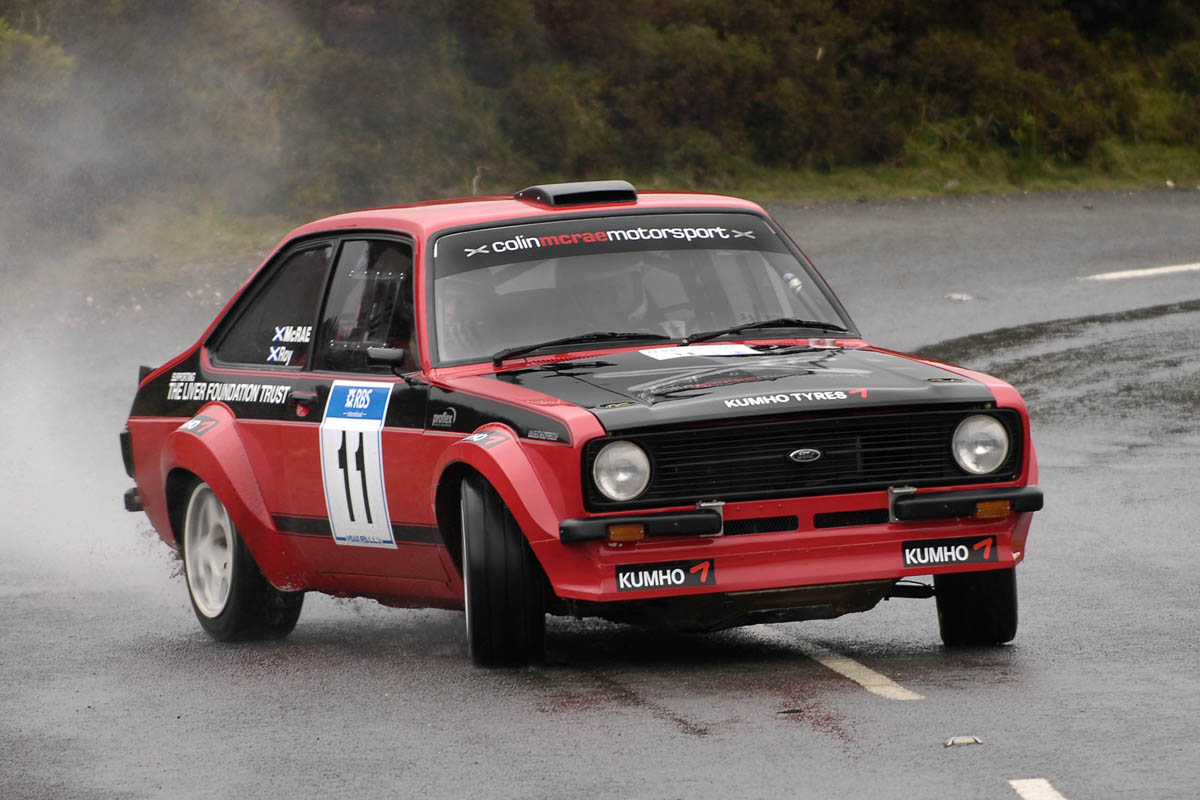
8. Ford Escort Mk II – Colin McRae
- Engine: 2.0L inline-4
- Horsepower: 110 hp
- Torque: 118 lb-ft
- Length and Width: 156.7 in, 62.8 in
Rally heritage carries a distinct identity, and the Ford Escort Mk II linked to Colin McRae, represents that spirit with clarity. Known for his fearless driving style and commitment to pushing limits, McRae brought attention to rallying in a way that resonated with audiences worldwide. The Escort Mk II served as an early chapter in that journey.
Compact dimensions and rear-wheel-drive layout defined the Escort Mk II’s character. Built for versatility, it adapted well to various rally conditions, including gravel, tarmac, and mixed surfaces. McRae’s ability to control the car through challenging stages highlighted its responsiveness and durability.
Unlike modern rally cars filled with electronic systems, the Escort Mk II relied heavily on driver input. Steering, throttle control, and braking required constant attention. McRae’s aggressive approach made full use of these characteristics, often pushing the car to its limits while maintaining control.
Owning a car like this played a big role in shaping McRae as a driver. Getting behind the wheel of machines like the Escort Mk II early on helped him understand how rally cars behave and respond. Those lessons stayed with him and contributed to his success at the top level of the sport.
The Escort Mk II wasn’t just designed to look sporty; it had a clear purpose. Its wide flared wheel arches, rally wheels, and other performance upgrades weren’t decorative; they were built to help it survive and perform in harsh rally conditions.
Cars linked to McRae are especially valuable to collectors. A verified competition history makes them even more desirable, particularly when tied to specific races or events. These cars aren’t just machines; they capture real moments from motorsport history and reflect the skill and style of the drivers who pushed them.
Restoration work on rally cars requires careful planning. Maintaining authenticity while ensuring structural safety is essential. Many owners choose to preserve period-correct specifications, including suspension setup, engine configuration, and interior layout.
Public demonstrations and rallies keep these cars active, allowing audiences to witness their capabilities. Hearing an Escort Mk II at full throttle on a rally stage offers an experience that static displays cannot match. Colin McRae’s influence continues to shape rally culture, and cars connected to him remain highly regarded. The Ford Escort Mk II stands as a reminder of a time when raw skill and mechanical simplicity defined success in rallying.
