
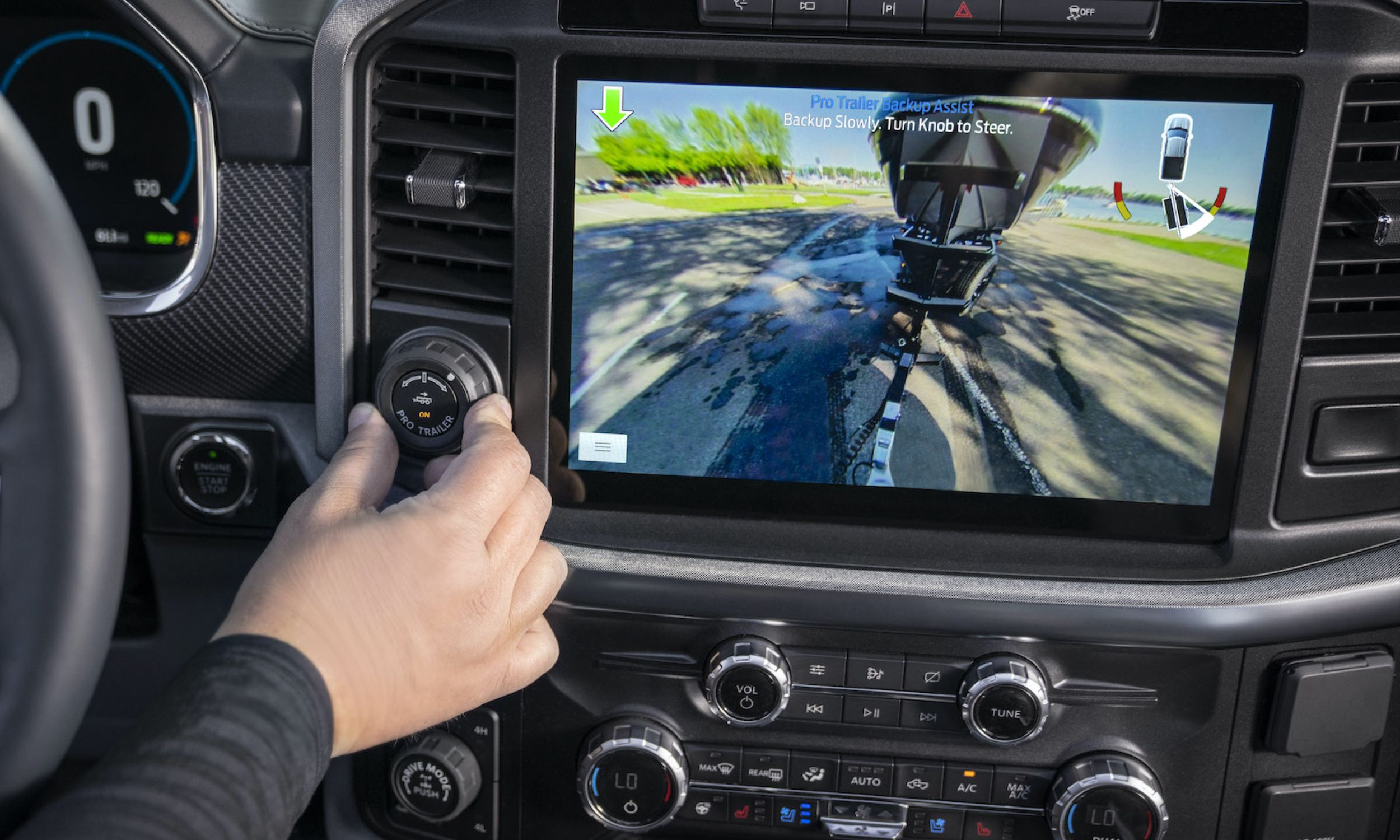
Most drivers step into a car today and expect comfort, safety, and convenience without giving much thought to how those features first appeared. Air flows at the touch of a button, windows rise with a switch, and engines maintain steady speed without constant pedal input. These are everyday experiences now, yet each one started as something rare, expensive, and reserved for high-end models.
Automakers once used new features as selling points for prestige rather than practicality. Early adopters paid extra for comforts that many considered unnecessary at the time. Over the years, consumer demand, engineering progress, and mass production brought those same features into standard vehicles. What once separated luxury cars from basic transportation has slowly faded.
This page examines ten car features that were once considered luxury options but have now become a normal part of everyday driving. Each section explains how these features gradually shifted from exclusive, high-end additions to standard equipment in most vehicles. From climate control systems that used to be a mark of premium sedans to smartphone connectivity that drivers now depend on, it highlights how expectations in car design have changed as time goes on.
Some of these features were introduced mainly to improve comfort, others were focused on safety, while several completely changed the way people interact with their cars. Today, many drivers use these systems daily without even thinking about their original status as advanced innovations.
Looking at their development gives a clearer understanding of how automotive technology has advanced and how convenience has moved from being a luxury to something expected.
1. Air Conditioning
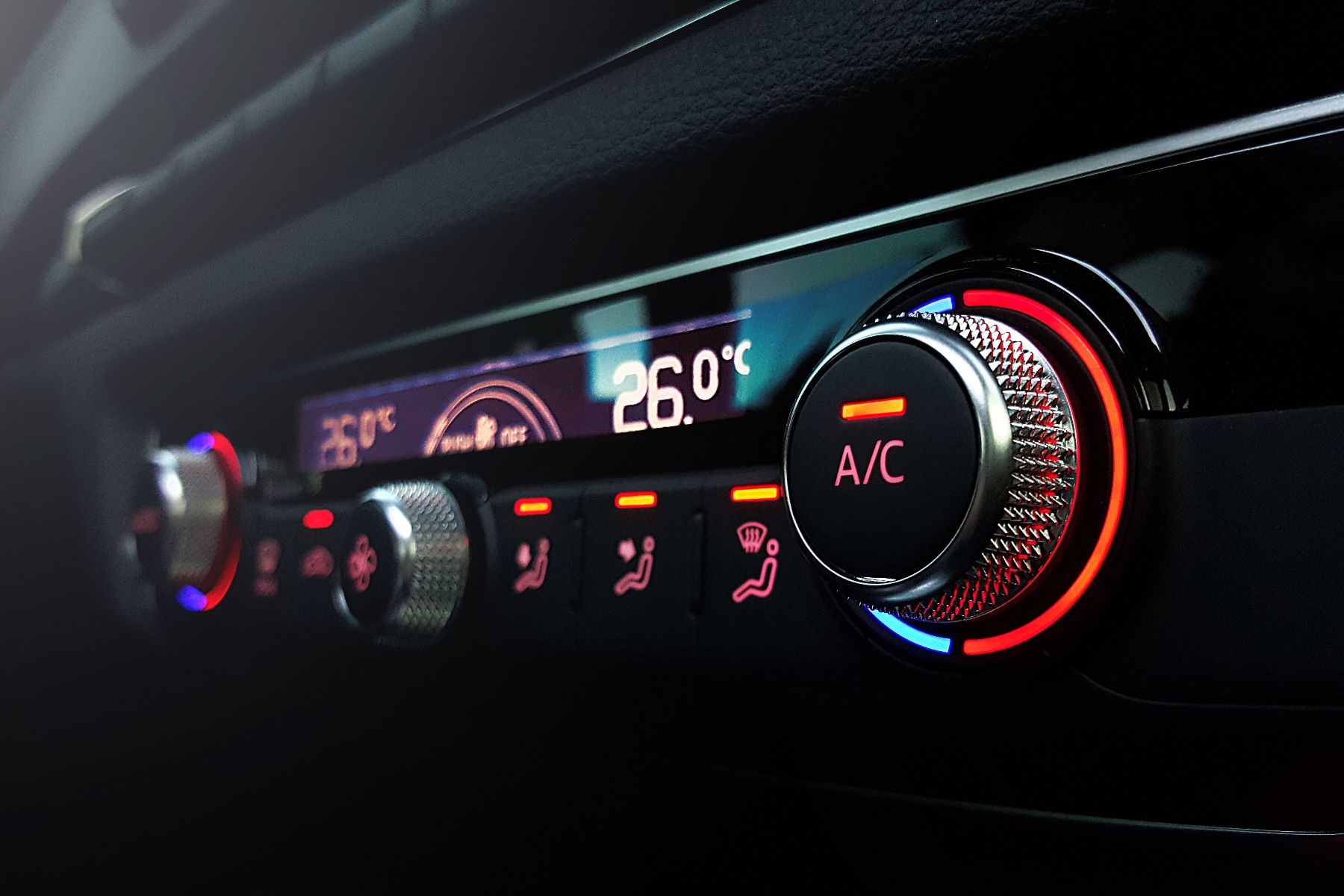
Vehicle air conditioning began as an exclusive comfort feature reserved for high-end automobiles during the mid-twentieth century. Early implementations appeared in large luxury sedans where buyers were willing to pay extra for improved cabin comfort. One of the most recognized early adopters was the Chrysler Imperial, which helped introduce factory-installed cooling systems to wider public attention during the 1950s.
At that period, cooled cabin air was viewed as a premium comfort rather than a basic requirement. The system occupied considerable space within the vehicle structure and added extra weight to the total build. Fuel consumption also rose due to the additional load placed on the engine. Because of these factors, manufacturers restricted air conditioning to top-tier trims or offered it only as an optional extra, often at a high additional cost.
During the early stage of development, installation presented real engineering challenges. Large compressors, bulky condensers, and intricate ducting systems had to be fitted into vehicles that were not originally designed to accommodate such equipment. This made production more expensive and reduced the rate of adoption across the automobile market. Buyers who selected air conditioning were usually those prioritizing comfort during long journeys or those living in regions with consistently high temperatures.
As car technology improved, air conditioning systems got better, too. Compressors became more compact, lighter, and more efficient, while refrigerants were updated to be safer and work more effectively. At the same time, car designs advanced, making it easier to fit cooling components into the cabin without taking up too much space. These changes helped lower production costs and made it easier to offer AC in a wider range of vehicles.
As manufacturing became more standardized, air conditioning stopped being limited to luxury cars. It gradually showed up in mid-range models and eventually in more affordable entry-level vehicles. What was once an extra feature turned into something most automakers included as standard across many models worldwide.
Today, air conditioning is considered a basic necessity in cars rather than a luxury. It helps drivers stay alert by reducing heat-related fatigue during long drives. Modern systems go beyond simple cooling, with features like automatic climate control that manage temperature, airflow, and humidity with little input from the driver.
2. Power Windows
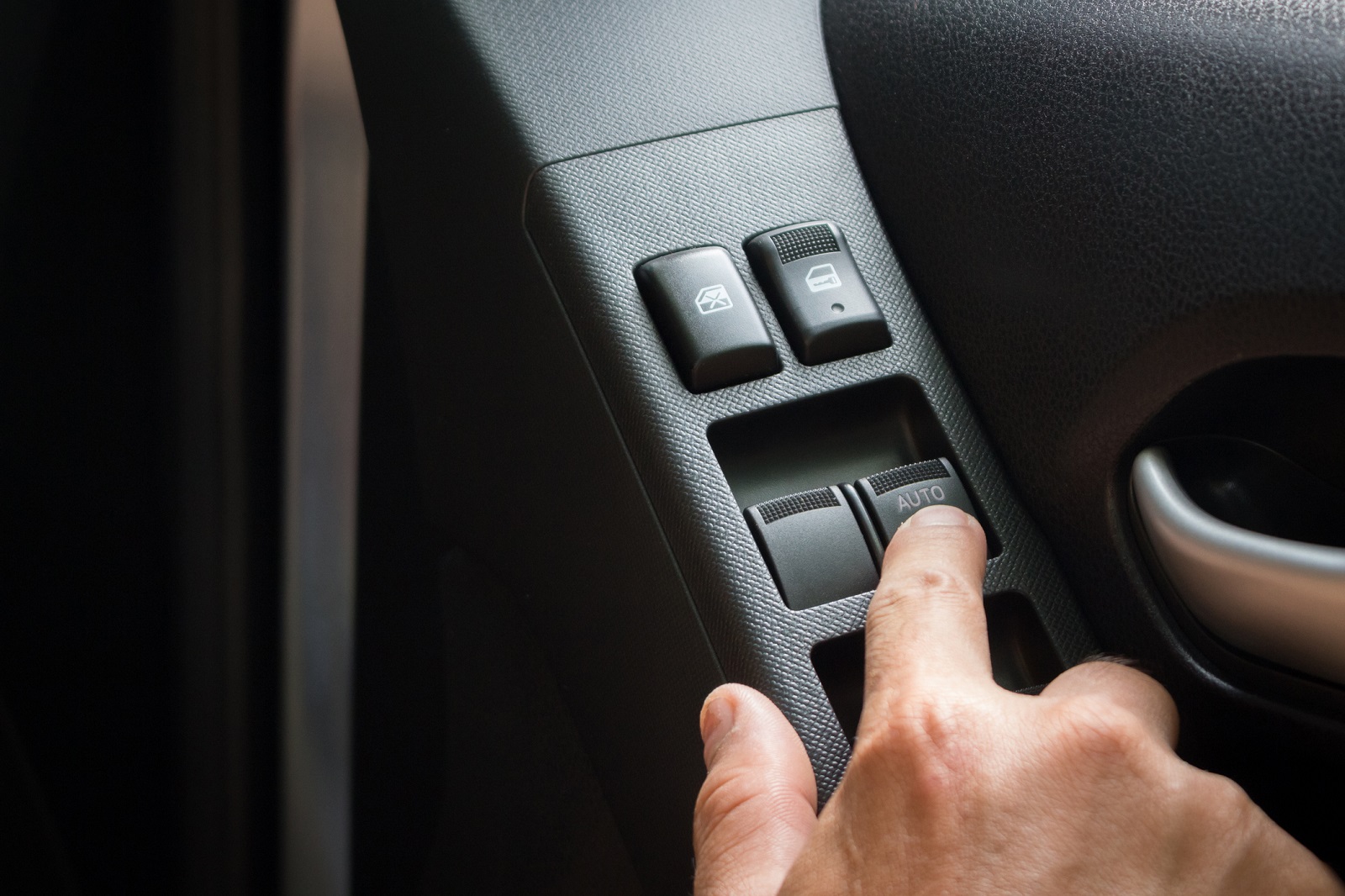
Electric window systems were originally introduced as a premium convenience feature in early luxury automobiles. One of the earliest known applications appeared in the Packard 180 series in 1940, where hydraulic-assisted mechanisms replaced traditional manual crank systems. At the time of introduction, this innovation was considered highly advanced and was available only to buyers within the upper segment of the automobile market.
In its early form, the technology was expensive to manufacture and required intricate mechanical and electrical components. The complication of the system meant that installation and maintenance were both costly, limiting its availability to luxury vehicles. For many motorists during that era, manually operated windows remained the standard and widely accepted method of ventilation control for several decades.
As automotive electrical systems improved in reliability and efficiency, manufacturers began to refine power window technology. Electric motors became smaller, more durable, and more affordable to produce. These improvements allowed automakers to gradually introduce the feature into a broader range of vehicle categories beyond luxury sedans.
By the late twentieth century, power windows had transitioned from a high-end option into a common feature found in most production vehicles. Their adoption was further supported by consumer preference, as drivers increasingly valued convenience and ease of operation. Many modern vehicles now include centralized window control systems that allow the driver to operate all windows from a single interface.
Power windows today are a lot more advanced than they used to be. They now come with safety features like auto-reverse, which stops the window if something gets in the way to prevent injuries or damage. It’s part of a bigger push to make cars both easier to use and safer.
Manual windows are pretty uncommon now and mostly show up in basic models or work vehicles. Power windows have become standard in most cars, showing how something that used to be a luxury is now just a normal, expected feature thanks to better technology, lower costs, and what drivers want.
Also Read: 9 Used Car Features That Look Cool But Break Within a Year

3. Cruise Control
Cruise control, which was initially introduced under the name “Autopilot,” first appeared in selected Chrysler models around 1958. At its early stage, the system was designed to help drivers maintain a steady speed without continuous pressure on the accelerator pedal. This made it especially useful for long highway journeys, where consistent speed control reduced physical strain on the driver.
When it first entered the automotive market, cruise control was regarded as a high-end comfort feature. It was not something commonly found in standard vehicles, as it was positioned mainly for buyers who spent extended periods driving on highways or preferred added convenience during travel. The idea of a vehicle maintaining speed on its own was considered advanced for that period.
Early cruise control systems operated using mechanical and vacuum-based mechanisms that controlled the throttle position. These systems were relatively intricate and required precise calibration to function properly. While the concept was innovative, the technology at the time made it expensive to produce and maintain, which limited its availability to higher-priced vehicles.
Because of these limitations, adoption remained restricted for several years. It was mostly offered in larger, more expensive models where comfort and long-distance driving capability were prioritized. For everyday drivers, manual speed control remained the standard practice.
As automotive technology progressed, particularly with the introduction of electronic control systems, cruise control began to improve in both accuracy and reliability. Mechanical components were gradually replaced with electronic sensors and computer-based systems. This transition allowed smoother speed regulation and easier integration with engine management systems.
In present-day automotive design, cruise control is considered a standard feature in many vehicles, particularly those designed for highway efficiency. It supports driver comfort during long-distance travel by reducing fatigue and maintaining a consistent driving speed without constant pedal engagement.
The progression of cruise control from a luxury convenience feature to a widely used driving aid demonstrates how automation has gradually become part of everyday driving behavior. It also reflects how manufacturers have shifted focus toward improving comfort and reducing driver workload in modern vehicles.

4. Anti-Lock Braking Systems (ABS)
Anti-lock braking systems, commonly known as ABS, originated as advanced safety technology developed for aircraft and high-performance vehicles before being introduced into passenger cars. Early automotive versions were first seen in premium European models, where stability during braking was considered a major engineering focus.
The primary function of ABS is to prevent wheel lock-up during sudden or hard braking. It achieves this by rapidly controlling and adjusting brake pressure at each wheel. This allows the driver to maintain steering control while slowing the vehicle, especially on slippery or uneven road surfaces.
In the early stages of adoption, ABS was expensive to produce and required advanced engineering systems that were not widely available. As a result, it was initially limited to luxury vehicles and high-end performance cars, where manufacturers could justify the additional cost through improved safety features.
At that time, ABS was presented as a premium safety enhancement rather than a standard requirement. It appealed to drivers who valued better control during emergency braking situations, particularly in regions with wet or icy road conditions.
With advancements in electronic control units and automotive sensor technology, ABS systems became more affordable and reliable. These improvements allowed manufacturers to integrate the system into a wider range of vehicles, including mid-range and economy models.
As adoption increased, regulatory bodies in several countries began mandating ABS as standard equipment in all new passenger vehicles. This regulatory push played a major role in making the system universally available across global automotive markets.
Modern ABS works alongside systems like traction control and stability control to help keep the car steady and prevent skidding, especially during hard braking. Most drivers don’t even notice it working unless they have to brake suddenly on a slippery road. These days, ABS is a basic safety feature found in almost every car, no matter the price.
Its widespread use has helped make driving safer and reduced how serious braking-related accidents. The development and adoption of ABS demonstrate how safety innovations that once belonged to high-performance or luxury segments can become essential standards in everyday transportation. It also reflects the steady evolution of automotive engineering toward greater emphasis on driver protection and control.
5. Keyless Entry and Push-Button Start
Keyless entry systems combined with push-button ignition first appeared in premium vehicles during the late 1990s, with early implementations seen in models from manufacturers such as Mercedes-Benz. At the time of introduction, this technology was considered a high-level convenience feature designed to simplify vehicle access and operation.
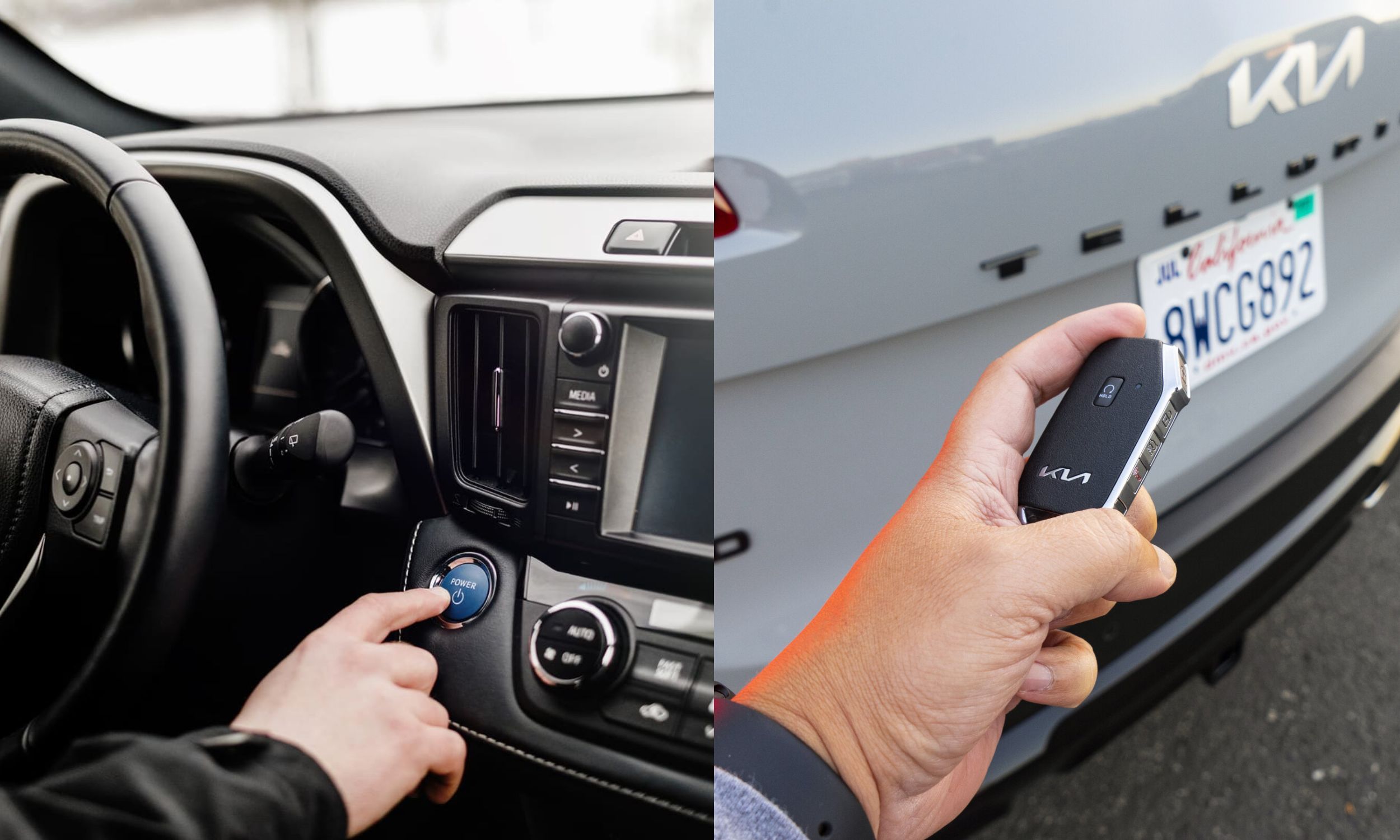
The system allows drivers to unlock and start a vehicle without physically inserting a traditional key. Instead, a key fob communicates wirelessly with the car, enabling entry and ignition as long as the device is within a certain proximity. This introduced a new level of convenience compared to traditional mechanical key systems.
During its early adoption phase, keyless entry and push-button start were restricted mainly to luxury vehicles due to high production costs and the need for advanced electronic security systems. Manufacturers had to ensure that encrypted signals and proximity detection methods were secure enough to prevent unauthorized access or engine start.
As electronic components became more affordable and reliable, the technology gradually expanded beyond luxury segments. Improvements in wireless communication and security protocols allowed automakers to integrate keyless systems into mid-range and entry-level vehicles.
As time goes on, the feature has advanced from a premium convenience option into a widely expected standard in modern vehicles. Many drivers now use keyless entry and push-button start without considering its earlier status as a luxury innovation.
Newer versions of this system come with extra features like automatically locking the car when you walk away, opening the trunk remotely, and even using your smartphone as a digital key. All of this makes everyday driving a lot more convenient. Push-button start has also taken the place of traditional keys in many cars. Instead of turning a key, you just press a button to start or shut off the engine, making the whole process quicker and easier.
The widespread adoption of keyless entry and push-button start reflects the broader integration of digital technology into automotive design. What began as a premium feature for high-end vehicles has now become a common method of accessing and operating cars across multiple market segments.

6. Remote Start
Remote start began as a high-end convenience feature offered through aftermarket installers and select luxury vehicle packages. Early versions required additional wiring modules installed separately from factory systems, which made them expensive and limited in availability. At that stage, it was considered a premium upgrade rather than a standard automotive feature.
The core function allows a driver to start a vehicle engine from a distance using a key fob or mobile application. This provides cabin cooling or heating before entering the car, improving comfort during extreme weather conditions. Initially, this level of convenience was reserved for luxury sedans and high-trim SUVs.
As vehicle electronics became more integrated, manufacturers began incorporating remote start directly into factory-installed systems. Key fobs advanced to include dedicated remote start buttons, and later models introduced smartphone connectivity for even greater convenience.
Adoption grew rapidly in regions with harsh winters and hot climates, where pre-conditioning the cabin became highly valued. What once required aftermarket installation is now commonly included in mid-range and even entry-level vehicles across multiple brands.
Modern systems often include safety checks that ensure the vehicle is in park, doors are locked, and the engine is operating under safe conditions before activation. Some systems also limit runtime to prevent fuel waste or battery drain.
The feature’s progression reflects how convenience technologies can transition from specialized luxury add-ons into standard expectations. Drivers today often assume remote start capability is included without considering its earlier status as a premium upgrade requiring additional cost and installation effort.
7. Touchscreen Infotainment Systems
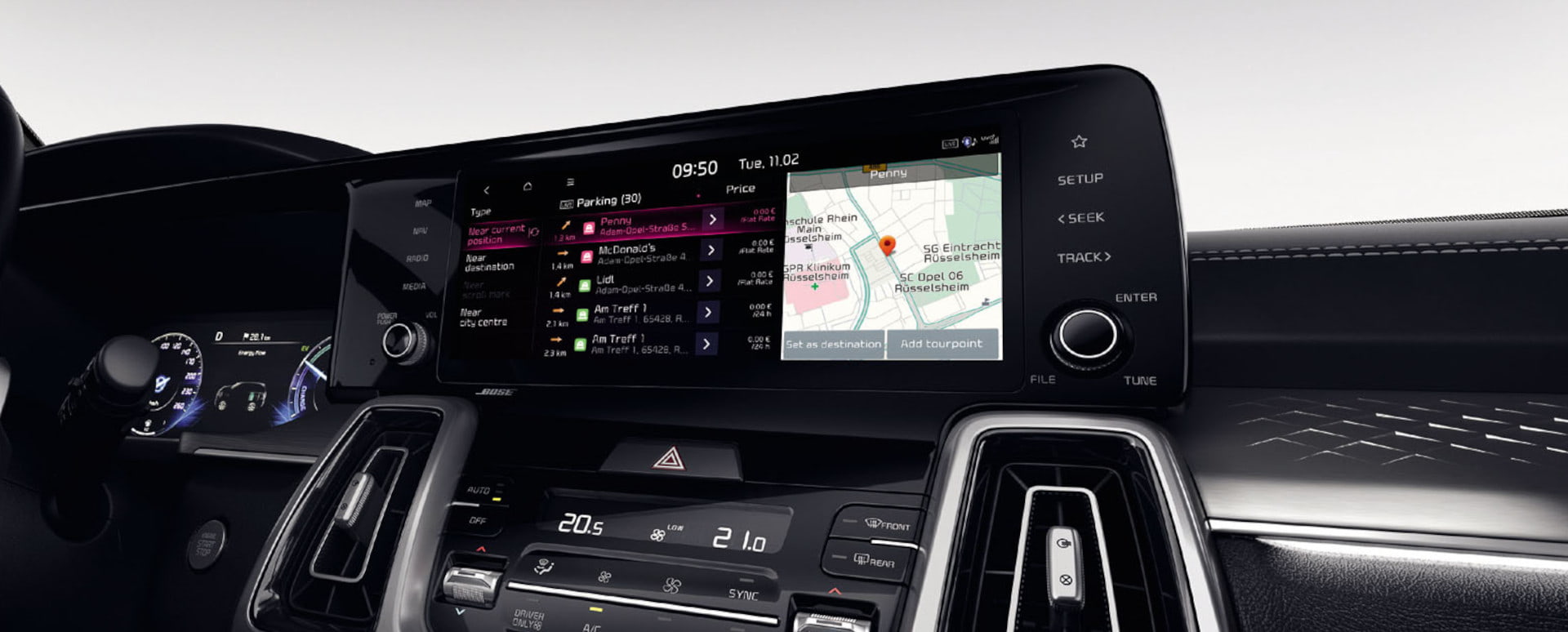
Touchscreen infotainment systems first appeared in premium vehicles during the early 2000s. Early examples, such as those found in the Lexus LS series, introduced centralized digital displays that combined navigation, audio control, and vehicle settings into a single interface.
At that time, most vehicles still relied on physical buttons, knobs, and analog controls. Touchscreen systems were expensive to produce and required specialized software integration, which limited their availability to luxury models.
Initial versions were often slow, less responsive, and limited in functionality compared to modern systems. Despite this, they represented a major step toward digital integration inside vehicles.
As smartphone technology advanced, automotive infotainment systems advanced speedily. Manufacturers began designing larger screens with improved resolution, faster processors, and more intuitive interfaces. Touch interaction replaced many physical controls, changing how drivers engaged with vehicle systems.
Touchscreen infotainment systems have become the main control centers in modern vehicles, handling navigation, media playback, climate settings, and connectivity functions.
Today, many cars come equipped with large upright or horizontally oriented displays across a wide range of price segments, and compatibility with platforms like Apple CarPlay and Android Auto has broadened their usefulness by enabling seamless smartphone app integration directly on the screen.
What was once a luxury technology reserved for premium sedans is now a defining feature of modern automotive interiors, shaping how drivers interact with nearly every aspect of their vehicle.
8. Backup Cameras
Backup cameras began as optional safety equipment in high-end luxury vehicles before becoming widespread across mainstream models. Early systems appeared in premium brands such as Infiniti and Lexus, where they were introduced to assist with parking and reversing in tight spaces.
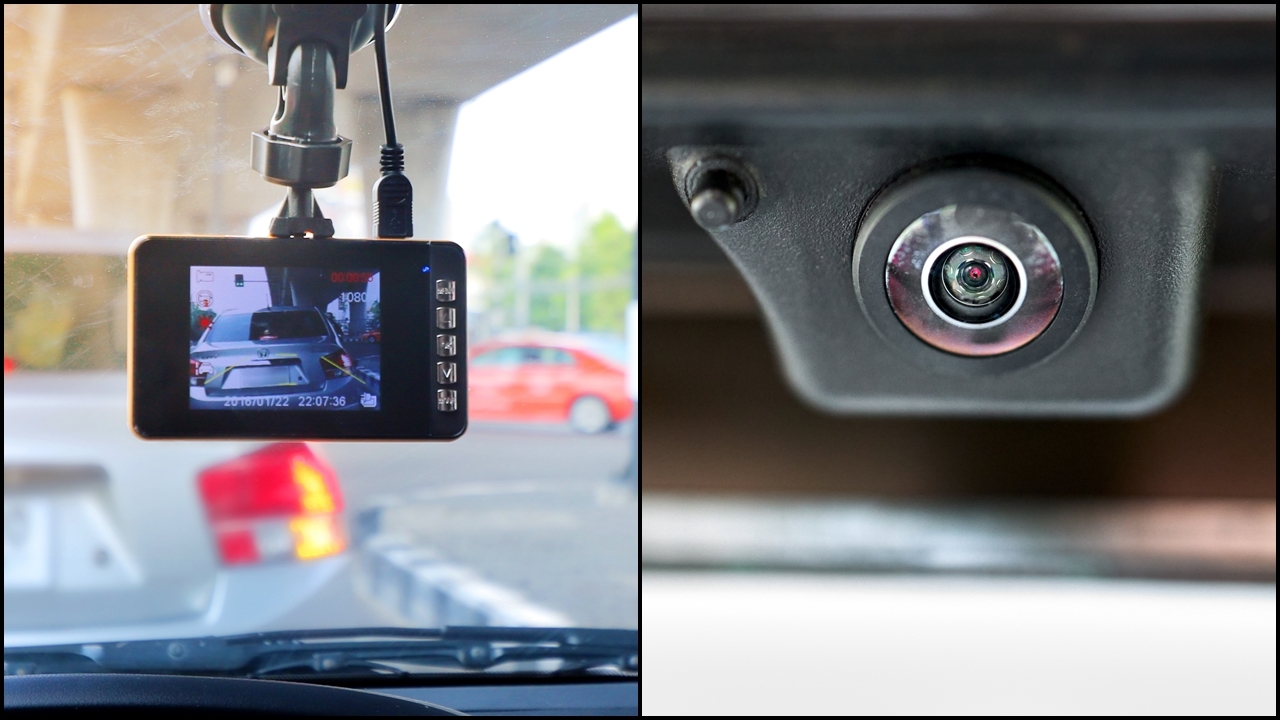
The technology uses a rear-mounted camera connected to a display screen inside the cabin, giving drivers a clear view of obstacles behind the vehicle. At first, this feature was considered advanced safety equipment and was not widely available due to cost and manufacturing limitations.
As awareness of reversing-related accidents grew, regulatory bodies began encouraging broader adoption of rear visibility systems. Advances in camera technology and display manufacturing reduced production costs, allowing automakers to integrate them into more affordable models.
Eventually, backup cameras became mandatory in new passenger vehicles in several markets, including the United States, where safety regulations required improved rear visibility for all cars. Modern systems often include guiding lines, wide-angle lenses, and multiple camera angles for improved awareness. Some vehicles also incorporate sensors that work alongside cameras to provide alerts when obstacles are detected.
What was once a luxury convenience has now become a standard safety requirement. Drivers today rely heavily on backup cameras for parking and maneuvering in tight spaces, often using them as a primary reference rather than a secondary aid.
9. Heated Seats
Heated seat systems first entered the automotive space in the mid-1960s, with early adoption appearing in models such as the Cadillac DeVille in 1966. At that stage, the feature was positioned as a high-end comfort addition, mainly targeted at buyers in colder regions where winter driving conditions made cabin warmth a priority rather than a convenience.
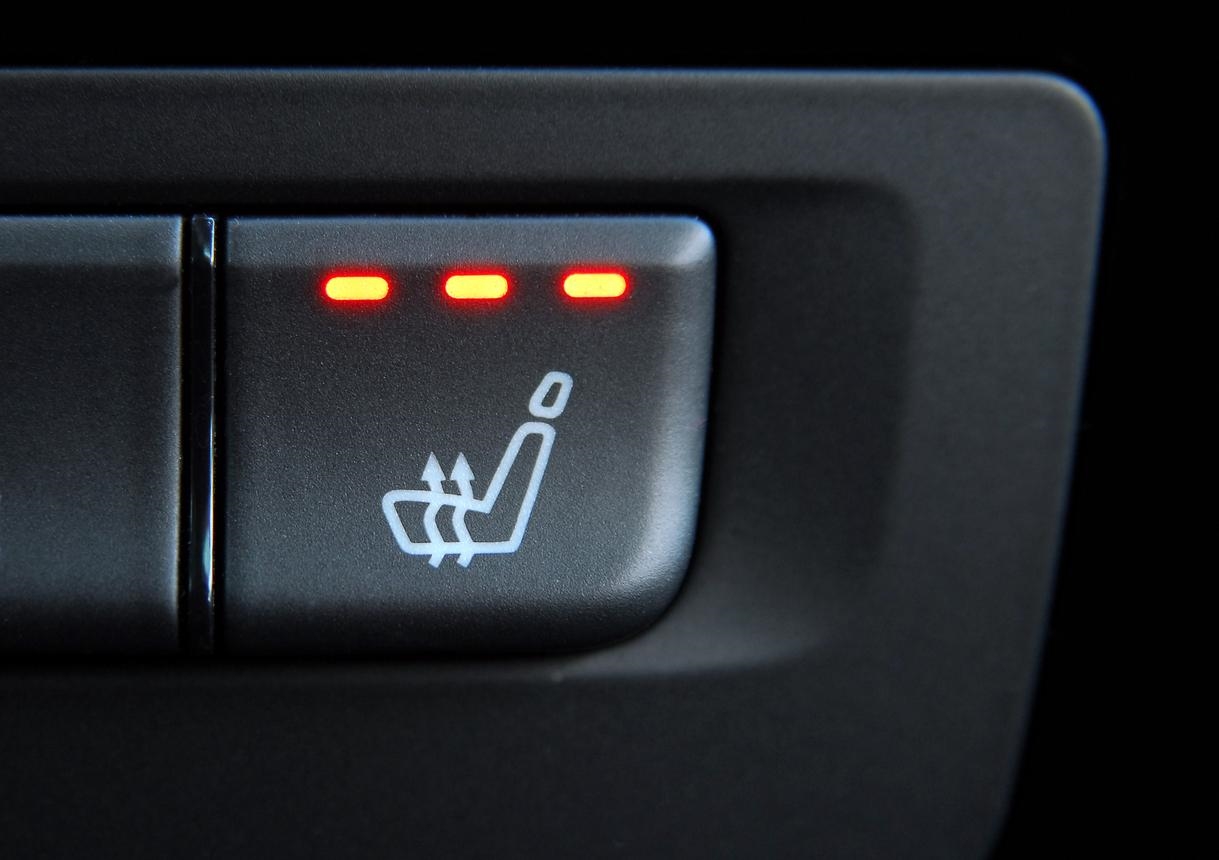
In its early form, the system was fairly simple in construction. Electric heating elements were embedded within the seat cushions and backrests, designed to produce steady warmth when activated. Controls were usually basic, often limited to a manual switch with one or two heat settings. Despite its simplicity, it offered a level of comfort that was uncommon in most standard vehicles of that era.
For several decades, heated seats remained closely linked with premium automobiles. Luxury sedans and higher-end sport utility vehicles were the primary platforms where this feature appeared. Production costs, combined with added wiring and interior design adjustments, meant that mass-market vehicles rarely included it as standard equipment.
In current automotive offerings, heated seats are widely available and often included even in entry-level trims, depending on the region. In colder climates, the feature is frequently treated as standard equipment due to its practicality. Some modern systems now offer multiple heat levels, automatic temperature regulation, and timed shutoff functions for safety and efficiency.
Expansion of the feature has also gone beyond front seating positions. Many modern vehicles now include heated rear seats, especially in higher trim levels, providing comfort for all passengers. What was once considered an exclusive luxury has become a common expectation in many vehicle categories.
Also Read: 8 Concept Car Features That Finally Became Real
10. Apple CarPlay and Android Auto
Smartphone integration platforms such as Apple CarPlay and Android Auto entered the automotive industry around 2014, marking a new phase in how drivers interact with in-car technology. At their introduction, availability was restricted mainly to premium brands such as Mercedes-Benz, BMW, and Audi, where advanced infotainment systems were already part of the vehicle’s appeal.
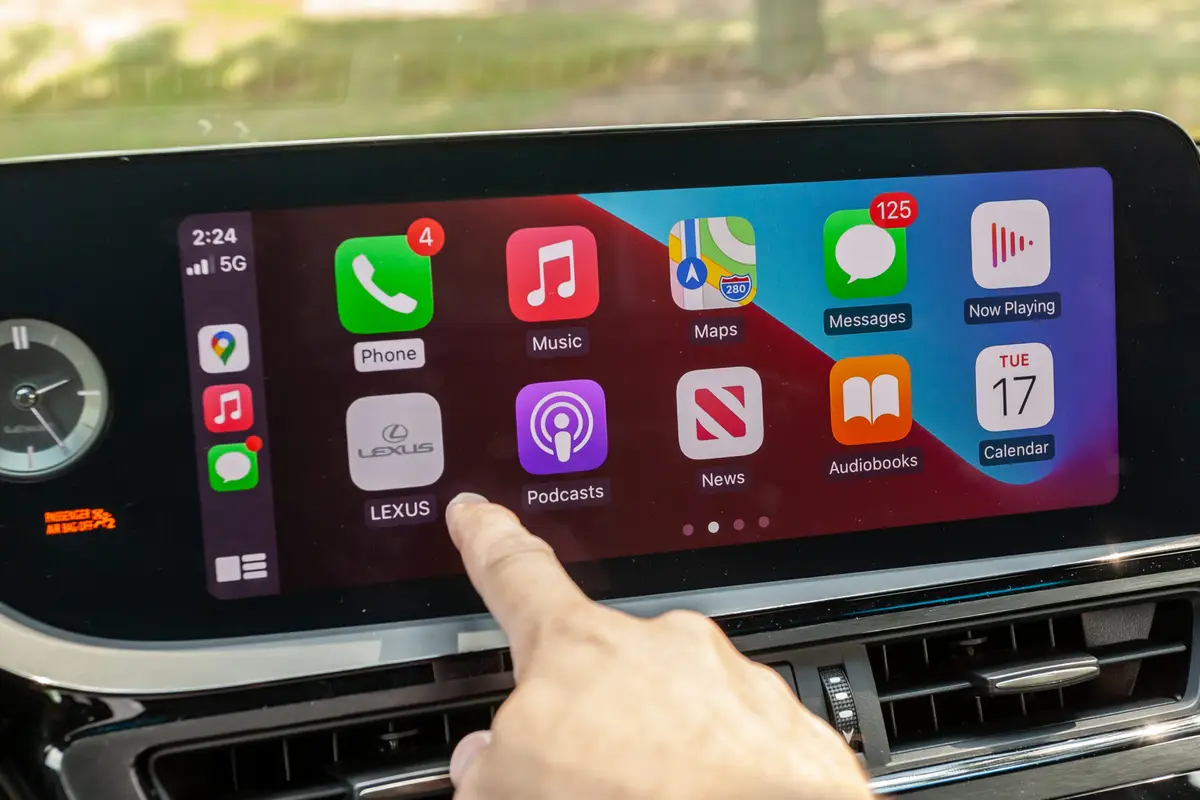
These systems were designed to connect smartphones directly to a vehicle’s infotainment screen. Once connected, drivers could access navigation apps, messaging services, music libraries, and voice assistants through an interface designed specifically for driving use. The intention was to reduce distraction while improving access to essential digital functions.
Within a few years, Apple CarPlay and Android Auto transitioned from optional extras to standard features in most new vehicles. Manufacturers redesigned infotainment systems to support both platforms, making integration smoother and more consistent across brands and model ranges.
Modern versions of these systems now support wireless connectivity, allowing drivers to link their phones without physical cables. Voice command functionality has also improved, reducing the need for manual input while driving. This has strengthened safety and convenience in daily use.
Today, smartphone integration is widely regarded as a basic expectation in new vehicles across multiple price categories. Whether in compact cars or large sport utility vehicles, drivers expect seamless access to their digital ecosystem through the dashboard interface. What started as a premium digital upgrade has now become a standard part of the modern driving experience, reflecting how closely automotive technology has merged with personal mobile devices.
