
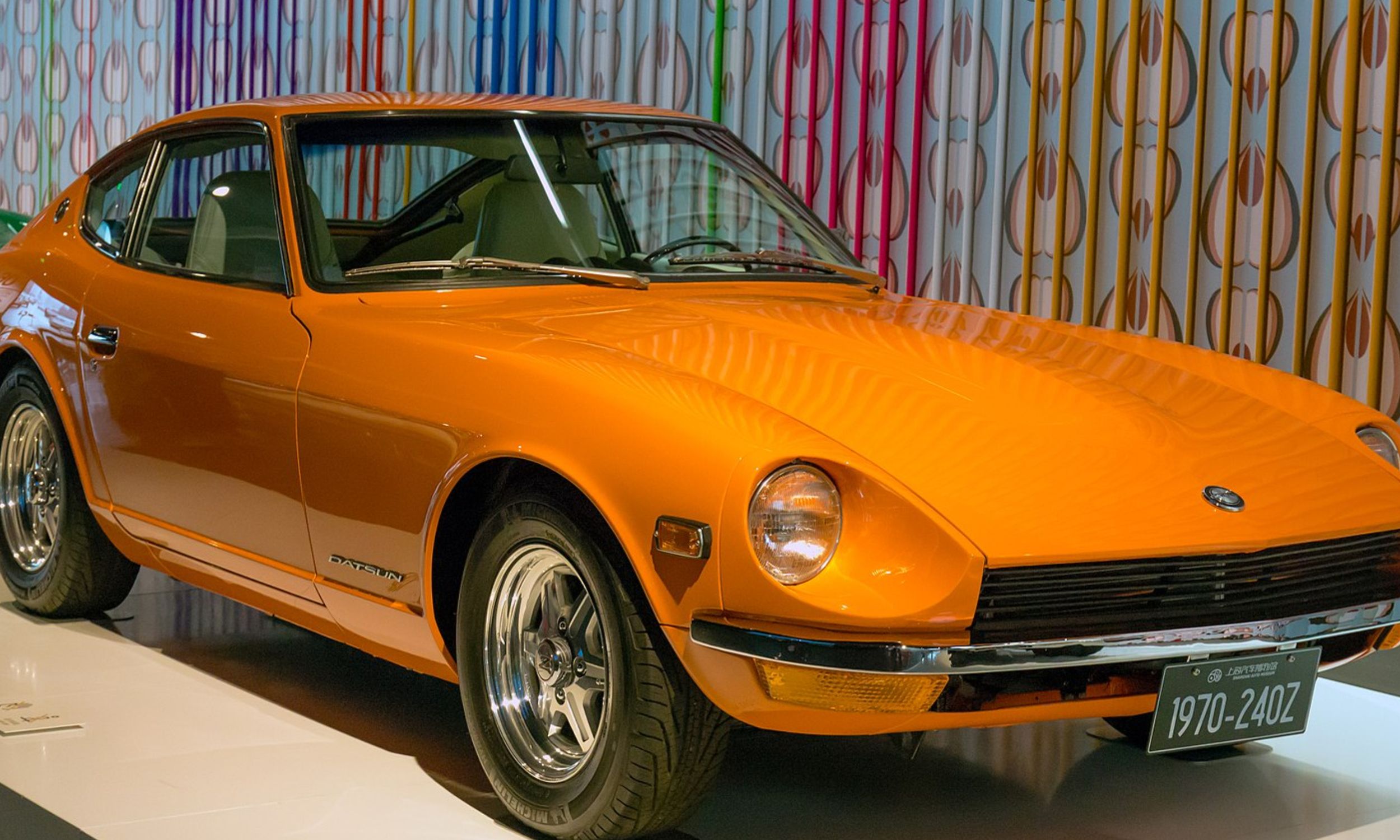
Automotive history is often shaped by celebrated achievements, yet a number of vehicles that later gained wide recognition started from very unfavorable positions. Several models that are now admired by collectors, filmmakers, and automobile enthusiasts once struggled with poor public reception, financial losses, or serious doubts about their design direction.
In their early years, these cars were affected by weak sales performance, production challenges, and disagreements between engineering intentions and market expectations. What makes these vehicles especially interesting is not only where they eventually ended up, but the difficult beginnings that defined their early existence.
Some were introduced with technology that was ahead of what the market could comfortably accept at the time. Others carried styling choices that divided opinion among buyers and critics. Some models became commercial disappointments so severe that they placed heavy strain on the manufacturers responsible for them.
Although many of these cars were once heavily criticized and struggled in their early years, a huge number are now preserved in museums, featured in major films, and actively bought and sold by collectors for high value. This change in perception did not happen quickly. It developed over many years through cultural influence, historical reassessment, and growing appreciation for the engineering effort that went into their design and production.
Cars that were once ignored or undervalued later gained recognition for features and strengths that were not fully appreciated at the time they were released. In some cases, newer generations of enthusiasts took a fresh look at their design and performance, which eventually led to greater admiration.
This piece looks at eight well-known cars that did not have smooth beginnings but later gained recognition in different ways. Each one has its own background story, whether it involved financial difficulties, daring engineering choices, public backlash, or legal issues.
1. DeLorean DMC-12
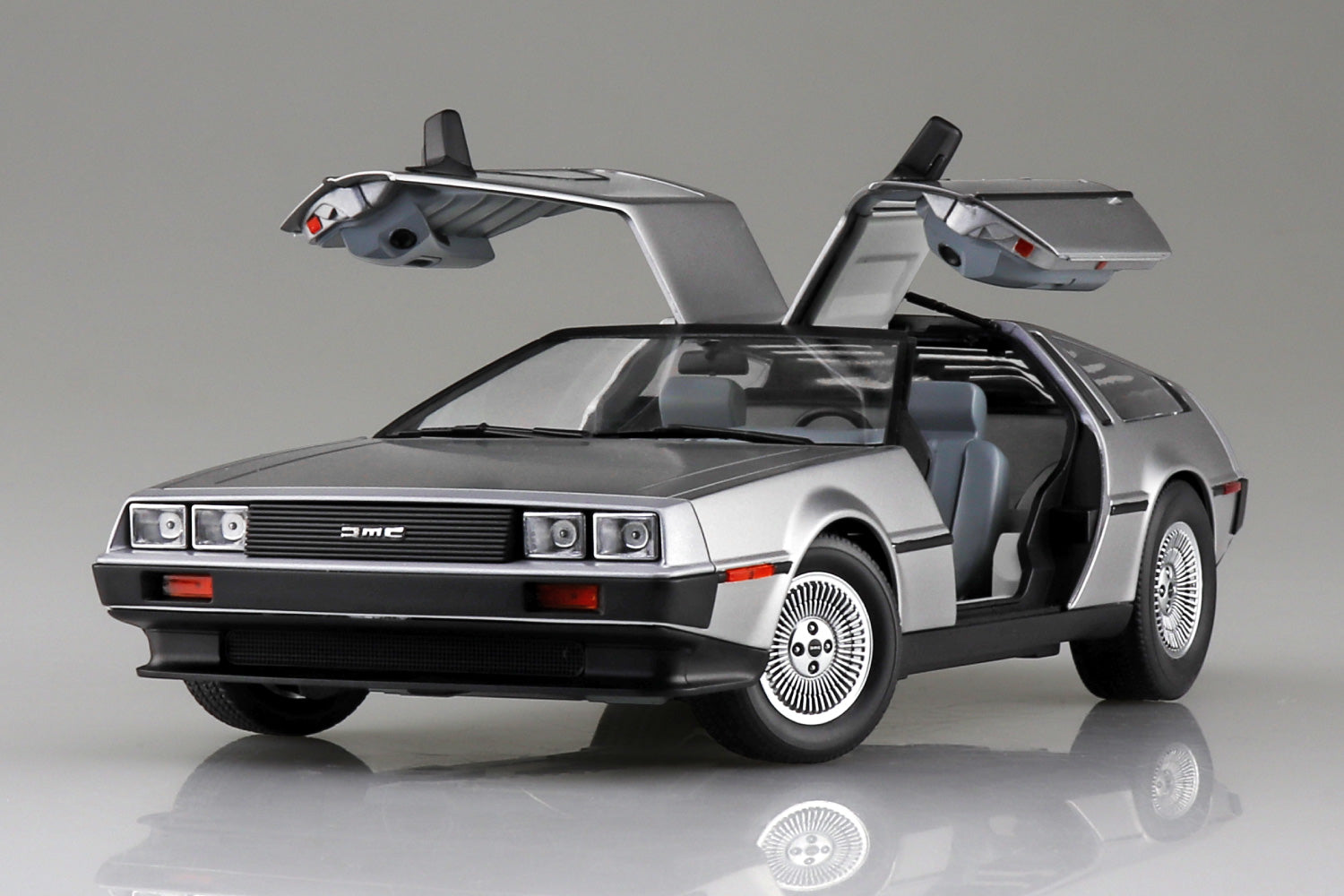
Few vehicles illustrate commercial disappointment and later redemption like the DeLorean DMC-12. When production began in the early 1980s, expectations were high. The stainless steel body, gullwing doors, and futuristic styling positioned the car as a bold entry into the sports car market. John DeLorean envisioned a machine that would redefine personal transportation, built in Northern Ireland under political and financial pressure.
Reality did not match ambition. The DeLorean struggled with performance, delivering modest power compared to rivals of its time. Build quality issues surfaced early, including panel alignment problems and underwhelming driving dynamics. Pricing placed it near established performance brands, yet it failed to deliver comparable speed or refinement. Sales lagged almost immediately.
Financial strain followed quickly. The company burned through investment capital at a rapid pace, and production targets were not met. By 1982, DeLorean Motor Company collapsed into bankruptcy. The founder’s legal troubles further damaged public perception, leaving the DMC-12 associated more with scandal than innovation.
A few thousand units had already been produced, leaving the vehicle in an awkward position. Dealership lots carried unsold inventory, and resale values dropped sharply. At that stage, the car was widely regarded as a commercial failure with limited future relevance.
Much later, cinema completely reshaped how people saw the DeLorean. Its role in the Back to the Future films turned it into an instant symbol of time travel. The stainless steel finish and sharp, angular design fit perfectly with the futuristic image the movie wanted to create. What had once been largely overlooked suddenly gained a new identity through its appearance on screen.
After some time, interest in the car grew strongly. Values began to rise, and the few remaining units started appearing in auctions and exhibitions where they drew serious attention. A vehicle once linked to financial failure ended up becoming a cultural icon tied to creativity and retro-futuristic style, showing how powerful media influence can completely change the reputation of a product.
2. Ford Edsel
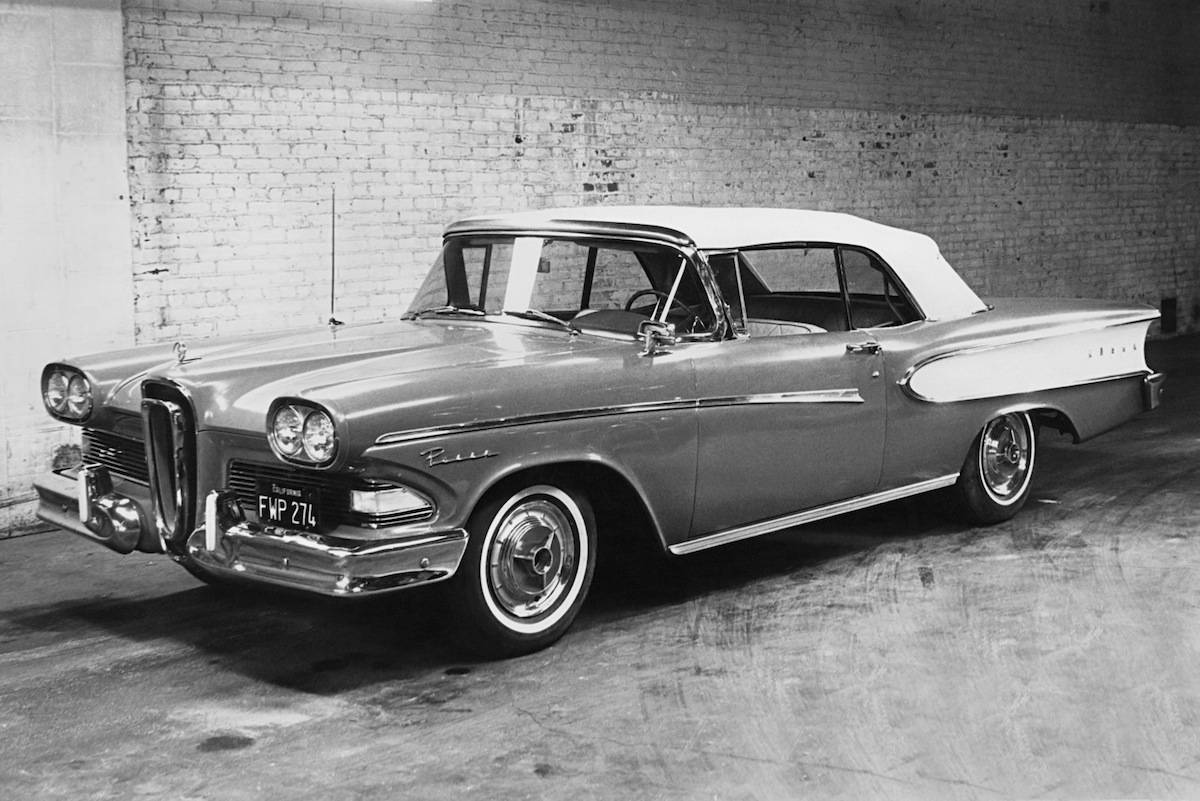
The Ford Edsel stands as one of the most referenced examples of a marketing and design failure in automotive history. Launched in 1957 after years of anticipation, the vehicle was positioned as Ford’s entry into a new premium segment. Extensive promotional campaigns built expectations around innovation and modern styling.
When the car finally reached showrooms, public reaction was far from positive. The front grille design, often compared to unusual shapes by critics, became a focal point of ridicule. Buyers struggled to understand its market position, as it sat between existing Ford and Mercury models without clear distinction.
Sales performance reflected this confusion. Dealership inventories remained unsold, and production costs far exceeded revenue. Ford invested heavily in development and marketing, yet the return failed to justify the expense. Within a short period, production was discontinued.
The Edsel became a symbol of corporate misjudgment. It highlighted the risks of relying too heavily on pre-launch hype without clear consumer demand. Automotive historians often cite it as a turning point in how manufacturers approach product positioning.
Despite its failure, the Edsel gained attention in later decades as a collector’s curiosity. Surviving models began to appear at auctions, with interest driven more by historical relevance than performance or design appeal. Restored examples found homes in private collections and museums.
After a long period of time, the way people viewed the car changed slowly. What was initially seen as a commercial failure later became a clear example of poor alignment between marketing and the actual product. In business discussions today, the Edsel is often mentioned to show that even strong branding cannot save a product if its identity is not clearly defined.
At present, it occupies a small but respected space among car enthusiasts who appreciate unusual automotive history. Its failure did not make it disappear from relevance; instead, it made it a lasting example of big ambition that was not properly executed.
Also Read: 8 Famous One Off Cars Built for a Single Person
3. Porsche 928
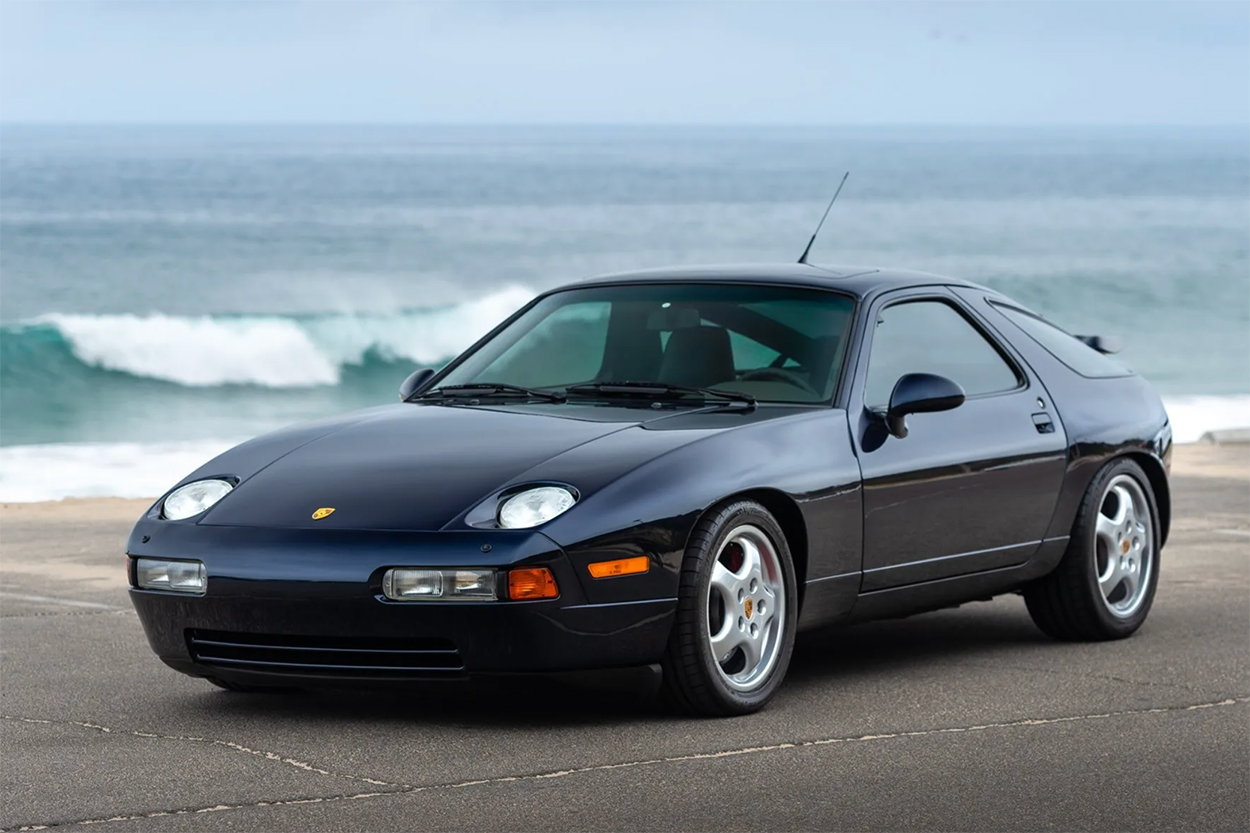
The development of the Porsche 928 began with a very ambitious plan inside Porsche during the mid to late 1970s. At that time, company leadership was considering a future where the Porsche 911 would no longer serve as the primary flagship model. The 928 was designed as the intended successor, built to represent a new direction for the brand. Unlike the traditional rear-engine layout that defined Porsche’s identity, the 928 adopted a front-mounted V8 engine paired with rear-wheel drive.
This arrangement shifted the car toward a grand touring character rather than the lightweight sports identity associated with earlier models. When the vehicle entered the market, reactions from long-time Porsche supporters were mixed and in many cases, skeptical. Many enthusiasts who had developed strong loyalty to the 911 viewed the 928 as a departure from the brand’s engineering tradition.
The design emphasis placed greater attention on comfort, long-distance driving stability, and smoother high-speed performance. While these qualities were technically impressive, they did not align with expectations of a raw, driver-focused sports machine. This difference in philosophy created a clear separation between traditional Porsche buyers and potential new customers who might have appreciated the updated direction.
As time goes on, however, opinions about the 928 began to change. While it faced early criticism, a number of drivers who used it more extensively came to value its engineering quality, comfortable interior, and steady performance at high speeds.
Its front-engine design offered a different driving character, with balanced weight distribution that made long-distance driving smooth and stable. Gradually, it became less viewed as a replacement for the 911 and more accepted as a separate grand touring car with its own clear identity and purpose.
Production of the 928 continued for close to two decades, which demonstrated that the model still had commercial relevance despite its original goal not being achieved. However, it never replaced the 911 as intended and remained secondary within Porsche’s lineup. The 911 maintained its strong position as the brand’s defining sports car, while the 928 occupied a different segment within the same portfolio.
In later years, the perception of the 928 changed among collectors and automotive enthusiasts. Well-preserved examples, especially those with manual transmission options, began attracting renewed attention. Appreciation grew around its engineering quality, durability, and comfortable long-distance capability. Rather than being viewed strictly as a failed successor, it became recognized as a technically advanced model that was misunderstood during its early years.
Today, the Porsche 928 is often regarded as a vehicle whose direction did not align with brand expectations at the time of release. It did not replace the 911, yet it maintained its own identity as a refined grand touring machine that contributed meaningfully to Porsche’s engineering history.
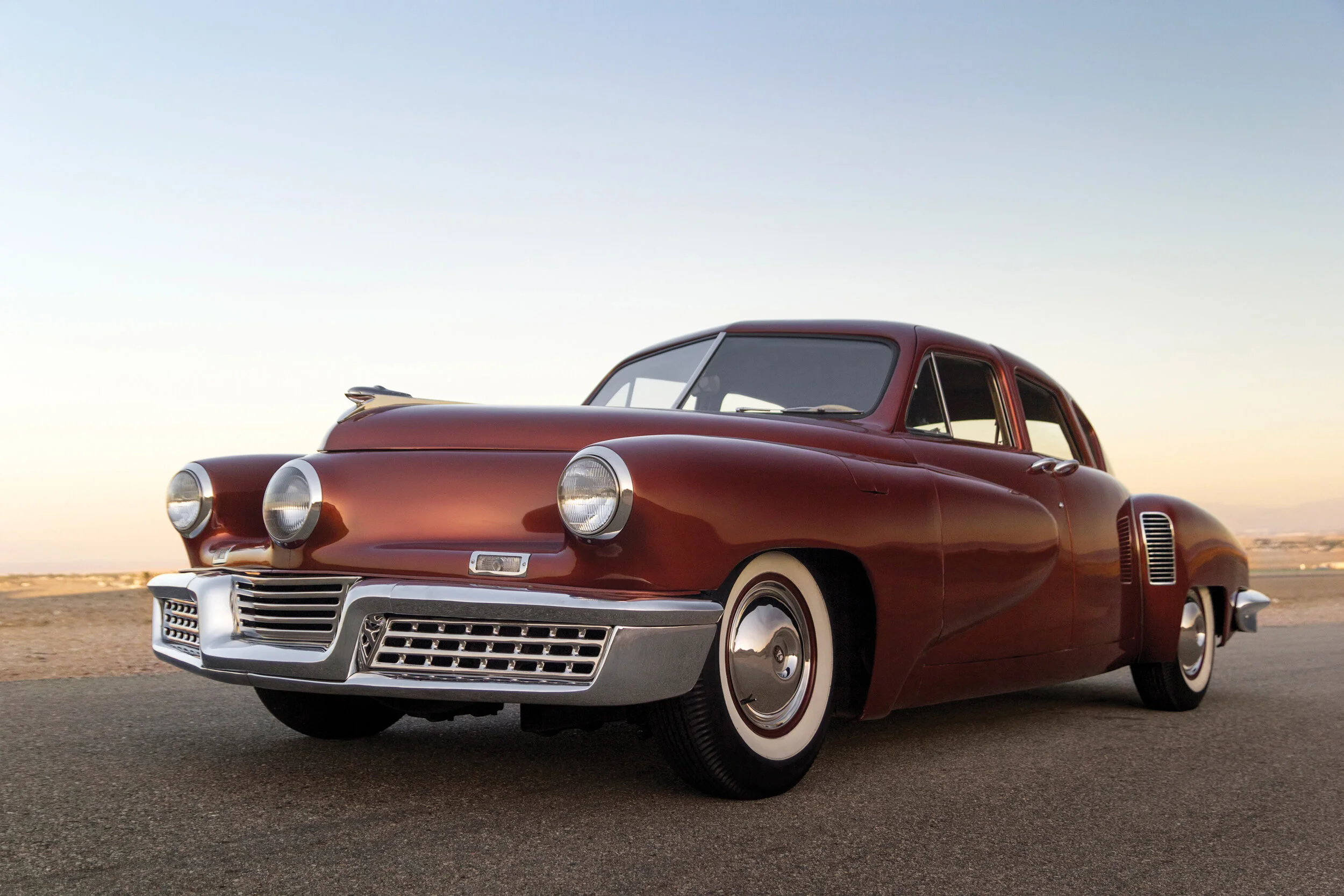
4. Tucker 48
The Tucker 48 holds a unique position in automotive history, where technical ambition was matched by business and legal challenges that limited its survival. Designed by Preston Tucker in the late 1940s, the vehicle introduced engineering ideas that were far ahead of many competitors at the time.
Features such as a central directional headlight, padded interior surfaces designed for safety, and forward-thinking structural considerations demonstrated a strong focus on passenger protection during an era when such priorities were not widely emphasized in the industry.
Public reaction to the Tucker 48 was initially very strong. Media coverage and public presentations generated considerable interest, positioning the vehicle as a potential breakthrough in automotive design. Investment support followed, and there was growing expectation that Tucker Corporation would enter large-scale production and challenge established manufacturers. The early momentum suggested a promising future for the company and its innovative vehicle design.
However, the situation changed when legal and financial pressures began to mount. Regulatory scrutiny increased, and investigations were launched into the company’s operations. Allegations of misconduct and fraud emerged, creating uncertainty around production activities and financial stability. These developments placed heavy strain on the organization and disrupted planned manufacturing expansion.
As a result of these challenges, production was severely limited. Only 51 units of the Tucker 48 were completed before the company ceased operations. This extremely small production run turned each surviving example into a rare and highly valued piece of automotive history. The original vision of mass production was never realized, and the company’s activities came to an early end.
Although the Tucker 48 was only in production for a brief period, it later earned serious recognition for its advanced engineering ideas. Automotive historians and researchers frequently point out that its safety-focused design choices were far ahead of its era. Surviving examples are carefully preserved in museums and private collections, where they are treated as historical pieces that reflect a moment of innovation cut short by external challenges.
In the auction world, the Tucker 48 continues to attract strong interest because of how rare it is and the importance of its place in automotive history. Each surviving unit represents a clear link to a short but influential period in car development. Its value is shaped not just by condition, but also by the powerful story of ambition that was never fully brought to completion.
The Tucker 48 continues to be studied as an example of how innovation in the automotive sector can face obstacles beyond engineering capability. Its legacy is defined not by mass production success but by the originality of its design vision and the circumstances that prevented its full market entry.
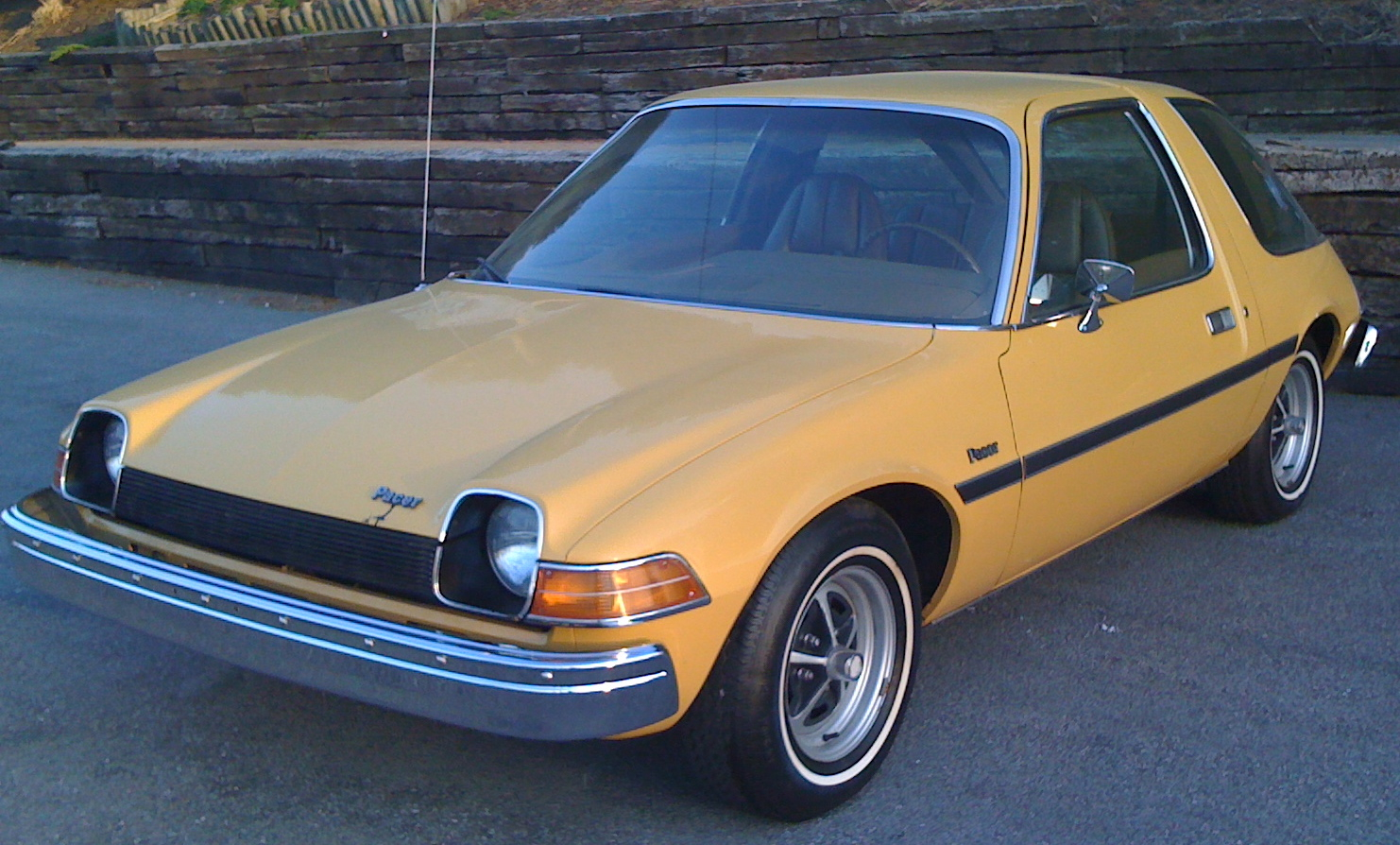
5. AMC Pacer
The AMC Pacer entered the market in the mid-1970s with a design that immediately separated it from anything else on the road. American Motors Corporation introduced it during a period when fuel efficiency and compact size were becoming more important to buyers. The car featured an unusually wide body with large glass panels, creating a cabin that felt unusually open compared to typical compact vehicles of that era.
Early reception was mixed. Some buyers appreciated the visibility and interior space, while many others struggled with the styling direction. The rounded shape and extensive glass coverage earned it public ridicule in various media circles. Its proportions did not align with traditional American automotive expectations, which favored longer, more conventional sedan designs.
Production challenges also played a role in its reputation. The vehicle was not particularly strong in performance, and its weight distribution created handling characteristics that did not impress reviewers. Fuel economy advantages were also less convincing than expected, reducing their appeal during a time when efficiency mattered more to consumers.
Sales dropped after the initial excitement wore off. AMC tried to revive interest by introducing updates such as station wagon versions and small styling changes, but these efforts did not lead to any meaningful improvement in how the car was received in the market. Production was stopped earlier than expected, and it became known as a commercial failure.
Even with its poor performance in sales, the AMC Pacer later gained attention in popular culture. Its appearances in films and on television years after its release gave it a funny and memorable image that audiences connected with. The car’s unusual design made it very easy to recognize, which helped it stand out in entertainment media.
Interest from collectors grew gradually as public opinion shifted over time. What was once widely criticized later came to be seen as a bold and unusual example of 1970s automotive design experimentation. Restored models now show up in exhibitions and private collections, often valued more for their distinct appearance than for performance.
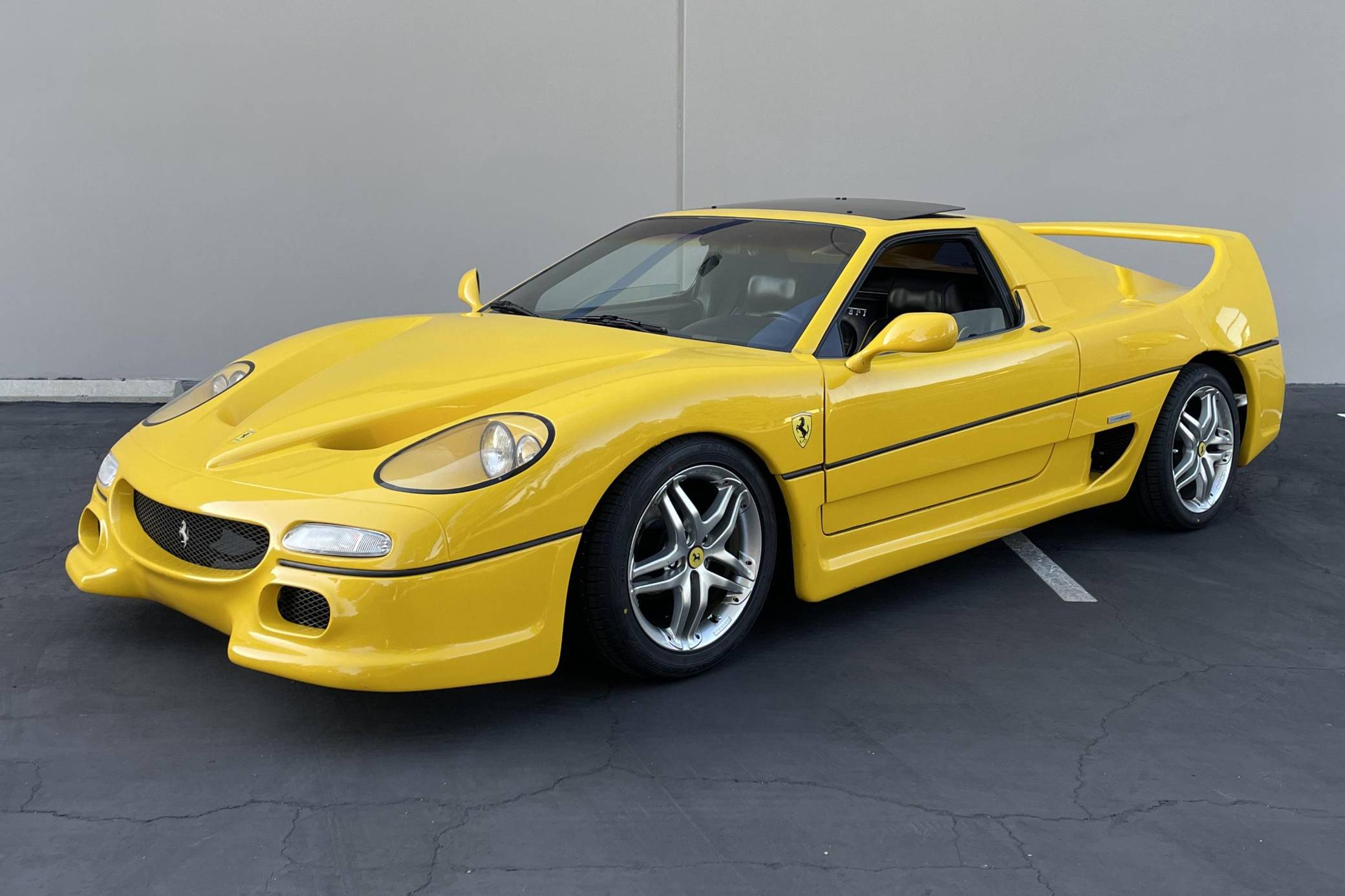
6. Pontiac Fiero
The Pontiac Fiero launched in the early 1980s as General Motors’ attempt to introduce a mid-engine sports car to the American market. Its design concept promised lightweight construction, efficient performance, and an affordable entry point into sporty driving. Initial excitement surrounded the idea, especially given the layout typically reserved for higher-end European vehicles.
Early production units, however, faced serious mechanical issues. Engine reliability problems became widely reported, with some models experiencing overheating and mechanical failure. Suspension tuning also drew criticism, as handling characteristics did not match expectations for a mid-engine platform.
These issues affected public confidence. Sales initially showed promise but declined as reports of mechanical problems increased. Warranty claims placed additional pressure on General Motors, leading to production adjustments and engineering revisions.
Later versions of the Fiero received improvements, including upgraded engines and structural refinements. These changes improved reliability and performance, but by that stage, market reputation had already been affected. Interest did not fully recover despite the upgrades.
Production came to an end in the late 1980s, and the Pontiac Fiero ended up with a reputation that was divided. The early models were disappointing and shaped public opinion negatively, even though the later versions showed clear improvements and much better engineering quality.
In the years that followed, car enthusiasts began to take a fresh look at the Fiero. Its mid-engine setup and light body made it attractive for modification projects, and many surviving units have been heavily customized after a long period of time. This flexibility helped it gain a second life among hobbyists and builders.
Value in the market depends largely on condition and how original the car remains. Later models that have been well preserved usually draw more interest because they are seen as more reliable. Today, the Fiero is generally regarded as a car that improved too late to fully correct the negative impression it first created.
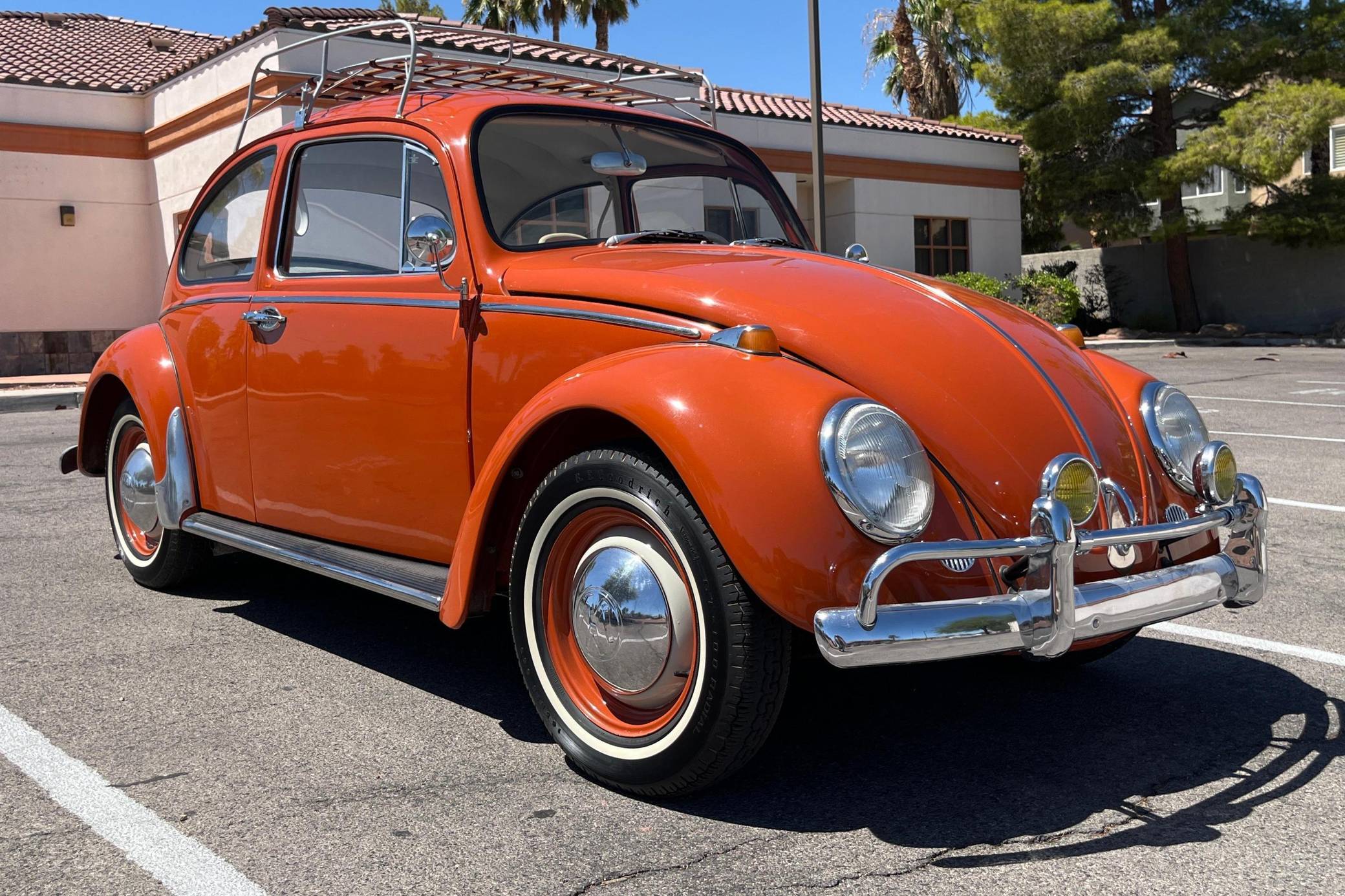
7. Volkswagen Beetle
The Volkswagen Beetle originated from a period defined by political direction and industrial ambition rather than consumer preference. Its early development took place in Germany before the Second World War, when state-led planning influenced automotive design and production goals.
During this period, the vehicle was positioned as a practical transport solution for ordinary households, although actual mass production did not take place immediately. Early units that were completed were largely directed toward military applications, leaving civilian use secondary at best.
Following the end of the war, production restarted under new administrative control and industrial restructuring. At this stage, the vehicle gradually entered civilian markets across Europe and later expanded into other regions. Its structure was simple, with an air-cooled engine, compact body, and mechanical layout that prioritised ease of use.
Affordability also played a major role in its accessibility, allowing individuals from various income levels to consider ownership. Even so, early acceptance was not immediate in all markets, as some buyers remained cautious due to its historical associations and unconventional engineering philosophy.
When the Beetle first entered commercial production, many industry experts did not see it as a major success. Issues around limited production capacity, doubts about its design, and its political associations all made acceptance slower. At the time, rival car makers also considered it outdated compared to newer, more advanced models entering the market.
Even with these challenges, production continued consistently, allowing the vehicle to gradually gain recognition rather than achieving instant popularity. By the end of its original production run, the Volkswagen Beetle had achieved remarkable global sales figures.
What began as a stalled project influenced by external disruption eventually developed into one of the most widely recognised vehicles in automotive history. Its journey was shaped more by long-term reliability and widespread use than by early acceptance or immediate commercial success.
Today, restored and preserved Beetles remain common among collectors and restoration enthusiasts. Many examples are maintained as functional vehicles rather than static display pieces. Their historical background illustrates how external events, combined with consistent engineering durability, can transform an initially uncertain project into a long-standing automotive presence respected across generations.
Also Read: 8 Real Cars Made Famous by a Single Movie Scene
8. Jaguar XJ220
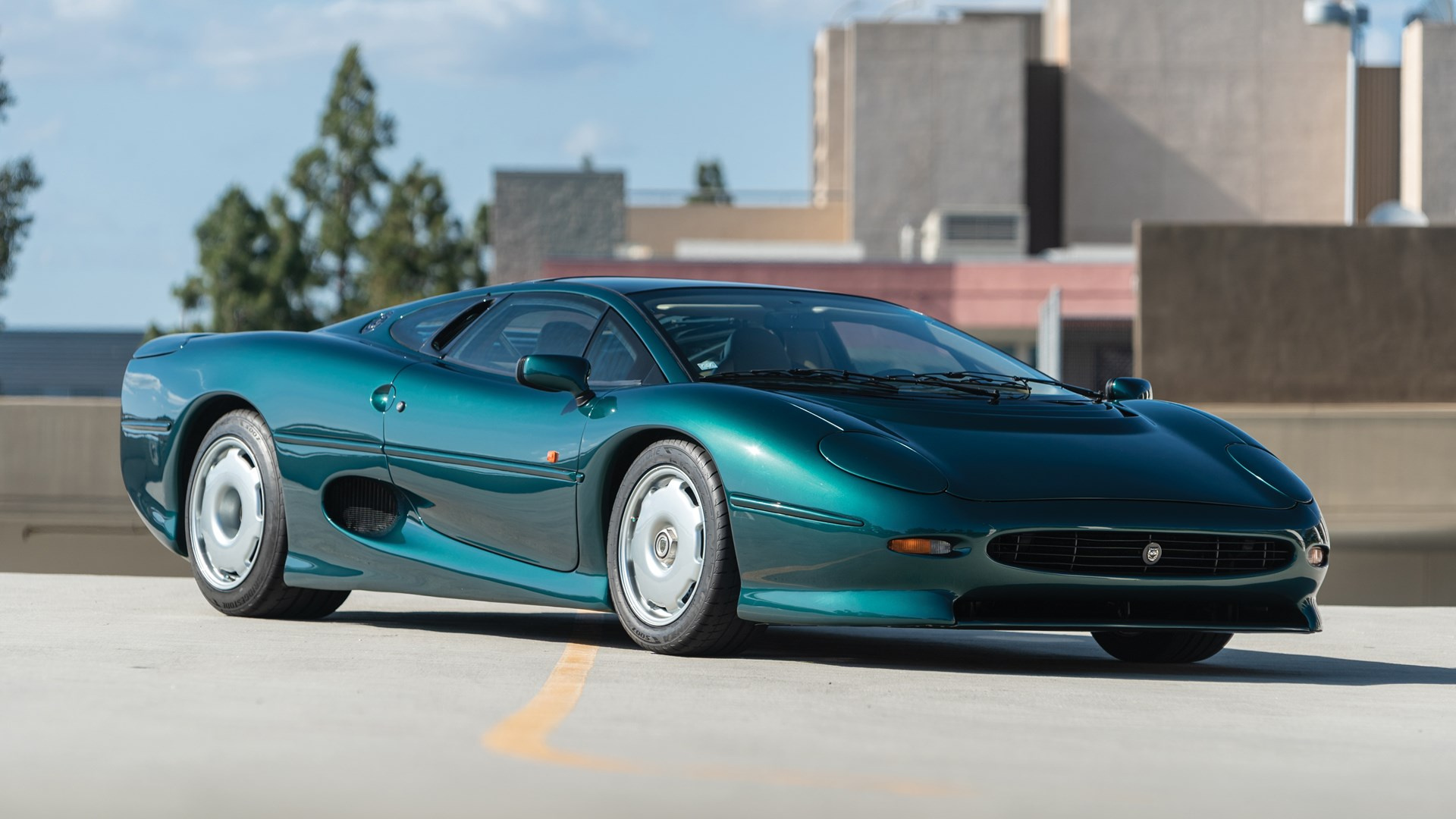
The Jaguar XJ220 was first introduced as a concept vehicle that generated strong anticipation within automotive circles. Early design presentations highlighted an ambitious engineering direction, including a V12 engine configuration and an all-wheel drive system.
These specifications created high expectations among potential buyers and industry observers who viewed the model as a future benchmark for performance engineering. Interest increased rapidly as the concept gained visibility through exhibitions and promotional displays.
When development transitioned into production, several major changes were introduced to the final specification. The production model featured a V6 engine rather than the originally announced V12, along with a rear-wheel drive layout instead of the proposed all-wheel drive system.
These adjustments were made during the engineering and manufacturing phase, but they led to dissatisfaction among early customers who had committed to purchase agreements based on initial expectations. Following these changes, legal disputes emerged between some buyers and the manufacturer.
Certain customers sought to cancel their orders or obtain compensation, arguing that the delivered specifications did not align with earlier representations. This situation created tension around the vehicle’s market introduction and affected early perception of the model within the automotive community.
Despite the controversy surrounding its release, the Jaguar XJ220 remained a high-performance machine with strong capabilities for its era. Its top speed performance placed it among the fastest production vehicles at the time of launch. Engineering execution demonstrated strong attention to aerodynamics, stability, and high-speed handling characteristics, which earned respect even among critics who were disappointed by specification changes.
Market performance at the time was shaped by ongoing legal disputes as well as changing economic conditions during its release period. Production numbers were kept very low, which made the car quite rare in later years. That rarity, together with its strong performance capabilities, helped sustain long-term interest among automotive historians and enthusiasts.
The story of the Jaguar XJ220 illustrates the gap that can exist between early concept expectations and final production realities. While it did not fully deliver on its original specification promise, it remains a respected performance vehicle with a legacy shaped by ambition, adaptation, and market reaction.
