
California has played a leading role in environmental regulation across the United States for decades. Its air quality policies are overseen by the California Air Resources Board, or CARB, an agency responsible for some of the most stringent vehicle emissions standards in the world.
This regulatory framework originated in response to severe air pollution issues, particularly the smog crisis in Southern California during the 1970s. That environmental emergency prompted legislative reforms that granted California a special federal waiver, allowing the state to establish its own emissions standards separate from national regulations.
CARB regulations have become progressively stricter over time. A major milestone came with the Advanced Clean Cars program introduced in 2012, which required automakers to steadily cut greenhouse gas emissions while increasing the share of zero-emission vehicle sales.
This trajectory continued with the Advanced Clean Cars II rules adopted in 2022, which set an even more ambitious target: all new passenger vehicles sold in California must be zero-emission by 2035.
Although these policies originate in California, their influence extends far beyond the state. Seventeen other states have chosen to adopt California’s emissions standards, giving these regulations a significant impact across a large portion of the U.S. automotive market.
For automakers, compliance is extraordinarily expensive. Billions of dollars must be invested in hybrid systems, electric powertrains, gasoline particulate filters, and enhanced emissions warranties. Manufacturers pass these costs directly to consumers.
California buyers often pay hundreds or even thousands of dollars more for the same vehicle than buyers in non-CARB states. The result is a two-tiered auto market where living in the Golden State means paying a premium at the dealership. Here are ten cars that cost noticeably more in California because of emissions regulations.
1. Ford F-150
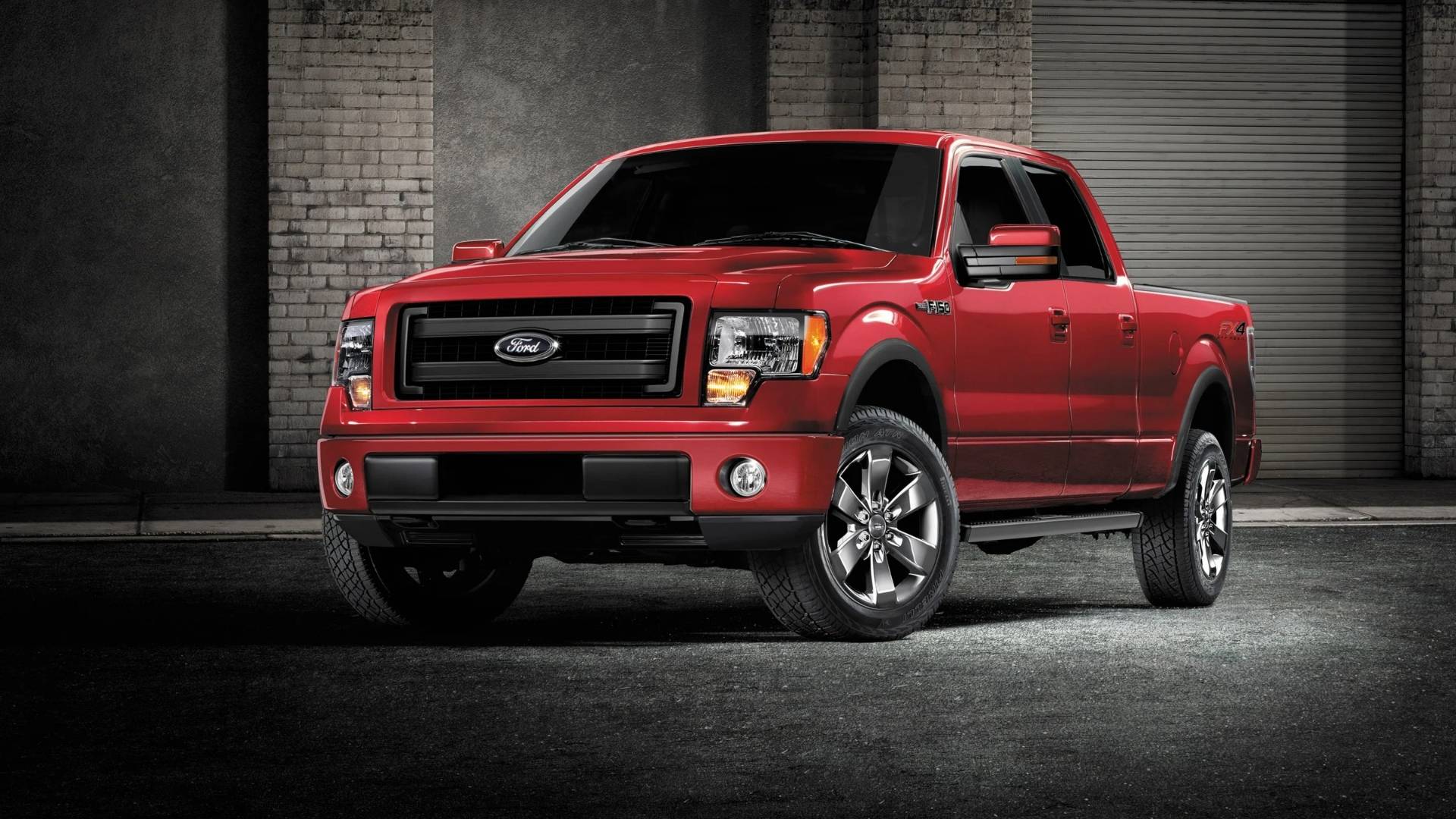
The Ford F-150 is America’s best-selling vehicle and has held that title for over four decades. It is a truck built for work, family, and adventure. In California, however, it also carries the weight of some of the most demanding emissions compliance requirements in the nation.
For the 2026 model year, Ford introduced a Gasoline Particulate Filter on the 3.5-liter EcoBoost V6 engine specifically to meet CARB’s strict particulate matter standards.
This hardware addition is not cheap. The GPF requires re-engineering of the exhaust system, additional heat management components, and new engine calibration software.
Ford passed those development and manufacturing costs onto California customers. The result is a slight reduction in peak horsepower, dropping from 400 hp to approximately 382 hp alongside a modest but real price increase for CARB-state buyers.
Ford is one of six automakers that signed Framework Agreements directly with California in 2019, committing to annual fuel efficiency improvements of approximately 3.7 percent through the 2026 model year.
These agreements effectively locked Ford into CARB compliance regardless of shifting federal rules. That means every engineering dollar spent on California-spec trucks becomes a consumer-facing cost.
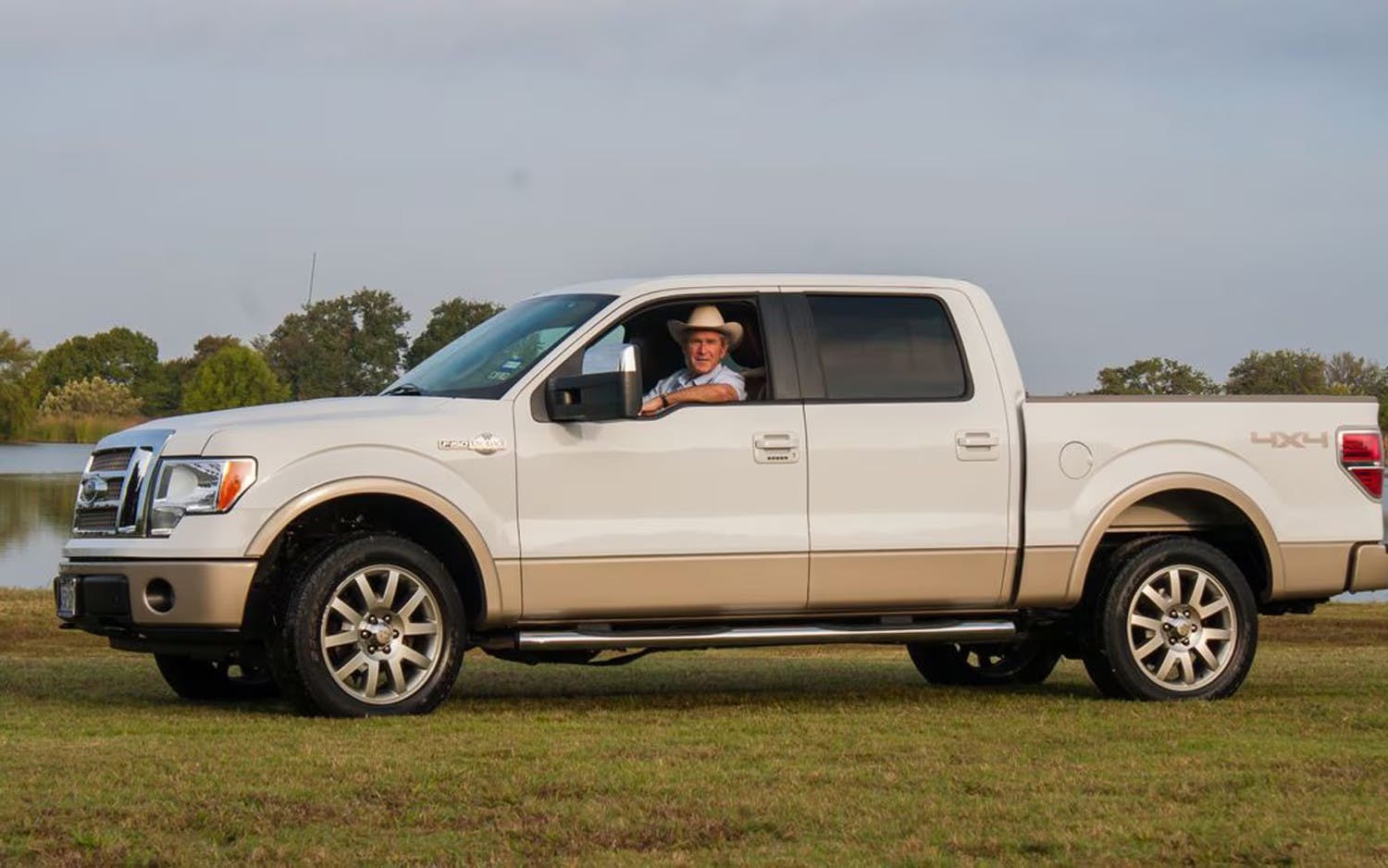
California buyers of the F-150 also benefit from enhanced emissions warranties required by CARB, but they fund those warranties through a higher sticker price.
The PowerBoost hybrid version of the F-150 is especially popular in CARB states because it helps Ford meet fleet-wide emissions averages. Hybrid versions cost significantly more than their conventional counterparts.
Specifications:
- Engine: 3.5L Twin-Turbo EcoBoost V6 (standard) / 3.5L PowerBoost Hybrid V6
- Horsepower: 382 hp (GPF-equipped, CARB spec) / 430 hp (Hybrid)
- Torque: 440 lb-ft (EcoBoost) / 570 lb-ft (Hybrid)
- Length: 231.9 inches (SuperCrew, 5.5-ft bed)
- Width: 79.9 inches
2. Chevrolet Silverado 1500
The Chevrolet Silverado 1500 is one of the most capable and popular full-size trucks on the market. It competes directly with the Ford F-150 in every segment, from work trucks to premium off-road variants. In California, compliance with CARB rules adds a measurable cost to the Silverado’s price tag.
General Motors made headlines in early 2025 when it announced a flat $500 “California Emissions Regulations” surcharge on select 2026 model year electric vehicles sold in CARB states.
While this particular fee targeted EVs, the broader truth is that California-spec Silverados, including conventional gasoline models, are more expensive to produce and sell due to stricter emissions certification requirements. CARB demands enhanced warranty coverage for emissions-related parts. That warranty liability is built directly into the vehicle’s price.
GM also faces the challenge of maintaining fleet-wide emissions averages across its entire lineup sold in California. When truck models like the Silverado emit more per mile than the fleet average allows, GM must offset those emissions by selling more zero-emission vehicles or by paying compliance credits. Both paths cost money, and some of that cost inevitably flows to consumers.
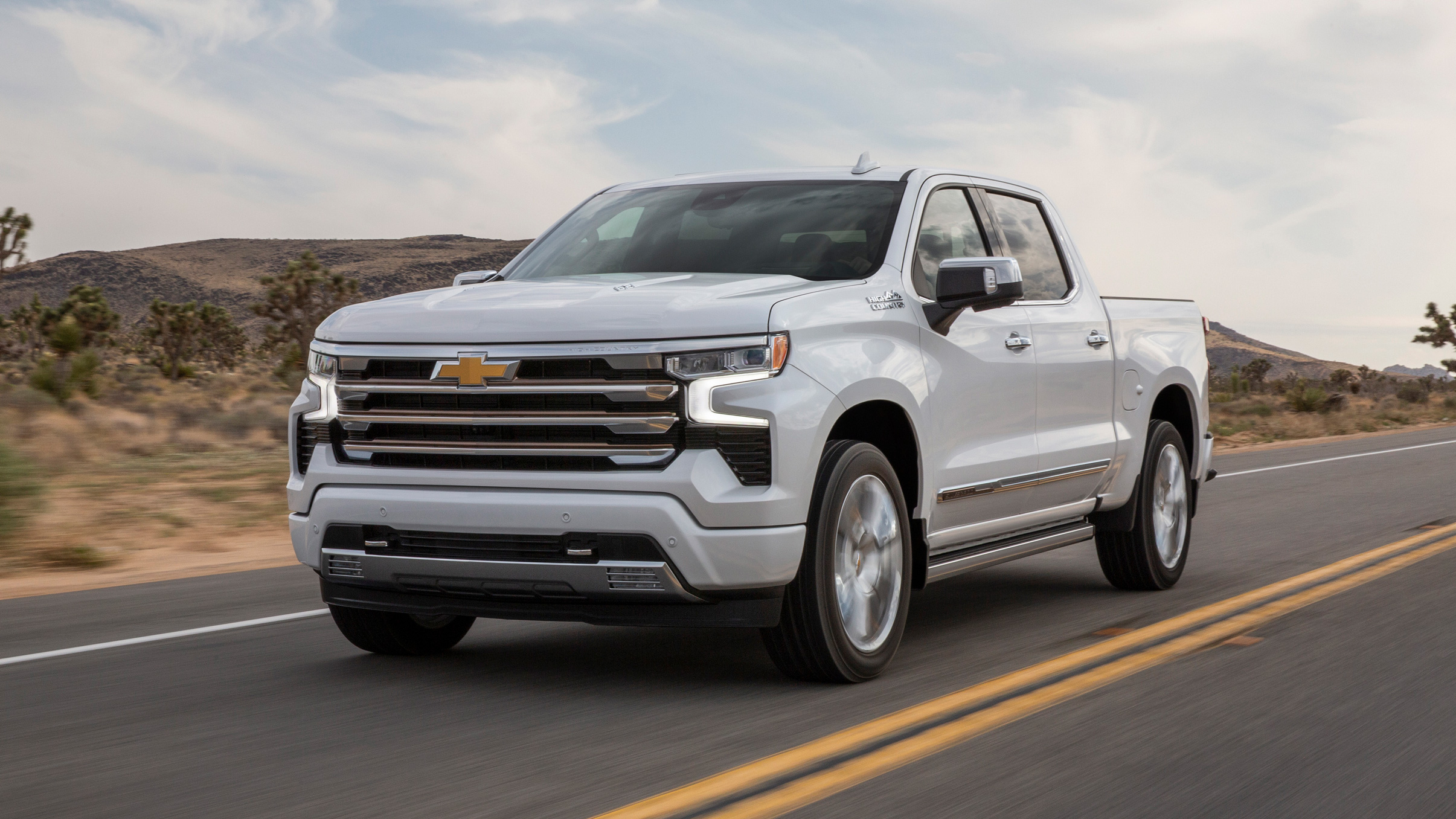
The Silverado’s Super Cruise hands-free driving system, a major selling point, requires constant software updates and regulatory compliance. In California, these systems must meet additional functional and environmental certification standards.
The Silverado’s broad engine lineup, including a diesel option, requires individual CARB certification, a time-consuming and expensive process.
Specifications:
- Engine: 2.7L Turbo I4 / 5.3L V8 / 6.2L V8 / 3.0L Duramax Diesel
- Horsepower: 310 hp (2.7T) / 355 hp (5.3L) / 420 hp (6.2L) / 305 hp (Diesel)
- Torque: 430 lb-ft (2.7T) / 383 lb-ft (5.3L) / 460 lb-ft (6.2L)
- Length: 231.7 inches (Crew Cab, Standard Bed)
- Width: 81.2 inches
3. BMW X5
The BMW X5 is the quintessential luxury midsize SUV. It blends European performance engineering with premium comfort. In California, it also serves as a prime example of how emissions compliance inflates the cost of sophisticated vehicles.
BMW is one of the six automakers that signed Framework Agreements with CARB in 2019. Those agreements require BMW to boost fuel efficiency by roughly 3.7 percent per year through 2026.
Meeting those targets on a large-displacement, performance-oriented SUV like the X5 requires significant engineering investment. BMW has poured resources into developing plug-in hybrid powertrains, advanced mild-hybrid systems, and efficiency-focused engine management software, all designed in large part to satisfy California’s requirements.
The X5 xDrive50e, BMW’s plug-in hybrid variant, is particularly popular in California because it helps BMW meet its CARB fleet obligations. That PHEV version carries a significant premium over the base gasoline model.
Buyers in California who want any X5 are also paying for the broader compliance infrastructure that BMW built to satisfy CARB across its entire lineup. CARB requires manufacturers to certify every engine-transmission combination individually, adding layers of cost.
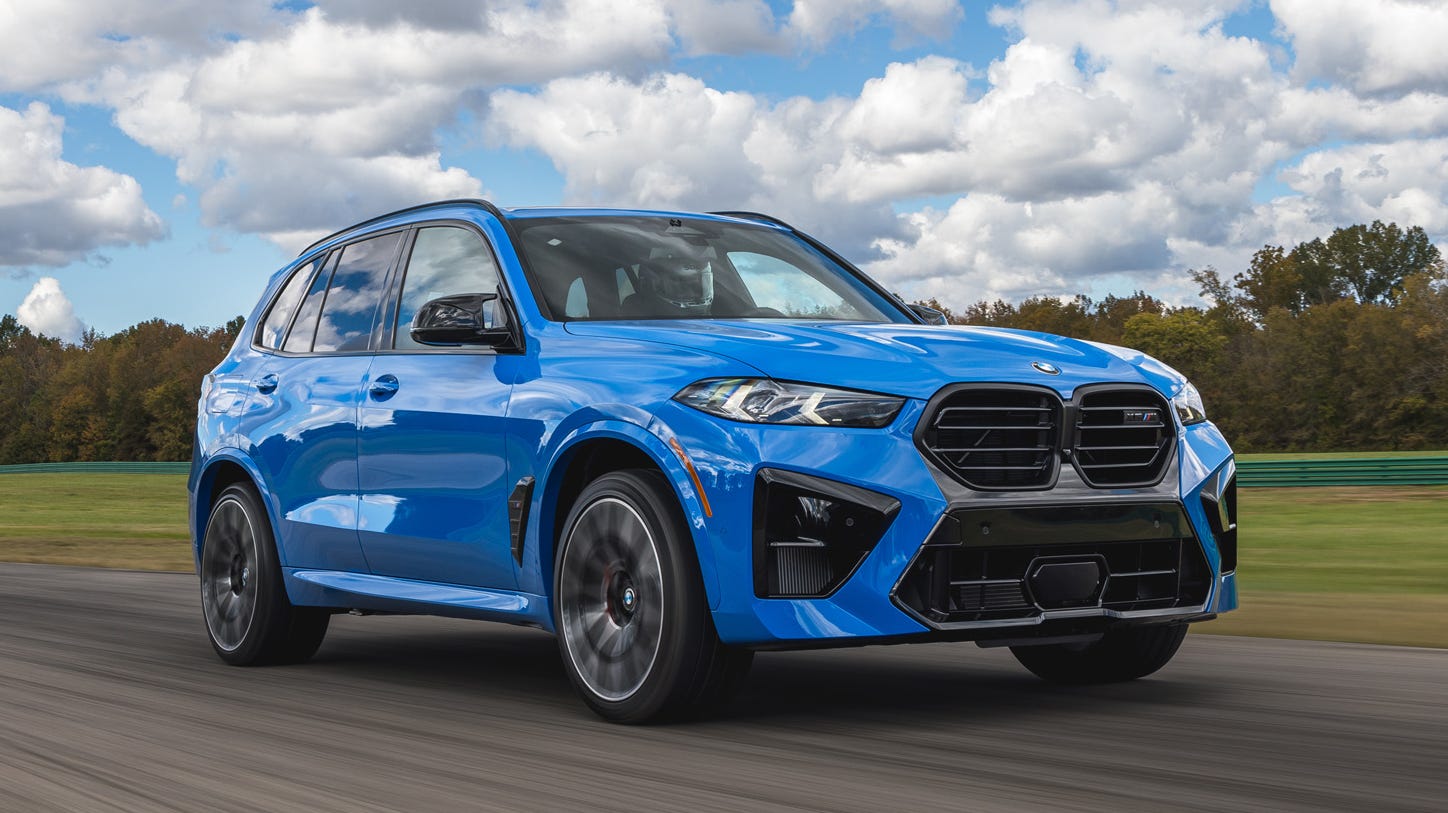
BMW’s Framework Agreement also mandates greenhouse gas emission reductions that go beyond what federal rules require. California buyers of the X5 are, in effect, subsidizing the engineering effort BMW needed to make the entire vehicle range compliant.
The enhanced emissions warranty required by CARB for certain powertrain components also contributes to the vehicle’s higher retail price in the state.
Specifications:
- Engine: 3.0L TwinPower Turbo Inline-6 (xDrive40i) / 3.0L PHEV (xDrive50e)
- Horsepower: 375 hp (xDrive40i) / 483 hp combined (xDrive50e)
- Torque: 383 lb-ft (xDrive40i) / 516 lb-ft (xDrive50e)
- Length: 194.3 inches
- Width: 78.9 inches
4. Volkswagen Tiguan
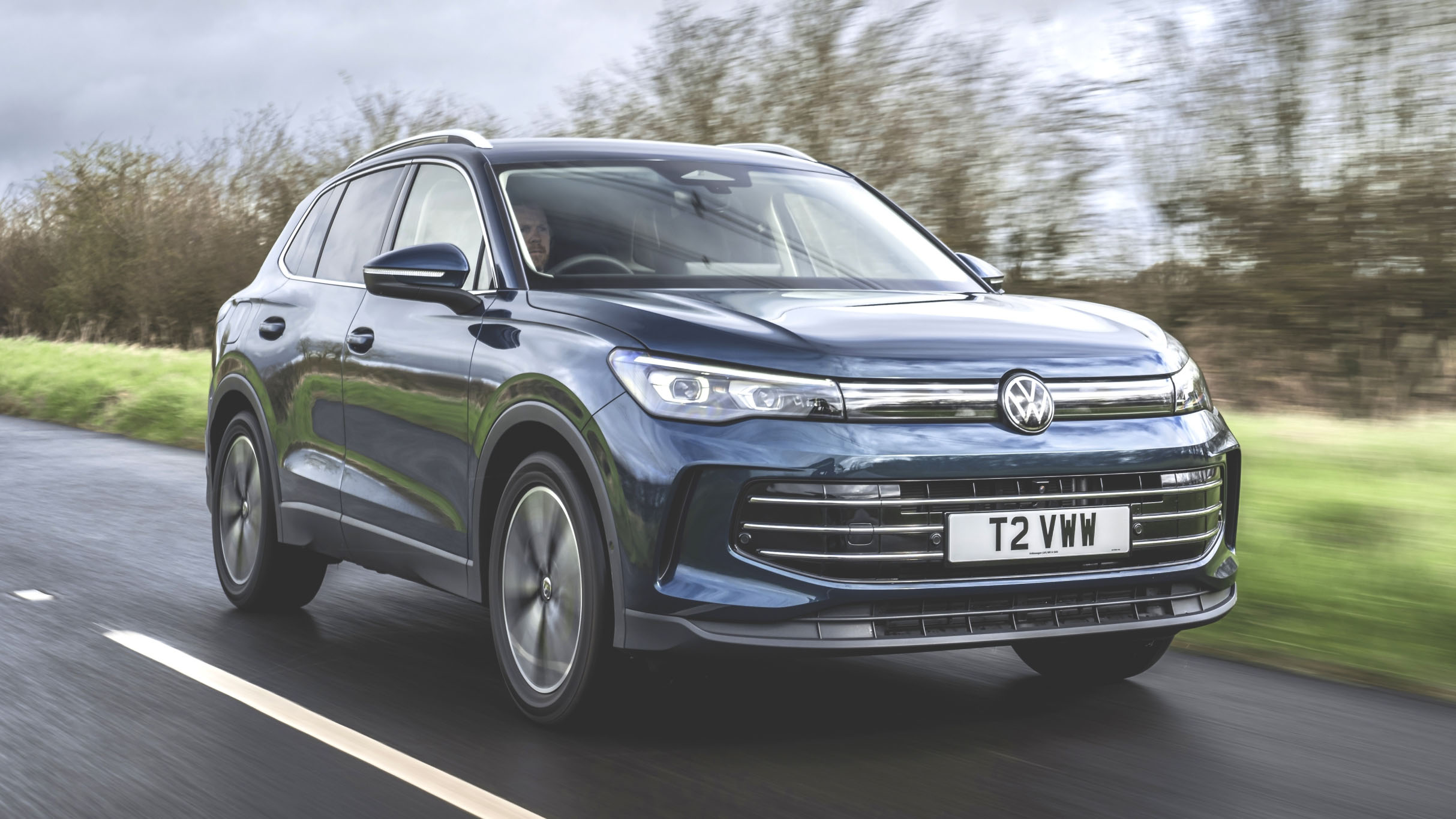
The Volkswagen Tiguan is a popular compact crossover SUV that offers a practical blend of space, technology, and European styling. It is a strong seller across the United States, but California buyers pay a premium rooted in VW’s emissions obligations.
Volkswagen is another signatory to the 2019 Framework Agreements with CARB. VW is committed to increasing fuel efficiency by approximately 3.7 percent annually through 2026 and reducing greenhouse gas emissions across its California-sold fleet.
These commitments were partly a response to the Dieselgate scandal of 2015, which severely damaged VW’s relationship with California regulators. The Framework Agreement gave VW a structured path to rebuild credibility, but at a cost locked in for years.
Meeting CARB’s standards on the Tiguan, a gasoline-powered vehicle in a competitive segment, required VW to invest in more efficient engine calibrations, enhanced catalytic converter technology, and detailed certification work for every drivetrain variant.
Each regulatory step costs money. VW’s engineers spend significant hours developing California-specific calibrations that differ from federal-spec versions, and those engineering hours are reflected in the vehicle’s final price.
VW also must maintain compliance credits across its entire California sales portfolio. When the Tiguan generates emissions above the fleet average target, VW must offset those credits through sales of electric vehicles or by purchasing credits from EV-only manufacturers. The cost of managing that credit balance is distributed across VW’s entire California lineup, including the Tiguan.
Specifications:
- Engine: 2.0L TSI Turbocharged Inline-4
- Horsepower: 184 hp
- Torque: 221 lb-ft
- Length: 185.1 inches
- Width: 72.7 inches
Also Read: 10 SUVs That Are Just Tall Hatchbacks
5. Honda CR-V
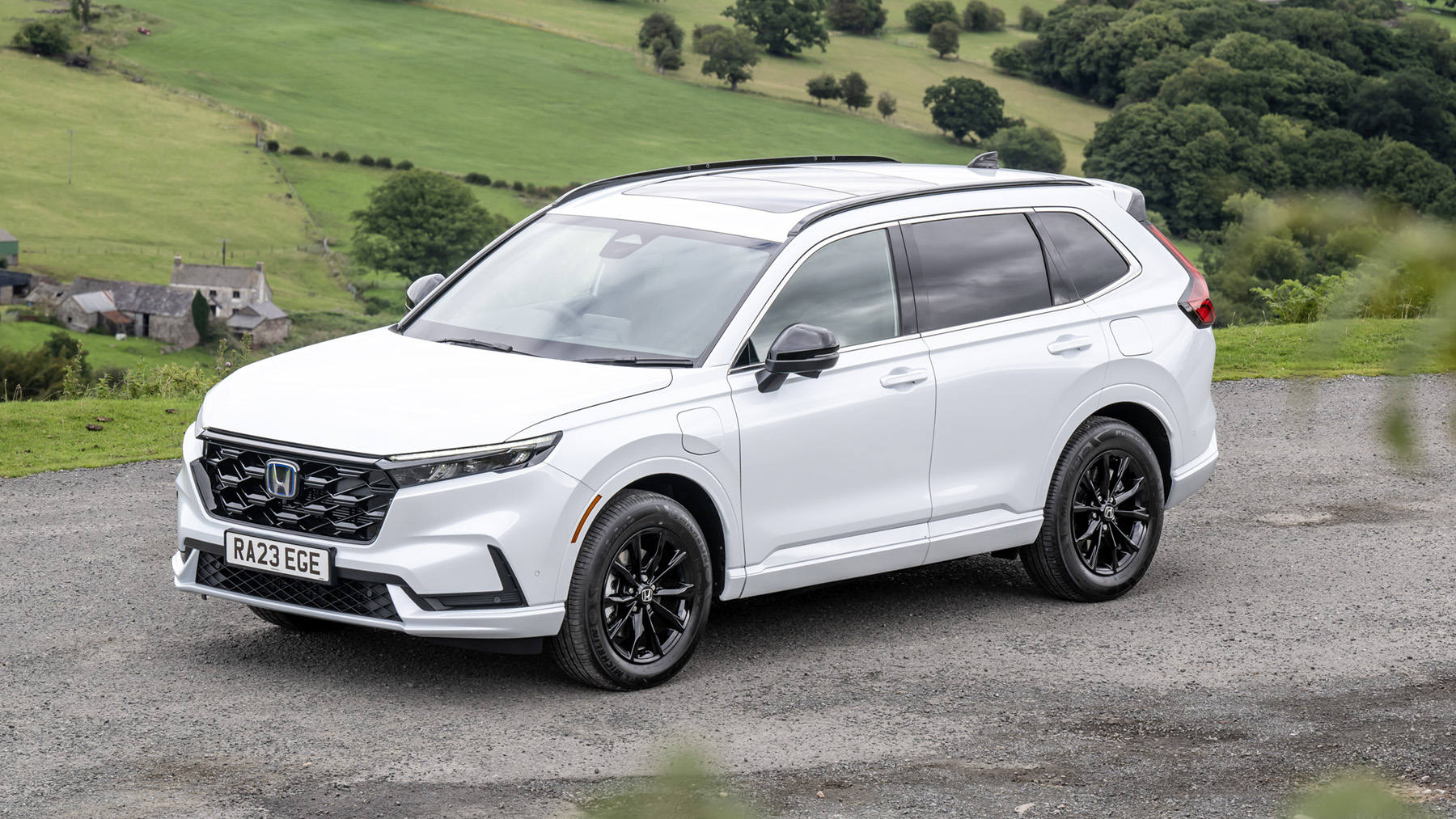
The Honda CR-V is one of the best-selling compact SUVs in America. It has earned a reputation for reliability, practicality, and efficiency. Honda is also one of the six Framework Agreement automakers, which means its California commitments are legally binding through 2026.
Honda has responded aggressively to California’s emissions mandates by expanding its hybrid lineup. The CR-V Hybrid is now a core part of Honda’s California sales strategy, helping the company meet its fleet-wide emissions targets.
The hybrid version, while more efficient, carries a premium of roughly $4,000 to $5,000 over the standard gasoline CR-V. Many California consumers effectively find themselves steered toward the hybrid not by personal preference alone, but by a marketplace where Honda actively promotes it to manage compliance.
Honda’s Framework Agreement requires continuous improvement in greenhouse gas performance. Meeting those benchmarks on a vehicle like the CR-V sold in massive volumes demands ongoing investment in engine management systems, two-motor hybrid architecture, and regenerative braking technology.
Honda shares hybrid development costs with General Motors through a partnership, which helps, but compliance-related R&D still adds to the per-vehicle cost.
CARB’s enhanced emissions warranty requirements apply to Honda’s California-sold vehicles as well. Powertrain components, emission control systems, and hybrid battery packs must carry longer warranties in California than in other states. Building and funding those extended warranties increases Honda’s cost of doing business in California, and that cost is passed to the buyer.
Specifications:
- Engine: 1.5L VTEC Turbocharged (Gas) / 2.0L Atkinson-cycle + Dual Electric Motor (Hybrid)
- Horsepower: 190 hp (Gas) / 204 hp (Hybrid)
- Torque: 179 lb-ft (Gas) / 247 lb-ft (Hybrid)
- Length: 184.5 inches
- Width: 73.0 inches
6. Ram 1500
The Ram 1500 is one of the most refined and capable full-size pickup trucks on the market. Known for its sophisticated interior, smooth ride, and strong powertrain lineup, the Ram 1500 carries a notable price premium in California tied to emissions compliance.
Stellantis, Ram’s parent company, chose not to sign California’s Framework Agreements in 2019, instead aligning with the federal standards pathway under the Trump administration at the time.
However, California still requires every vehicle sold within its borders to meet CARB’s emissions certification standards. Stellantis still must certify every Ram 1500 engine and powertrain combination for California sale.
That individual certification process requires emissions testing, calibration work, and software validation for each CARB specification. These are real costs that add hundreds of dollars per vehicle in engineering and certification expenses.
The Ram 1500’s new inline-six engine family, including turbocharged and hybrid-assisted variants, required extensive California-specific tuning. California’s stricter limits on certain types of nitrogen oxide emissions and particulate matter demand additional aftertreatment systems. Those systems, including advanced catalytic converters and potential particulate filter addition, raise production costs.
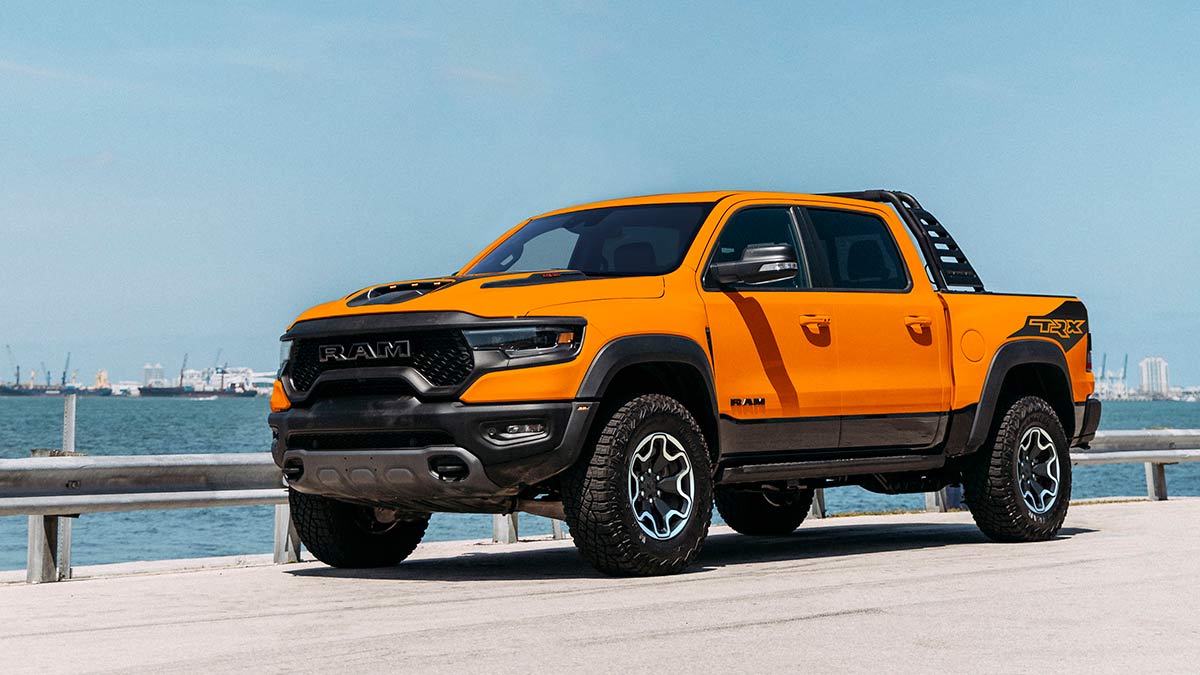
The Ram 1500 eTorque mild-hybrid system was partly developed to help Stellantis meet fleet-wide fuel economy and emissions targets. While eTorque adds capability, it also adds cost. California buyers are among the primary target markets for eTorque-equipped Rams, and the mild-hybrid premium is built into their sticker prices.
Specifications:
- Engine: 3.6L Pentastar V6 / 5.7L HEMI V8 (with eTorque) / 3.0L EcoDiesel V6
- Horsepower: 305 hp (V6) / 395 hp (HEMI V8) / 260 hp (Diesel)
- Torque: 269 lb-ft (V6) / 410 lb-ft (HEMI) / 480 lb-ft (Diesel)
- Length: 232.9 inches (Crew Cab, 5’7″ bed)
- Width: 82.1 inches
7. Volvo XC90
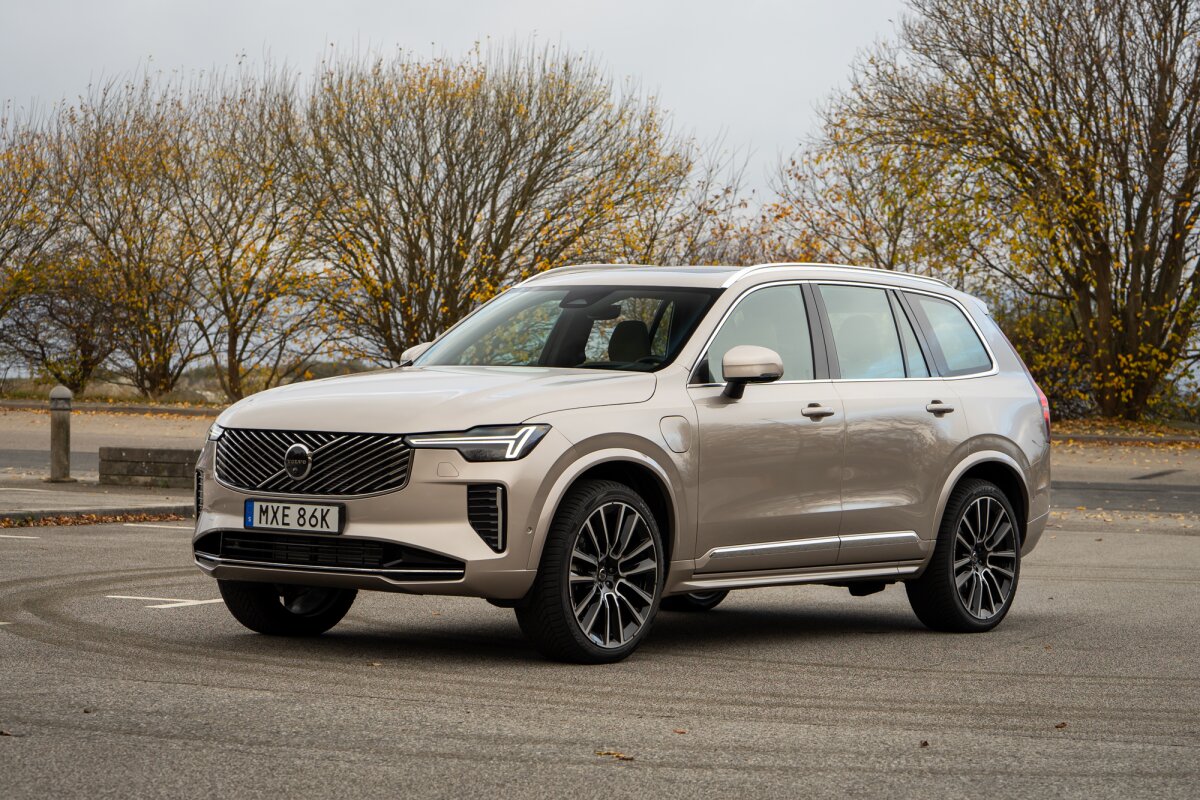
The Volvo XC90 is a premium three-row SUV that has built its reputation on safety, Scandinavian design, and electrified powertrains. Volvo is one of the original six Framework Agreement signatories with CARB. Its commitment to California’s emissions standards is deep, and the XC90 reflects that commitment in both engineering and price.
Volvo has invested heavily in plug-in hybrid and mild-hybrid technology specifically to meet California’s progressive fleet emissions targets. The XC90 Recharge plug-in hybrid is Volvo’s flagship California offering. It combines a 2.0-liter turbocharged and supercharged four-cylinder engine with a rear axle electric motor.
The combined system output and the ability to travel a meaningful distance on electricity alone help Volvo satisfy CARB’s zero-emission vehicle component requirements. But PHEV powertrains cost significantly more to engineer and manufacture than conventional gasoline units.
California’s enhanced powertrain warranty requirements hit Volvo particularly hard because of its premium positioning. CARB mandates longer warranty coverage on emissions-related components, including catalytic converters, oxygen sensors, and, for PHEVs, the high-voltage battery system. Volvo must fund those extended warranties, and California buyers absorb that cost through slightly raised prices.
Volvo also faces the challenge of meeting California’s increasingly stringent NOx and particulate standards with a lineup that leans heavily on turbocharged four-cylinder engines.
Additional exhaust aftertreatment hardware, including updated catalyst formulations, is required for CARB certification. Those engineering additions contribute to the XC90’s already raised price point in the state.
Specifications:
- Engine: 2.0L Inline-4 (Turbocharged + Supercharged) + Rear Electric Motor (Recharge PHEV)
- Horsepower: 455 hp combined (Recharge) / 300 hp (B6 mild-hybrid)
- Torque: 523 lb-ft combined (Recharge)
- Length: 194.9 inches
- Width: 84.3 inches (with mirrors)
8. Toyota Tundra
The Toyota Tundra is a full-size truck with a loyal following, particularly in the American Southwest and Pacific regions. California is one of its strongest markets.
The Tundra’s twin-turbocharged V6 and hybrid iForce MAX powertrain were introduced with California’s strict emissions environment firmly in mind, and that engineering investment carries a price.
Toyota’s iForce MAX hybrid system, which pairs a twin-turbo 3.5-liter V6 with an electric motor integrated into the transmission, delivers impressive performance while helping Toyota meet fleet-wide emissions standards.
The hybrid version produces 437 combined horsepower and significantly improved fuel efficiency over the previous generation. In California, where fleet emissions averages are tightly regulated, Toyota actively steers Tundra buyers toward the hybrid. The hybrid Tundra carries a premium over the standard twin-turbo version.
California’s emissions certification process requires Toyota to validate each powertrain configuration against CARB’s specific test cycles and emission limits.
The Tundra’s six-speed automatic transmission, combined with the hybrid system, required extensive calibration work for California compliance. Toyota also must carry additional emissions warranty liability in CARB states, which increases the effective cost per vehicle.
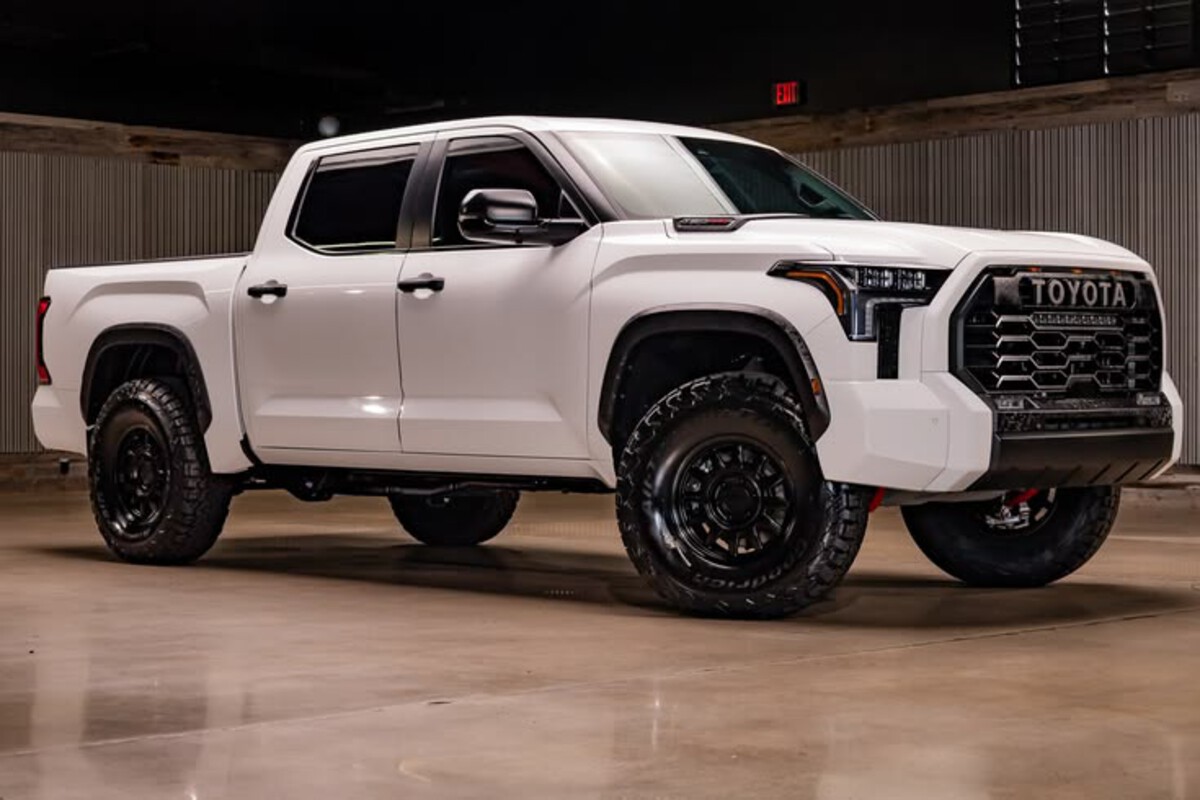
The Tundra does not offer a V8 engine, a decision partly driven by the need to meet modern emissions targets. Moving to the twin-turbocharged V6 architecture required enormous investment. California buyers benefit from cleaner, more efficient engines but pay more for the technology that enables them.
Specifications:
- Engine: 3.5L Twin-Turbo V6 (iForce) / 3.5L Twin-Turbo V6 + Electric Motor (iForce MAX Hybrid)
- Horsepower: 389 hp (iForce) / 437 hp (iForce MAX)
- Torque: 479 lb-ft (iForce) / 583 lb-ft (iForce MAX)
- Length: 233.7 inches (CrewMax, 5.5-ft bed)
- Width: 80.2 inches
9. Aston Martin DBX707
The Aston Martin DBX707 is a high-performance luxury SUV that occupies the very top tier of the automotive world. It is one of the most powerful production SUVs ever built.
Aston Martin is among the six Framework Agreement signatories with CARB, making it an unusual and somewhat surprising member of this compliance group.
Aston Martin signed on to California’s emissions framework as a pragmatic business decision. Losing access to California’s premium car market would be a serious financial blow for a low-volume manufacturer that depends on wealthy American buyers.
However, meeting CARB’s standards on a vehicle powered by a 4.0-liter twin-turbo V8 producing 707 horsepower is an enormous engineering challenge.
To comply, Aston Martin must invest in advanced engine management systems, high-efficiency catalytic converter formulations, and regular certification updates.
Each model year’s California certification requires individual testing and validation that costs significantly more per unit when spread over Aston Martin’s very small production volumes.
Unlike mass-market manufacturers who can amortize compliance costs over hundreds of thousands of units, Aston Martin spreads those same expenses over just a few thousand cars. The per-vehicle compliance cost is therefore dramatically higher.
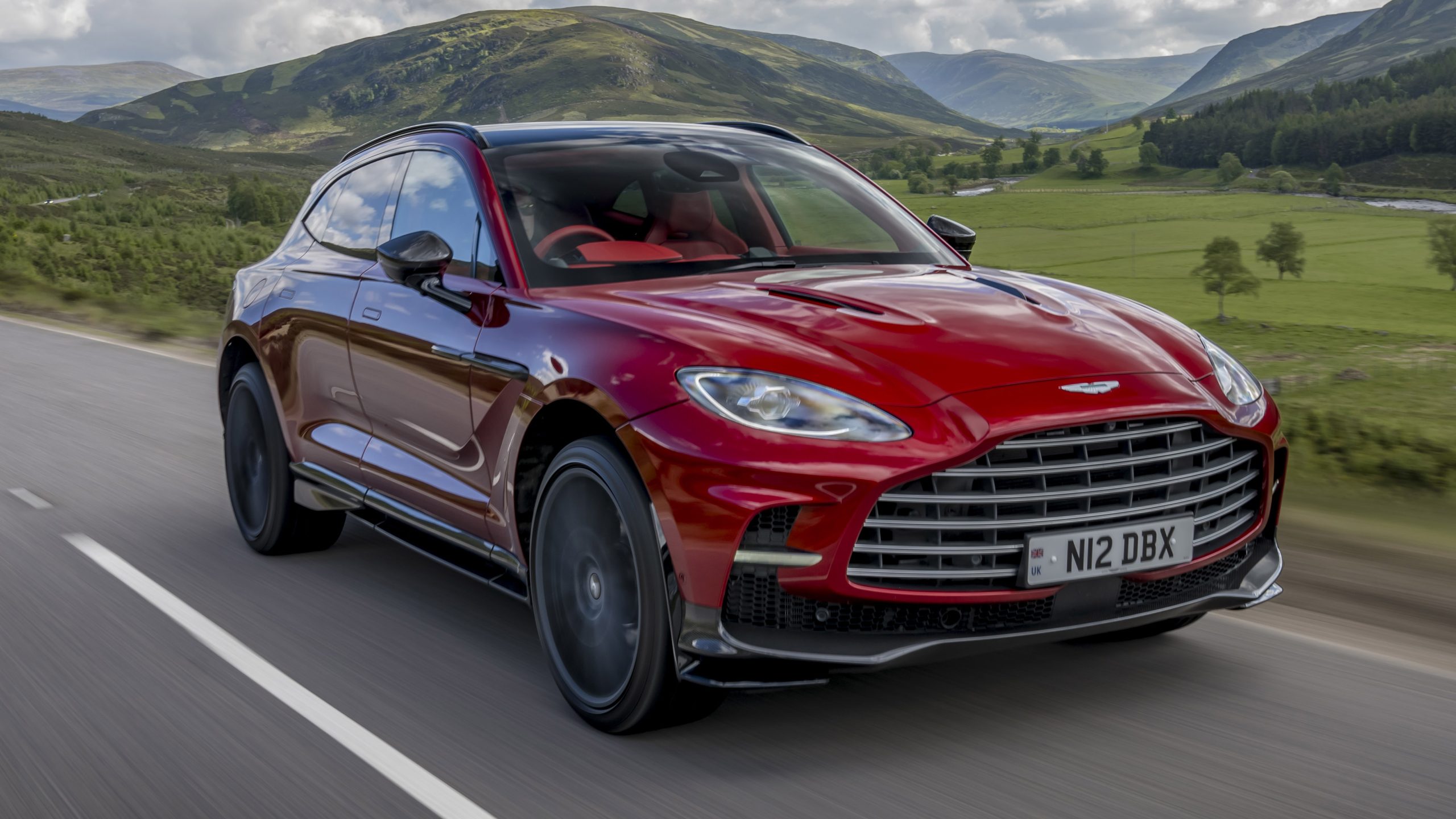
California also requires enhanced emissions warranties on the DBX707’s powertrain. For a vehicle at this price point, funding an extended warranty on a hand-built V8 engine and associated emissions systems is an extremely expensive commitment.
Aston Martin’s California buyers pay a premium that reflects both the car’s handcrafted nature and the outsized per-unit cost of regulatory compliance.
Specifications:
- Engine: 4.0L Twin-Turbocharged V8
- Horsepower: 707 hp
- Torque: 663 lb-ft
- Length: 198.4 inches
- Width: 79.7 inches
10. Porsche Cayenne
The Porsche Cayenne is one of the most celebrated luxury performance SUVs ever made. It defined a segment when it launched in 2003 and has remained a benchmark for combining genuine sports car dynamics with SUV practicality. In California, the Cayenne’s price is raised by the cost of meeting CARB’s demanding emissions regime.
Porsche, as part of the Volkswagen Group, benefits from VW’s broader California compliance infrastructure but still faces significant per-vehicle costs.
The Cayenne’s diverse powertrain lineup, spanning turbocharged V6 and V8 engines, a plug-in hybrid, and a Turbo E-Hybrid variant, requires individual CARB certification for each combination. Those certifications are expensive and time-consuming, and the cost is embedded in California sticker prices.
The Cayenne E-Hybrid and Turbo E-Hybrid plug-in variants are particularly important to Porsche’s California strategy. They help offset the fleet-wide emissions generated by the powerful Cayenne Turbo GT and S models.
Promoting and selling PHEV variants at scale requires dealer training, charging infrastructure investment, and marketing expenditure all of which contribute to raised per-vehicle costs.
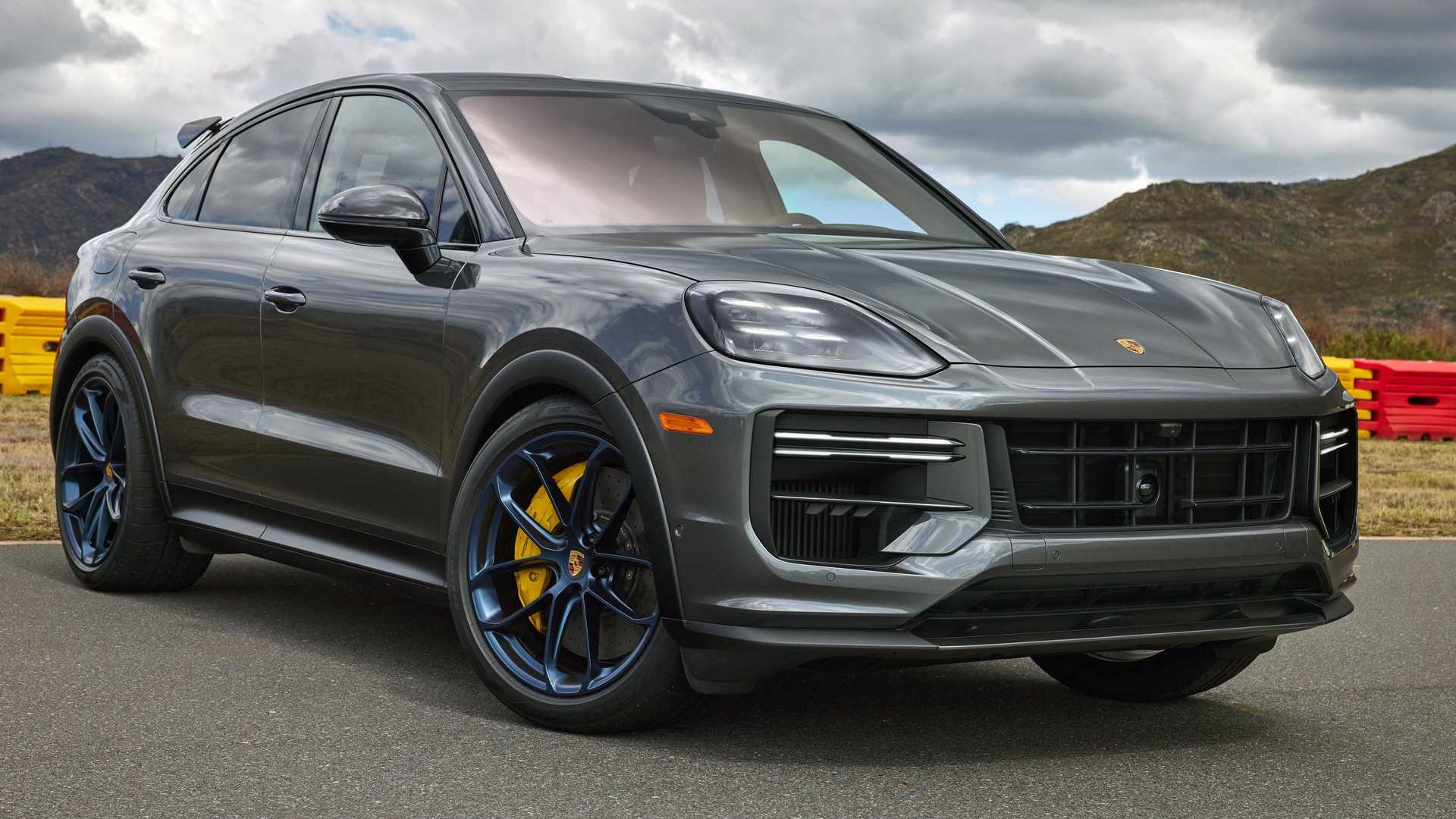
California’s CARB rules require Porsche to maintain enhanced powertrain warranty coverage, particularly for PHEV battery systems. The high-voltage battery pack in the Cayenne E-Hybrid must carry extended coverage under California law.
Funding that extended warranty on a premium battery system is expensive. California buyers of the Cayenne ultimately pay a higher price to support the full regulatory and warranty ecosystem that keeps the vehicle legal and competitive in the state.
Specifications:
- Engine: 3.0L Turbocharged V6 (base) / 2.9L Twin-Turbo V6 (S) / 4.0L Twin-Turbo V8 (Turbo/Turbo GT) / 3.0L V6 + Electric Motor (E-Hybrid)
- Horsepower: 348 hp (base) / 468 hp (S) / 650 hp (Turbo GT) / 470 hp combined (E-Hybrid)
- Torque: 368 lb-ft (base) / 516 lb-ft (S) / 627 lb-ft (Turbo GT)
- Length: 193.3 inches
- Width: 78.1 inches
Also Read: IIHS Dings BMW i4 for Weak Headlights and AEB System
