
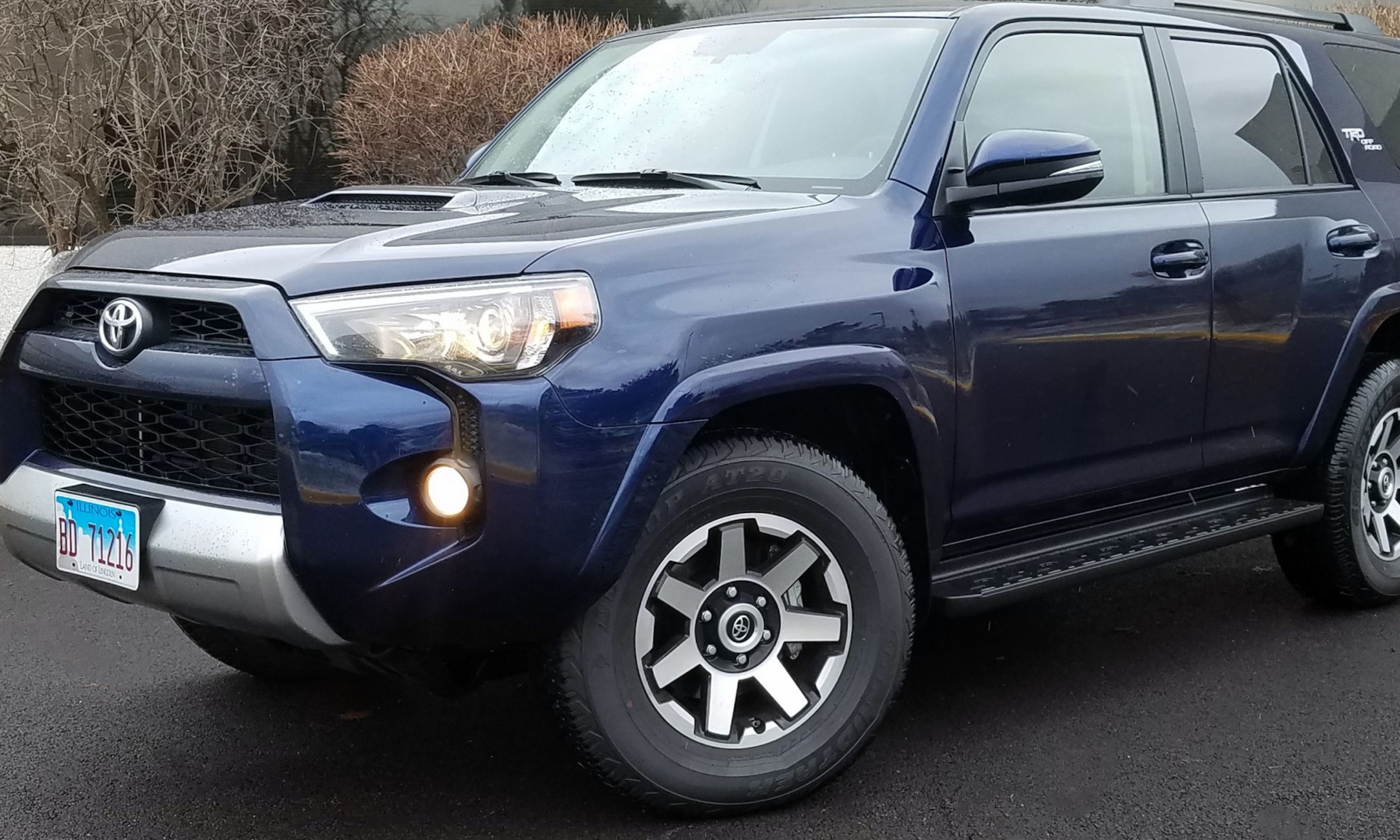
Adventure does not really start when the road ends. It starts the moment the smooth pavement gives way to rough, uneven ground and the driving conditions become less predictable. That is where having the right off-road vehicle truly matters. Finding a capable option under $50,000 is no longer about settling for less. Modern engineering now makes it possible to own a tough, trail-ready vehicle without paying luxury-level prices.
Today’s buyers expect more than basic four-wheel drive. Ground clearance, suspension movement, locking differentials, and driving modes built for rough conditions all work together to decide how well a vehicle handles rough, uneven paths away from paved roads. Comfort, reliability, and everyday practicality still matter as well, especially for anyone who plans to use their vehicle for both daily driving and weekend trips off the beaten path.
Manufacturers have responded by building specific trims designed for dirt paths, rocky climbs, and muddy conditions. These vehicles come with both mechanical upgrades and smart systems that help improve grip, stability, and control when driving becomes challenging. Even better, many of them are still comfortable and easy to live with in city driving, which makes them suitable for different kinds of drivers and lifestyles.
This guide focuses on six of the best off-road vehicles available for under $50,000. Each one takes a different approach to capability, from traditional body-on-frame strength to advanced suspension designs and smart driving systems built for rough conditions.
Six vehicles. Six clear breakdowns. Going through both sections is worth it, since the best choice depends heavily on how and where the vehicle will be used.
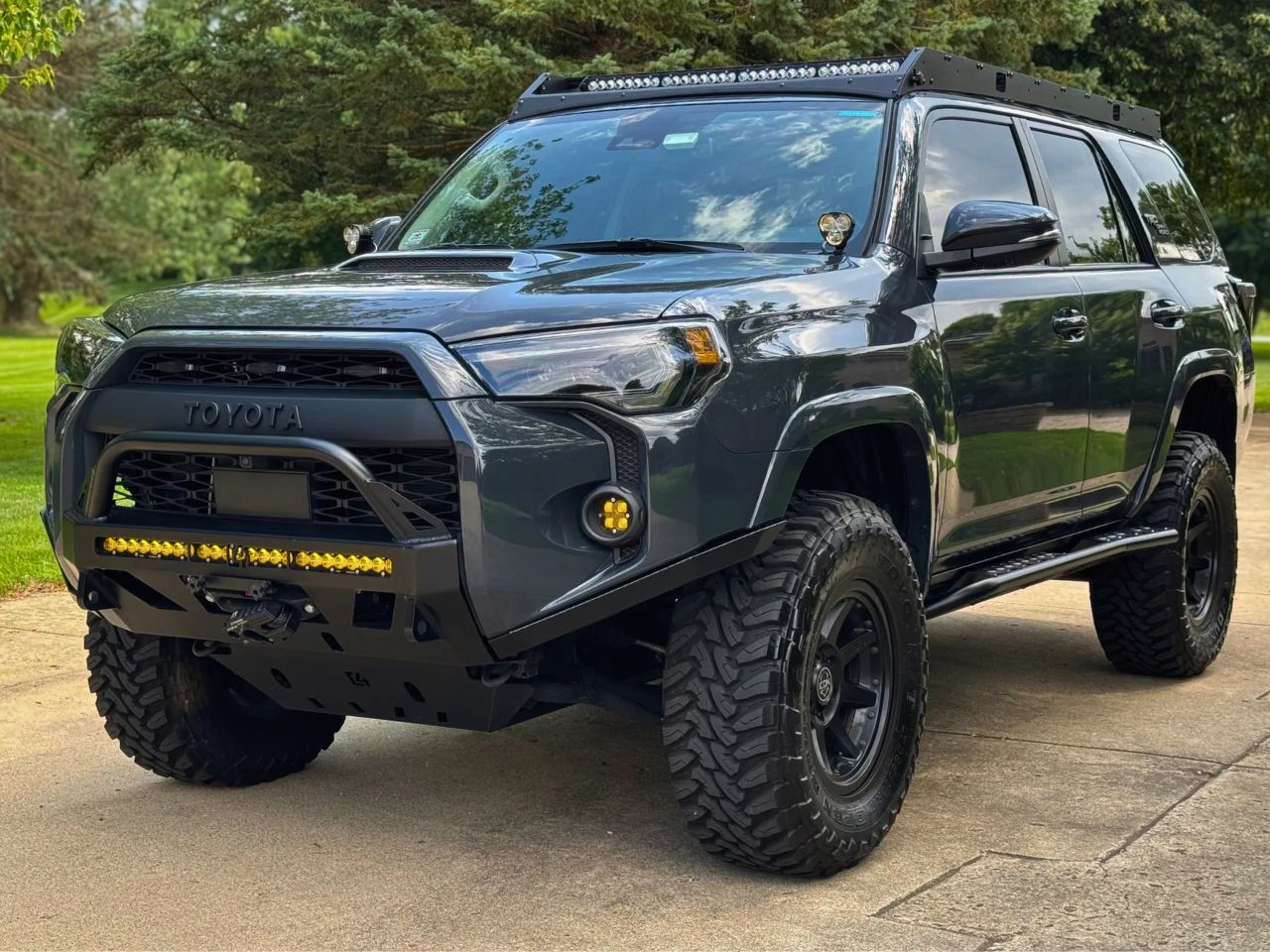
1. 2024 Toyota 4Runner TRD Off-Road
Estimated Price: $40,000 to $47,000
- Engine: 4.0L V6
- Horsepower: 270 hp
- Torque: 278 lb-ft
- Length and Width: 190.2 in, 75.8 in
Few vehicles carry a reputation for durability like the Toyota 4Runner TRD Off-Road. Built on a body-on-frame platform, it delivers the kind of structural toughness that off-road driving demands when conditions turn rough and unpredictable. The design philosophy stays rooted in long-term dependability rather than trend-driven styling updates, which is one reason it continues to attract buyers who prioritize function over flash.
Mechanical strength forms the foundation of its appeal. A naturally aspirated V6 engine delivers steady and predictable power, especially useful when climbing steep grades or crawling over uneven rock formations. Paired with a proven four-wheel-drive system, the vehicle maintains consistent traction in conditions where lighter systems might struggle.
A locking rear differential improves performance by making sure both rear wheels continue receiving power when one side starts to slip, which lowers the chances of getting stuck in loose or unstable ground conditions. Support systems inside the 4Runner add another level of control. Crawl Control works like a slow-speed assistant, handling acceleration and braking on its own so the driver can concentrate fully on steering around obstacles.
Multi-Terrain Select adjusts traction settings based on the surface under the tires, such as mud, sand, or rock, helping the vehicle react more effectively without constant driver input. These features help reduce driver fatigue during long off-road trips and improve control when conditions change without warning.
Interior practicality remains a strong point. The cabin is designed with durability in mind, using materials that can handle dirt, moisture, and repeated heavy use without showing rapid wear. Space inside the vehicle supports both passengers and gear, making it suitable for extended trips far from paved roads. Storage flexibility allows owners to pack camping equipment, tools, or recovery gear without feeling constrained.
Customization culture surrounding the 4Runner also contributes to its popularity. Many owners modify suspension setups, add roof racks, upgrade lighting systems, or install protective armor for harsher trails. This adaptability makes it easy for drivers to tailor the vehicle to specific needs, whether for weekend exploration or long-distance overland travel.
Market demand remains strong due to Toyota’s long-standing reputation for reliability. Buyers trust that a properly maintained 4Runner can handle high mileage without major issues. That confidence supports strong resale value and keeps interest steady in both new and used markets.
A blend of mechanical strength, practical design, and long-term dependability ensures the Toyota 4Runner TRD Off-Road remains a top choice for off-road driving under $50,000.
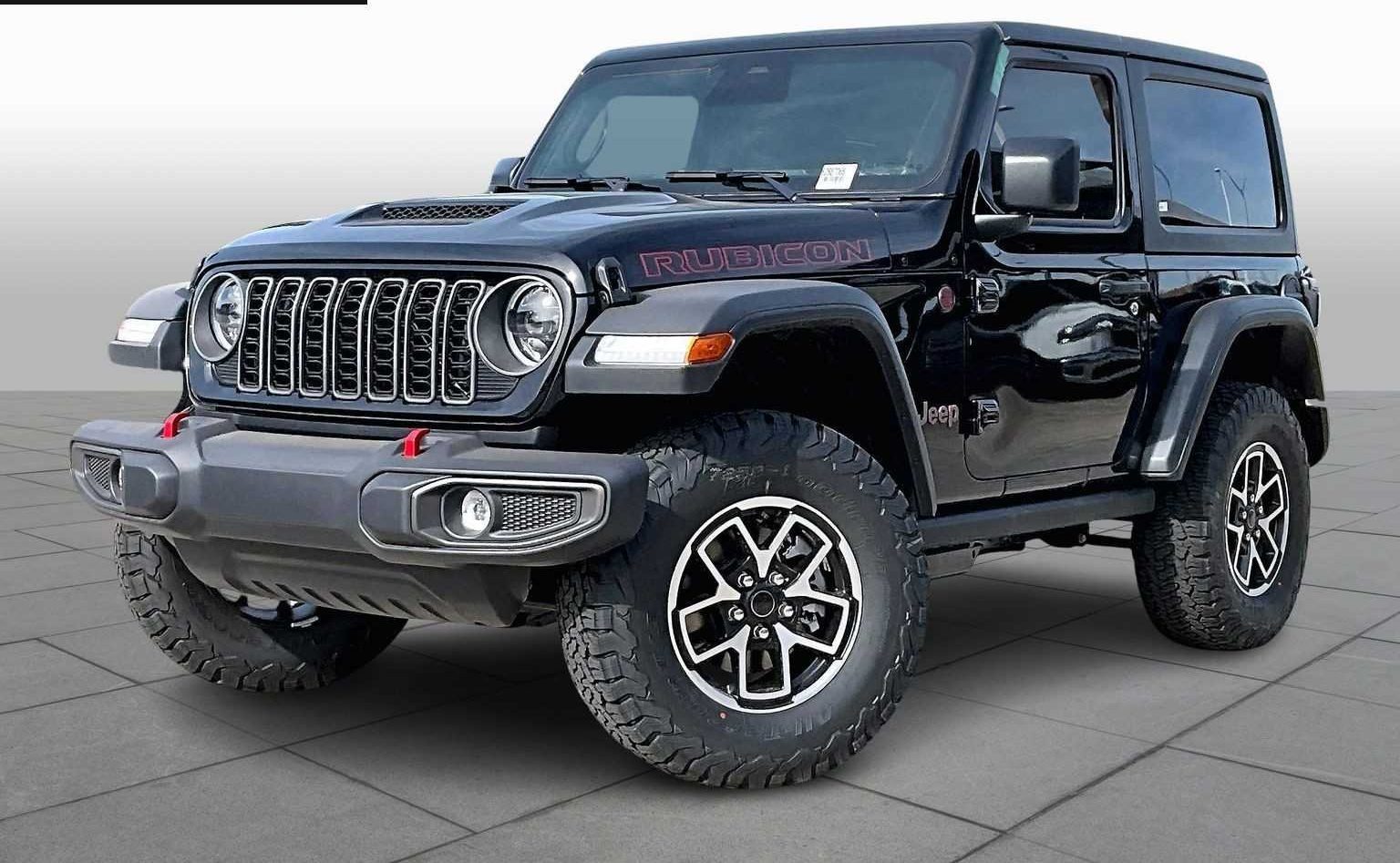
2. 2026 Jeep Wrangler Rubicon (2-Door)
Estimated Price: $45,000 to $49,500
- Engine: 3.6L V6
- Horsepower: 285 hp
- Torque: 260 lb-ft
- Length and Width: 166.8 in, 73.9 in
Raw capability defines the Jeep Wrangler Rubicon, a vehicle engineered with off-road performance at the center of its identity. Its design reflects decades of refinement rooted in military-inspired durability and trail-focused engineering, resulting in a machine built for environments where standard SUVs struggle to keep up.
Solid axles at both the front and rear provide durability and superior articulation. This setup allows the wheels to stay in contact with uneven ground more effectively, which improves traction when crawling over rocks or going through deep ruts. Locking differentials at both ends further strengthens its off-road ability by ensuring power reaches wheels with grip, even when others lose contact with the surface.
Ground clearance plays a critical role in its capability. The Wrangler Rubicon is engineered with favorable approach, breakover, and departure angles, allowing it to climb over obstacles without damaging the body or undercarriage. Protective skid plates reinforce vulnerable areas underneath, shielding components such as the fuel tank and transfer case from impact during rough driving conditions.
One of its standout mechanical features is the electronic sway bar disconnect system. This allows the front suspension greater wheel travel when needed, improving articulation on uneven road. Once the vehicle returns to smoother surfaces, the sway bar can be reconnected for better on-road stability.
Inside, the experience is shaped by utility and versatility. The boxy structure is not just a design choice; it improves visibility and makes it easier to judge distances on narrow trails. Removable doors and roof panels allow for a fully open-air driving experience, which adds a unique connection to outdoor environments that few vehicles can replicate.
Comfort on paved roads takes a secondary role. The ride can feel firm, and wind noise becomes more noticeable at higher speeds. These characteristics are expected trade-offs for a vehicle built primarily for off-road strength rather than highway refinement.
Aftermarket support remains one of its strongest advantages. Suspension lifts, tire upgrades, lighting kits, and armor systems are widely available, allowing owners to customize performance based on personal driving needs. This ecosystem helps the Wrangler Rubicon remain relevant across different use cases and driver preferences.
Strong demand in both new and used markets keeps its value stable. Buyers consistently recognize it as a purpose-built off-road machine, which sustains interest even as newer models arrive. A combination of engineering heritage, mechanical toughness, and customization potential ensures the Jeep Wrangler Rubicon remains one of the most capable choices under $50,000.
Also Read: 7 Hidden Features in Jeep Models Made for Off-Roading
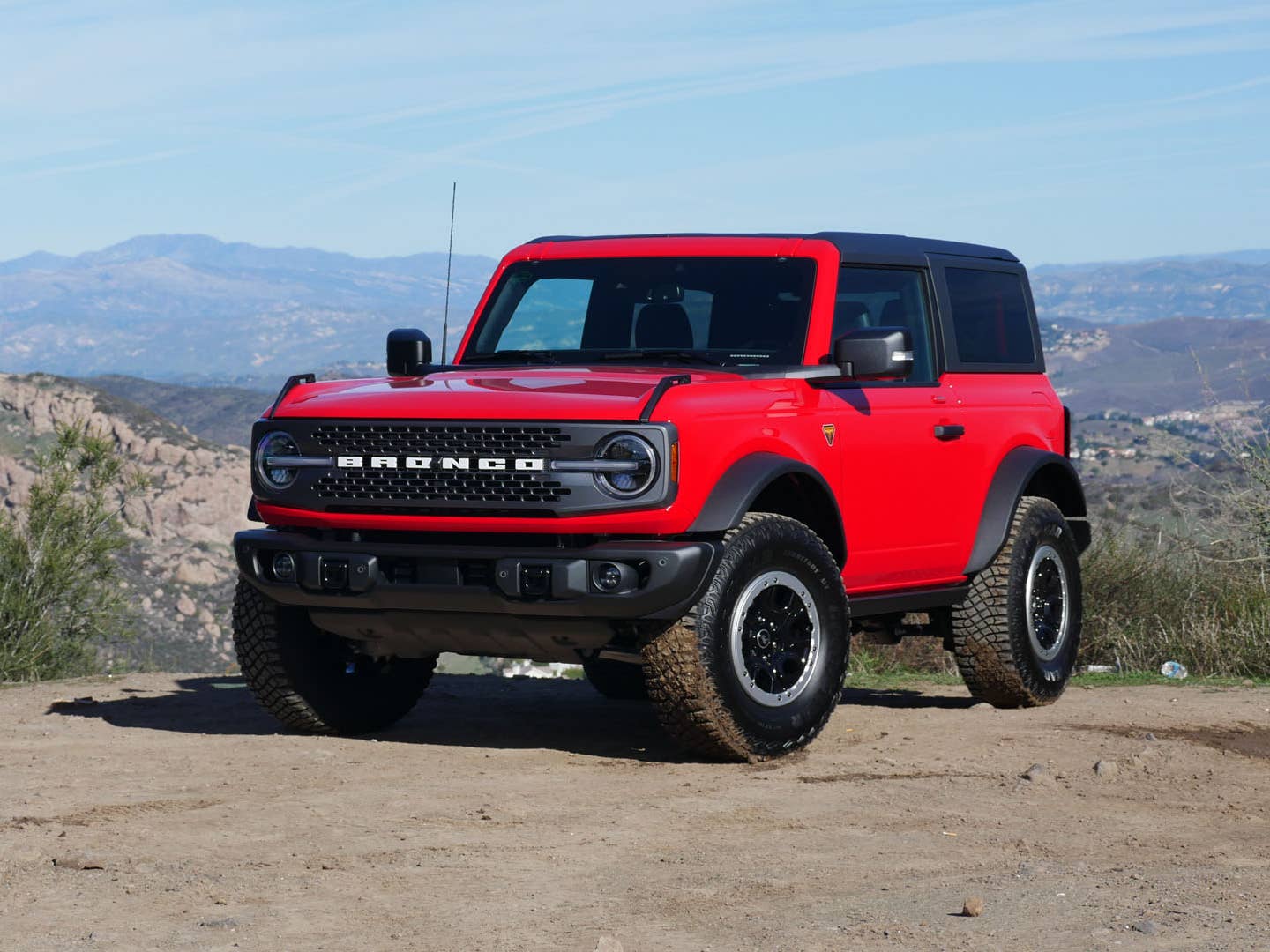
3. 2024 Ford Bronco Badlands (2-Door)
Estimated Price: $43,000 to $49,000
- Engine: 2.7L V6 turbo
- Horsepower: 330 hp
- Torque: 415 lb-ft
- Length and Width: 189.4 in, 76.3 in
Bold styling meets modern engineering in the Ford Bronco Badlands. Built to compete directly with long-established off-road icons, it delivers a refreshed approach while preserving the rugged character expected from a serious trail-ready vehicle. Its boxy profile is not just for appearance; it supports visibility, durability, and practical trail awareness when driving through tight or uneven roads.
Performance starts with an advanced four-wheel-drive system designed for varied conditions. The Bronco offers selectable drive modes that adjust throttle response, traction control behavior, and transmission mapping depending on the surface under the tires. This allows smoother transitions when moving from soft sand to deep mud or uneven rocky paths without requiring constant manual adjustments from the driver. It gives more control in situations where traction changes quickly.
Suspension design plays a major role in its off-road strength. The Badlands trim is equipped with components built for both durability and articulation, helping the wheels stay connected to uneven ground. High ground clearance reduces the risk of underbody contact with obstacles, while reinforced skid plates protect vital mechanical parts such as the transfer case and fuel system during rough driving conditions.
Tire choice also plays a big role in how well it performs. From the factory, it comes with all-terrain or mud-terrain tires that offer a strong grip on loose or uneven ground. The tread design helps push out mud, dirt, and small rocks so the tires can keep biting into the surface instead of getting clogged. When paired with the traction control system, they help the vehicle stay steady and move with confidence even when the ground under it keeps changing.
Inside the cabin, the Bronco Badlands balances rugged usability with modern comfort. Surfaces are made from durable materials that resist dirt, moisture, and wear from outdoor use. At the same time, the cabin includes a user-friendly infotainment system that supports navigation, media, and vehicle settings through a clear touchscreen interface. Driver-assist features add extra confidence during daily driving, especially in urban traffic or highway conditions.
One of its most distinctive traits is the removable doors and roof panels. This design allows drivers to transition between a fully enclosed cabin and an open-air setup depending on weather or preference. It adds a recreational dimension that enhances outdoor experiences, especially during trail driving or scenic routes.
Strong market demand continues to support its popularity. Buyers are drawn to its combination of rugged capability, modern features, and customizable driving experience. That balance keeps interest steady across different types of drivers, from weekend adventurers to daily commuters who want a capable vehicle ready for off-pavement travel.
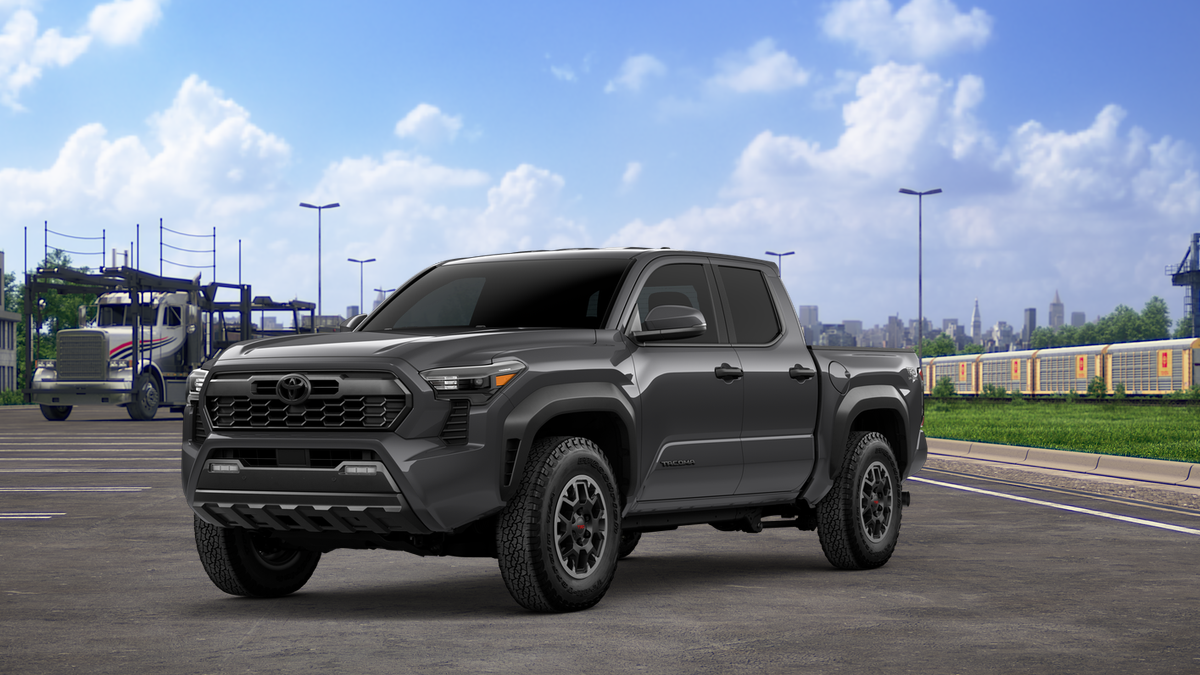
4. 2026 Toyota Tacoma TRD Off-Road
Estimated Price: $44,000 to $49,500
- Engine: 3.5L V6
- Horsepower: 278 hp
- Torque: 265 lb-ft
- Length and Width: 225.5 in, 75.2 in
Pickup truck buyers who need genuine off-road capability without the full-size footprint that Silverado and F-150 platforms require have been choosing the Toyota Tacoma TRD Off-Road for reasons that go beyond brand loyalty or marketing influence.
Starting between $43,000 and $49,000 for the Double Cab 4WD specification, the Tacoma TRD Off-Road has earned its position as the most respected mid-size off-road pickup through a combination of factory capability and long-term reliability that buyer experience in actual off-road conditions has validated across multiple model generations.
Bilstein shocks at all four corners in the TRD Off-Road specification provide the damper quality that aftermarket suspension upgrades typically deliver on competing vehicles. Bilstein’s monotube gas-charged design provides consistent damper response across a wider temperature range than twin-tube alternatives, which matters during sustained trail use when damper fluid temperature rises through repeated compression and extension cycles.
Consistent damping means the suspension behaves predictably throughout a long day of off-road driving rather than becoming progressively less controlled as shock fluid heats up. Electronic Locking Rear Differential in the TRD Off-Road provides the same mechanical traction assurance that similar lockers provide on competing platforms.
Engaged at the rear axle, the locker forces both rear wheels to rotate at identical speed regardless of individual wheel traction, eliminating the wheel-spin-and-slip behavior that open differentials produce when one rear wheel loses contact with firm ground. Drivers who regularly traverse loose or uneven surfaces find that the locker’s engaged reliability reduces stress and improves confidence during sections that would require careful throttle management on unlocked vehicles.
Approach angle of 28 degrees and departure angle of 23.5 degrees for the Double Cab configuration reflect the dimensional trade-offs that a longer wheelbase and rear overhang impose on mid-size pickups relative to dedicated off-road SUVs with shorter wheelbases.
Ground clearance of 9.4 inches at stock ride height is adequate for most trail work, but represents a limitation relative to some competitors at this price point. TRD Off-Road buyers who require additional clearance for their specific use typically address this through lift kit installation from the deep Tacoma aftermarket rather than accepting the stock specification as the vehicle’s final capability level.
Multi-Terrain Monitor provides real-time camera views of front and rear wheel positions during low-speed off-road maneuvering, showing the driver what is happening at the tires in situations where seat-level visibility cannot reveal obstacles below the vehicle’s sightline. This feature is particularly valuable during precise rock placement, where tire position accuracy determines whether a climb succeeds without contact with frame or body panels on obstacles beside or below the vehicle.
Toyota’s reliability reputation for the Tacoma platform is not abstract brand perception but documented owner experience confirmed across the most demanding off-road environments, including overlanding expeditions, competitive off-road racing, and daily working use in mining, construction, and agriculture applications worldwide.
Buyers who intend to use their Tacoma TRD Off-Road intensively for years can approach that use with confidence that the mechanical foundation will absorb the demands placed on it.
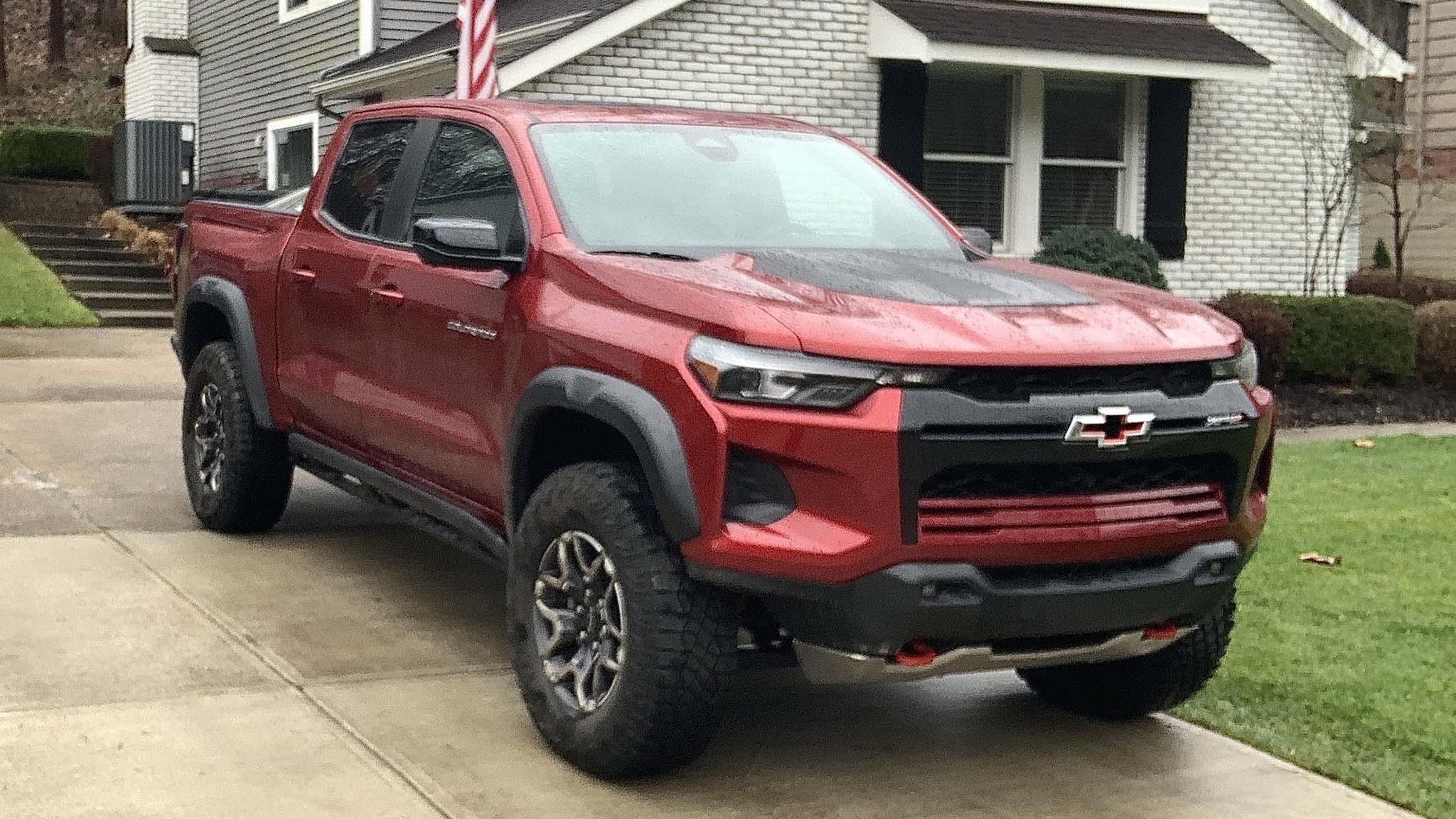
5. 2024 Chevrolet Colorado ZR2
Estimated Price: $44,000 to $48,500
- Engine: 2.7L turbo I4
- Horsepower: 310 hp
- Torque: 430 lb-ft
- Length and Width: 213.2 in, 76.4 in
Chevrolet’s Colorado ZR2 sits in a rare position within the mid-size truck segment, where engineering focus leans heavily toward specialized off-road performance rather than general-purpose utility alone. Built on the Crew Cab 4WD platform, it is priced between approximately $47,000 and $48,000 in well-equipped form, placing it at the upper end of the mid-size category. That pricing reflects the level of hardware integrated into the chassis from the factory, especially in the suspension system, where most of its competitive advantage is established.
At the center of the ZR2’s identity are Multimatic DSSV dampers, a suspension system developed through collaboration between Chevrolet and Multimatic specifically for this application. DSSV stands for Dynamic Suspensions Spool Valve, and the internal design replaces traditional shim-stack shock absorber architecture with a spool valve mechanism that regulates oil flow through precision-machined channels.
This allows the damping force to be tuned with far greater consistency and predictability across a wide range of driving conditions. The result is a suspension system that behaves in a controlled manner whether the truck is moving slowly over rocks or absorbing high-speed impacts in desert environments.
Suspension travel figures further reinforce its off-road capability. With approximately 7.0 inches of front travel and 8.9 inches at the rear, the Colorado ZR2 exceeds many competitors in the mid-size segment. This extended articulation allows the tires to maintain contact with uneven ground for longer periods, improving traction and stability when the road becomes irregular.
High-speed desert driving benefits especially from this setup, as the suspension can absorb repeated impacts without transmitting excessive force into the cabin or upsetting vehicle balance. Traction management is supported by electronic locking differentials at both the front and rear axles. This dual-locker configuration allows the vehicle to maintain forward motion even when individual wheels lose grip entirely. In technical low-speed environments such as rock gardens or loose climbs, the system ensures that torque is distributed evenly where needed.
This mechanical control is paired with skid plates covering essential components such as the oil pan, transfer case, and fuel tank, offering protection against underbody impacts that occur during trail driving. Exterior protection also extends to the body structure itself.
Factory-installed rocker protection integrated into the body cladding shields vulnerable lower door and side areas from damage caused by rocks and trail obstacles. This design choice reflects an understanding that owners are likely to push the vehicle into conditions where side contact is not only possible but expected. By integrating protection at the factory level, Chevrolet reduces the need for immediate aftermarket reinforcement.
Power comes from a 2.7-liter turbocharged four-cylinder engine producing approximately 310 horsepower and 430 pound-feet of torque. This output places it above several naturally aspirated V6 competitors in torque delivery, especially at lower engine speeds.
The turbocharged engine delivers strong pulling power when crawling up steep, slow trails, while still keeping fuel use reasonable on open highways. The eight-speed automatic transmission helps manage that power smoothly, changing gears based on the driving mode selected so the vehicle stays stable and controlled across different types of ground.
Tires also play a major role in how well it performs off-road. Optional packages fitted with 33-inch Goodyear Wrangler Duratrac tires improve grip in a big way, especially on mud, sand, and loose rocks. Because this setup comes from the factory, drivers do not need to rush into aftermarket upgrades before taking the truck onto serious trails.
The Chevrolet Colorado ZR2 stands as one of the most technically refined mid-size off-road trucks available under $50,000, combining advanced suspension engineering, dual locking differentials, and factory-backed durability in a package designed for serious trail and desert use.
Also Read: 5 Cars With Real Off-Road Hardware vs 5 With Looks Only
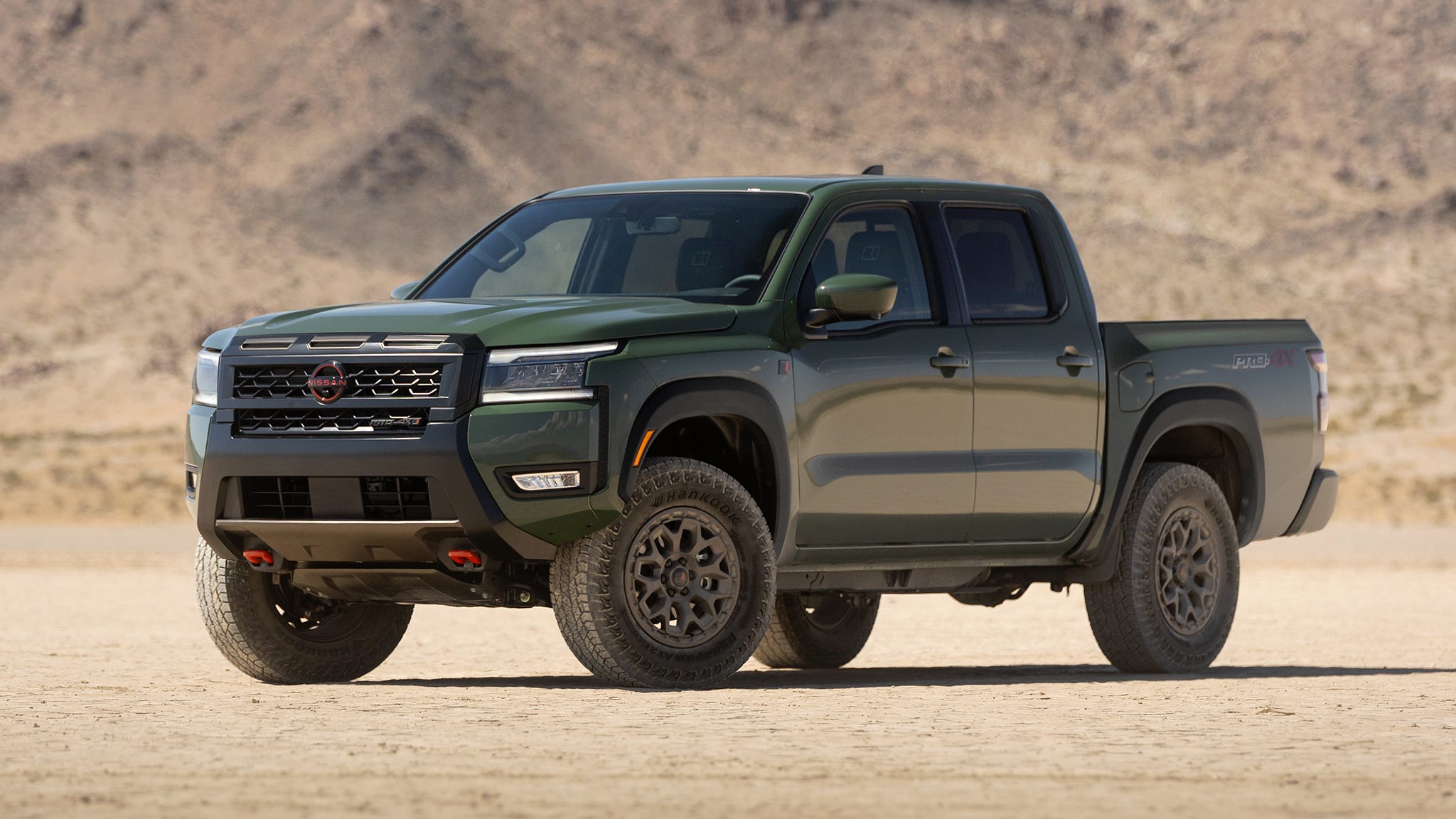
6. 2026 Nissan Frontier PRO-4X
Estimated Price: $40,000 to $45,500
- Engine: 3.8L V6
- Horsepower: 310 hp
- Torque: 281 lb-ft
- Length and Width: 210.2 in, 73.0 in
Nissan’s Frontier PRO-4X brings a different philosophy to the off-road truck segment, focusing on mechanical simplicity, durability, and cost-conscious engineering without stripping away serious trail capability. Starting near $40,000 and reaching close to $50,000 depending on configuration, it delivers a balanced approach that appeals to drivers who want dependable off-road performance without the added mechanical layers found in more technologically complicated rivals.
Power comes from a 3.8-liter naturally aspirated V6 engine producing around 310 horsepower and 281 pound-feet of torque. Unlike turbocharged alternatives, this engine operates without forced induction components such as intercoolers, boost control systems, or turbochargers.
That simplicity reduces the number of high-stress components under load, which can appeal to drivers who prefer long-term mechanical predictability. Throttle response is direct and linear, providing immediate engine reaction to driver input, which is especially useful in technical roads where precise control matters.
Supporting the drivetrain is a nine-speed automatic transmission that manages power delivery smoothly across both highway and off-road conditions. In low-range four-wheel drive mode, the system delivers a crawl ratio of approximately 25:1, giving the vehicle controlled movement at low speeds. This capability is essential for going through steep inclines, loose gravel, or rocky paths where steady torque delivery is more important than speed.
Suspension tuning is handled by Bilstein off-road shocks at all four corners. These dampers use gas-charged monotube construction, which improves heat management during extended off-road driving. Consistent damping response helps the vehicle maintain stability when traversing uneven surfaces, reducing body motion and improving tire contact with the ground. This makes long trail sessions more predictable and less fatiguing for the driver.
Traction capability is reinforced by an electronic locking rear differential. When activated, it forces both rear wheels to rotate together, ensuring power is delivered even if one wheel loses grip entirely. Combined with the four-wheel-drive system, this feature allows the Frontier PRO-4X to maintain forward movement in conditions that would challenge standard road-oriented trucks.
Underbody protection is standard equipment, with skid plates shielding the oil pan, transfer case, and front suspension components. This factory-installed protection reduces vulnerability to rocks and debris commonly encountered on off-road routes. Unlike base trims that require aftermarket upgrades, the PRO-4X arrives prepared for direct trail use.
Interior design focuses on function and durability rather than luxury presentation. Materials are selected for resistance to dirt and wear, while controls are arranged in a straightforward layout that minimizes distraction. Seating comfort remains suitable for long drives, making the truck usable both as a daily driver and a weekend trail machine.
Long-term ownership costs are one of its strongest advantages. Parts pricing remains relatively accessible compared to more premium competitors, and the platform benefits from a growing aftermarket presence following its recent redesign. This makes repairs, upgrades, and maintenance more manageable for owners planning extended use.
The Nissan Frontier PRO-4X delivers a practical balance of durability, off-road hardware, and cost efficiency, making it one of the most grounded choices in the under-$50,000 off-road truck category.
