
Buying a used vehicle often feels like a balancing act between budget, condition, mileage, and reliability. While exterior appearance and interior features attract attention during the shopping process, the engine remains the single most important component determining whether ownership becomes enjoyable or financially painful.
A well-designed engine can deliver hundreds of thousands of miles of dependable service, while a problematic one can generate repair bills that quickly exceed the vehicle’s value.
The challenge for used-car buyers is that not all engines earn their reputations immediately. Some power plants arrive with impressive specifications, strong performance figures, and glowing reviews.
Only after years of real-world use do recurring weaknesses begin to emerge. Issues involving timing chains, excessive oil consumption, cooling systems, internal component wear, and expensive design flaws often reveal themselves long after the original warranty expires.
Complicating matters further, many of these engines were installed in otherwise attractive vehicles. A buyer might discover a luxury sedan, family SUV, or pickup truck that appears to be a bargain, only to learn later that the engine under the hood has a history of costly problems.
Understanding which power plants have generated widespread concerns can help buyers avoid unpleasant surprises.
This does not mean every example equipped with these engines will fail. Many owners have accumulated substantial mileage through careful maintenance and timely repairs. However, when shopping in the used market, risk matters.
If two similar vehicles are available at comparable prices, choosing the one with a stronger engine reputation is often the smarter long-term decision.
The engines featured here became known for recurring issues that affected enough owners to influence their reputations significantly.
Some suffered from design flaws, while others developed reliability concerns that were expensive to address. Each serves as a reminder that horsepower and performance figures tell only part of the story.
For buyers prioritizing dependable transportation and manageable ownership costs, these six engines deserve careful consideration before signing any paperwork.
Also Read: 8 Engines That Cross 250K Miles On Standard Maintenance Alone
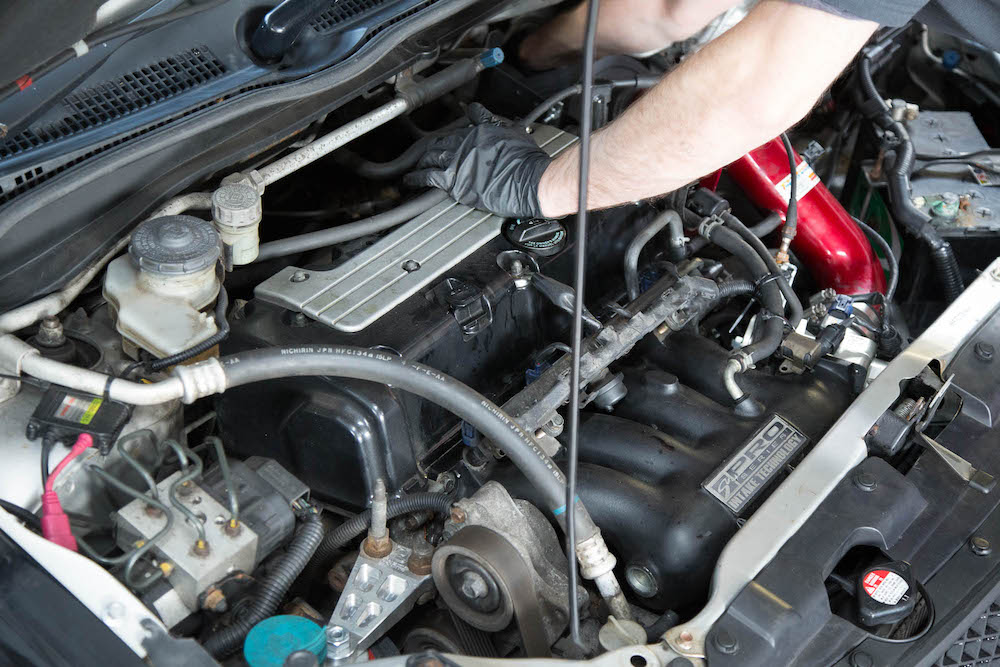
1. Chrysler 2.7-Liter V6
The Chrysler 2.7-liter V6 occupies a unique place in automotive history because it combined respectable performance with one of the most discussed reliability records of its era.
Installed in numerous Chrysler, Dodge, and Chrysler-branded sedans during the late 1990s and early 2000s, the engine initially appeared to offer a modern alternative to larger and less efficient powerplants. Unfortunately, real-world ownership revealed problems that would ultimately overshadow its strengths.
One of the engine’s most significant weaknesses involved oil sludge formation. While sludge can affect many engines under poor maintenance conditions, the 2.7-liter engine developed a reputation for being unusually sensitive.
Owners who missed oil changes or used improper maintenance schedules often discovered severe internal contamination that restricted oil flow and accelerated wear.
The consequences could be substantial. Sludge buildup sometimes contributed to oil starvation, damaging critical internal components and leading to premature engine failure. Repair costs frequently exceeded what many used vehicles equipped with the engine were worth.
Cooling-system concerns added another layer of complexity. The engine’s design placed considerable importance on maintaining proper operating temperatures. Problems involving water pumps and cooling components occasionally escalated into larger issues when not addressed promptly.
What made the situation particularly frustrating for owners was that many failures occurred gradually. The engine might operate normally for thousands of miles before symptoms become obvious. By the time warning signs appeared, internal damage was sometimes already extensive.
Because many of these vehicles are still widely in circulation, used-car buyers frequently come across models equipped with this engine. At first glance, their lower prices can appear appealing, particularly for those shopping on a tight budget. In reality, those reduced prices often signal the market’s understanding of the engine’s known reputation and potential concerns.
Not every 2.7-liter V6 experienced catastrophic problems. Owners who followed strict maintenance schedules occasionally achieved respectable longevity. Nevertheless, the engine earned enough negative attention that many mechanics and enthusiasts routinely advise caution when considering vehicles powered by it.
The lesson associated with the Chrysler 2.7-liter V6 extends beyond a single engine. It highlights how maintenance sensitivity can become a major concern in the used market. Buyers rarely know every detail of a vehicle’s service history, making engines with known vulnerabilities significantly riskier purchases.
Today, the 2.7-liter remains one of the most commonly cited examples of an engine that can transform an affordable used car into an expensive ownership experience.
Specifications (Typical Application: Chrysler 300)
- Engine: 2.7-liter V6
- Torque: 190 lb-ft
- Horsepower: 178 hp
- Length/Width: 196.8 in / 74.1 in
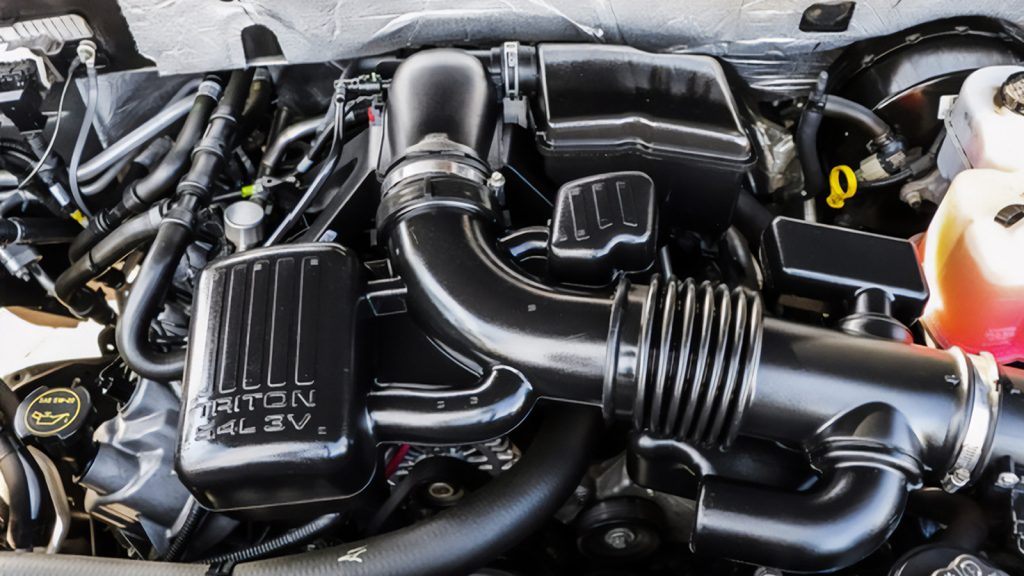
2. Ford 5.4-Liter Triton V8 (3-Valve)
Full-size truck buyers often associate V8 engines with durability and longevity. The Ford 5.4-liter Triton V8 certainly delivered strong towing capability and respectable performance, helping power millions of F-Series pickups, SUVs, and vans.
Yet the 3-valve version developed enough recurring issues that it became one of the most controversial truck engines of the modern era.
At first glance, the engine seemed like an ideal choice for truck duty. Its broad torque curve made towing easier, and its widespread availability ensured strong aftermarket support. Many owners appreciated its smooth operation and work-oriented character. The problems emerged as mileage accumulated.
Among the most frequently discussed concerns were issues involving cam phasers. These components formed part of the engine’s variable valve timing system and occasionally produced noticeable noise, rough operation, or performance problems when they wore prematurely.
Repairs often required significant labor, making them costly even when the engine itself remained mechanically sound. Spark plug problems became another well-known challenge. Certain versions of the engine developed a reputation for spark plugs breaking during removal or becoming difficult to service.
What should have been routine maintenance sometimes evolved into a frustrating and expensive repair procedure.
The timing system concerns further complicated ownership. Components associated with timing-chain operation could wear over time, creating additional repair expenses that many truck owners did not anticipate.
Unlike some problematic engines that failed suddenly, the Triton often generated a series of increasingly expensive maintenance requirements. Owners could continue driving for years, but repair bills had a tendency to accumulate as mileage climbed.
The engine’s popularity means countless examples remain available in the used market. Prospective buyers often find attractive prices on trucks equipped with the 5.4-liter engine because sellers recognize that knowledgeable shoppers are aware of its reputation.
Not every Triton-powered truck is automatically a poor choice. When properly maintained and backed by clear service records, these vehicles can still deliver dependable performance. The key factor is the maintenance history, which plays a major role in long-term reliability. Trucks that show evidence of resolved common issues are often a much safer and more practical buy.
The 5.4-liter Triton serves as a reminder that engine durability involves more than block strength and towing capability.
Supporting systems and long-term serviceability play equally important roles. While the engine helped power some of Ford’s most successful vehicles, its recurring reliability concerns make it one that used-truck buyers should evaluate very carefully.
Specifications (Typical Application: Ford F-150)
- Engine: 5.4-liter Triton V8
- Torque: 365 lb-ft
- Horsepower: 300 hp
- Length/Width: 211.0 in / 78.9 in
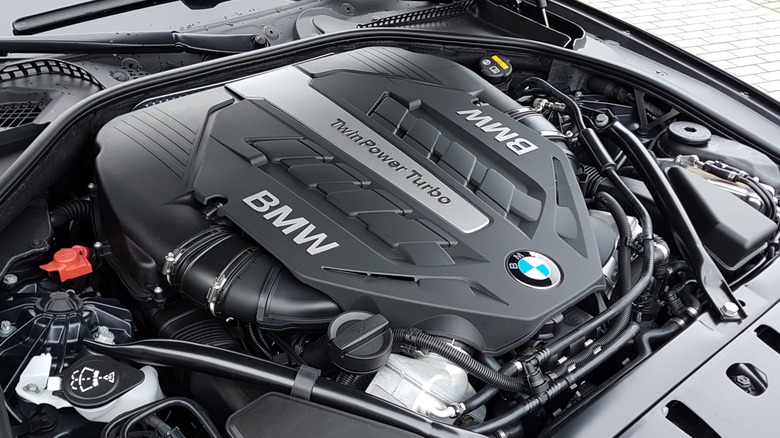
3. BMW N63 4.4-Liter Twin-Turbo V8
Luxury performance buyers often gravitate toward powerful V8 engines, and few looked more impressive on paper than BMW’s N63.
Introduced as a technologically advanced twin-turbocharged V8, the engine delivered strong acceleration, smooth power delivery, and the kind of effortless performance expected from premium German vehicles. Unfortunately, it also developed one of the most notorious reputations in the luxury-car world.
The N63 was ambitious from the beginning. BMW adopted an unusual “hot-V” design, placing the turbochargers within the engine’s V-shaped cylinder banks rather than outside them.
The layout improved packaging and throttle response while helping reduce turbo lag. It was an engineering achievement that impressed enthusiasts and automotive journalists alike.
However, the same design introduced significant heat-management challenges. High operating temperatures became a recurring theme throughout the engine’s life.
Heat affects nearly every component surrounding an engine, including seals, hoses, electronics, gaskets, and turbochargers. As mileage accumulated, many owners encountered issues tied directly or indirectly to excessive thermal stress.
Oil consumption became another commonly reported complaint. Some vehicles required frequent top-offs between service intervals, increasing operating costs and raising concerns about long-term durability.
While not every engine consumed oil at the same rate, the issue appeared frequently enough to become closely associated with the N63’s reputation.
Timing-chain concerns also emerged. Repairs involving timing components can be labor-intensive and expensive, particularly in tightly packaged luxury vehicles. Combined with other potential issues, these repairs often resulted in ownership costs that surprised buyers accustomed to BMW’s reputation for engineering excellence.
The engine’s complexity further amplified expenses. Modern luxury performance engines contain advanced electronics, turbocharging systems, sophisticated cooling circuits, and numerous sensors.
Diagnosing and repairing problems frequently requires specialized tools and expertise. What might be a moderate repair on a simpler engine can become a substantial financial commitment when dealing with the N63.
Another challenge in the used market is uncertainty. Two visually identical vehicles may have dramatically different maintenance histories.
One owner may have addressed common issues proactively, while another deferred maintenance until problems escalated. Buyers rarely have complete visibility into every repair performed during a vehicle’s life.
BMW eventually implemented updates and customer-service programs addressing some concerns, but the engine’s reputation had already been established. Enthusiasts often admire the N63’s performance while simultaneously acknowledging the risks associated with long-term ownership.
For used-car shoppers, the lesson is straightforward. A luxury vehicle’s declining purchase price does not necessarily indicate declining maintenance costs. In the case of the N63, the engine’s performance remains appealing, but the potential for expensive repairs makes careful inspection and detailed service records essential.
Specifications (Typical Application: BMW 750i)
- Engine: 4.4-liter twin-turbocharged V8
- Torque: 480 lb-ft
- Horsepower: 445 hp
- Length/Width: 206.6 in / 74.9 in
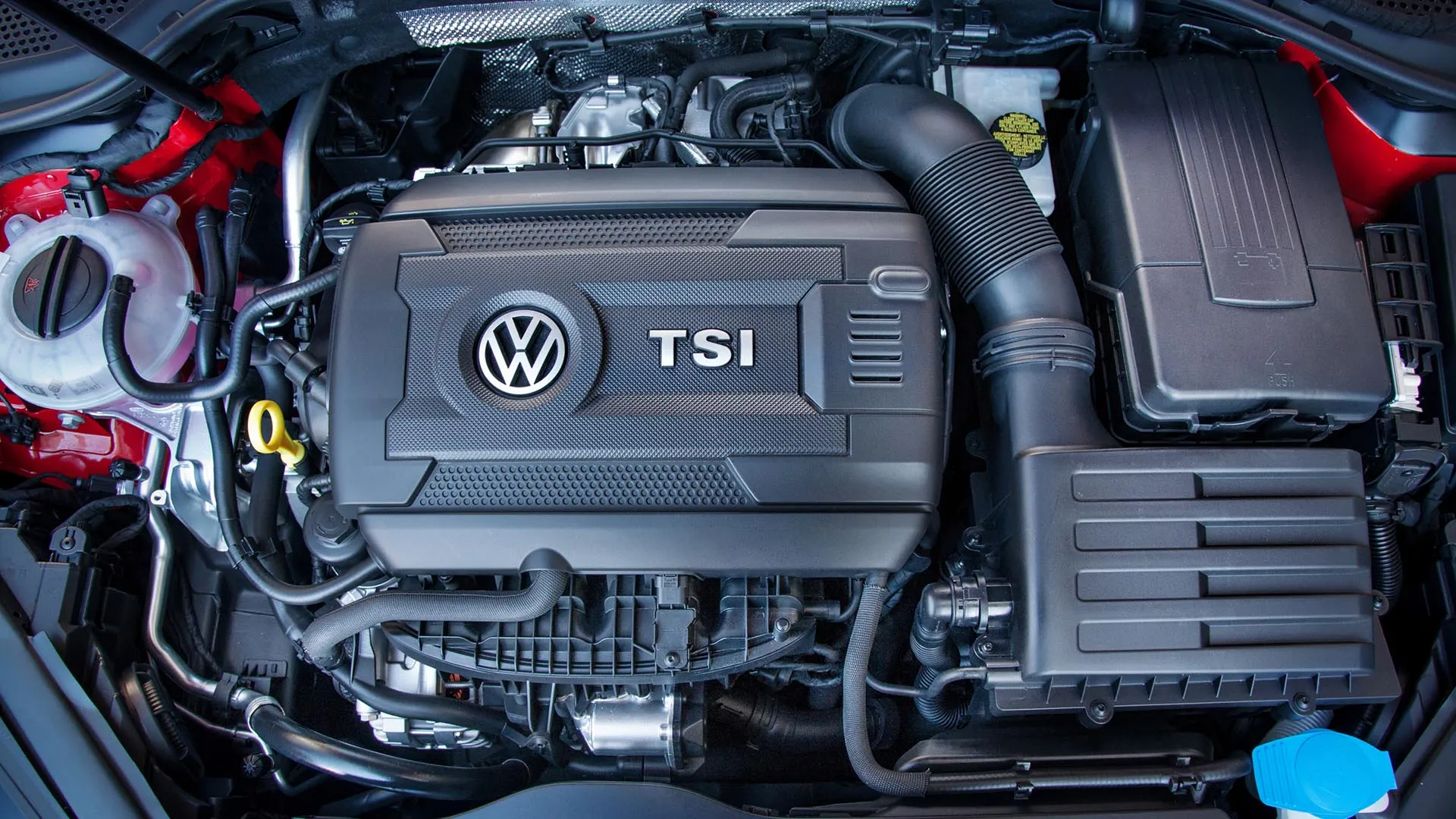
4. Volkswagen 2.0T EA888 (Early Generation)
Not every engine on this list suffers from catastrophic design flaws. Some become problematic because recurring issues appear often enough to create uncertainty for used-car buyers. Early versions of Volkswagen’s EA888 2.0-liter turbocharged four-cylinder fit that description perfectly.
The EA888 family ultimately evolved into one of the most widely used turbocharged engines in the industry. It powered numerous Volkswagen and Audi models, offering an appealing combination of performance, efficiency, and tuning potential.
Later generations earned significantly better reputations, but early versions generated concerns that continue influencing buying decisions today.
One issue appeared so frequently that it became synonymous with certain model years: excessive oil consumption. Owners often discovered that their vehicles required oil additions between scheduled services, sometimes at rates far higher than expected.
While some manufacturers consider limited oil consumption normal, many EA888 owners reported usage levels that exceeded typical expectations.
The problem created more than inconvenience. Drivers who failed to monitor oil levels carefully risked running the engine with insufficient lubrication. Over time, low oil levels can contribute to accelerated wear and potentially serious internal damage.
Timing-chain tensioner failures represented another widely discussed concern. Timing systems are critical because they synchronize engine operation. If timing components fail, extensive engine damage can occur. The possibility of expensive repairs made many used-car shoppers wary of vehicles equipped with early EA888 engines.
Carbon buildup added another complication. Direct fuel injection technology provides efficiency and performance benefits, but it can also allow deposits to accumulate on intake valves. While carbon buildup is not unique to Volkswagen, it became a notable maintenance consideration for many owners.
The engine’s driving characteristics remained one of its greatest strengths. It delivered strong low-end torque, respectable fuel economy, and enjoyable performance in a wide variety of vehicles. This created an unusual situation where buyers genuinely liked how the engine performed while simultaneously worrying about long-term reliability.
Repair costs varied significantly depending on which issues emerged and when they were addressed. Preventive maintenance often proved less expensive than waiting for symptoms to worsen, but used-car buyers cannot always verify whether previous owners followed recommended procedures.
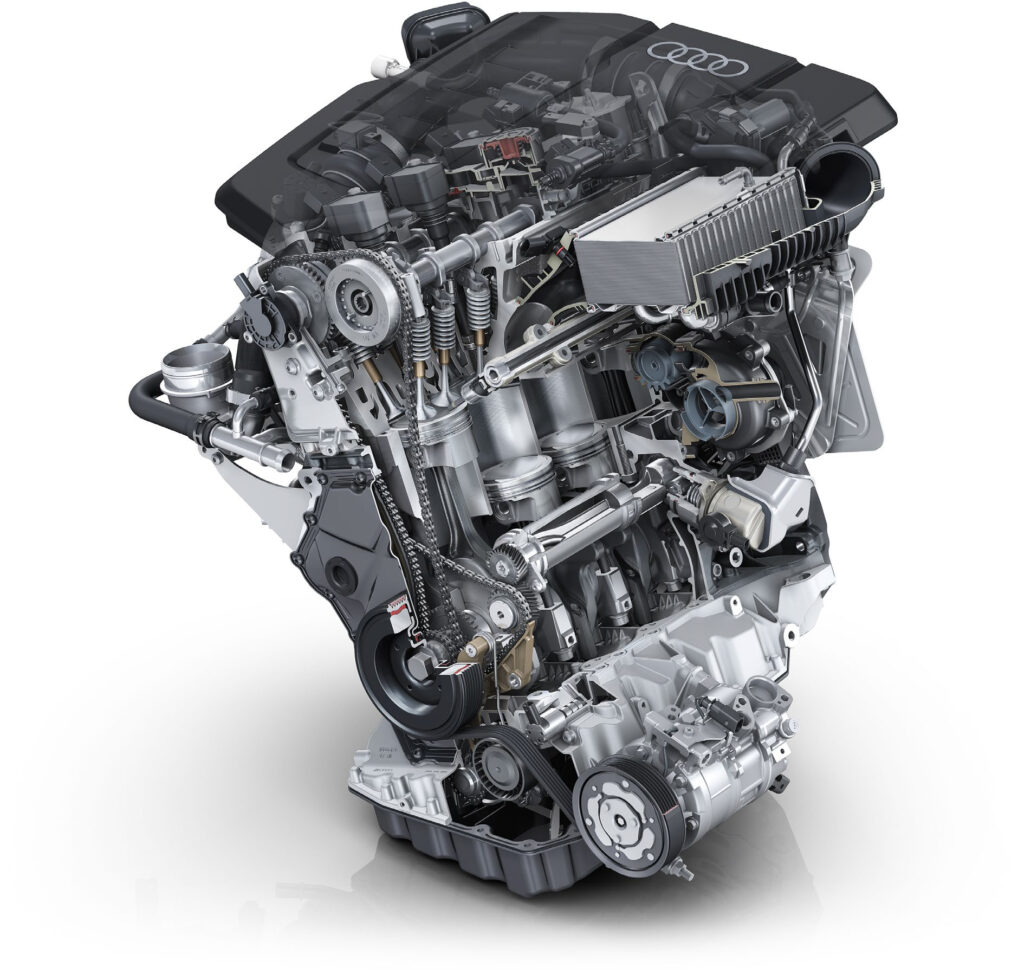
The EA888’s story demonstrates how an engine can evolve. Later versions improved substantially, but early examples remain associated with concerns that prospective buyers should research carefully before purchasing.
For shoppers considering an older Volkswagen or Audi product, understanding which generation of the EA888 sits under the hood can make a meaningful difference in ownership expectations and future maintenance costs.
Specifications (Typical Application: Volkswagen GTI)
- Engine: 2.0-liter turbocharged inline-four
- Torque: 207 lb-ft
- Horsepower: 200 hp
- Length/Width: 165.8 in / 70.4 in
5. General Motors 3.6-Liter V6 (Early LLT and LY7 Versions)
The General Motors 3.6-liter V6 appeared in an enormous range of vehicles, from family sedans and crossovers to luxury models and performance-oriented applications. On paper, it seemed like an ideal modern V6.
It offered competitive horsepower, smooth operation, respectable fuel economy, and broad versatility. Unfortunately, early versions of the engine became known for a problem that could turn an attractive used vehicle into a very expensive ownership experience.
Unlike engines that suffer from a single highly visible weakness, the early 3.6-liter V6 developed a reputation through a combination of issues that often surfaced as mileage increased. The most significant concern involved the timing-chain system.
Timing chains are generally expected to last much longer than timing belts, leading many buyers to assume they require little attention. In the case of certain early 3.6-liter engines, timing-chain stretch became a well-documented issue.
As components wore, the engine could trigger warning lights, experience drivability problems, or require extensive repairs. Addressing the problem frequently involved significant labor because of the engine’s design and packaging.
What made the situation particularly frustrating was the cost relative to vehicle value. Many used cars equipped with this engine became affordable on the secondhand market. Buyers often believed they were getting a bargain, only to discover that timing-chain repairs could represent a substantial percentage of the vehicle’s purchase price.
The engine’s widespread use amplified its reputation. Because it appeared in so many different vehicles, reports of timing-related issues accumulated quickly.
Mechanics across North America became familiar with the symptoms, and prospective buyers learned to pay close attention to maintenance records when evaluating vehicles powered by the early 3.6-liter.
Another challenge involved accessibility. Modern engine compartments are often tightly packed, and the 3.6-liter was no exception.
Routine maintenance remained manageable, but major repairs frequently required considerable labor. Even relatively straightforward component replacements could become costly due to the amount of disassembly involved.
Despite these concerns, the engine possessed genuine strengths. Performance was impressive for its era, refinement levels were competitive, and many examples accumulated substantial mileage when properly maintained. Some owners never encountered major problems at all.
The issue is risk assessment. When shopping for a used vehicle, buyers must consider probabilities rather than possibilities. Because timing-chain concerns appeared often enough to become a recognized pattern, the engine remains one that many experts recommend approaching with caution.
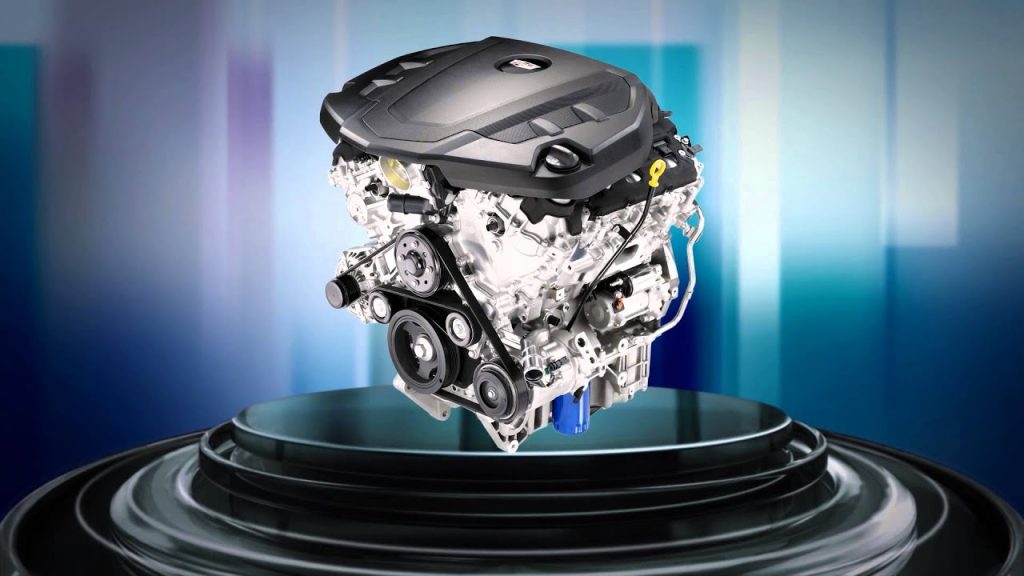
Vehicles equipped with updated versions of the 3.6-liter generally fare better, but early LLT and LY7 examples continue to occupy a prominent place on lists of engines that deserve extra scrutiny before purchase. Strong service documentation can make a significant difference, yet buyers should still understand the engine’s history before making a commitment.
Specifications (Typical Application: Cadillac CTS)
- Engine: 3.6-liter V6
- Torque: 252 lb-ft
- Horsepower: 263 hp
- Length/Width: 191.6 in / 70.6 in
6. Subaru 2.5-Liter EJ25
Subaru has built much of its reputation on durable all-wheel-drive vehicles and distinctive boxer engines. Many Subaru powerplants have earned loyal followings among enthusiasts and long-term owners.
The EJ25, however, developed a reputation that remains one of the most frequently discussed topics in Subaru ownership circles.
The engine’s story is complicated because several versions existed over many years. Some variants performed better than others, but a recurring issue involving head gaskets became closely associated with the EJ25 name. For used-car buyers, that association remains difficult to ignore.
Head gaskets serve a critical role by sealing the connection between the engine block and cylinder heads. When they fail, coolant and oil can mix, combustion gases can escape, and overheating risks increase dramatically. Repairs are often labor-intensive because accessing the affected components requires substantial disassembly.
In many EJ25-equipped vehicles, head-gasket failures became common enough that owners and mechanics began treating the repair almost as a predictable maintenance event. While that may sound like an exaggeration, the issue appeared frequently enough to influence resale values and buyer confidence across multiple Subaru models.
The boxer-engine layout contributed to repair complexity. Subaru’s horizontally opposed design offers several advantages, including a low center of gravity and balanced operation.
Accessing certain components is more difficult compared to traditional inline or V-shaped engines. This often results in higher labor costs than many buyers expect when major repairs are required.
Cooling-system maintenance became particularly important. Owners who ignored coolant condition or postponed preventive maintenance sometimes increased the likelihood of future problems. Vehicles with thorough service histories generally fared better, but used-car buyers cannot always verify how carefully previous owners maintained them.
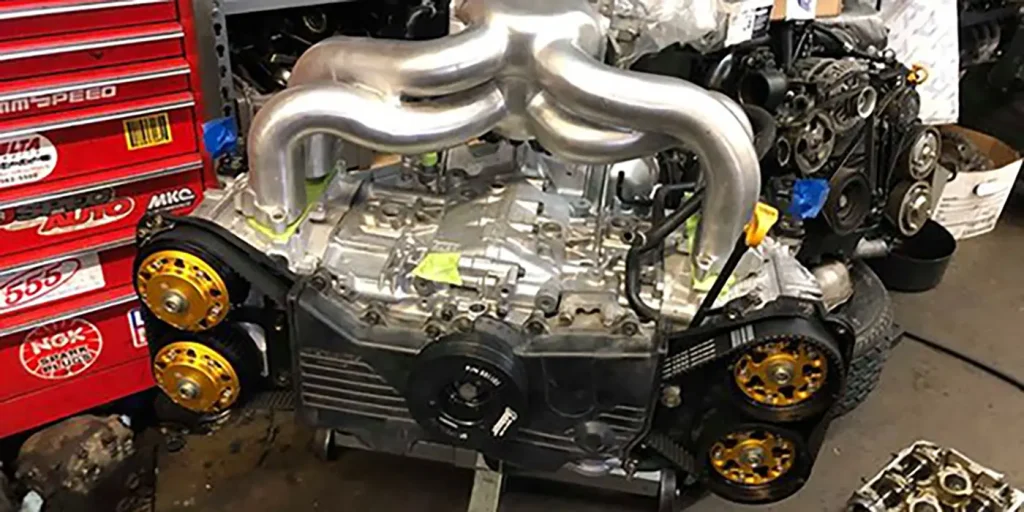
What makes the EJ25 especially interesting is that many owners genuinely enjoyed their vehicles despite the engine’s reputation.
Models such as the Outback, Forester, Legacy, and Impreza offered practicality, all-weather capability, and strong driving characteristics. Enthusiasts appreciated the vehicles even while acknowledging the possibility of head-gasket repairs.
Some later updates improved reliability, and many repaired engines continued operating successfully for years afterwards. Nevertheless, the possibility of expensive engine work remains a major consideration when evaluating older Subaru models equipped with this powerplant.
The EJ25 serves as a classic example of an engine that offers many desirable qualities while carrying a well-known weakness. Buyers willing to research maintenance records carefully may find good examples, but those seeking the lowest-risk ownership experience often choose alternatives with fewer recurring concerns.
Specifications (Typical Application: Subaru Outback)
- Engine: 2.5-liter flat-four
- Torque: 166 lb-ft
- Horsepower: 170 hp
- Length/Width: 188.7 in / 69.7 in
