Chevrolet occupies a unique position in the automotive industry. Few manufacturers produce such a wide variety of vehicles under a single brand name. From affordable commuter cars and family SUVs to heavy-duty trucks and high-performance sports cars, Chevrolet has spent decades building products for nearly every type of buyer.
That broad lineup has helped the company become one of the most recognizable automotive brands in North America, but it has also created an important reality for shoppers: not every Chevrolet delivers the same ownership experience.
Some models have earned loyal followings through strong reliability, impressive capability, and long-term value. These vehicles often become benchmarks within their segments because they combine practicality with engineering that continues to satisfy owners years after purchase.
Whether the focus is towing, daily commuting, family transportation, or driving enjoyment, certain Chevrolet models consistently stand out as smart investments.
Other vehicles have not enjoyed the same reputation. In some cases, the problem stems from intense competition. A model may be perfectly adequate on its own but struggle to justify its price when compared with stronger alternatives.
In other situations, issues such as poor resale value, outdated design, limited practicality, or disappointing ownership costs can weaken the full value proposition.
The difference between a rewarding vehicle and a frustrating one often becomes apparent long after the excitement of a new purchase fades.
Monthly payments eventually end, but maintenance expenses, fuel costs, reliability concerns, and daily usability remain important throughout the ownership cycle. That is why evaluating a vehicle requires more than looking at horsepower figures or showroom appeal.
This article examines both ends of Chevrolet’s lineup. First, we focus on five models that continue to make compelling cases for buyers seeking strong value, capability, and long-term satisfaction. These are vehicles that represent Chevrolet at its best.
After that, attention shifts toward five models that are harder to recommend. While none are complete failures, each carries drawbacks significant enough to make buyers think twice before signing on the dotted line.
Also Read: 5 Acura Models Worth the Price vs 5 to Skip
5 Chevy Models Worth Buying
The strongest Chevrolet products share a common trait. They deliver exactly what their target buyers expect while avoiding major compromises. Some excel through durability, others through versatility, and a few succeed by offering experiences that rival much more expensive vehicles.
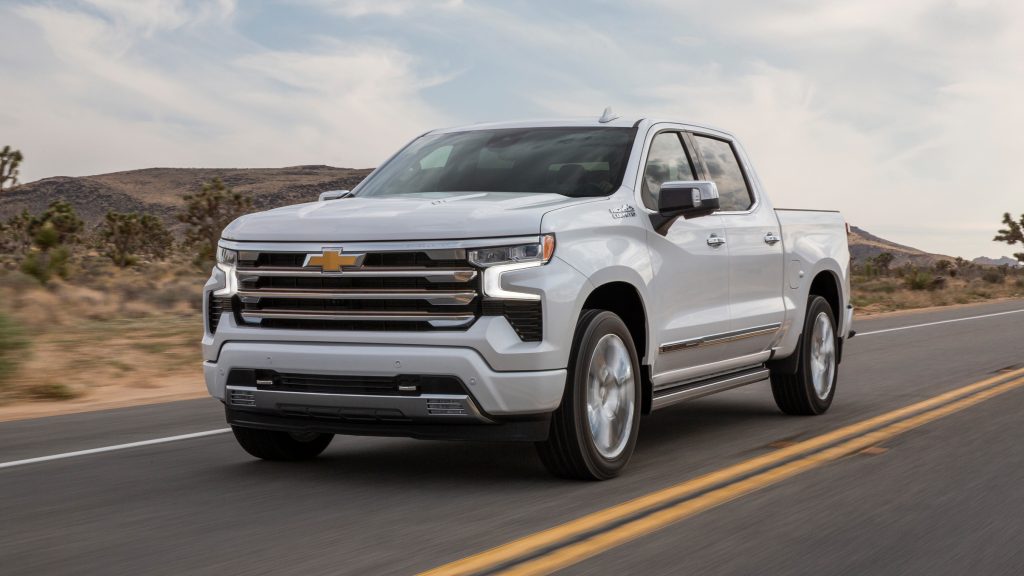
1. Chevrolet Silverado 1500
Full-size pickup trucks have become more than work tools. For many owners, they function as daily transportation, family vehicles, towing machines, and long-distance cruisers all at once. The Chevrolet Silverado 1500 has remained relevant in this demanding segment because it handles those responsibilities with impressive consistency.
One of the truck’s greatest strengths is choice. Buyers can select from multiple engines, trim levels, cab configurations, and bed lengths. That flexibility allows the Silverado to serve entirely different roles depending on the owner’s needs. A contractor, a ranch owner, and a suburban family can all find versions that fit their lifestyles.
The driving experience has improved significantly over the years. Earlier generations often prioritized capability over comfort, but modern Silverado models provide a far more refined ride. Highway travel feels stable and relaxed, while cabin noise remains well controlled even at higher speeds.
Capability remains a major selling point. Whether towing a trailer, hauling construction materials, or transporting recreational equipment, the Silverado performs with confidence. Strong powertrain options and impressive payload ratings ensure that the truck rarely feels overwhelmed by demanding tasks.
Interior quality has also advanced. Higher trims feature materials and technology that rival many luxury vehicles. Large displays, useful storage solutions, and comfortable seating contribute to a cabin that feels genuinely modern.
Another factor supporting the Silverado’s value is its widespread service network. Parts availability, dealership access, and aftermarket support remain among the strongest in the industry, helping reduce ownership headaches over time.
The Silverado’s appeal comes from its ability to adapt. It can be a hardworking job-site companion during the week and a comfortable road-trip vehicle on the weekend without feeling compromised in either role.
Specifications
- Engine: 5.3L V8
- Torque: 383 lb ft
- Horsepower: 355 hp
- Length/Width: 231.9 in / 81.2 in
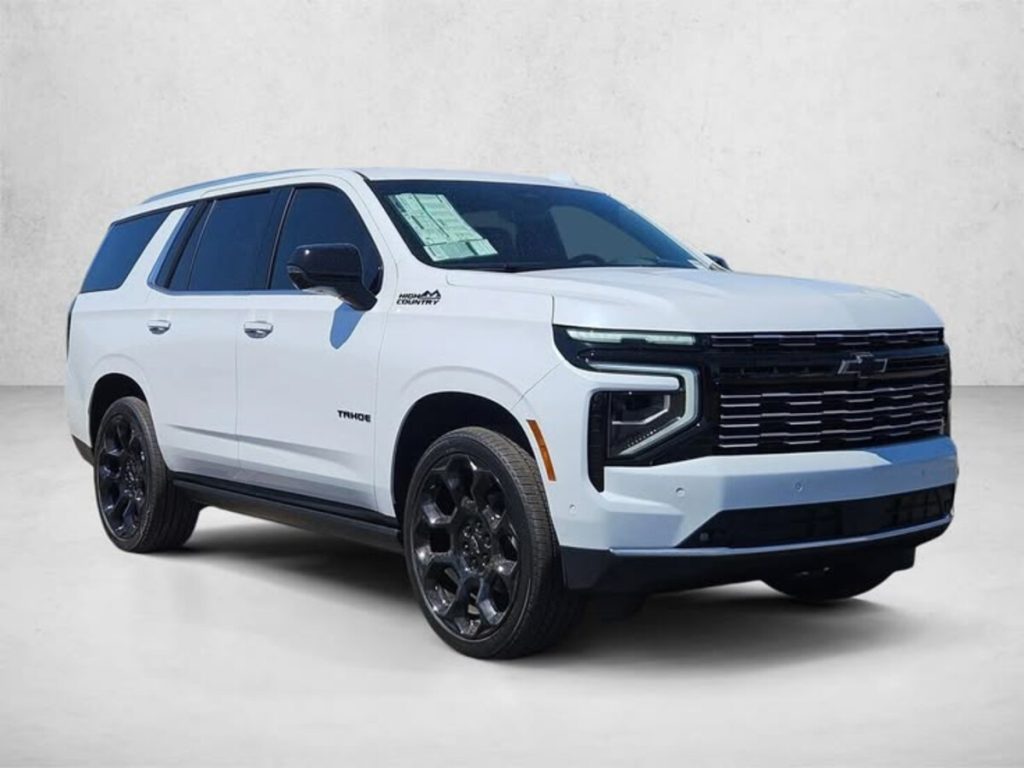
2. Chevrolet Tahoe
Large body-on-frame SUVs continue to attract buyers who need serious passenger space, towing capability, and long-distance comfort. The Chevrolet Tahoe has occupied that role for decades, and its continued popularity is no accident.
The first thing many owners notice is how effectively the Tahoe manages size. On paper, it is a substantial vehicle. From behind the wheel, however, it feels more manageable than its dimensions suggest. Visibility is good, controls are intuitive, and the driving position inspires confidence.
Passenger accommodation represents one of Tahoe’s greatest advantages. Three rows of seating provide room for large families, while the latest generation introduced significant improvements in third-row comfort. Adults can travel in the back without feeling like an afterthought.
Cargo capacity adds another layer of usefulness. Road trips, sports equipment, home improvement projects, and airport runs are handled with ease. Few vehicles combine passenger and cargo flexibility as effectively as the Tahoe.
Powertrain choices contribute to its broad appeal. Whether equipped with a V8 gasoline engine or the available diesel option, the SUV provides ample power for everyday use and towing duties. Long-distance highway travel feels effortless thanks to strong torque delivery and stable road manners.
Unlike some competitors that emphasize ruggedness at the expense of comfort, the Tahoe balances both priorities successfully. Suspension improvements have made recent generations noticeably smoother and more refined without sacrificing capability.
The Tahoe remains a fixture in family garages, government fleets, and commercial service because it consistently delivers what buyers expect. Its blend of practicality, durability, and versatility makes it one of Chevrolet’s most dependable long-term purchases.
Specifications
- Engine: 5.3L V8
- Torque: 383 lb ft
- Horsepower: 355 hp
- Length/Width: 210.7 in / 81.0 in
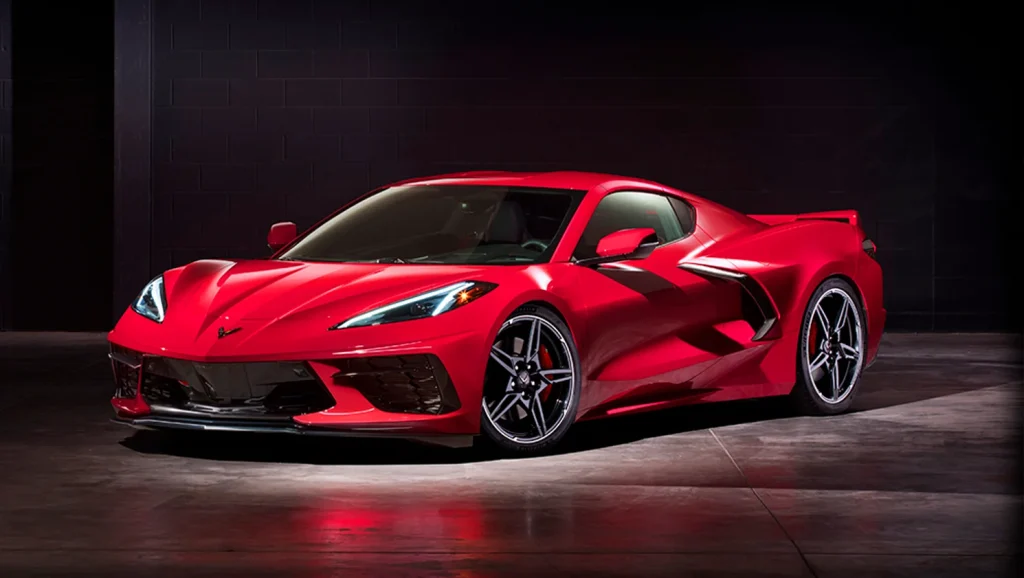
3. Chevrolet Corvette Stingray
Some sports cars impress with raw speed, and then there are sports cars that change perceptions. The Chevrolet Corvette Stingray belongs firmly in the second category. For decades, the Corvette represented American performance at a relatively attainable price.
The latest generation transformed that formula by moving the engine behind the driver, placing the car into territory traditionally occupied by exotic European brands.
The mid-engine layout altered far more than the Corvette’s appearance. It changed the way the car behaves on the road. Weight distribution improved dramatically, cornering confidence increased, and the vehicle gained a level of precision that previous generations could not quite match.
Drivers no longer buy the Corvette solely because it offers great value. They buy it because it has become a genuinely world-class sports car.
Acceleration is naturally one of the highlights. Even the standard Stingray delivers performance capable of embarrassing vehicles that cost significantly more. Yet straight-line speed tells only part of the story. The steering feels sharp, the chassis remains composed through fast corners, and the balance encourages drivers to push harder with confidence.
What makes the Corvette especially appealing is its ability to function outside of a racetrack environment. Visibility is better than many exotic sports cars, cabin technology is modern, and ride quality remains surprisingly comfortable for daily driving. It is a machine capable of thrilling its owner on a mountain road before settling into relaxed highway cruising.
Value continues to be a major advantage. Comparable performance from European manufacturers often requires spending tens of thousands more. The Corvette delivers a similar sense of excitement while remaining more accessible.
The result is a sports car that occupies a unique position in today’s market. It offers supercar-like capability without demanding supercar sacrifices, making it one of the strongest performance bargains available.
Specifications
- Engine: 6.2L V8
- Torque: 470 lb ft
- Horsepower: 490 hp
- Length/Width: 182.3 in / 76.1 in
4. Chevrolet Traverse
Not every successful vehicle earns attention through performance numbers or dramatic styling. Sometimes, the most valuable automotive qualities involve practicality, comfort, and the ability to make everyday life easier. The Chevrolet Traverse has built its reputation around those strengths.
Families shopping for three-row crossovers often discover that advertised seating capacity and actual usability are not always the same thing. The Traverse stands out because its interior space feels genuinely generous. Adults fit comfortably in all three rows, a claim that many competitors struggle to make.
The second-row seating arrangement deserves particular praise. Access to the third row is straightforward, and passengers are not forced into awkward positions during entry or exit. These details may seem minor during a showroom visit, but they become increasingly important during years of family use.
Cargo flexibility is another area where the Traverse excels. Even with all seats occupied, there remains enough space for luggage, groceries, or sports equipment. Fold the rear seats down, and the vehicle transforms into a surprisingly capable cargo hauler.
Rather than emphasizing sporty handling, Chevrolet focused on creating a relaxed driving experience. The suspension absorbs road imperfections effectively, and the cabin remains quiet during highway travel. Long journeys become less tiring because the vehicle prioritizes passenger comfort above aggressive dynamics.
Technology integration feels appropriately modern without becoming distracting. Families gain access to safety features, connectivity options, and convenience technologies that support daily use rather than complicate it.
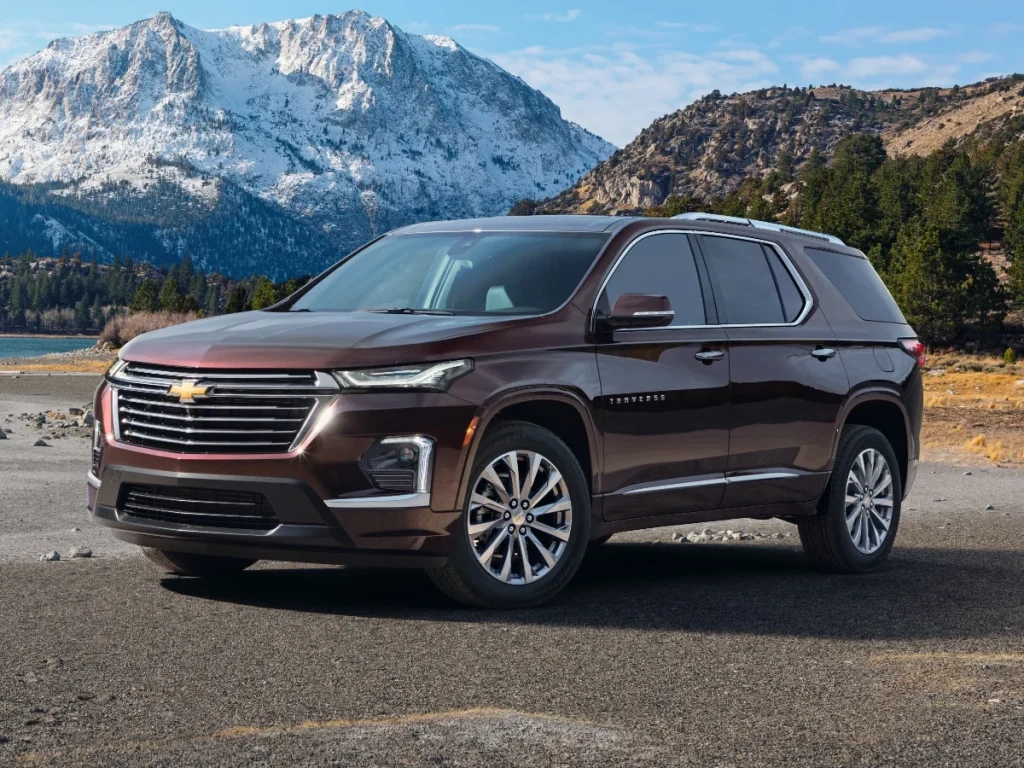
The Traverse succeeds because it understands its mission. It does not attempt to be a sports car or a luxury SUV. Instead, it concentrates on transporting people and cargo efficiently while keeping occupants comfortable. That straightforward approach has helped it remain one of Chevrolet’s most useful products.
Specifications
- Engine: 2.5L Turbocharged Inline 4
- Torque: 326 lb ft
- Horsepower: 328 hp
- Length/Width: 204.5 in / 79.6 in
5. Chevrolet Suburban
Longevity in the automotive industry often says more than any marketing campaign ever could. The Chevrolet Suburban has remained in production for generations because it continues to serve a purpose that few vehicles can match.
It occupies a space between family SUV, towing machine, road-trip cruiser, and commercial workhorse, often performing all of those duties simultaneously.
Its defining characteristic is space. The Suburban provides an amount of passenger and cargo room that immediately changes how owners use their vehicles.
Large families can travel with every seat occupied while still having enough room for luggage. Business owners can transport equipment without sacrificing passenger capacity. Few vehicles offer this level of flexibility.
The extended wheelbase contributes to a more settled highway ride. Long-distance travel becomes one of the suburbs’ greatest strengths, particularly when loaded with passengers and cargo. It feels composed at speed and remains comfortable during hours behind the wheel.
Towing capability further expands its usefulness. Boats, trailers, campers, and recreational equipment are all well within the vehicle’s capabilities when properly equipped. That versatility allows owners to avoid maintaining separate vehicles for different tasks.
Recent generations have benefited from significant improvements in refinement. Interior materials, technology integration, and ride quality have advanced considerably, bringing the Suburban closer to premium SUV territory. Higher trims offer comfort levels that rival many luxury competitors.
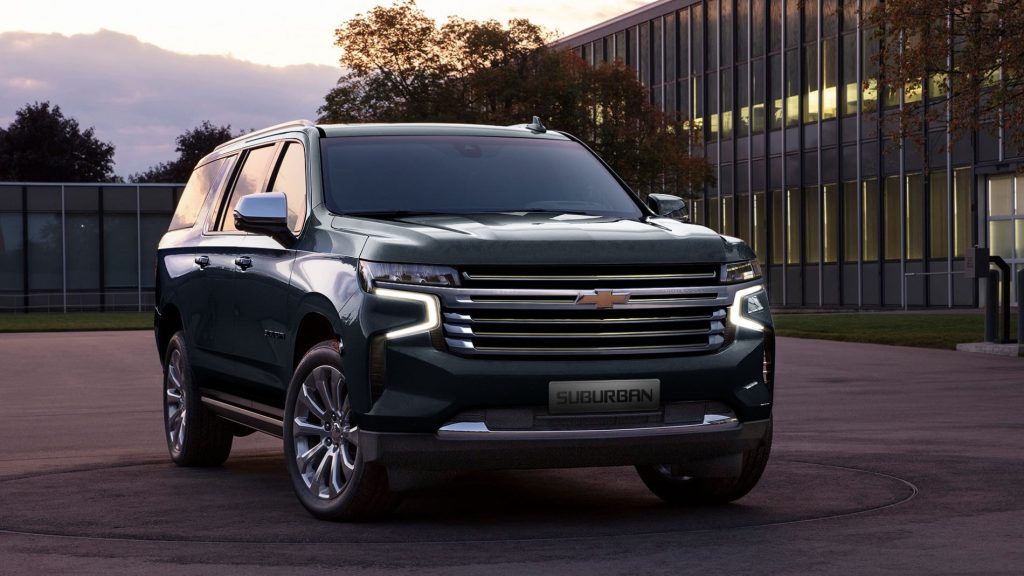
Another reason for its enduring appeal is predictability. Owners generally know exactly what they are getting: a durable, spacious, highly capable SUV with decades of proven history behind it. In a market increasingly filled with niche products, that clarity remains refreshing.
The Suburban continues to thrive because it delivers solutions to practical problems. For buyers who genuinely need space, towing ability, and long-range comfort, few vehicles make a stronger case.
Specifications
- Engine: 5.3L V8
- Torque: 383 lb ft
- Horsepower: 355 hp
- Length/Width: 225.7 in / 81.1 in
5 Chevy Models to Avoid
Every manufacturer has vehicles that fall short of expectations, and Chevrolet is no exception. In many cases, these models are not fundamentally bad products. The issue is that they either struggle to compete against stronger alternatives, fail to deliver sufficient value for their price, or carry compromises significant enough to limit their appeal.
Sometimes the problem stems from changing market conditions. A vehicle that seemed compelling at launch may become less attractive as competitors improve. In other cases, engineering decisions, pricing strategies, or design limitations prevent a model from fully realizing its potential.
Another factor buyers should consider is long-term ownership satisfaction. Initial impressions can be positive, but concerns such as depreciation, practicality, interior quality, or performance often become more noticeable after the novelty wears off. Vehicles that appear attractive on a dealer lot do not always remain equally appealing years later.
The models featured in this section each possess certain strengths. Some offer distinctive styling, while others provide respectable performance or useful features. Yet when measured against alternatives available in their respective segments, they frequently come up short.
For shoppers seeking maximum value, understanding these weaknesses is just as important as identifying the strongest models in Chevrolet’s lineup. Avoiding a disappointing purchase can be every bit as valuable as finding a great one.
1. Chevrolet Trax (First Generation)
The first-generation Chevrolet Trax arrived during the early stages of the subcompact crossover boom. At the time, demand for small SUVs was growing rapidly, and manufacturers rushed to fill the emerging segment. While the Trax succeeded in offering an affordable entry point, it struggled to distinguish itself in meaningful ways.
Its compact dimensions made urban driving easy. Parking required little effort, visibility was generally good, and fuel economy remained competitive. Unfortunately, many of the vehicle’s advantages ended there.
Interior quality represented one of the most common criticisms. Hard plastics dominated the cabin, and the full presentation felt closer to an economy car than a crossover carrying an SUV image. Buyers willing to spend slightly more often found competitors offering noticeably more refinement.
Performance was another weak point. The small turbocharged engine provided adequate power for routine commuting, but acceleration felt strained under heavier loads or highway-merging situations. Drivers expecting SUV-like confidence frequently came away disappointed.
Passenger space also limited its appeal. While the exterior footprint was compact by design, rear-seat accommodations and cargo capacity often felt restrictive compared with rival vehicles in the same category. Families quickly discovered that the available room disappeared faster than expected.
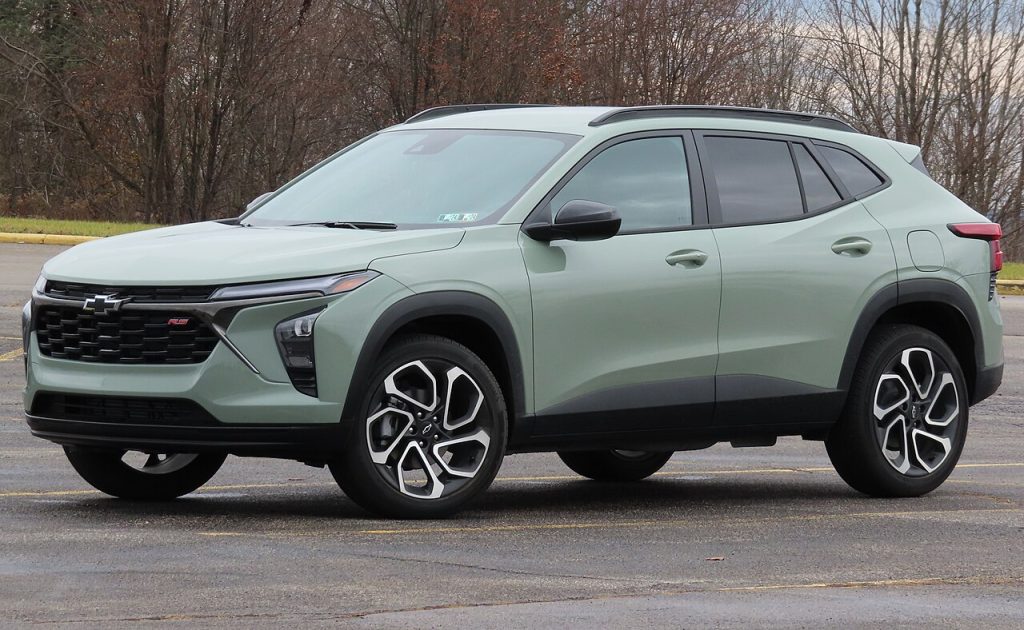
As the segment matured, competitors improved dramatically. Newer rivals introduced better interiors, stronger engines, improved safety technology, and more refined driving characteristics. The Trax struggled to keep pace, leaving it increasingly difficult to recommend.
The first-generation Trax served a purpose by offering affordable crossover ownership, but the compromises required to achieve that price point became more noticeable as buyers gained access to better alternatives.
Specifications
- Engine: 1.4L Turbocharged Inline 4
- Torque: 148 lb ft
- Horsepower: 138 hp
- Length/Width: 167.2 in / 69.9 in
2. Chevrolet Spark
Small city cars succeed when they provide inexpensive transportation without making owners feel like they settled for less. The Chevrolet Spark struggled to achieve that balance. Its low purchase price attracted budget-conscious buyers, but several compromises limited its appeal beyond basic commuting duties.
The most obvious issue was performance. The tiny engine delivered adequate power in urban environments, yet highway driving often required patience. Merging into fast-moving traffic or climbing steep grades exposed the limitations of the powertrain, making the vehicle feel underpowered compared with many rivals.
Interior space was another concern. While compact dimensions helped with parking, passenger comfort suffered. Rear-seat room was limited, and cargo capacity quickly disappeared once multiple occupants entered the cabin. Buyers looking for flexibility frequently found themselves constrained by the car’s size.
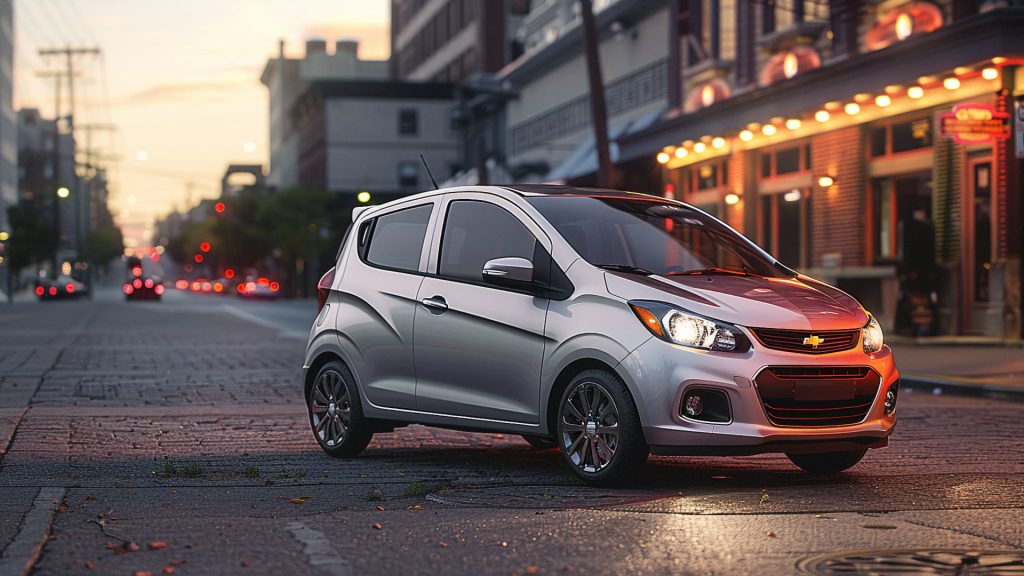
Ride quality also reflected the Spark’s economy-car roots. Rough roads and highway imperfections were transmitted into the cabin more noticeably than in larger vehicles. Combined with modest noise insulation, long-distance travel could become tiring.
The Spark fulfilled its mission as affordable transportation, but the market eventually moved toward vehicles offering more practicality and refinement for only slightly higher prices.
Specifications
- Engine: 1.4L Inline 4
- Torque: 94 lb ft
- Horsepower: 98 hp
- Length/Width: 143.1 in / 62.8 in
3. Chevrolet Camaro (Final Generation)
The Camaro remains one of the most recognizable names in American performance, but the final generation became increasingly difficult to recommend for many buyers despite its impressive capabilities.
On paper, the Camaro excelled. Powerful engines, sharp handling, and strong track performance made it one of the best driver’s cars in its price range. Enthusiasts appreciated the precise steering and balanced chassis, often placing it ahead of competitors when driving dynamics were the primary consideration.
Daily usability, however, told a different story. Visibility was a persistent complaint. Thick roof pillars and small windows created blind spots that made parking and maneuvering more challenging than they needed to be. The low seating position added to the sense of confinement.
The rear seats were also among the least practical in the segment. Adults found space extremely limited, and accessing the back row required effort. Cargo space was similarly compromised compared with competing performance cars.
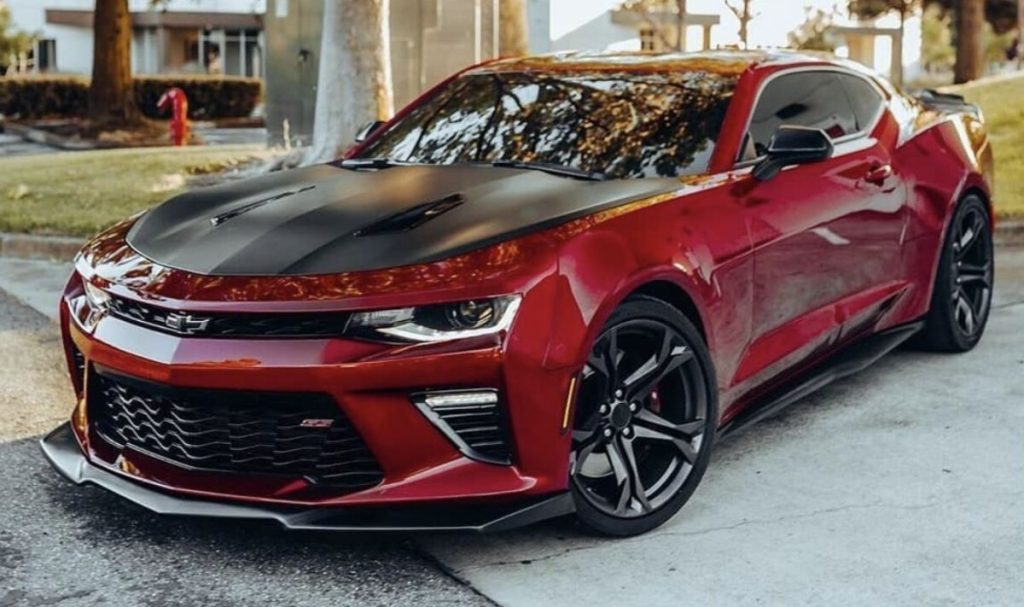
While the Camaro delivered outstanding performance value, living with it every day required accepting more compromises than many buyers were willing to tolerate. For enthusiasts seeking a weekend toy, those drawbacks mattered less.
For drivers wanting a performance car that could comfortably handle daily responsibilities, stronger alternatives often existed.
Specifications
- Engine: 6.2L V8
- Torque: 455 lb ft
- Horsepower: 455 hp
- Length/Width: 188.3 in / 74.7 in
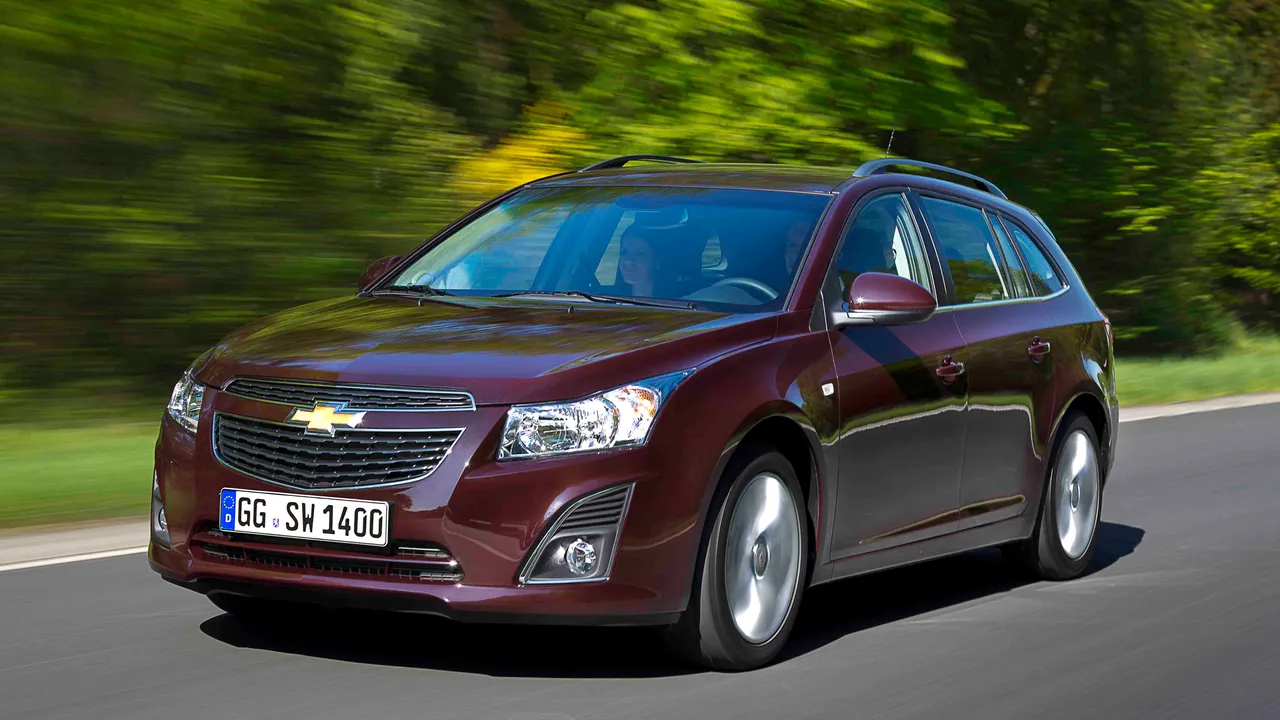
4. Chevrolet Cruze
The Chevrolet Cruze entered one of the most competitive automotive segments in the world. Compact sedans are expected to excel in several areas simultaneously, including fuel economy, comfort, affordability, reliability, and practicality.
While the Cruze enjoyed periods of popularity and offered several appealing features, it ultimately became a model that many buyers would have been better off avoiding compared with stronger alternatives available at the time.
One reason the Cruze struggled was inconsistency across different model years. Certain versions proved dependable, while others developed reputations for mechanical issues involving turbocharged engines, cooling systems, and various electrical components.
For used-car shoppers, this inconsistency created uncertainty. Buyers often had to spend significant time researching specific years and trims to avoid potential headaches.
The Cruze also faced fierce competition from segment leaders. Vehicles such as the Honda Civic, Toyota Corolla, and Mazda3 consistently offered stronger combinations of reliability, resale value, and owner satisfaction.
Even when the Cruze matched competitors in one category, it often lagged in another. As a result, it rarely emerged as the obvious choice.
From behind the wheel, the Cruze delivered a comfortable and composed driving experience. The suspension handled daily commuting duties well, and highway stability was respectable. Yet the vehicle lacked a defining characteristic that would separate it from rivals.
It was neither the most engaging car to drive nor the most efficient or spacious option in the segment.
Interior quality presented a mixed picture. Higher trims offered attractive features and modern technology, but lower trims felt noticeably budget-oriented. Material quality varied significantly throughout the cabin, reducing the premium impression Chevrolet was attempting to create.
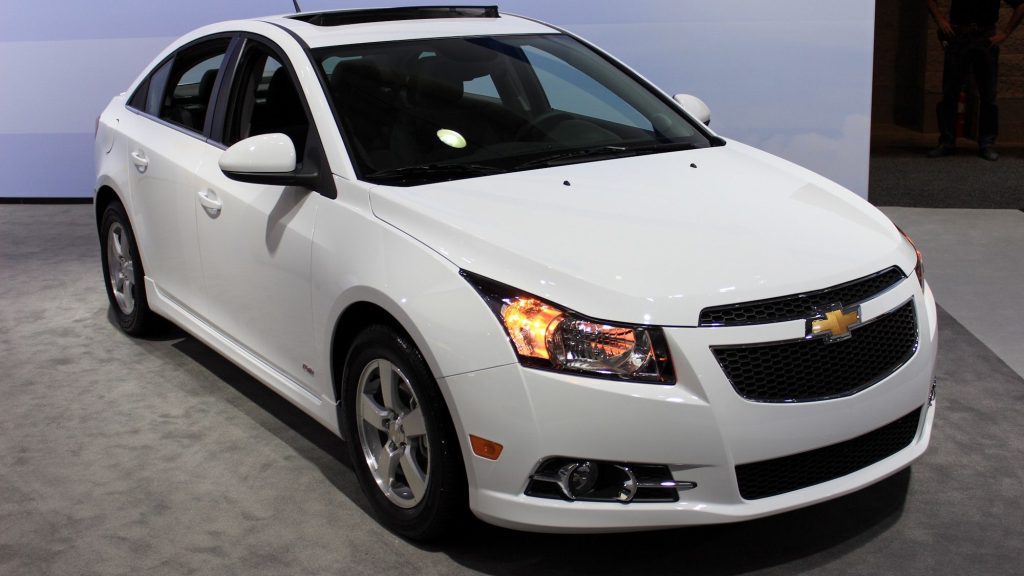
Depreciation further weakened its value proposition. Compact sedans already face challenging resale conditions, and the Cruze often loses value faster than several key competitors. That reality made long-term ownership less appealing for buyers focused on the total cost of ownership.
The Cruze was not a terrible vehicle by any means. It simply existed in a segment where excellence was required to stand out. Against stronger rivals that offered superior reliability records and better long-term value, the Cruze often found itself overshadowed.
Specifications
- Engine: 1.4L Turbocharged Inline 4
- Torque: 177 lb ft
- Horsepower: 153 hp
- Length/Width: 183.7 in / 70.5 in
5. Chevrolet Captiva Sport
The Chevrolet Captiva Sport occupies an unusual chapter in Chevrolet’s history. Unlike most vehicles developed specifically for retail customers, the Captiva Sport originated largely as a fleet-focused model.
It was essentially a repurposed version of a vehicle already sold under a different brand, and that background became apparent throughout the ownership experience.
At first glance, the Captiva appeared to offer reasonable value. It provided crossover styling, available all-wheel drive, and enough space for small families. For buyers seeking an affordable SUV, those characteristics seemed attractive. The problem was that the vehicle struggled to excel in any particular area.
Performance was adequate but uninspiring. The available engines moved the vehicle without difficulty, yet acceleration and driving dynamics rarely inspired confidence or enthusiasm. Competitors in the same segment often felt more refined, more responsive, and more modern.
The interior represented another weak point. Cabin design felt dated even during the vehicle’s production years, and material quality failed to match the expectations of many crossover buyers. As competing manufacturers introduced increasingly sophisticated interiors, the Captiva began to look outdated.
Technology was similarly behind the curve. Features that were becoming standard elsewhere were either unavailable or less advanced in the Captiva. This gap became more noticeable as consumer expectations evolved and technology played a larger role in purchasing decisions.
Long-term value also presented concerns. Because the model lacked a strong identity and was never a major retail success, resale values tended to suffer. Buyers often discovered that the vehicle depreciated more rapidly than competing crossovers.
Perhaps the biggest issue was that Chevrolet itself offered stronger alternatives. Models elsewhere in the lineup provided better design, more modern engineering, and greater long-term appeal. The Captiva existed largely because it filled a temporary market need rather than because it represented Chevrolet at its best.
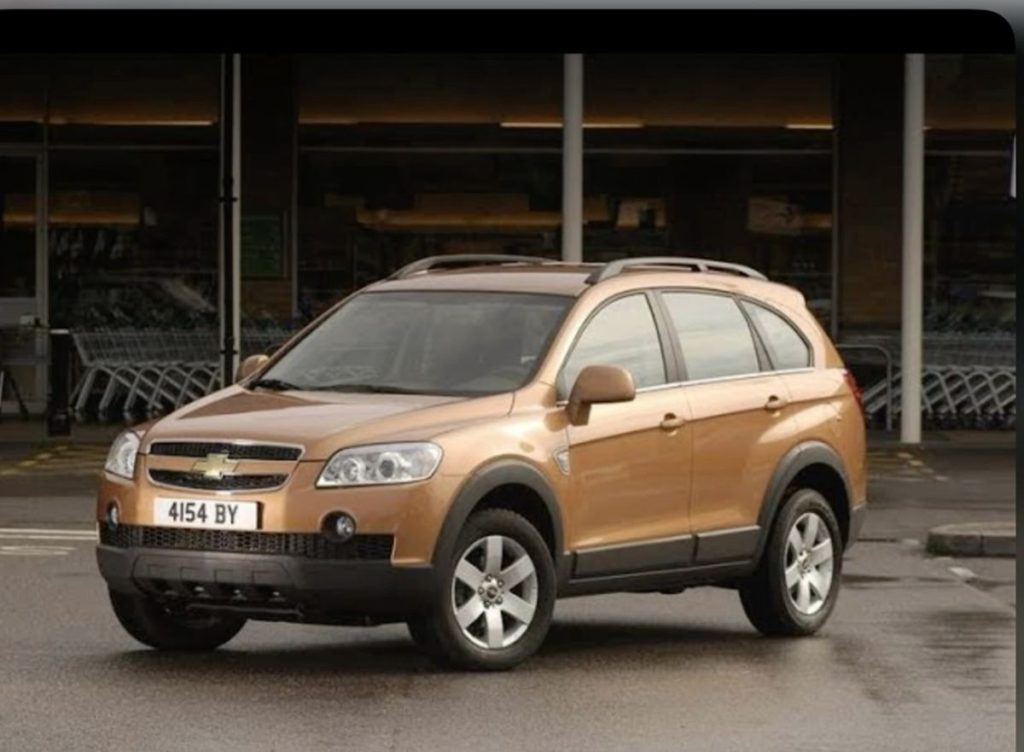
As a result, the Captiva Sport remains one of the easier Chevrolet models to skip. While it fulfilled basic transportation duties competently enough, there were simply too many superior choices available both inside and outside the Chevrolet showroom.
Specifications
- Engine: 2.4L Inline 4
- Torque: 167 lb ft
- Horsepower: 180 hp
- Length/Width: 181.7 in / 72.8 in
Also Read: 5 Car With Strongest AC vs 5 With Weakest