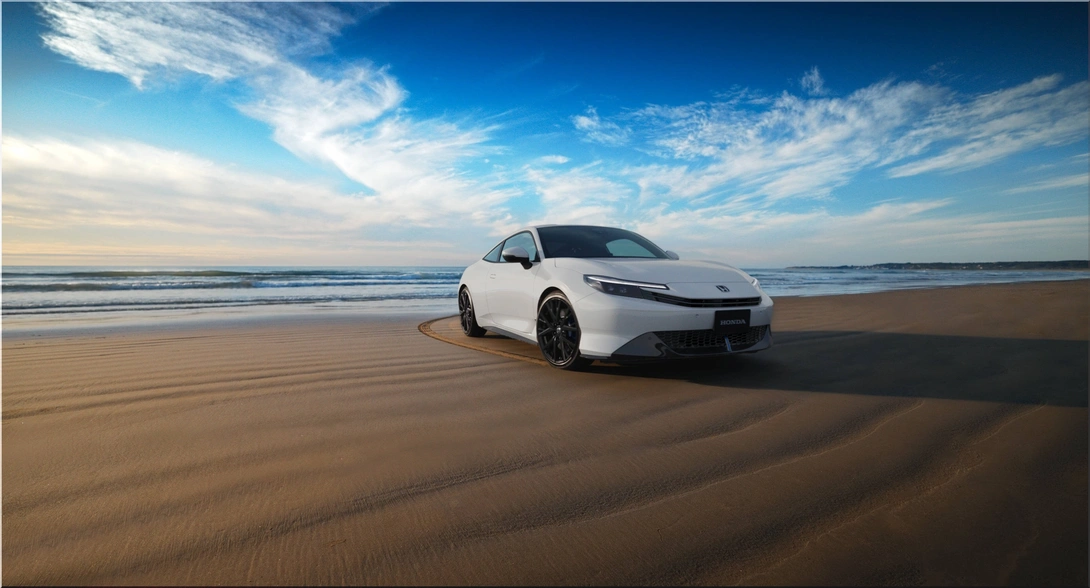
After years of speculation and anticipation, the Honda Prelude is officially back. One of the most recognizable names in Honda’s performance history has returned to showrooms, but the new model takes a noticeably different approach from many modern sports coupes.
Priced at $43,195, the revived Prelude arrives as a stylish two-door hybrid coupe that prioritizes comfort, refinement, and everyday usability over outright track performance.
Early reviews suggest Honda has deliberately positioned the car as a grand tourer rather than a hardcore sports machine, creating a unique niche in a market increasingly dominated by SUVs and high-performance enthusiast vehicles.
The decision may surprise those who remember the Prelude’s sporty reputation during the 1980s, 1990s, and early 2000s. However, Honda appears to believe there is still room for a coupe that focuses on enjoyable long-distance driving rather than chasing lap times.
As journalists begin spending time behind the wheel, a clearer picture is emerging of what the new Prelude represents and who it is designed to attract.
Also Read: Tesla Model X Lost 61% Value in 5 Years
A Legendary Name Returns
The Prelude occupies a special place in Honda’s history. Introduced in the late 1970s, the coupe evolved through multiple generations and became known for combining advanced engineering with everyday practicality.
Throughout its lifespan, the Prelude frequently served as a showcase for Honda technology, featuring innovations such as four-wheel steering and sophisticated suspension systems. When production ended in 2001, the nameplate left behind a loyal fan base.
For years, enthusiasts wondered whether Honda would ever revive the model. The return of the Prelude, therefore, carries considerable emotional significance, particularly among buyers who remember the original car’s unique place within the brand’s lineup. At the same time, Honda faced a difficult challenge.
The automotive market that supported earlier Prelude generations has changed dramatically. Coupe sales have declined as consumers increasingly gravitate toward crossovers and SUVs, making it difficult to justify a niche performance-oriented model.
The company needed to create a vehicle capable of appealing to modern buyers while honoring the Prelude’s legacy.
Built on Familiar Foundations
One of the most discussed aspects of the new Prelude is its platform. Reviewers note that the coupe shares much of its underlying architecture with the Honda Civic, a decision that helps control development costs while benefiting from an already proven foundation.
Using the Civic’s chassis offers several advantages. The platform has earned praise for its structural rigidity, ride quality, and balanced handling characteristics. It also provides Honda with a reliable starting point for creating a vehicle that emphasizes refinement and comfort.
Some enthusiasts may initially view the shared architecture as a compromise. However, platform sharing has become increasingly common throughout the automotive industry. Manufacturers routinely use common foundations across multiple vehicles to reduce costs and improve efficiency.
In the Prelude’s case, the Civic connection appears to have given Honda a solid base from which to create a distinct grand-touring experience. The result is a car that feels familiar in some respects while offering its own personality.
Not Designed to Be a Track Car
Perhaps the most important takeaway from early reviews is what the Prelude is not. Honda did not build this coupe to compete directly with track-focused performance cars such as the Toyota GR Supra, Nissan Z, or even its own Civic Type R.
Journalists who have driven the vehicle consistently describe it as a relaxed and refined grand tourer rather than an aggressive sports coupe. That distinction shapes nearly every aspect of the vehicle’s character.
The suspension tuning favors comfort over razor-sharp responses. The cabin emphasizes refinement and noise isolation. Power delivery is designed to be smooth and predictable rather than explosive.
In an era where many performance vehicles seem increasingly focused on achieving the fastest possible lap times, Honda’s approach stands out.
The company appears more interested in creating a coupe that owners can comfortably drive every day, whether commuting to work or covering long highway distances. For some buyers, that may be exactly what they have been waiting for.
Hybrid Power Reflects Modern Priorities
The new Prelude also embraces electrification. Honda has integrated hybrid technology into the coupe, reflecting the broader direction of the company’s product strategy. Rather than relying on a traditional high-revving gasoline engine alone, the Prelude combines efficiency and performance through a modern hybrid powertrain.
This decision aligns with changing consumer expectations and tightening emissions regulations.
Hybrid systems offer several advantages in a grand-touring vehicle. They provide strong low-speed torque, smooth acceleration, and improved fuel economy, all of which contribute to a more relaxed driving experience.
While some enthusiasts may miss the character of Honda’s high-revving engines from earlier decades, the hybrid setup helps position the Prelude as a modern interpretation of the nameplate rather than a nostalgic recreation. The powertrain reinforces the vehicle’s focus on real-world usability.
A Different Kind of Coupé
The Prelude enters a market where coupes have become increasingly rare. Many manufacturers have reduced or eliminated two-door offerings in favor of higher-volume crossovers and SUVs. As a result, buyers looking for stylish, practical coupes now have fewer choices than they did a decade ago.
Honda seems to view that situation as an opportunity. Rather than trying to outmuscle traditional sports cars, the company is targeting consumers who appreciate distinctive styling and engaging driving dynamics but do not necessarily need maximum performance.
The Prelude’s blend of efficiency, comfort, and everyday practicality gives it a character that differs from many remaining coupes on the market. That differentiation could help it attract buyers seeking something unique.
It also reflects Honda’s long-standing ability to identify niches that larger competitors sometimes overlook.
Balancing Heritage and Modern Expectations
Reviving a legendary nameplate is never easy. Automakers must satisfy existing fans while also attracting new customers who may have little familiarity with the vehicle’s history. Lean too heavily on nostalgia, and the product can feel outdated. Ignore the past entirely, and enthusiasts may reject it.
Honda appears to have chosen a middle ground. The new Prelude acknowledges its heritage through its coupe layout and driver-focused design, but it also embraces modern technology, hybrid efficiency, and contemporary comfort expectations.
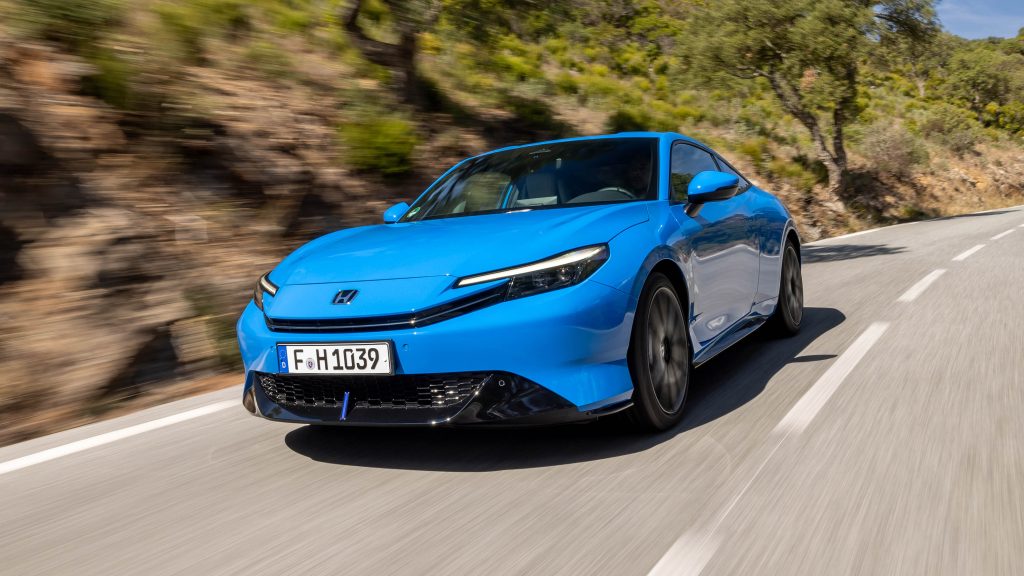
That balance may ultimately determine the model’s success. The company is not attempting to recreate a 1990s sports coupe. Instead, it is adapting the Prelude concept for today’s automotive environment. Whether longtime fans embrace that interpretation remains to be seen.
A New Role for an Old Name
The return of the Honda Prelude marks the beginning of a new chapter for one of the brand’s most recognizable models. Priced at $43,195 and built around a hybrid powertrain, the coupe enters the market with a clear identity that differs from many modern performance cars.
Early reviews suggest Honda has created a vehicle that prioritizes refinement, efficiency, and long-distance comfort rather than track-day heroics. Its civic-based platform provides a strong foundation, while its grand-touring character helps distinguish it from more aggressive competitors.
For enthusiasts expecting a hardcore sports coupe, the new Prelude may not be what they envisioned. But that appears to be entirely intentional.
Honda’s goal was not to build the fastest coupe in its lineup. Instead, the company set out to create a stylish and comfortable grand tourer capable of delivering enjoyable everyday driving.
In a market where many vehicles chase extremes, the Prelude’s measured approach could prove surprisingly refreshing.
Whether that strategy resonates with buyers will become clearer as the coupe begins to arrive at dealerships, but one thing is already evident: the Prelude is back, and it has returned with a very different mission than before.
Also Read: Consumer Reports Names The Ford F-150: A Top Pick For 2026