
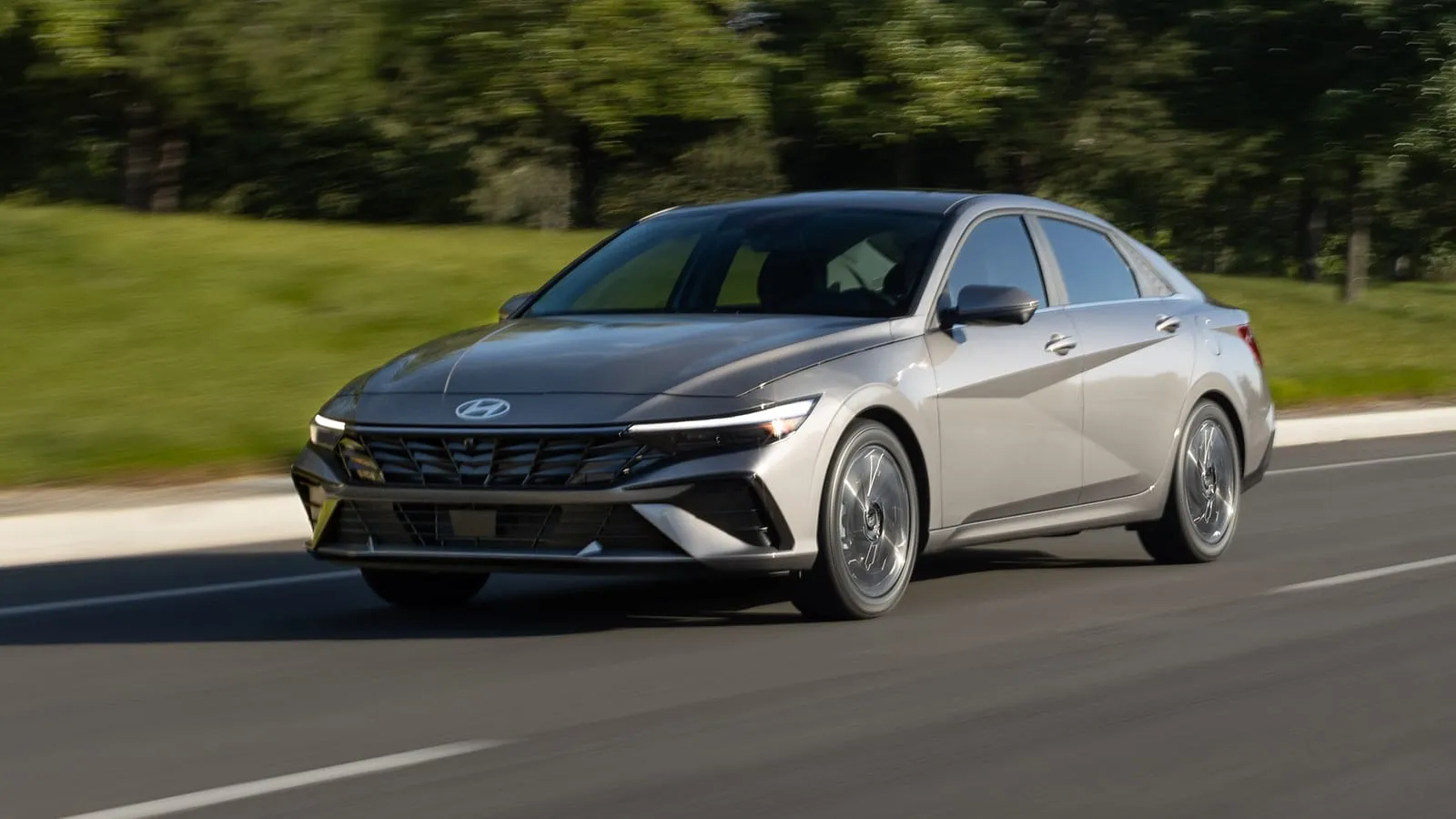
The true cost of owning a vehicle extends far beyond the sticker price displayed in a dealership showroom. Fuel expenses, maintenance requirements, repair bills, insurance premiums, and long-term reliability all contribute to what drivers ultimately spend for every mile traveled.
A car that appears affordable at first glance can become surprisingly expensive if it consumes excessive fuel or requires frequent repairs. On the other hand, a vehicle with a slightly higher purchase price may deliver exceptional value over time through outstanding efficiency and dependability.
In recent years, rising fuel prices and increasing ownership costs have pushed many buyers to focus on operating expenses rather than simply purchase costs. This shift has made fuel-efficient and reliable vehicles more attractive than ever.
Automakers have responded by developing powertrains that extract more miles from every gallon while reducing maintenance demands. Hybrid technology, advanced engine management systems, and improved manufacturing quality have played major roles in lowering ownership costs across several vehicle segments.
The cheapest cars to drive per mile typically share several characteristics. They are lightweight, highly efficient, mechanically simple, and backed by strong reliability records.
Many also benefit from widespread parts availability and extensive service networks, helping owners keep repair expenses under control. Some are traditional gasoline-powered models, while others use hybrid systems to maximize efficiency during both city and highway driving.
A low cost-per-mile figure does not necessarily mean sacrificing comfort, practicality, or modern technology. Several vehicles on this list provide spacious interiors, advanced safety features, and enjoyable driving dynamics while maintaining remarkably low operating expenses.
Their ability to combine economy with everyday usability explains why they continue to attract budget-conscious drivers year after year.
The following vehicles stand out as some of the cheapest cars to operate on a per-mile basis. Each offers a unique blend of fuel economy, durability, and affordability that helps minimize ownership costs over the long term.
Whether commuting daily, covering long highway distances, or simply seeking a dependable vehicle with minimal financial burden, these models represent some of the smartest choices available.
Also Read: 10 Best Cars for San Francisco’s Steep Hills
1. Toyota Prius
For decades, the Toyota Prius has served as the benchmark for economical transportation. While many competitors have entered the hybrid market, the Prius continues to demonstrate why it remains one of the most cost-effective vehicles on the road.
Its reputation is built on an ability to travel remarkable distances while consuming very little fuel, a characteristic that directly lowers cost per mile.
The hybrid system seamlessly combines a gasoline engine with electric motor assistance, allowing the vehicle to use less fuel during acceleration and city driving.
Traffic congestion, which often causes fuel consumption to rise in conventional vehicles, becomes much less costly in a Prius. The regenerative braking system recovers energy that would otherwise be wasted, improving efficiency even further.
Reliability also plays a significant role in the Prius’s low operating costs. Many examples have accumulated hundreds of thousands of miles with minimal mechanical issues.
Owners frequently report routine maintenance as the primary expense throughout the vehicle’s life. This durability helps reduce unexpected repair bills that can quickly increase ownership costs.
Another advantage lies in Toyota’s extensive service network and parts availability. Components are readily accessible in most markets, helping keep maintenance expenses predictable. Insurance rates are often reasonable as well, further improving total ownership economics.
The Prius also offers impressive practicality. Despite its emphasis on efficiency, it provides a spacious cabin and useful cargo area suitable for everyday transportation needs. Drivers do not need to sacrifice comfort simply to save money at the pump.
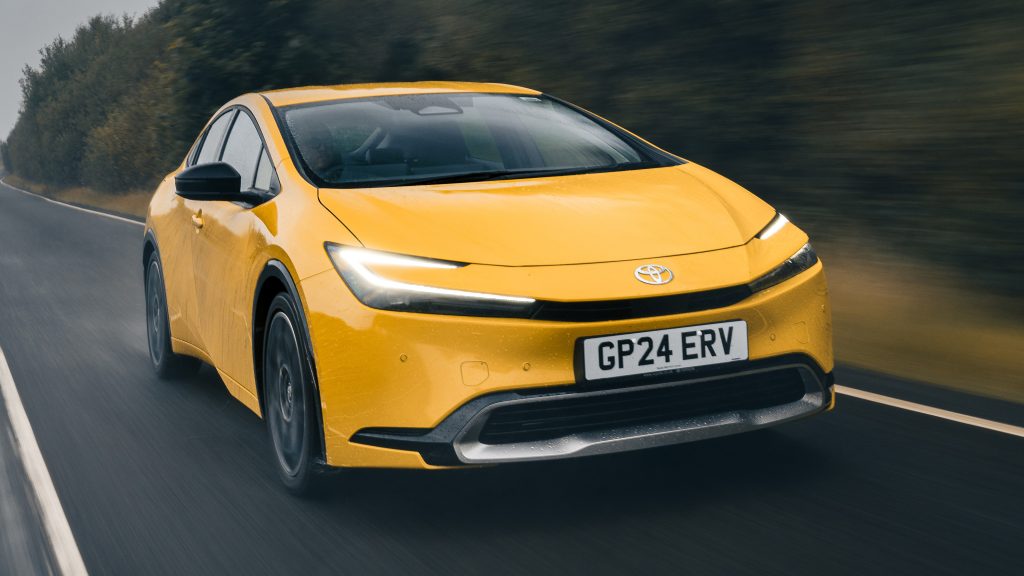
Because fuel costs account for a large portion of ownership expenses, the Prius consistently ranks among the least expensive vehicles to drive over long periods. Its combination of outstanding fuel economy, strong reliability, and manageable maintenance requirements creates an ownership experience that is difficult for competitors to match.
Specifications
- Engine: 2.0-liter Hybrid Inline-4
- Torque: 139 lb-ft
- Horsepower: 194 hp
- Length/Width: 181.1 in / 70.2 in
2. Honda Civic Hybrid
The Honda Civic Hybrid demonstrates how modern efficiency can coexist with refinement and driving enjoyment. Rather than focusing solely on fuel economy numbers, Honda created a vehicle that delivers a balanced ownership experience while maintaining remarkably low operating costs.
One of the Civic Hybrid’s greatest strengths is its ability to achieve excellent efficiency in a wide range of driving conditions. Urban commuting, suburban errands, and extended highway trips all showcase the effectiveness of Honda’s hybrid technology.
The result is reduced fuel spending throughout the year, especially for drivers who accumulate significant mileage.
Inside the cabin, the Civic Hybrid feels more upscale than many economy-focused vehicles. High-quality materials, thoughtful ergonomics, and a comfortable seating position make daily use pleasant. This attention to detail enhances ownership satisfaction without increasing operating expenses.
Long-term dependability further strengthens the Civic Hybrid’s value proposition. Honda’s engineering reputation is supported by years of reliability data showing strong durability across multiple generations of Civic models. Routine maintenance remains relatively affordable, and major repairs are uncommon when the vehicle is properly maintained.
The Civic Hybrid also benefits from efficient packaging. Passengers enjoy generous interior space while the vehicle remains compact enough to maneuver easily in crowded urban environments. This versatility makes it suitable for a broad range of drivers, from commuters to small families.
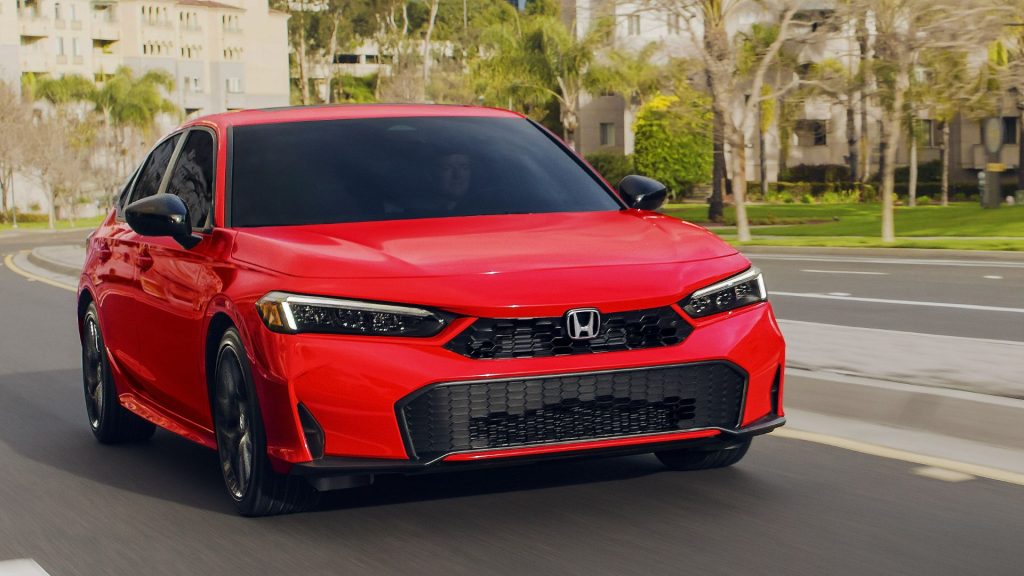
Fuel savings accumulate steadily over time, particularly when compared with larger vehicles that consume significantly more gasoline. Combined with strong resale values and modest maintenance requirements, the Civic Hybrid achieves a very competitive cost-per-mile figure.
For buyers seeking a vehicle that feels refined while remaining exceptionally economical to operate, the Civic Hybrid represents one of the strongest options currently available.
Specifications
- Engine: 2.0-liter Hybrid Inline-4
- Torque: 232 lb-ft
- Horsepower: 200 hp
- Length/Width: 184.8 in / 70.9 in
3. Hyundai Elantra Hybrid
Not every economical vehicle needs to feel stripped down or basic. The Hyundai Elantra Hybrid proves that a car can deliver impressive efficiency while still offering a modern design, generous equipment levels, and low day-to-day operating expenses.
For drivers focused on reducing transportation costs, it has become one of the strongest values in the compact sedan segment.
Fuel economy is naturally the headline attraction. The hybrid powertrain is engineered to maximize every gallon of fuel, particularly during city driving, where stop-and-go traffic often increases consumption in traditional gasoline vehicles.
Because fuel represents one of the largest ownership expenses, the Elantra Hybrid’s efficiency immediately contributes to a lower cost-per-mile figure.
A major factor often overlooked in ownership calculations is warranty coverage. Hyundai provides one of the industry’s most comprehensive warranty packages, helping shield owners from unexpected expenses during the early years of ownership. That additional protection can significantly reduce financial stress and improve long-term value.
The Elantra Hybrid also benefits from straightforward maintenance requirements. Scheduled service intervals are reasonable, replacement parts are widely available, and the vehicle has developed a solid reputation for dependability. These qualities help keep repair and maintenance expenses manageable throughout ownership.
Passengers are greeted by a surprisingly spacious cabin. Front-seat occupants enjoy ample room, while rear passengers have enough space for daily commuting and longer journeys. The trunk remains practical despite the hybrid components, preserving the vehicle’s usefulness for shopping trips, airport runs, and family errands.
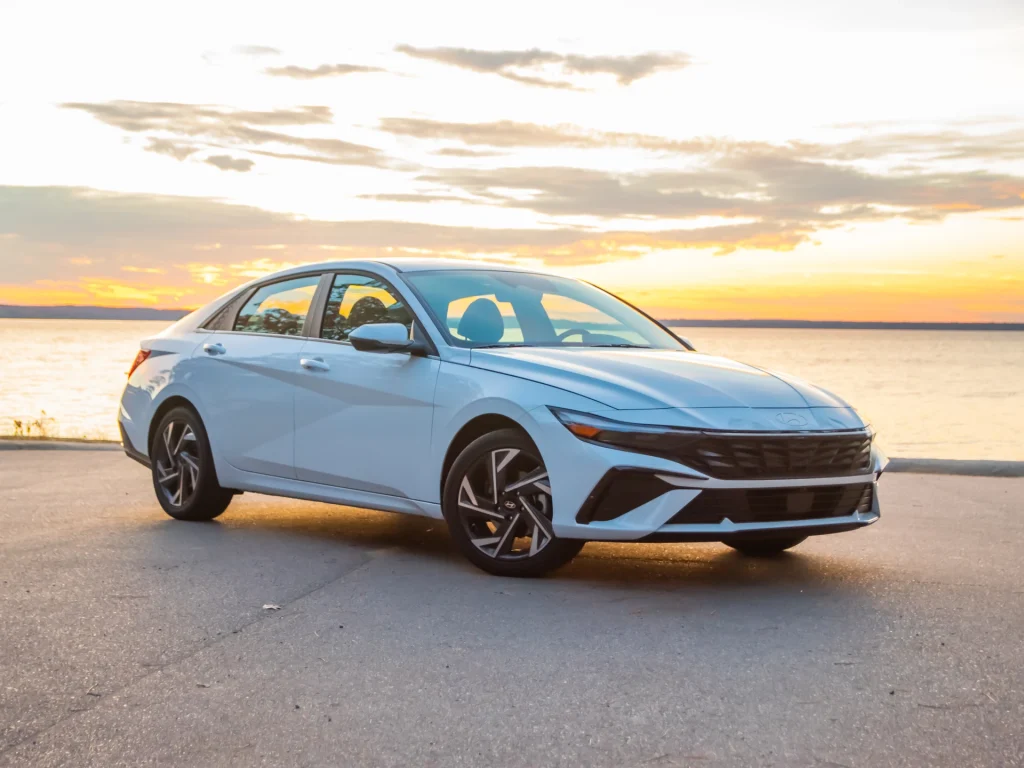
Technology is another area where the Elantra Hybrid exceeds expectations. Modern infotainment systems, safety features, and driver-assistance technologies are available without pushing ownership costs dramatically higher. Buyers receive a vehicle that feels contemporary while maintaining excellent efficiency.
Over thousands of miles, the combination of strong fuel economy, affordable maintenance, extensive warranty protection, and competitive purchase pricing creates an ownership experience that remains remarkably economical. For drivers seeking a balance between savings and modern features, the Elantra Hybrid deserves serious consideration.
Specifications
- Engine: 1.6-liter Hybrid Inline-4
- Torque: 195 lb-ft
- Horsepower: 139 hp
- Length/Width: 185.4 in / 71.9 in
4. Toyota Corolla Hybrid
The Toyota Corolla has spent decades building a reputation for dependable transportation, and the hybrid version upgrades that formula even further. By combining Toyota’s proven reliability with exceptional fuel efficiency, the Corolla Hybrid has become one of the most affordable vehicles to operate over the long term.
Many buyers initially focus on fuel economy figures, and the Corolla Hybrid certainly delivers in that area. Its ability to travel long distances while using minimal fuel makes a noticeable difference for commuters and high-mileage drivers. Even modest weekly savings can translate into substantial reductions in annual operating expenses.
What truly distinguishes the Corolla Hybrid is consistency. The vehicle performs its mission without drama, providing predictable transportation year after year. Reliability ratings remain among the strongest in the industry, which helps minimize costly repairs that can inflate ownership expenses.
Unlike some efficiency-focused vehicles that prioritize economy above all else, the Corolla Hybrid maintains a comfortable and composed driving character. Steering is easy, visibility is good, and the suspension handles daily road conditions with confidence. These traits contribute to a stress-free ownership experience.
Resale value is another important component of cost-per-mile calculations. Vehicles that retain their value well effectively reduce depreciation, which is often the largest ownership expense. The Corolla Hybrid has historically performed exceptionally well in this category, helping owners recover more of their investment when it comes time to sell or trade.
The cabin emphasizes practicality rather than luxury, yet everything is arranged logically and built with durability in mind. Controls are intuitive, storage spaces are useful, and passengers benefit from a comfortable environment suitable for daily commuting.
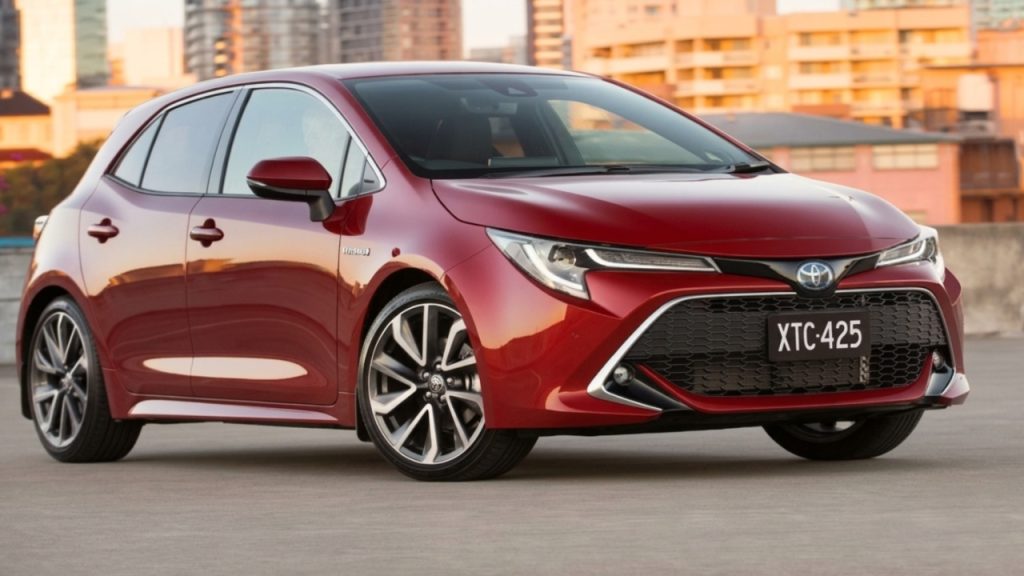
When all ownership factors are considered together, including fuel consumption, maintenance costs, reliability, depreciation, and repair expenses, the Corolla Hybrid consistently ranks among the least expensive vehicles to own and operate.
Few cars have established such a strong reputation for delivering economical transportation with so few compromises.
Specifications
- Engine: 1.8-liter Hybrid Inline-4
- Torque: 105 lb-ft
- Horsepower: 138 hp
- Length/Width: 182.5 in / 70.1 in
5. Kia Niro Hybrid
Crossovers are often associated with higher operating costs than compact sedans, but the Kia Niro Hybrid challenges that assumption.
Designed from the outset as an efficiency-focused vehicle, it delivers crossover practicality while maintaining fuel economy figures that rival many smaller cars. That unique combination helps keep ownership expenses impressively low.
One reason the Niro Hybrid performs so well in cost-per-mile calculations is its efficient use of space. The vehicle provides the upgraded seating position and cargo flexibility many buyers want without carrying the excess weight commonly found in larger SUVs.
Less weight means the powertrain can operate more efficiently, reducing fuel consumption throughout the vehicle’s life.
Families often appreciate the Niro’s versatility. Grocery runs, weekend road trips, and daily commuting can all be handled comfortably without requiring a larger and more expensive vehicle. This practicality eliminates the need to compromise between usefulness and affordability.
The hybrid system operates smoothly and unobtrusively. Drivers unfamiliar with hybrid technology quickly adapt because the transition between gasoline and electric power is nearly seamless. Instead of constantly thinking about efficiency, owners simply enjoy lower fuel bills.
Maintenance costs have also contributed to the Niro’s reputation for affordability. Routine service requirements remain manageable, while Kia’s warranty coverage provides added peace of mind. For many owners, the predictable nature of operating expenses becomes one of the vehicle’s most attractive qualities.
Inside, the Niro offers a modern atmosphere with user-friendly controls and practical storage solutions. The cabin feels designed around everyday usability rather than unnecessary complexity. This straightforward approach aligns perfectly with the vehicle’s mission as an economical transportation tool.
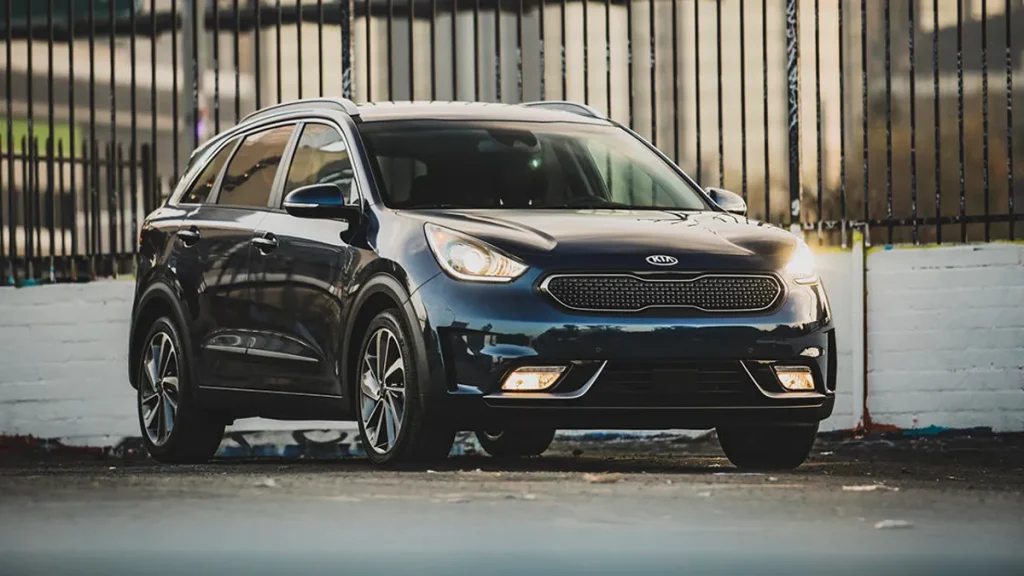
Drivers who need the flexibility of a crossover but dislike the fuel expenses associated with larger utility vehicles often discover that the Niro Hybrid occupies an ideal middle ground. Its ability to combine efficiency, cargo capacity, reliability, and reasonable maintenance costs makes it one of the least expensive crossovers to drive per mile.
Specifications
- Engine: 1.6-liter Hybrid Inline-4
- Torque: 195 lb-ft
- Horsepower: 139 hp
- Length/Width: 174.0 in / 71.8 in
6. Nissan Versa
While hybrids frequently dominate discussions about low operating costs, the Nissan Versa demonstrates that a conventional gasoline-powered car can still deliver outstanding affordability. By emphasizing simplicity, efficiency, and value, Nissan has created a vehicle that remains remarkably inexpensive to own and operate.
The Versa’s formula begins with a modestly sized engine designed to prioritize fuel economy. It may not deliver sports-car acceleration, but it provides sufficient performance for everyday transportation while consuming relatively little fuel. For budget-conscious drivers, that tradeoff often makes perfect sense.
Purchase price plays an important role in cost-per-mile calculations, and the Versa has traditionally been among the most affordable new vehicles available. Lower acquisition costs reduce depreciation exposure and make ownership accessible to a wider range of buyers.
Another advantage comes from mechanical simplicity. Vehicles with fewer complex systems often generate lower repair bills as they age. The Versa benefits from a straightforward engineering approach that helps keep maintenance costs under control.
Despite its affordability, the vehicle does not feel excessively bare-bones. Modern versions include useful technology features, safety systems, and comfortable seating arrangements that improve daily usability. Drivers receive essential conveniences without paying for expensive luxury features that can increase ownership costs.
Urban commuters often find the Versa particularly appealing. Its compact dimensions make parking easier, maneuverability remains excellent in heavy traffic, and fuel efficiency helps reduce the financial burden of daily travel. These strengths contribute directly to its low operating expenses.
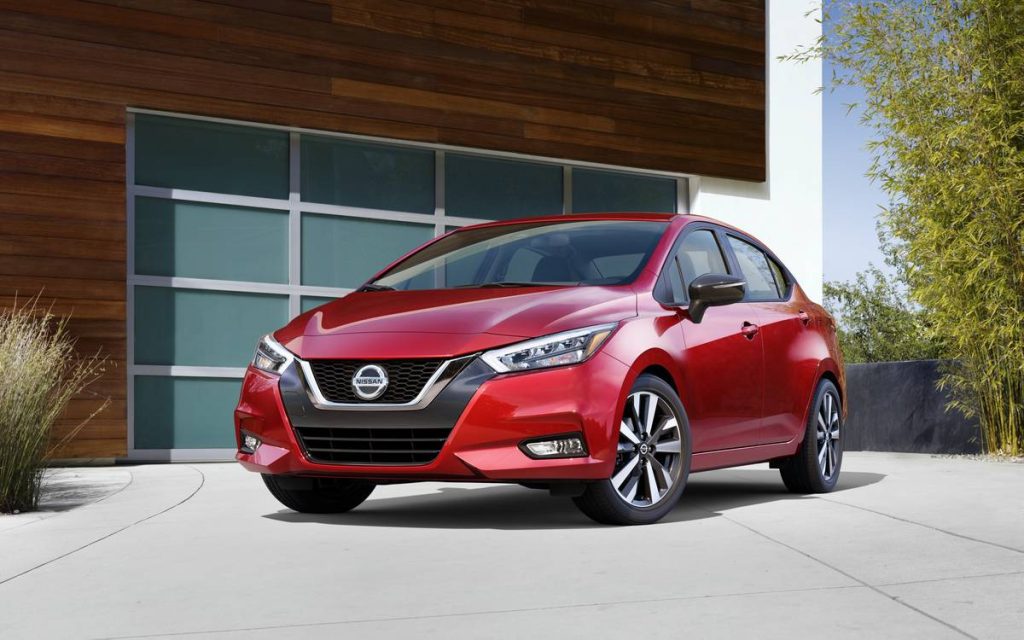
Insurance costs may also be lower than those associated with larger or more powerful vehicles, adding another layer of savings. When combined with strong fuel economy and relatively inexpensive maintenance requirements, the result is a vehicle capable of delivering very economical transportation.
For buyers whose primary goal is minimizing transportation costs while maintaining dependable daily mobility, the Nissan Versa continues to stand out as one of the most practical and cost-effective choices available.
Specifications
- Engine: 1.6-liter Inline-4
- Torque: 114 lb-ft
- Horsepower: 122 hp
- Length/Width: 177.0 in / 68.5 in
7. Honda Accord Hybrid
A midsize sedan is not usually the first vehicle people associate with rock-bottom operating costs, yet the Honda Accord Hybrid consistently proves that larger dimensions do not automatically translate into higher expenses.
It delivers the interior room and highway comfort expected from a family sedan while maintaining efficiency levels that rival many smaller cars.
One of the Accord Hybrid’s greatest strengths is how effortlessly it handles long-distance travel. Highway commuters often rack up thousands of miles annually, making fuel consumption a critical factor in ownership costs. The Accord Hybrid’s advanced powertrain helps stretch every gallon, reducing expenses over years of use rather than merely months.
Comfort also contributes to value. A vehicle that remains pleasant during extended ownership encourages drivers to keep it longer, reducing the frequency of costly vehicle replacements. The Accord Hybrid’s spacious cabin, supportive seating, and refined ride quality create an environment that feels substantially more premium than its operating costs would suggest.
The engineering beneath the sheet metal deserves equal attention. Honda has refined its hybrid technology over multiple generations, resulting in a system known for smooth operation and durability. Reliability records have remained strong, helping owners avoid many of the major repair costs that can dramatically increase cost-per-mile figures.
Cargo space is another practical advantage. Unlike some hybrids that sacrifice usefulness for efficiency, the Accord Hybrid remains highly functional. Luggage, groceries, and everyday cargo fit comfortably, making the vehicle suitable for a broad range of lifestyles.
Depreciation has historically remained reasonable as well. Strong demand in the used market helps preserve resale values, which indirectly lowers ownership expenses by reducing value loss over time.
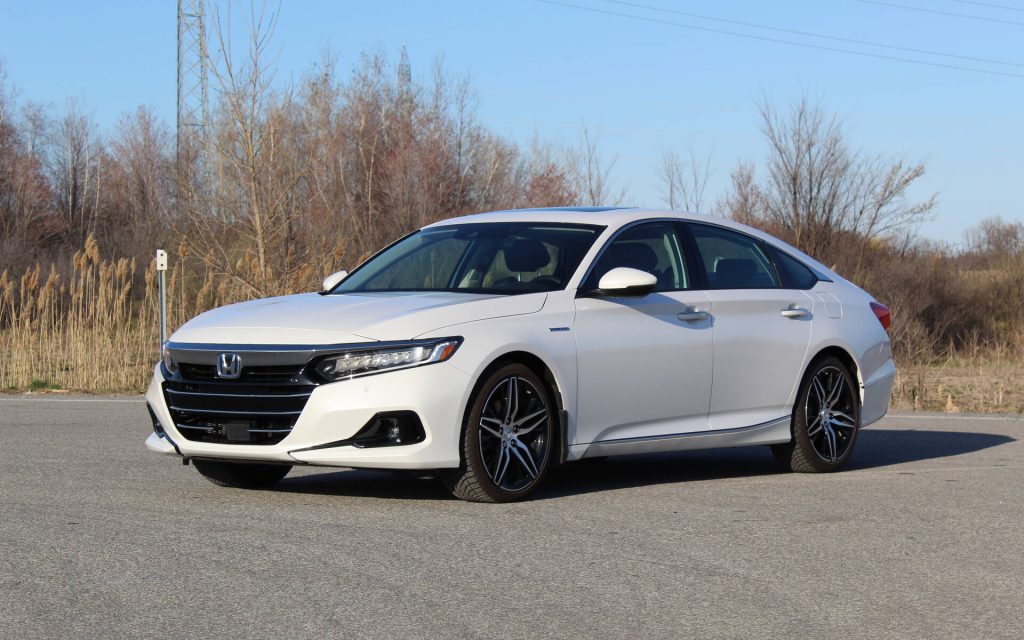
For drivers seeking a vehicle capable of handling family duties, commuting responsibilities, and long-distance travel without generating excessive fuel or maintenance costs, the Accord Hybrid presents a compelling case.
Its blend of comfort, efficiency, reliability, and practicality explains why it regularly appears among the cheapest vehicles to drive per mile.
Specifications
- Engine: 2.0-liter Hybrid Inline-4
- Torque: 247 lb-ft
- Horsepower: 204 hp
- Length/Width: 195.7 in / 73.3 in
8. Mitsubishi Mirage
The Mitsubishi Mirage approaches affordability from an entirely different angle than most vehicles on this list. Instead of relying on hybrid technology, it achieves low operating costs through lightweight construction, a small engine, and an emphasis on efficiency above all else.
At first glance, the Mirage’s modest performance figures may appear unremarkable. Yet that simplicity is exactly what makes it economical.
The compact powertrain requires relatively little fuel, helping drivers spend less at the pump regardless of whether fuel prices rise or fall. Over time, those savings accumulate into a meaningful reduction in ownership costs.
The vehicle’s lightweight design provides another advantage. Less mass means the engine works less aggressively during acceleration and everyday driving. This contributes not only to fuel efficiency but also to reduced wear on various components.
Where the Mirage truly shines is in urban environments. Narrow streets, crowded parking lots, and heavy traffic become less intimidating thanks to the vehicle’s compact footprint. Drivers can navigate congested areas with ease while benefiting from excellent fuel economy during daily commutes.
Maintenance expenses typically remain manageable as well. The straightforward engineering approach helps limit complexity, reducing the likelihood of costly repairs. For owners focused primarily on affordability, this simplicity is often more valuable than advanced performance features.
The cabin prioritizes practicality. While luxury is not the objective, passengers receive the essentials necessary for comfortable transportation. The Mirage fulfills its intended role effectively by focusing resources on efficiency and affordability rather than excess.
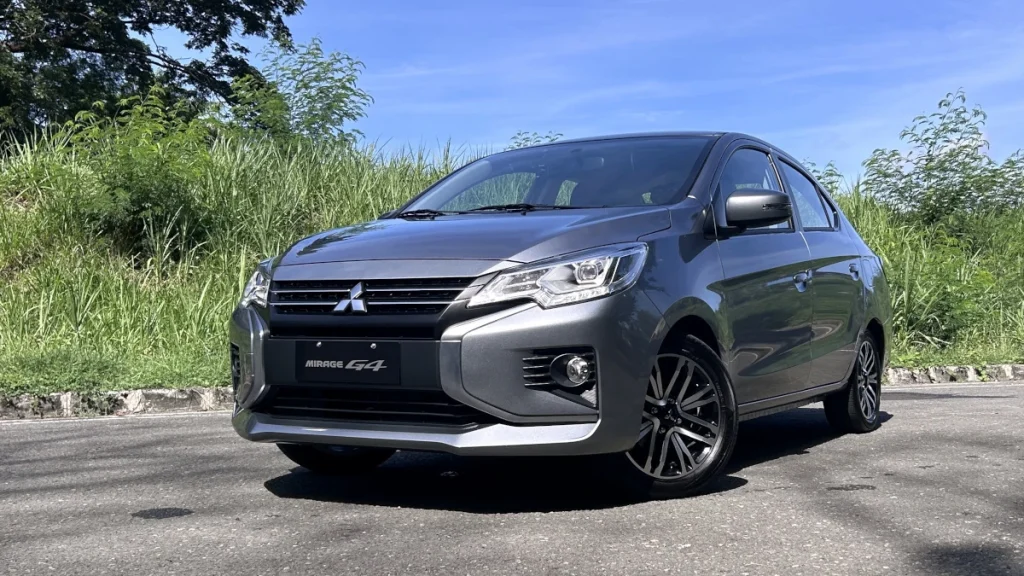
Viewed purely through the lens of cost per mile, the Mirage performs remarkably well. It may not offer the power or prestige of larger vehicles, but it succeeds in delivering inexpensive transportation with a minimum of financial burden.
For buyers whose top priority is reducing driving expenses, few conventional gasoline cars can match its economy-focused mission.
Specifications
- Engine: 1.2-liter Inline-3
- Torque: 74 lb-ft
- Horsepower: 78 hp
- Length/Width: 151.4 in / 65.6 in
9. Toyota Camry Hybrid
For many years, the Toyota Camry has been one of the most trusted names in the midsize sedan segment. The hybrid version builds upon that reputation by adding exceptional fuel efficiency to an already proven formula. The result is a vehicle that balances comfort, reliability, and affordability in a way few competitors can match.
Drivers of the Camry Hybrid enjoy a quiet cabin, composed ride quality, and substantial interior space, all while benefiting from remarkably low fuel consumption. It positions itself as a well-rounded family sedan first and an efficiency champion second, standing in stark contrast to economy-focused vehicles that feel designed solely around saving fuel.
The hybrid powertrain plays a major role in controlling ownership costs. Daily commuting, school runs, and highway journeys require less fuel than many similarly sized vehicles. Since fuel remains one of the largest recurring expenses associated with vehicle ownership, these savings continue to compound year after year.
Long-term reliability strengthens the Camry Hybrid’s value even further. Toyota’s hybrid systems have earned a reputation for durability, and the Camry has consistently ranked among the most dependable vehicles in its class. Fewer unexpected repairs translate directly into lower operating expenses and greater ownership satisfaction.
Another important consideration is resale value. The Camry Hybrid tends to retain its value exceptionally well compared with many competitors. Strong demand in the used-car market helps reduce depreciation, allowing owners to recover a larger portion of their original investment when it comes time to sell.
The vehicle also excels in versatility. It serves equally well as a commuter car, family sedan, or long-distance cruiser. This adaptability means owners rarely feel compelled to upgrade to a larger or more specialized vehicle, further reducing long-term transportation costs.
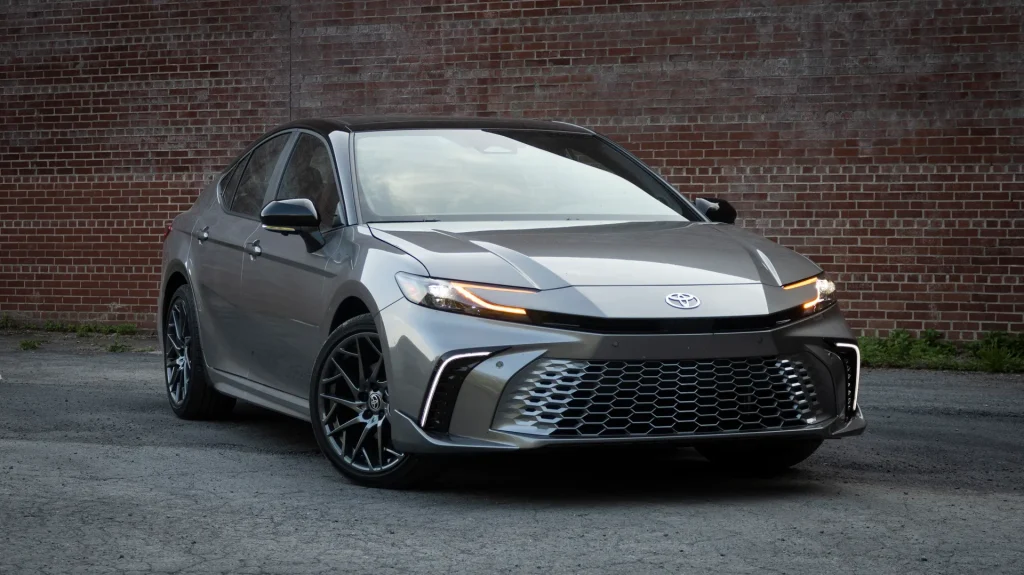
When fuel economy, maintenance expenses, reliability, and depreciation are examined together, the Camry Hybrid emerges as one of the smartest ownership propositions available. It delivers substantial savings without asking drivers to compromise on comfort, refinement, or practicality, making it one of the cheapest vehicles to drive per mile.
Specifications
- Engine: 2.5-liter Hybrid Inline-4
- Torque: 163 lb-ft
- Horsepower: 225 hp
- Length/Width: 193.5 in / 72.4 in
10. Chevrolet Bolt EV
Electric vehicles have introduced a new perspective on operating costs, and the Chevrolet Bolt EV stands among the most affordable examples. Rather than depending on gasoline, the Bolt uses electricity, which often costs significantly less per mile than conventional fuel. This fundamental advantage gives it an immediate edge in long-term ownership economics.
The absence of a traditional internal combustion engine changes the maintenance equation dramatically. There are no oil changes, spark plugs, engine air filters, or many of the routine services associated with gasoline-powered vehicles. Fewer moving parts generally mean fewer opportunities for mechanical wear and costly repairs.
Energy efficiency remains one of the Bolt EV’s strongest attributes. It can travel impressive distances using relatively little electricity, helping owners keep operating expenses low. Drivers who charge at home often experience particularly attractive per-mile costs compared with conventional vehicles.
Performance is another unexpected benefit. Instant electric torque provides responsive acceleration, making the Bolt feel lively in urban traffic and during highway merging situations. This responsiveness adds enjoyment without increasing fuel expenses.
The hatchback body style contributes practical utility. Cargo capacity is generous for a compact vehicle, and the interior accommodates passengers comfortably. The design allows owners to enjoy everyday versatility while benefiting from low operating costs.
Battery durability has become increasingly important for EV buyers, and Chevrolet has worked extensively to improve confidence in this area. As charging infrastructure continues expanding, electric vehicles like the Bolt become even more practical for a wider range of drivers.
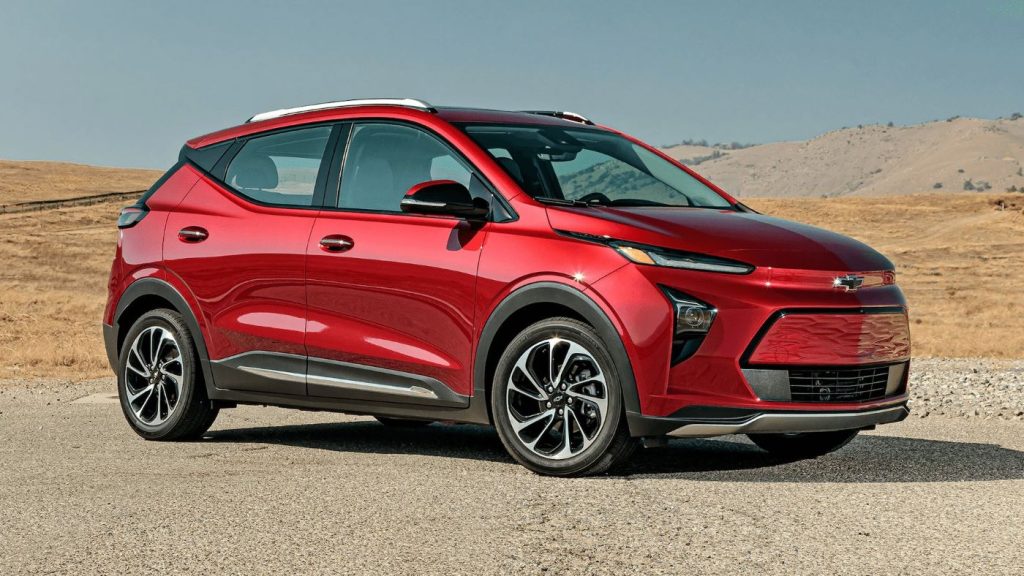
From a cost-per-mile perspective, the Bolt EV is exceptionally competitive. Reduced energy costs, limited maintenance requirements, and practical everyday usability combine to create one of the most economical ownership experiences available in the automotive market.
For drivers able to take advantage of home charging, the savings can be particularly impressive over the life of the vehicle.
Specifications
- Engine: Single Permanent-Magnet Electric Motor
- Torque: 266 lb-ft
- Horsepower: 200 hp
- Length/Width: 163.2 in / 69.5 in
Also Read: 8 Engines That Cross 250K Miles On Standard Maintenance Alone
