
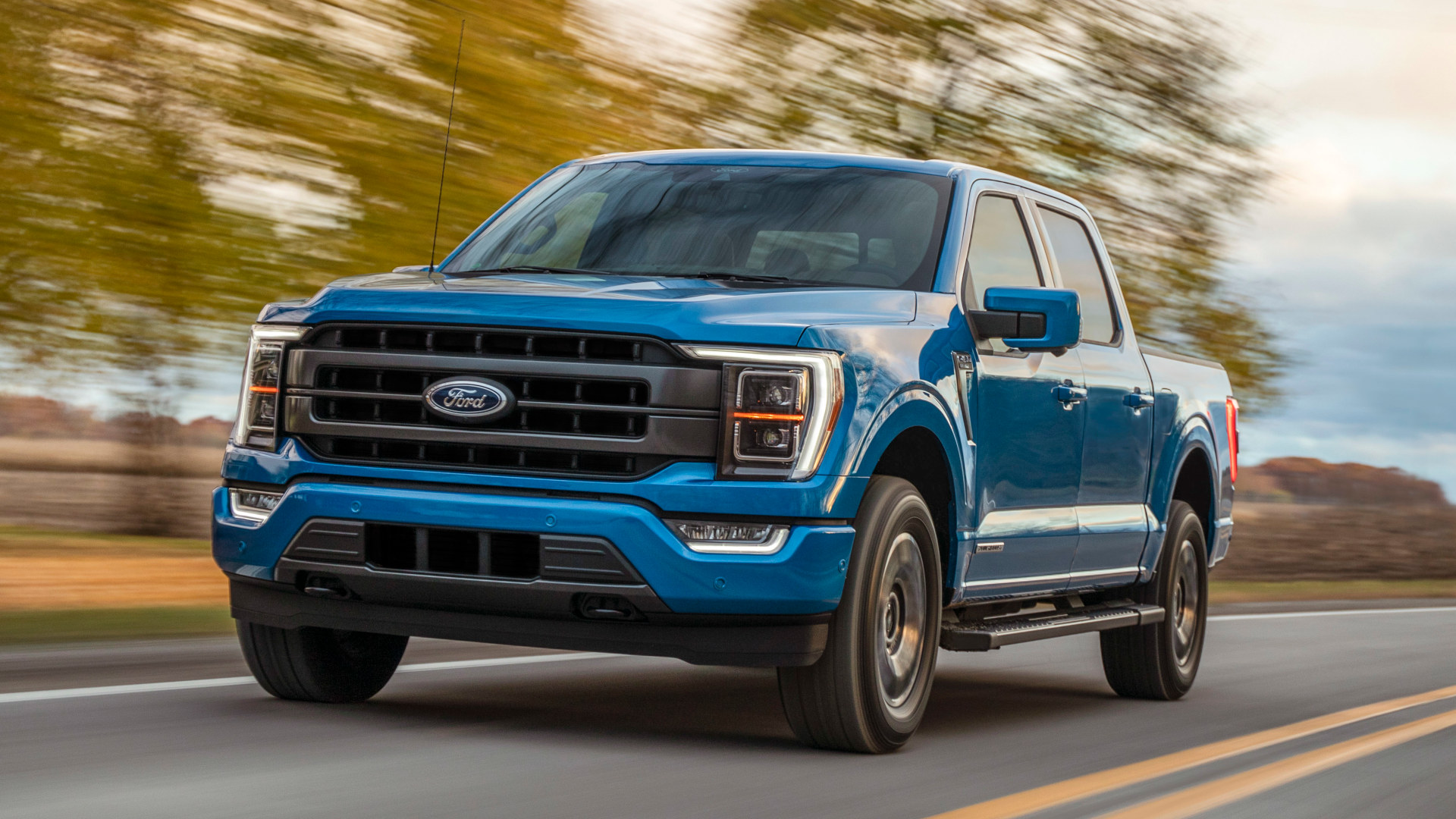
Catalytic converter theft has become a growing problem across the automotive world, with certain vehicles targeted far more often because of their design, popularity, and valuable exhaust components. Trucks, SUVs, and commonly used commuter cars are especially vulnerable since they usually have higher ground clearance that allows thieves to quickly access the underside without special equipment.
These vehicles also use larger catalytic converters that contain high amounts of precious metals such as platinum, palladium, and rhodium, which can be sold for profit on the black market.
Because of this combination of easy access and high resale value, even everyday family vehicles and work trucks are now frequently stolen from parking lots, driveways, and commercial spaces. This guide explores the 8 cars most often stolen for their catalytic converters, starting with the Ford E-Series, and explains the key reasons these specific models are repeatedly targeted by thieves.
1. Ford E-Series
The Ford E-Series (Econoline) has earned a legendary reputation in the commercial automotive market, largely due to its robust towing power, massive cargo capacity, and exceptional reliability. Although its consumer passenger and cargo configurations were phased out in 2014 to make room for the modern Ford Transit, the vehicle’s rugged chassis continues to serve as a vital foundation for commercial cutaways.
This heavy-duty build is a double-edged sword, however, the very design features that make it a commercial workhorse also make it a frequent and highly lucrative target for catalytic converter thieves in city streets and industrial zones.
Thieves heavily target the E-Series due to its structural design and commercial pattern of use. Built on a heavy-duty chassis with high ground clearance, the vehicle allows criminals to slide underneath and saw off the exhaust component in under a minute without ever needing a jack.
Furthermore, because millions of these vans serve as workhorses for tradespeople, they are frequently left unattended overnight in poorly secured parking lots, making them easy prey. The large size of their converters yields high amounts of precious metals like platinum, palladium, and rhodium, which fetch hundreds of dollars on the black market.
Beyond its vulnerabilities, the fourth-generation models and onward are defined by a range of highly durable, though fuel-thirsty, powertrains designed to haul heavy loads. Options range from the base 4.6L Triton V8 to the highly recommended 5.4L V8, which balances longevity and pulling power.
For maximum towing capability, the heavy-duty E-350 configurations utilize a massive 6.8L Triton V10, while late-model commercial cutaway chassis feature the 7.3L “Godzilla” V8, capable of pulling up to 10,000 pounds when paired with a heavy-duty six-speed transmission.
Driving dynamics of the E-Series prioritize utility over refinement, resulting in an unwieldy handling experience in tight urban spaces. This clumsiness is compounded by an enormous 47-foot turning circle and slow, numb recirculating-ball steering.
Utilizing a body-on-frame architecture and a twin I-beam front suspension, the van delivers a stiff and harsh ride quality when empty, though it smooths out significantly when weighed down with heavy cargo. Drivers do benefit from a commanding, tall seating position alongside massive side mirrors that offer an excellent view of surrounding traffic.
The interior space is similarly utilitarian, featuring a bare-bones cabin constructed from hard, easy-to-clean plastics rather than luxury materials. Standard cargo models offer an immense 230 cubic feet of room, which scales up to 271 cubic feet in extended-length configurations to handle large payloads.
For passenger transportation, the wagon configurations can comfortably accommodate anywhere from seven to fifteen people across four rows of seating. These heavy benches can be completely removed when necessary, allowing owners to easily convert the passenger wagon back into a dedicated cargo hauler.
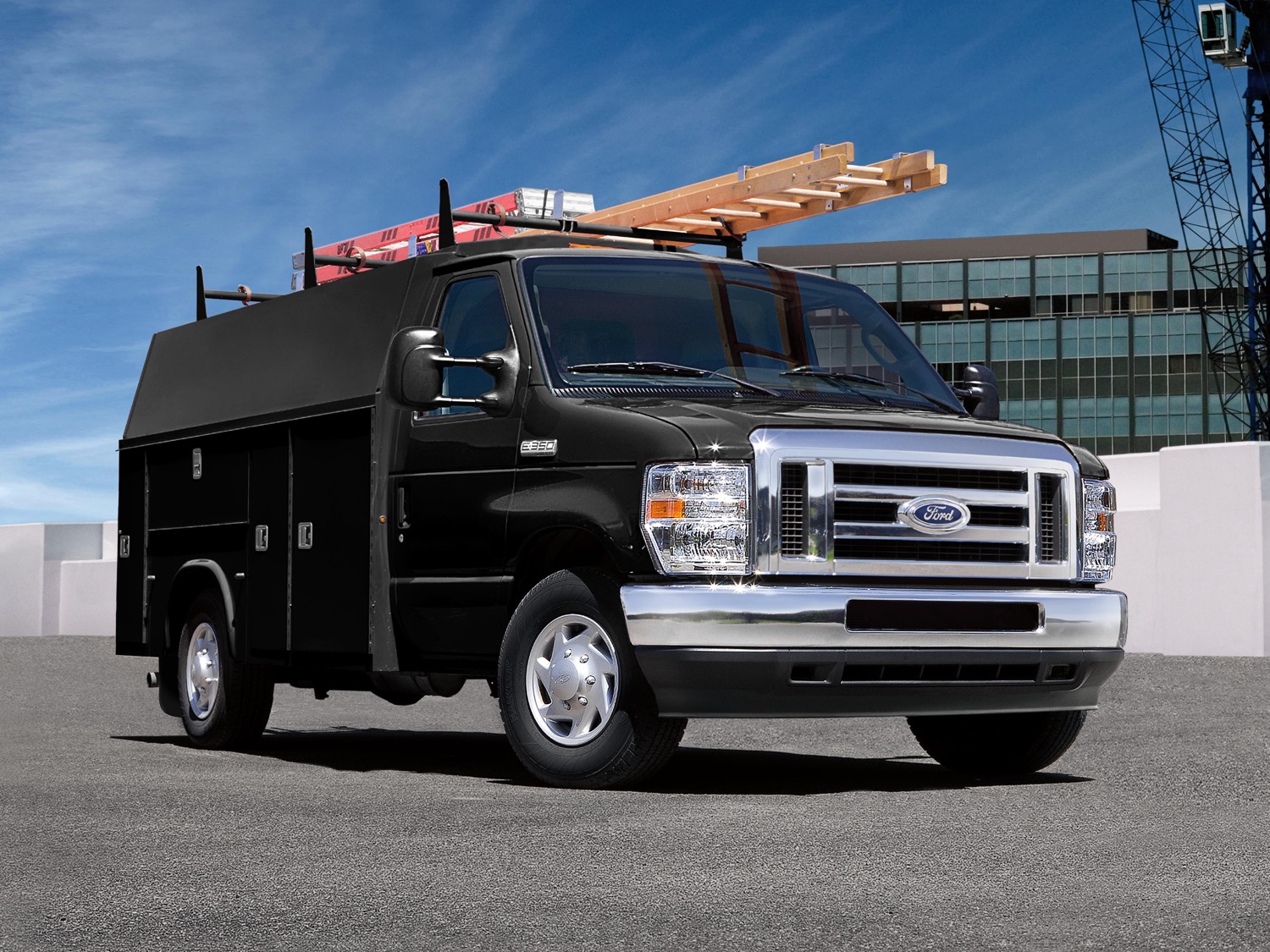
- Engine: 7.3L V8 “Godzilla” gas engine
- Horsepower: 325 hp @ 3,750 rpm
- Torque: 450 lb-ft (610 Nm) @ 3,750 rpm
- Length: 241.1–261.1 in (6,121–6,634 mm)
- Width: 79.4 in (2,017 mm)
2. Ford F-Series
As America’s best-selling vehicle for decades, the massive volume of Ford F-Series trucks on the road creates a unique security challenge. These pickups are the number one target for catalytic converter theft because their high ground clearance allows thieves to slide underneath without a jack and slice off parts in seconds. Furthermore, their large, heavy-duty exhaust components house an abundant payload of highly valuable precious metals like platinum, palladium, and rhodium.
When it comes to performance, buyers can choose between rear- and four-wheel drive across multiple robust engine options, all paired with a 10-speed automatic transmission. The lineup begins with a 325-hp twin-turbo 2.7-liter V-6 and scales up to a 400-hp 5.0-liter V-8, a 400-hp twin-turbo 3.5-liter V-6, and a 430-hp hybrid configuration. For drivers seeking maximum off-road capability, the specialized Tremor trim supplies 33-inch all-terrain tires, an upgraded suspension system, and a locking rear differential.
In terms of working capability, the F-150 remains highly competitive with a maximum towing capacity of 13,500 pounds and a maximum payload limit of 2,455 pounds. Real-world fuel economy testing yields 20 mpg on the highway for the hybrid model, which is rated by the EPA up to 22 mpg city and 24 mpg highway. Other variants, such as the standard twin-turbo V-6 configurations, achieve EPA efficiency ratings reaching up to 19 mpg in the city and 25 mpg on the highway.
The truck’s cargo bed accommodates lengths from 5.5 to 8 feet and can be upgraded with a Pro Access Tailgate and a potent 7.2 kW onboard generator. Inside, the spacious four-door crew-cab configuration prioritizes occupant comfort while integrating clever functional details, like a shift lever that folds flush into the console to serve as a flat desktop. Centered on the dashboard, a standard 12.0-inch Sync 4 touchscreen anchors the vehicle’s tech suite, offering wireless Apple CarPlay, Android Auto, and seamless over-the-air software updates.
Safety and protection are managed through standard driver-assistance tech like automated emergency braking, lane-keeping assist, and blind-spot monitoring, with options to upgrade to a 360-degree camera or Ford’s BlueCruise hands-free driving system. Finally, Ford protects the truck with a three-year or 36,000-mile limited warranty alongside a five-year or 60,000-mile powertrain warranty. Unlike some of its segment rivals, however, the F-150 package does not include any complimentary scheduled maintenance.
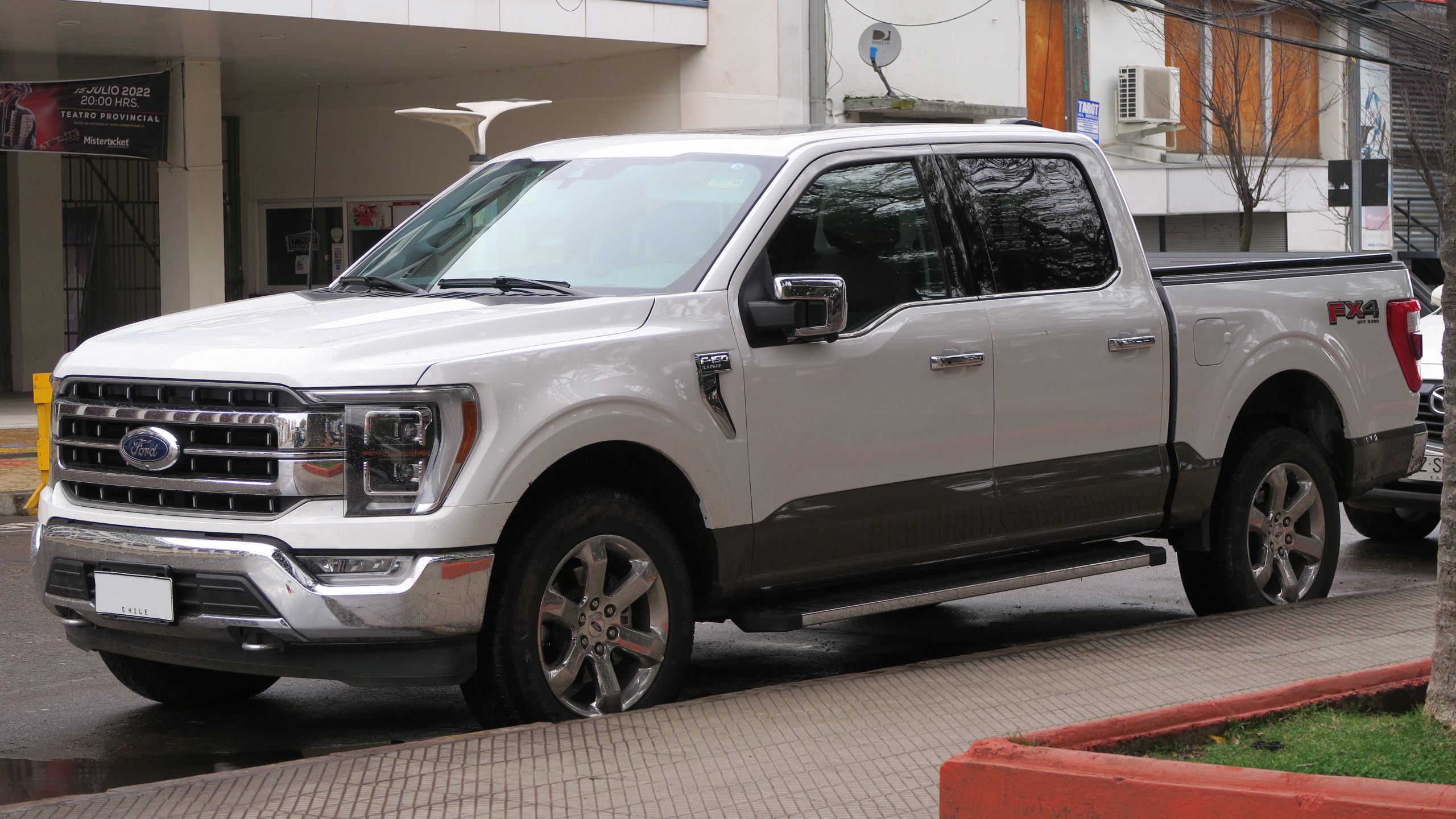
- Engine: 2.7L EcoBoost V6 / 5.0L Ti-VCT V8 / 3.5L EcoBoost V6 / 3.5L PowerBoost Hybrid V6 (F-150); 6.8L V8 Gas / 7.3L V8 Gas / 6.7L Power Stroke V8 Turbo Diesel (Super Duty)
- Horsepower: 325 hp (2.7L EcoBoost) up to 720 hp (F-150 Raptor R)
- Torque: 400 lb-ft (542 Nm) up to 1,200 lb-ft (1,627 Nm)
- Length: 231.9–250+ in (5,890–6,350+ mm)
- Width: 79.9 in (2,029 mm)
3. Honda Accord
The Honda Accord is one of the most heavily targeted vehicles for catalytic converter theft due to its immense global popularity and easily accessible under-body parts. Criminals aggressively seek out this mid-size sedan because its factory emission components contain highly valuable concentrations of precious metals like palladium and rhodium.
Because it is a common commuter car frequently parked in public and residential areas, thieves can quickly slide underneath the vehicle, sever the pipes in just a few minutes, and secure a lucrative payout on the black market where replacement parts cost owners up to $2,700.
Drivers can choose between two distinct front-wheel-drive powertrain options that balance everyday performance with efficiency. Lower-tier LX and SE trims utilize a 192-horsepower turbocharged 1.5-liter four-cylinder engine paired with a continuously variable automatic transmission that hits zero to 60 mph in 7.3 seconds.
For enhanced efficiency, higher-spec models feature a highly praised hybrid system combining a 2.0-liter four-cylinder engine with two electric motors to produce 204 horsepower, resulting in a faster 6.7-second zero-to-60 time and an impressive EPA-estimated city fuel economy rating of up to 51 mpg.
The interior showcases a striking layout that cleverly utilizes a sleek honeycomb trim to hide the dashboard air vents, giving the cabin a modern and integrated aesthetic. While the rear seats provide exceptionally spacious legroom and knee clearance, the vehicle’s sloping aerodynamic roofline reduces rear headroom and requires taller passengers to duck slightly when entering. Beyond passenger comfort, the vehicle offers substantial cargo utility with a trunk that provides 16.7 cubic feet of storage capacity, which is large enough to hold seven carry-on suitcases on its own and up to 20 total cases when the rear seatbacks are folded flat.
Step inside the cabin, and you are immediately greeted by a standardized 10.2-inch digital gauge cluster seamlessly paired with either a standard 9.0-inch or an upgraded 12.3-inch infotainment touchscreen display. Honda ensures modern connectivity across the entire lineup by offering wireless Apple CarPlay, wireless Android Auto, and a wireless smartphone charging pad on all trims.
The audio experience scales with your budget, starting with a basic four-speaker stereo setup in the entry-level LX, expanding to eight speakers in mid-tier trims, and culminating in a premium 12-speaker Bose audio system alongside a 6.0-inch head-up display on top-tier Touring models.
To guarantee peace of mind, every Accord comes standard with Honda Sensing, a comprehensive driver-assistance suite that bundles automated emergency braking, lane-keeping assist, and adaptive cruise control. This safety coverage is complemented by a three-year or 36,000-mile limited warranty, a five-year or 60,000-mile powertrain warranty, and one year or 12,000 miles of complimentary scheduled maintenance to help offset initial ownership costs.
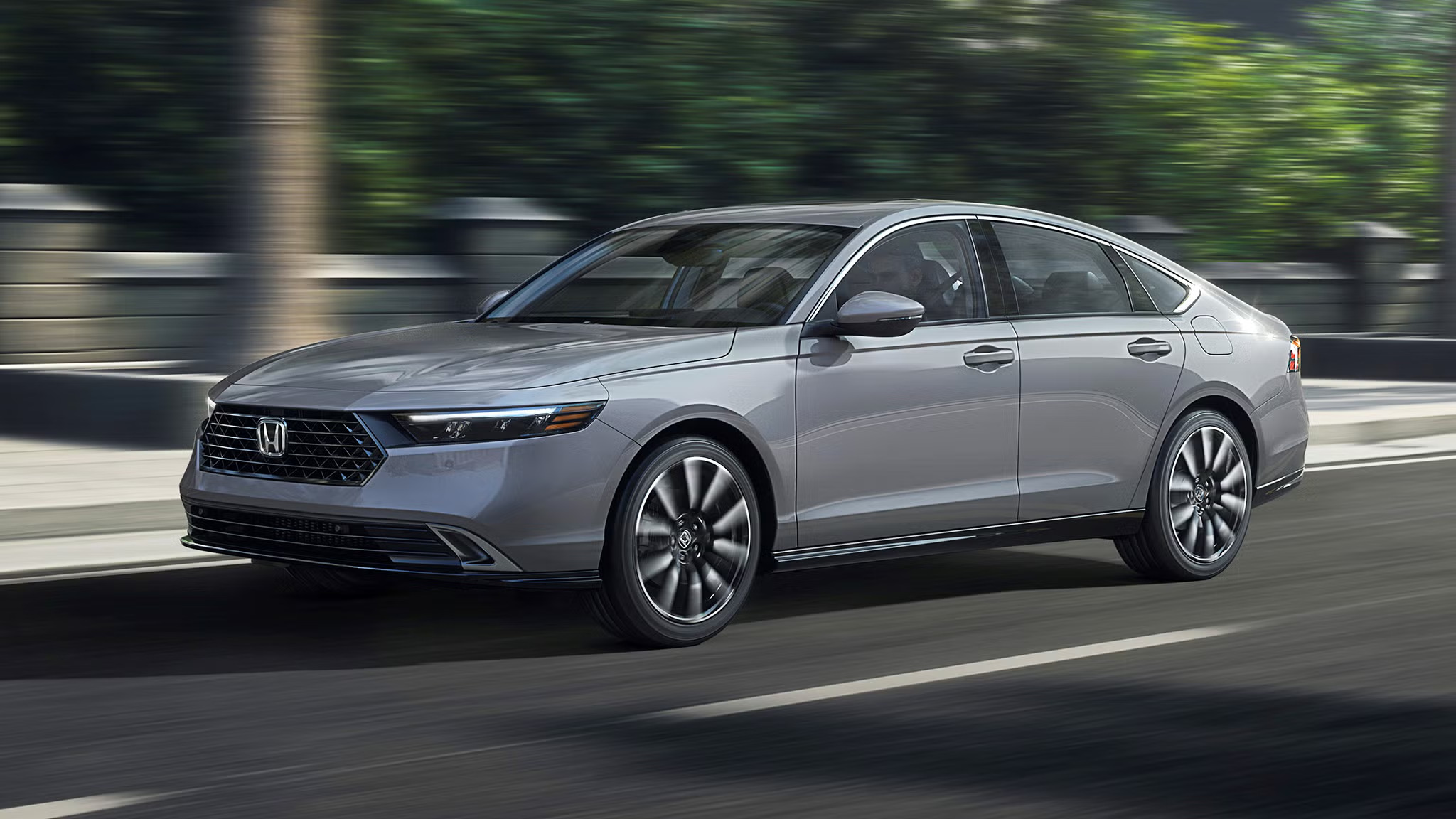
- Engine: 1.5L turbocharged inline-4 (gas) / 2.0L inline-4 hybrid with dual-motor system
- Horsepower: 192 hp (1.5T) / 204 hp (hybrid system)
- Torque: 192 lb-ft (260 Nm) @ 1,700–5,000 rpm (1.5T) / 247 lb-ft (335 Nm) (hybrid system)
- Length: 195.7 in (4,971 mm)
- Width: 73.3 in (1,862 mm)
4. Toyota Prius
The Toyota Prius remains a top target for catalytic converter theft because its hybrid exhaust system requires a dense concentration of rare, valuable precious metals like platinum, palladium, and rhodium to meet stringent emissions standards.
Because the gasoline engine cycles on and off, the converter runs cooler, suffering less internal corrosion and retaining a much higher resale value at scrap yards. Older models, particularly from 2004–2009, are heavily favored by thieves because they contain a higher volume of these metals, occasionally feature multiple converters, and lack stamped serial numbers, making them virtually untraceable.
On the performance front, the hybrid pairs a 2.0-liter four-cylinder engine with a continuously variable automatic transmission (CVT). The standard front-wheel-drive version produces 194 horsepower and achieves a 0–60 mph time of 7.1 seconds, while the all-wheel-drive variant adds a rear electric motor to bump total output to 196 horsepower. This setup delivers excellent fuel economy, with the base LE front-wheel-drive model earning up to an EPA-estimated 57 mpg in the city and 56 mpg on the highway, though heavier upper trims and all-wheel-drive configurations see slightly lower ratings.
The fifth-generation cabin introduces a driver-facing gauge cluster rather than the traditional layout, though the steering wheel might need to be adjusted downward to see it clearly. The car’s sleek exterior creates a lower roofline that reduces headroom for taller rear passengers, but cargo space remains a strong suit, providing up to 23.8 cubic feet in the base trim.
For tech and safety, a standard 8.0-inch touchscreen and wireless smartphone integration are paired with comprehensive driver-assist features like blind-spot monitoring and adaptive cruise control. Peace of mind is built right in, too, thanks to a standard three-year vehicle warranty, a 10-year hybrid-component warranty, and two years of included maintenance.
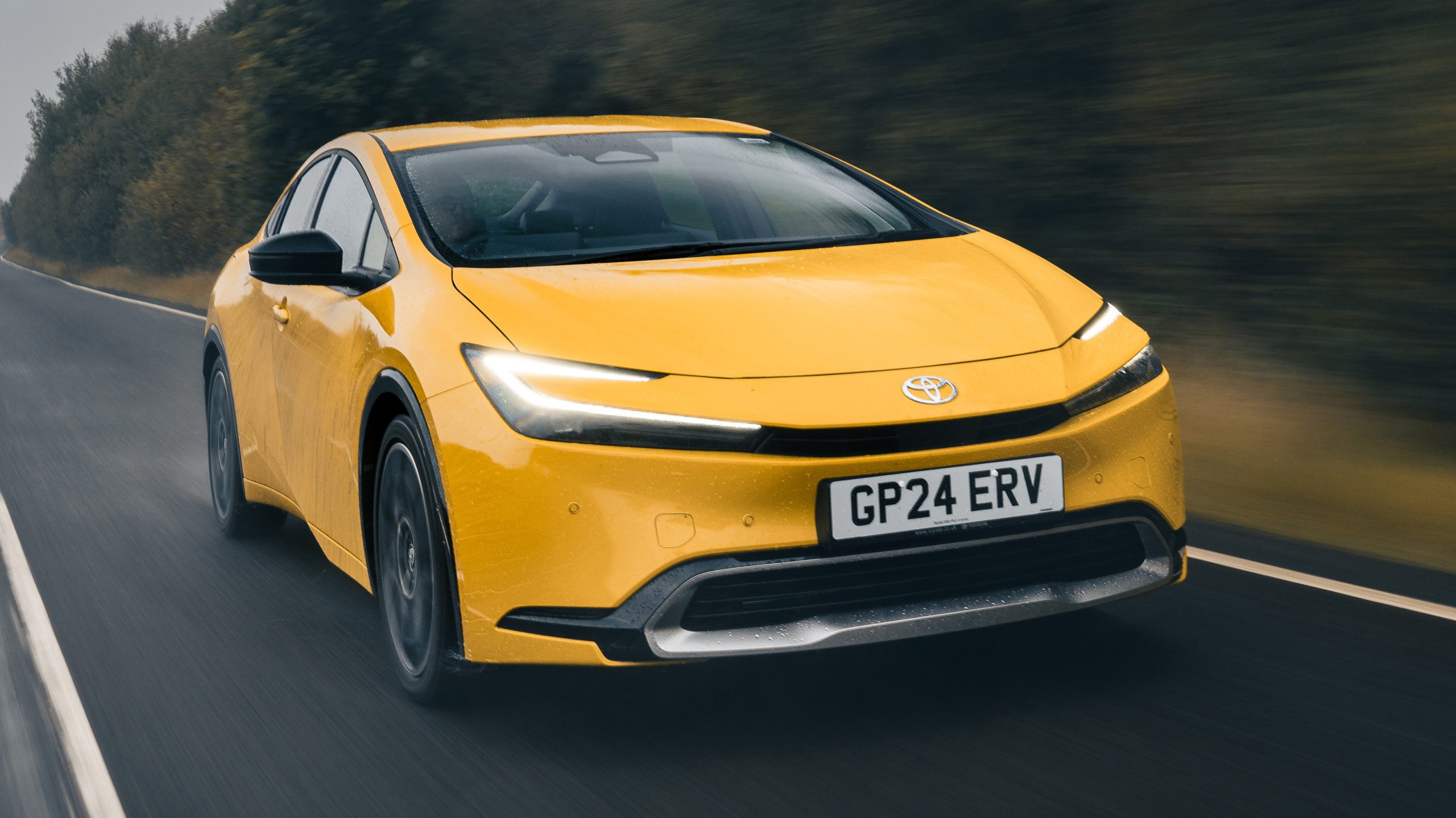
- Engine: 2.0L 4-cylinder hybrid (HEV)
- Horsepower: 194 hp (FWD) / 196 hp (AWD)
- Torque: 139 lb-ft (188 Nm)
- Length: 181.1 in (4,598 mm)
- Width: 70.2 in (1,781 mm)
Also read: 5 Cars Whose Interiors Age Well vs 5 That Wear Out Fast
5. Honda CR-V
Thieves frequently target the Honda CR-V for catalytic converter theft, a risk driven largely by the vehicle’s widespread popularity and elevated crossover stance. A high ground clearance allows criminals to quickly slip underneath and saw off the component in less than two minutes.
Once stolen, these parts are sold on the black market for their concentrated, valuable precious metals, including platinum, palladium, and rhodium. This threat is even greater for hybrid variants; their engines run cooler and cycle off frequently, preventing the internal metals from corroding and significantly boosting their street value.
Powering the standard LX, EX, and EX-L models is a 190-hp turbocharged 1.5-liter four-cylinder engine paired with a continuously variable automatic transmission (CVT). This setup achieves an EPA-estimated 28 mpg city and 33 mpg highway for front-wheel-drive models, dropping slightly with all-wheel drive. While it offers a smooth, reliable ride and includes hill-descent control, acceleration is somewhat sluggish, requiring 8.1 seconds to reach 60 mph. Additionally, it provides a practical towing capacity of up to 1,500 pounds.
Stepping inside the cabin reveals a handsome dashboard highlighted by a distinctive honeycomb-textured insert that discreetly hides the air vents. Designed to reduce driver fatigue on long trips, the interior boasts ample rear legroom and a generous 39 cubic feet of cargo space. Technology is seamlessly integrated via a 9.0-inch touchscreen infotainment system featuring standard Apple CarPlay, Android Auto, built-in navigation, and a wireless smartphone-charging pad.
Every CR-V comes heavily equipped with standard safety and driver-assistance technology to ensure passenger security. Key features protecting occupants include standard forward-collision warning, automated emergency braking, lane-keeping assist, lane-departure warning, and adaptive cruise control.
Ownership is backed by a three-year or 36,000-mile limited warranty alongside a five-year or 60,000-mile powertrain warranty. Enhancing this package, Honda includes complimentary scheduled maintenance for the first year or 12,000 miles.
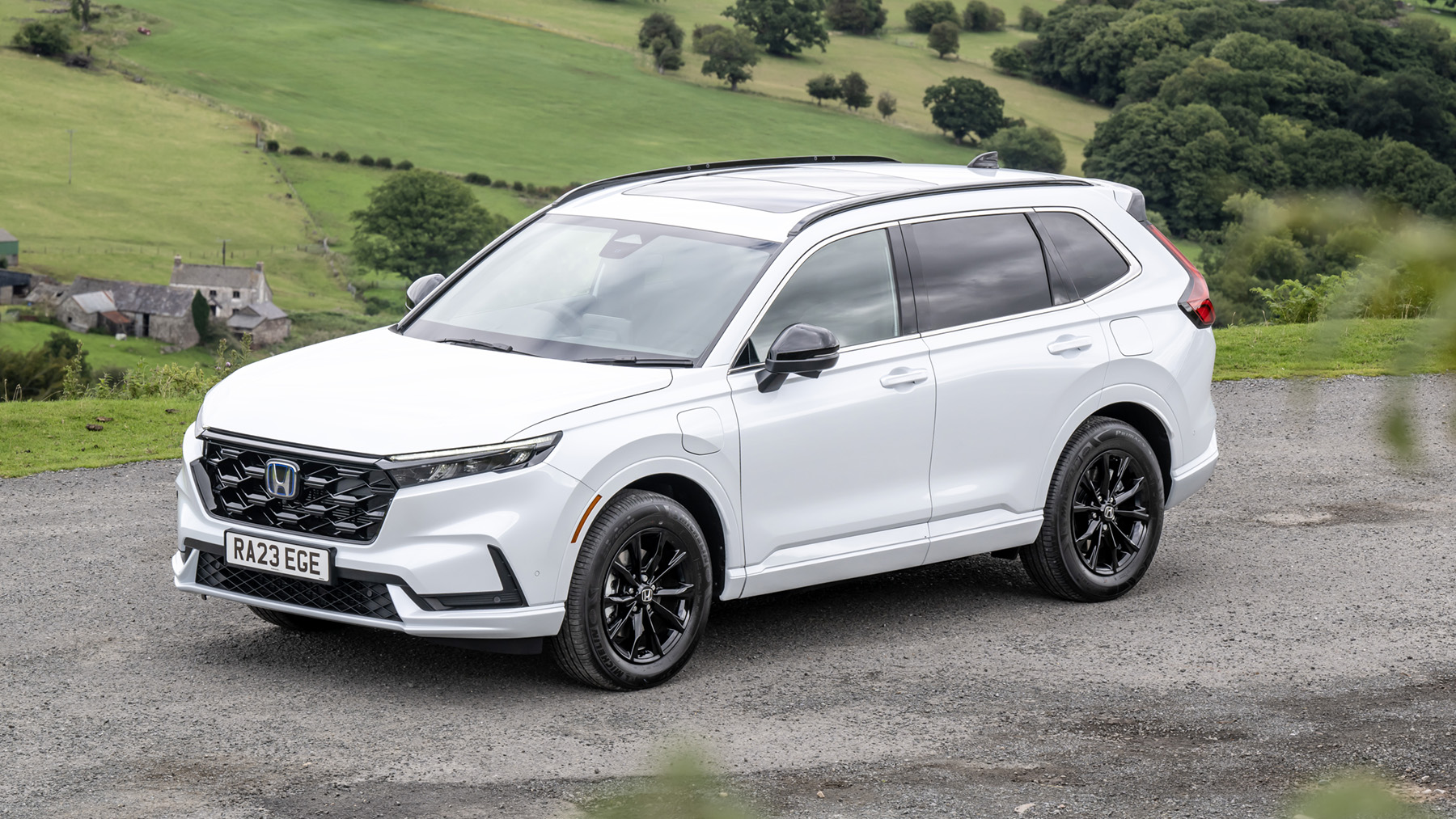
- Engine: 1.5L turbocharged inline-4 / 2.0L inline-4 hybrid (two-motor system)
- Horsepower: 190 hp (1.5T) / 204 hp (hybrid system)
- Torque: 179 lb-ft (243 Nm) / 247 lb-ft (335 Nm)
- Length: 184.8 in (4,691 mm)
- Width: 73.5 in (1,866 mm)
6. Ford Explorer
The Ford Explorer faces a high risk of catalytic converter theft because its elevated SUV frame allows thieves to slide underneath without using a car jack. Large V6 and V8 engine variants require massive exhaust filtration units, meaning their converters contain highly lucrative concentrations of precious metals like platinum, palladium, and rhodium. To protect these popular vehicles, owners can park in secure, monitored areas, park closely against walls to block physical access, or install specialized aftermarket steel shields.
Drivers can choose between two capable powertrains paired with a standard ten-speed automatic transmission. The base setup utilizes a turbocharged 2.3-liter four-cylinder engine delivering 300 horsepower, which achieves up to 29 mpg on the highway and hits 60 mph in 6.0 seconds. For those seeking sports-car acceleration, the ST trim features a 400-horsepower twin-turbo 3.0-liter V6 that drops the 0–60 mph time to 5.1 seconds while offering up to 25 mpg highway.
The vehicle handles predictably on paved roads, while the specialized Tremor trim delivers strong off-road capability for trail enthusiasts. Regardless of which trim is chosen, a standard Class III Towing package allows the vehicle to tow up to 5,000 pounds. All-wheel drive is available across the lineup for drivers who need added traction, although it slightly reduces fuel economy.
Centering its cabin technology around a 13.2-inch touchscreen, the Ford Digital Experience enables occupants to easily stream videos, play games, and connect through Android Auto or Apple CarPlay. This tech-focused interior balances utility with passenger comfort by wrapping the dashboard and door panels in premium, soft-touch materials. Space is equally versatile; although the third row lacks ideal legroom for adults, folding the rear seats flat instantly creates a massive cargo hold capable of swallowing 31 carry-on suitcases.
Every model includes critical driver-assist features like automated emergency braking, blind-spot monitoring, and lane-keeping assist. The SUV is protected by a 3-year or 36,000-mile limited warranty alongside a 5-year or 60,000-mile powertrain warranty, though complimentary factory maintenance is excluded.
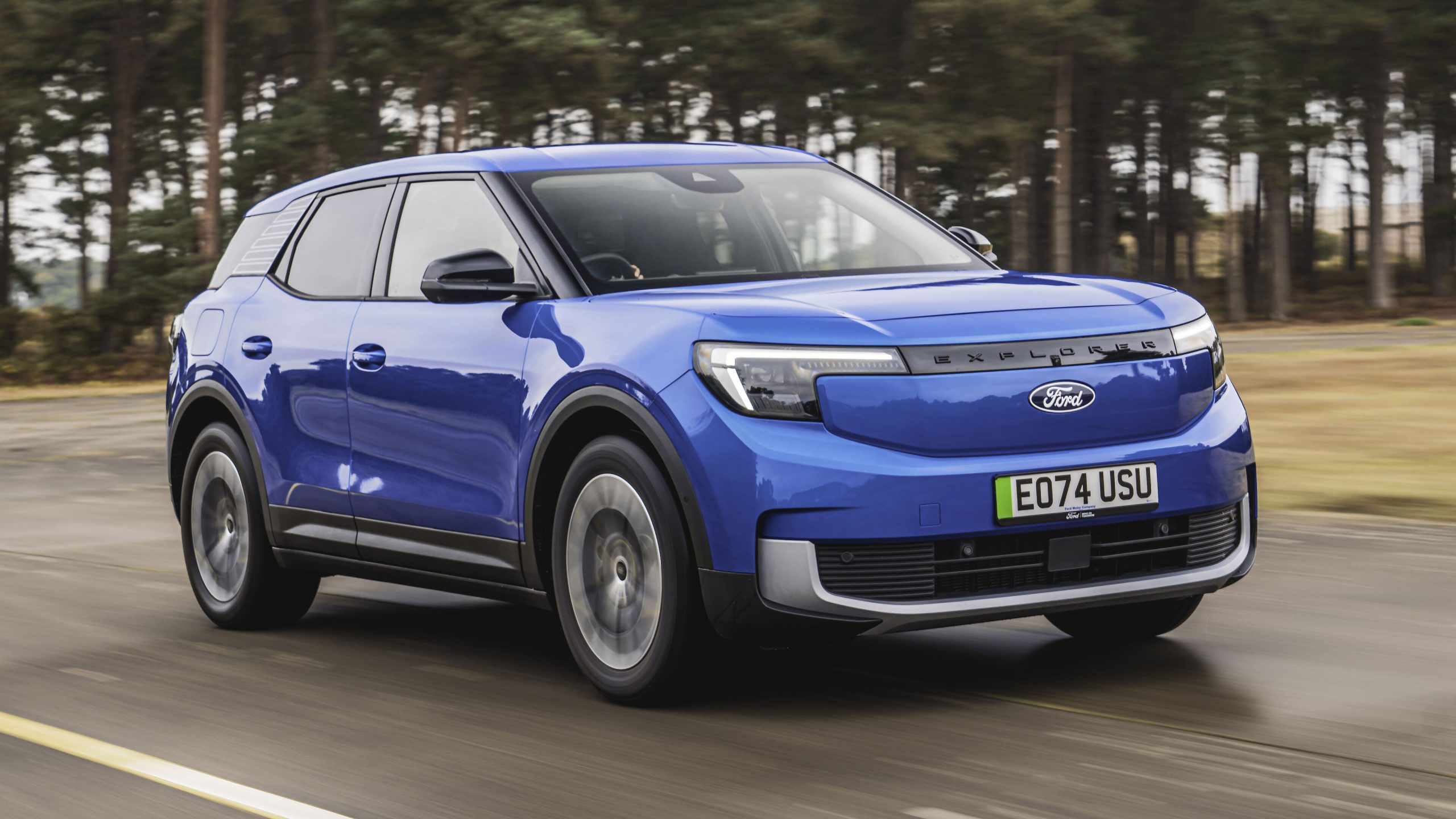
- Engine: 2.3L EcoBoost inline-4 / 3.0L twin-turbo EcoBoost V6
- Horsepower: 300 hp (2.3L) / 400 hp (3.0L)
- Torque: 310 lb-ft (420 Nm) (2.3L) / 415 lb-ft (563 Nm) (3.0L)
- Length: 198.7–198.8 in (5,047–5,050 mm)
- Width: 78.9 in (2,004 mm)
7. Chevrolet Equinox
Widely owned vehicles with higher ground clearance often become attractive targets for catalytic converter thieves, and this trend has affected the Chevrolet Equinox. The SUV’s popularity means large numbers are parked in neighborhoods, shopping centers, and public lots, making it easy for criminals to find.
Its ride height also provides convenient access to the underbody, allowing thieves to remove the catalytic converter quickly. The component contains valuable precious metals, including platinum, palladium, and rhodium, which can generate substantial profits through illegal resale or scrap recycling, making the Equinox a frequent target for this type of crime.
Power comes from a turbocharged 1.5-liter four-cylinder engine producing 175 horsepower, prioritizing efficiency and everyday usability over strong acceleration. Front-wheel-drive versions are equipped with a continuously variable transmission and return EPA estimates of 26 mpg in the city and 28 mpg on the highway.
Choosing all-wheel drive brings an eight-speed automatic transmission instead, with fuel economy rated at 24 mpg city and 29 mpg highway. The all-wheel-drive configuration also increases towing capability to 1,500 pounds, while front-wheel-drive models are limited to 800 pounds. Despite the improvement, towing capacity remains modest compared with many rivals in the segment.
Boasting a fresh and contemporary interior styling, the spacious cabin comfortably accommodates adults and offers generous cargo room. Standard cloth upholstery can be upgraded to faux leather or a premium vinyl and microfiber blend on top-tier trims.
Drivers will notice a space-saving column-mounted shift lever alongside a modern dashboard that features two massive digital displays. This setup includes a customizable 11.0-inch gauge cluster directly ahead of the driver and an 11.3-inch central infotainment screen running Chevy’s latest Google-based interface with built-in Google Maps navigation.
Chevrolet prioritizes passenger protection by equipping the vehicle with a comprehensive suite of standard driver-assistance technologies. This safety package includes advanced features like automated emergency braking with pedestrian detection, lane-departure warning with lane-keeping assist, and adaptive cruise control with a lane-centering function. Buyers can also choose optional upgrades to enhance visibility and awareness, such as a 360-degree camera system, traffic sign recognition, and rear pedestrian detection.
Although competitors such as Hyundai and Kia provide longer warranty terms, Chevrolet offsets this somewhat by including a complimentary maintenance visit during the first year. Combined with its practical interior, modern technology, and comprehensive safety features, the crossover serves as a capable daily driver, though owners may want to take extra precautions against catalytic converter theft.
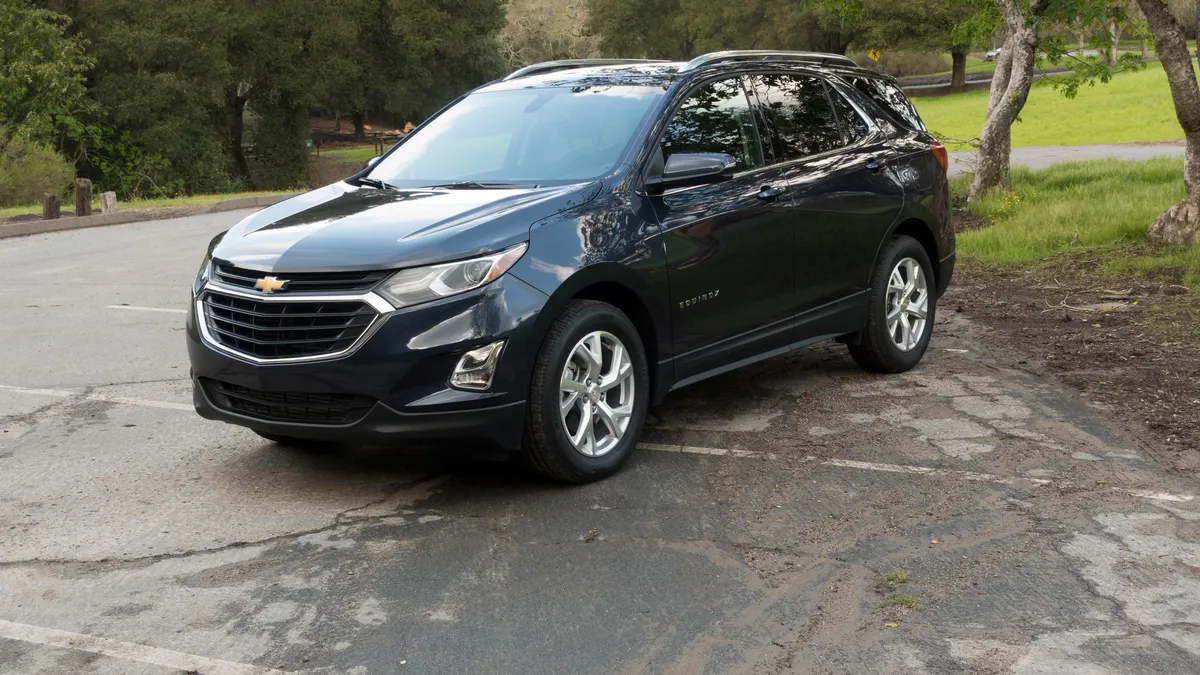
- Engine: 1.5L turbocharged inline-4 (gas)
- Horsepower: 175 hp @ 5,600 rpm
- Torque: 184 lb-ft (FWD) / 203 lb-ft (AWD) (249–276 Nm)
- Length: 183.2 in (4,653 mm)
- Width: 74.9 in (1,902 mm)
8. Chevrolet Silverado
Due to its massive popularity and specific design traits, the Chevrolet Silverado has unfortunately become a prime target for catalytic converter theft despite its reputation as a highly versatile and capable full-size pickup. Thieves can easily slip underneath the truck in seconds without needing a jack, thanks to its high ground clearance.
Once underneath, they target the oversized converters required by the truck’s large-capacity engines, which contain highly concentrated amounts of valuable precious metals like rhodium and platinum.
Because the Silverado is one of the market’s best-selling vehicles, its sheer numbers on the road create an abundant pool of opportunities for criminals. To counter this vulnerability, owners can protect their trucks by installing physical steel shields, parking in secure or well-lit areas, and etching their vehicle identification numbers directly onto the converter.
Beyond these security concerns, the Silverado offers robust performance with a diverse powertrain lineup. Buyers can choose from a fuel-efficient 3.0-liter Duramax diesel, a turbocharged four-cylinder, a 355-horsepower 5.3-liter V8, or a potent 420-horsepower 6.2-liter V8.
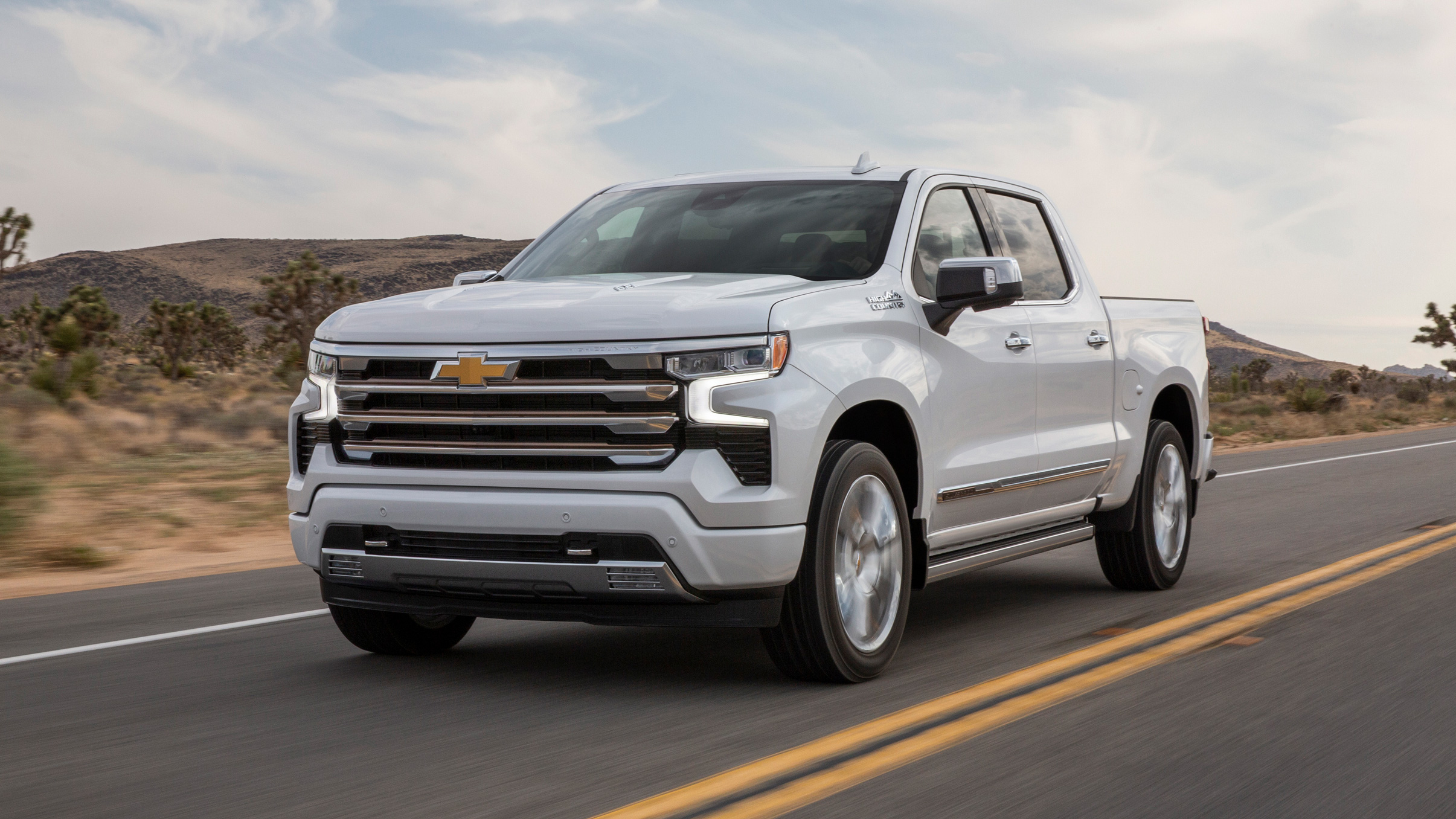
The 6.2-liter engine delivers rapid acceleration, reaching 0 to 60 mph in 5.4 seconds. When properly equipped, this half-ton truck boasts a maximum towing capacity of 13,300 pounds and a payload capacity reaching up to 2,280 pounds, making it a highly competitive hauler.
Chevrolet balances modern cabin technology and driver safety with a competitive warranty package to round out the Silverado ownership experience. For peace of mind, the truck comes standard with active driver-assistance systems like automated emergency braking, forward-collision warning, and lane-keeping assist, with premium models offering GM’s hands-free Super Cruise system.
This safety tech complements a heavily updated interior that ranges from a basic, vinyl-wrapped Work Truck to the high-end High Country trim, which is adorned with open-pore wood and leather upholstery.
On mid-tier LT trims and above, connectivity is anchored by a 13.4-inch infotainment screen and a 12.3-inch digital gauge cluster that integrates Google voice assistance alongside wireless Android Auto and Apple CarPlay. Finally, owners receive a standard three-year or 36,000-mile limited warranty that includes a single complimentary maintenance visit.
- Engine: 2.7L TurboMax I-4 / 5.3L EcoTec3 V8 / 6.2L EcoTec3 V8 / 3.0L Duramax Turbo-Diesel I-6
- Horsepower: 310 hp (2.7L) / 355 hp (5.3L) / 420 hp (6.2L) / 305 hp (3.0L diesel)
- Torque: 430 lb-ft (583 Nm) / 383 lb-ft (519 Nm) / 460 lb-ft (624 Nm) / 495 lb-ft (671 Nm)
- Length: 231.9 in (5,890 mm)
- Width: 81.2 in (2,062 mm)
Also read: 10 Cars That Are Cheaper in Texas Than the Rest of America
