
Parking in Washington DC can test anyone’s patience. Tight parallel spots, narrow residential streets, and busy downtown blocks mean that even experienced drivers sometimes circle for several minutes before finding a space that fits. Large SUVs and long sedans often feel out of place here, not because they lack value, but because the city simply does not offer them enough room to breathe.
This is where compact cars earn their reputation. Small footprints, sharp steering response, and easy curb alignment make a huge difference when space is limited. A well-sized vehicle can turn stressful parking moments into quick, simple maneuvers that take only a few seconds. Drivers also benefit from better fuel efficiency and lower ownership costs, which matters in a city where daily driving often involves stop-and-go traffic.
The following selection focuses on vehicles that naturally suit Washington DC’s compact parking environment. Each model brings a different blend of size, efficiency, and drivability, but all share one important trait: they are easy to position in narrow spaces without constant correction or second attempts.
From ultra-small city cars to slightly larger hatchbacks that still fit comfortably into tight spots, these vehicles demonstrate how smart design makes urban driving far more manageable.
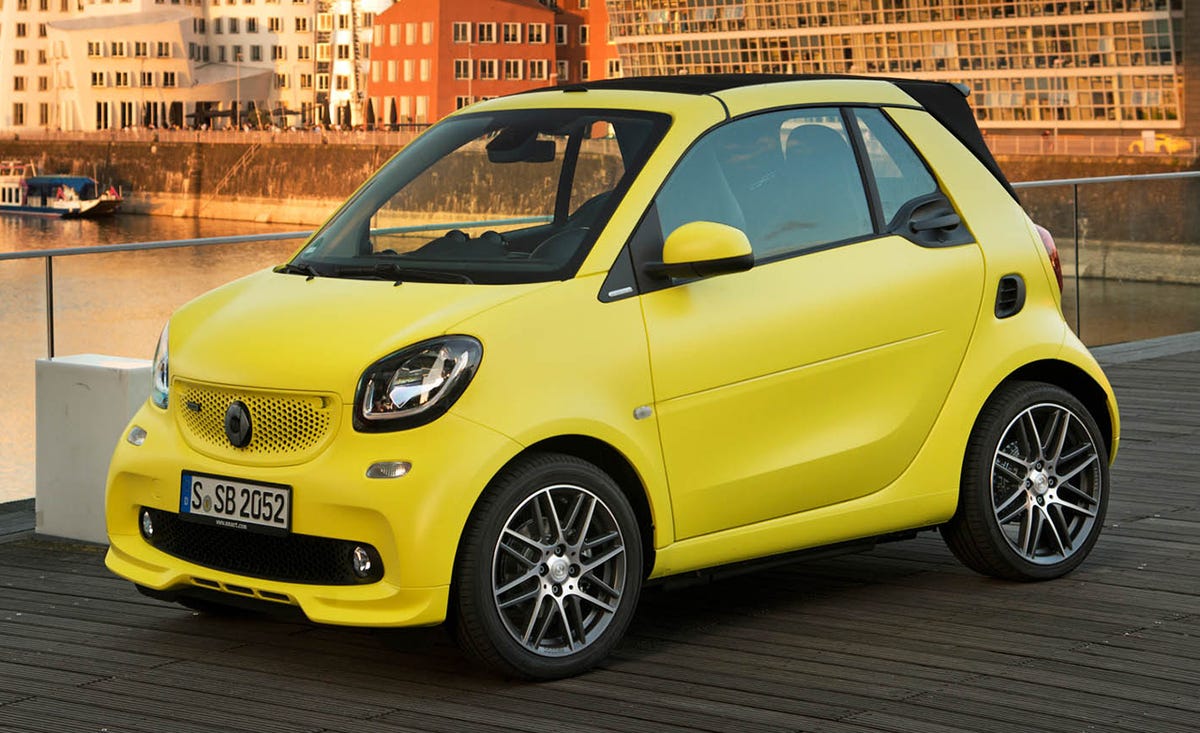
1. Smart Fortwo
- Engine: 0.9L Turbocharged 3-cylinder
- Horsepower: 89 hp
- Torque: 100 lb-ft
- Size: 106.1 inches Long x 65.5 inches Wide
Tiny dimensions define the Smart Fortwo, a vehicle engineered with urban parking in mind. Measuring just 106.1 inches in length and 65.5 inches in width, it occupies less space than many motorcycles parked side by side. That extremely short body makes it one of the easiest cars to position in tight Washington DC parking spots where longer vehicles struggle to align properly.
Power comes from a 1.0L 3-cylinder engine producing 89 horsepower and 100 lb-ft of torque. While it is not built for high-speed driving, it delivers enough responsiveness for city travel and short commutes. Acceleration feels adequate in stop-and-go traffic, which is exactly where this car spends most of its time.
Driving behavior is shaped by its compact wheelbase. Sharp steering response allows quick directional changes, which helps when squeezing into narrow parallel parking gaps. Tight turning ability also reduces the need for multiple forward and reverse adjustments, making parking quicker and less stressful.
Inside, the cabin is surprisingly functional for such a small footprint. Seating for two keeps the layout simple, while storage space is limited but usable for everyday essentials. Materials focus on durability rather than luxury, aligning with its practical city purpose.
Fuel efficiency stands out as another advantage. Lightweight and a small engine combine to reduce fuel consumption, which benefits drivers who frequently travel short distances throughout the city. Safety features include reinforced structure design and modern stability control systems. While its size is small, engineering improvements ensure it remains stable during city driving conditions.
Parking sensors and compact proportions give drivers confidence when fitting into extremely tight spaces. In Washington DC, where parking spots are often shorter than expected, the Smart Fortwo removes much of the stress from daily driving.
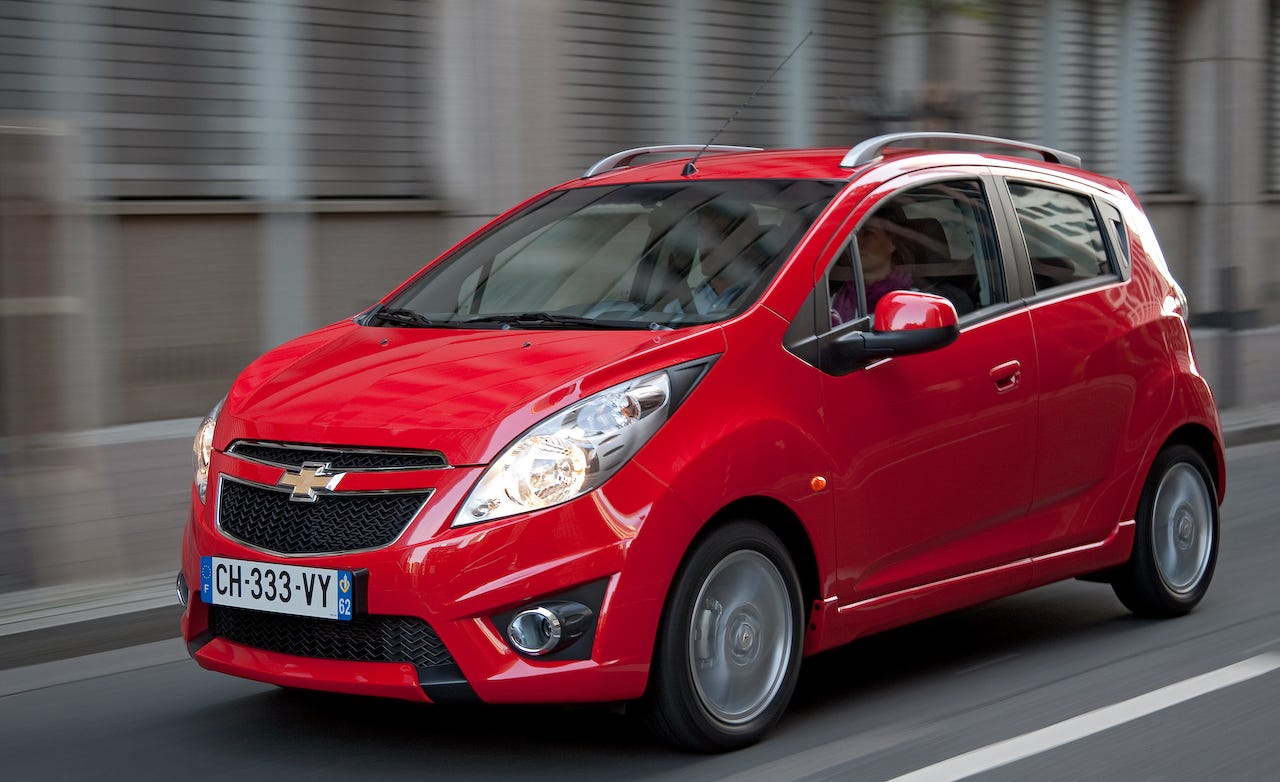
2. Chevrolet Spark
- Engine: 1.4L 4-cylinder
- Horsepower: 98 hp
- Torque: 94 lb-ft
- Size: 143.1 inches Long x 62.8 inches Wide
Urban practicality defines the Chevrolet Spark, a compact hatchback designed for city movement and tight parking conditions. With a length of 143.1 inches and a width of 62.8 inches, it remains small enough to fit into narrow street parking spaces commonly found across Washington DC neighborhoods.
Under the hood sits a 1.4L 4-cylinder engine producing 98 horsepower and 94 lb-ft of torque. This setup prioritizes efficiency rather than speed, making it well-suited for urban traffic where quick bursts of acceleration are more useful than sustained highway performance.
Steering feels light and predictable, which helps during tight parking maneuvers. Drivers benefit from a short turning radius that allows smooth entry into compact spaces without excessive correction. Visibility also plays a strong role, as the upright seating position provides a clear view of surrounding vehicles.
The cabin of the Spark is designed with a straightforward layout that prioritizes usability over complication. Seats provide adequate comfort for short trips and regular commuting within the city. The infotainment system includes basic connectivity features that meet everyday driving needs without unnecessary extras. Storage capacity is limited, but still practical enough for errands like shopping trips and carrying daily personal items.
Fuel economy remains one of its strongest advantages. The combination of a small engine and a lightweight body results in efficient fuel usage, reducing the cost of frequent city driving. Safety systems include stability control, rearview camera support, and reinforced frame design. These features help improve confidence when parking in tight or busy areas where pedestrians and cyclists are common.
Durability is also a strong point. The Spark is designed to handle repetitive city driving conditions, including frequent stopping, turning, and short-distance trips. Parking in Washington DC becomes less stressful with a vehicle like this, as its size naturally aligns with the limitations of urban parking spaces.
Also Read: 5 Small Cars With Big Trunks vs 5 Tiny Openings
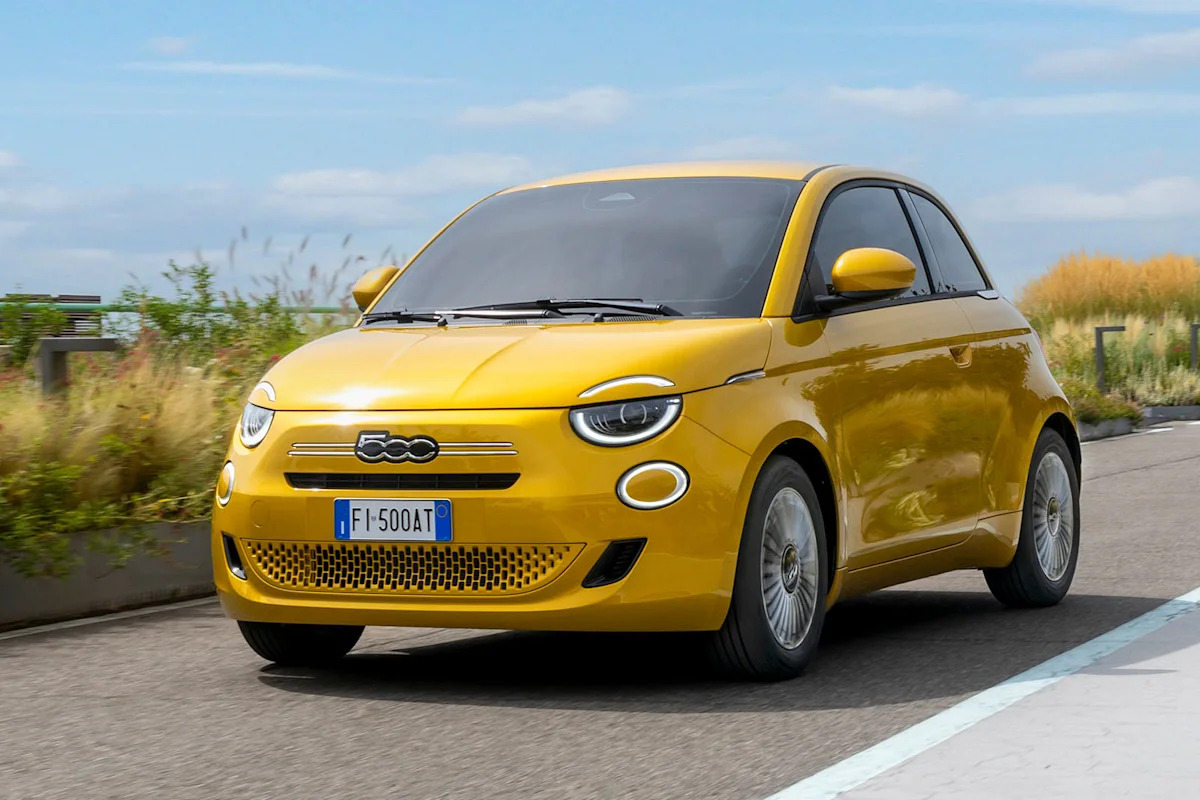
3. Fiat 500
- Engine: 1.4L 4-cylinder
- Horsepower: 101 hp
- Torque: 98 lb-ft
- Size: 139.6 inches Long x 64.1 inches Wide
Distinct appearance and compact construction define the Fiat 500 as a small hatchback designed for dense urban driving conditions. With a length of 139.6 inches and a width of 64.1 inches, it fits comfortably into narrow parking spaces commonly found across Washington DC. Its short body length allows drivers to position the vehicle with ease in spots where longer sedans struggle to align properly.
Even in tight curbside arrangements, the Fiat 500 maintains usable clearance at both ends, reducing the stress of precise parking adjustments. Power delivery comes from a 1.4L 4-cylinder engine producing 101 horsepower and 98 lb-ft of torque. The engine is tuned for smooth, steady movement within city environments rather than high-speed travel.
Acceleration from traffic stops feels controlled and predictable, which suits short-distance driving patterns common in urban areas. The vehicle responds well in stop-and-go traffic where frequent braking and acceleration occur throughout daily commuting routes.
Handling characteristics contribute strongly to its usability in tight spaces. Light steering input and a short wheelbase allow quick directional movement, which makes parking adjustments easier when entering narrow slots. Parallel parking requires minimal correction due to its compact proportions and responsive steering behavior. Drivers benefit from a sense of control when positioning the vehicle in crowded streets where spacing between cars is limited.
Interior design focuses on practicality combined with visual appeal. Although cabin space is limited, the layout is organized in a way that maximizes usability. Seating comfort remains suitable for daily commuting, while dashboard controls are arranged for straightforward access.
Technology features include infotainment integration, basic connectivity options, and driver assistance tools, depending on model year. These systems support convenience during short trips, helping drivers manage navigation, communication, and entertainment functions within urban settings.
Fuel consumption remains low due to the vehicle’s lightweight structure and small engine size. This efficiency supports drivers who regularly travel within city limits and prefer reduced fuel expenses. Stop-and-go traffic conditions do not place excessive strain on the engine, which contributes to consistent fuel usage patterns.
Parking suitability remains one of its strongest attributes. The compact footprint allows placement in tight spaces without requiring extended maneuvering. In Washington DC, where parking availability is often limited and spacing is restricted, the Fiat 500 provides practical support for everyday urban mobility.
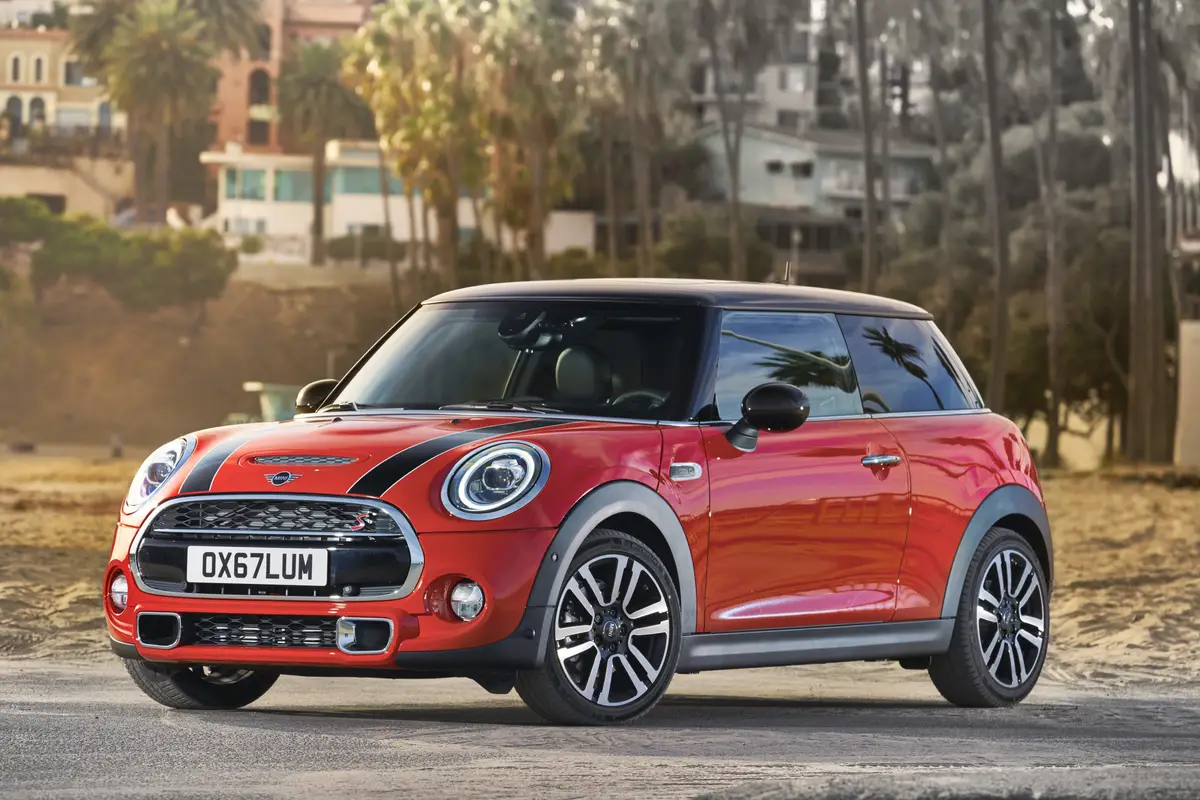
4. Mini Cooper (2-Door)
- Engine: 1.5L Turbocharged 3-cylinder
- Horsepower: 134 hp
- Torque: 162 lb-ft
- Size: 152.2 inches Long x 68.0 inches Wide
Sport-oriented styling combined with compact engineering defines the Mini Cooper 2-Door, a small vehicle designed for both urban driving and occasional highway use. Measuring 152.2 inches in length and 68.0 inches in width, it remains small enough for tight parking spaces while offering a more engaging driving experience compared to ultra-compact city cars. Its proportions allow it to fit into standard curbside spaces across Washington DC without excessive difficulty.
Engine performance is delivered through a 1.5L turbocharged 3-cylinder producing 134 horsepower and 162 lb-ft of torque. This setup provides stronger acceleration compared to typical small hatchbacks, allowing smooth merging into traffic and responsive movement during city driving. Power delivery feels more energetic while still remaining manageable in stop-and-go conditions.
Handling performance stands out due to its sharp steering response and low center of gravity. These characteristics allow precise movement during parking, making it easier to align the vehicle in narrow spaces. Drivers benefit from stable control when adjusting position in tight parking spots or making small corrections during reverse maneuvers.
Cabin presentation inside the Mini Cooper 2-Door leans toward a refined feel despite its compact size. Surfaces inside the vehicle are finished with materials that give a more upscale impression compared to many other small cars in its class. Seating arrangement supports daily use, providing enough comfort for commuting without feeling cramped, while control placement remains straightforward to reach during driving.
These systems improve daily usability within city environments where frequent stops and tight movement are common. Fuel consumption stays efficient even with the stronger engine, giving a balanced mix of performance and economy for urban use.
The balance between performance and economy allows drivers to enjoy responsive acceleration without excessive fuel consumption during regular urban use. Safety systems include collision warning features, stability control, and reinforced structural components. These elements improve driver confidence in busy traffic environments where sudden stops and tight spacing are common.
Parking performance remains strong due to its compact size and responsive handling characteristics. In Washington DC, where parking angles can be narrow and irregular, the Mini Cooper 2-Door provides reliable placement control and ease of adjustment during tight maneuvers.
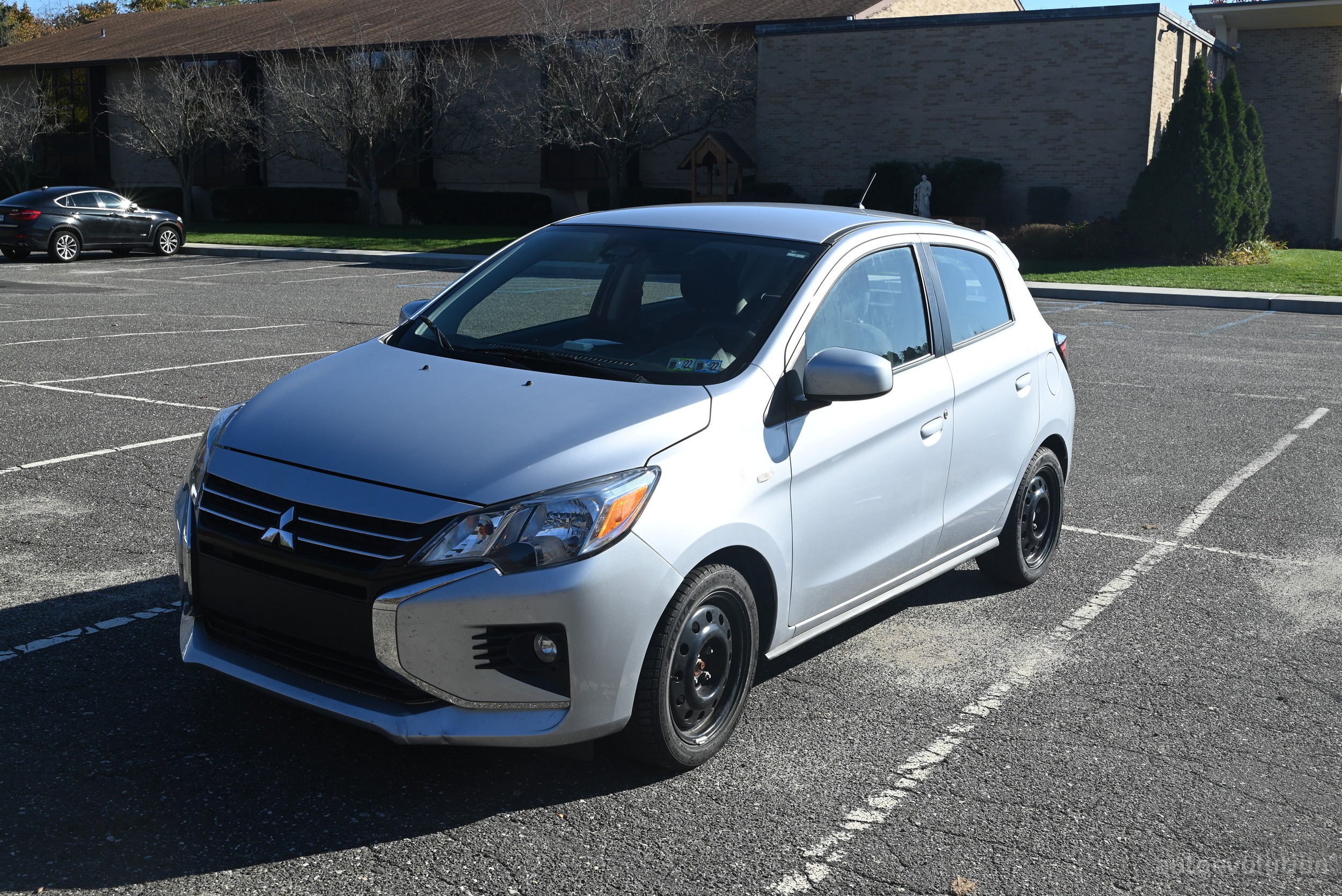
5. Mitsubishi Mirage
- Engine: 1.2L 3-cylinder
- Horsepower: 78 hp
- Torque: 74 lb-ft
- Size: 151.4 inches Long x 65.6 inches Wide
Efficiency-focused design and practical engineering define the Mitsubishi Mirage, a compact hatchback built for simple urban driving. Measuring 151.4 inches in length and 65.6 inches in width, it fits easily into tight parking spaces commonly found in Washington DC. Its compact proportions allow drivers to position the vehicle with minimal effort, even in areas where the space between parked cars is limited.
Power is supplied by a 1.2L 3-cylinder engine producing 78 horsepower and 74 lb-ft of torque. The engine prioritizes fuel efficiency and steady performance rather than strong acceleration. This makes it suitable for city driving conditions where speed demands remain moderate, and traffic flow is often slow-moving.
Lightweight construction plays an important role in its driving behavior. Reduced body weight improves fuel economy and allows easier steering response, particularly when parking in confined spaces. Interior layout focuses on simplicity and function.
Fuel efficiency is one of its strongest advantages. Low fuel consumption makes it suitable for frequent city travel, especially for individuals who prefer reduced running costs. The engine operates efficiently under typical urban driving conditions, such as short trips and frequent stops.
Safety features include stability control, braking assistance, and reinforced body structure. These systems support stability during sudden braking and tight maneuvering, which are common in city environments. Ride comfort is adequate for its class. Suspension is tuned to handle typical road imperfections found in urban areas, including uneven surfaces and minor bumps. This contributes to a stable driving experience during routine travel.
Parking capability is one of its strongest strengths. The compact size allows placement in extremely tight spaces where larger vehicles cannot fit comfortably. In Washington DC, where parking space is limited and highly competitive, the Mitsubishi Mirage offers practical advantages for daily urban use.
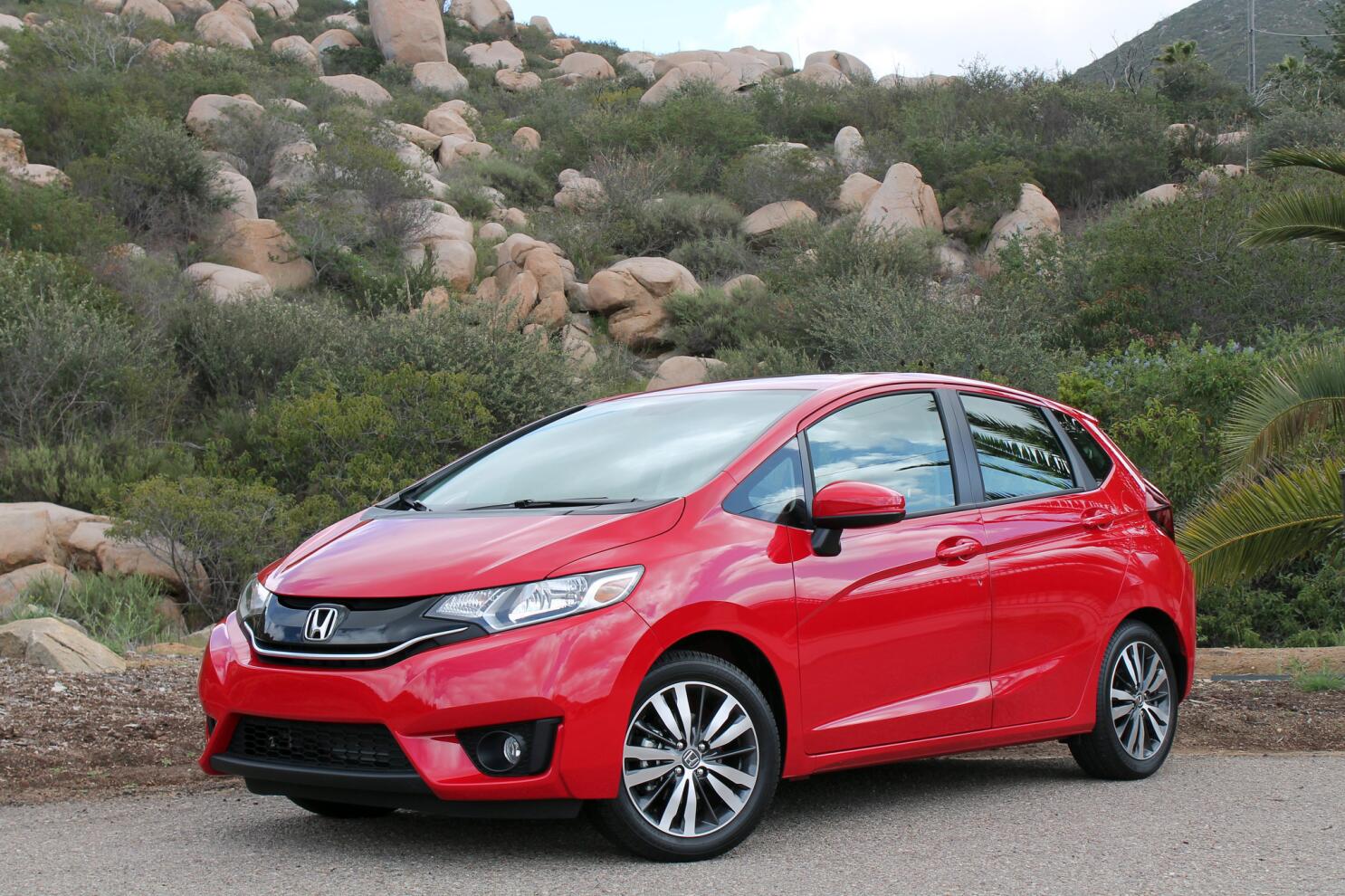
6. Honda Fit
- Engine: 1.5L 4-cylinder
- Horsepower: 130 hp
- Torque: 114 lb-ft
- Size: 161.4 inches Long x 67.0 inches Wide
Space efficiency defines the Honda Fit, a compact hatchback designed to make urban driving less demanding. Measuring 161.4 inches in length and 67.0 inches in width, it fits into tight Washington DC parking spaces while still offering more interior room than many vehicles in its class. That balance between compact exterior size and roomy cabin design gives it a strong advantage in city environments where parking space is limited but daily practicality still matters.
Power is supplied by a 1.5L 4-cylinder engine producing 130 horsepower and 114 lb-ft of torque. Performance is tuned for smooth city acceleration rather than high-speed driving. This setup allows steady movement through traffic lights, stop-and-go congestion, and short urban trips without strain.
Cabin layout is one of the strongest points of the Honda Fit. Despite its small footprint, clever interior design creates flexible seating arrangements that expand cargo capacity when needed. Rear seats can fold in multiple configurations, allowing drivers to carry items that would normally require a larger vehicle.
Steering response feels light and controlled, which makes parking in tight spaces easier. Drivers benefit from a short turning radius that helps during parallel parking or tight corner adjustments in narrow streets common across Washington DC. Fuel efficiency remains a strong advantage.
Durability also supports its popularity. The Honda Fit is known for long service life when properly maintained, making it a dependable option for drivers who prioritize long-term use. Parking performance is consistently strong. Its compact dimensions and excellent visibility allow drivers to position it accurately in tight spots without repeated corrections.
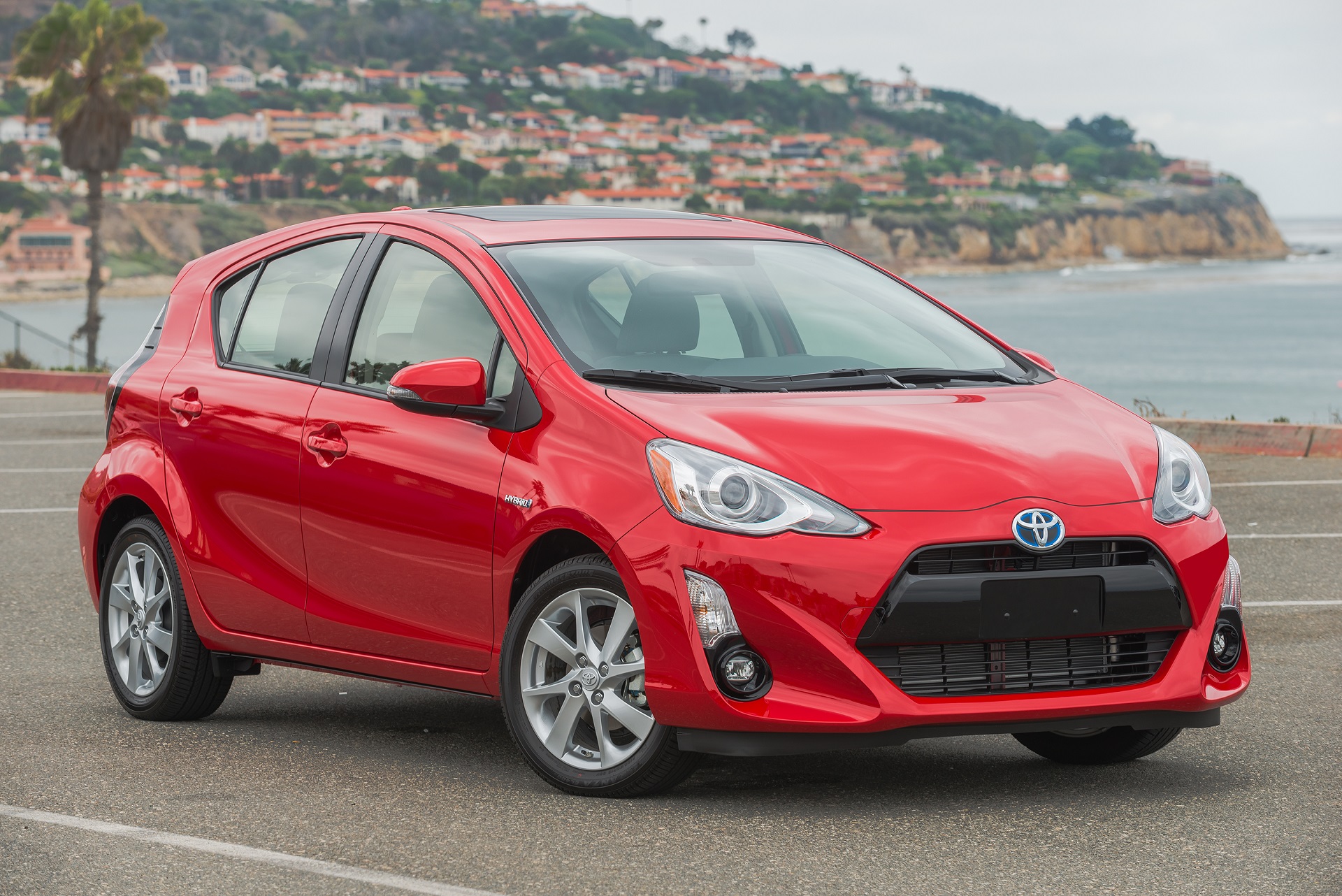
7. Toyota Prius c
- Engine: 1.5L 4-cylinder Hybrid
- Horsepower: 99 hp (Total System)
- Torque: 82 lb-ft (Engine Only)
- Size: 159.9 inches Long x 66.7 inches Wide
Efficiency-focused design defines the Toyota Prius c, a hybrid hatchback built for city driving and tight parking conditions. With a length of 159.9 inches and a width of 66.7 inches, it fits comfortably into compact spaces commonly found in Washington DC residential and commercial areas.
Power comes from a 1.5L 4-cylinder hybrid system producing 99 horsepower and 82 lb-ft of torque. While acceleration is modest, the hybrid system delivers smooth and consistent performance suited for urban driving. Electric assistance helps reduce fuel consumption during low-speed travel and stop-and-go traffic.
Driving behavior is calm and predictable. Steering is light, making it easy to adjust position when parking in narrow gaps. The hybrid system also reduces engine noise at low speeds, which adds to driving comfort in dense city environments. Interior design focuses on functionality and efficiency.
Controls are arranged for ease of use, and the cabin provides enough space for daily commuting needs. While not spacious compared to larger vehicles, it remains practical for individuals or small families. Fuel economy stands out as one of its strongest strengths.
Safety features include stability systems, braking assistance, and structural reinforcement designed to improve protection in urban driving conditions. These systems help maintain control during frequent stops and tight maneuvers. Reliability supports its long-term appeal. Toyota’s hybrid systems are widely recognized for durability when properly maintained, which encourages confidence among used buyers.
Parking performance is excellent due to its compact proportions and easy maneuverability. In Washington DC, where parking spaces can be limited and irregular, the Prius c offers a practical solution.
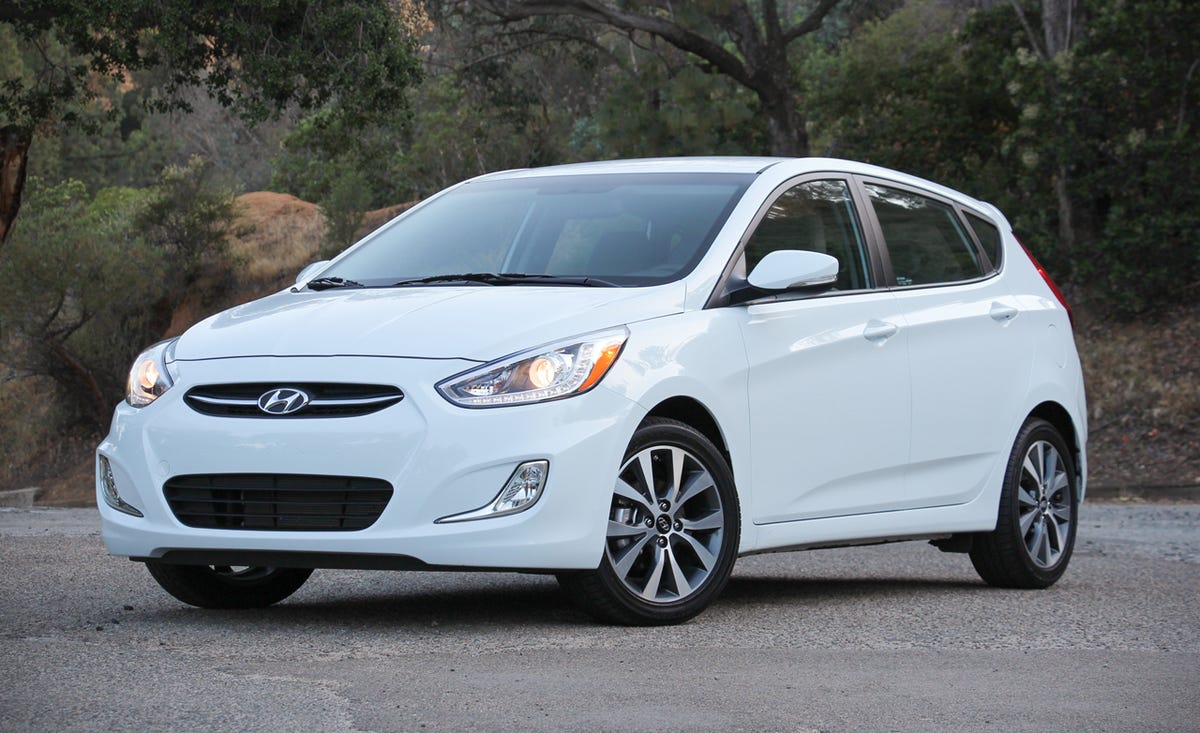
8. Hyundai Accent
- Engine: 1.6L 4-cylinder
- Horsepower: 120 hp
- Torque: 113 lb-ft
- Size: 172.6 inches Long x 68.1 inches Wide
Practical design and steady usability define the Hyundai Accent as a compact sedan suited for dense city environments where parking space is limited. Measuring 172.6 inches in length and 68.1 inches in width, it fits into tight Washington DC parking spots without requiring excessive maneuvering.
Its proportions sit in a balanced range, giving drivers slightly more cabin room than ultra-small models while still keeping exterior size manageable for narrow streets and crowded curbside parking. Power is delivered through a 1.6L 4-cylinder engine producing 120 horsepower and 113 lb-ft of torque.
The engine is tuned for steady acceleration rather than aggressive output, which suits stop-and-go traffic conditions common in city driving. Power delivery feels predictable, allowing smooth transitions between braking and acceleration during short urban trips and frequent traffic stops.
Steering response remains light, which reduces effort when positioning the vehicle into tight parking spaces. The turning radius supports controlled movement into parallel parking spots, even in areas where the space between vehicles is limited. Drivers benefit from this predictable steering behavior when making small adjustments during parking.
Practical cabin design prioritizes everyday usability, ensuring occupants can travel with ease during routine commutes. Seats offer adequate comfort for short and medium-distance trips, while the placement of switches and controls helps drivers operate essential functions without unnecessary distraction. The boot space is well proportioned for daily needs, handling items such as groceries, compact travel bags, and work materials without difficulty.
Economy of fuel use remains a strong point, especially for individuals who frequently drive through busy city routes. Its lightweight construction plays a role in keeping fuel consumption low, making it a sensible choice for cost-aware urban motorists. Safety equipment includes traction stability systems and braking support, along with optional driver assistance technologies depending on the specific trim level chosen.
These systems assist in maintaining control during sudden stops and crowded traffic conditions, which are common in busy metropolitan driving. Ride comfort is tuned toward everyday commuting. Suspension absorbs typical road imperfections found in city environments, including uneven pavement and speed bumps, allowing for a smoother driving experience during routine travel.
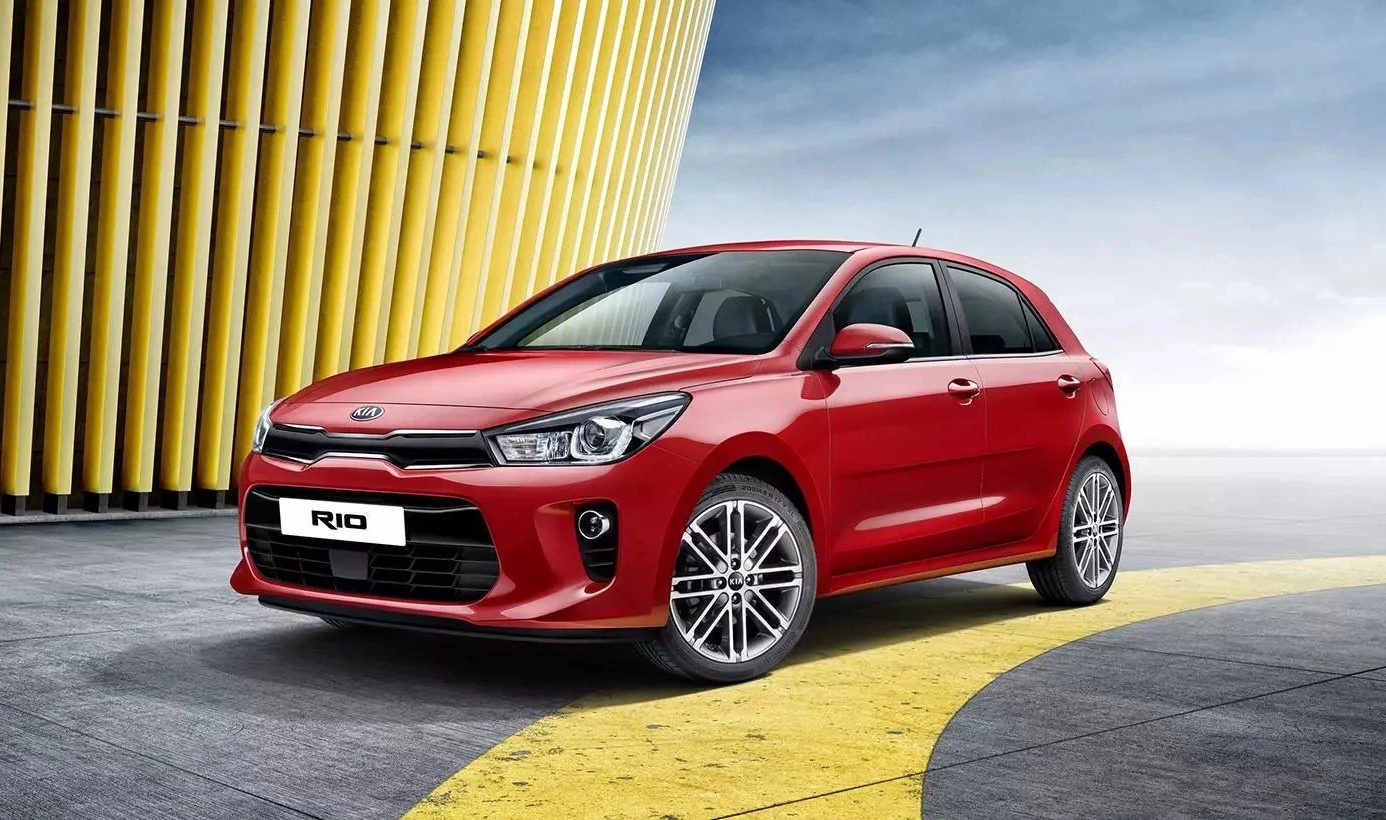
9. Kia Rio
- Engine: 1.6L 4-cylinder
- Horsepower: 120 hp
- Torque: 112 lb-ft
- Size: 172.6 inches Long x 67.9 inches Wide
Straightforward engineering and efficient performance define the Kia Rio as a compact sedan designed for urban driving conditions where parking availability is limited. Measuring 172.6 inches in length and 67.9 inches in width, it fits into narrow parking spaces while still offering a comfortable interior layout for daily use. Its proportions make it suitable for city streets where space constraints are a regular challenge.
A 1.6L 4-cylinder engine delivers 120 horsepower and 112 lb-ft of torque. Performance is tuned for smooth and efficient city driving rather than high-speed acceleration. This setup works well in traffic conditions that involve frequent stops, short-distance travel, and steady cruising through urban roads.
Steering is light and responsive, which makes it easier to position the vehicle during parking. Predictable handling helps reduce stress when aligning the vehicle in parallel parking spaces or tight curbside gaps. Interior design is practical and focused on usability.
Controls are positioned for easy reach, while seating provides comfort suitable for daily commuting. Even with its compact size, the cabin offers sufficient room for passengers and essential cargo. Fuel efficiency is one of the strongest advantages of the Kia Rio. Its lightweight structure and small engine contribute to reduced fuel consumption, which benefits drivers who spend long periods driving within city limits.
Safety features include stability control, braking assistance, and a reinforced body structure designed for urban driving conditions. These systems help maintain control during sudden stops and crowded traffic situations. Ride quality is comfortable for its segment. Suspension tuning absorbs common road irregularities found in city environments, including uneven surfaces and minor bumps, contributing to a more relaxed driving experience.
Also Read: 5 Small Cars That Feel Big on Highways vs. 5 That Feel Tiny
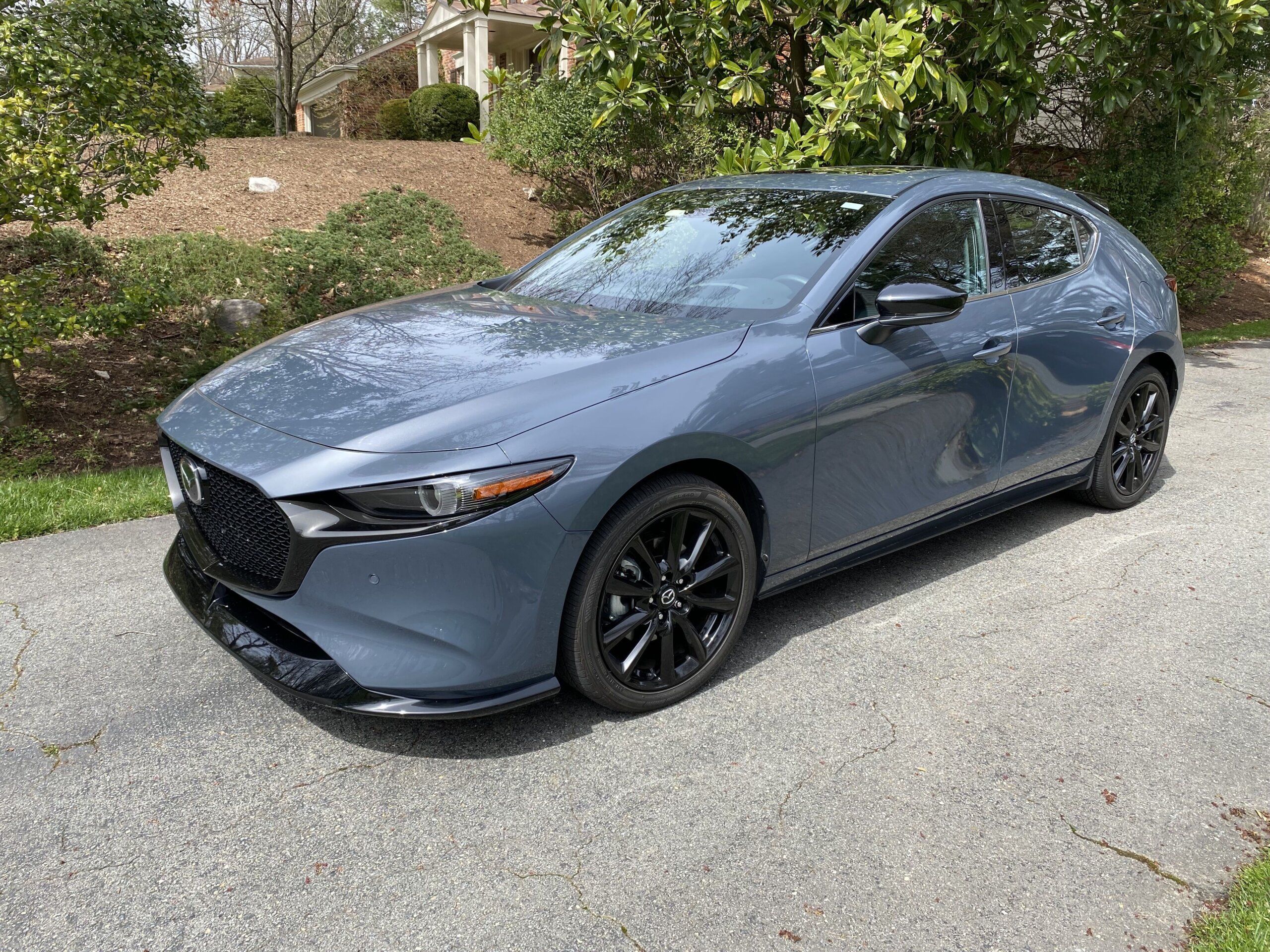
10. Mazda 3 (Hatchback)
- Engine: 2.5L 4-cylinder
- Horsepower: 191 hp
- Torque: 186 lb-ft
- Size: 175.6 inches Long x 70.7 inches Wide
Refined styling and responsive driving behavior define the Mazda 3 Hatchback, a compact vehicle that combines performance with city-friendly dimensions. Measuring 175.6 inches in length and 70.7 inches in width, it remains compact enough for urban parking while offering a more premium driving experience than many competitors in its category. Its size allows it to fit into standard tight parking spaces commonly found in Washington DC.
Power comes from a 2.5L 4-cylinder engine producing 191 horsepower and 186 lb-ft of torque. This output provides stronger acceleration compared to typical compact city cars, allowing confident merging into traffic and smooth movement through urban roads.
Handling performance is one of its strongest attributes. Steering response is precise, and suspension tuning provides stable control during both driving and parking. This allows drivers to make accurate adjustments when fitting into narrow parking spots.
A more upscale feel defines the cabin experience, with material quality standing out compared to many rivals in the same category. Everything inside is arranged with the driver in mind, making controls easy to reach and daily use more comfortable. Seats are shaped to provide steady support whether the trip is short around town or longer on open roads.
Modern infotainment setups, smartphone integration, and helpful driver assistance features all come together to improve daily convenience. These systems make routine driving in crowded city conditions easier and less stressful. Fuel consumption stays within a practical range even with the stronger engine performance.
Mazda’s engineering approach balances power delivery with efficiency, allowing the vehicle to feel responsive without demanding excessive fuel use. Safety systems include advanced driver assistance features, stability control, and reinforced structural design.
