

Car subscriptions arrived with a lot of promise, pitched as a flexible middle ground between buying and renting. Instead of committing to a long loan or dealing with the responsibilities of ownership, drivers were told they could simply pay a monthly fee and switch vehicles when needed. On paper, that idea sounds modern and convenient, especially for people who dislike long-term commitments or unexpected repair costs.
Reality has taken a different direction. Many drivers have discovered that these subscription services often come with layered pricing, limited vehicle access, and restrictions that feel more rigid than traditional ownership. What starts as a simple monthly payment can quickly grow into a bundle of fees tied to mileage limits, insurance add-ons, and even software-based feature restrictions.
Heated seats, remote start, and other built-in functions have, in some cases, been locked behind extra charges, which leaves buyers questioning what they actually paid for when they purchased the car in the first place. A growing number of critics argue that this model reshapes the relationship between drivers and their vehicles in an uncomfortable way.
Instead of owning a car and enjoying its full features, customers are placed into a system where access can be adjusted or removed at any time by the manufacturer. That sense of control shifting away from the driver has become a central point of frustration.
Reports from automotive writers and industry observers suggest that subscription models also blur the line between hardware and software ownership. A car is no longer just a machine; it becomes a platform where features can be activated or disabled remotely.
This raises questions about long-term value, especially when buyers expect durability and full functionality from a purchase that already costs tens of thousands of dollars.
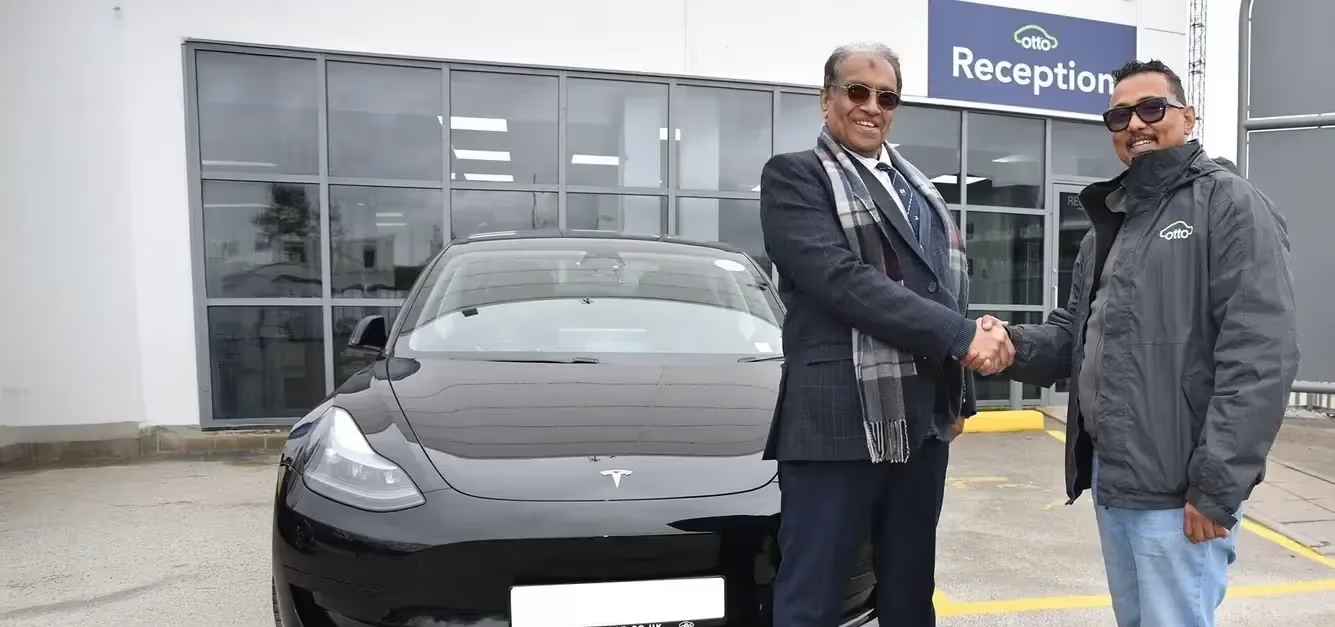
Monthly Payments That Feel Like Ownership Without Ownership
Car subscriptions are often presented as an easy alternative to buying or leasing, but the financial structure tells a different story. A typical plan requires a recurring monthly fee that covers the vehicle, insurance, maintenance, and sometimes roadside assistance. At first glance, this bundled approach appears convenient, especially for drivers who prefer predictable costs.
However, the problem begins when those payments are compared to traditional ownership. Over a period of several years, subscription fees can exceed the cost of financing a vehicle outright, without granting any equity in return. Drivers may spend thousands of dollars without ever building ownership value, which creates frustration when they realize there is nothing to sell or trade later.
Another concern involves fluctuating pricing. Some subscription services adjust fees based on demand, mileage, or vehicle category. This variability makes long-term budgeting difficult, especially for drivers who rely on stable monthly expenses. What looks like a fixed payment can quietly change based on usage patterns or company policy updates.
There is also the psychological factor. Paying continuously for something that never becomes yours can feel draining. Many drivers are accustomed to the idea that car payments eventually end, leaving them with a fully owned asset. Subscription models remove that endpoint entirely, replacing it with an ongoing obligation that does not lead to ownership.
Industry analysts have pointed out that this structure benefits manufacturers more than consumers. By keeping vehicles in a continuous payment loop, companies secure long-term revenue streams while maintaining control over the product lifecycle. For drivers, the arrangement can feel like renting without the flexibility that traditional rental services typically offer.
Also Read: Opinion: Toyota Supra Stopped Being A Supra The Moment BMW Built It
Features Locked Behind Extra Fees
Modern vehicles already rely heavily on software, but subscription models take that dependency further by restricting access to built-in features. Heated seats, adaptive cruise control, remote start, and even performance settings have been placed behind digital paywalls in certain cases. This approach has sparked strong reactions from drivers who expect full access to the features already installed in their cars.
From a technical standpoint, manufacturers argue that this system allows customization and cost flexibility. A buyer could theoretically choose only the features they want and pay accordingly. In practice, however, many of these features are physically present in the vehicle from the start, meaning customers are paying extra to unlock functionality that already exists in the hardware.
That situation creates frustration because it changes the definition of ownership. Instead of purchasing a fully functional vehicle, drivers are effectively renting parts of it. If subscription payments stop, features can be disabled remotely, leaving the car less capable than when it was first purchased.
Automotive journalists have highlighted cases where drivers discovered that standard comfort features were unavailable unless a monthly fee was paid. This has led to criticism that manufacturers are double-charging customers: once for the hardware and again for access to software controls.
The emotional reaction is easy to understand. Drivers expect a clear exchange when purchasing a vehicle. Paying thousands of dollars only to find that basic features require ongoing payments feels inconsistent with traditional buying expectations. That disconnect has fueled public resistance to the subscription model.
Ownership Control Is Moving Away From Drivers
One of the most controversial aspects of car subscriptions is the change in control away from the vehicle owner. In traditional ownership, once a car is purchased, the driver has full access to its features and systems. Subscription models introduce a different structure where manufacturers retain digital control over functionality.
This control can extend to feature activation, performance settings, and even software updates that change how the vehicle behaves. In some cases, features can be added or removed remotely, depending on the subscription status. That level of external control raises questions about how ownership is defined in modern automotive design.
Drivers have expressed concern that this system creates dependency on manufacturers long after purchase. Instead of owning a static product, they are tied to a service that can change at any time. Updates may improve functionality, but they can also introduce restrictions or new fees.
There is also the issue of data. Connected vehicles collect large amounts of driving information, which is often tied to subscription services. While this data can improve user experience, it also increases concerns about privacy and how information is used or shared.
Legal experts have begun discussing whether traditional consumer rights fully apply in this new model. If a feature is disabled remotely, questions arise about whether the buyer still owns what they purchased or simply rents access to it. That uncertainty is part of what makes the subscription approach controversial among drivers and industry watchers.
Also Read: Opinion: Modern Headlights Got So Bright They Became a Safety Problem
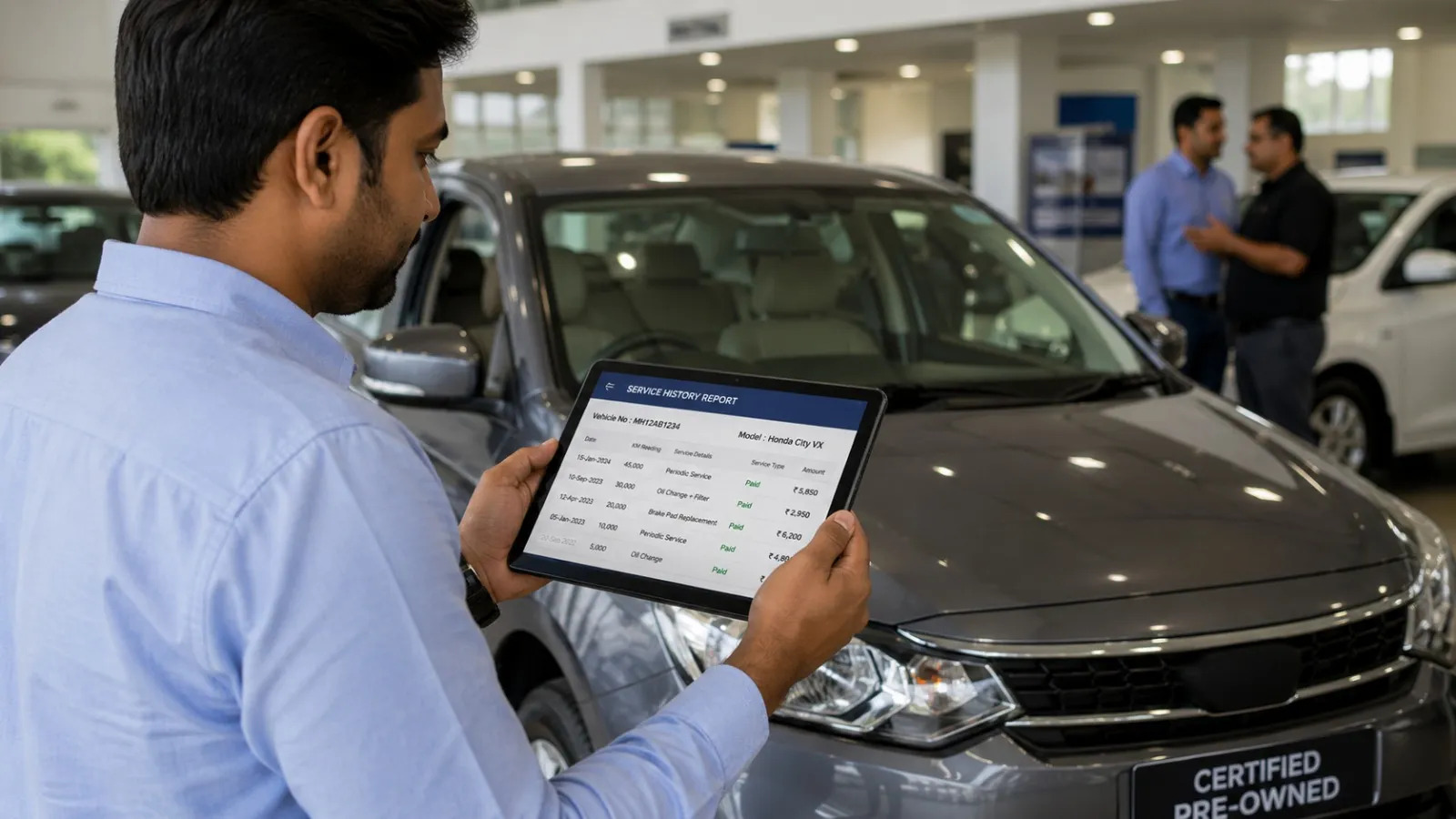
Long-term Costs That Exceed Expectations
At first glance, subscription pricing can appear manageable because it spreads costs into monthly payments. However, when calculated over several years, the total expense often surpasses the cost of buying or leasing a vehicle in the traditional sense.
Drivers who commit to subscriptions for convenience may not initially factor in the long-term financial impact. Once maintenance, insurance, and usage fees are added, the monthly cost can rise quickly. As time goes on, these payments accumulate without producing any ownership benefit.
There is also limited flexibility in many plans. Mileage caps and usage restrictions can lead to additional charges if exceeded. This creates a structure where everyday driving habits can influence total cost in unpredictable ways.
Some drivers have reported switching away from subscriptions after realizing they were paying more than expected for a vehicle they never owned. That realization has contributed to growing skepticism about whether the model is financially practical for most users.
From a budgeting standpoint, the lack of asset value is a major drawback. Traditional car ownership allows drivers to recover part of their investment through resale or trade-in value. Subscription services remove that option entirely, leaving only recurring expenses without residual benefit.
