
For commuters, a car’s true affordability goes far beyond its purchase price. Long-term ownership costs are shaped by fuel consumption, maintenance, repairs, insurance, and depreciation. Cost per mile is one of the most effective ways to measure value because it combines these expenses into a single figure.
A fuel-efficient vehicle may still be costly if repairs are frequent, while a dependable car with a slightly higher upfront price can save money over time. The best commuter cars balance efficiency, reliability, low maintenance costs, affordable parts, and strong resale value. This ranking highlights ten models that excel at minimizing ownership expenses and delivering lasting value for daily drivers.
Also Read: 10 Cars More Expensive in California Because of Emissions Rules
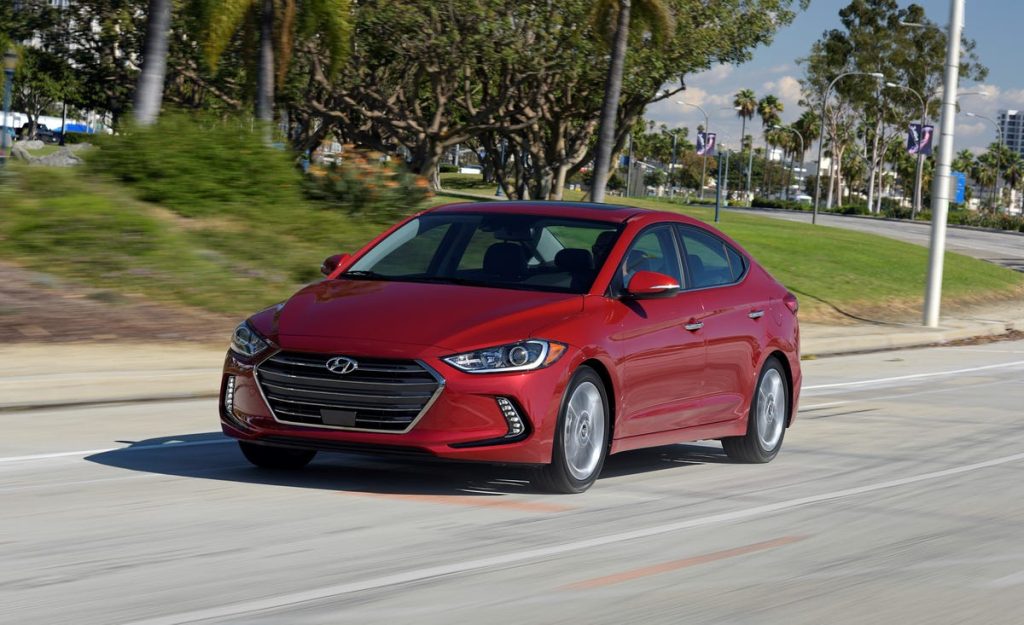
10. Hyundai Elantra
Keeping transportation expenses under control often requires more than choosing a vehicle with a low purchase price. Fuel consumption, maintenance, repairs, and depreciation all contribute to long-term ownership costs, which is why this compact sedan has become a popular option among commuters seeking value.
Strong fuel efficiency plays a major role in its affordability. Drivers can cover substantial distances between fill-ups, making it particularly attractive for those who spend hours on highways each week. Reduced fuel consumption translates directly into lower operating expenses over time.
Another advantage comes from Hyundai’s generous warranty coverage. Extensive factory protection helps shield owners from unexpected repair bills during the first years of ownership, adding confidence for buyers who prioritize predictable costs.
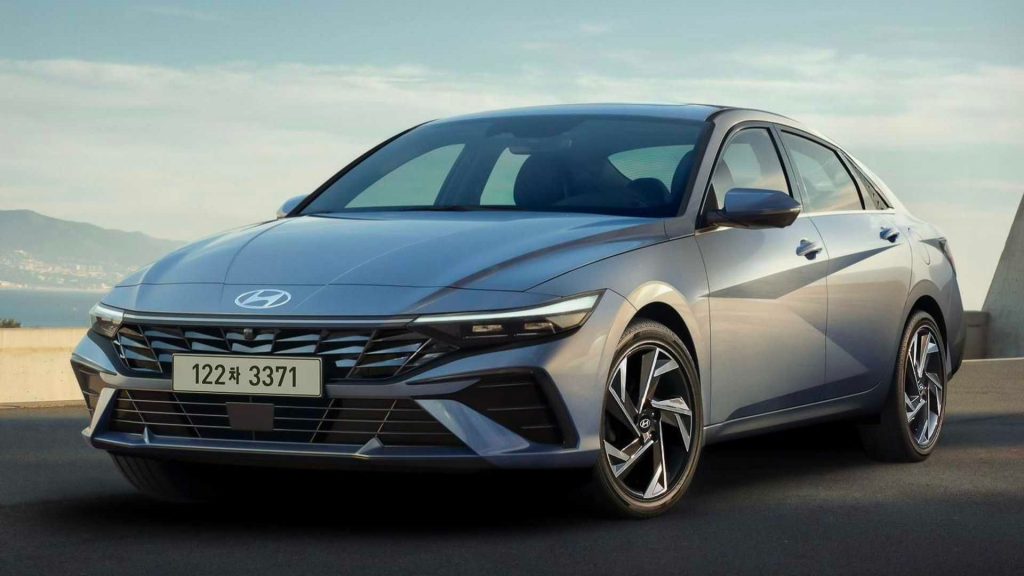
Rather than focusing solely on minimizing costs, the vehicle manages to maintain a strong sense of comfort throughout the driving experience. A quiet interior, well-cushioned seating, and a smooth ride quality help reduce fatigue during extended commutes, making daily travel more pleasant for many drivers.
From a maintenance standpoint, ownership costs stay within a reasonable range due to the easy availability of parts and straightforward servicing needs. Its mechanical simplicity plays a key role in limiting repair complexity, which helps keep long-term expenses under control as mileage builds over time.
Stronger market perception in recent years has also contributed to better resale performance than earlier models. When combined with efficient fuel usage, manageable upkeep costs, and consistent comfort, these factors position the Hyundai Elantra as a highly practical and cost-efficient option for everyday commuting needs.
Specifications
- Engine: 2.0-liter Inline-4
- Torque: 132 lb-ft
- Horsepower: 147 hp
- Length/Width: 184.1 in / 71.9 in
9. Nissan Sentra
Some vehicles stand out through performance or advanced features, while others earn their place through dependable, low-cost operation. This model belongs firmly in the second group, prioritizing practicality and predictable ownership costs over excitement.
Recent generations have improved noticeably in both design and interior quality, offering a more refined cabin that makes daily commuting more comfortable. The upgraded interior helps create a more pleasant driving environment for those who spend long hours in traffic, without significantly raising running expenses.
Efficiency remains a core strength, supported by a simple, naturally aspirated four-cylinder engine. It’s straightforward engineering avoids the added complexity of turbocharged systems, which can often lead to higher repair costs over time. This simplicity contributes to steady fuel economy and helps reduce long-term maintenance concerns.
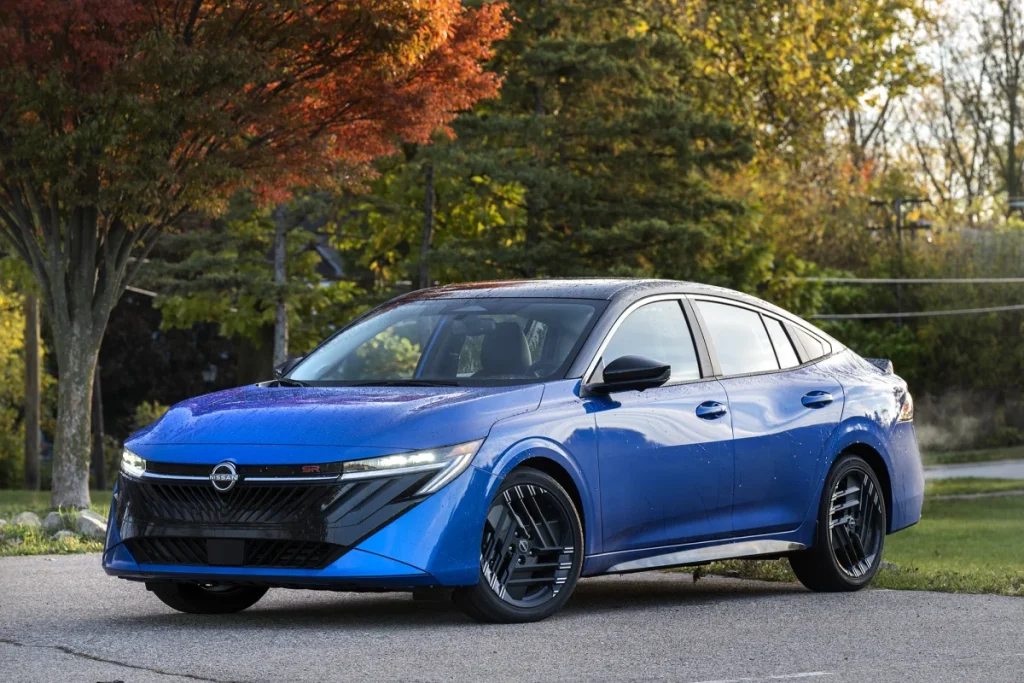
Insurance expenses are often reasonable due to the model’s safety profile and positioning within the compact sedan segment. These factors make coverage more accessible compared with larger or higher-performance alternatives, adding to its appeal for budget-focused drivers.
Maintenance is also relatively easy to manage. Parts are widely available, and most repair shops are familiar with the platform, keeping servicing straightforward as mileage increases. Predictable upkeep and consistent reliability reduce the likelihood of unexpected costs, supporting a stable cost per mile throughout ownership.
Specifications
- Engine: 2.0-liter Inline-4
- Torque: 146 lb-ft
- Horsepower: 149 hp
- Length/Width: 182.7 in / 71.5 in
8. Toyota Corolla
For decades, this compact sedan has been regarded as one of the most dependable and cost-efficient vehicles in the automotive world. Its reputation is built on long-term reliability, strong fuel efficiency, and consistently low ownership expenses, making it a frequent leader in cost-per-mile evaluations.
A key factor behind its affordability is a durability-focused engineering philosophy. The powertrain is designed to prioritize longevity over performance, allowing drivers to accumulate very high mileage with minimal mechanical issues. It is common for these vehicles to exceed 200,000 miles, which significantly reduces the average cost of ownership over time.
Fuel economy is another major strength. Even standard gasoline variants deliver impressive efficiency, helping commuters reduce fuel expenses throughout the year. For those covering long daily distances, these savings become especially noticeable as they accumulate over time.
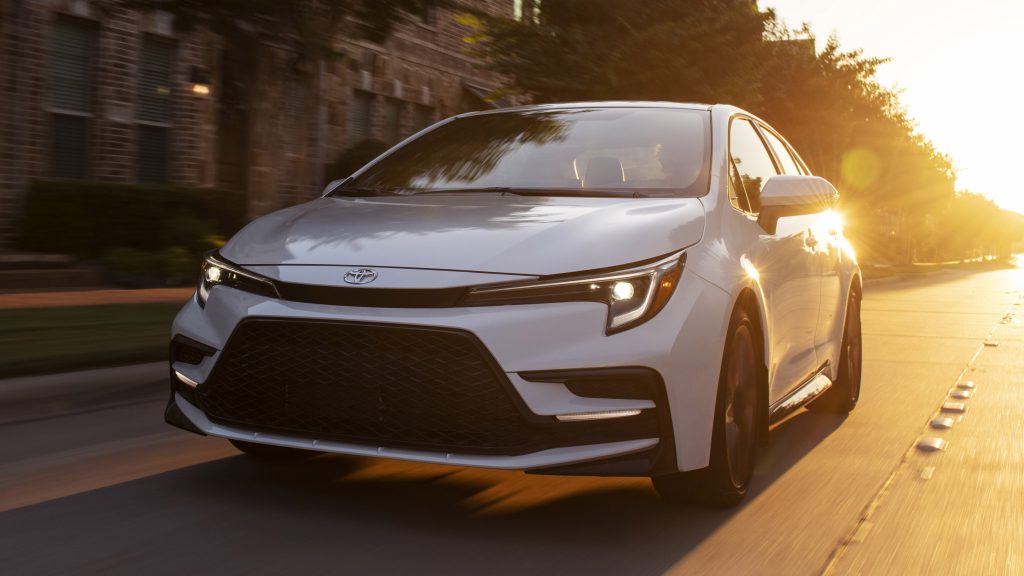
Maintenance costs remain predictable and manageable thanks to widespread parts availability and the familiarity of mechanics with the model. Routine servicing is straightforward, and expensive repairs are relatively uncommon, even after warranty coverage ends.
Strong resale demand also helps limit depreciation, as used-car buyers consistently seek out this model for its proven reliability. Combined with improved interior comfort in recent generations, including a quieter cabin and upgraded materials, it delivers both practicality and everyday usability.
Specifications
- Engine: 2.0-liter Inline-4
- Torque: 151 lb-ft
- Horsepower: 169 hp
- Length/Width: 182.5 in / 70.1 in
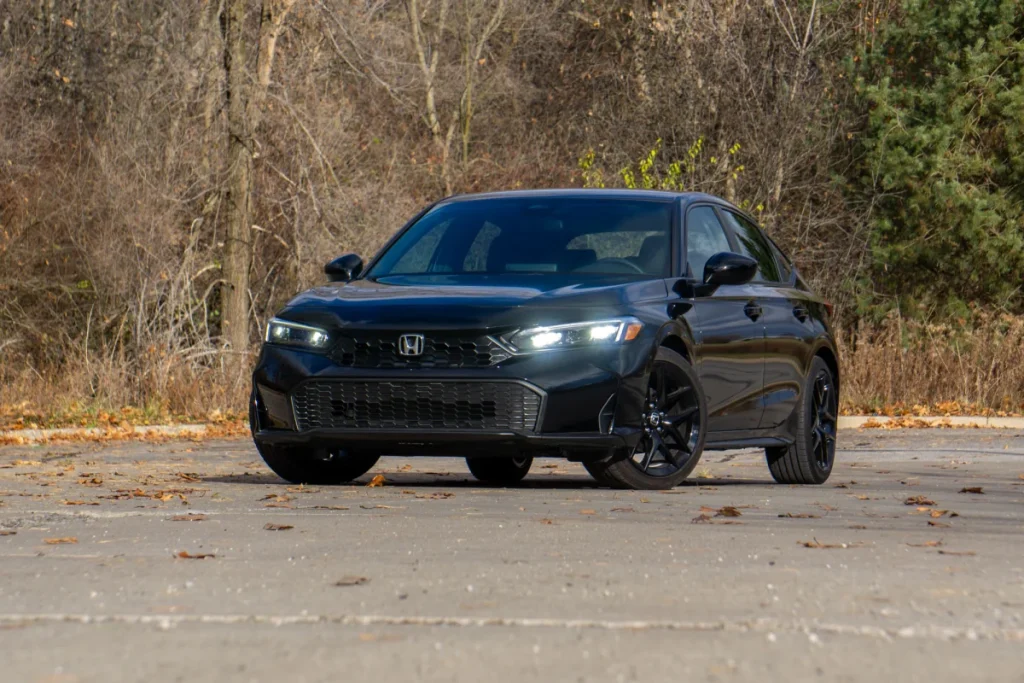
7. Honda Civic
The Honda Civic stands out in the commuter segment by combining low ownership costs with a more engaging driving experience than many of its rivals. This blend of practicality and refinement has helped it remain a long-standing favorite among daily drivers.
Durability is one of its biggest financial advantages. Honda’s reputation for long-lasting engines carries through in this model, allowing owners to keep the vehicle for high mileage periods. Spreading the purchase price and depreciation across many years and miles significantly reduces cost per mile.
Fuel efficiency also plays a central role in keeping running expenses low. The Civic consistently delivers strong mileage in both city and highway conditions, helping drivers cut one of the most frequent and costly aspects of vehicle ownership.
Beyond fuel savings, reliability contributes to indirect financial benefits. Fewer breakdowns mean reduced repair expenses and less disruption to daily routines, avoiding hidden costs like missed work or alternative transport arrangements.
Resale value is another area where the Civic performs strongly. High demand in the used market helps preserve value, limiting depreciation and improving long-term affordability.
Comfort and usability further enhance its appeal. Improved interior quality, supportive seating, and modern technology create a more refined cabin experience, making long commutes more manageable. Together, these qualities make it a well-rounded and cost-effective commuter choice.
Specifications
- Engine: 2.0-liter Inline-4
- Torque: 133 lb-ft
- Horsepower: 150 hp
- Length/Width: 184.0 in / 70.9 in
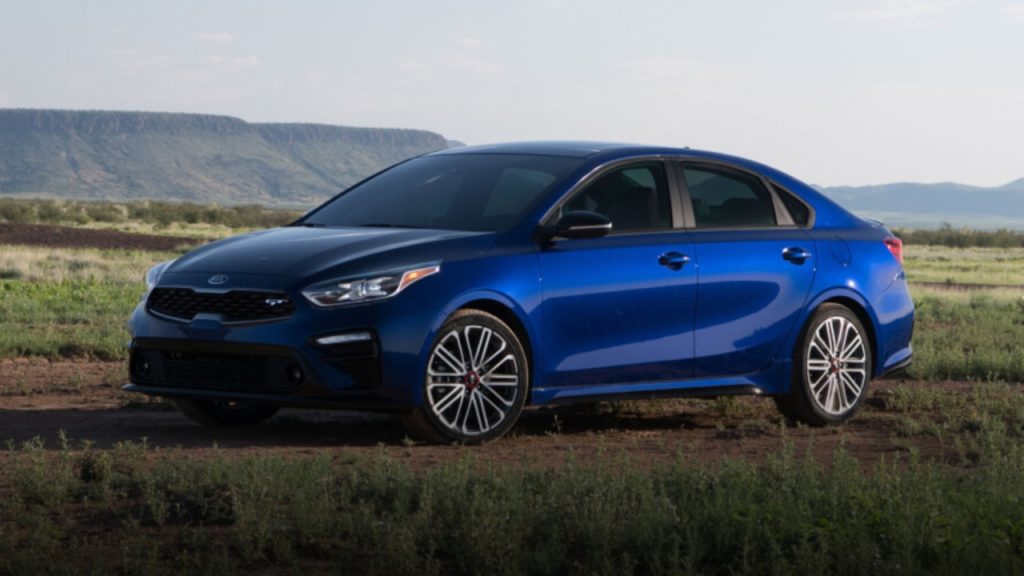
6. Kia Forte
Affordability starts at the point of purchase, where a relatively low entry price immediately sets a strong foundation for long-term savings. When combined with efficient fuel consumption, it helps reduce the ongoing financial burden of daily commuting, particularly for drivers who rely on their car for work-related travel.
Under everyday use, the engine’s simple, naturally aspirated design plays an important role in keeping ownership costs predictable. With fewer complex components compared to turbocharged alternatives, it reduces the likelihood of expensive mechanical issues as the vehicle accumulates higher mileage over time.
The cabin experience feels more valuable thanks to the inclusion of features that competitors often reserve as optional upgrades. Advanced infotainment and driver-assistance technologies are commonly provided as standard, eliminating the need for costly add-ons and making convenience and safety more affordable at a lower total cost.
On the road, comfort takes priority over performance, with suspension tuning aimed at smoothness rather than sportiness. This setup supports a relaxed driving experience that is especially useful during heavy traffic or long highway commutes, where comfort becomes a key factor in daily usability.
Ownership remains cost-friendly beyond fuel and purchase price thanks to straightforward maintenance and widely available parts. Combined with improving resale value and reduced depreciation, these factors help keep total cost per mile competitive, making it a practical choice for budget-conscious commuters.
Specifications
- Engine: 2.0-liter Inline-4
- Torque: 132 lb-ft
- Horsepower: 147 hp
- Length/Width: 182.7 in / 70.9 in
5. Toyota Prius
For more than twenty years, the Toyota Prius has defined what efficiency-focused transportation looks like. In discussions about low operating costs, it consistently stands apart, with fuel savings alone often giving it one of the lowest cost-per-mile figures in the automotive market.
A proven hybrid system combining gasoline and electric power sits at the center of its efficiency. This configuration helps cut fuel use across both city streets and highways. During stop-and-go traffic, regenerative braking captures energy that would otherwise be wasted, contributing to improved efficiency.
Beyond fuel economy, the Prius has built a strong reputation for long-term durability. Many owners report extremely high mileage with only routine maintenance, and the hybrid system has shown impressive reliability over time. This track record has helped counter early concerns about complex hybrid technology leading to higher repair costs.
Practicality also contributes to its appeal. The hatchback design provides generous cargo space, making it useful for groceries, luggage, or work equipment. This versatility reduces the need for a larger vehicle, helping keep ownership costs lower.
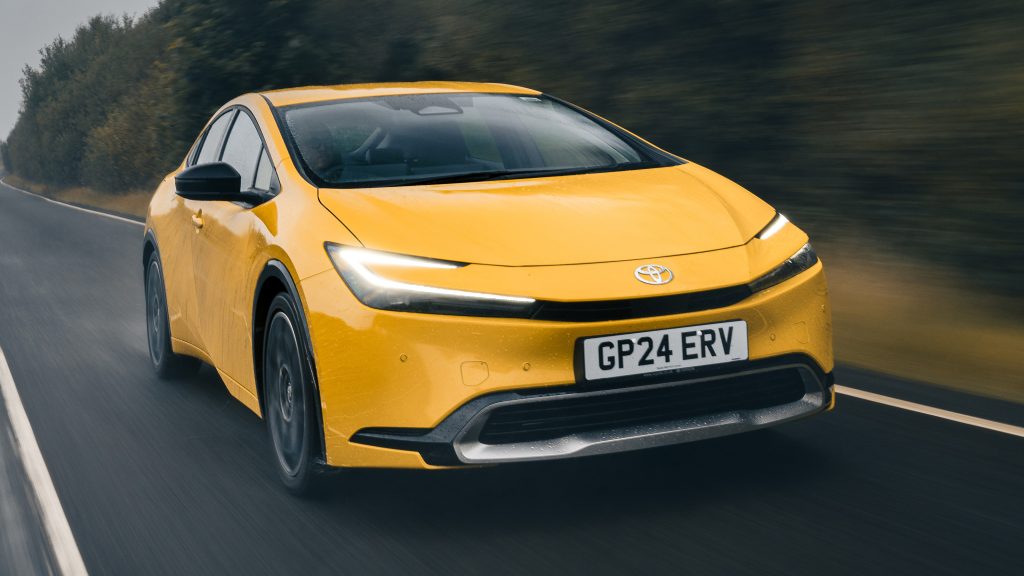
The latest Prius generations have also improved substantially in styling and performance. Earlier versions were purchased almost entirely for their efficiency credentials, but modern models add a more attractive design and a more refined driving experience. Those improvements broaden the vehicle’s appeal while preserving its financial advantages.
When fuel savings, reliability, resale value, and everyday practicality are considered together, the Prius stands as one of the most financially sensible vehicles a commuter can buy. Few cars have demonstrated such a consistent ability to reduce transportation costs year after year.
Specifications
- Engine: 2.0-liter Hybrid Inline-4
- Torque: 139 lb-ft
- Horsepower: 194 hp
- Length/Width: 181.1 in / 70.2 in
4. Hyundai Elantra Hybrid
The growth of hybrid technology has reshaped commuter cars, and the Hyundai Elantra Hybrid stands out as a clear example of how manufacturers now combine efficiency, practicality, and affordability in a single package.
While many hybrids once carried a significant price premium, the Elantra Hybrid manages to keep acquisition costs relatively reasonable while delivering substantial savings during daily operation.
Its greatest strength becomes apparent at the fuel pump. Drivers covering long distances each week quickly notice how infrequently the vehicle requires refueling.
The hybrid system works quietly in the background, switching between gasoline and electric power to maximize efficiency without demanding any special driving techniques. For commuters, that simplicity is an important advantage.
The car’s aerodynamic design also contributes to its low operating costs. Reduced drag allows the powertrain to work less aggressively at highway speeds, improving fuel economy during the type of driving many commuters encounter every day.
Small gains in efficiency may seem insignificant individually, but over tens of thousands of miles, they create meaningful savings.
Beyond fuel consumption, the Elantra Hybrid benefits from Hyundai’s growing reputation for reliability. The company has invested heavily in engineering improvements over the past decade, and the results are evident in the durability of its latest products. Lower repair frequency naturally helps keep ownership expenses under control.
Inside the cabin, the Elantra Hybrid feels more upscale than its price might suggest. Modern displays, intuitive controls, and supportive seating make daily travel less tiring. Long commutes can become exhausting in vehicles with poor ergonomics, so comfort plays a larger role in value than many buyers initially realize.
Another financial advantage comes from maintenance requirements that remain relatively predictable. Routine service intervals are straightforward, and the regenerative braking system can reduce wear on traditional brake components, potentially lowering maintenance expenses over time.
The vehicle also retains strong resale value thanks to growing consumer interest in fuel-efficient transportation. Buyers shopping in the used market often seek hybrid models specifically to reduce operating expenses, helping support future values.
For commuters determined to minimize fuel costs without sacrificing comfort or practicality, the Elantra Hybrid delivers one of the most convincing ownership propositions in the segment.
Specifications
- Engine: 1.6-liter Hybrid Inline-4
- Torque: 195 lb-ft
- Horsepower: 139 hp
- Length/Width: 184.1 in / 71.9 in
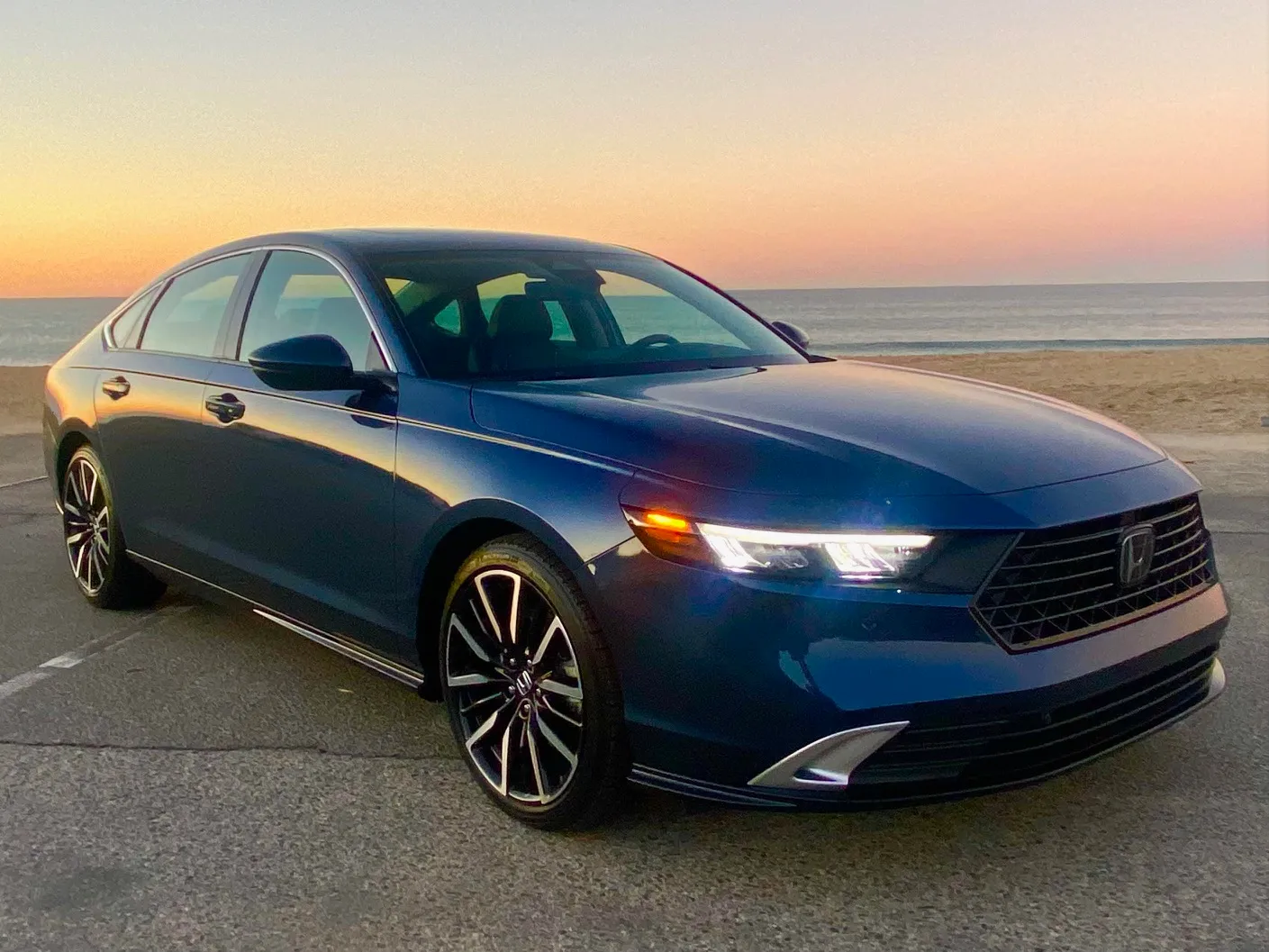
3. Honda Accord Hybrid
Some commuter vehicles focus exclusively on economy, but the Honda Accord Hybrid proves that low operating costs and midsize-car refinement can coexist. It offers the efficiency expected from a hybrid while delivering the space, comfort, and maturity traditionally associated with larger sedans.
One of the most impressive aspects of the Accord Hybrid is how effortlessly it handles long-distance travel. Highway commuters often spend hours each week behind the wheel, and the Accord’s quiet cabin creates an environment that feels noticeably more relaxed than many compact alternatives.
Reduced road noise and excellent seating comfort help transform routine journeys into less stressful experiences.
Its hybrid powertrain is engineered with efficiency as a priority, yet it never feels underpowered.
Strong low-speed electric assistance provides smooth acceleration in city traffic, while the gasoline engine takes over seamlessly when additional performance is required. This balanced approach allows drivers to enjoy excellent fuel economy without sacrificing responsiveness.
Ownership costs remain impressively competitive despite the vehicle’s larger size. Fuel savings are substantial, especially for drivers who accumulate significant annual mileage. When those savings are combined with Honda’s reputation for durability, the result is a vehicle capable of delivering exceptional long-term value.
The Accord Hybrid also benefits from a strong reliability record. Consistent dependability reduces the risk of unexpected repair expenses, which can quickly undermine the economics of vehicle ownership. For many buyers, predictable operating costs are every bit as important as fuel efficiency.
Cargo space and rear-seat accommodations further strengthen the vehicle’s commuter credentials. Whether transporting coworkers, family members, or work-related equipment, the Accord handles these responsibilities without forcing owners into larger and more expensive SUVs.
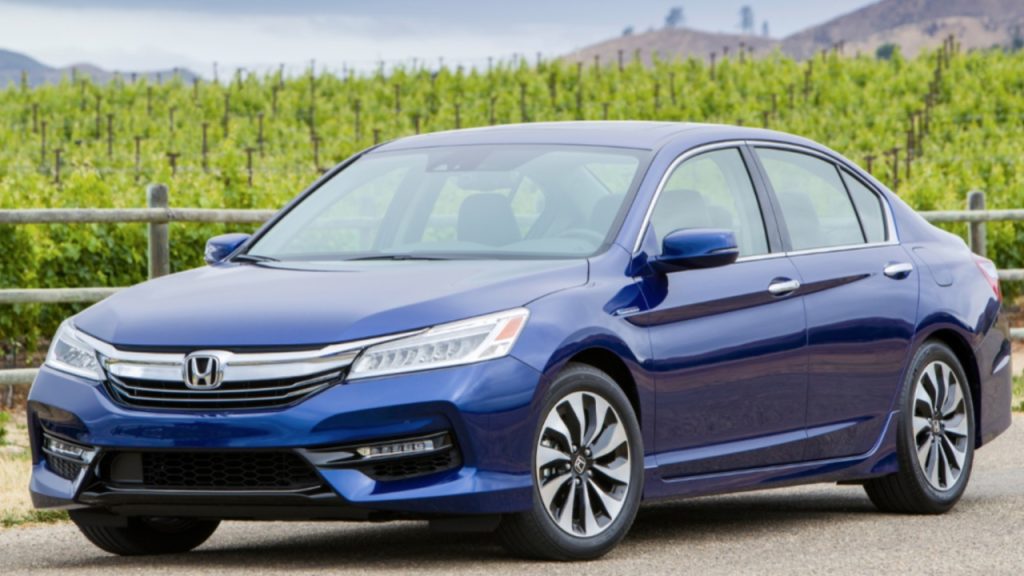
Another factor helping its cost-per-mile ranking is resale performance. Honda vehicles traditionally retain value well, and the Accord Hybrid is no exception. Strong demand in the used market reduces depreciation losses and improves long-term ownership economics.
For drivers who want near-compact-car operating costs while enjoying the comfort and practicality of a midsize sedan, the Accord Hybrid represents one of the most compelling options available.
Specifications
- Engine: 2.0-liter Hybrid Inline-4
- Torque: 247 lb-ft
- Horsepower: 204 hp
- Length/Width: 195.7 in / 73.3 in
2. Toyota Camry Hybrid
The Toyota Camry has long been one of the default choices for drivers seeking dependable transportation, but the hybrid version upgrades that reputation to another level.
By combining the comfort and durability that made the Camry famous with remarkable fuel efficiency, Toyota created a sedan capable of delivering exceptionally low ownership costs across hundreds of thousands of miles.
What makes the Camry Hybrid particularly impressive is its ability to achieve outstanding fuel economy without asking owners to compromise on space or refinement.
Many highly efficient vehicles are compact, but the Camry provides a roomy cabin, generous rear-seat accommodations, and a comfortable ride that suits both city commutes and extended highway travel.
Its hybrid system operates with a level of smoothness that has become a Toyota trademark. The transition between electric and gasoline power is nearly imperceptible, allowing the car to maximize efficiency while maintaining a relaxed driving character. Frequent commuters benefit from reduced fuel expenses every week, month, and year.
Maintenance costs also contribute significantly to its low cost per mile. Toyota’s hybrid technology has been refined over decades and has earned a reputation for durability. Combined with the brand’s strong reliability record, that dependability helps owners avoid many of the unexpected expenses that can increase ownership costs.
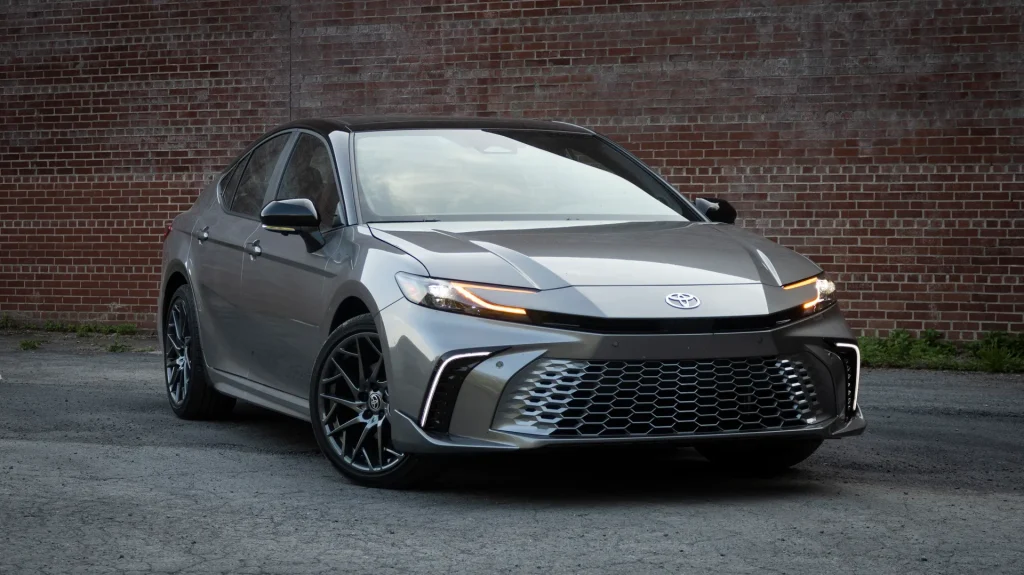
Resale value remains another major advantage. Used-car buyers actively seek Camry hybrids because of their reputation for longevity and efficiency. Strong demand helps preserve value and reduces depreciation losses throughout ownership.
For drivers who want a practical sedan that can handle virtually any commuting task while keeping expenses low, the Camry Hybrid remains one of the smartest financial decisions in the automotive market.
Specifications
- Engine: 2.5-liter Hybrid Inline-4
- Torque: 163 lb-ft
- Horsepower: 225 hp
- Length/Width: 193.5 in / 72.4 in
1. Toyota Corolla Hybrid
Reaching the top position requires excellence in every category that influences ownership costs, and the Toyota Corolla Hybrid delivers exactly that.
It combines outstanding fuel economy, legendary reliability, affordable maintenance, and strong resale value into a package that consistently ranks among the least expensive vehicles to operate on a per-mile basis.
The foundation of its success is efficiency. The hybrid powertrain extracts remarkable mileage from every gallon of fuel, making it especially attractive for drivers who face lengthy daily commutes. Over years of ownership, the savings generated at the fuel pump can amount to thousands of dollars compared with less efficient alternatives.
Yet fuel economy alone does not secure the Corolla Hybrid’s first-place ranking. Toyota’s reputation for durability is equally important.
The vehicle is engineered to withstand years of continuous use with minimal issues, allowing owners to accumulate substantial mileage while keeping repair costs under control. Reliability becomes increasingly valuable as a vehicle ages and warranty coverage expires.
The Corolla Hybrid also benefits from manageable maintenance expenses. Routine servicing is straightforward, replacement parts are widely available, and technicians are familiar with Toyota’s hybrid systems. This widespread support network helps keep long-term ownership costs predictable.
Another advantage is depreciation. Because the Corolla Hybrid is known for efficiency and dependability, it remains highly desirable in the used-car market. Strong resale demand allows owners to recover a significant portion of their investment when it is time to move on to another vehicle.
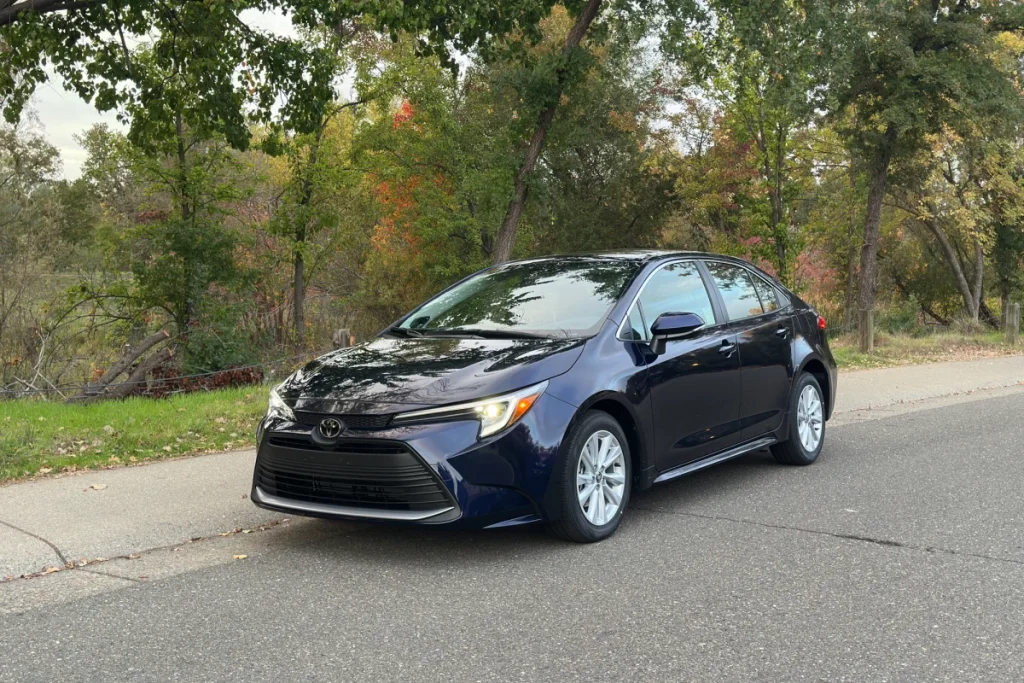
While it may not be the largest or most luxurious car on this list, it excels at the mission commuters care about most: transporting people reliably and efficiently while spending as little money as possible. That combination makes the Corolla Hybrid the benchmark for low-cost-per-mile transportation.
Specifications
- Engine: 1.8-liter Hybrid Inline-4
- Torque: 105 lb-ft
- Horsepower: 138 hp
- Length/Width: 182.5 in / 70.1 in
Also Read: 10 Bikes That Vibrate So Much They Cause Numb Hands
