
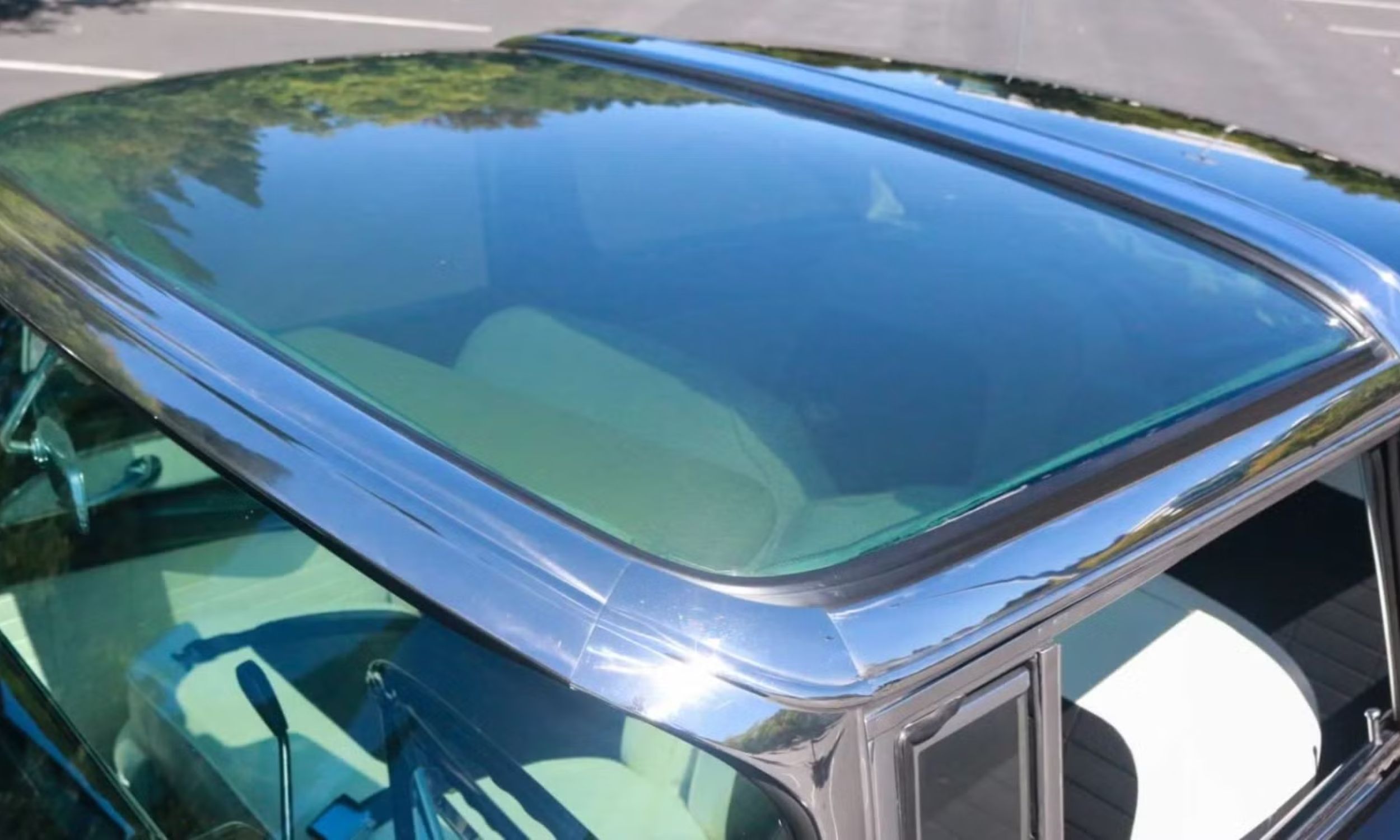
Few features grab attention as quickly as a full glass roof stretching from front to back. Sitting inside a car with that wide view above you instantly changes the atmosphere. The cabin feels more open, brighter, and a bit more upscale, which is exactly why many buyers get drawn to it when looking at higher trims.
Automakers have leaned heavily into this appeal. What used to be a premium add-on in luxury sedans now appears in everyday SUVs, crossovers, and even compact cars. Walk into a showroom, and you will see panoramic roofs marketed as a lifestyle upgrade, promising a more enjoyable driving experience and a touch of luxury in daily routines.
Still, it is worth asking a simple question: Does this feature actually improve the car in a meaningful way? Not just in appearance, but in comfort, practicality, and long-term value. The visual appeal is clear, but the real-world benefits are less obvious once you move past that first impression.
Looking deeper reveals trade-offs that are easy to overlook at first. Glass roofs can increase cabin heat, add extra weight, and raise ownership costs after a long period of time. For many drivers, it becomes a feature they rarely use, even though they paid extra for it.
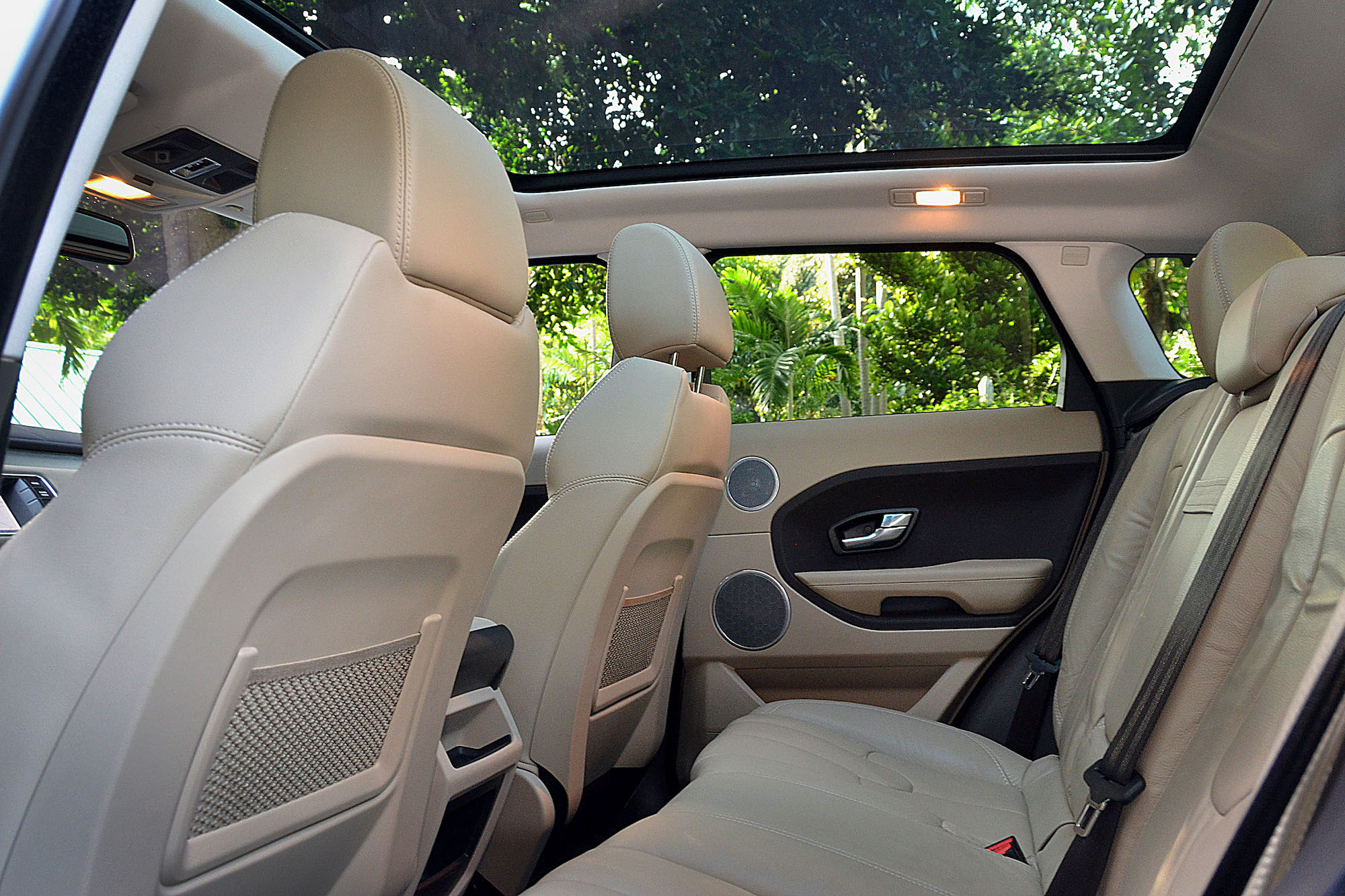
The Hidden Weight Issue Buyers Rarely Hear About
A detail that rarely gets mentioned during a showroom visit is just how much weight a panoramic roof adds. It may not sound dramatic at first, but that extra glass and supporting hardware introduce a noticeable increase that affects how a vehicle behaves in everyday driving.
Panoramic roofs rely on thick reinforced glass along with motors, rails, and structural supports. All of that adds pounds, and not in a neutral spot. The weight sits high on the vehicle, which raises the center of gravity. That move can influence handling, especially during cornering or sudden maneuvers. Even if the difference feels subtle, it still changes how the vehicle responds.
Automakers spend years reducing weight across different components to improve performance and efficiency. Lightweight materials are used in frames, panels, and suspension parts to make vehicles feel more responsive. Adding a large glass structure on top works against those efforts by placing extra mass where it matters most.
Fuel use is also affected. Heavier vehicles need more energy to get moving and to maintain speed. As time goes on, that added effort translates into slightly higher fuel consumption. It may not be dramatic on a single trip, but it builds up over months and years of driving.
Examples make this clearer. Vehicles like the 2024 Ford Mustang Mach-E Select and the 2025 Volkswagen Atlas show small but real differences in weight when equipped with panoramic roofs. Even models like the 2024 Chevrolet Blazer RS can feel slightly less nimble when carrying that added mass.
Beyond fuel use and handling, the extra weight places more demand on tires, brakes, and suspension parts. Those components work harder throughout the vehicle’s life, which can lead to increased wear. It is a trade-off that often goes unnoticed at purchase but becomes part of long-term ownership.
Also Read: Opinion: Modern Headlights Got So Bright They Became a Safety Problem
Why Heat Becomes a Constant Issue Inside the Cabin
Step into a car with a large glass roof on a sunny day, and the temperature difference is hard to ignore. That is because glass allows sunlight to pass through and traps heat inside, much like a greenhouse. While this effect is useful in agriculture, it is far less welcome inside a parked vehicle.
Panoramic roofs let in more solar energy than traditional metal roofs. Even with tinted glass, a large amount of heat enters the cabin during hot weather. As a result, interior temperatures can rise quickly, especially when the vehicle is left in direct sunlight. This makes the cabin uncomfortable before the air conditioning even has a chance to cool things down.
Metal roofs handle heat differently. They reflect and absorb sunlight without allowing it to pass directly into the interior. Glass panels, however, create a warming effect that pushes cabin temperatures higher than expected. On a warm day, the difference between a glass roof and a standard roof can be very noticeable.
To deal with this, manufacturers include retractable shades. These shades help block sunlight, but they also highlight the issue. Buyers pay extra for a panoramic roof, then rely on a shade to reduce the heat it creates. That adds another layer of cost without fully solving the problem.
Heat does not just affect comfort. It also increases the workload on the air conditioning system. The system has to run longer and harder to cool the interior, which can lead to higher fuel consumption. In electric vehicles, this also reduces driving range.
Long-Term Maintenance Costs That Catch Owners Off Guard
Discussions about panoramic roofs often focus on how they look and feel, but rarely touch on the long-term upkeep involved. These systems are more than just glass panels. They include motors, tracks, seals, drainage systems, and electronic controls, all working together in a confined space.
As time passes, these parts can wear out or develop issues. Seals may weaken due to exposure to sunlight, temperature changes, and repeated use. When that happens, water can find its way into the cabin during rain. Even a small leak can lead to bigger problems, including damage to electronics or interior materials.
Drainage channels require attention as well. These channels are designed to guide water away from the roof area, but they can become blocked by dirt or debris. When that happens, water has nowhere to go and may enter the vehicle. Many owners are not aware that these channels need periodic cleaning.
Repair costs can add up quickly. Fixing a motor or replacing worn seals often requires specialized labor. In more serious cases, replacing the glass panel itself can be expensive due to the size and design of the component. It is not as simple as replacing a standard window.
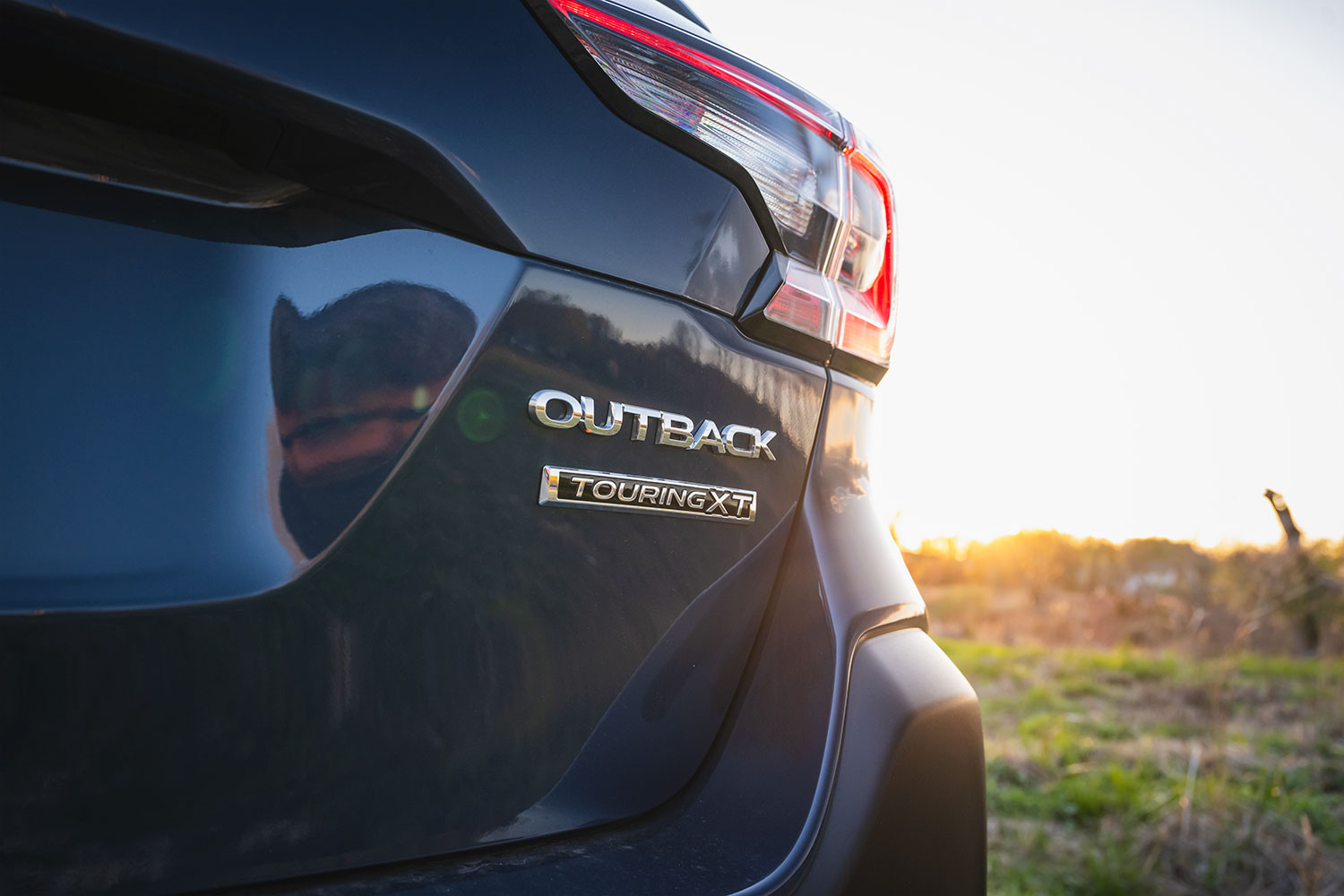
Real-world ownership examples show how these issues play out. Vehicles like the 2024 Honda Passport TrailSport or the 2025 Subaru Outback Touring XT can require attention to their roof systems as they age. Even high-end models like the 2024 Mazda CX-90 PHEV carry similar risks.
Insurance coverage may not fully offset these costs, especially if damage comes from wear rather than accidents. A small chip or crack can turn into a costly repair because of the specialized glass involved.
Also Read: Opinion: Modern Headlights Got So Bright They Became a Safety Problem
Structural Changes That Affect Comfort and Noise
Replacing part of a vehicle’s roof with glass changes more than just its appearance. The roof plays a role in structural strength, helping maintain rigidity and stability. When glass panels and moving parts are introduced, the design has to adapt, which can lead to compromises.
Panoramic roofs come in both fixed and opening versions. Opening designs require additional components such as rails and motors. These parts take up space within the roof structure, which reduces headroom inside the cabin. Taller passengers may notice this more, especially in the rear seats.
Interior comfort can be affected by this reduced space. Even a small change in headroom can make longer trips less comfortable for some passengers. It is a detail that may not stand out during a short test drive but becomes noticeable during extended use.
Noise levels can also change. Glass does not block sound as effectively as a solid metal roof with insulation. Wind noise, rain impact, and road sounds can become more noticeable, particularly at highway speeds. Vehicles like the 2024 BMW X5 xDrive40i and the 2025 Audi Q5 often show this difference when equipped with panoramic roofs.
