
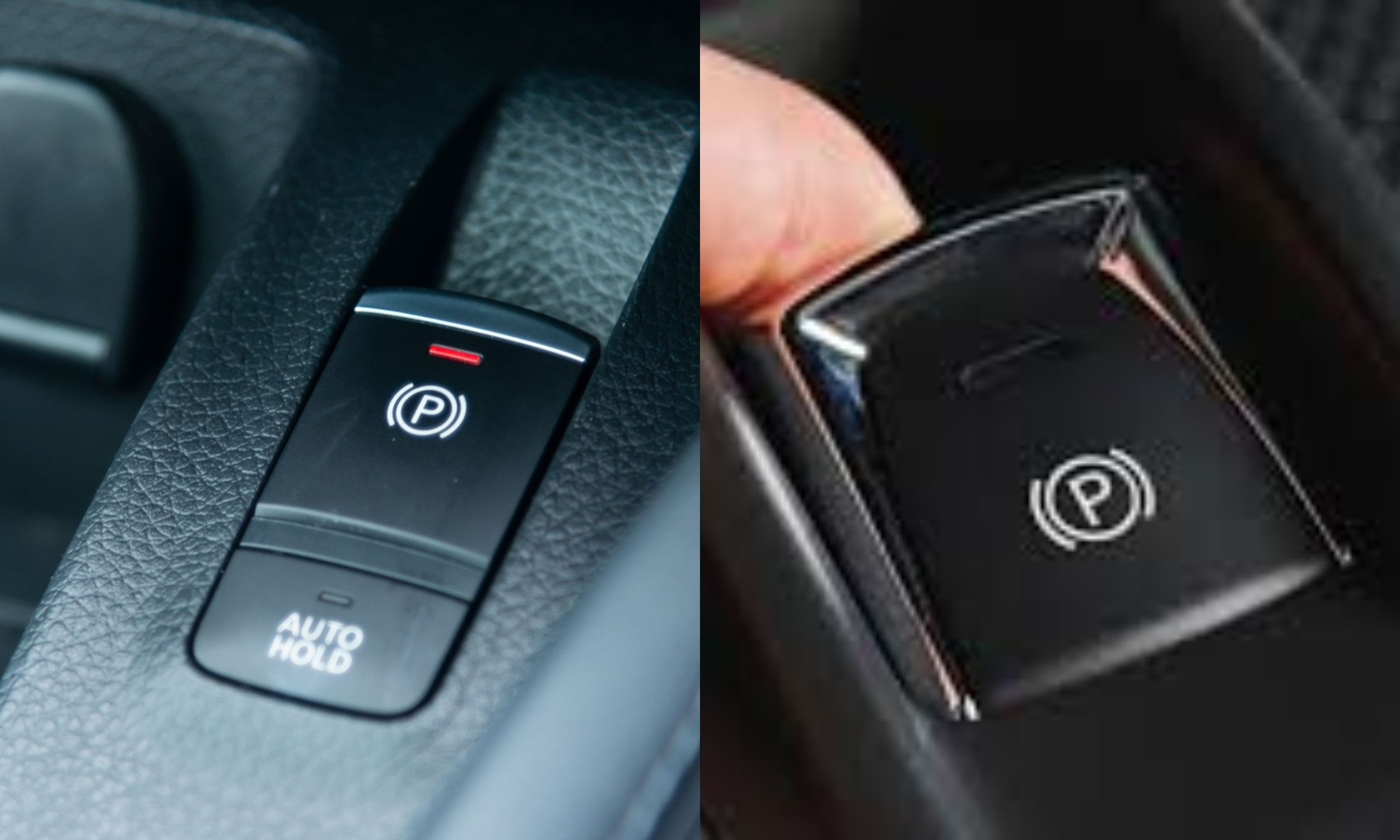
Something small disappeared from cars, and most people barely noticed at first. That simple lever between the seats, the one you could pull with a firm motion, has quietly been replaced by a tiny button. The traditional handbrake, once a physical and dependable part of driving, has given way to electronic parking systems that promise convenience but often deliver something less satisfying.
At a glance, the change feels modern. A button looks cleaner, frees up space, and fits neatly into today’s minimalist interiors. Yet the move from mechanical control to electronic input has altered how drivers interact with their cars in ways that are not always positive. What used to be direct, predictable, and easy to understand now relies on sensors, motors, and software working behind the scenes.
For many drivers, that trade-off raises an uncomfortable question. Did this change actually improve the driving experience, or did it remove something useful in favor of style and automation? Looking closely at how electronic parking brakes work, and how they behave in real-world situations, it becomes easier to see why this small change has sparked frustration among drivers who value control and simplicity.
What The Electronic Parking Brake Actually Does (And Doesn’t Do)
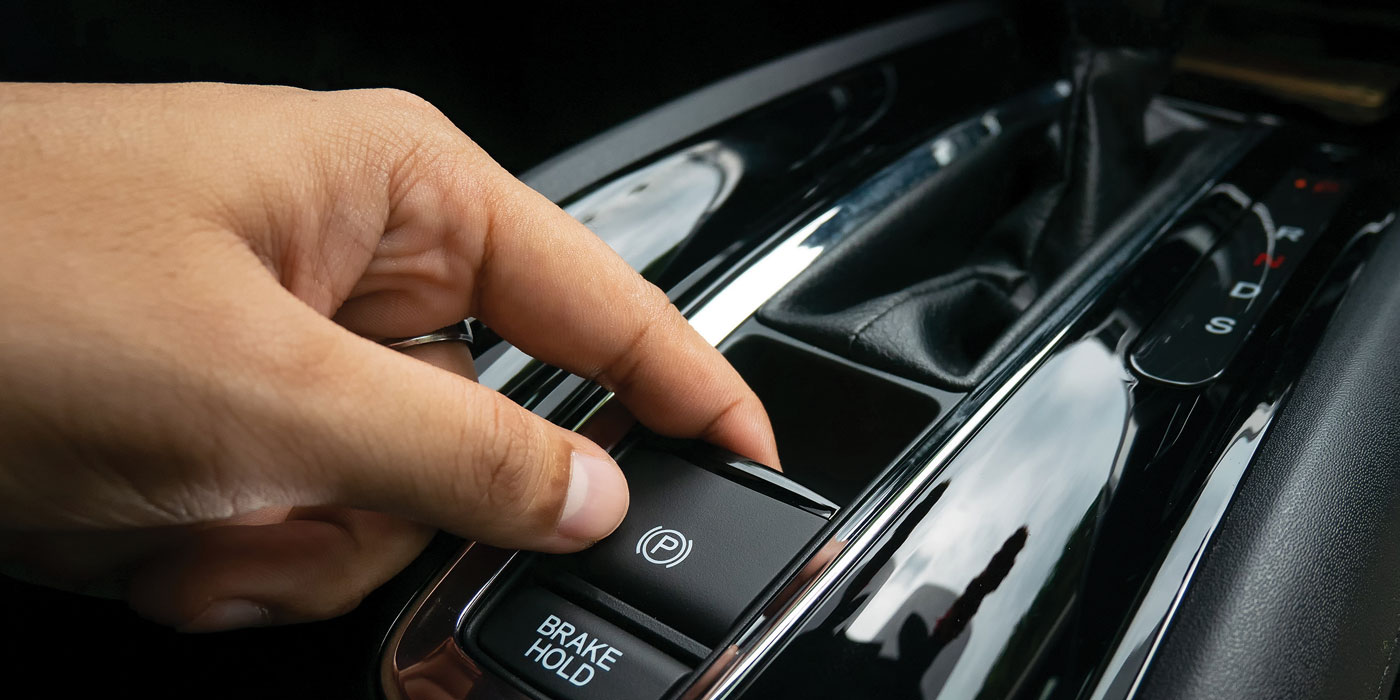
Before getting into opinions, it is important to understand how this system actually works. An electronic parking brake, often called an EPB, replaces the traditional handbrake lever with a simple button. Instead of pulling up a lever, the driver presses a switch, and the system activates automatically.
Behind the scenes, the idea is not all that different from the older setup. Both systems are designed to lock the rear wheels and keep the car from moving. The difference is in how that force is applied. With an EPB, a small electric motor and gears push the brake components into place, rather than relying on a cable pulled by hand.
From a technical standpoint, the principle stays the same. What really changed is how the driver interacts with it, and that is where opinions start to split. Supporters often point out the convenience. In many modern cars, the brake releases on its own when you start moving, which takes away the need to think about it.
That convenience can be helpful, especially in heavy traffic or on hills. The system applies consistent pressure every time, removing the guesswork. Still, while the idea sounds great on paper, it also brings a few downsides that are worth discussing.
Also Read: Opinion: Average Pickup Truck Buyer in 2026 Never Tows Anything
The Handbrake Had Virtues We Took For Granted
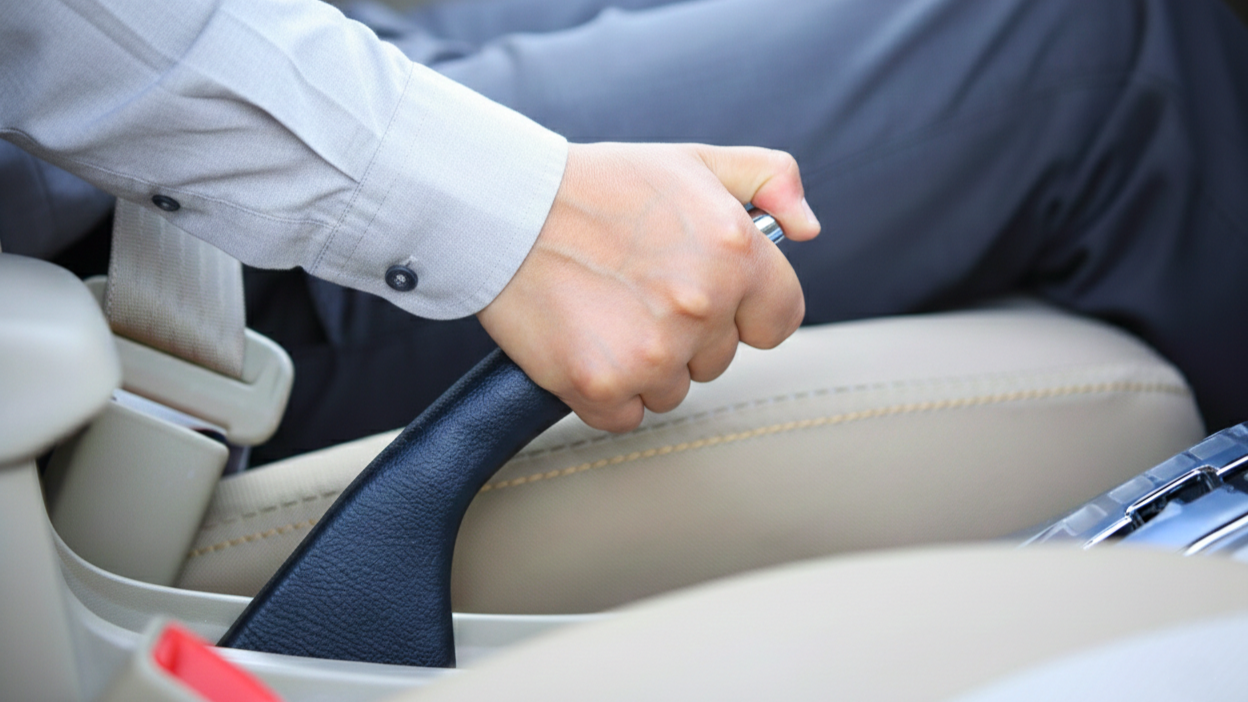
Anyone who has spent time driving an older car usually has something to say about the traditional handbrake, and it is rarely negative. That simple lever was built on a straightforward idea. Pull it up, and a cable locks the rear wheels. Push it down, and you are free to move again. No electronics involved, no hidden systems, just a direct mechanical action you could trust.
That simplicity brought dependable performance in everyday use. Mechanical setups were easier to understand and cheaper to fix when something wore out. Electronic parking brakes, while generally reliable, still rely on motors, sensors, and wiring. When something fails, the repair process becomes more complicated and expensive, even if issues do not happen often.
Another concern comes from battery dependence. A traditional handbrake works regardless of the car’s electrical condition. An electronic system does not. If the battery dies, the brake may stay engaged, leaving the vehicle stuck until power is restored. That adds an extra layer of vulnerability that never existed before.
Electrical faults can also create unpredictable problems. Tracking down a wiring issue or failed component usually requires specialized tools. By comparison, a worn cable in a manual system is easier to identify and fix. Control is another area where the older design still shines. Enthusiasts value the ability to lock the rear wheels on demand, something still preserved in cars like the Toyota GR Yaris.
The Placement Problem Nobody Talks About Enough
A less discussed issue with electronic parking brakes has nothing to do with mechanics and everything to do with placement. The problem is not just the switch itself, but where manufacturers choose to put it inside the cabin.
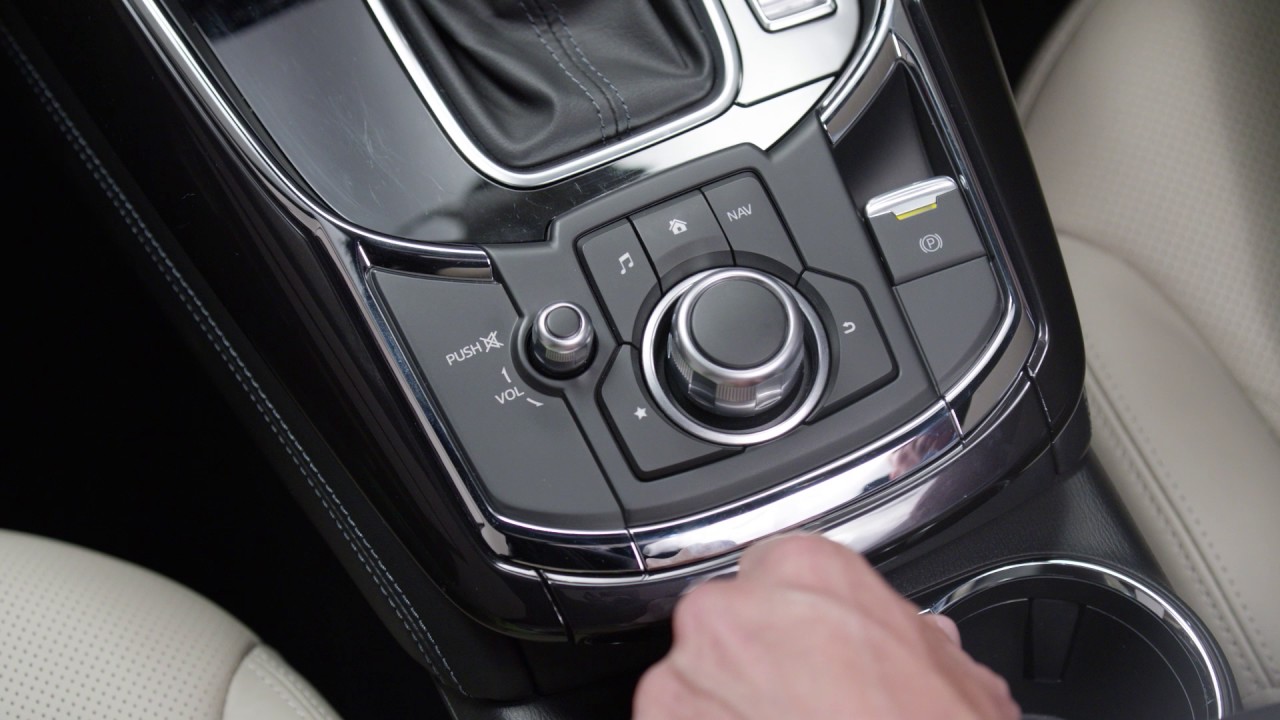
Modern cars often use a small button on the center console, which frees up space and looks clean. For everyday use, tapping a switch feels easier than pulling a lever. Still, that convenience introduces a risk that did not exist before. A traditional handbrake requires a firm, intentional pull, making accidental use highly unlikely. A button, by comparison, can be pressed without much effort. It can be bumped by a passenger, brushed by an elbow, or even triggered by someone shifting in their seat.
Real-world cases show this is not just a theory. There have been reports of drivers experiencing sudden deceleration because a passenger unknowingly activated the parking brake. At higher speeds, that kind of unexpected braking could create a dangerous situation for vehicles following behind.
Another concern comes from how easy it is to reach. The center console is a shared space, and passengers often rest their hands there. In some vehicles, even rear passengers can access the switch. A child or curious passenger could press it without understanding the consequences.
Certain brands have taken a smarter approach by placing the control out of easy reach, limiting access to the driver. That design choice makes more sense for a safety-related feature. Yet many manufacturers continue to favor convenience and interior styling over thoughtful placement, which leaves room for avoidable risks.
Also Read: Opinion: Data Your Car Collects Is Worth More Than the Car
Cars That Have Made The Switch (And What It Says About The Industry)
Take a look at almost any car launched in recent years, and you will notice something missing right away: the traditional handbrake lever. Electronic parking brakes have taken over to the point where manual versions are becoming uncommon. Models like the Audi A3, BMW 3 Series, Hyundai Tucson, Mercedes-Benz C-Class, and Volkswagen Golf all rely on electronic systems. Electric vehicles have followed the same path, making the change even more widespread.
This trend does not stop there. Vehicles such as the Ford Mustang Mach-E, Kia EV6, Jeep Grand Cherokee, and Mazda CX-90 also come equipped with electronic parking brakes as standard. Even high-end options like the Porsche Taycan and Tesla Model Y use the same setup.
Such widespread adoption shows that automakers are fully committed to this system. Still, the common placement of these buttons in center consoles points to a design trend focused more on appearance than usability. Clean interiors look appealing, but when it comes to something as important as a parking brake, ease of use and safety should come first.
Is There A Middle Ground Here?
Ending this discussion by claiming the traditional handbrake is perfect, and the electronic version is a complete failure, would not be fair. Both systems come with their own strengths, and what works best really depends on what a driver values most in everyday use.
A more honest takeaway is that the change to electronic parking brakes came with trade-offs that were not always explained clearly. The benefits, like convenience, extra cabin space, and automatic hold features, were heavily promoted. At the same time, the downsides such as reliance on battery power, higher repair costs, accidental activation risks, and reduced driver control were often overlooked. When issues do arise, fixing them usually requires professional attention rather than a simple adjustment.
Traditional handbrakes followed a simple and reliable formula: a lever, a cable, and direct mechanical action. They did not depend on electronics, software, or battery power to function. If something wore out, repairs were usually straightforward and affordable.
Modern vehicles have leaned toward cleaner design and automation, and for daily commuting, that approach works well enough. Still, when it comes to long-term reliability, safety, and direct control, the classic handbrake offered a level of confidence that the electronic button has yet to fully match.
