
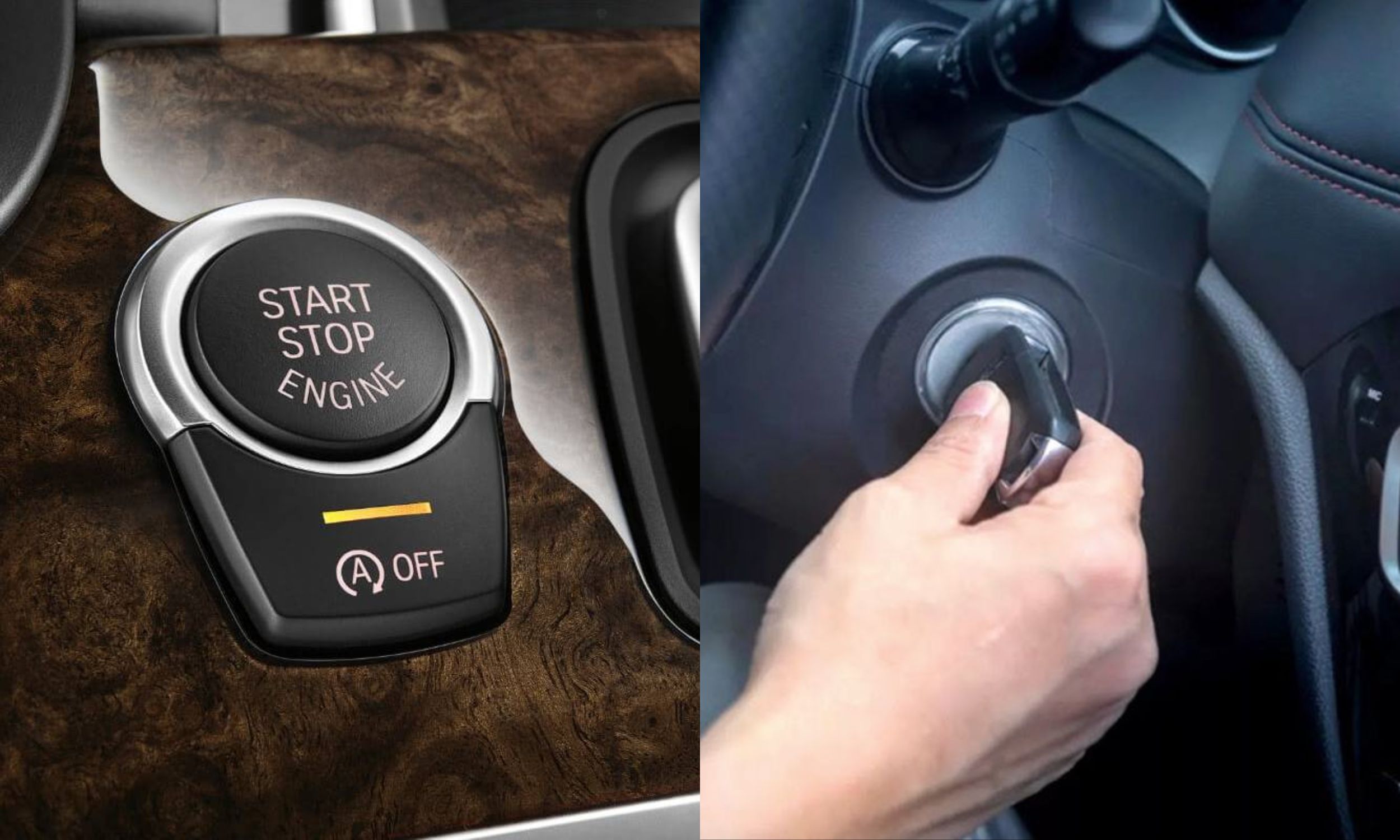
There is a moment many drivers experience without even planning it. You start a new car, settle into the seat, press the brake, and as soon as the engine cuts off at a traffic light, a reaction kicks in. Your hand reaches for a button or screen setting, and just like that, the start-stop system is turned off. It has become almost instinctive for a large number of drivers, regardless of the vehicle brand or price range.
This feature was designed with a clear goal in mind: to reduce fuel consumption and lower emissions during idle time. In theory, it makes sense. When a car is not moving, the engine does not need to run. In practice, the experience feels less straightforward. The restart can feel abrupt, the silence can feel unusual, and the system’s timing does not always match what the driver expects in real traffic conditions.
Modern vehicles, from compact hatchbacks to full-size SUVs, now include this system as standard. Still, despite its widespread adoption, it remains one of the most commonly disabled features shortly after ignition. That reaction raises an interesting question about how well this technology fits real-world driving habits and expectations.
How Start-Stop Technology Is Supposed To Work
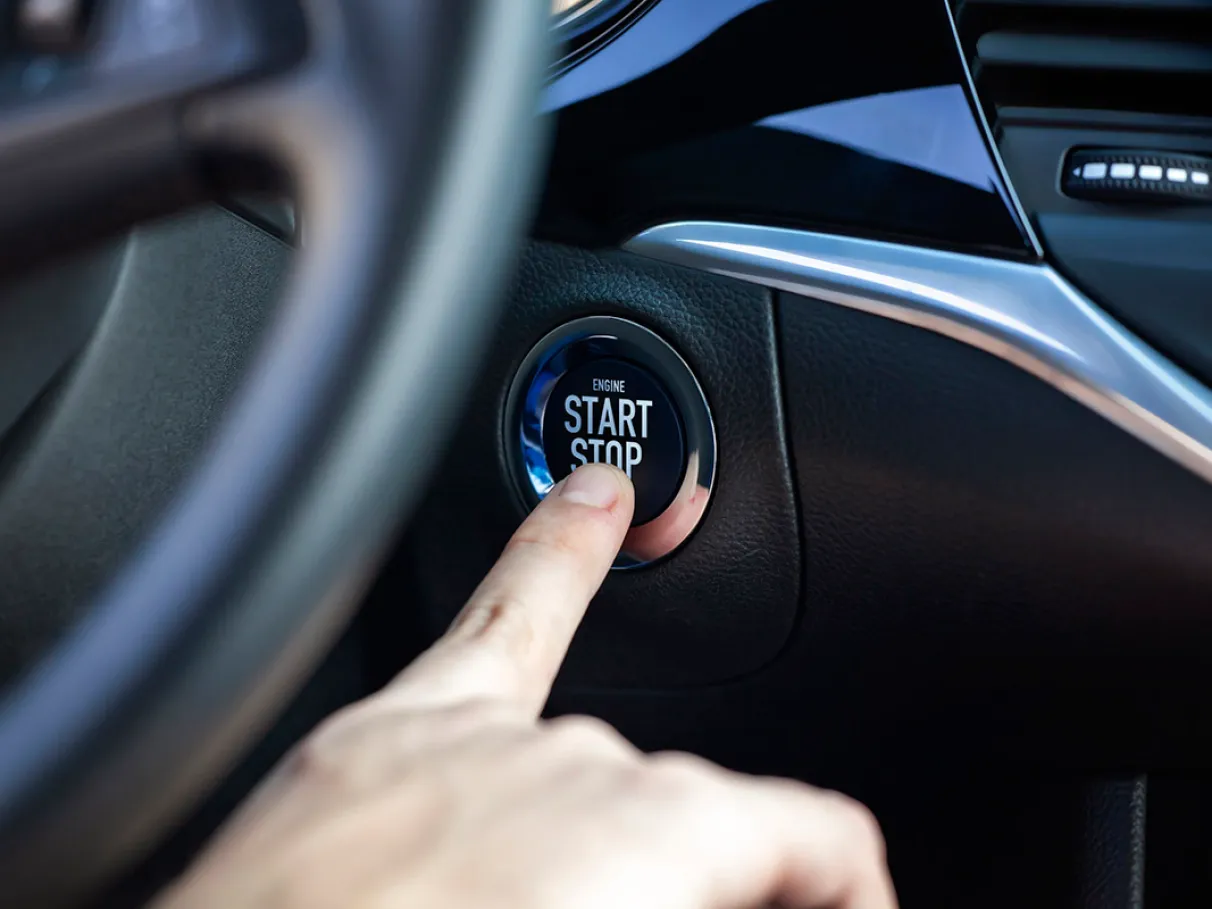
The idea behind automatic start-stop systems is fairly simple on paper. When a vehicle comes to a complete stop, the engine temporarily shuts down. As soon as the driver lifts their foot off the brake or engages the clutch in manual vehicles, the engine restarts automatically. This cycle repeats every time the car stops in traffic, at lights, or during short idle moments.
Guides such as RAC’s explanation of start-stop systems explain that the system relies on sensors, a strengthened starter motor, and an enhanced battery designed to handle frequent restarts. Manufacturers emphasize fuel savings, especially in urban environments where stopping is frequent.
Vehicles like the Toyota Corolla Hybrid 2025 and the Ford Fiesta EcoBoost 2023 include start-stop systems as part of their efficiency package. In controlled conditions, the technology can reduce fuel use during idle periods and lower emissions in congested traffic.
However, real-world driving rarely follows controlled conditions. Traffic flow changes constantly, stops can be brief, and driver expectations vary. That gap between theory and practice is where opinions start to split.
Some drivers appreciate the idea of saving fuel without changing driving habits. Others feel the system interrupts the natural rhythm of driving, especially when the engine restarts slightly slower than expected or when climate control performance feels affected during long stops.
Also Read: Opinion: Push-Button Start Was the Worst Thing for Car Security
Why Many Drivers Turn It Off Almost Immediately
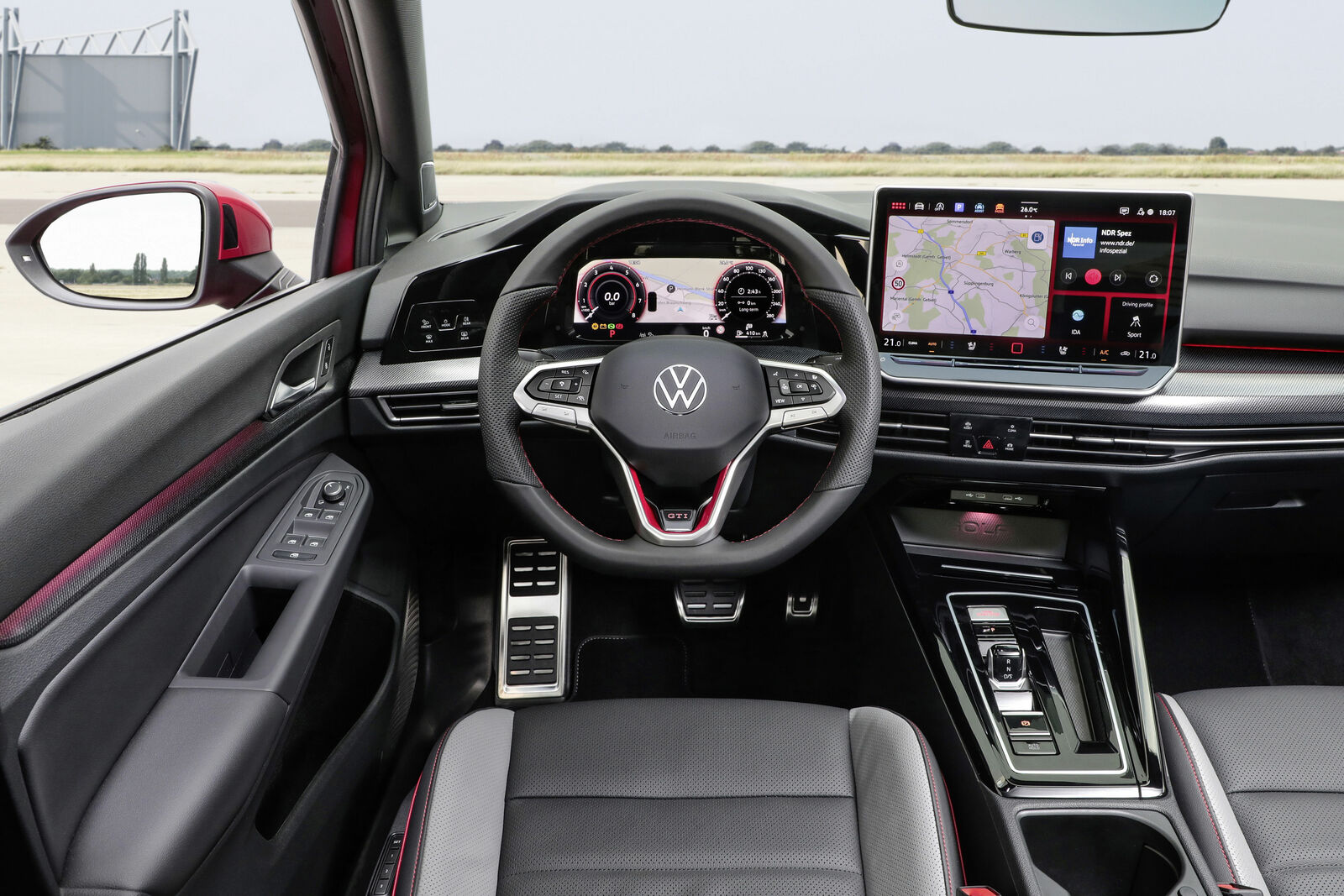
Step into a vehicle like the Hyundai Tucson 2024 or the Volkswagen Golf GTI Mk8, and the start-stop feature is usually active by default. Within minutes of driving, many owners reach for the disable button. That behavior is so common that it has become part of the ownership experience for a wide range of vehicles.
One reason is comfort. When the engine shuts off at a stop, systems like air conditioning or heating may feel less consistent. Even though modern systems are designed to maintain cabin temperature, drivers often perceive a drop in comfort during longer idle periods.
Another factor is timing. In stop-and-go traffic, the engine may shut off and restart repeatedly within short intervals. That frequent cycling can feel unnecessary, especially when traffic is moving slowly rather than stopping for extended periods.
As highlighted in discussions like the CarBuzz review of auto start-stop systems, some drivers also notice hesitation during restart. While the delay is usually minimal, even a slight pause can feel noticeable when merging or preparing to move quickly.
There is also a psychological element. Driving has traditionally involved continuous engine operation. Sudden silence at every stop can feel unnatural, especially for those used to older vehicles. That behavior change creates discomfort even when the system is functioning correctly.
In vehicles such as the Honda Civic 2024, the system is designed to be smooth and quick. Still, the habit of turning it off persists across many ownership groups, suggesting that user preference often outweighs technical intent.
Efficiency Benefits Versus Real Driving Experience
From a technical standpoint, start-stop systems are built to improve efficiency. Resources like Astara’s guide to start-stop systems explain that shutting off the engine during idle time reduces fuel consumption and emissions, particularly in urban traffic conditions.
In controlled environments, the savings can add up. Vehicles like the Mazda CX-30 2024 and the Kia Sportage 2025 are engineered to benefit from frequent stop cycles, especially during city commuting, where idle time is unavoidable.
Still, real-world driving introduces variables that reduce the perceived benefit. Short stops at intersections may not last long enough to justify engine shutdown. Frequent restarting can also offset some of the fuel savings, depending on driving style and traffic patterns.
There is also wear consideration, although manufacturers design modern starters and batteries to handle repeated cycles. Even so, some drivers remain skeptical about long-term effects on components, especially in vehicles that experience heavy urban use.
Reports and discussions like those on Team-BHP analysis of idle start-stop systems highlight this divide. Some drivers view the system as a practical tool for fuel savings, while others see it as a feature that prioritizes regulatory targets over everyday comfort.
In vehicles such as the Subaru Forester 2024, start-stop systems are tuned for smoother engagement, yet driver behavior still leans toward manual deactivation. That pattern suggests that technical efficiency alone does not guarantee user acceptance.
The Human Side Of Driving Comfort And Control
Driving is not just about numbers on fuel economy charts. It is also about rhythm, predictability, and comfort behind the wheel. Automatic start-stop systems introduce a change in that rhythm that not every driver appreciates.
In vehicles like the BMW 5 Series G60 or the Mercedes-Benz GLC 2024, engineers focus heavily on refinement. Even in these models, where the system is more polished than in entry-level cars, some drivers still choose to deactivate it to maintain a consistent driving feel.
The interruption of engine silence and restart can feel small on paper but noticeable in practice. Each stop becomes a moment where the vehicle behaves differently from expectation. That repeated change can affect how relaxed or connected a driver feels during daily commuting.
There is also a control preference. Many drivers prefer to decide when the engine is running, rather than having the vehicle manage it automatically. That sense of control plays a role in why the feature is often disabled early in ownership.
While fuel savings and emissions reductions remain valid goals, the balance between efficiency and comfort continues to be debated. Manufacturers are improving system smoothness with each generation, but user habits suggest that acceptance still varies widely.
Also Read: Opinion: Data Your Car Collects Is Worth More Than the Car
Should Automakers Let Drivers Opt Out Permanently?
The conversation around start-stop systems often circles back to one simple question: Should drivers be allowed to shut it off permanently and keep it that way?
From a practical standpoint, giving drivers a permanent disable option inside the settings menu makes a lot of sense. It would remove the need to switch it off every time the car starts, while still keeping the feature available for those who actually want to use it.
A few manufacturers have already moved in that direction. Models such as the 2024 Dodge Durango GT Plus AWD and the 2023 Ram 1500 Big Horn 4×4 allow the system to stay off between drives once it’s disabled in the settings. That approach feels more respectful of driver preference while still meeting efficiency goals.
Most vehicles, however, still reset the feature at every ignition cycle. That leads to a daily routine where drivers repeatedly turn it off before or during their drive. The fact that aftermarket devices exist to override the system entirely says a lot about how many people feel about it.
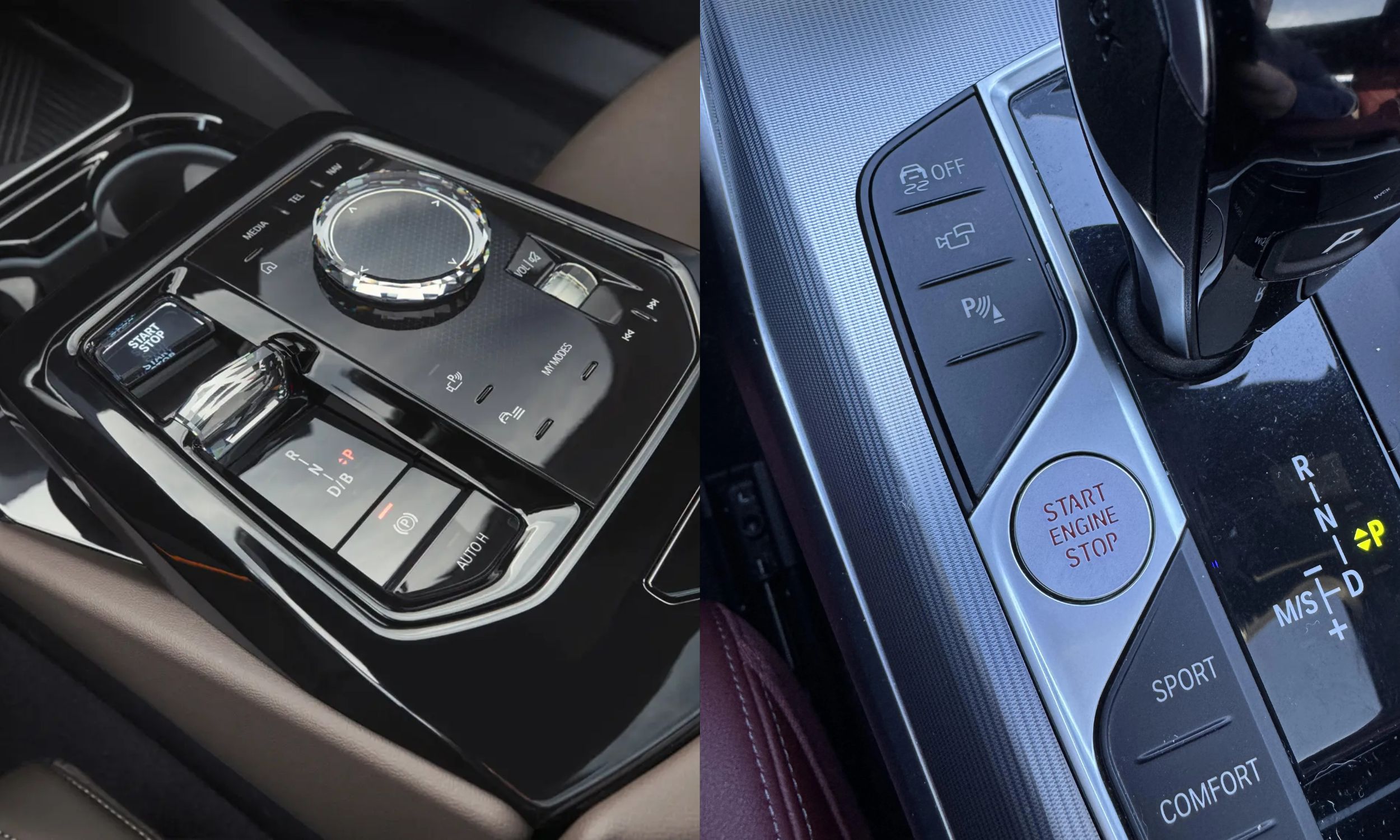
Vehicles like the 2024 BMW 530i xDrive and the 2023 Mercedes-Benz GLC 300 4MATIC include start-stop technology, yet owners often discuss the lack of a permanent off option as a frustration. Some even resort to plug-in modules just to avoid pressing a button every time they start the car.
The system is unlikely to disappear, especially with emissions rules shaping modern engineering. Still, giving drivers more control over how and when it activates would go a long way toward improving everyday satisfaction behind the wheel.
