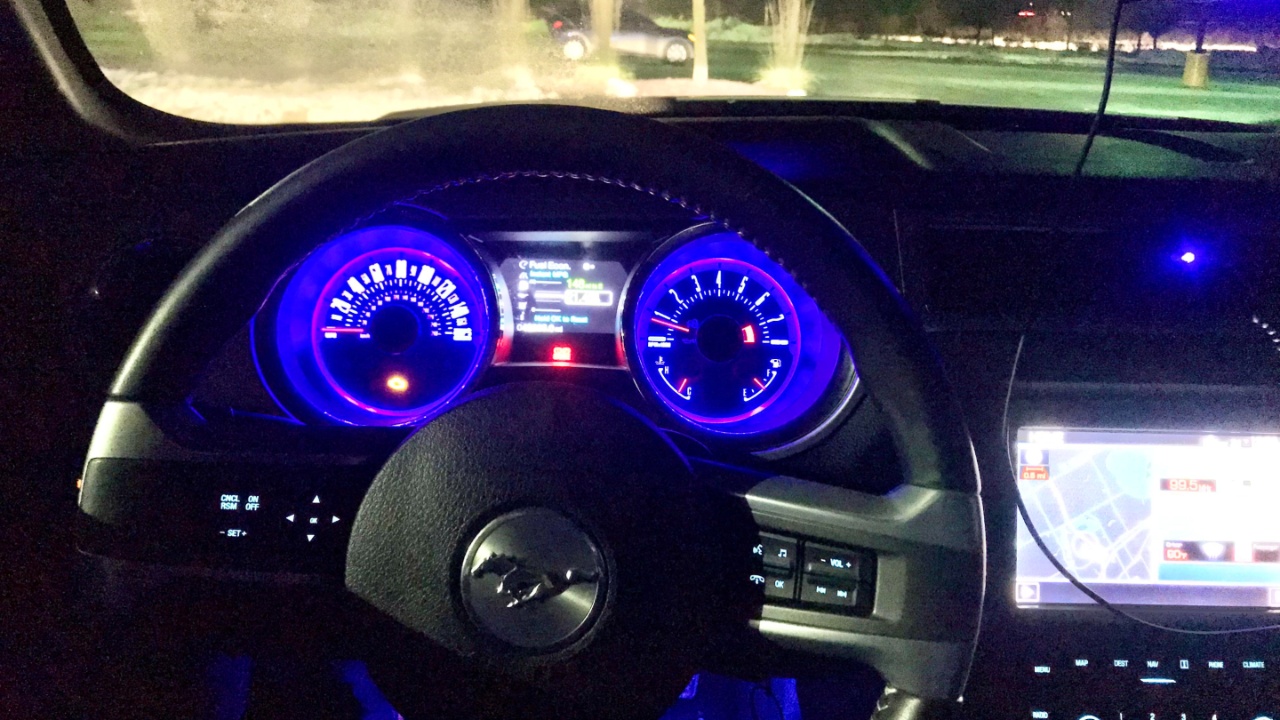
The Ford Mustang GT is celebrated for its powerful V8 engine, aggressive styling, and legendary performance, but many of its most useful features remain hidden beneath the surface. Beyond the horsepower figures and track-ready capabilities, Ford has packed the Mustang GT with clever technologies, convenience functions, and enthusiast-focused tools that many owners never discover.
Some are tucked away inside the infotainment system, while others are integrated into the key fob, lighting system, or performance menus. These hidden features are designed to improve everyday usability, enhance personalization, and unlock the car’s full potential both on the road and at the track.
From remote window controls and concealed storage compartments to advanced traction settings and exclusive lighting tricks, the Mustang GT offers far more than what first meets the eye. Whether you’re a longtime owner or considering buying one, these lesser-known functions reveal another side of Ford’s iconic pony car that deserves a closer look.
1. Global Window Control
Global window control, often called global open, allows Ford Mustang drivers to remotely lower both windows using the key fob before entering the vehicle. This feature helps release trapped heat from the cabin on hot days and can also create a more engaging start-up experience by opening the interior to sound and airflow.
It is considered a hidden feature because it is not clearly labeled on the key fob, relies on a specific button sequence, and may be disabled by default on certain trims or regional settings. Many owners discover it through online communities rather than dealership demonstrations.
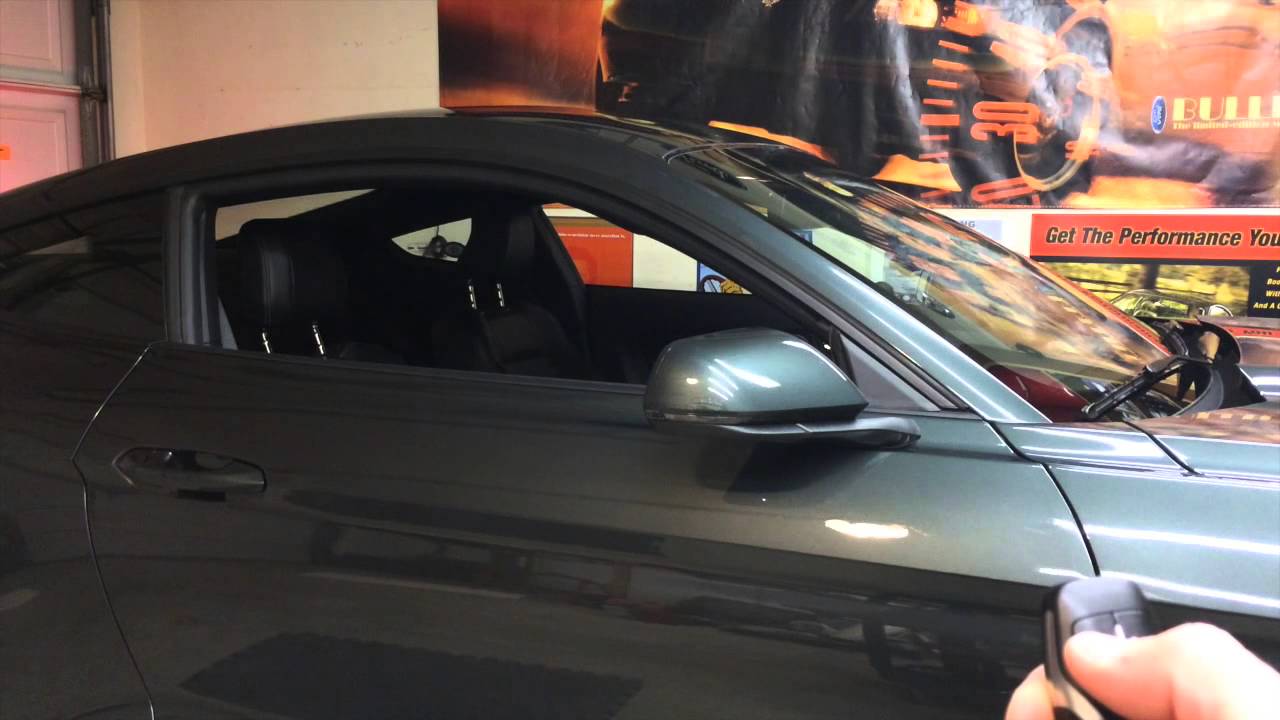
To use it, press the unlock button once and then press and hold it again for about three seconds until the windows begin to lower fully. To stop the movement at any point, press either the lock or unlock button again. Some versions also allow closing by holding the lock button. The convenience of this feature makes it popular among Mustang owners for quick cooling and easy ventilation before entering the car.
For many drivers, it improves comfort, reduces heat buildup, and adds a level of convenience that makes everyday Mustang ownership more enjoyable, especially in warm weather.
2. Physical Manual Key Entry
Modern Ford key fobs are designed for convenience, but they also include a built-in backup system in case the battery dies. Inside the smart key fob is a concealed mechanical key blade that can be removed by sliding a release switch. This physical key is used to access the vehicle when electronic entry systems are not functioning.
To unlock the car, the driver must locate a small plastic cap on the exterior of the driver’s door handle. Using the mechanical key, the cap is gently pried off to reveal a hidden manual lock cylinder. The key is then inserted to unlock the door. This system is considered a hidden feature because the Mustang’s exterior is designed without a visible keyhole, keeping the door handle smooth and modern while concealing the backup entry point.
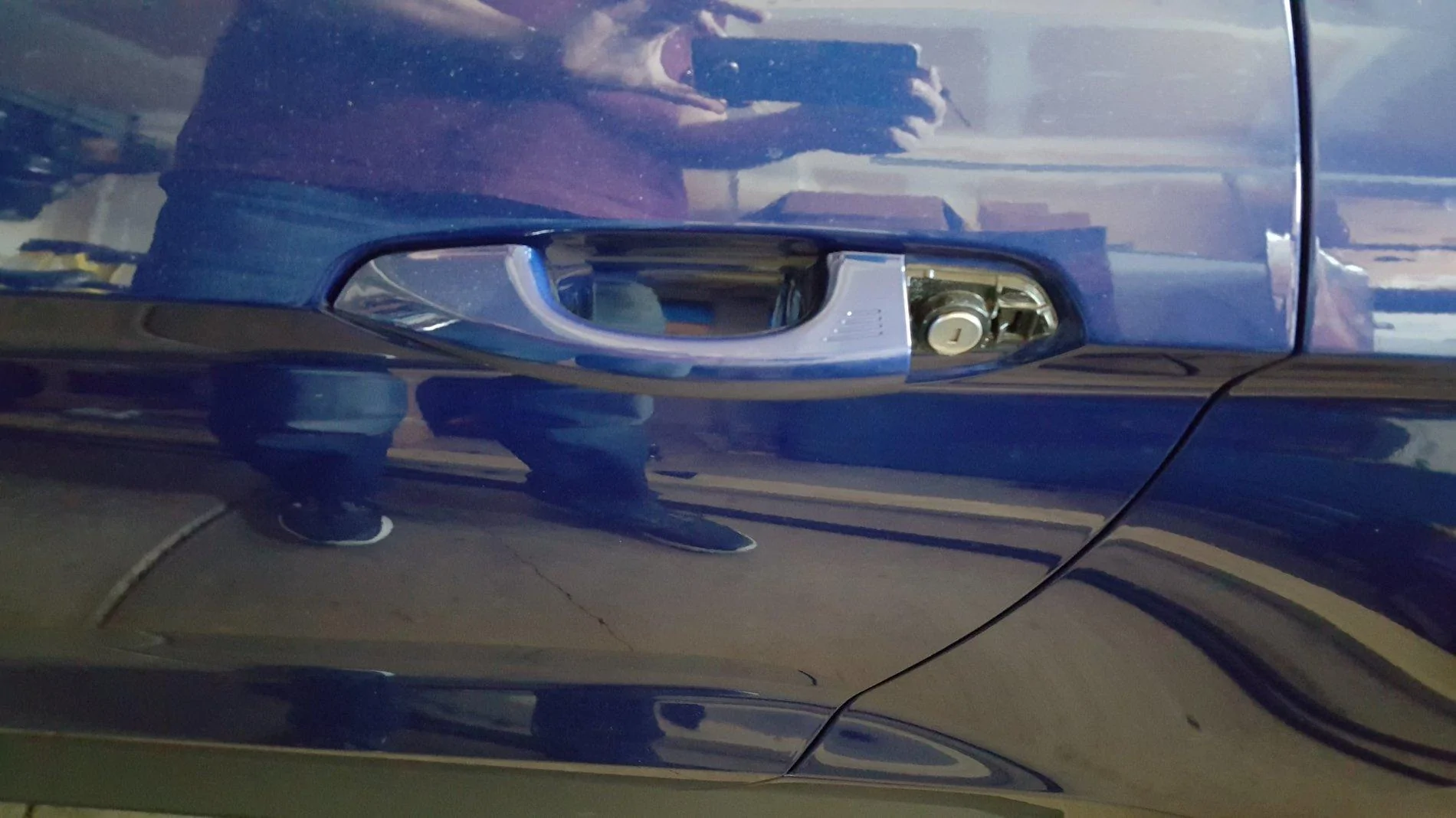
This feature is especially useful when the key fob battery is dead or when the vehicle’s 12V battery has been drained, disabling electronic access. It also serves as a design choice that preserves the car’s clean, aerodynamic styling.
The hidden mechanical key system ensures that drivers are never completely locked out, offering a reliable manual entry option when electronic systems fail while maintaining a sleek exterior design philosophy in the Mustang lineup.
3. Hidden Glovebox Storage
The Mustang GT includes a smartly designed upper glovebox shelf that separates important documents from everyday items. This small dedicated space is specifically shaped to hold the owner’s manual and keeps it neatly stored away. By moving paperwork to the upper section, the main glovebox becomes more usable for items like sunglasses, registration papers, and small accessories.
Another useful storage feature is built into the dashboard near the steering wheel. At first glance, it looks like a simple trim panel or fuse cover, but it actually opens to reveal a hidden cubby. This compartment is commonly used for sunglasses, but many owners also store small valuables such as spare keys, cash, or garage door remotes for quick access.
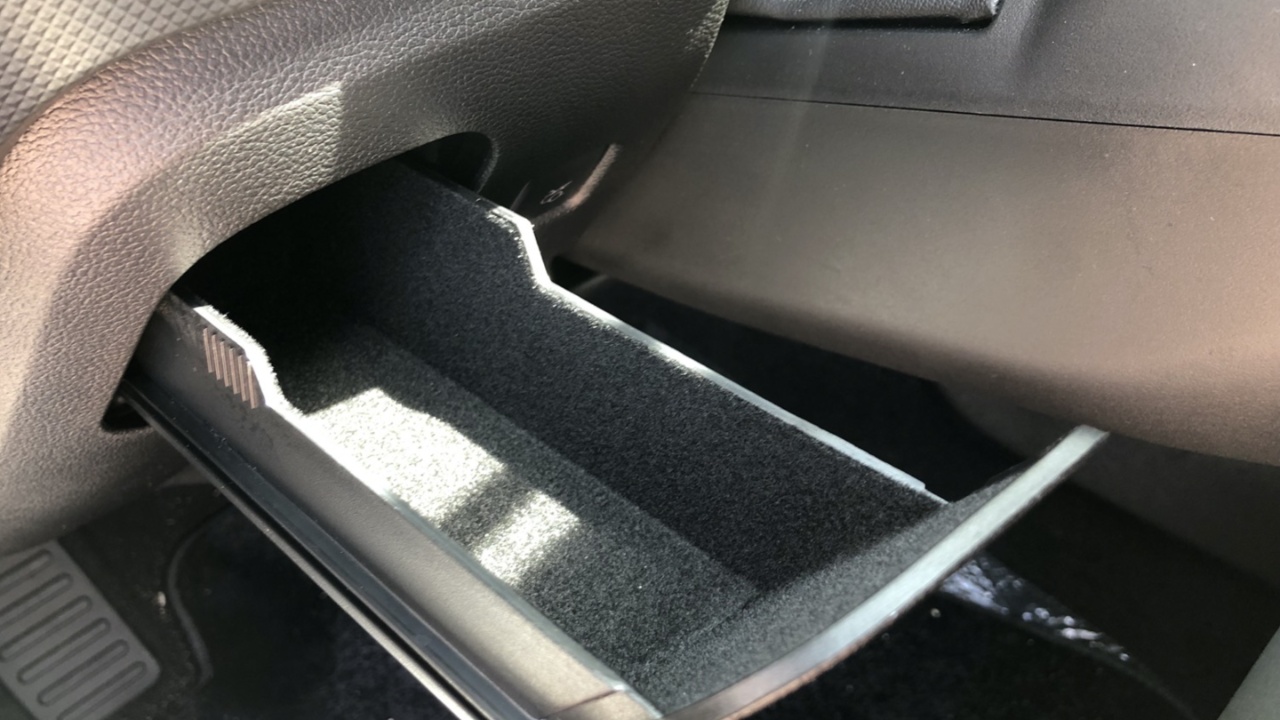
These storage areas are considered hidden features because they blend seamlessly into the Mustang’s interior design rather than appearing as obvious compartments. Ford engineers focused on maintaining a clean and sporty cabin layout while still improving practicality.
Together, these clever storage solutions help reduce clutter inside the vehicle and make better use of limited interior space. The result is a more organized cabin that supports daily driving needs without disrupting the Mustang GT’s performance-focused and minimalist design approach.
4. Headlight Easter Eggs
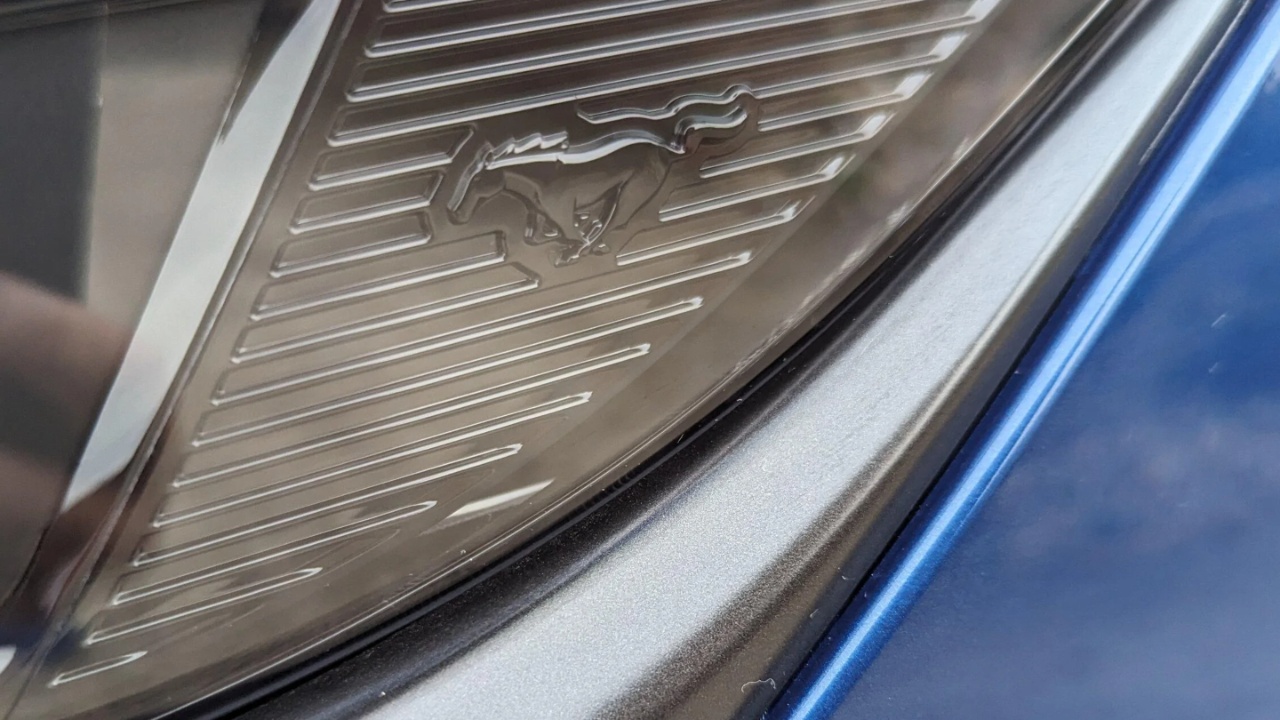
Inside the headlight assemblies, carefully hidden design elements can be found that reflect a strong sense of craftsmanship. One of the most recognizable is the small running pony logo etched into the internal housing. It does not influence lighting performance, but it acts as a quiet signature from the designers who shaped the vehicle’s look and feel.
Beyond this logo, other symbolic touches are sometimes integrated into lighting components. These can include tri-bar-inspired patterns or special markings that reference important moments in Ford’s history. Each detail is placed in a way that blends into the structure of the headlight while still rewarding closer inspection.
Modern lighting systems also extend this idea into animation. When the car is unlocked or approached, the headlights and taillights may perform a brief welcome sequence. This creates a sense of interaction between the driver and the vehicle, adding a more engaging and modern feel to everyday use.
These hidden elements turn the lighting design into more than just a functional system. They serve as creative expressions that connect the vehicle’s present design with its heritage, while giving enthusiasts small but meaningful details to discover over time.
5. MyColor Gauge & Accent Lighting
The MyColor system allows drivers to fully customize the interior atmosphere by changing the color of the digital gauge cluster and ambient lighting. Through the vehicle’s settings menu, users can select preset colors or fine-tune their own custom shades using red, green, and blue sliders. This creates a highly personalized cabin environment that can shift based on mood or preference.
Beyond the dashboard, the system also extends to multiple interior lighting zones. Different areas, such as cup holders, door sills, and footwells, can be assigned separate colors, allowing for layered lighting effects throughout the cabin. The gauge cluster can display one color while surrounding accents display another, giving the interior a more dynamic and visually rich appearance.
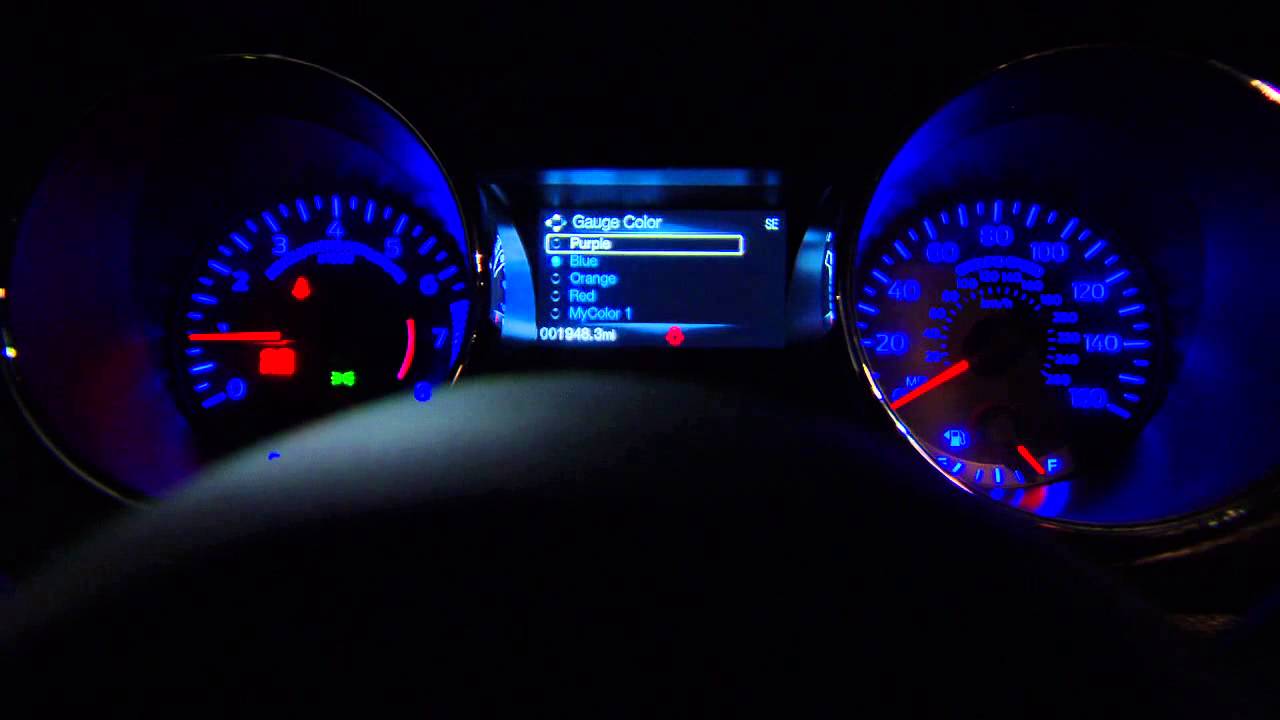
The system is often considered a hidden feature because it is accessed through deeper menus in the infotainment or instrument cluster settings rather than physical controls. Within these menus, drivers can adjust brightness, select themes, and build fully custom lighting profiles.
In addition to interior customization, some models also include exterior welcome lighting that projects branding onto the ground when the vehicle is unlocked. MyColor enhances personalization by giving drivers extensive control over the cabin’s visual identity while adding a modern, interactive lighting experience.
Also read: 10 Hidden Features In 2026 Toyota Land Cruiser
6. Secret Infotainment/Sync Menus
The SYNC infotainment system contains a concealed diagnostic menu designed primarily for dealership technicians and engineers. It can be accessed through a specific button combination on the steering wheel and audio controls, which activates a hidden screen used for testing and system evaluation. Once opened, the interface may begin with a speaker test before revealing deeper diagnostic options.
Inside this menu, users can view detailed system information such as GPS signal strength, sensor data, voltage readings, and internal module details. It also provides access to display calibration tools, audio checks, and other technical functions that help identify hardware or software issues within the vehicle’s infotainment system.
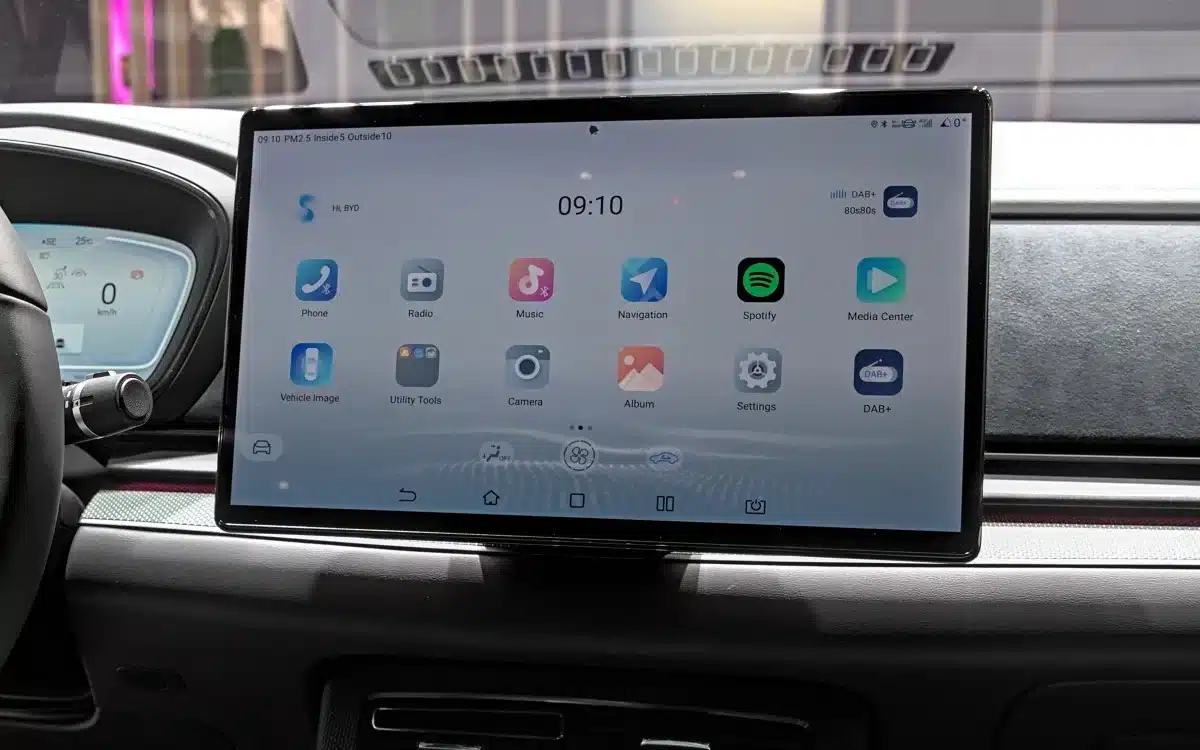
These menus are intentionally hidden because they are not intended for everyday use. Ford restricts access to prevent accidental changes that could disrupt system performance or corrupt the infotainment firmware. Since the system controls important components like the APIM module, incorrect adjustments could lead to malfunction or software instability.
In addition to its diagnostic purpose, the menu occasionally includes visual themes associated with other Ford performance models, adding a small element of curiosity for enthusiasts. However, any changes made within this mode are temporary and typically reset once the vehicle is restarted. This hidden system serves as a powerful service tool while remaining out of reach for regular driving use.
7. Electronic Line Lock & Drift Brake
Hidden within the vehicle’s Track Apps menu are performance tools designed for closed-course driving, including Electronic Line Lock and Electronic Drift Brake. These features are intended for enthusiasts who want more control during drag racing or drifting, and they rely heavily on the car’s electronic systems rather than traditional mechanical controls.
The Electronic Line Lock system is used primarily for burnouts. It works by locking the front brakes while keeping the rear wheels free, allowing the driver to spin the rear tires in place. This helps heat and clean the tires for improved traction before a drag strip launch. The system is activated through the digital interface and uses the ABS module to build brake pressure safely for a short duration.
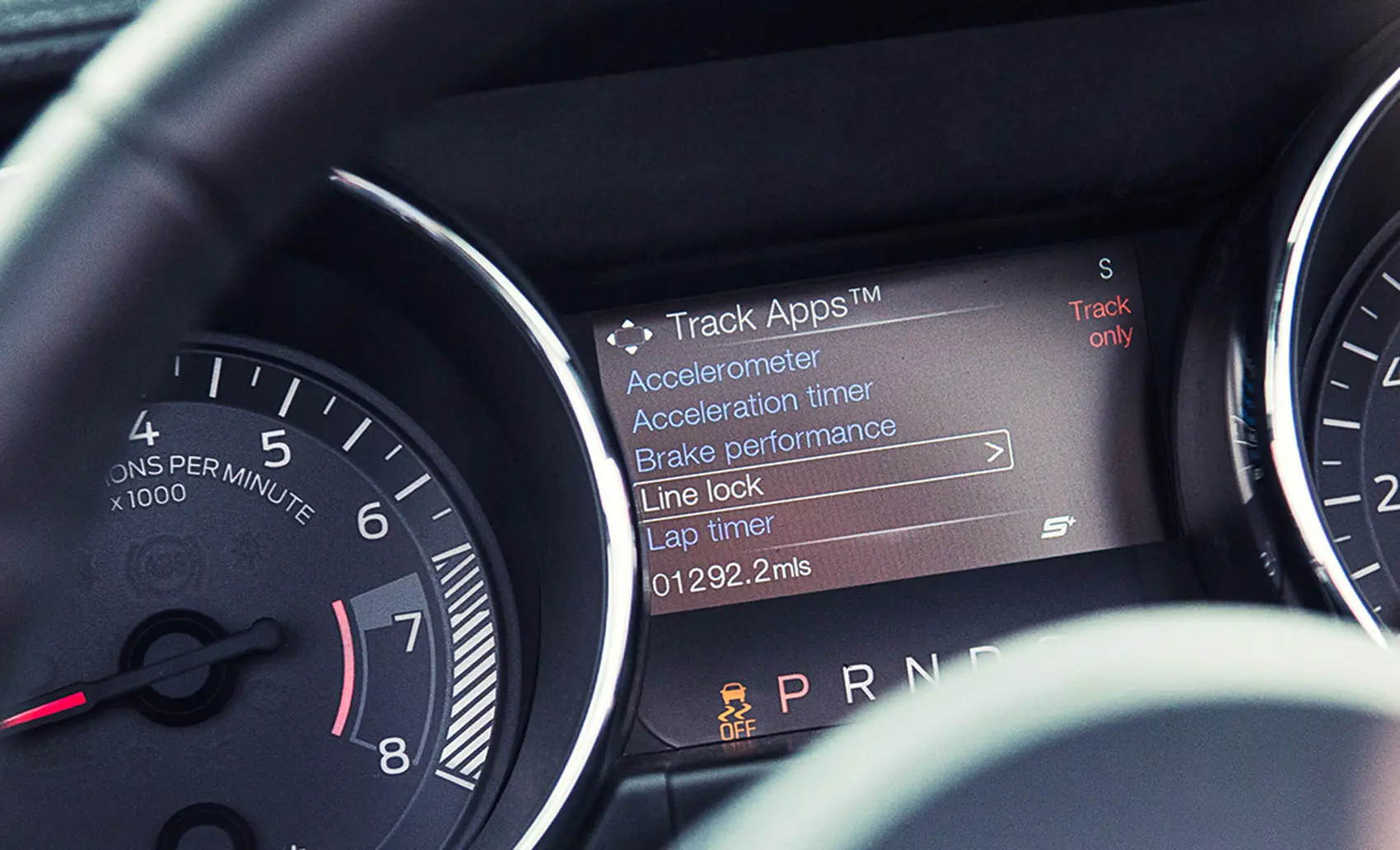
The Electronic Drift Brake replaces the traditional handbrake with an electronic system that can instantly lock the rear wheels. This makes it easier to initiate controlled slides during track driving. Although it resembles a normal handbrake, its function is software-controlled and only accessible through specific menu settings in the infotainment system.
Both features are hidden because they are integrated into digital performance menus rather than physical controls and are restricted to closed-course use. Together, they provide advanced control tools for drivers in track environments.
8. The 3-Line Exterior Lock
A hidden convenience feature on the vehicle’s exterior door handle allows drivers to lock the car without using the key fob. This system uses a capacitive touch sensor built into the handle, marked by three small raised lines. When the door is closed, simply placing a finger on these lines activates the locking system.
As long as the intelligent key fob is nearby, the vehicle responds instantly by locking the doors, flashing the lights, and arming the security system. This makes it possible to secure the car quickly while walking away, without needing to reach for the key or press any buttons.
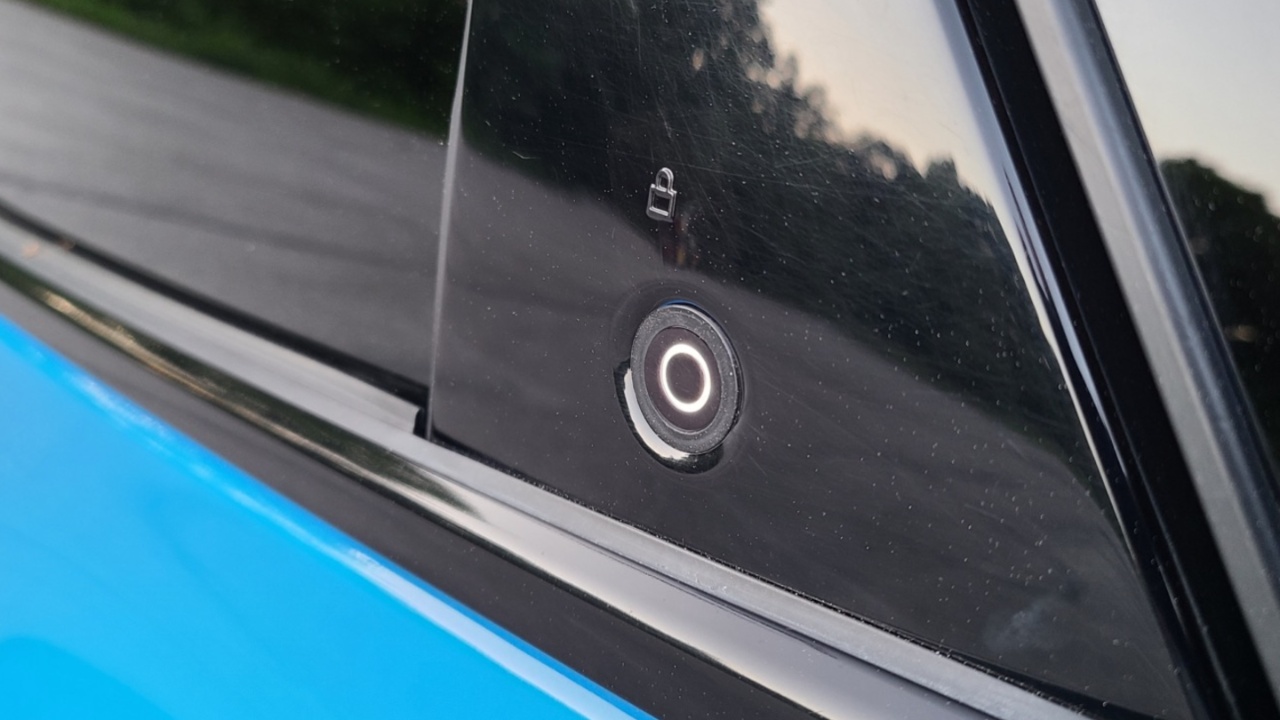
The feature is considered hidden because the sensor is seamlessly integrated into the design of the door handle. It looks like a simple styling detail rather than an obvious control input, which means many drivers may overlook it until they learn its purpose.
Functionally, it is designed strictly for locking, while unlocking typically requires a separate touch or hand movement behind the handle. This separation helps maintain both convenience and security.
This touch-based locking system adds a layer of modern usability to everyday driving, combining sleek design with practical keyless entry technology for quick and effortless vehicle security.
9. Advanced Traction & Steering Settings
Advanced traction and steering settings give drivers deeper control over how the vehicle behaves in different driving conditions, especially in performance situations. While basic traction control can be adjusted with a quick button press, a more advanced mode is activated by holding the traction control button for several seconds. This fully disables stability systems, allowing complete manual control of wheel spin and chassis behavior, which is typically used for track driving.
The steering system also offers multiple selectable assist levels through electronic power steering. Drivers can switch between Comfort for easier low-speed handling, Normal for balanced everyday use, and Sport for heavier, more responsive steering feedback during high-speed or spirited driving. These adjustments allow the steering feel to match different driving environments and preferences.
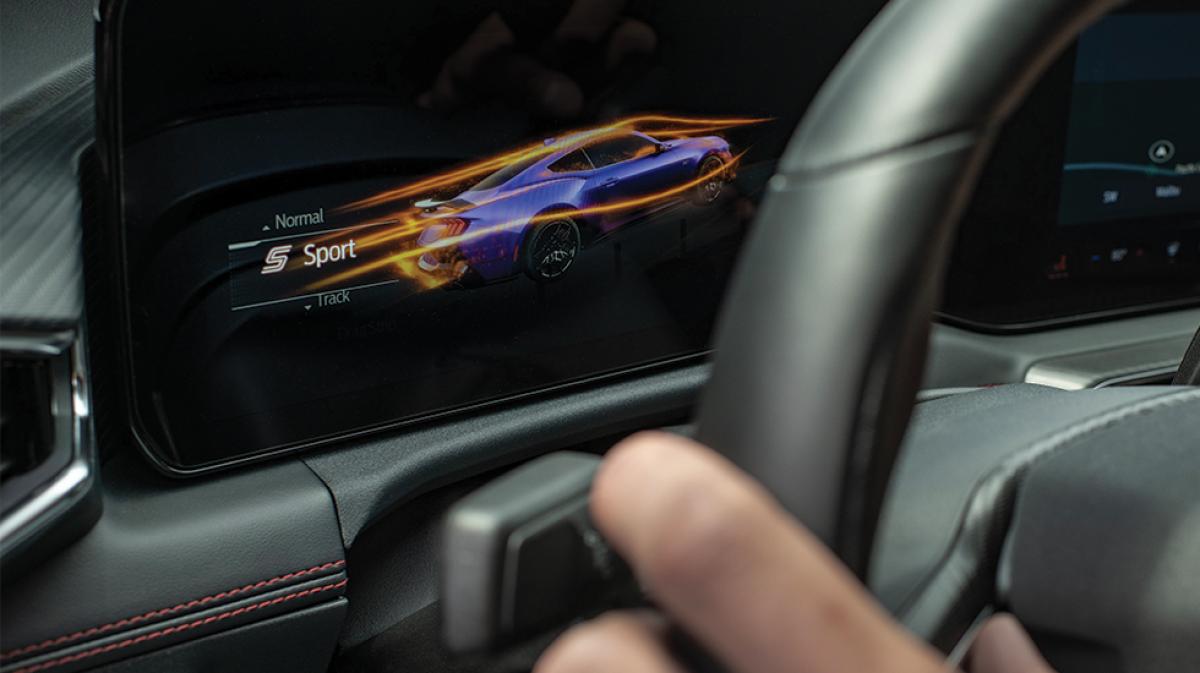
These features are often considered hidden because they are embedded within drive mode and system settings rather than presented as obvious standalone controls. This design helps prevent accidental disengagement of safety systems while still giving enthusiasts access to advanced performance options when needed.
The system transforms the car from a comfortable daily driver into a more focused performance machine by allowing precise control over traction, stability, and steering response, making it adaptable for both everyday roads and closed-course driving scenarios.
10. Hidden Trunk Release
A discreet trunk release button located above the license plate offers a convenient way to access the cargo area without using the key fob or interior controls. Hidden beneath the trunk overhang near the license plate lights, this small rubber button blends into the rear design and is often overlooked by many owners.
Under normal conditions, the feature works with the vehicle’s intelligent access system. As long as the key fob is nearby, pressing the button automatically unlocks and opens the trunk. This makes loading groceries, luggage, or other items easier because there is no need to search for the key or use a separate release switch.
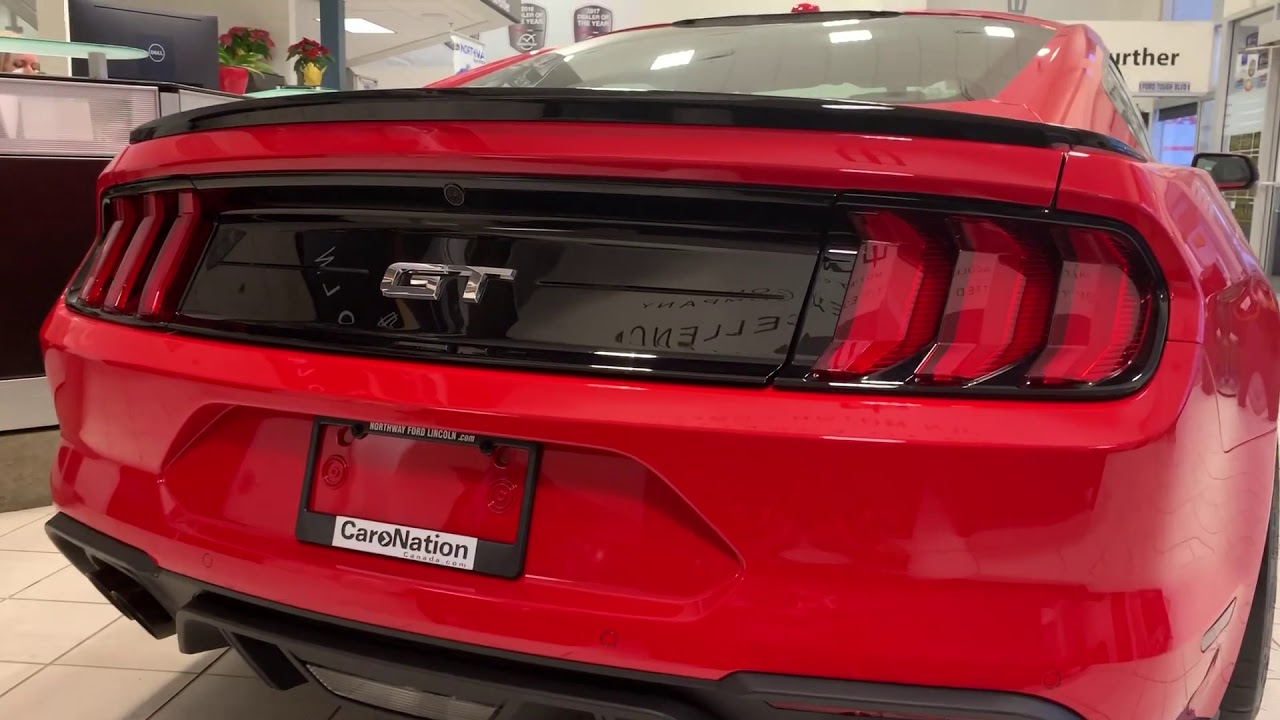
The feature becomes especially valuable during electrical issues. If the interior trunk release loses power or the vehicle experiences a battery failure, the hidden button can still provide access to essential items stored in the trunk, such as emergency equipment, tools, or jumper cables. This built-in backup helps prevent owners from being locked out of an important storage area when they may need it most.
Because the release mechanism is concealed within the vehicle’s styling, it is often considered a hidden feature. It combines practicality, convenience, and clean design, giving drivers an easy and reliable way to access the trunk in both everyday situations and unexpected emergencies.
Also read: 5 Cars Whose Interiors Age Well vs 5 That Wear Out Fast