
Visibility is one of the most underrated aspects of SUV design. Buyers often focus on horsepower, towing capacity, fuel economy, and technology, but the ability to clearly see the road, surrounding traffic, and obstacles can have a direct impact on driver confidence and safety.
Modern SUVs have grown larger over the years, and while their commanding seating positions provide advantages, some models suffer from thick roof pillars, high beltlines, and limited rear visibility that create significant blind spots.
The best SUVs balance size with smart design. Large windows, thin pillars, well-positioned mirrors, and upright body shapes allow drivers to maintain awareness of their surroundings without constantly relying on cameras and sensors.
While modern driver assistance systems help compensate for visibility limitations, nothing replaces a clear line of sight from the driver’s seat.
This ranking focuses on SUVs that offer some of the best outward visibility in their respective segments. Factors such as windshield size, side-window design, pillar thickness, rear glass area, and blind-spot management all contribute to their placement.
These vehicles make parking easier, improve confidence in traffic, and reduce the stress that can come with maneuvering larger vehicles in crowded urban environments.
From compact crossovers to full-size family haulers, these SUVs stand out because they allow drivers to see more of the world around them, making everyday driving a simpler and more comfortable experience.
Also Read: 10 SUVs Ranked By Cargo Space Behind The Third Row
10. Subaru Forester
Among modern compact SUVs, few vehicles have earned a reputation for visibility quite like the Subaru Forester. While many competitors prioritize sleek styling and coupe-inspired rooflines, Subaru has remained committed to practicality. The result is an SUV that feels unusually airy from behind the wheel.
The Forester’s large glass area immediately stands out. Tall side windows provide an excellent view of adjacent lanes, while the upright windshield allows drivers to easily judge the vehicle’s position on the road. Subaru also pays careful attention to pillar design.
The front A-pillars are positioned to minimize obstruction at intersections, helping drivers spot pedestrians and cyclists more easily.
Another advantage comes from the seating position. Drivers sit high enough to command a broad view ahead without feeling disconnected from the road. Rear visibility is equally impressive thanks to generously sized rear glass and large side mirrors.
Some modern SUVs rely heavily on electronic aids to compensate for poor sightlines, but the Forester achieves excellent visibility through fundamental design choices. This approach makes it especially appealing to new drivers, older buyers, and families looking for a confidence-inspiring vehicle.
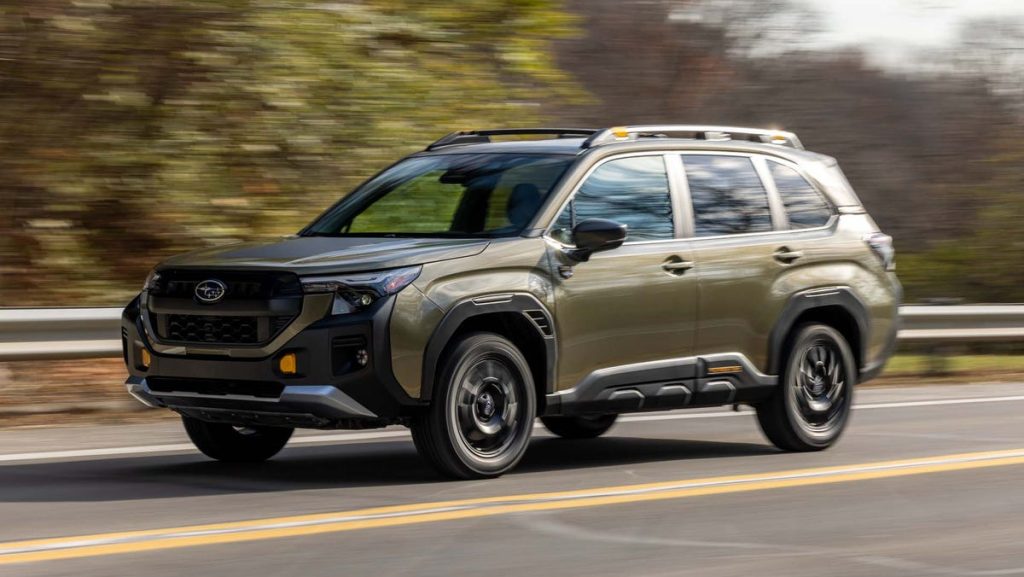
Whether moving through narrow city streets or backing out of crowded parking lots, the Forester consistently delivers clear sightlines that reduce stress and improve awareness.
Specifications
- Engine: 2.5-liter Naturally Aspirated Flat-Four
- Torque: 178 lb-ft
- Horsepower: 180 hp
- Length/Width: 183.3 in / 72.0 in
9. Honda CR-V
The Honda CR-V approaches visibility from a different angle. Rather than relying solely on oversized windows, Honda combines thoughtful ergonomics with carefully shaped bodywork to create an SUV that feels easy to place on the road.
One of the first things drivers notice is the commanding forward view. The hood remains visible from the driver’s seat, which helps with positioning in tight spaces. Large mirrors contribute significantly to lane awareness and make highway driving less tiring during long trips.
Honda’s engineers also worked to reduce the feeling of enclosure that affects many modern crossovers. The side windows extend low into the doors, allowing drivers to see objects that might otherwise disappear beneath the beltline. This becomes particularly useful in parking garages and congested urban settings.
The rear quarters are another strength. Many SUVs sacrifice rear visibility for aggressive styling, but the CR-V maintains practical proportions that keep blind spots manageable. Combined with its relatively compact dimensions, this helps drivers maneuver confidently in situations where larger SUVs can feel cumbersome.
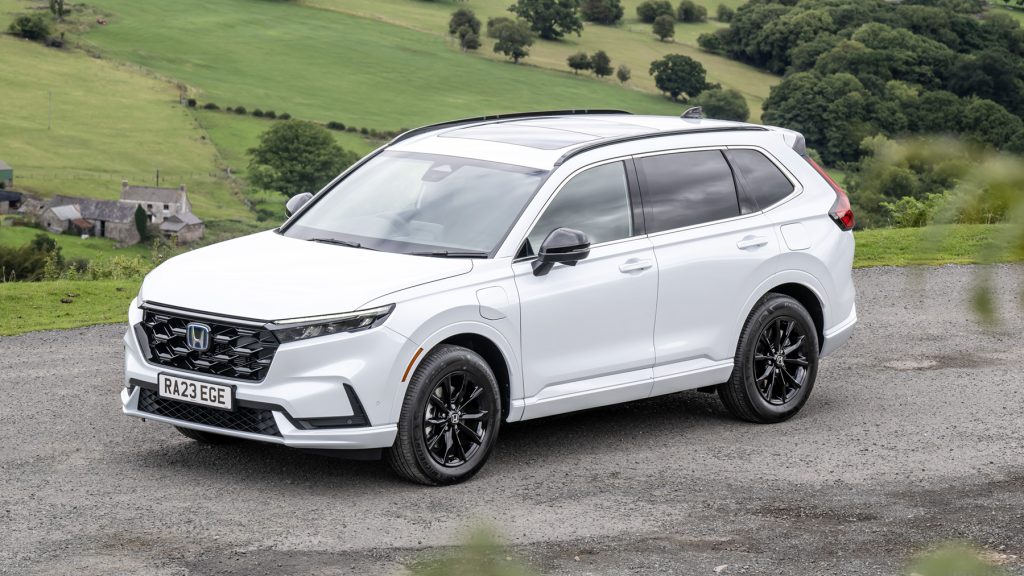
What truly distinguishes the CR-V is how natural everything feels. Drivers rarely need to adjust their posture or rely heavily on cameras because the vehicle’s sightlines are intuitive from the moment they get behind the wheel.
Specifications
- Engine: 1.5-liter Turbocharged Inline-Four
- Torque: 179 lb-ft
- Horsepower: 190 hp
- Length/Width: 184.8 in / 73.5 in
8. Kia Telluride
Moving into the midsize three-row segment often means accepting larger blind spots and reduced visibility. The Kia Telluride manages to avoid many of those compromises through a boxy design that prioritizes function without appearing outdated.
From the driver’s seat, the Telluride feels surprisingly manageable despite its substantial size. The windshield is tall and broad, providing an expansive view of the road ahead. Kia’s designers also avoided excessively thick front pillars, which helps maintain visibility during turns and at busy intersections where hidden vehicles can become a concern.
A major strength of the Telluride is its side glass. The windows remain relatively tall throughout the cabin, creating a bright interior and improving awareness of nearby traffic. This proves especially useful when changing lanes on crowded highways or moving through narrow suburban roads lined with parked vehicles.
The rear of the SUV follows the same practical philosophy. The upright tailgate and large rear window make it easier to judge distances when reversing. Drivers often find that the Telluride feels smaller than its actual dimensions suggest because the corners of the vehicle are easier to identify from behind the wheel.
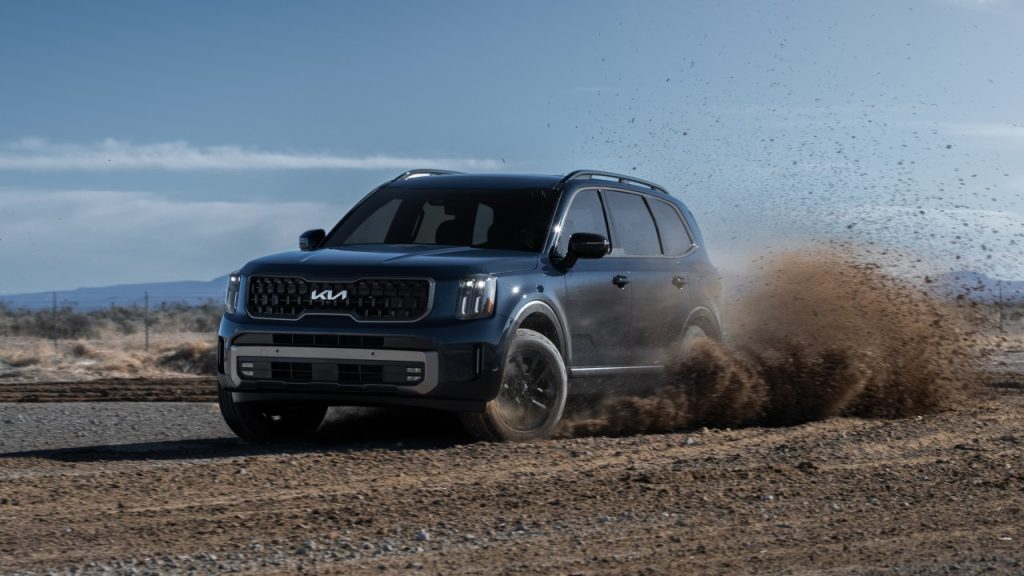
While many family-oriented SUVs emphasize luxury features and technology, the Telluride succeeds by ensuring the driver maintains a clear understanding of what is happening around the vehicle. That confidence can make daily commuting, school runs, and long road trips considerably more relaxing.
Specifications
- Engine: 3.8-liter Naturally Aspirated V6
- Torque: 262 lb-ft
- Horsepower: 291 hp
- Length/Width: 196.9 in / 78.3 in
7. Jeep Wrangler Unlimited
Visibility is one area where the Jeep Wrangler Unlimited benefits greatly from its heritage. Modern crossovers are often designed primarily for urban environments, while the Wrangler was engineered for outdoor adventures and off-road challenges. That background results in some of the clearest sightlines found in any SUV.
The driving position is upright and commanding. Rather than looking over a long, sloping hood, drivers face a relatively flat front end that is easy to judge when maneuvering through tight spaces. The squared-off shape also helps define the vehicle’s corners, making parking and trail driving less intimidating.
Large windows play a major role in the Wrangler’s ranking. The nearly vertical windshield provides a broad field of view, while the generous side glass minimizes the enclosed feeling found in many modern SUVs. Even the rear passengers benefit from excellent outward visibility.
Another factor is the vehicle’s simple body design. Because the Wrangler avoids dramatic styling flourishes, there are fewer areas where visibility is compromised for appearance. Drivers can quickly identify obstacles, curbs, rocks, or surrounding traffic without needing constant assistance from cameras.
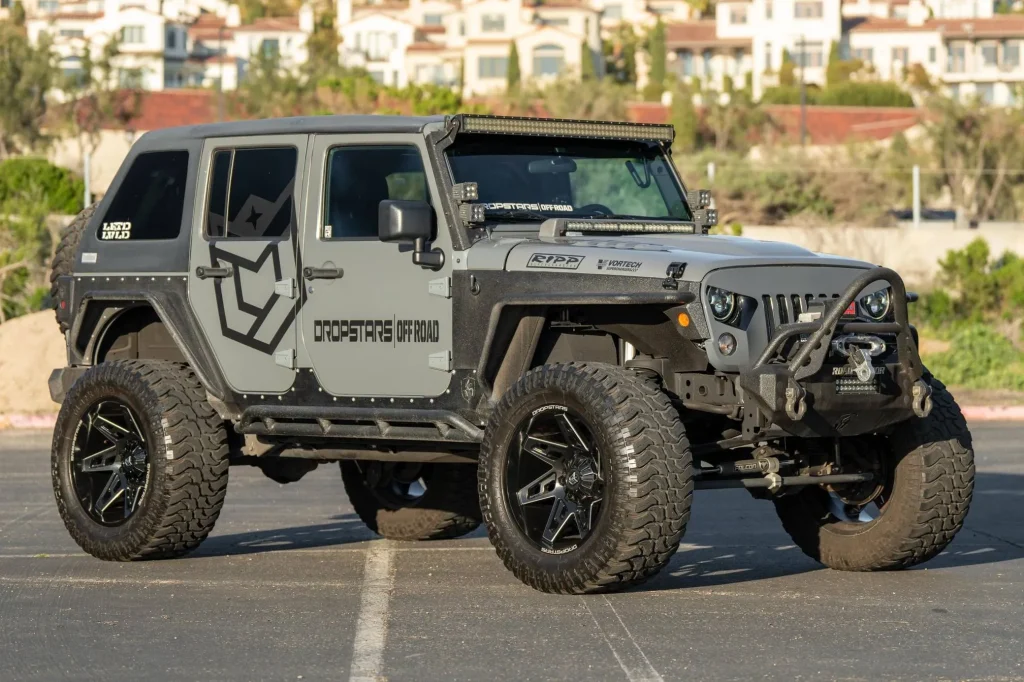
The removable roof and doors further enhance visibility during recreational driving, although even in standard configuration, the Wrangler remains one of the easiest SUVs to see out of. Its straightforward design proves that practical visibility can still be a significant advantage in today’s increasingly complex vehicle market.
Specifications
- Engine: 3.6-liter Pentastar V6
- Torque: 260 lb-ft
- Horsepower: 285 hp
- Length/Width: 188.4 in / 73.8 in
6. Toyota 4Runner
The Toyota 4Runner belongs to a shrinking category of traditional body-on-frame SUVs, and one of the unexpected benefits of its old-school design is outstanding outward visibility.
While many modern SUVs have adopted sleek rooflines and rising window sills to achieve a sportier appearance, the 4Runner continues to favor practicality, making it one of the easiest large SUVs to see out of.
A glance around the cabin reveals why so many owners appreciate it. The side windows are tall, the windshield is generously sized, and the seating position places the driver well above surrounding traffic.
This improved vantage point gives drivers a strong sense of awareness, whether they are moving through city streets or heading onto remote trails. The hood remains visible from the driver’s seat, helping with vehicle placement and reducing guesswork when approaching tight spaces.
The SUV’s upright proportions also contribute significantly to visibility. Instead of heavily sculpted body panels and aggressive rear styling, the 4Runner uses a squared-off shape that makes it easier to judge the vehicle’s dimensions. Parking becomes less stressful because drivers can better understand where the corners of the SUV are located.
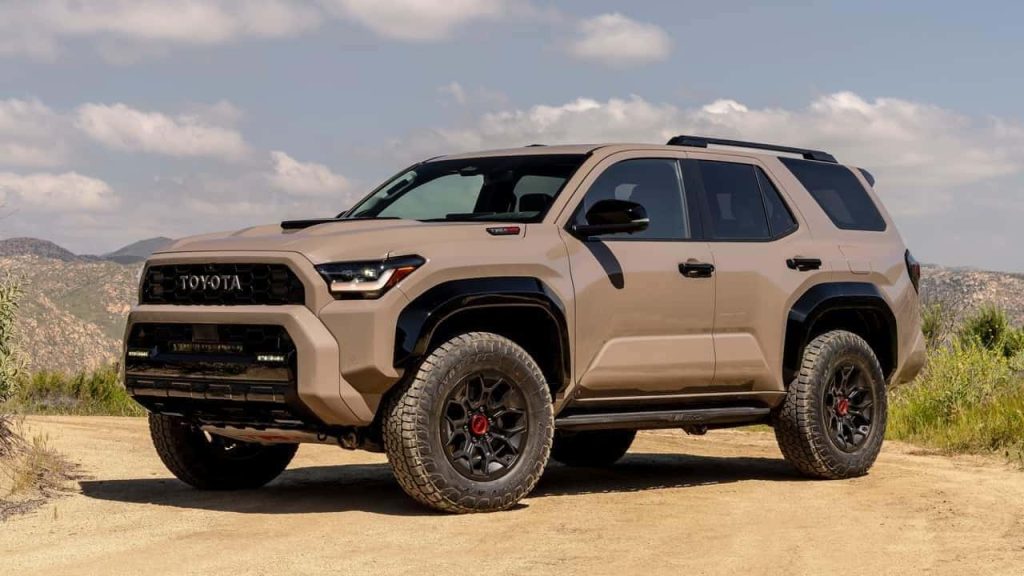
Off-road driving further highlights the 4Runner’s strengths. Clear sightlines help drivers spot obstacles, ruts, and uneven terrain before reaching them. Even in urban settings, the large mirrors and expansive glass area create confidence when changing lanes or reversing.
Despite being one of the larger SUVs in its segment, the 4Runner rarely feels cumbersome from behind the wheel. Its straightforward design philosophy continues to pay dividends for drivers who value visibility as much as capability.
Specifications
- Engine: 4.0-liter Naturally Aspirated V6
- Torque: 278 lb-ft
- Horsepower: 270 hp
- Length/Width: 190.2 in / 75.8 in
5. Hyundai Santa Fe
Hyundai took a different approach with the Santa Fe. Rather than relying on a rugged, boxy formula, it blends modern styling with carefully engineered sightlines that make daily driving noticeably easier. The result is a midsize SUV that feels approachable from the first mile.
One of Santa Fe’s greatest strengths is the relationship between the seating position and window design. Drivers sit high enough to gain a commanding perspective, yet the dashboard remains relatively low, creating a broad view through the windshield.
This combination reduces the feeling of looking out from a confined cockpit and instead gives the cabin an open, spacious character.
Side visibility is equally strong. Hyundai designed large windows and carefully positioned mirrors that help minimize blind spots during lane changes. Some competitors prioritize bold styling elements, but the Santa Fe avoids overly thick rear pillars that can interfere with visibility at critical moments.
Its shape also helps when maneuvering in crowded areas. The driver can easily identify the edges of the vehicle, making parking garages, shopping centers, and narrow streets feel less intimidating. Families often appreciate this characteristic because a vehicle that feels easier to place tends to inspire greater confidence behind the wheel.
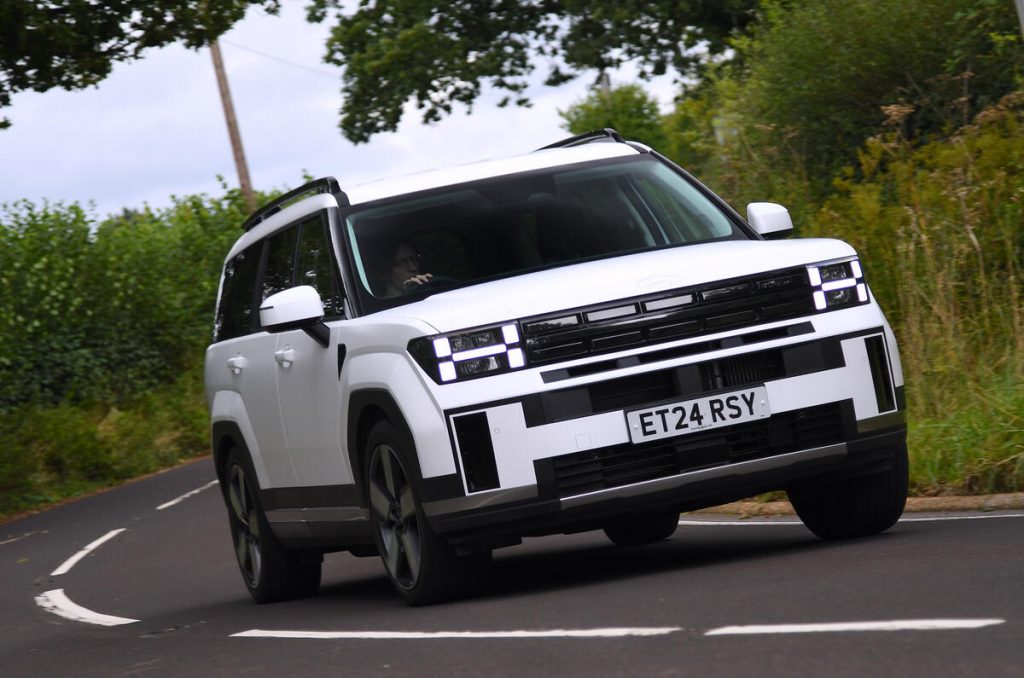
What makes the Santa Fe particularly appealing is that it achieves strong visibility without sacrificing modern design. It proves that contemporary styling and practical sightlines do not have to be mutually exclusive. The SUV strikes a balance that many rivals struggle to achieve.
Specifications
- Engine: 2.5-liter Turbocharged Inline-Four
- Torque: 311 lb-ft
- Horsepower: 277 hp
- Length/Width: 190.2 in / 74.8 in
4. Honda Pilot
Families shopping for a three-row SUV often focus on passenger space and cargo capacity, but the Honda Pilot quietly excels in another important area: visibility. Despite its substantial size, it feels remarkably easy to drive because Honda’s engineers have paid close attention to what the driver can see from every angle.
The Pilot creates an immediate sense of confidence when you settle into the driver’s seat. Large front windows provide an expansive view of the road ahead, while the upright seating position allows drivers to look farther down the road than many smaller crossovers.
This can be particularly useful during heavy traffic, where anticipating conditions ahead helps reduce fatigue.
Some modern SUVs feature aggressive rooflines and narrow glass areas, but the Pilot maintains generous window openings throughout the cabin.
The side glass extends deep into the doors, improving awareness of vehicles, pedestrians, and cyclists traveling alongside. This design also helps passengers enjoy a brighter and less confined interior environment.
The rear quarters deserve special mention. Honda managed to keep the D-pillars relatively unobtrusive, preserving visibility toward the back corners of the vehicle. As a result, backing into parking spaces or maneuvering through crowded lots becomes easier than many drivers expect from an SUV of this size.
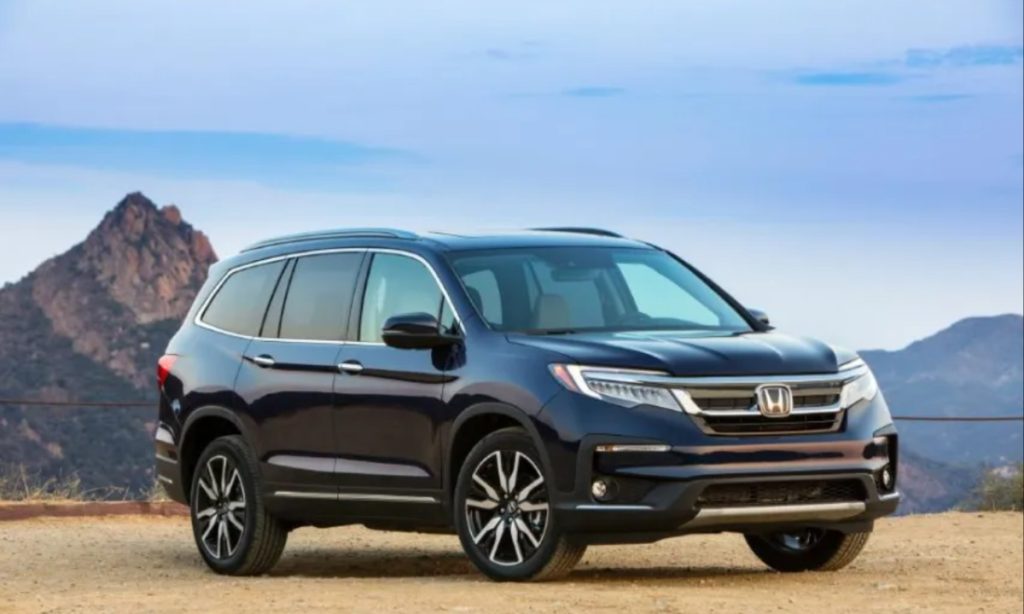
What truly upgrades the Pilot is its predictability. Drivers quickly become comfortable judging distances and positioning the vehicle because the sightlines feel natural rather than forced. It is a large family SUV that rarely feels intimidating, which explains why it remains a favorite among buyers seeking practicality and confidence in equal measure.
Specifications
- Engine: 3.5-liter Naturally Aspirated V6
- Torque: 262 lb-ft
- Horsepower: 285 hp
- Length/Width: 199.9 in / 78.5 in
3. Land Rover Defender 110
The Land Rover Defender 110 was designed with visibility as a priority from the beginning. Since it is expected to operate in environments ranging from congested city centers to remote off-road trails, clear sightlines are essential to its mission. That purpose-driven approach has resulted in one of the most visibility-friendly SUVs available today.
Step inside, and the first thing that stands out is the upgraded seating position. Drivers sit high above the road with a commanding view in every direction. The Defender’s broad windshield allows excellent forward visibility, while the upright body design ensures the corners of the vehicle are easier to judge than those of many luxury SUVs.
Its tall windows contribute significantly to situational awareness. Whether monitoring traffic in adjacent lanes or checking surroundings on a narrow trail, the generous glass area keeps blind spots manageable. Land Rover resisted the temptation to sacrifice practicality for dramatic styling, and the vehicle benefits from that decision every time it is driven.
The Defender’s boxy proportions offer another advantage. Its straightforward, predictable shape allows drivers to judge the vehicle’s dimensions with greater accuracy. This proves especially useful when moving through tight urban parking spaces or threading between obstacles during off-road adventures.
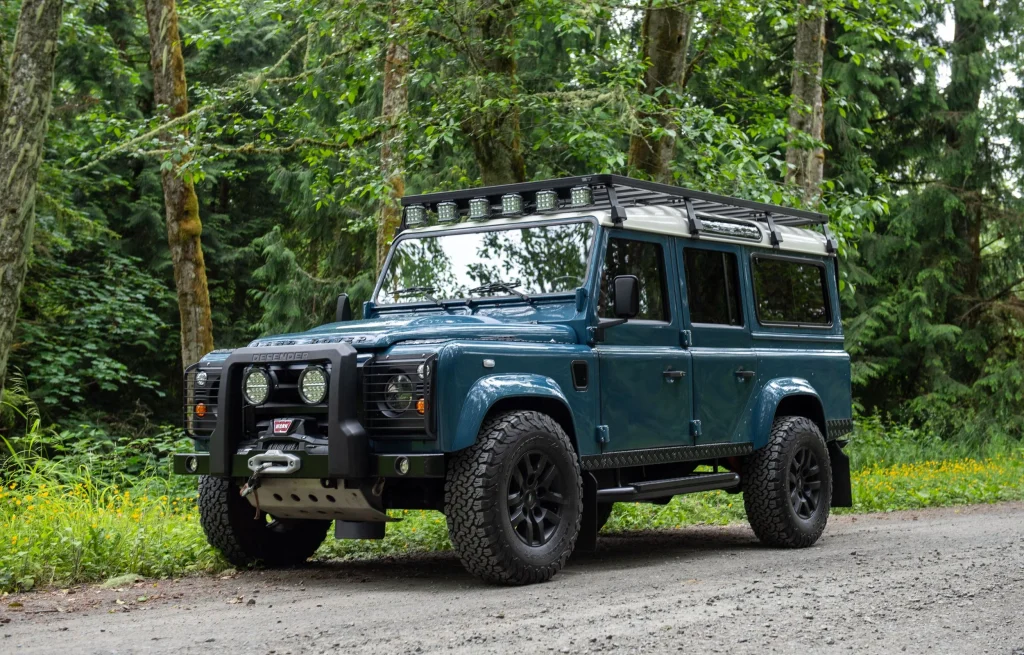
Few SUVs blend luxury, rugged capability, and excellent visibility as successfully as the Defender 110. It demonstrates that a modern premium SUV can still prioritize function, giving drivers a strong sense of control regardless of where the journey takes them.
Specifications
- Engine: 3.0-liter Turbocharged Inline-Six
- Torque: 406 lb-ft
- Horsepower: 395 hp
- Length/Width: 197.6 in / 79.1 in
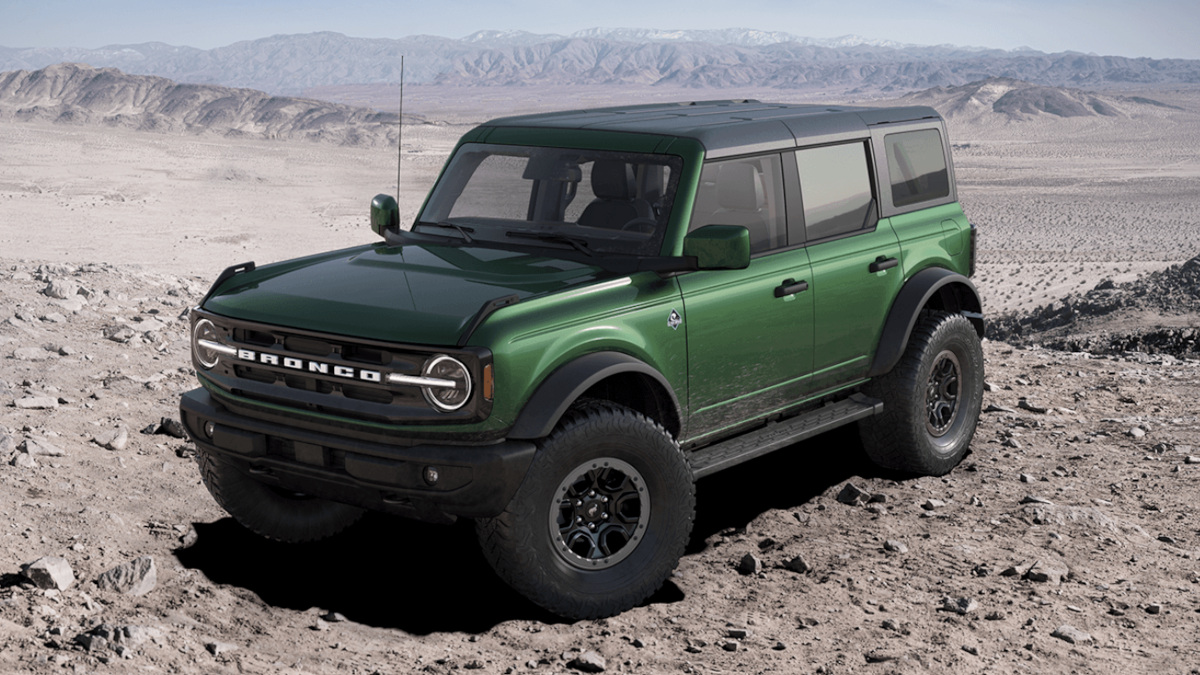
2. Ford Bronco
The Ford Bronco was engineered to tackle challenging terrain, and that mission required designers to place visibility near the top of the priority list.
As a result, it has become one of the easiest modern SUVs to see out of, offering drivers an exceptional view of their surroundings, whether they are commuting through the city or venturing far beyond paved roads.
Many contemporary SUVs use sweeping curves and heavily sloped rooflines, while the Bronco instead embraces a distinctly upright design.
The windshield stands nearly vertical, creating an expansive field of vision and reducing the amount of road hidden directly in front of the vehicle. Drivers can also see the edges of the hood with relative ease, which helps when placing the vehicle precisely in tight spaces.
Another advantage comes from the Bronco’s squared-off body. Its clearly defined corners make the SUV feel smaller than its actual dimensions suggest. This proves especially useful when moving through narrow trails, parking garages, or crowded urban streets where precise maneuvering is important.
Large side windows further improve awareness. They allow drivers to maintain a clear view of nearby traffic while reducing the enclosed feeling often associated with modern SUVs. Even rearward visibility remains strong thanks to the practical shape of the cabin and tailgate area.
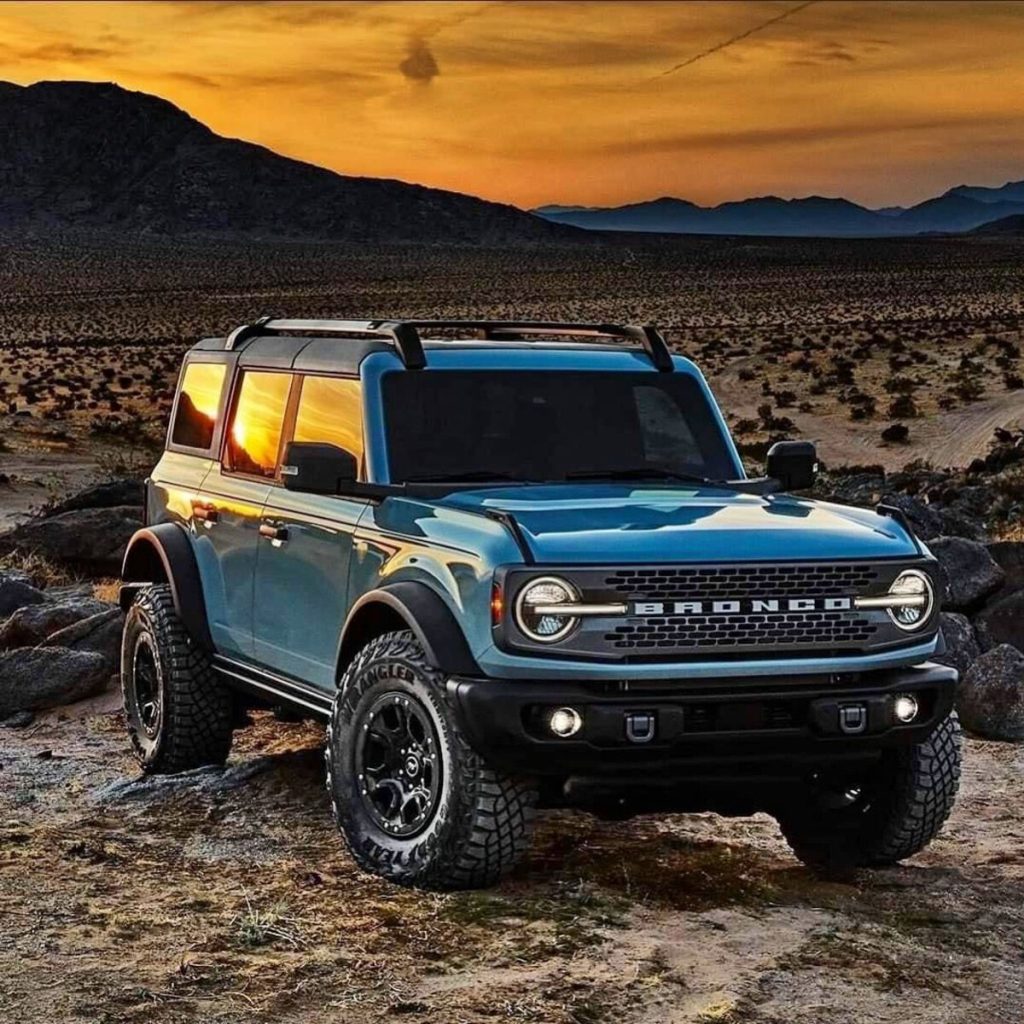
The Bronco proves that rugged capability and everyday usability can coexist. Its visibility advantages are not simply beneficial for off-road enthusiasts.
They also make daily driving less stressful and more intuitive. For many drivers, that combination of confidence, control, and awareness is just as important as horsepower or trail performance.
Specifications
- Engine: 2.3-liter Turbocharged EcoBoost Inline-Four
- Torque: 325 lb-ft
- Horsepower: 300 hp
- Length/Width: 189.4 in / 75.9 in
1. Subaru Ascent
Claiming the top position is the Subaru Ascent, a three-row family SUV that combines generous passenger accommodations with some of the best visibility available in the segment.
While many large SUVs struggle with blind spots due to their size, the Ascent consistently demonstrates how thoughtful engineering can overcome those challenges.
From the driver’s seat, the cabin immediately feels open and airy. A large windshield and expansive side glass help create a bright, spacious atmosphere. Strong visibility toward the front corners also improves depth perception, making it easier to turn, park, and move through crowded streets.
Subaru has also done an excellent job managing pillar placement. The A-pillars are shaped and positioned to minimize obstruction without compromising structural integrity. This helps drivers maintain awareness at intersections where thick pillars can sometimes conceal pedestrians, cyclists, or approaching vehicles.
Rear visibility is another area where the Ascent excels. The large rear window and practical body shape allow drivers to maintain a clear view behind the vehicle. Combined with large mirrors and a commanding seating position, the SUV delivers an unusually complete picture of its surroundings.
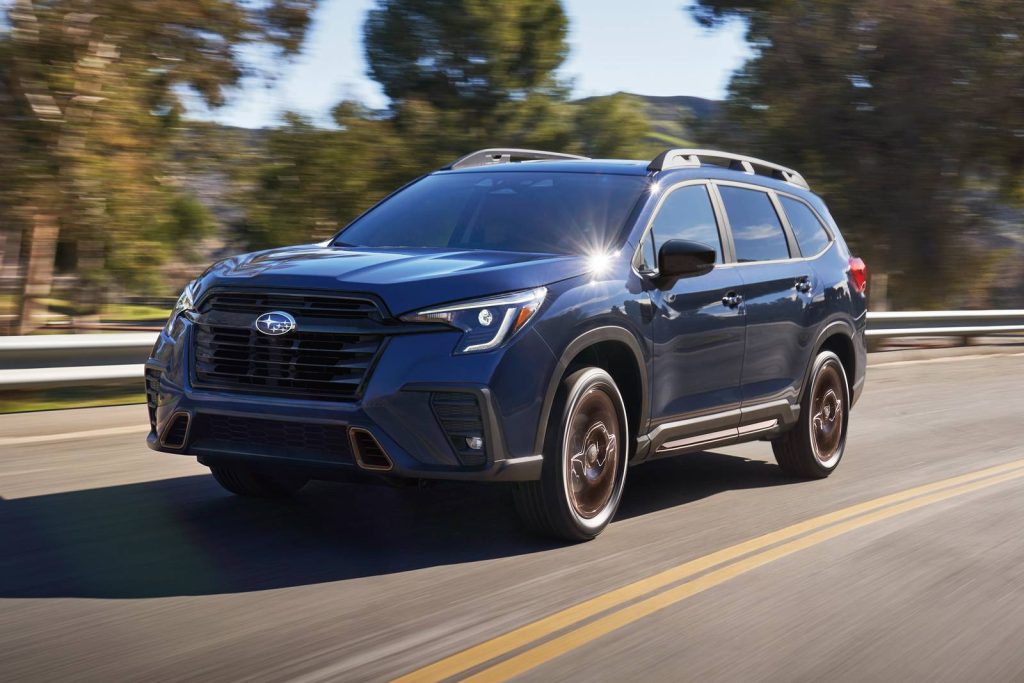
What ultimately earns the Ascent the number-one ranking is balance. It offers the interior room expected from a three-row family vehicle while avoiding the visibility compromises that often accompany larger dimensions.
The result is an SUV that inspires confidence every time it is driven, making daily transportation safer, simpler, and more comfortable for families.
Specifications
- Engine: 2.4-liter Turbocharged Flat-Four
- Torque: 277 lb-ft
- Horsepower: 260 hp
- Length/Width: 196.8 in / 76.0 in
Also Read: 10 SUV Ranked by Luxury Features
