
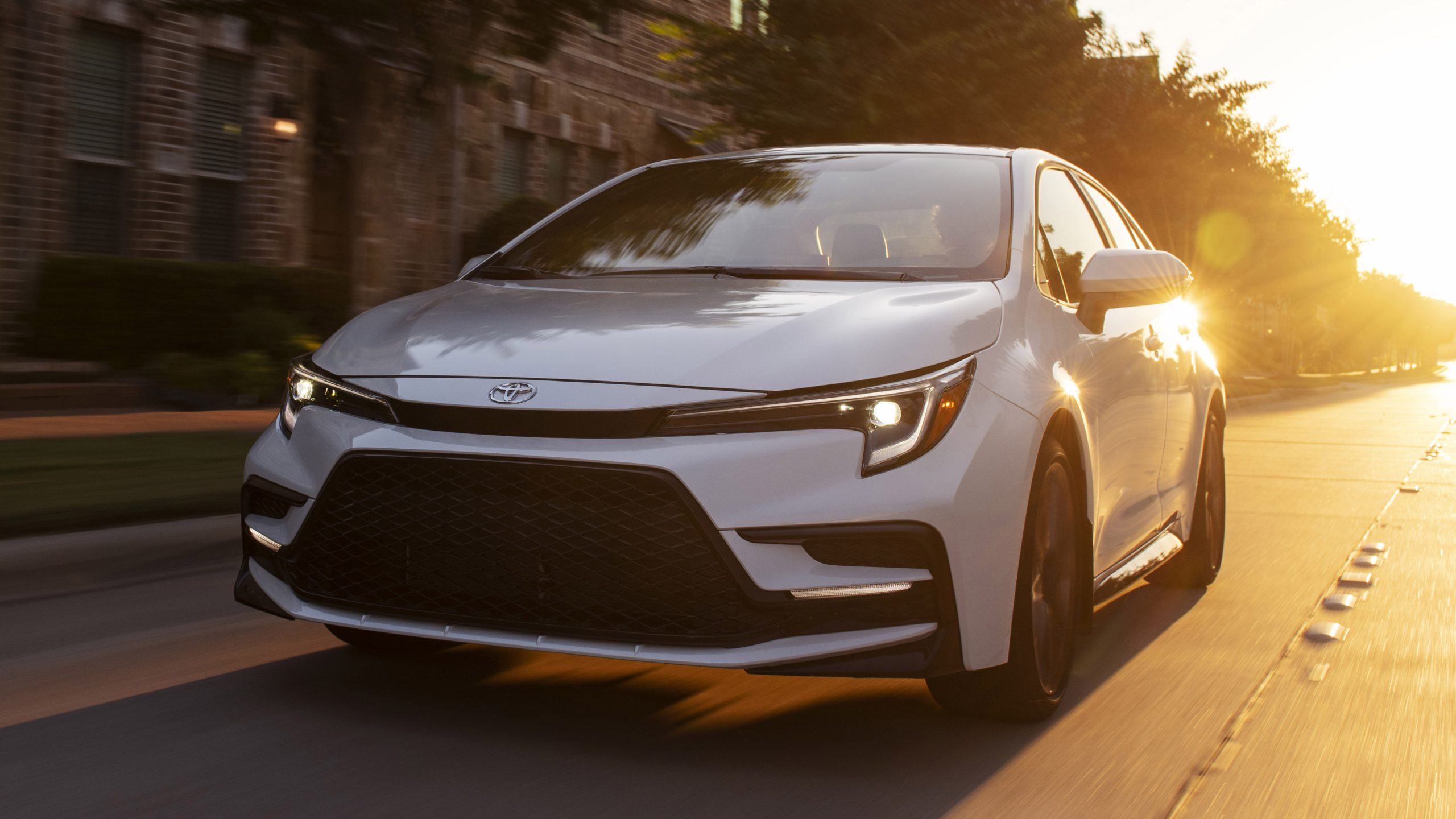
Insurance costs can have a surprisingly large impact on the true cost of vehicle ownership. While buyers often focus on purchase price, fuel economy, maintenance expenses, and depreciation, insurance premiums can add thousands of dollars to ownership costs over several years.
Choosing a vehicle with lower insurance rates can therefore make a meaningful difference to a household budget.
Insurance companies consider numerous factors when calculating premiums. Vehicle repair costs, accident statistics, theft rates, safety ratings, replacement part prices, and claim histories all play important roles.
Cars that are inexpensive to repair, equipped with strong safety features, and driven by lower-risk demographics typically receive more favorable insurance rates.
This is one reason practical sedans and family-oriented vehicles often cost less to insure than sports cars or luxury models. Insurance providers generally view them as lower-risk vehicles, resulting in reduced premiums for many drivers.
Modern safety technologies such as automatic emergency braking, lane-keeping assistance, and adaptive cruise control can further contribute to lower insurance costs.
Although actual rates vary based on age, driving history, location, and coverage levels, certain vehicles consistently rank among the most affordable to insure. These models combine excellent safety records, dependable engineering, and lower repair expenses, making them attractive choices for cost-conscious buyers.
The following ranking highlights ten cars that are widely recognized for their relatively low insurance costs, helping owners save money long after they leave the dealership.
Also Read: 10 SUVs Ranked by Luxury Features
10. Subaru Legacy
Insurance companies often favor vehicles that combine strong safety performance with practical design, and the Subaru Legacy fits that description exceptionally well. While it may not attract the same attention as some rivals, the midsize sedan has quietly developed a reputation as one of the most affordable cars to insure.
A major reason is Subaru’s emphasis on safety. The Legacy comes equipped with a wide range of driver-assistance technologies, including the EyeSight safety suite on most models. Features such as automatic emergency braking and lane-centering assistance help reduce accident risk, which insurance providers view positively.
The sedan’s standard all-wheel-drive system also contributes to its appeal. In regions that experience rain, snow, or icy roads, improved traction can help drivers maintain control in difficult conditions. This capability may reduce the likelihood of certain types of claims, further supporting favorable insurance rates.
Another advantage is the demographic that typically purchases the Legacy. The model tends to attract mature drivers seeking comfort, safety, and reliability rather than aggressive performance. Insurers often associate such ownership patterns with lower claim frequencies.
Repair costs also remain relatively reasonable compared with many premium sedans. Replacement parts are widely available, and Subaru’s engineering approach emphasizes durability and practicality rather than expensive complexity.
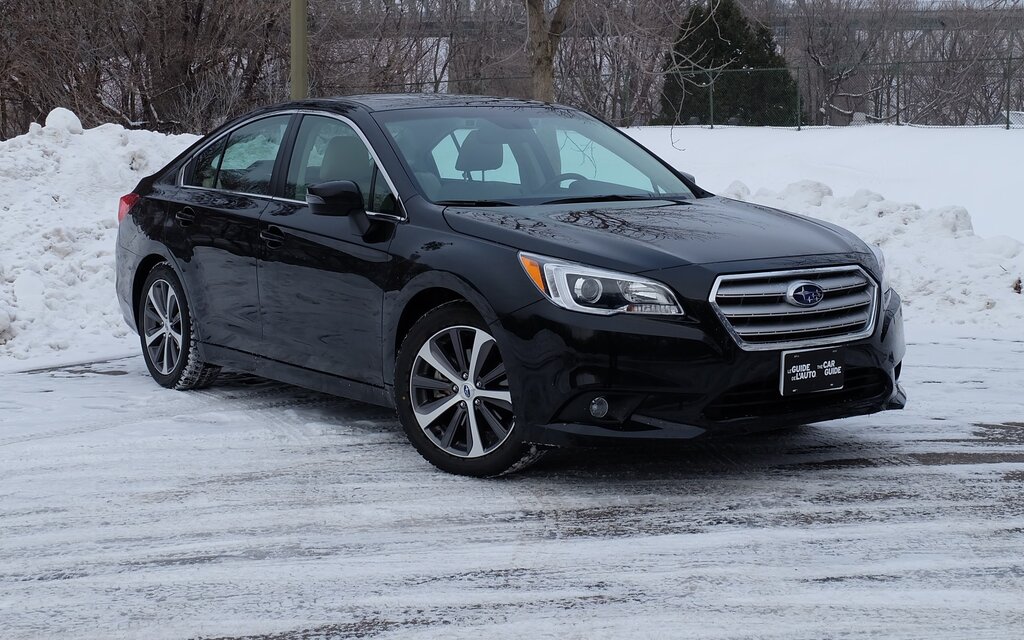
Taken together, these factors help the Legacy secure a position among the least expensive cars to insure. It offers a blend of safety, reliability, and long-term value that appeals to both buyers and insurance companies alike.
Specifications
- Engine: 2.5-liter Naturally Aspirated Flat-Four
- Torque: 176 lb-ft
- Horsepower: 182 hp
- Length/Width: 191.1 in / 72.4 in
9. Honda Accord
The Honda Accord has spent decades earning a reputation as one of the most sensible vehicles on the road. Beyond its reliability and practicality, it also consistently ranks among the more affordable cars to insure, making it a strong choice for drivers focused on minimizing ownership costs.
One reason insurance companies view the Accord favorably is its impressive safety record. Honda equips the sedan with a comprehensive suite of active safety technologies, and crash-test results have generally been excellent.
Vehicles that protect occupants effectively often generate lower injury-related claim costs, which can translate into reduced premiums.
The Accord’s repair profile also helps. Although it offers modern technology and refined engineering, it avoids the excessive complexity found in many luxury vehicles. Parts availability remains strong, and repair procedures are generally straightforward, helping keep claim expenses manageable.
Driver demographics play a role as well. The Accord is commonly purchased by families, professionals, and commuters rather than high-risk drivers. Insurance providers consider historical claim data, and vehicles associated with responsible ownership patterns often receive more favorable treatment.
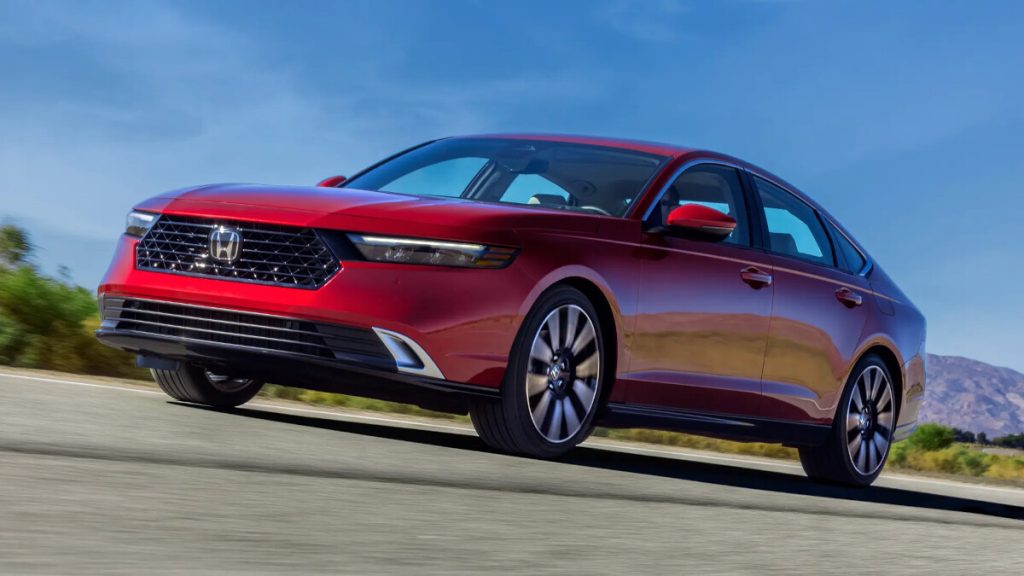
Long-term reliability further strengthens the model’s standing. Cars that experience fewer mechanical failures are less likely to be involved in certain types of insurance claims related to breakdowns or component issues.
The result is a sedan that succeeds in multiple areas simultaneously. It delivers comfort, efficiency, strong resale value, and relatively low insurance costs.
For buyers seeking a practical family car with predictable ownership expenses, the Accord remains one of the most balanced and cost-effective choices on the market.
Specifications
- Engine: 1.5-liter Turbocharged Inline-Four
- Torque: 192 lb-ft
- Horsepower: 192 hp
- Length/Width: 195.7 in / 73.3 in
8. Hyundai Tucson
The Hyundai Tucson has steadily become one of the most popular compact SUVs on the market, and affordable insurance is one of the reasons behind its appeal. Insurance companies tend to favor vehicles that combine strong safety ratings with reasonable repair costs, and the Tucson checks both boxes.
Modern Tucson models come equipped with an extensive list of driver-assistance technologies. Features such as forward collision avoidance, lane-keeping assistance, blind-spot monitoring, and adaptive cruise control help reduce accident risks. Insurers often view these technologies positively because they can lower the likelihood of costly claims.
Another factor working in Tucson’s favor is its practical nature. Unlike high-performance vehicles that encourage aggressive driving behavior, the Tucson is designed primarily for families and daily commuters. Statistical data often shows that owners of practical crossovers file fewer expensive claims than drivers of sports cars or luxury performance vehicles.
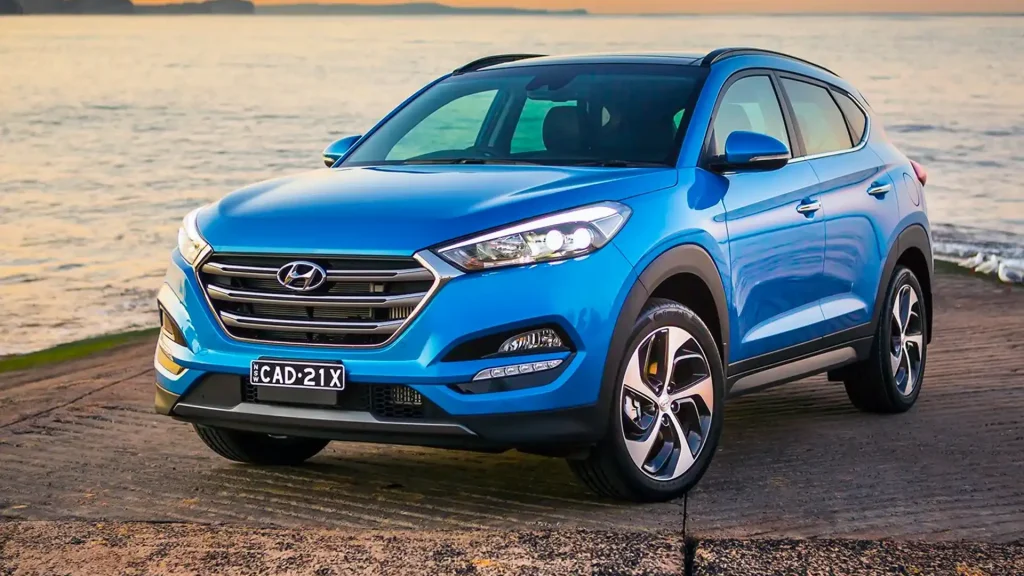
The vehicle’s repair costs are generally manageable compared with premium-brand competitors. Replacement parts are widely available, and Hyundai’s growing dealer network makes service relatively accessible across the country. These factors contribute to lower claim expenses when accidents occur.
Tucson also benefits from a reputation for reliability and strong value retention. Together, these qualities help keep insurance premiums competitive, making it a smart choice for buyers seeking a balance of utility, safety, and affordable ownership costs.
- Engine: 2.5-liter Inline-4
- Torque: 178 lb-ft
- Horsepower: 187 hp
- Length/Width: 182.7 in / 73.4 in
7. Mazda3 Sedan
The Mazda3 sedan follows a different approach to keeping insurance costs low, focusing on driving refinement and an upscale design. Even with these more premium qualities, it still manages to maintain insurance rates that are often surprisingly reasonable compared to similar vehicles.
Insurance providers appreciate the Mazda3’s strong safety credentials. The sedan consistently performs well in crash testing and includes a wide array of advanced safety technologies. Features designed to reduce collision risk can help lower the frequency and severity of insurance claims, benefiting both insurers and vehicle owners.
Another contributing factor is the car’s balanced performance profile. While the Mazda3 is enjoyable to drive, it is not typically categorized as a high-risk performance vehicle. This distinction allows owners to enjoy responsive handling without facing the upgraded premiums often associated with sports-oriented models.
The vehicle’s construction quality also plays an important role. Mazda has developed a reputation for producing durable and well-engineered vehicles that age gracefully. Reliable vehicles often experience fewer unexpected issues that could contribute to insurance-related expenses.
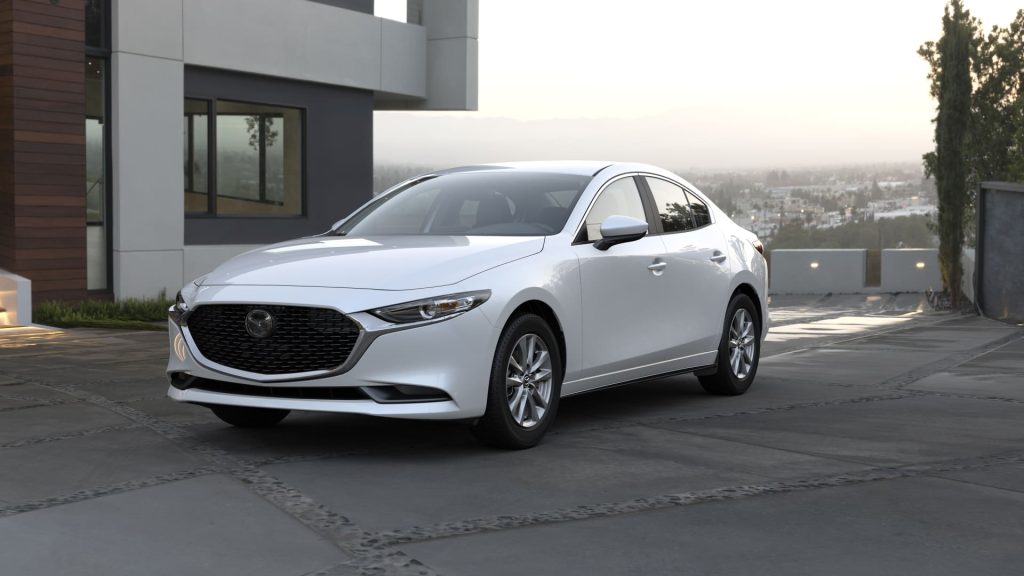
From an ownership perspective, the Mazda3 appeals to a broad audience that includes professionals, families, and commuters. This diverse and generally responsible owner base supports favorable insurance statistics over time.
Perhaps the most impressive aspect is how the Mazda3 combines premium-like characteristics with sensible operating costs. Buyers receive a stylish interior, refined driving dynamics, and strong build quality while still benefiting from insurance premiums that remain competitive within the compact sedan segment.
For those seeking a car that feels more expensive than it actually is, the Mazda3 Sedan offers an appealing blend of sophistication and affordability.
Specifications
- Engine: 2.5-liter Naturally Aspirated Inline-Four
- Torque: 186 lb-ft
- Horsepower: 191 hp
- Length/Width: 183.5 in / 70.7 in
6. Hyundai Elantra
The Hyundai Elantra has evolved dramatically over the past decade. Once viewed primarily as a budget-conscious alternative, it now competes confidently against some of the most established compact sedans in the industry.
One area where it continues to shine is insurance affordability, making it attractive to buyers looking to keep ownership costs under control.
Insurance providers often reward vehicles that combine strong safety performance with moderate repair costs, and the Elantra checks both boxes.
Hyundai equips the sedan with an impressive collection of driver-assistance technologies, including forward collision avoidance, lane-keeping assistance, and blind-spot monitoring on many trims. These systems help reduce accident risk, which can positively influence insurance premiums.
The Elantra’s efficient design also contributes to its favorable standing. It is not marketed as a performance car, nor does it attract the kind of driving behavior that often results in higher insurance costs. Instead, it appeals to commuters, families, and first-time buyers seeking dependable transportation.
Repair expenses remain relatively reasonable as well. Hyundai’s widespread dealer network and readily available parts help keep maintenance and accident-related costs manageable. Insurance companies generally prefer vehicles that can be repaired efficiently without requiring unusually expensive components.
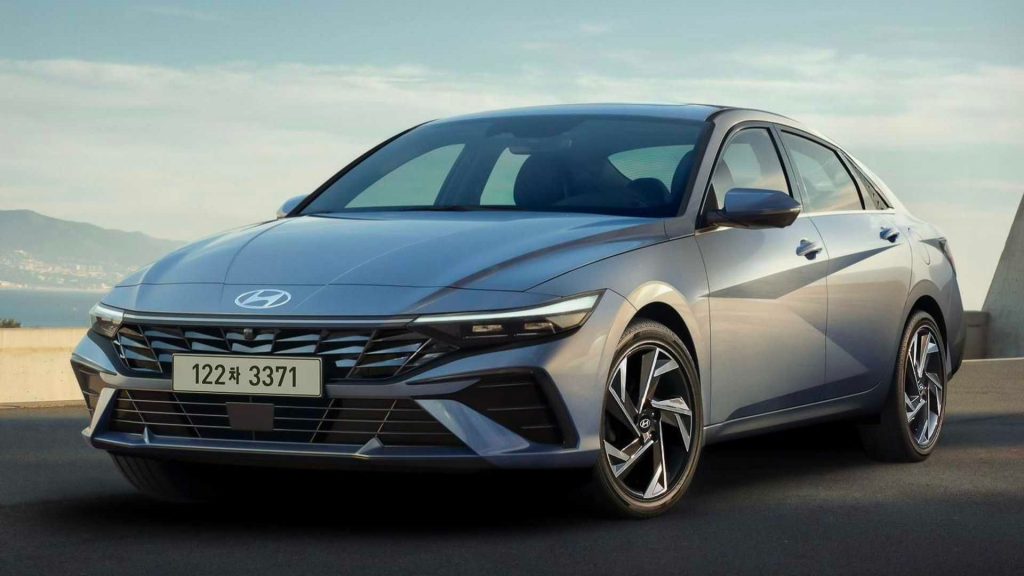
Another strength is value retention. Vehicles that maintain predictable ownership costs often generate fewer surprises for insurers and owners alike. Combined with Hyundai’s improved reputation for quality and reliability, the Elantra continues to establish itself as a smart financial choice.
For drivers who want modern styling, advanced technology, and low insurance expenses, the Elantra offers a compelling package. It proves that affordable ownership can coexist with contemporary design and a feature-rich driving experience.
Specifications
- Engine: 2.0-liter Naturally Aspirated Inline-Four
- Torque: 132 lb-ft
- Horsepower: 147 hp
- Length/Width: 184.1 in / 71.9 in
5. Kia Forte
The Kia Forte frequently flies under the radar in discussions about affordable transportation, yet it consistently ranks among the more economical vehicles to insure. Its combination of practicality, reliability, and safety creates a profile that insurance companies generally view favorably.
Vehicles that rely on powerful engines or performance-focused marketing often take a different approach, while the Forte focuses on everyday usability. This focus helps influence insurance rates, as insurers base premiums on factors such as historical claim data, accident frequency, and driver demographics.
The Forte’s ownership base tends to consist of drivers seeking dependable transportation rather than excitement behind the wheel.
Safety technology has become another major advantage. Kia equips the sedan with a growing list of active safety systems designed to prevent collisions before they occur. Automatic emergency braking, lane departure warning, and driver-attention monitoring contribute to a safer driving environment and potentially lower claim costs.
The Forte’s affordability extends to repairs as well. Replacement components are generally less expensive than those found on luxury vehicles, and repair procedures tend to be straightforward. Lower repair costs often translate into reduced insurance expenses because claims are less costly for providers to process.
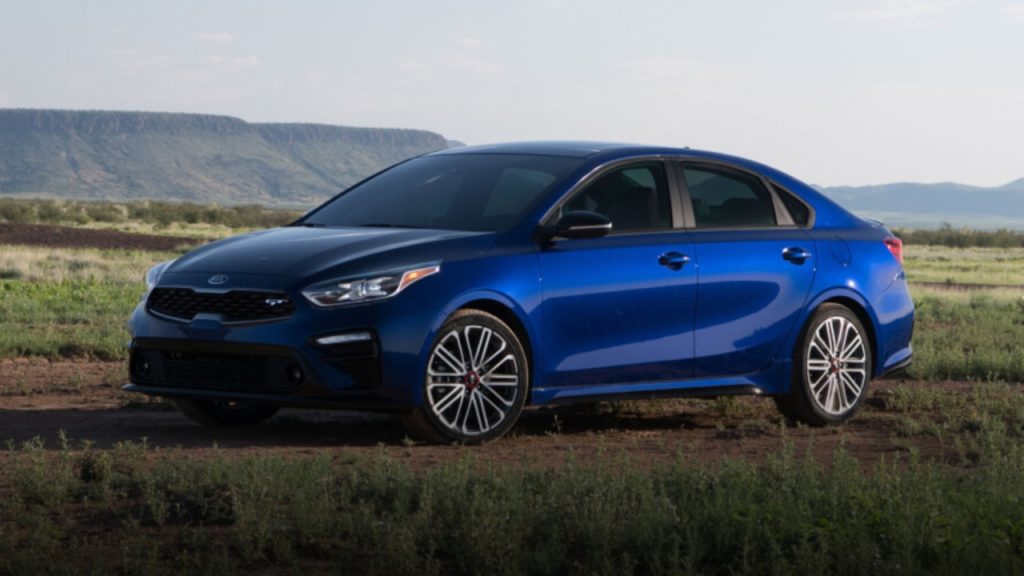
A less obvious factor is the vehicle’s predictable ownership experience. Cars known for reliability frequently avoid the complications that can increase operating expenses over time. This stability benefits both owners and insurers.
The Forte may not command the same recognition as some segment leaders, but its combination of low insurance costs, practical design, and strong value makes it one of the most financially sensible compact sedans available. For budget-conscious drivers, it remains a highly appealing option.
Specifications
- Engine: 2.0-liter Naturally Aspirated Inline-Four
- Torque: 132 lb-ft
- Horsepower: 147 hp
- Length/Width: 182.7 in / 70.9 in
4. Toyota Camry
Insurance affordability is one of the many reasons the Toyota Camry remains a fixture on American roads. For decades, the midsize sedan has built a reputation around reliability, safety, and practicality, all qualities that insurance companies tend to reward with competitive premiums.
Vehicles that draw attention through extreme performance figures or luxury branding take a different approach, while the Camry focuses on appealing to drivers who value dependable transportation.
This ownership profile plays a meaningful role in insurance calculations. Historically, Camry owners file fewer costly claims than drivers of many sport-oriented or premium vehicles, helping keep premiums lower.
Safety is another major factor. Toyota equips the Camry with a comprehensive suite of driver-assistance technologies, including automatic emergency braking, lane departure alert, adaptive cruise control, and traffic sign recognition. These systems help reduce accident risk and improve the vehicle’s standing with insurance providers.
Repair costs also remain relatively manageable. Toyota’s extensive parts network and widespread service availability make repairs more straightforward and less expensive than those associated with many luxury sedans. Insurance companies carefully evaluate repair expenses because they directly affect claim payouts.
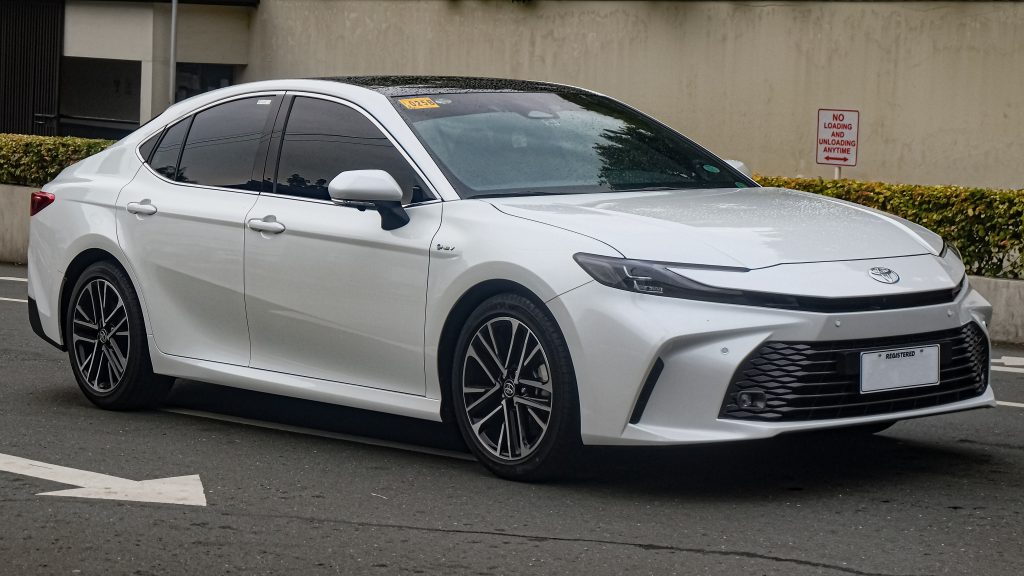
The Camry’s durability further strengthens its appeal. Long-term reliability means owners often avoid costly surprises, and the vehicle’s strong resale value helps maintain predictable ownership costs. This consistency is something both consumers and insurers appreciate.
What makes the Camry particularly impressive is its ability to combine low insurance costs with comfort, refinement, and everyday usability.
It remains one of the easiest vehicles to recommend to buyers who want predictable expenses without sacrificing quality. For families, commuters, and professionals alike, the Camry continues to represent one of the smartest all-around choices on the market.
Specifications
- Engine: 2.5-liter Naturally Aspirated Inline-Four
- Torque: 184 lb-ft
- Horsepower: 203 hp
- Length/Width: 193.5 in / 72.4 in
3. Honda Civic
The Honda Civic has spent generations proving that affordability and quality can exist in the same package. Beyond its reputation for reliability and fuel efficiency, it also consistently ranks among the most affordable vehicles to insure, making it a favorite among budget-conscious drivers.
One reason insurers view the Civic favorably is its excellent safety performance. Modern versions achieve strong crash-test results and include Honda Sensing, a suite of technologies designed to help drivers avoid accidents.
Features such as collision mitigation braking and lane-keeping assistance contribute to a lower-risk profile. The Civic’s widespread popularity creates another advantage. Because millions have been sold, replacement parts are readily available, and repair procedures are familiar to technicians across the country.
This accessibility helps keep repair costs lower after an accident, which can have a positive effect on insurance rates. Most Civic trims also emphasize practicality and efficiency, rather than the high-performance focus that can sometimes encourage more aggressive driving.
Insurance companies rely heavily on historical claim data, and the Civic’s ownership patterns generally support favorable premium calculations.
The vehicle’s compact dimensions can also be beneficial. Smaller, lighter cars often generate lower repair costs than larger and more complex vehicles. Combined with Honda’s reputation for durability, this creates a strong case for affordable insurance.
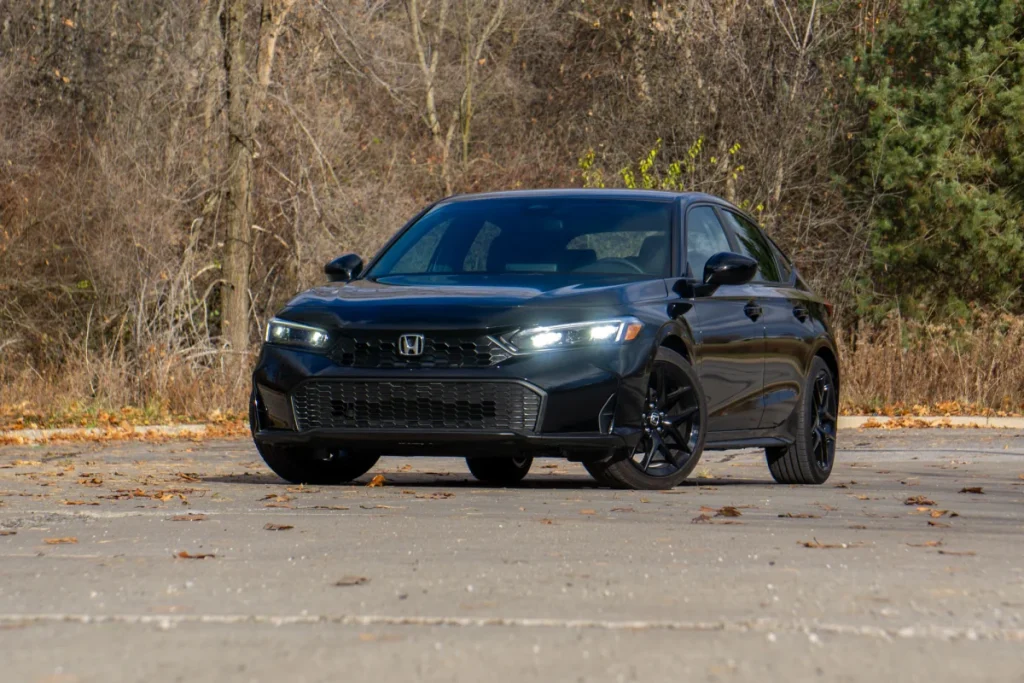
Another appealing aspect is the Civic’s versatility. It serves students, commuters, young professionals, and families equally well, making it one of the broadest-appeal vehicles in the market.
That combination of reliability, safety, and manageable ownership costs helps explain why the Civic continues to rank among the least expensive cars to insure.
Specifications
- Engine: 2.0-liter Naturally Aspirated Inline-Four
- Torque: 133 lb-ft
- Horsepower: 150 hp
- Length/Width: 184.0 in / 70.9 in
2. Subaru Impreza
The Subaru Impreza earns one of the highest positions on this list because it combines several characteristics that insurance companies value. Strong safety scores, standard all-wheel drive, reasonable repair costs, and a practical image all contribute to insurance premiums that are often lower than those of many competing vehicles.
One of the Impreza’s biggest advantages is its standard all-wheel-drive system. Many competitors reserve all-wheel drive for higher trims or optional packages, but Subaru makes it standard across the entire lineup.
This added traction can improve vehicle stability during rain, snow, and icy conditions, reducing the likelihood of certain accident types.
Safety is another area where the Impreza consistently performs well. Modern versions offer advanced driver-assistance technologies designed to help drivers avoid collisions before they occur. Automatic emergency braking, adaptive cruise control, and lane-centering assistance contribute to the vehicle’s strong safety reputation.
The type of buyer attracted to the Impreza also helps. Subaru owners are often associated with practical lifestyles rather than high-risk driving behavior. Insurance providers pay close attention to claim history and driver demographics, and vehicles with lower claim frequencies generally receive more favorable rates.
Repair costs remain manageable as well. While the Impreza includes sophisticated engineering, it avoids the expensive components and specialized systems commonly found in luxury vehicles. This keeps repair bills relatively reasonable when accidents do occur.
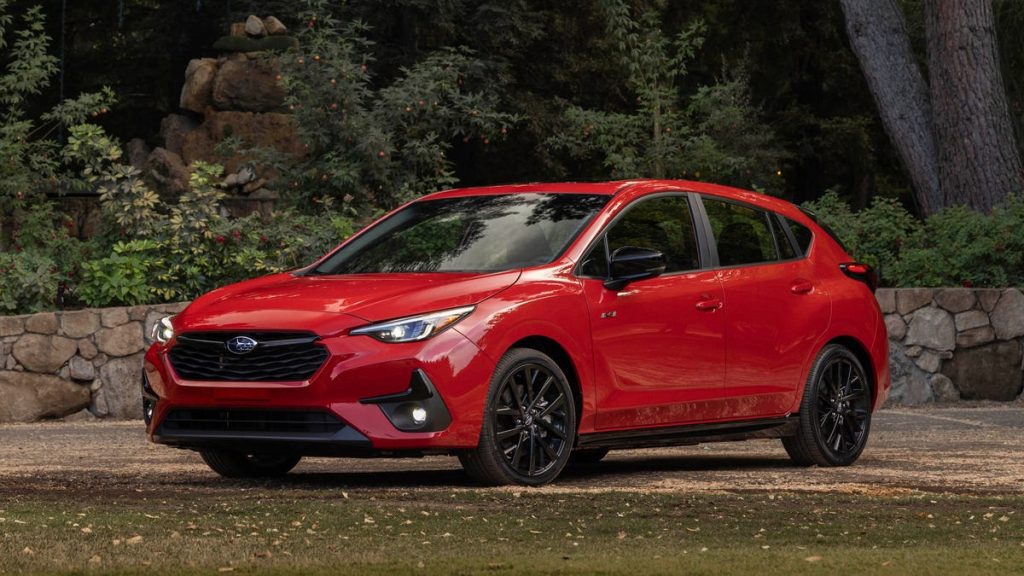
The combination of safety, reliability, and predictable ownership costs has made the Impreza a favorite among drivers seeking value. It delivers year-round capability while maintaining insurance expenses that remain impressively affordable for a modern passenger car.
Specifications
- Engine: 2.0-liter Naturally Aspirated Flat-Four
- Torque: 145 lb-ft
- Horsepower: 152 hp
- Length/Width: 176.4 in / 70.1 in
1. Toyota Corolla
The Toyota Corolla claims the top spot because few vehicles combine affordability, reliability, safety, and low insurance costs as effectively. For decades, it has served as a benchmark for practical transportation, and insurance companies continue to view it as one of the lowest-risk vehicles on the road.
A major reason for its favorable insurance profile is its exceptional safety record. Toyota equips the Corolla with an extensive range of driver-assistance technologies through the Toyota Safety Sense package.
Features such as pre-collision warning, lane-tracing assist, and adaptive cruise control help reduce accident risk and contribute to lower claim frequencies.
The Corolla’s repair costs are another important factor. Because the model is produced in large numbers and sold globally, replacement parts are readily available and generally inexpensive compared with those of luxury or performance-oriented vehicles. Lower repair expenses often translate directly into lower insurance premiums.
The vehicle’s reputation for reliability further strengthens its position. Insurance companies appreciate predictable ownership patterns, and the Corolla has consistently demonstrated long-term durability. Owners are less likely to encounter costly surprises, helping maintain stable insurance costs over time.
Driver demographics also play a significant role. The Corolla appeals to commuters, families, retirees, and first-time buyers seeking dependable transportation. Historically, these groups generate fewer high-cost claims than drivers of sports cars or luxury performance vehicles.
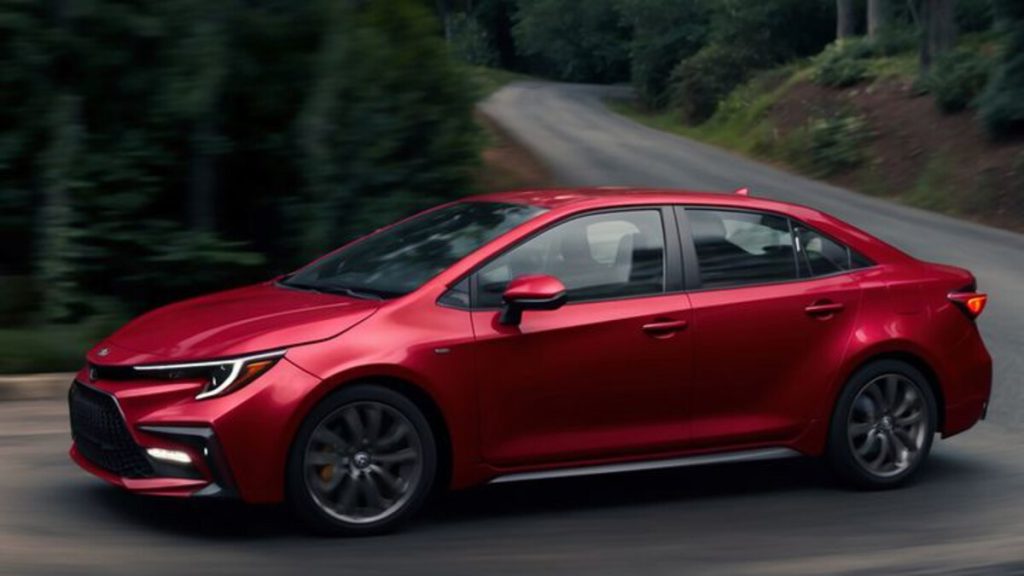
The result is a vehicle that excels not only at keeping fuel, maintenance, and depreciation costs under control but also at minimizing insurance expenses. For buyers looking to reduce total ownership costs without sacrificing quality, the Toyota Corolla remains one of the smartest choices available.
Specifications
- Engine: 2.0-liter Naturally Aspirated Inline-Four
- Torque: 151 lb-ft
- Horsepower: 169 hp
- Length/Width: 182.5 in / 70.1 in
Also Read: 10 Sports Cars With Lowest Cost To Own
