
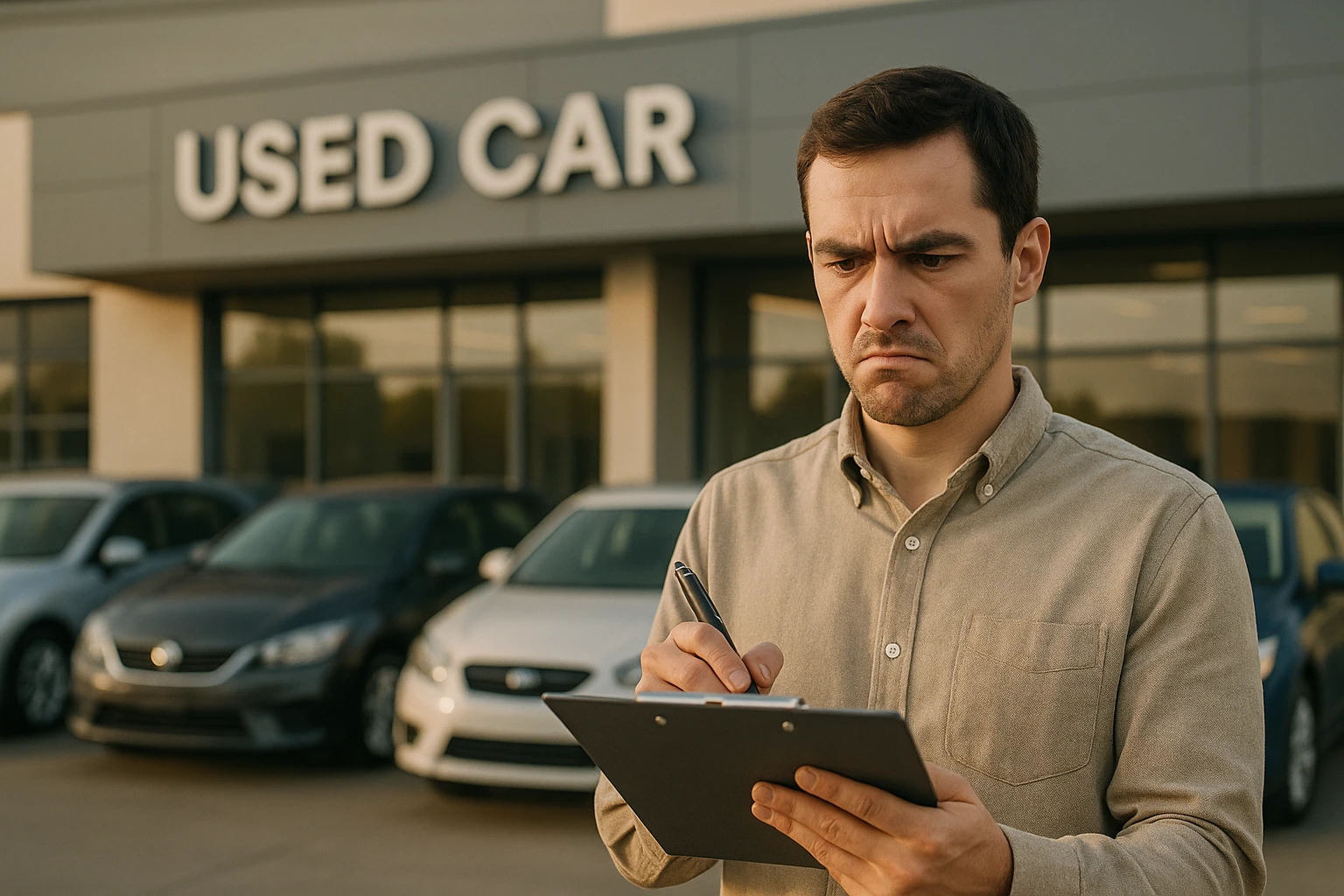
Buying a used car can be one of the smartest ways to save money, but it is also a marketplace where dishonest sellers often target unsuspecting buyers. While most transactions are legitimate, scams continue to cost consumers thousands of dollars every year.
A vehicle may appear clean, run well during a short test drive, and even come with convincing paperwork, yet hidden problems can quickly turn what seemed like a bargain into a financial nightmare.
The used car market has changed dramatically in recent years. Online listings have made it easier than ever to find vehicles, but they have also created new opportunities for fraud.
From manipulated odometers and title-washing schemes to fake online listings and concealed accident damage, scammers continually develop new methods to maximize profits at the buyer’s expense.
The good news is that most scams leave warning signs. Buyers who take the time to research vehicle history, inspect documentation carefully, and verify seller claims can dramatically reduce their risk.
Patience is often one of the most effective defenses because scammers typically pressure buyers into making quick decisions before problems become apparent.
Understanding the most common tricks used by dishonest sellers is the first step toward avoiding them. The following eight used car scams continue to appear across private sales, dealerships, and online marketplaces. Knowing how they work can help ensure that your next used vehicle purchase is based on facts rather than deception.
Also Read: 10 Hidden Features In The Toyota RAV4
1. Odometer Rollback Fraud
A vehicle’s mileage is one of the biggest factors affecting its value. That simple fact has made odometer rollback fraud one of the oldest and most persistent scams in the used car industry.
Although modern digital odometers are harder to manipulate than older mechanical units, dishonest sellers still find ways to alter mileage readings to make vehicles appear newer and more valuable than they really are.
Imagine finding a ten-year-old vehicle showing only 45,000 miles. The price seems attractive, the interior looks decent, and the seller insists it was driven only occasionally.
Unfortunately, the displayed mileage may not reflect reality. A vehicle that has actually traveled 145,000 miles can be worth thousands less than one showing 45,000 miles.
Mileage manipulation creates more than a pricing problem. Buyers may unknowingly inherit a vehicle that is approaching major maintenance milestones. Timing chains, suspension components, transmissions, and cooling systems may have significantly more wear than expected, leading to expensive repairs shortly after purchase.
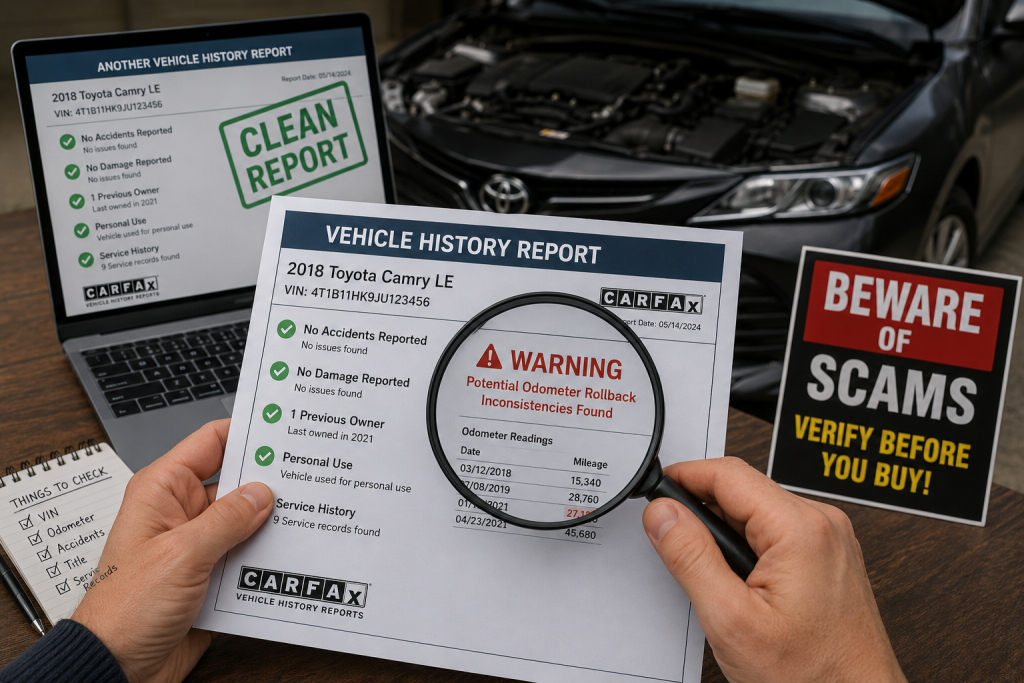
Detecting rollback fraud requires attention to detail. Service records can reveal mileage inconsistencies over time. Vehicle history reports often contain mileage entries from inspections, registrations, and maintenance visits.
Buyers should also compare mileage with the full vehicle condition. Excessively worn pedals, steering wheels, or driver’s seats may indicate much higher usage than the odometer suggests.
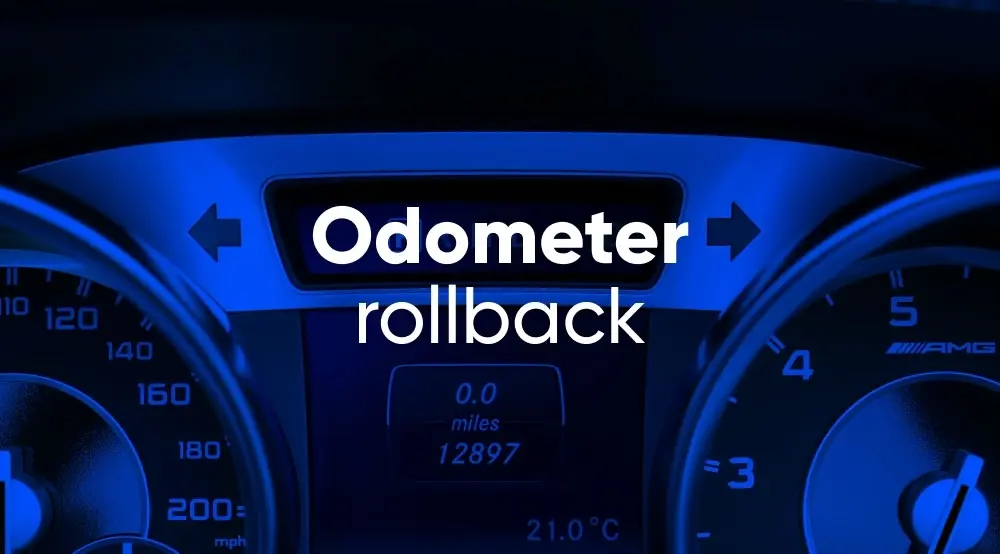
Another useful tactic is reviewing maintenance stickers and repair invoices. Sometimes overlooked paperwork contains mileage figures that expose discrepancies. If numbers do not align logically, further investigation is necessary.
A seller unwilling to provide vehicle history information should immediately raise concerns. Verifying mileage before purchase remains one of the most important steps in protecting yourself from a costly mistake.
2. Title Washing
Some scams rely not on altering the vehicle itself but on manipulating its legal history. Title washing occurs when a damaged vehicle’s branding is removed or hidden, allowing it to be sold as though it has a clean record.
Vehicles receive branded titles for various reasons. They may have been declared total losses after severe accidents, floods, fires, or other catastrophic events. These designations exist to inform future buyers about major incidents that could affect safety, reliability, and resale value.
Unfortunately, scammers sometimes move vehicles between states or jurisdictions where regulations differ, creating opportunities to erase or conceal these warnings.
Flood-damaged vehicles are particularly common in title-washing schemes. After major storms, thousands of cars can be written off by insurers.
Some eventually reappear in other regions with apparently clean paperwork despite extensive water damage hidden beneath carpets, inside electrical connectors, and within critical electronic systems.
The danger extends beyond financial loss. Structural repairs may not have been performed correctly, and hidden corrosion can create long-term reliability issues. Buyers often discover problems months after purchase when warning lights appear, electrical accessories fail, or rust begins emerging in unusual locations.
Vehicle history reports provide an important layer of protection, but they should not be viewed as foolproof. Comparing title records, registration histories, and inspection documents can reveal inconsistencies.
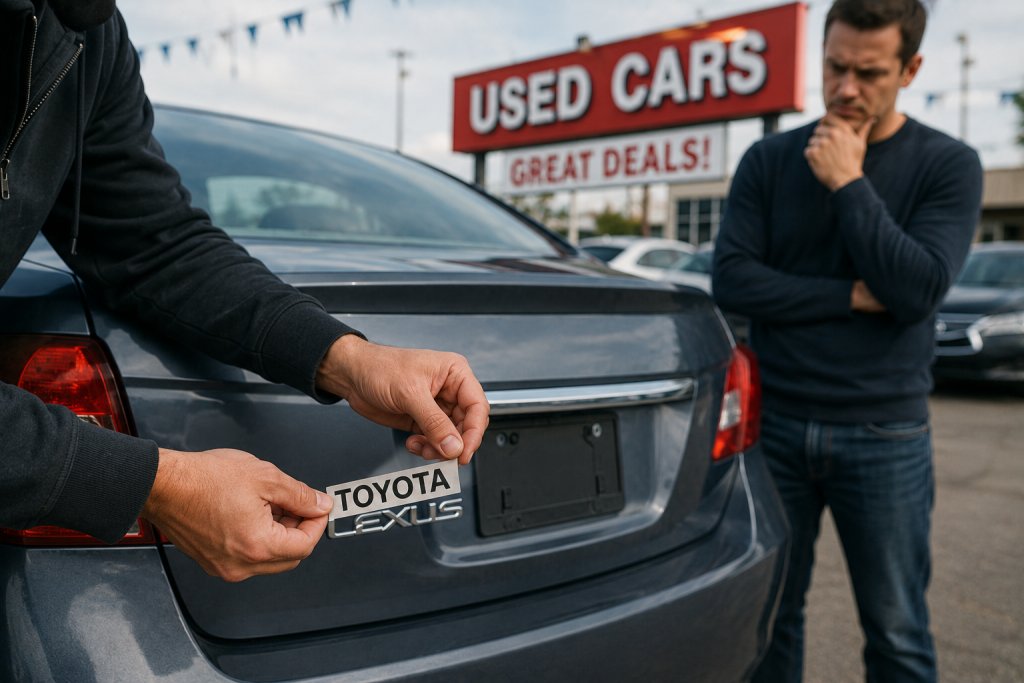
Buyers should also inspect for signs of major repairs, mismatched paint, unusual welding marks, or water-related damage inside the cabin.
Professional pre-purchase inspections are especially valuable when buying higher-priced used vehicles. Experienced technicians can often identify evidence of prior damage that paperwork may not fully reveal.
A clean-looking title does not always tell the whole story. Verifying a vehicle’s history from multiple sources helps prevent unpleasant surprises after ownership begins.
3. Curbstoning: The Fake Private Seller Scam
Not every person selling a vehicle from their driveway is actually a private owner. In many cases, the seller may be a curbstoner, an unlicensed dealer posing as an individual to avoid regulations, taxes, and consumer protection laws. This practice is known as curbstoning, and it remains one of the most widespread used-car scams.
At first glance, the transaction appears completely normal. The vehicle is listed online, the seller claims to have owned it for a while, and the asking price seems competitive.
The problem is that the person selling the car often purchased it at auction, performed minimal repairs, and is attempting to flip it quickly for profit without disclosing known defects.
One common warning sign appears when the seller’s name does not match the title. Excuses such as “I’m selling it for a friend” or “I never got around to registering it” should immediately trigger caution. Legitimate private sellers typically have documentation showing ownership in their own name.
Curbstoners frequently specialize in vehicles with hidden problems. They may clear warning lights temporarily, disguise mechanical issues, or provide misleading information about the vehicle’s history. Because they operate outside normal dealer regulations, buyers often have limited recourse once the sale is completed.
Another clue is the seller’s inventory. If multiple vehicles are being sold from the same location, or if the seller has numerous active listings online, they may actually be functioning as an unlicensed dealership.
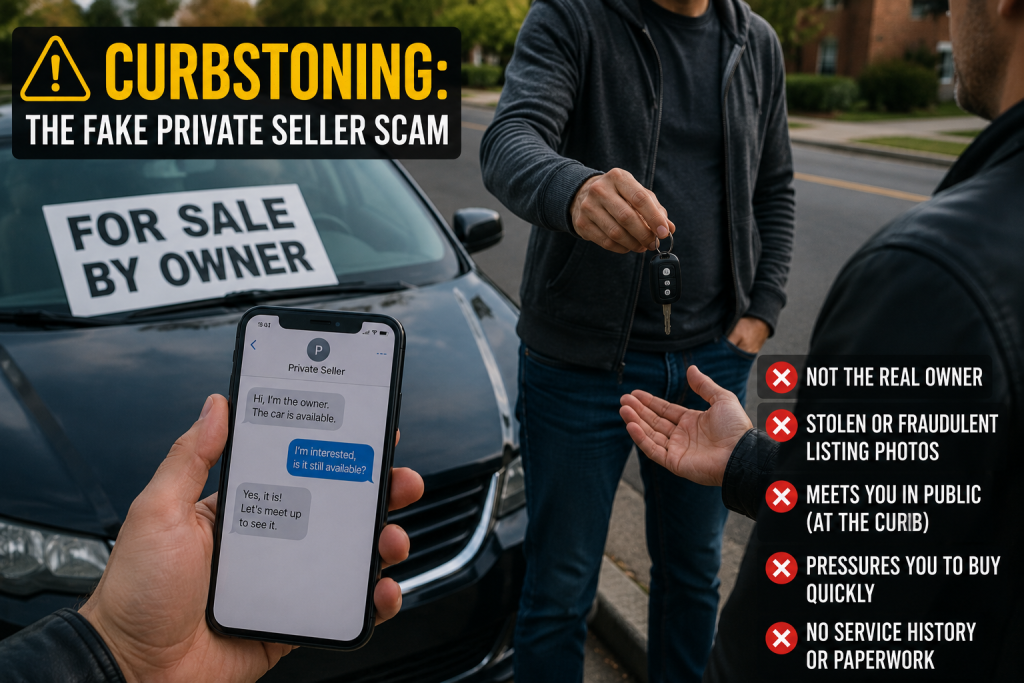
Buyers should also pay attention to how much the seller knows about the vehicle. Genuine owners can usually discuss maintenance history and long-term ownership details.
Taking time to verify ownership documents, checking identification, and ensuring names match all paperwork can prevent costly mistakes. A little skepticism goes a long way when dealing with supposedly private sales.
4. Hidden Accident Damage Disguised As A Clean Vehicle
A shiny exterior and freshly detailed interior can make almost any used car look appealing. Unfortunately, appearance alone does not reveal what may have happened in the vehicle’s past.
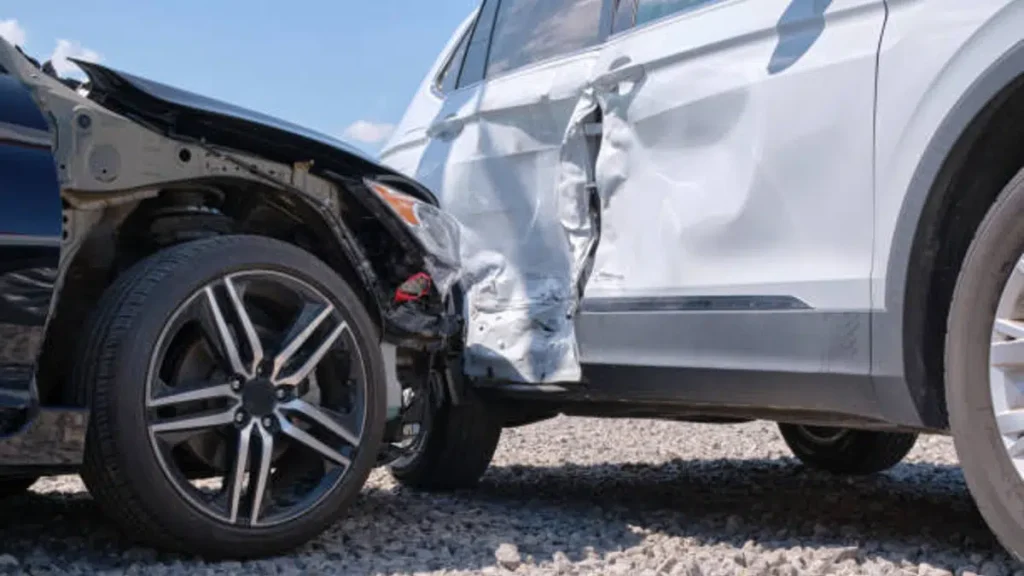
One of the most profitable scams involves concealing major accident damage and presenting the vehicle as though it has never suffered significant repairs.
Modern repair techniques can make severe collision damage difficult to spot. New paint, replacement body panels, and professional detailing often hide evidence that would have been obvious years ago.
Unsuspecting buyers may believe they are purchasing a well-maintained vehicle when, in reality, it has undergone extensive structural repairs.
The biggest concern is safety. A vehicle repaired improperly after a serious crash may not protect occupants as effectively in a future accident. Structural weaknesses can remain hidden beneath body panels, creating risks that are impossible to identify during a casual inspection.
Several clues may reveal prior damage. Uneven panel gaps, paint overspray around trim pieces, mismatched paint textures, and inconsistencies in body alignment often indicate repair work. Buyers should also inspect bolts securing fenders, hoods, and doors. Tool marks can suggest that components have been removed or replaced.
Vehicle history reports help identify reported accidents, but not every collision appears in official databases. That is why a professional inspection remains one of the smartest investments before purchasing a used vehicle. Experienced technicians can often identify repair work that average buyers would miss completely.
When sellers become defensive about inspections or rush buyers to complete a transaction, caution is warranted. Legitimate sellers generally welcome independent evaluations because they help verify the vehicle’s condition.
A vehicle can look immaculate while hiding a complicated past. Looking beyond cosmetic appearance is essential when shopping in the used-car market.
5. Flood-Damaged Vehicles Sold As Normal Cars
Some used cars carry hidden problems that may not become apparent until months after purchase. Flood-damaged vehicles fall squarely into that category.
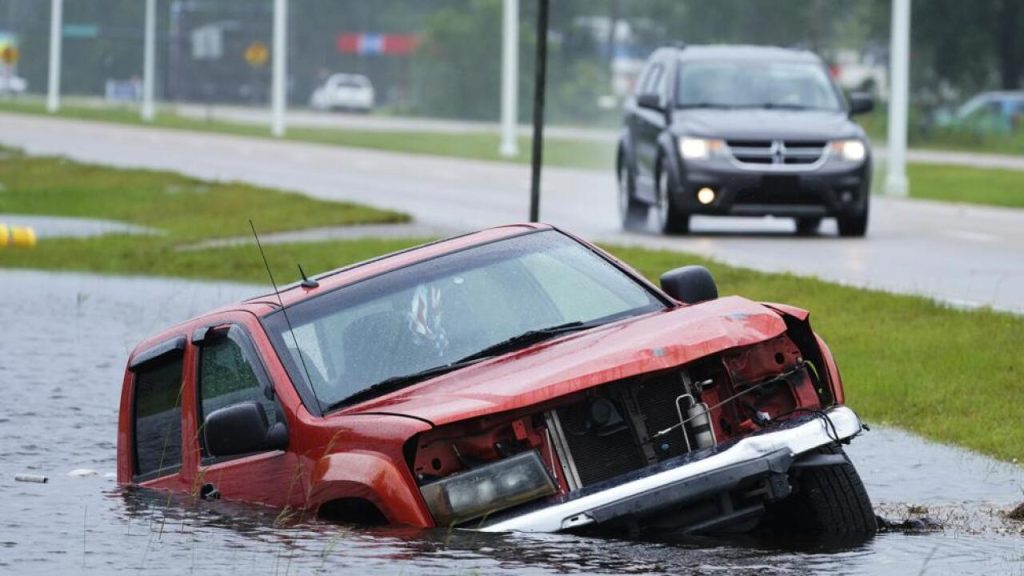
After major hurricanes, storms, and flooding events, thousands of vehicles are declared losses by insurance companies. While many are properly documented, others eventually return to the market with little indication of what they have endured.
Water can affect nearly every system in a modern vehicle. Electrical connectors, control modules, sensors, wiring harnesses, seat motors, and infotainment systems are all vulnerable to moisture intrusion.
Even if a flooded vehicle appears to operate normally during a test drive, corrosion may already be developing in critical components.
The challenge for buyers is that flood damage is often deliberately hidden. Sellers may replace carpeting, thoroughly clean interiors, and use strong fragrances to mask musty odors. A freshly detailed cabin can create the impression of a well-maintained vehicle when the reality is very different.
Careful inspection can reveal clues. Rust beneath seats, corrosion around electrical connectors, water stains in the trunk, mud deposits in hard-to-reach areas, and fogging inside lights may indicate prior flooding.
Buyers should also examine spare tire compartments, where evidence of water exposure often remains long after cleaning efforts.
Vehicle history reports sometimes identify flood-related insurance claims, but not every affected vehicle appears in these databases. That makes a thorough inspection even more important. Mechanics familiar with flood-damaged vehicles frequently notice signs that ordinary buyers overlook.
Repairing electrical issues caused by water damage can become extremely expensive. Problems may emerge gradually over several years, creating frustration and repeated repair bills.
Taking extra time to investigate a vehicle’s background is far less costly than discovering hidden flood damage after ownership begins.
6. Fake Vehicle History Reports
Vehicle history reports have become one of the most trusted tools for used-car buyers. Scammers know this, which is why some have developed schemes centered around fake or manipulated reports designed to create a false sense of confidence.
A typical scenario begins with an online listing that appears attractive and competitively priced. The seller claims to have already obtained a vehicle history report and may even provide a document showing a clean record. Many buyers accept the paperwork without question, assuming it comes from a legitimate source.
The problem is that fake reports have become increasingly sophisticated. Some scammers alter genuine documents, while others create entirely fabricated reports that mimic the appearance of reputable services.
In certain cases, buyers are directed to fraudulent websites that collect payment information while providing worthless data.
The goal is simple: convince the buyer that the vehicle has no significant issues. Once trust is established, the seller can move forward with the transaction before a deeper investigation occurs.
Protection starts with obtaining your own vehicle history report rather than relying solely on one provided by the seller. Purchasing information directly from a recognized provider reduces the risk of receiving manipulated records. Buyers should compare the vehicle identification number across all documents to ensure consistency.
It is also wise to cross-reference service records, inspection reports, and maintenance receipts. When several independent sources tell the same story, confidence in the vehicle’s history increases substantially.
A legitimate seller should have no objection to a buyer conducting independent research. Resistance, excuses, or pressure tactics are often warning signs that additional scrutiny is needed.
Trustworthy documentation is valuable, but only when it comes from a source you can verify yourself.
7. Deposit And Shipping Scams
The growth of online vehicle marketplaces has made it possible to shop for cars across the country, but it has also created opportunities for scammers who never intend to deliver a vehicle at all.
Deposit and shipping scams are particularly common because they exploit buyers who are excited about finding what appears to be an exceptional deal.
The scam often begins with a listing priced noticeably below market value. The vehicle looks desirable, the photos appear legitimate, and the seller usually has a convincing explanation for the low asking price. Common stories include military deployment, relocation for work, divorce, or an urgent need for cash.
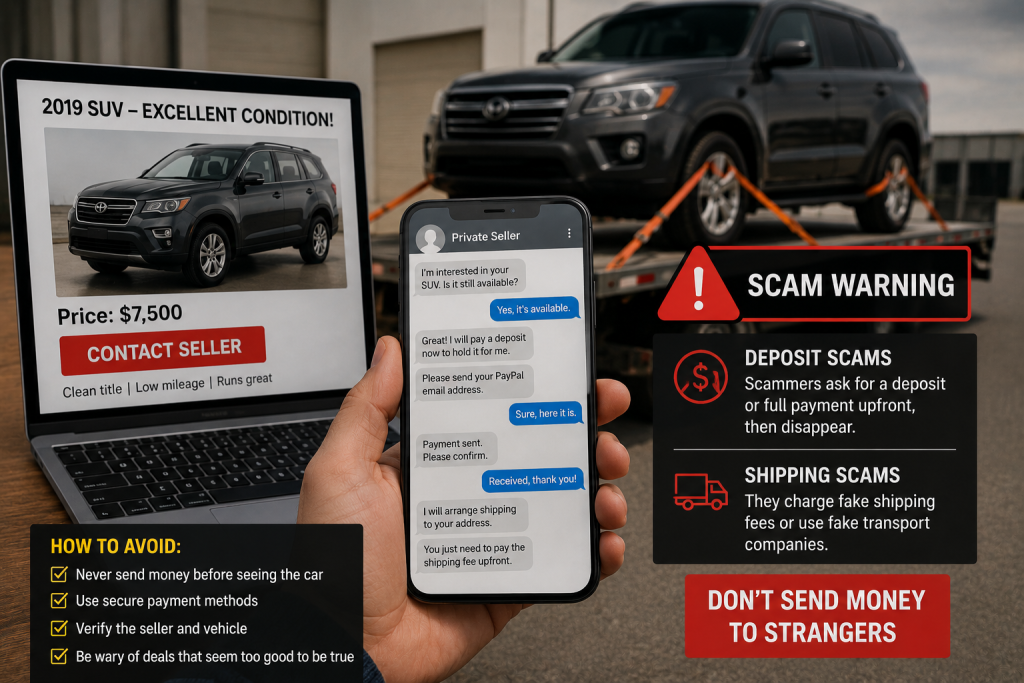
Once contact is established, the seller typically claims the vehicle is located elsewhere and cannot be viewed immediately. The buyer is told that a refundable deposit is required to reserve the car or arrange shipping.
In some cases, the scammer creates fake shipping documents and fabricated escrow services to make the transaction appear legitimate.
After the money is sent, communication often becomes inconsistent. Eventually, the seller disappears entirely, leaving the buyer without the vehicle or the deposit. Because the transaction frequently occurs across state lines or through anonymous payment methods, recovering the funds can be difficult.
Avoiding this scam requires discipline. Buyers should be extremely cautious whenever a seller requests money before an in-person inspection. Independent verification of the vehicle’s existence is essential. Whenever possible, inspect the car yourself or hire a trusted third party to do so.
Another important rule is to use secure payment methods and avoid wire transfers to unknown individuals. Scammers favor payment systems that provide little opportunity for reversal once funds have been sent.
If a deal appears dramatically better than comparable listings, skepticism is often the smartest response. Legitimate bargains exist, but unrealistic prices frequently signal fraudulent intentions.
8. Temporary Fixes Used To Hide Mechanical Problems
Not every scam involves paperwork or online deception. Some rely on short-term repairs designed to conceal serious mechanical issues long enough to complete a sale. These temporary fixes can make a vehicle seem healthy during inspection while masking expensive problems that emerge shortly afterward.
A seller may add thick oil additives to quiet engine noises, clear diagnostic trouble codes immediately before showing the vehicle, or use stop-leak products to hide coolant and oil leaks.
In other situations, transmission additives are used to reduce symptoms of internal wear temporarily. During a brief test drive, the vehicle may appear perfectly normal.
The trouble begins after several days or weeks of ownership. Warning lights return, leaks reappear, and performance issues become increasingly noticeable. By then, the buyer may have little recourse, particularly in a private-party transaction.
Detecting these tactics requires a more comprehensive evaluation than a quick drive around the block. Buyers should start the vehicle from cold whenever possible, since many mechanical issues are easiest to identify before the engine reaches operating temperature.
Checking underneath the vehicle for fresh fluid residue can also reveal attempts to conceal leaks.
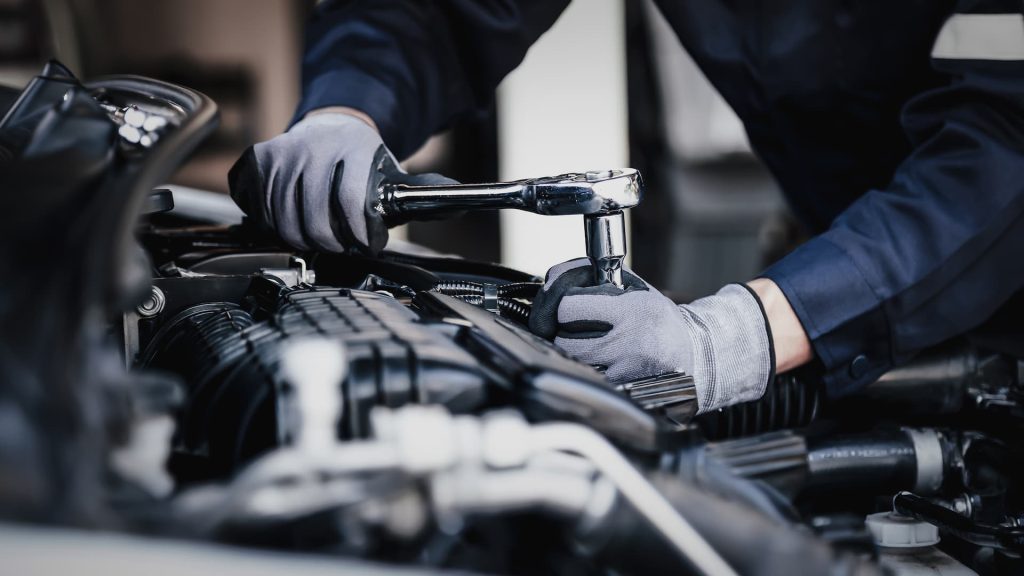
A professional pre-purchase inspection remains one of the most effective safeguards. Experienced mechanics can often spot signs of recent repairs, identify suspicious fluid conditions, and detect problems that ordinary buyers might miss.
Service records are equally valuable. A documented maintenance history usually provides a clearer picture of how the vehicle has been treated throughout its life. Sellers who cannot provide any records deserve additional scrutiny.
The small cost of an inspection is insignificant compared with the financial burden of unexpected engine, transmission, or cooling-system repairs after purchase.
Also Read: 10 Luxury Cars With Factory Sound Systems Worth Every Penny
