
Honda has announced a major recall affecting more than one million vehicles in the United States after identifying a potentially dangerous issue involving tire repair kits supplied with certain hybrid and fuel-cell models.
The recall, disclosed on June 12, centers on a defect that could cause the cap of a tire sealant bottle to detach unexpectedly during use, creating a risk of injury for drivers attempting roadside tire repairs.
The campaign affects approximately 1.05 million vehicles, making it one of Honda’s largest safety recalls of 2026. While the issue does not involve the vehicles’ powertrains, braking systems, or structural components, regulators and company officials determined that the defect presents a sufficient safety concern to warrant immediate corrective action.
Owners of affected vehicles will be contacted by Honda and offered free repairs through authorized dealerships. The company says updated components have already been developed and incorporated into production, with replacement parts expected to be available throughout the recall process.
Also Read: 10 Luxury Cars With Factory Sound Systems Worth Every Penny
The Problem Centers on the Tire Repair Kit
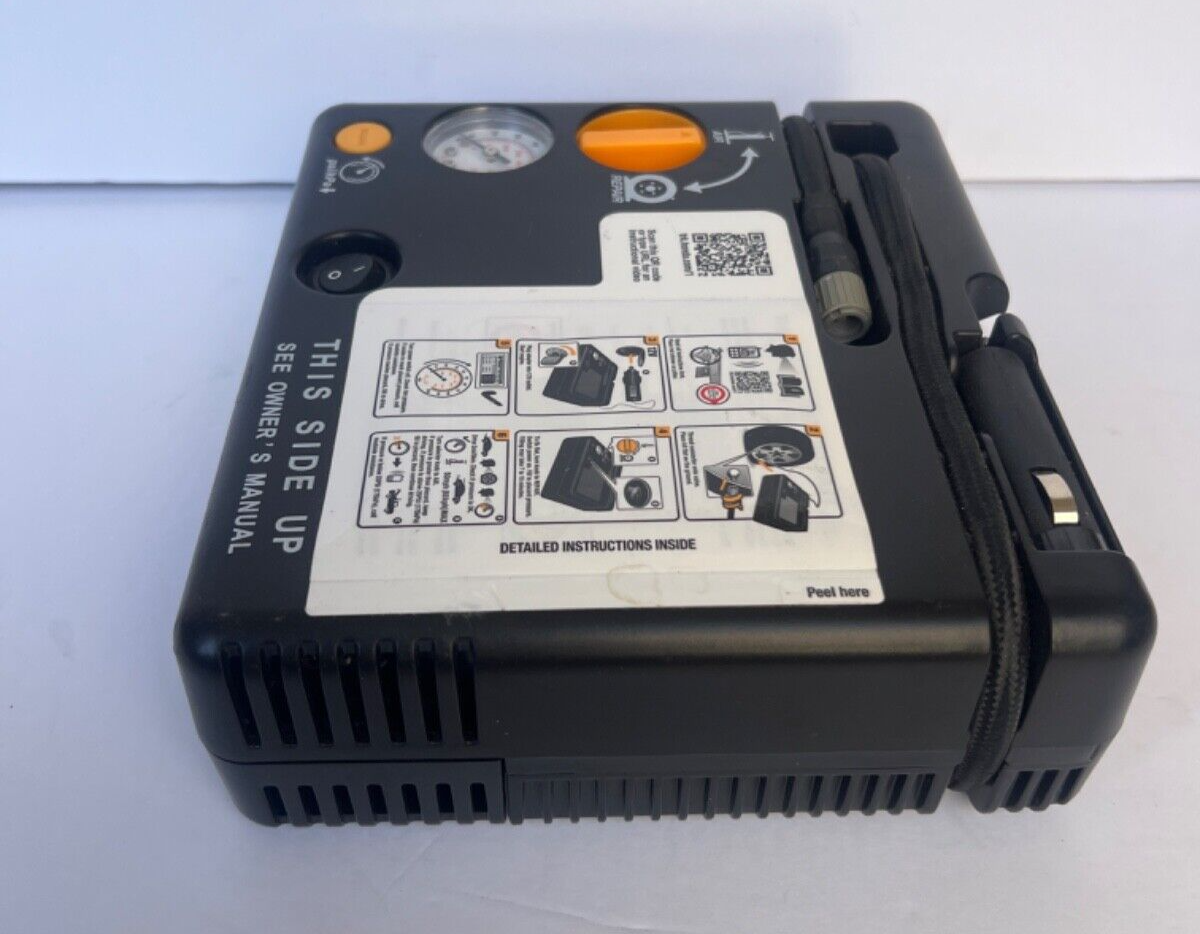
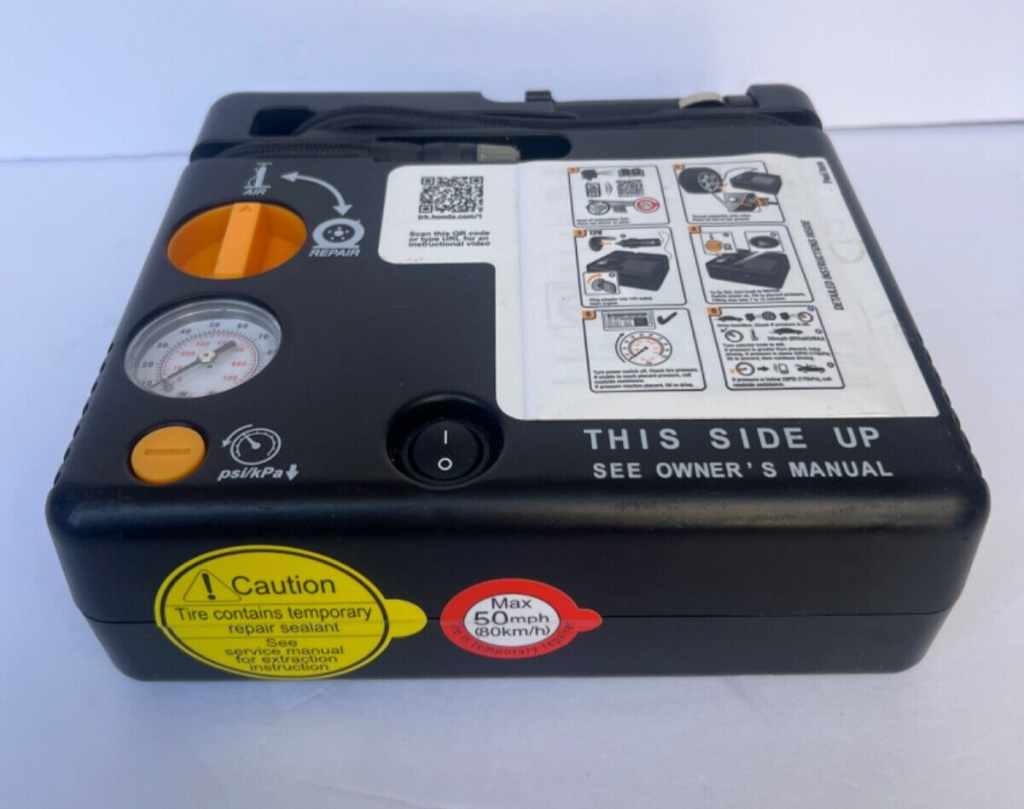
Several modern Honda models replace the traditional spare tire with a tire repair kit, allowing drivers to temporarily seal punctures and continue driving until a proper repair or tire replacement can be arranged.
The recall involves the sealant bottle contained within these kits. According to documents filed with the National Highway Traffic Safety Administration (NHTSA), pressure can accumulate inside the bottle under certain circumstances.
If enough pressure builds, the bottle cap may detach forcefully, potentially striking the user or causing sealant to spray unexpectedly. Federal safety regulators concluded that such an event increases the risk of injury during roadside tire repair operations.
What makes the issue particularly unusual is that the defect occurs during use of an emergency repair tool rather than during normal vehicle operation.
While roadside emergencies already place motorists in potentially dangerous situations, safety experts warn that any added risk remains a significant concern for both manufacturers and regulators. Importantly, the issue is linked to the tire repair kit itself and does not involve the vehicle’s tires, wheels, or structural components.
Which Vehicles Are Affected?
The recall covers three specific Honda vehicle lines equipped with the affected repair kits.
Included in the campaign are:
- 2023-2026 Honda Accord Hybrid
- 2023-2026 Honda CR-V Hybrid
- 2025-2026 Honda CR-V e:FCEV
Together, these models account for approximately 1,049,883 vehicles in the United States. The overwhelming majority of affected vehicles consist of Accord Hybrid and CR-V Hybrid models, which have become important components of Honda’s electrification strategy.
The smaller-volume CR-V e:FCEV, a hydrogen-powered fuel-cell vehicle sold primarily in California, is also included.
Because the defect resides within the repair kit rather than the vehicle itself, many owners may never encounter the issue. However, regulators determined that the potential consequences justified a broad recall rather than a limited service campaign.
How the Pressure Builds
Honda’s investigation revealed that the problem stems from a combination of design and manufacturing factors.
During development of the tire repair kit, engineers incorporated a fluid leak-prevention valve intended to improve system performance.
Investigators later determined that the design did not adequately account for situations in which the nozzle might be improperly connected to a tire valve during use.
When such a connection occurs, air pressure can become trapped inside the sealant bottle instead of flowing correctly into the tire. Additional concerns involving the adjustment of pressure-relief valves during manufacturing further contributed to the possibility of excessive pressure buildup.
In simple terms, the repair system may fail to release pressure as intended. If enough pressure accumulates, the bottle cap can detach unexpectedly.
Industry experts note that emergency tire repair kits are designed to be simple and easy to use, especially during stressful roadside situations. Any design characteristic that allows pressure to build unintentionally creates a potential safety concern that manufacturers must address quickly.
Injuries Prompt Greater Scrutiny
Although only a small percentage of the affected vehicles are believed to contain the defect, the issue has already resulted in documented injuries.
Honda’s investigation identified 53 warranty claims related to the tire repair kits, along with eight reports involving injuries. Publicly available documents do not specify the severity of those injuries, but their existence contributed to the decision to proceed with a large-scale recall.
The relatively low number of incidents compared with the full vehicle population highlights an important aspect of automotive safety recalls. Manufacturers often act before widespread failures occur, particularly when injuries have already been reported, and the underlying cause has been identified.
In this case, Honda and federal regulators concluded that corrective action was necessary despite the issue affecting only a fraction of the vehicles involved.
Safety advocates generally support such proactive measures, arguing that addressing defects early prevents more serious incidents from developing later.
A Long Investigation
The path to the recall stretched over several years. According to recall documents, Honda first became aware of reports involving the tire repair kits in 2023. Initial investigations examined whether improper usage by customers might have been responsible for the incidents.
As additional information became available, engineers continued analyzing returned components and reviewing manufacturing processes. The investigation eventually identified design and production factors that could contribute to pressure buildup within the sealant bottle.
By early 2026, Honda had gathered sufficient evidence to determine that a manufacturing-related issue existed. The company subsequently worked with regulators to develop a recall strategy and replacement procedure.
The lengthy investigation illustrates how automotive manufacturers often spend months or even years analyzing defects before implementing recalls. Engineers must identify root causes, validate corrective measures, and ensure replacement parts effectively resolve the problem before notifying customers.
Honda’s Fix Is Relatively Straightforward
Fortunately for owners, the solution does not involve extensive vehicle repairs. Dealers will inspect the tire repair kit and replace the nozzle or sealant bottle with updated components designed to eliminate the pressure buildup concern.
The replacement parts incorporate revised valve configurations intended to prevent the issue from recurring. All repairs will be performed free of charge.
Honda has also confirmed that production changes were implemented during 2026 to ensure newly manufactured vehicles do not contain the problematic components. Vehicles produced after those updates are not expected to experience the same issue.
For most owners, the repair appointment should be relatively brief compared with recalls involving major mechanical systems.
What Owners Should Do
Owners of affected Accord Hybrid, CR-V Hybrid, and CR-V e:FCEV models should watch for official recall notifications from Honda.
The company plans to notify customers by mail and provide instructions regarding dealership appointments. In the meantime, owners can check their vehicle identification number through Honda’s recall resources or federal safety databases to determine whether their vehicle is included in the campaign.
Drivers who have already used their tire repair kit and noticed unusual behavior, excessive pressure, or leakage should contact a Honda dealer as soon as possible.
Experts also recommend carefully following all instructions when operating emergency tire repair equipment. While the recall addresses a specific defect, proper usage remains important for any roadside repair system.
Another Reminder of Modern Vehicle Complexity
The recall serves as a reminder that modern vehicles contain thousands of components, many of which extend beyond traditional mechanical systems.
As automakers pursue weight savings and improved efficiency, spare tires have increasingly been replaced by compact repair kits. While these systems offer advantages in packaging and fuel economy, they also introduce new engineering challenges that manufacturers must carefully manage.
In Honda’s case, the issue involves a relatively small component that most owners may never use. Yet the potential consequences were significant enough to trigger a recall affecting more than one million vehicles.
The company’s swift response reflects the automotive industry’s growing emphasis on preventive safety measures. Even when defects are rare, manufacturers and regulators increasingly favor proactive action over waiting for larger numbers of incidents to occur.
For Honda owners affected by the recall, the good news is that a solution is already available. Once replacement components are installed, drivers can continue operating their vehicles with confidence, knowing that a small but important safety concern has been addressed before it has the opportunity to become a larger problem.
Also Read: 10 SUVs Ranked By Cargo Space Behind The Third Row
