

Buying a used car can be one of the smartest financial decisions you ever make. It saves you money and helps you avoid the steep depreciation that hits new vehicles the moment they leave the dealership.
But the used car market is also full of risks. Dishonest sellers, hidden damage, and misleading listings are more common than most buyers realize.
Every year, thousands of buyers get tricked into purchasing cars with serious mechanical problems. Many of these problems were hidden right inside the listing itself.
The truth is, a car listing tells you a lot more than just the price and mileage. If you know what to look for, you can spot trouble before you ever visit the seller.
Most buyers focus only on the photos and the asking price. They ignore the small details that experienced car buyers always check first.
This guide will walk you through eight of the most important red flags in a used car listing. Each one is a warning sign that something may be wrong with the vehicle or the seller.
Read carefully. The right knowledge before you buy could save you thousands of dollars and months of frustration.
Red Flag 1: The Price Is Suspiciously Low
Everyone wants a great deal on a used car. Finding a vehicle priced well below the market average feels exciting, and it can be tempting to act fast before someone else grabs it.
But experienced buyers know the truth. A price that seems too good to be true almost always is. When a seller lists a car far below market value, there is usually a reason. That reason is rarely in your favor.
Before you even contact a seller, you need to know the market value of the car you want. Websites like CarGurus, AutoTrader, and similar platforms show you what similar cars are selling for in your region.
If you find a car listed at 20% or more below the average price, that is a serious warning sign. The gap between the listing price and the real market value needs an explanation.
Sometimes, sellers price cars low because they need quick cash. That does happen. But far more often, a low price means the car has problems the seller does not want to disclose upfront.
There are several serious issues that cause sellers to drop their prices far below market value. Hidden flood damage is one of the most common. Flood-damaged cars often look fine on the outside. But the internal electronics, carpets, and metal components carry long-term damage that is expensive to repair.
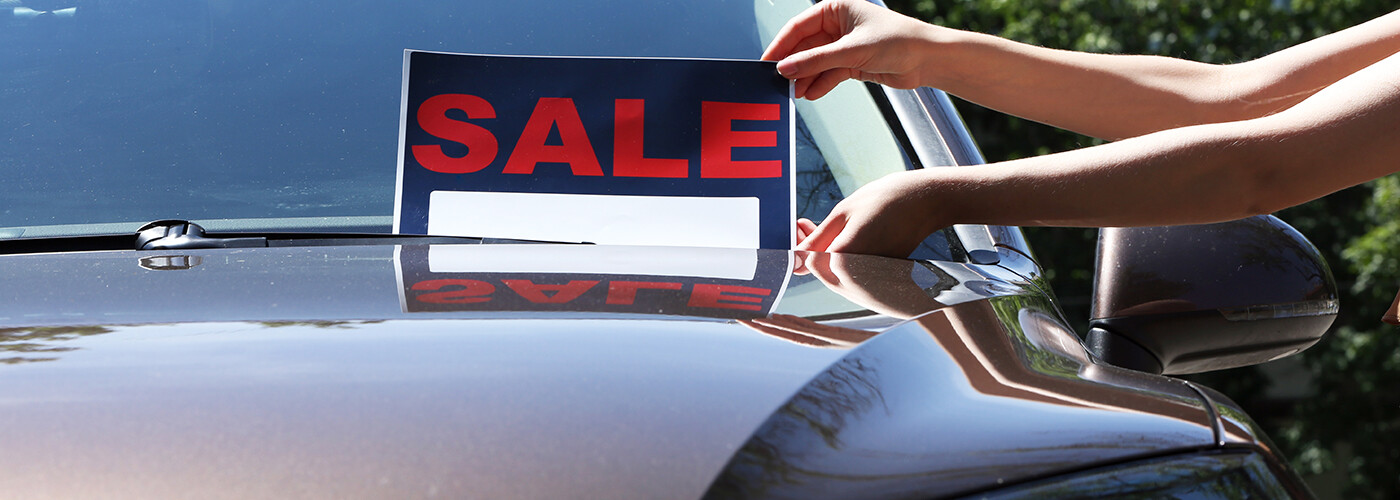
Salvage title vehicles are another reason. A car with a salvage title has been declared a total loss by an insurance company. These cars are often repaired cheaply and resold at low prices, but they can be dangerous and difficult to insure.
Frame damage is also a major cause of low listing prices. A car with a bent or welded frame handles poorly and is never truly safe again after a serious collision. Sellers with these issues know the car is worth less. They price it low to attract buyers who focus on the number and skip the details.
Low prices are also the number one tool used in used car scams. Scammers post listings with attractive photos and very low prices to create urgency.
They often claim they are selling the car quickly because they are moving abroad, going through a divorce, or facing a family emergency. These emotional stories are designed to rush you into sending money.
Once payment is made, the scammer disappears. There is no car. There is no seller. There is only your money, gone. Never let a low price be your reason to buy a car. Let it be your reason to investigate further.
Research the fair market value of the exact model, year, and mileage before contacting the seller. Ask the seller directly why the price is so low. A legitimate seller will have a clear and honest answer. If the response is vague, rushed, or emotional, walk away immediately.
Red Flag 2: Very Few Photos or Low-Quality Images
In a used car listing, photos do most of the talking. A seller who is confident about the condition of their vehicle will take many clear, well-lit photos from every angle.
When a listing shows only two or three blurry images, that is not an accident. It is usually a deliberate choice. Sellers hide damage by limiting what buyers can see. Fewer photos mean fewer questions and fewer excuses for the seller to make.
A trustworthy used car listing will include a wide range of photos. You should see the full exterior from all four sides, plus close-up shots of each corner.
Good listings also show the interior clearly. This means the dashboard, seats, floor mats, and the condition of the headliner above your head. The engine bay should be visible and clearly lit. The trunk or cargo area should also be shown.
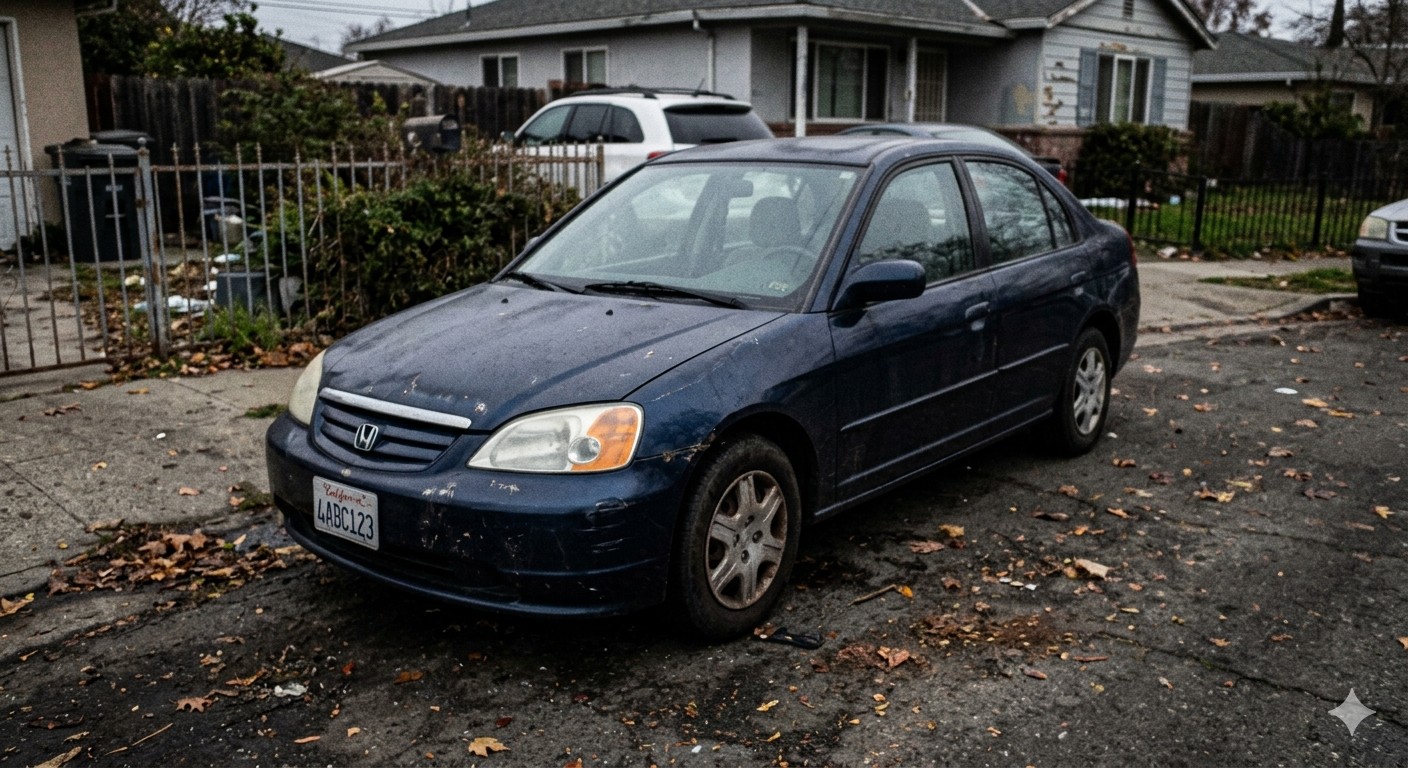
Any existing scratches, dents, or wear marks should be photographed honestly. Sellers who disclose minor flaws openly are more trustworthy than those who hide everything.
Some listings do not even use real photos of the actual car. Instead, they pull stock images from the internet or use promotional photos from the manufacturer.
This is a serious red flag. You have no idea what the real car looks like if the photos are not genuine. Always look carefully at the background in the images. Stock photos usually have perfect studio lighting and no real-world surroundings like driveways or parking lots.
If the photos look too polished or professional, ask the seller to send you fresh photos taken that same day. Low-quality or blurry photos are a classic technique for hiding damage. Rust, paint fading, body panel repairs, and cracked lights are all much harder to see in poor-quality images.
Pay close attention to areas where rust commonly appears. These include the wheel arches, the bottom edges of the doors, and the underside of the front and rear bumpers. If you cannot clearly see these areas in the listing photos, ask for more before proceeding.
Request additional photos before agreeing to visit or make any payment. Ask for specific shots of the engine bay, the underbody if possible, and any areas the original photos left unclear.
A genuine seller will be happy to provide more photos. A reluctant seller who refuses or delays is showing you something important about how this transaction will go.
Red Flag 3: The Mileage Seems Too Low for the Car’s Age
Mileage is one of the most important factors in a used car’s value. The more a car has been driven, the more wear its engine, transmission, and other components have experienced.
On average, most drivers cover between 12,000 and 15,000 kilometers per year, depending on the country. This gives you a simple way to estimate what the mileage should look like.
If a car is ten years old, you would typically expect somewhere between 120,000 and 150,000 kilometers on the odometer. When a ten-year-old car shows only 40,000 kilometers, that catches your eye immediately. It sounds incredible, and sellers often use it as a strong selling point.
But unrealistically low mileage is one of the oldest tricks in the used car business. Odometer fraud, also known as clocking, is the illegal practice of rolling back the odometer to show fewer kilometers.
This practice makes the car appear younger, more valuable, and better maintained than it actually is. Buyers pay premium prices for cars that are already heavily worn inside.
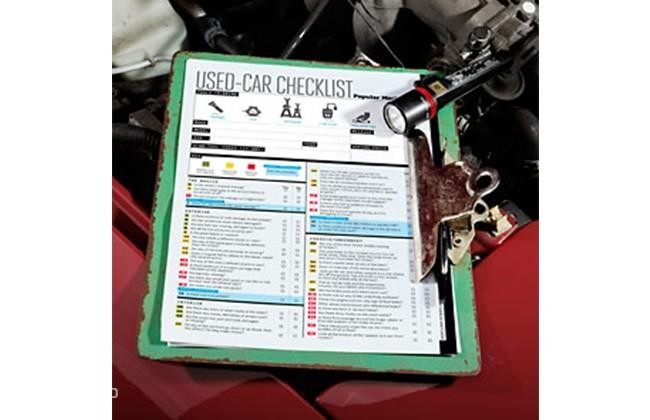
Even if you cannot inspect the car in person yet, you can look for clues in the listing itself. Pay attention to the condition of the interior described or shown in photos.
A car with genuinely low mileage will have a near-pristine interior. The steering wheel, gear knob, seat bolsters, and pedal rubbers will show minimal wear.
If the listing shows a car with cracked leather, a shiny steering wheel, or faded pedal rubbers alongside a claim of very low mileage, something does not add up. Also check whether the service history matches the claimed mileage. Service records should show consistent mileage increases at each visit.
In many countries, you can run a vehicle history check using the car’s registration number or Vehicle Identification Number. Services like Carfax, AutoCheck, or country-specific databases record mileage at each MOT test, service visit, or registration update. These records will quickly expose any inconsistencies. A car that showed 90,000 kilometers two years ago cannot legitimately show 60,000 today.
Always compare the claimed mileage against the car’s age and condition. If something does not feel right, run a history check before proceeding. Never pay extra for low mileage without verifying it independently. Mileage fraud costs buyers thousands of dollars every year.
Red Flag 4: The Seller Refuses a Pre-Purchase Inspection
A pre-purchase inspection, often called a PPI, is when a qualified mechanic examines a used car before you buy it. The mechanic checks the engine, transmission, brakes, suspension, bodywork, and many other components.
This inspection usually costs between fifty and one hundred and fifty dollars. It is one of the smartest investments a used car buyer can make. A good inspection can reveal thousands of dollars’ worth of hidden problems. It gives you the power to negotiate, walk away, or buy with confidence.
A seller with nothing to hide will almost always agree to a pre-purchase inspection. They know their car is in good condition, and they want you to feel confident before buying.
Many honest sellers will even suggest an inspection themselves. They understand it protects both the buyer and the seller. When a seller immediately agrees to a PPI, that is a positive signal. It shows honesty and transparency about the vehicle’s condition.
A seller who flatly refuses a pre-purchase inspection is sending a very loud message. They do not want a professional to look closely at the car. This refusal is one of the strongest red flags on this list. If the car were in good condition, there would be no reason to say no.

Common excuses include claiming they are too busy, saying other buyers are already interested, or suggesting that inspections are unnecessary for their particular vehicle. None of these excuses holds up to scrutiny.
Sellers with problem vehicles often create artificial urgency. They tell you that three other people are coming to look at the car tomorrow and that you need to decide today.
This pressure is designed to make you skip the inspection and commit quickly. Do not fall for it. No legitimate car sale requires you to skip basic due diligence. Any seller who uses pressure tactics to prevent an inspection is protecting their own interests, not yours.
Always insist on a pre-purchase inspection from a mechanic you trust. Never accept the seller’s own mechanic as a neutral inspector. If the seller refuses or gives you excuses, treat that as a dealbreaker. Walk away and look for a seller who has nothing to hide.
Also Read:
Red Flag 5: Vague or Incomplete Vehicle History
The history of a used car tells you what it has been through. Accidents, floods, fire damage, multiple owners, gaps in service records, and title changes all affect the car’s long-term reliability.
A car that looks perfect today might be hiding a difficult past. Without a clear history, you are taking a blind risk. Sellers who are upfront about their car’s history are far more trustworthy than those who provide vague or incomplete information.
A well-documented used car will come with a clear set of records. These include the full service history showing all maintenance visits, dates, and mileage at the time of each service.
The ownership history should also be clear. A car that has had many owners in a short period of time raises questions about why people kept selling it so quickly.
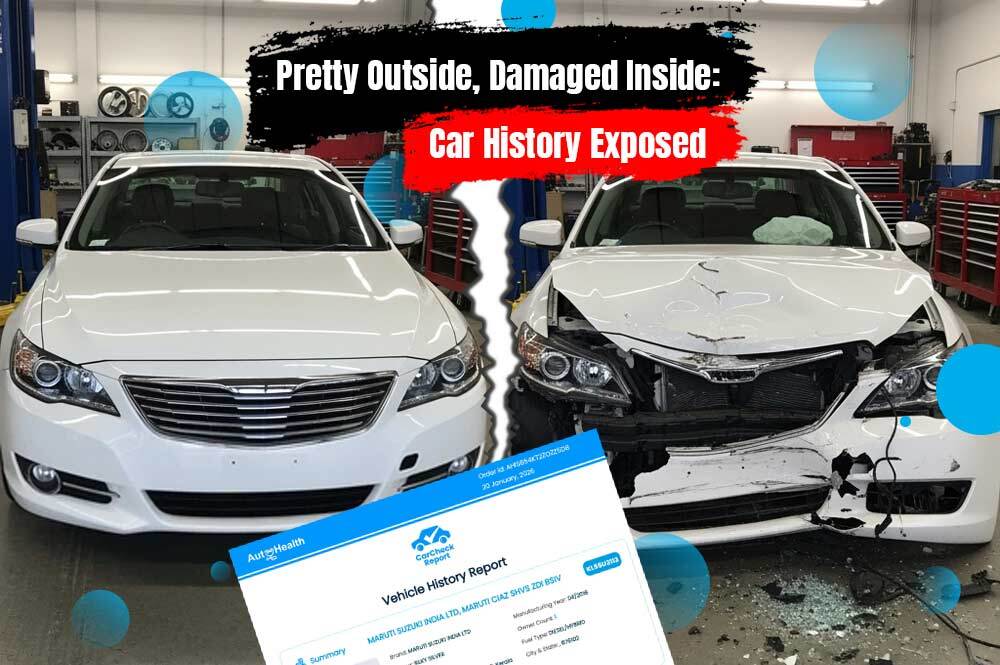
Any past accidents should be disclosed honestly. Even minor repairs are worth knowing about, because they affect resale value and can hint at deeper issues.
Watch for phrases like “history available on request” without any further detail. This often means the history is incomplete or unflattering. Be suspicious when sellers say “I bought it recently and don’t know its full history.” While this can sometimes be genuine, it is also a convenient way to avoid disclosing problems.
Listings that emphasize how good the car looks right now, without mentioning its background, are focusing your attention in the wrong direction. Appearance is easy to improve temporarily. History cannot be changed.
Most countries offer online vehicle history services that you can use with just the registration number or VIN. In the United States, Carfax and AutoCheck are widely used. In the United Kingdom, the DVLA and HPI Check provide detailed records.
These services reveal accident reports, title changes, mileage readings over time, and whether the car has ever been declared a total loss. Some also show outstanding finance agreements on the vehicle.
Running a history check before visiting a seller saves you time and can prevent serious financial mistakes. Never buy a used car without checking its history.
Ask the seller for all documentation upfront and compare it against an independent history report. If the records are missing, incomplete, or contradict what the seller is telling you, treat it as a serious warning sign.
Red Flag 6: The Description Is Full of Errors or Inconsistencies
Every word in a used car listing matters. Small details reveal whether the seller is honest, careless, or deliberately deceptive. Inconsistencies in a listing description are a common red flag that buyers overlook.
These errors can range from small mistakes to deliberate misinformation. Pay close attention to whether the details in the text match what is shown in the photos. If they do not align, something is off.
A listing might describe the car as silver, but the photos show a gold or champagne color. This could be a genuine mistake, or it could mean the car has been resprayed after an accident.
The year of manufacture listed in the title might not match the model features shown in the photos. This could indicate the seller is misrepresenting the car or has mixed up details from another vehicle.
Some listings claim a car is a particular trim level but show features that do not belong to that trim. For example, a base-model car was falsely listed as a premium variant to justify a higher price.
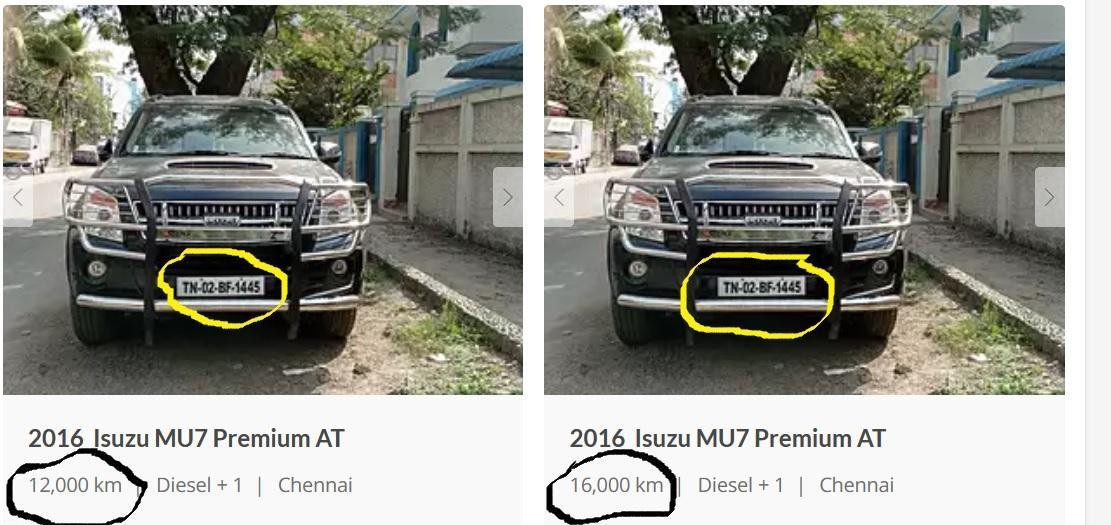
While grammar and spelling mistakes alone are not deal-breakers, a listing filled with errors combined with urgent language is worth noticing. Phrases like “must sell today,” “no time wasters,” or “serious buyers only” can sometimes be tools to rush buyers into acting without thinking.
Scam listings in particular often contain unusual phrasing or awkward language. This is sometimes because the listing was written by someone in a different country or copied from a template.
Honest listings include the VIN or chassis number, the exact trim level, the fuel type, and the transmission type. Listings that leave out basic specifications without explanation are hiding something.
When sellers refuse to provide the VIN before a viewing, that is highly suspicious. The VIN allows buyers to run a history check, which a dishonest seller wants to prevent.
Read the entire listing carefully and make a list of any details that do not match or seem unclear. Contact the seller and ask specific questions about each inconsistency. Watch how they respond. Honest sellers provide clear answers. Evasive sellers change the subject or become defensive.
Red Flag 7: The Car Has Had Too Many Recent Repairs or Paint Work
A freshly painted car might look beautiful in a listing. The glossy finish and clean color can make an older vehicle look almost new. But fresh paint on a used car is one of the most important red flags an experienced buyer knows to check.
Paintwork is expensive and time-consuming, so sellers do not repaint cars without a reason. The most common reason is to cover up accident damage, rust, or bodywork repairs.
Look carefully at the listing photos for signs of mismatched color between panels. Even slight differences in shade between the door and the fender beside it can indicate different layers of paint applied at different times.
Check the gaps between body panels. Uneven gaps or panels that do not align symmetrically are signs of bodywork repairs after a collision. Overspray is another clue.
This occurs when paint accidentally lands on rubber seals, trim pieces, or plastic components near the painted panels. Experienced buyers look for this in close-up photos.
Sellers who repair accident damage cheaply often use low-quality filler underneath the paint. This filler can crack or bubble over time, especially in hot or wet weather.
If close-up photos show any small bubbles, ripples, or uneven texture on the car’s painted surfaces, this is a sign of poor-quality bodywork beneath.
A professional paint job will be smooth and consistent. Rushed, cheap repairs often leave visible imperfections that show up in good lighting. A listing that mentions several recent repairs across different systems is also worth questioning.
A new engine mount, new suspension components, a rebuilt gearbox, and a new radiator, all in the last year, suggest the car has been through serious mechanical stress.
While individual repairs are normal on older vehicles, a pattern of multiple major repairs in a short period suggests deeper reliability issues. The car may be exhausting itself, and the current seller wants to pass the problem to someone else.
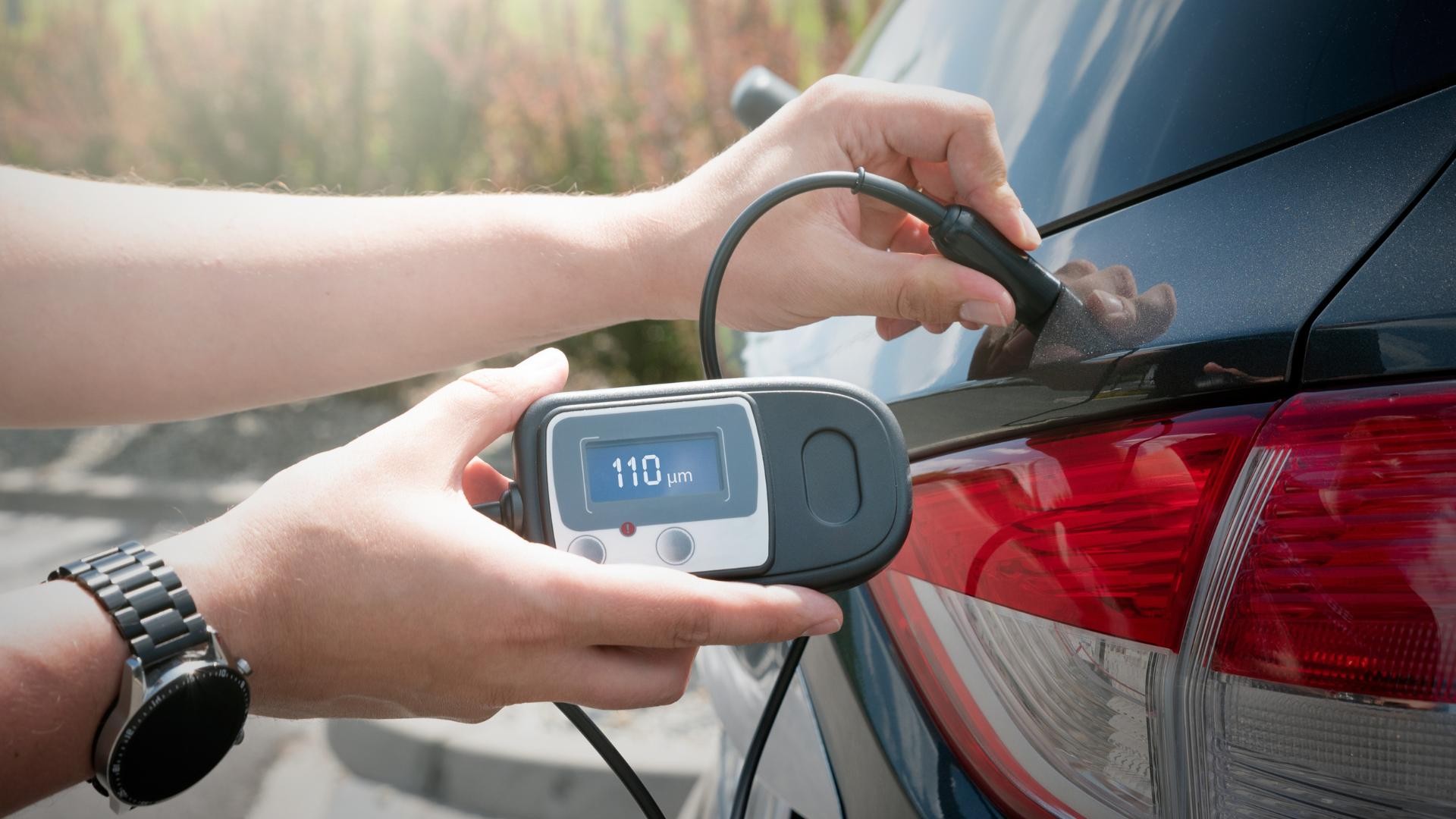
Use a paint depth gauge during any in-person inspection. This tool measures how thick the paint is on each panel, revealing which panels have extra filler or multiple layers underneath.
If the listing photos raise suspicions about bodywork, ask the seller directly whether any panels have been repainted. Their honesty in answering will tell you a great deal.
Red Flag 8: The Seller Is Unwilling to Meet in Person or Wants Unusual Payment
Any legitimate used car sale requires the buyer and seller to meet in person. You need to see the car, inspect it, and test drive it before handing over any money.
A seller who refuses to meet in person, or who keeps delaying a meeting with excuses, is a major red flag. No genuine car sale happens entirely over messages or phone calls.
If a seller claims the car is in another city, another country, or with a shipping company, be extremely cautious. These are classic setups for vehicle scams.
One of the most commonly used car scams works like this. The seller claims the car is somewhere it cannot be easily viewed, usually claiming they are working abroad or that the car is in storage.

They ask you to pay through a third-party escrow service or a shipping company that will supposedly send the car to you. After you pay, the company disappears along with your money.
There is no escrow. There is no shipping company. There is no car. It is a well-organized fraud designed to look legitimate. Legitimate sellers accept standard payment methods. These include bank transfers, cash in person, or secure payment platforms.
A seller who insists on payment through wire transfer to an unfamiliar account, gift cards, cryptocurrency, or money transfer services like Western Union is almost certainly running a scam.
Always insist on meeting the seller in person at the location where the car is kept. Never agree to remote transactions or payments before viewing.
Choose a safe, public location for your first meeting. Bring a trusted friend or family member with you. A genuine seller will have no objection to any of these reasonable precautions.
Also Read: How Much Value a New Vehicle Loses the Day You Drive It Home
