
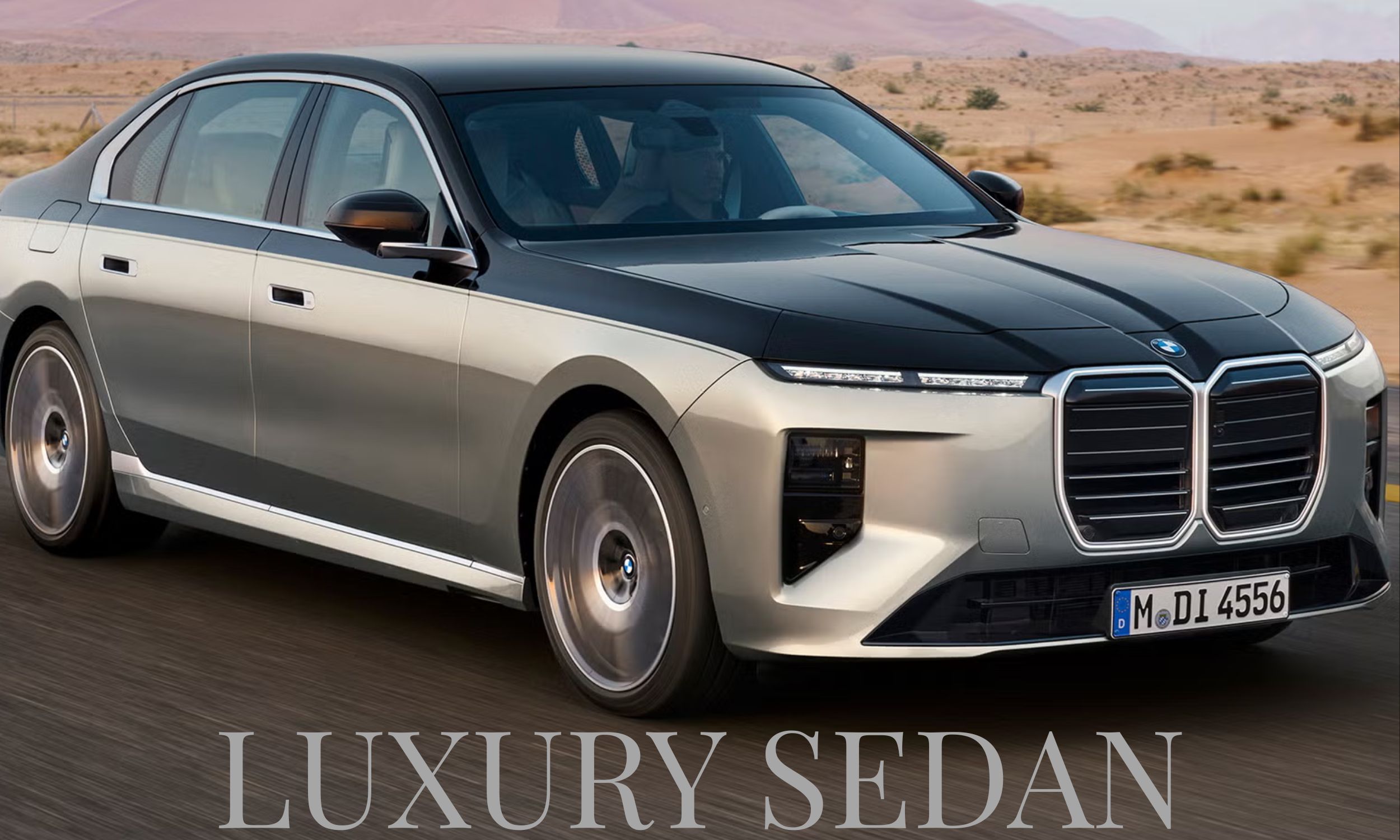
Pull up a used car listing for a three-year-old Audi A8 and a three-year-old Lexus LS side by side, and the price gap will probably surprise you. Both started life as flagship luxury sedans with similar sticker prices. Both came loaded with premium materials and advanced technology. Yet one of them has lost a far larger chunk of its original value, and it is almost always the German one.
This is not a coincidence, and it is not a quality problem in the way people sometimes assume. The average vehicle loses roughly 34.5 percent of its value the moment it leaves the dealership, according to pricing data from iSeeCars.com, and reliability ratings do not always correlate directly with resale value. German luxury sedans tend to lose value at a pace that outruns that already steep baseline, and the reasons have very little to do with how well the cars are built. carbuzz
Instead, the answer lives in a mix of leasing math, technology cycles, repair economics, and how option-heavy pricing behaves once a car hits the used market. None of it means these are bad cars. It means the financial story behind owning one new looks very different from the story behind buying one used.
Here is what is actually driving the depreciation curve on cars like the BMW 7 Series, the Mercedes-Benz S-Class, and the Audi A8.
The Off-Lease Flood That Never Stops Coming
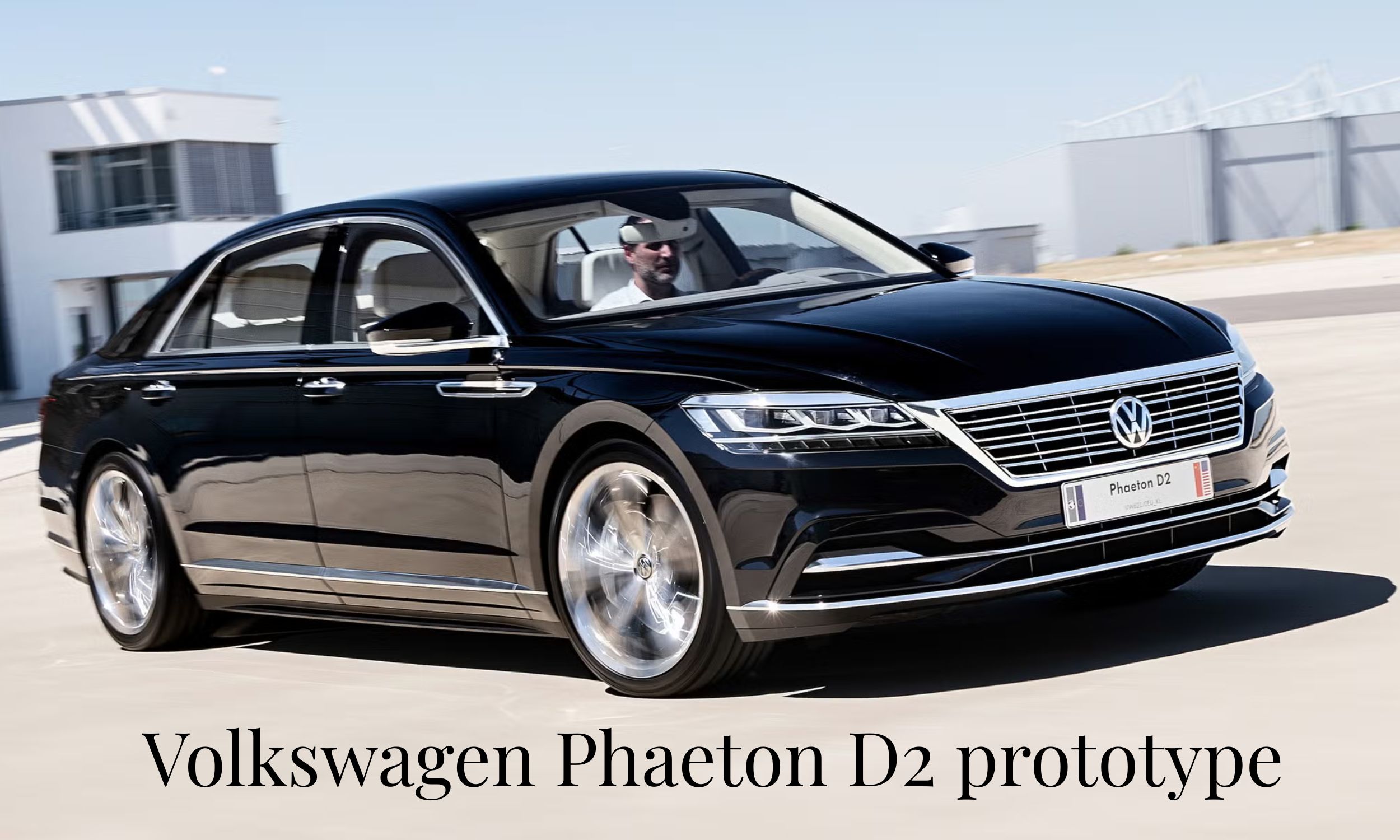
Supply and demand explain a large part of why German luxury cars lose value so quickly. Leasing plays a bigger role in this segment than in almost any other category, which means a steady stream of used vehicles returns to dealerships every year. Brands like BMW, Mercedes-Benz, and Audi rely heavily on lease programs, and that approach creates a constant flow of inventory once those contracts end.
Looking at the numbers makes the situation clearer. More than half of new BMW and Mercedes-Benz vehicles in the United States are leased rather than purchased outright. That means a large portion of cars sold today will come back to dealers within two to four years, often at the same time. When dozens of similar vehicles hit the market together, prices naturally drop. A model like the BMW 530i coming off a lease ends up competing with many nearly identical listings, giving buyers the advantage in negotiations.
This pattern creates a cycle that keeps repeating. Leasing often looks attractive because monthly payments are lower than financing a new purchase. That appeal encourages more people to lease, which leads to even more vehicles returning to the market later. As supply grows, resale values continue to fall, reinforcing the idea that leasing makes more sense than buying.
The Audi A6 shows how this plays out. Strong lease deals keep payments competitive, but they also lead to a steady supply of used models that bring prices down. Even owners who purchased a Mercedes-Benz E 350 and maintained it carefully still face market pricing shaped by a large volume of similar off-lease vehicles.
Also Read: 10 Luxury Cars With Factory Sound Systems Worth Every Penny
Advanced Technology That Quickly Feels Outdated
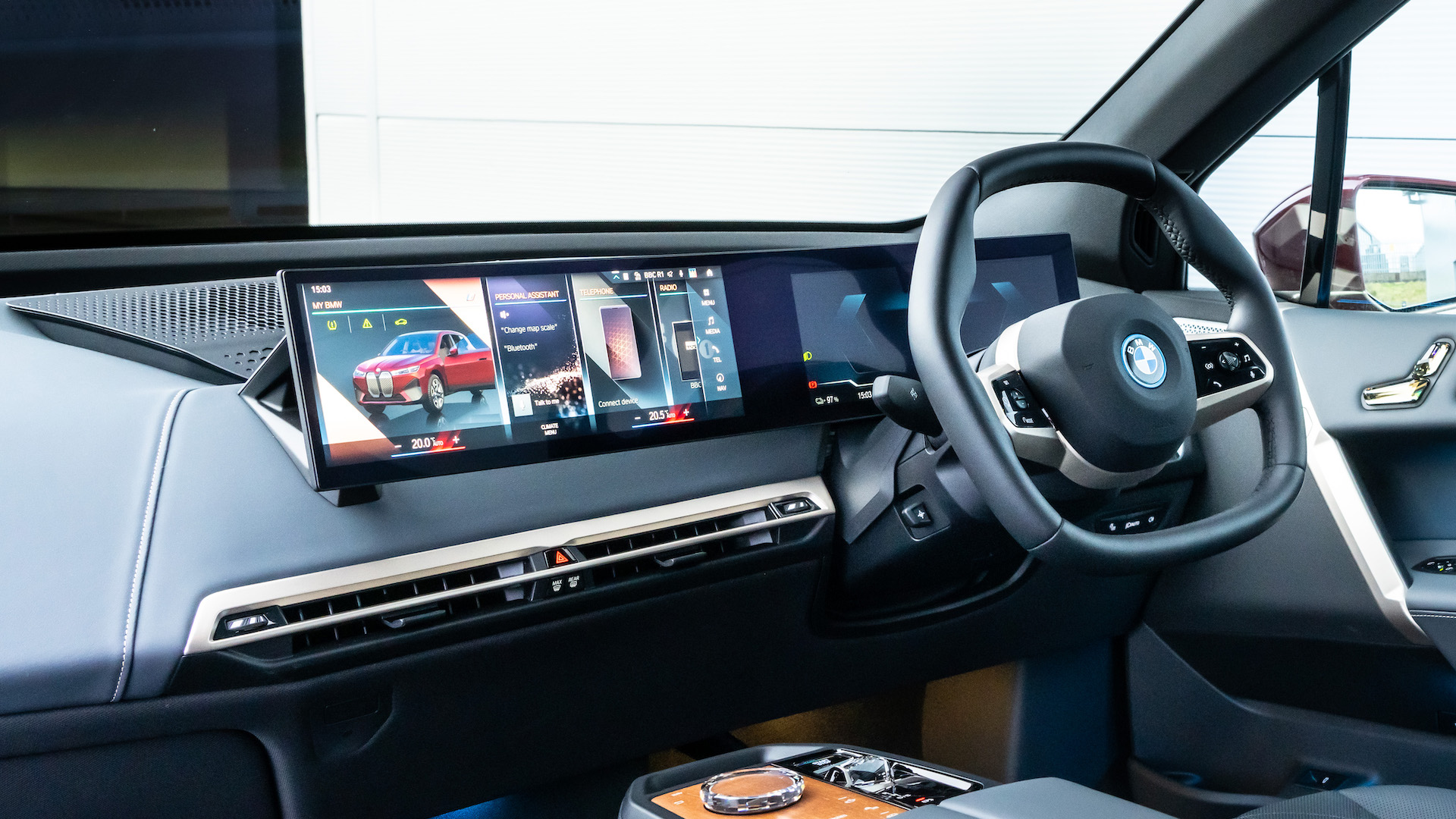
Technology leadership has long been a defining trait of German carmakers, and it plays a major role in how quickly their vehicles lose value. These brands often introduce advanced features years before competitors, from refined adaptive cruise control to wide digital displays and early driver assistance systems that once felt futuristic. While this approach highlights strong engineering, it also means those innovations don’t stay exclusive for long.
Take the BMW 7 Series as an example. It has a history of introducing features well ahead of the curve, including early versions of the iDrive system. Within a few years, similar technology will spread across the market, appearing in far more affordable vehicles.
When that happens, the premium appeal tied to those features fades, which directly affects resale value. What once justified a high price no longer feels rare to a second owner. Buyers shopping for used cars tend to compare older luxury models with brand-new, lower-priced options sitting nearby.
A 2021 7 Series might still perform flawlessly, but its tech no longer stands out when newer, cheaper cars offer similar or better systems. That comparison alone can make it feel outdated, even if the vehicle itself remains in excellent condition.
A similar pattern affects the Mercedes-Benz S-Class and the Audi A8. Each new generation pushes innovation forward, but it also makes previous versions seem dated faster than their mechanical lifespan would suggest. Even when these cars drive beautifully and feel solid, older infotainment systems, driver aids, and connectivity features can fall behind current expectations, lowering their appeal in the used market.
Repair Bills That Scare Off Used Buyers Before They Even Test Drive
High repair costs play a major role in how these cars lose value, and that impact reaches both the original owner and the next buyer. German luxury sedans have built a long-standing reputation for expensive maintenance once the factory warranty expires.
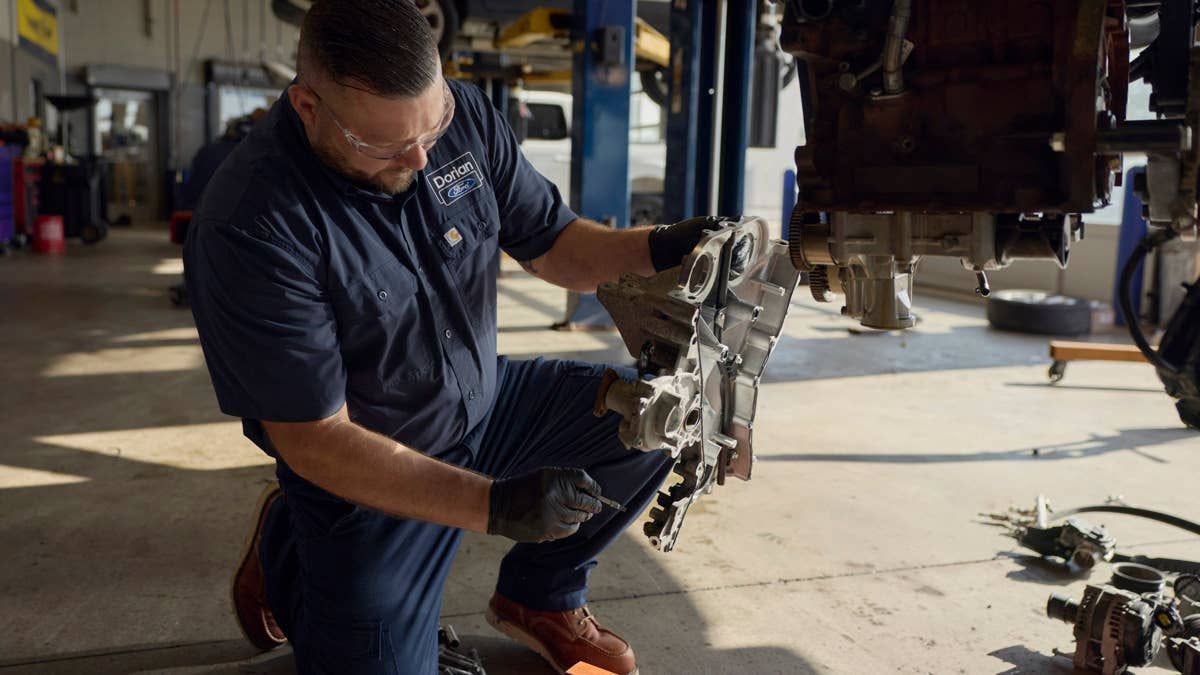
Even the perception of high costs can make used buyers cautious, leading them to negotiate harder or avoid the purchase entirely, which lowers resale values. One reason behind those costs is the specialized expertise required to service these vehicles. Brands like Audi and BMW rely on technicians who complete brand-specific training programs.
These cars feature advanced engineering and electronics, which demand a higher level of skill to diagnose and repair. As a result, labor rates at certified service centers are much higher than what owners of mainstream brands such as Toyota or Honda typically pay.
Parts pricing adds another layer of expense. Many components must be sourced directly from Germany, which increases costs due to shipping and limited availability. For example, someone considering a used Audi A7 with air suspension understands that even a single failure outside warranty could lead to a repair bill in the thousands.
That risk shapes how much they are willing to offer, regardless of how well the car currently performs. Advanced electronics also influence buyer hesitation. Vehicles like the Mercedes-Benz E-Class rely on intricate systems for comfort and safety features.
While these systems enhance the driving experience, they can be costly to fix if something fails. Even without firsthand experience, many buyers factor in the possibility of expensive repairs, which lowers what they are willing to pay and pushes resale values down.
Sticker Shock From Options That Disappear Into the Resale Math
Sticker prices for German luxury sedans rarely reflect what buyers actually pay, and that difference can lead to steep depreciation early on. A model like the Mercedes-Benz S 500 may appear reasonably priced at first, but adding premium options quickly raises the final cost.
Features such as upgraded audio systems, enhanced rear seating packages, extended leather finishes, larger wheels, and advanced driver assistance packages can push the transaction price far beyond the base figure. That extra spending becomes difficult to recover once the car enters the used market.
Resale pricing does not account for those upgrades in the same way. Someone shopping for a pre-owned BMW X7 is more focused on trim level, mileage, and condition than on a detailed list of added features. Expensive options like panoramic roofs, custom paint, or rear-seat amenities rarely hold their value. As a result, much of that added cost becomes a loss the moment the vehicle is resold.
This helps explain why depreciation percentages often appear higher for heavily optioned German sedans. A fully loaded Audi A8 L starts at a much higher real-world price, giving it more value to lose. The resale market does not match that original investment, making the drop seem sharper.
Many buyers are drawn to fully equipped models because they want the complete luxury experience. That desire often leads to choosing every available upgrade. Yet this same approach creates larger financial losses later. A heavily optioned Porsche Panamera follows the same pattern, losing more value than a simpler version because the added extras are not fully reflected in resale pricing.
Also Read: 10 Cheap Cars With Better Build Quality Than Luxury Rivals
The Silver Lining Hiding Inside the Bad News
What may sound like a downside for new buyers can actually turn into a major advantage for someone shopping used. The same depreciation that hurts original owners creates strong value opportunities in the secondhand market, especially with German luxury sedans.
Take real examples into account. A 2015 Audi A8 L 4.0T can sell for around $43,800 despite starting near $77,400 when new. A 2015 BMW X5 xDrive35i can drop to about $33,446 from an original price of $56,200 before options. Those price drops are steep, giving buyers access to high-end engineering, premium materials, and advanced features at a fraction of the original cost.
From a buyer’s perspective, this pricing gap works in your favor. The financial loss absorbed by the first owner becomes the discount that makes these vehicles appealing later. That dynamic keeps the used German luxury market active, with many shoppers searching for deals that deliver upscale driving experiences without the new-car price.
There is a practical lesson here for anyone considering one of these vehicles. Choosing a slightly older model instead of the newest version can make far more financial sense. Let someone else take the biggest depreciation hit, then step in when the price becomes more reasonable.
That said, preparation matters. Arrange a thorough inspection by a mechanic familiar with German brands, review service records carefully, and set aside a realistic maintenance budget. Approaching the purchase this way allows you to enjoy a well-built luxury car at a much lower cost without surprises.
