Performance wagons have always occupied a curious corner of the automotive world. They rarely generate the excitement of sports cars, seldom receive the attention lavished on luxury sedans, and often spend their lives overlooked on dealership lots.
Yet every so often, a vehicle emerges that combines practicality and performance so effectively that it develops a loyal following years after production ends. The Subaru Legacy GT wagon was one of those vehicles.
During the mid-2000s, the automotive market was increasingly shifting toward SUVs and crossovers, while enthusiasts gravitated toward performance sedans from Europe and Japan.
In that environment, the Legacy GT wagon quietly delivered a combination of speed, capability, and versatility that rivaled vehicles costing significantly more. It lacked the prestige badges of German competitors and never received the marketing attention of Subaru’s rally-inspired WRX STI, but those who drove one understood its appeal immediately.
Powered by a turbocharged engine closely related to the one found in the WRX, equipped with Subaru’s renowned symmetrical all-wheel-drive system, and wrapped in a practical wagon body, the Legacy GT became one of the most underrated performance cars of its era.
More importantly, it offered performance figures that placed it surprisingly close to several premium European turbocharged vehicles that carried much higher price tags.
Today, the Legacy GT wagon remains something of an enthusiast secret. While values have begun rising among collectors who appreciate its unique formula, it is still often remembered more as a practical family wagon than the legitimate performance machine it actually was.
Also Read: Air-Bag Sensor Recalls That Hit 8 New Car Models In 2026
Subaru Created a Sleeper Instead of a Sports Car
When Subaru introduced the fourth-generation Legacy for the 2005 model year, the company had a specific goal in mind.
Rather than building another rally-inspired performance car, Subaru wanted to create a more mature and refined vehicle capable of competing with entry-level luxury sedans.
The result was a significantly improved Legacy platform featuring better ride quality, improved interior materials, and more sophisticated engineering than its predecessor. The Legacy GT served as the performance flagship.
Unlike naturally aspirated Legacy models, the GT received a turbocharged 2.5-liter flat-four engine producing 250 horsepower and 250 lb-ft of torque. Those numbers may not seem extraordinary today, but in the mid-2000s they placed the wagon firmly within performance territory.
At the time, many family sedans struggled to reach 200 horsepower. Even several luxury-brand competitors offered similar output despite substantially higher sticker prices.
Subaru effectively created a sleeper. The Legacy GT wagon looked understated compared with many performance vehicles of the era, but its specifications told a different story.
The WRX Connection Made a Huge Difference
One reason the Legacy GT performed so well was its close relationship with Subaru’s performance models.
The turbocharged EJ255 engine shared much of its architecture with the powerplant found in contemporary WRX models. While tuning differences existed, the core engineering remained remarkably similar.
That gave the wagon a major advantage. Turbocharging allowed the engine to generate substantial torque across a broad portion of the rev range. Unlike many naturally aspirated competitors that required high engine speeds to access peak performance, the Legacy GT delivered strong acceleration during everyday driving.
Automotive publications testing the vehicle during its launch period consistently praised its responsiveness. Road & Track, Car and Driver, and Motor Trend all noted that the Legacy GT felt significantly quicker than its conservative styling suggested.
The turbocharged flat-four transformed what might otherwise have been a conventional family wagon into something far more engaging. Drivers received genuine performance without sacrificing practicality.
Performance Numbers Rivaled More Expensive Rivals
Perhaps the most impressive aspect of the Legacy GT wagon was how closely its performance matched vehicles from premium brands.
Contemporary road tests recorded 0-60 mph times in the mid-five-second range, depending on transmission choice and testing conditions. Car and Driver achieved a 0-60 mph run of approximately 5.6 seconds in a Legacy GT sedan equipped with a manual transmission, figures that translated closely to the wagon.
Those numbers placed the Subaru in surprisingly elite company. At the time, vehicles such as the BMW 325xi, Audi A4 2.0T Quattro, and several turbocharged Volvo models often produced similar acceleration results despite commanding significantly higher prices.
The comparison became even more favorable when weather conditions deteriorated. Subaru’s symmetrical all-wheel-drive system provided outstanding traction on wet roads, snow-covered highways, and loose surfaces. While some competitors offered all-wheel drive as an expensive option, Subaru included it as standard equipment.
For many buyers, that capability represented a significant advantage. The Legacy GT wagon was not merely quick. It was quick in almost every condition.
A Wagon Body Made It More Useful Than Many Sports Sedans
Performance alone did not explain the Legacy GT’s appeal. The wagon body was equally important.
At a time when many enthusiasts were forced to choose between practicality and performance, the Subaru offered both. The cargo area could accommodate bicycles, camping equipment, luggage, pets, and family gear without compromising passenger comfort.
Rear-seat space was generous compared with many sport sedans, and the hatchback design provided flexibility that traditional trunks simply could not match.
This practicality helped distinguish the Legacy GT from many rivals. A buyer could enjoy turbocharged performance during a spirited weekend drive and still use the vehicle for commuting, family road trips, or home-improvement projects.
The formula anticipated the appeal that would later help performance crossovers become so popular. Subaru simply delivered it in wagon form years earlier.
The manual transmission enhanced its reputation.
One feature that continues to make the Legacy GT wagon desirable among enthusiasts is the availability of a manual transmission.
While automatic versions sold in larger numbers, the five-speed manual transformed the driving experience.
The combination of turbocharged torque, all-wheel-drive traction, and driver involvement created a vehicle that felt far more engaging than its practical appearance suggested.
Automotive journalists frequently praised the manual-equipped models for their balance between everyday usability and enthusiast appeal.
Unlike some high-performance cars that demanded constant attention, the Legacy GT remained comfortable during long-distance travel while still rewarding spirited driving.
That versatility became a defining characteristic. Owners often describe the vehicle as one of the most complete all-around performance cars Subaru has ever built.
Reliability Was Better Than Some European Alternatives
Another reason the Legacy GT earned respect among enthusiasts involved ownership costs. European performance wagons from BMW, Audi, and Mercedes-Benz often delivered excellent driving experiences, but maintenance expenses could become substantial as mileage accumulated.
The Subaru was not immune to problems. Turbocharged EJ-series engines required careful maintenance, and issues involving oil consumption, turbocharger wear, and head gaskets occasionally surfaced.
However, repair costs generally remained lower than those associated with many European competitors.
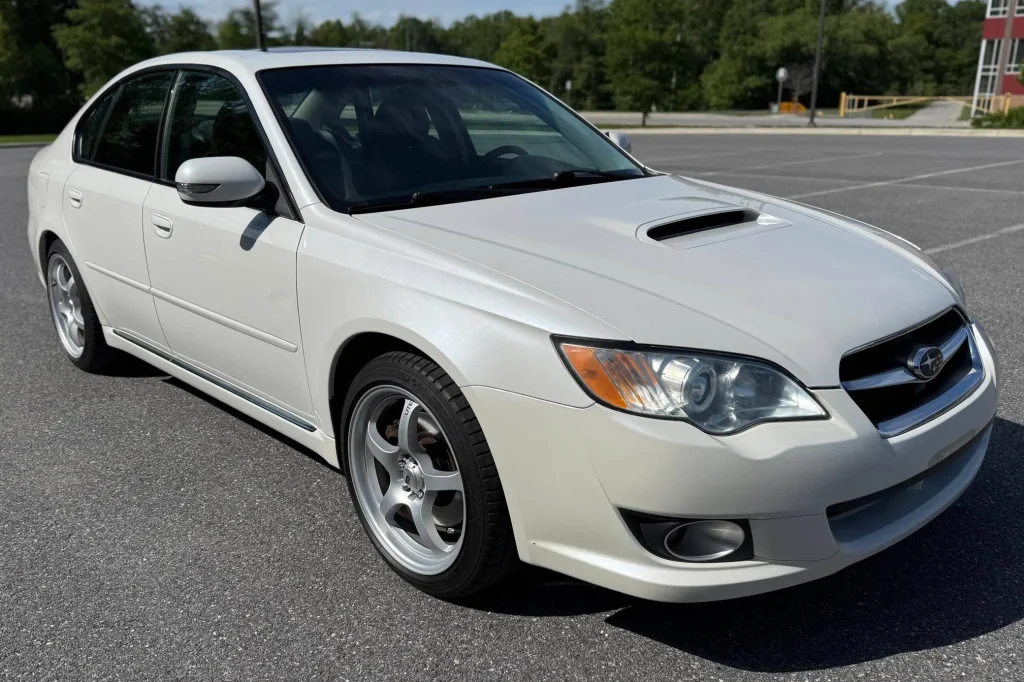
Parts availability was strong, the enthusiast community was extensive, and independent Subaru specialists were common throughout North America.
For buyers seeking turbocharged all-wheel-drive performance without luxury-car maintenance bills, the Legacy GT represented an attractive alternative. This value proposition continues to influence the vehicle’s reputation today.
It Arrived Before Performance Wagons Became Popular Again
Timing may have been one reason the Legacy GT wagon never achieved mainstream recognition.
The vehicle entered the market during a period when wagon sales were declining rapidly in the United States. Consumers increasingly preferred SUVs, while automakers shifted development resources toward crossover platforms.
As a result, many buyers overlooked wagons entirely. Ironically, the qualities that limited the Legacy GT’s success at the time would later become strengths.
Modern enthusiasts increasingly appreciate vehicles that combine practicality, performance, and individuality. Performance wagons from Audi, Mercedes-AMG, and BMW now command significant premiums, while used examples often retain strong resale values.
The Legacy GT offered many of those same attributes years earlier at a fraction of the cost. In many ways, it was ahead of its time.
Enthusiasts Have Kept the Legacy Alive
Although production numbers were relatively modest compared with mainstream Subaru models, the Legacy GT developed a dedicated following.
Online forums, enthusiast groups, and owner communities continue discussing maintenance tips, performance upgrades, and restoration projects. Many owners modify their vehicles using components shared with WRX and STI models, unlocking even greater performance potential.
The aftermarket support remains impressive. Because the turbocharged drivetrain shares so much DNA with Subaru’s performance lineup, upgrades ranging from exhaust systems and intercoolers to suspension components and engine tuning remain readily available.
This modification potential has helped preserve interest in the vehicle long after production ended.
Well-maintained examples have become increasingly difficult to find, particularly wagons equipped with manual transmissions. As availability decreases, appreciation among enthusiasts continues to grow.
The Legacy GT’s Lasting Legacy
Looking back, the Subaru Legacy GT wagon occupies a unique position in automotive history. It was neither the fastest performance wagon nor the most luxurious. It lacked the prestige of German competitors and never achieved the cultural status of the WRX STI.
Yet it delivered an extraordinarily well-balanced package that combined speed, practicality, all-weather capability, and value in a way few vehicles have matched.
Its turbocharged performance often rivaled cars carrying significantly higher price tags. Its wagon body provided genuine utility. Its all-wheel-drive system offered year-round confidence. And its understated styling allowed owners to enjoy all of those qualities without attracting unwanted attention.
For many enthusiasts, that combination remains the definition of a true sleeper. The Legacy GT wagon never needed aggressive bodywork or a premium badge to earn respect. It simply delivered performance where it mattered most, quietly matching many pricier turbocharged rivals while carrying groceries, luggage, and family gear along the way.
That achievement is precisely why it remains one of Subaru’s most underrated performance vehicles.
Also Read: 8 Red Flags On A Used Car Listing