
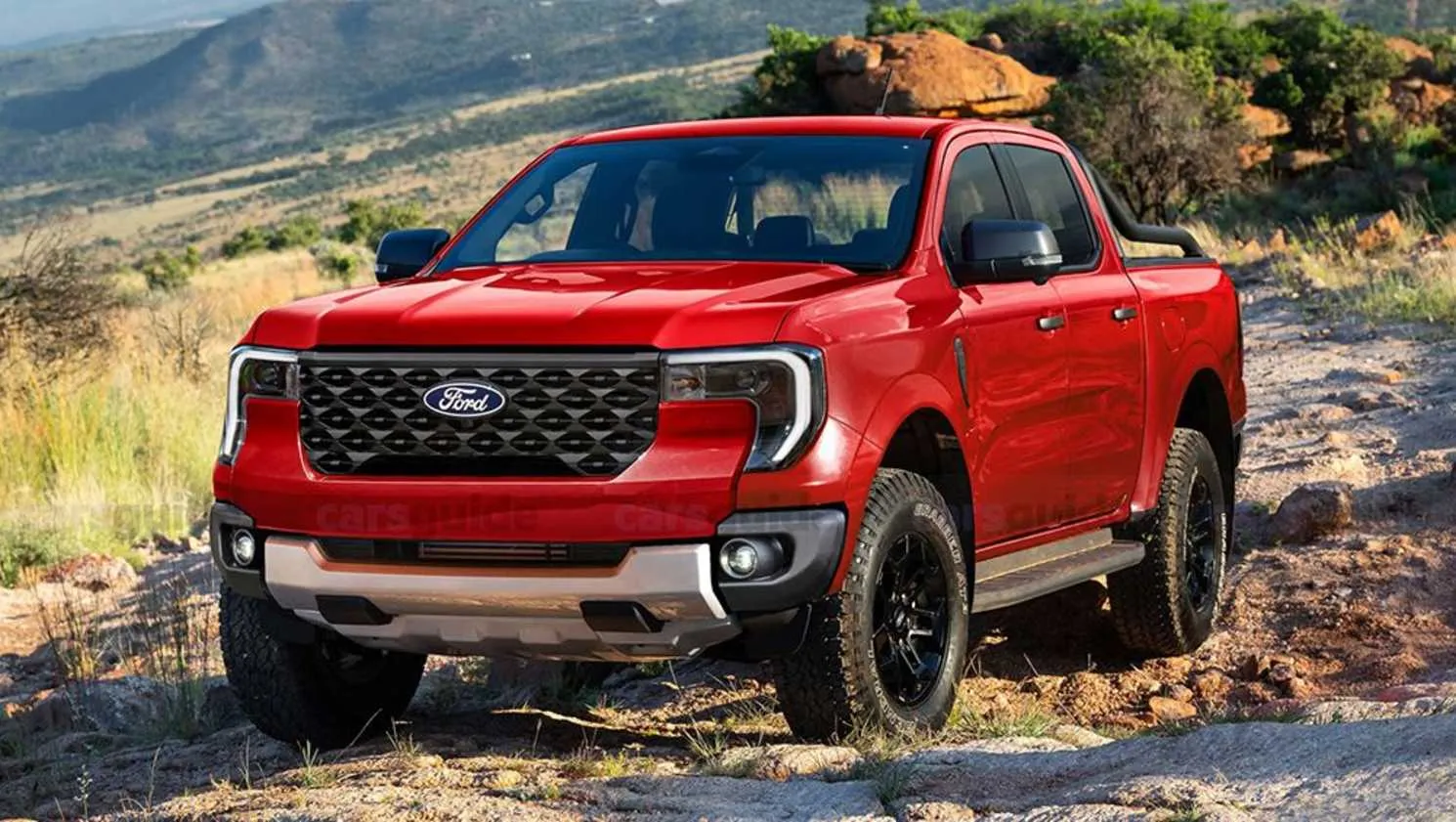
Pickup trucks have changed a lot over the past ten years. They now blend power, technology, and toughness into one package. Buyers want more than hauling ability today. They want a truck that survives hundreds of thousands of miles without constant repair bills.
Data from J.D. Power, Consumer Reports, and RepairPal tells a clear story here. Some brands have mastered dependable engineering, while others are still catching up.
This list ranks the ten most reliable trucks sold roughly between 2016 and 2026. Each entry blends owner feedback, manufacturer data, and independent testing.
We looked closely at engine durability and transmission longevity. Recall history and total ownership costs also played a major role. Full-size, midsize, and compact trucks all earned their spot fairly. Size and sales numbers were never the deciding factor.
Toyota and Honda dominate several spots on this list. Still, Detroit’s big three hold their own in several categories. Whether you need a daily commuter or a heavy hauler, these trucks simply keep running. The specifications below reflect typical configurations and may shift slightly by trim or model year.
10. Ford Maverick
The Maverick surprised everyone when it launched for 2022. It proved that a small, efficient truck could still be genuinely useful. Built on Ford’s Escape platform, it uses simple unibody construction. Fewer moving parts generally mean fewer things that can break down.
Consumer Reports has praised its dependability since its early years. The standard hybrid powertrain in particular has shown excellent long-term durability.
Early 2022 models did have some documented issues. Most owners recommend skipping that first model year if possible. By 2023, Ford ironed out most of the kinks. Reliability scores climbed noticeably from that point onward.
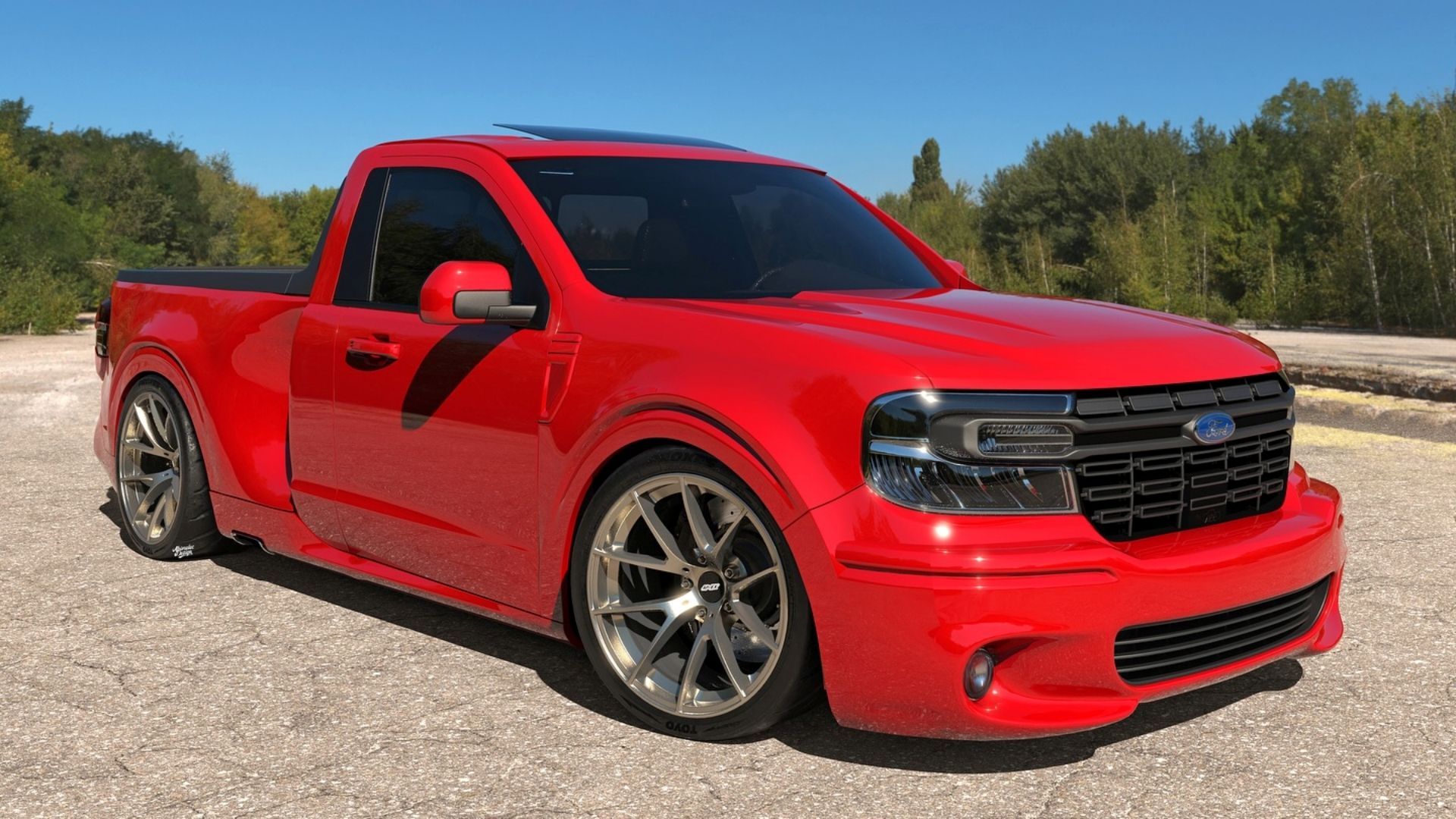
The hybrid engine returns impressive fuel economy without sacrificing dependability. Many owners report smooth ownership well past 100,000 miles.
Maintenance costs also stay refreshingly low for this segment. Most routine service visits cost less than full-size truck equivalents. The most common owner complaints involve brakes and minor transmission noise. Neither issue has proven to be a widespread or costly problem.
It isn’t built for serious towing or rock crawling. But for daily use, it has proven remarkably trouble-free. Available all-wheel drive adds versatility without compromising the platform’s simplicity. That balance has helped the Maverick earn a loyal following quickly. Resale values have held up surprisingly well for such a young model. Buyers clearly trust its growing reputation for dependability.
Specifications:
- Engine: 2.5L Hybrid 4-cylinder (2.0L EcoBoost turbo available)
- Horsepower: 191–250 hp
- Length: 199.7 inches
- Width: 72.6 inches
9. Ford Ranger
The Ranger returned to the U.S. market in 2019 after a long absence. It quickly built a reputation for being genuinely dependable. In 2025, Consumer Reports named it the single most reliable truck on sale. That’s a remarkable achievement for a midsize pickup.
Its turbocharged four-cylinder engine is simple by design. Fewer cylinders and a straightforward layout reduce potential failure points. Owners frequently report smooth ownership experiences with minimal trips to the shop. Transmission complaints have been rare compared to many competitors.
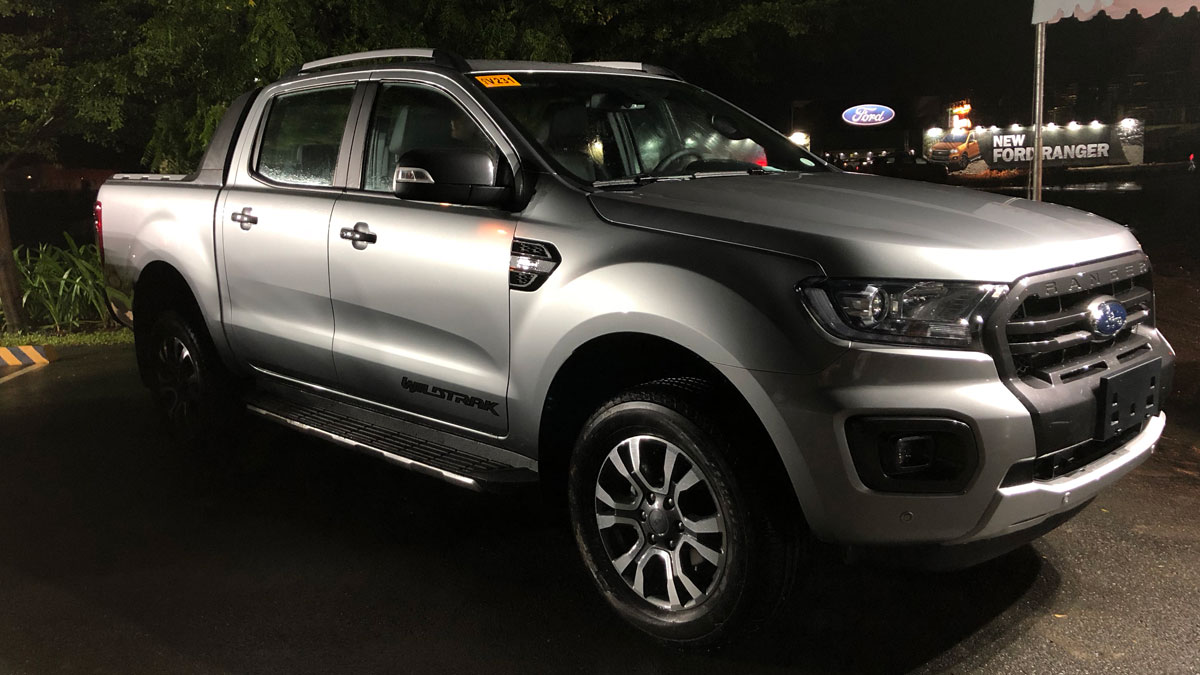
The newer generation also added more tech without sacrificing dependability. That balance is harder to achieve than it sounds. Ford carried over much of the engineering from the global Ranger platform. That platform had already been tested extensively overseas before reaching America.
The Raptor performance trim adds a V6 engine and heavier-duty components. Even with the added power, reliability scores have remained strong.
Routine maintenance costs sit comfortably in the middle of the segment. Parts availability is excellent given Ford’s massive dealer network. It’s not the most powerful truck in its class. But it trades raw power for consistency and long-term peace of mind.
Resale value has stayed strong because of this reputation. Buyers trust the name, and that trust is well earned. Few recalls have been issued since its 2019 relaunch. That clean record speaks volumes about Ford’s engineering discipline here.
Specifications:
- Engine: 2.3L EcoBoost turbocharged 4-cylinder
- Horsepower: 270–315 hp
- Length: 210.8 inches
- Width: 75.8 inches (78.4 inches with mirrors)
8. Ram 1500
Ram has come a long way over the past decade. Early models struggled, but recent years show real improvement. The 5.7-liter HEMI V8 has become a standout performer. It pairs strong power with genuine long-term durability.
Coil-spring rear suspension gives the Ram an exceptionally smooth ride. That comfort doesn’t come at the cost of reliability anymore. Transmission issues that once plagued the lineup have largely been resolved. Newer eight-speed automatics shift far more smoothly than before.
The eTorque mild-hybrid system added efficiency without adding major complexity. Most owners report no significant issues tied to that system. Interior quality has also improved alongside mechanical reliability. Ram interiors are often praised as best-in-class for comfort.
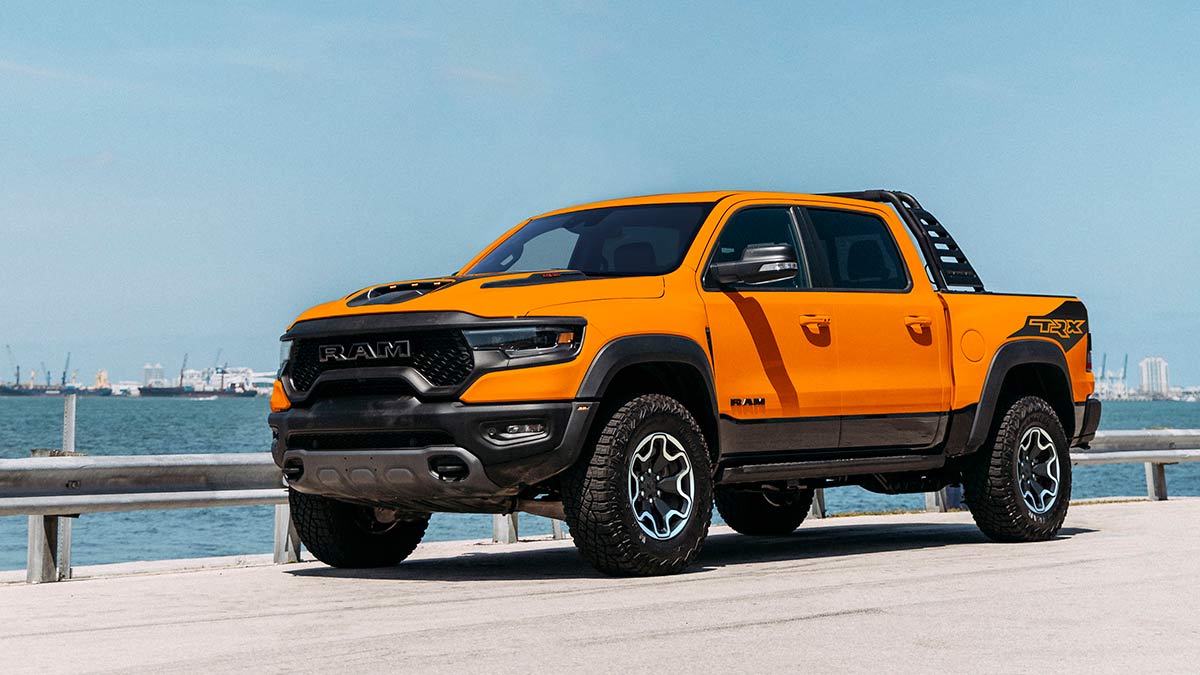
The 2018 and 2020 model years stand out as particularly strong used buys. J.D. Power gave the 2018 model an 81 out of 100 reliability score. Air suspension on higher trims adds comfort, though it introduces extra complexity. Owners considering that option should budget for occasional suspension service.
Diesel-powered EcoDiesel variants have earned praise for towing range and longevity. Some early diesel units did face emissions-related recalls, however.
It still trails Toyota and Honda in raw dependability scores. But the gap has narrowed considerably in recent years. Ram represents one of the biggest reliability turnarounds in the industry. That progress alone earns it a solid spot on this list.
Specifications:
- Engine: 5.7L HEMI V8 (3.6L Pentastar V6 also available)
- Horsepower: 305–395 hp
- Length: 232.9 inches
- Width: 82.1 inches
7. GMC Sierra 1500
The Sierra shares its bones with the Chevrolet Silverado. That shared engineering means it inherits much of the same solid reliability. J.D. Power gave the 2020 Sierra one of its highest scores of the decade. That model year remains a favorite among used-truck buyers.
The available Duramax diesel adds excellent towing range and efficiency. Diesel owners often report exceptional long-term engine life. Recalls over the years have mostly involved tires and seatbelts. Major engine or transmission failures have been relatively uncommon.
GMC’s Denali trim adds extra luxury without compromising mechanical simplicity. The added features rarely interfere with core reliability. Electrical systems have occasionally drawn complaints from owners. Still, these issues tend to be minor and easily repaired.
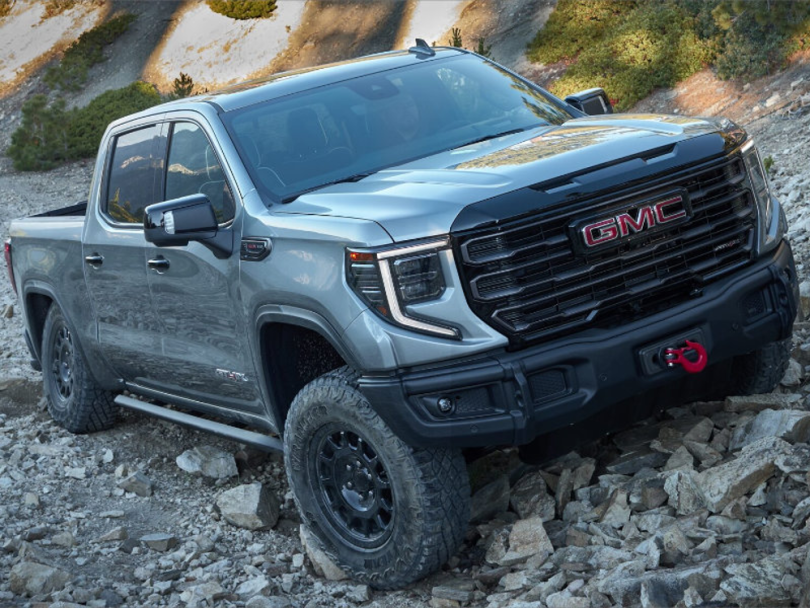
Around 145 NHTSA complaints have been logged for the strongest model years. That’s a relatively low figure for such a high-volume truck. The MultiPro tailgate and other gadget-heavy features add convenience without major reliability tradeoffs. Most of these systems have proven durable in daily use.
Maintenance costs run close to the Silverado, generally landing under $700 annually. That figure compares favorably against most full-size rivals. The Sierra remains a dependable full-size workhorse.
It’s a strong pick for buyers who want Silverado reliability with extra polish. Resale values stay strong thanks to GMC’s premium positioning within General Motors. Buyers often pay more upfront but recoup value later.
Specifications:
- Engine: 5.3L V8 (2.7L Turbo and 3.0L Duramax diesel available)
- Horsepower: 310–420 hp
- Length: 231.7 inches
- Width: 81.2 inches
6. Chevrolet Silverado 1500
The Silverado has long been a benchmark for full-size truck durability. Its V8 engines have earned a loyal following for good reason. The 5.3-liter V8 is known to easily surpass 200,000 miles. Regular maintenance is really all it asks for in return.
Simple, proven mechanical design helps keep failure points to a minimum. Chevrolet hasn’t strayed far from what already works. Transmission durability has improved significantly in recent generations.
Complaints about rough shifting have dropped noticeably since earlier model years. Strong towing capacity comes without putting excessive strain on the drivetrain. That balance helps extend the life of major components.
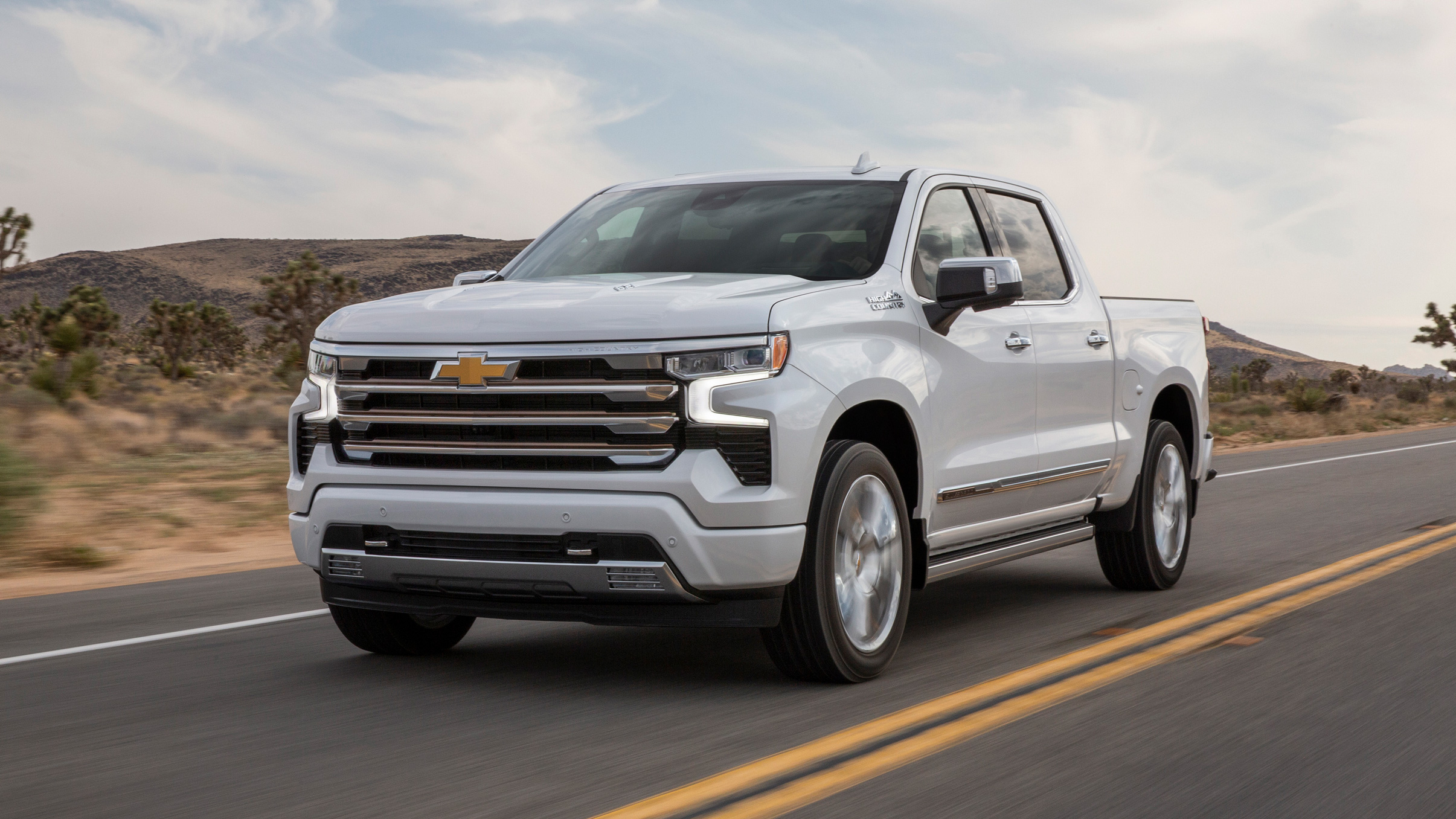
Resale value remains high thanks to consistent owner satisfaction. Buyers trust the Silverado name across generations. The 2025 model earned an 84 out of 100 on J.D. Power’s reliability scale. That places it among the top full-size trucks currently on sale.
iSeeCars rated it 8.8 out of 10 for reliability, ranking second among full-size trucks. Annual maintenance costs average around $714, which is reasonable for the segment.
It isn’t flawless, and electrical glitches do occasionally appear. Even so, it remains one of the most dependable full-size trucks available. RepairPal rates Chevrolet above average, with a 3.5 out of 5.0 score. That rating reflects years of consistent owner feedback.
Heavy-duty buyers also benefit from the Duramax diesel’s reputation for longevity. Many examples have logged well over 300,000 miles in commercial use.
Specifications:
- Engine: 5.3L V8 (2.7L Turbo, 6.2L V8, and 3.0L Duramax diesel available)
- Horsepower: 310–420 hp
- Length: 231.7 inches
- Width: 81.2 inches
Also Read: The 10 Most Expensive Car Repairs and What Triggers Them
5. Nissan Frontier
The Frontier spent years running essentially unchanged hardware. That stagnation, oddly enough, became its biggest reliability advantage. Its older 4.0-liter V6 and five-speed automatic were simple and well-tested. Fewer updates meant fewer chances for new problems to appear.
The redesigned 2022 Frontier brought a 3.8-liter V6 and modern features. Reliability remained strong despite the major overhaul. Consumer Reports has ranked it ahead of the Ridgeline in recent surveys. That’s a notable result given Honda’s strong reputation.
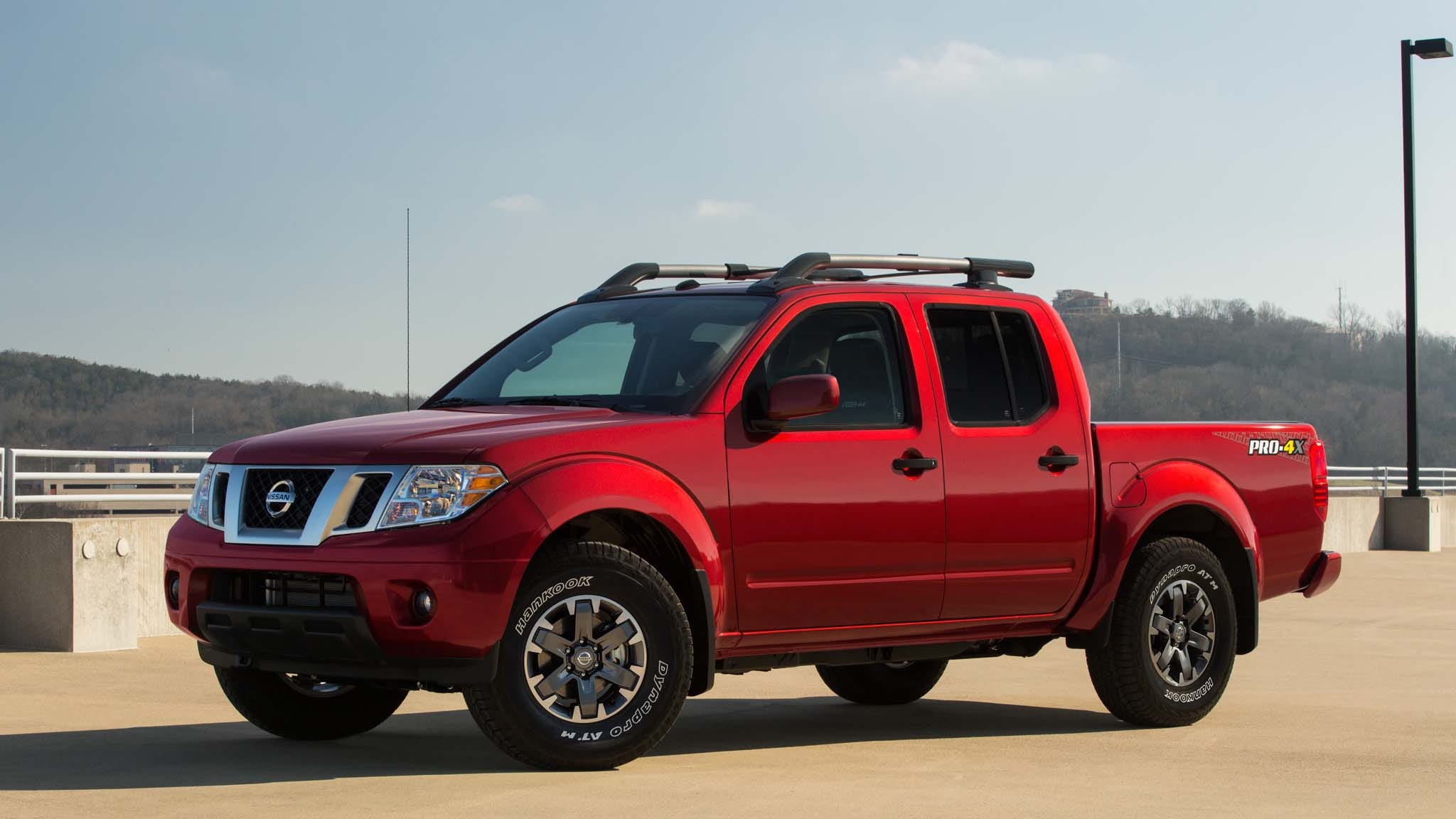
Most owner complaints involve paint and trim quality rather than mechanics. That’s a far better problem to have than transmission failure. Off-road capability remains solid without sacrificing daily dependability. It manages to be tough and trustworthy at the same time.
The earlier rebadged Navara-based Frontier had only one recall on record. That recall involved a backup camera malfunction rather than anything mechanical.
Complaint rates have consistently ranked among the lowest in the entire truck segment. Only the Tundra has matched that level of consumer satisfaction.
Buyers shopping used should still favor newer redesigned models when possible. Early redesign years occasionally carry more minor complaints than later ones.
It may lack some refinement compared to rivals. But it consistently delivers where it matters most: staying on the road. The simple drivetrain also keeps long-term repair costs manageable. Parts remain widely available and reasonably priced through Nissan’s network.
Specifications:
- Engine: 3.8L V6
- Horsepower: 310 hp
- Length: 205.5–219.6 inches (depending on cab and bed configuration)
- Width: 76.1 inches
4. Ford F-150
The F-150 has been America’s best-selling truck for decades. Sales success alone doesn’t guarantee reliability, but this truck backs it up. High-strength aluminum body panels help reduce long-term corrosion issues. That material choice has paid off in longevity for many owners.
EcoBoost engines deliver strong fuel economy without sacrificing real-world durability. The 5.0-liter V8 remains a favorite for buyers wanting simplicity.
In 2025, Consumer Reports placed the F-150 among its top five most reliable trucks. That’s impressive for a truck offered with so many engine choices.
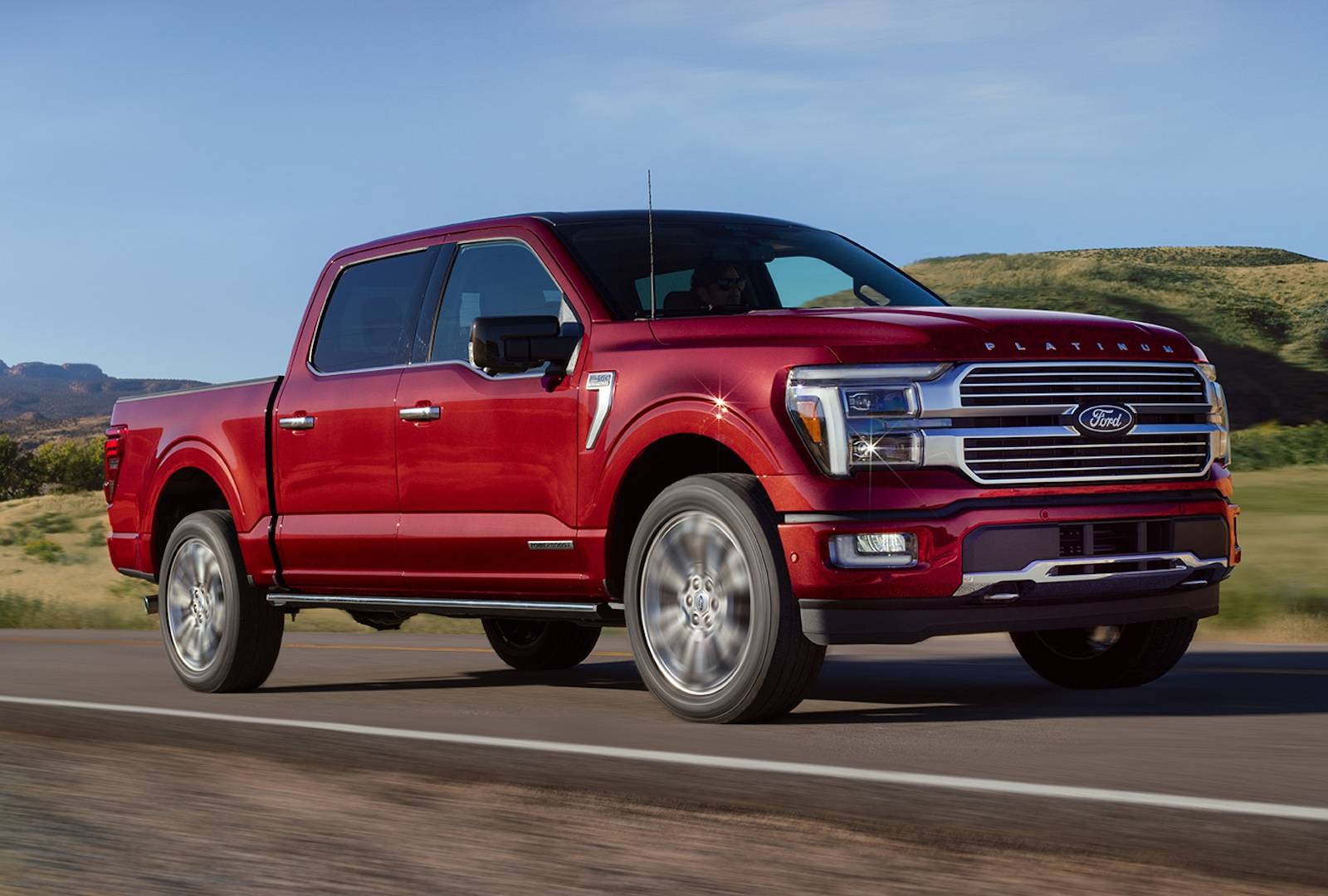
iSeeCars data shows an average lifespan exceeding 160,000 miles. That translates to roughly a decade of dependable use for most owners. The hybrid PowerBoost variant has had a rougher reliability record. Buyers seeking maximum dependability often stick with the traditional gas engines.
The 2022 model year scored 86 out of 100 on J.D. Power’s quality index. That made it one of the best large light-duty pickups released that year. Good model years to target include 2015 and 2022, according to several industry reports. The 2018 model year is generally one to avoid due to known issues.
Estimated ten-year resale retention sits around 36 percent, which is solid for a full-size truck. That figure reflects strong long-term consumer confidence in the nameplate.
The hybrid PowerBoost variant earned the lowest reliability rating in recent Consumer Reports data. Traditional gas engines remain the safer bet for dependability-focused buyers. The F-150 balances capability, technology, and toughness exceptionally well. It earns its reputation as America’s truck for good reason.
Specifications:
- Engine: 3.3L V6 (2.7L EcoBoost, 5.0L V8, and 3.5L EcoBoost available)
- Horsepower: 290–450 hp
- Length: 209.1–243.9 inches (varies by cab and bed)
- Width: 79.9 inches
3. Honda Ridgeline
The Ridgeline takes a different approach than most trucks on this list. Its unibody construction borrows more from SUVs than traditional pickups. That design choice reduces strain on the suspension significantly. Fewer separate components mean fewer parts that can eventually fail.
Honda’s reputation for engine reliability extends directly to the Ridgeline. The 3.5-liter V6 has a long track record of trouble-free operation. Independent suspension delivers a noticeably smoother ride than body-on-frame rivals. That comfort hasn’t come at the expense of long-term durability.
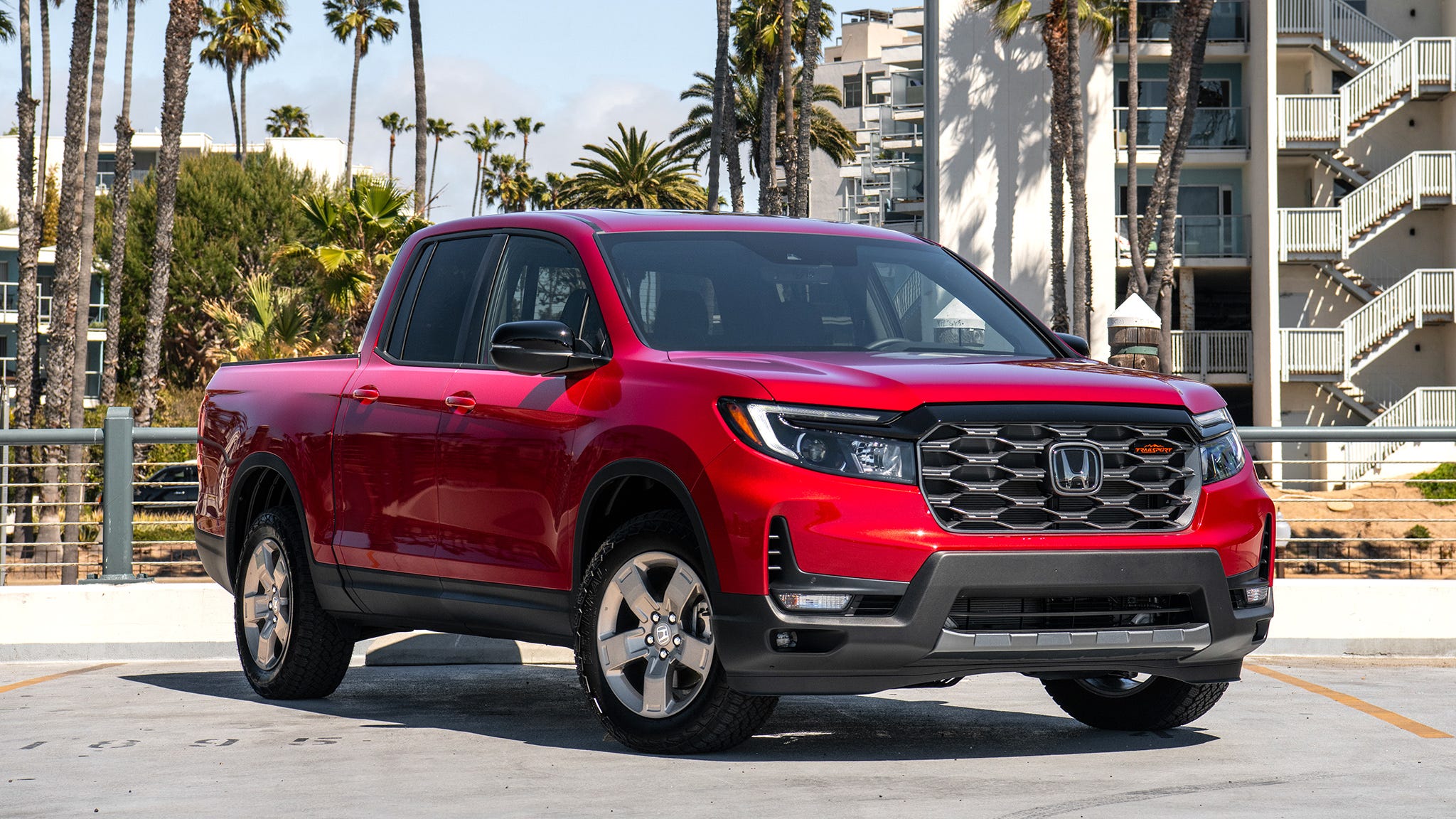
Customer satisfaction surveys consistently rank the Ridgeline near the top. Owners report fewer mechanical surprises than with most competing trucks.
It can’t match heavy-duty trucks in towing or payload capacity. For most everyday buyers, though, that tradeoff is well worth it. The most common complaints involve minor body hardware, such as interior lighting. Occasional squeaks and small leaks have also been reported by owners.
Even with those minor gripes, the Ridgeline has proven more reliable than several midsize rivals. It often outperforms the Tacoma in long-term consumer reliability surveys.
Its in-bed trunk and dual-action tailgate add genuine everyday utility. Both features have held up well across model years without major failures. Resale values remain strong thanks to its dependable reputation. It’s proof that reliability doesn’t require a traditional truck formula.
Maintenance costs also tend to run lower than body-on-frame full-size trucks. That makes the Ridgeline an appealing long-term ownership choice.
Specifications:
- Engine: 3.5L V6
- Horsepower: 280 hp
- Length: 210.0 inches
- Width: 78.6 inches
2. Toyota Tundra
The Tundra has built its reputation on sheer mechanical longevity. Its older 5.7-liter V8 routinely surpassed 300,000 miles with proper care. Body-on-frame construction adds real durability for heavy-duty use. The frame and suspension were engineered with longevity clearly in mind.
The newer twin-turbo i-FORCE V6 introduced some early teething issues. Toyota has steadily addressed these problems through several model years.
By 2025 and 2026, predicted reliability scores improved significantly. Consumer Reports now rates recent Tundras as average or better. The i-FORCE MAX hybrid adds power without major reliability tradeoffs. Most complaints involve electronics rather than core mechanical failures.
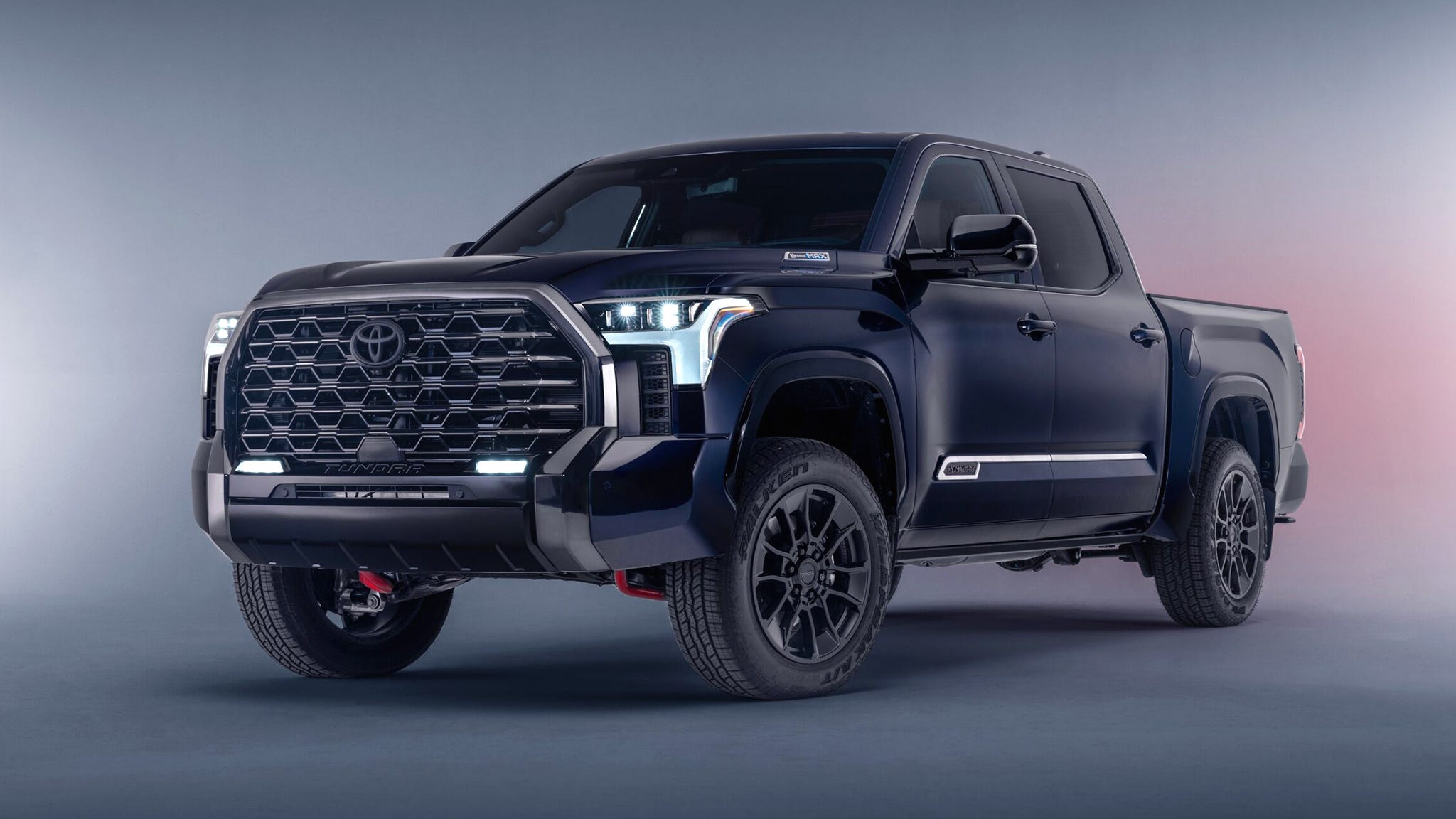
Annual repair costs remain below the industry average for full-size trucks. That’s a meaningful advantage for long-term ownership costs. The 2021 model year had only three recalls and just sixteen NHTSA complaints. Electrical glitches and windshield wiper issues were the most common concerns.
Models from 2020 and 2021 are especially well regarded among used-truck buyers. Both years recorded very low complaint volumes relative to total sales.
J.D. Power gave several recent Tundra model years scores around 87 out of 100. That places it consistently among the most dependable full-size trucks built.
Resale value stays exceptionally strong thanks to Toyota’s reputation. Buyers consistently trust the Tundra name even through transitional years. RepairPal rates Toyota’s brand reliability at 4.0 out of 5.0. That ranks the brand ahead of roughly two dozen other automakers.
Specifications:
- Engine: 3.5L Twin-Turbo V6 i-FORCE (i-FORCE MAX hybrid available)
- Horsepower: 348–437 hp
- Length: 233.6 inches (CrewMax configuration)
- Width: 80.0 inches
1. Toyota Tacoma
The Tacoma earns the top spot through sheer consistency. Few trucks have matched its reputation for going the distance reliably. The previous-generation 3.5-liter V6 became legendary among truck owners. Many examples surpassed 250,000 miles with only routine maintenance.
Toyota redesigned the Tacoma for 2024 with a turbocharged four-cylinder. Early reliability scores dipped slightly during that major transition. By the most recent model year, scores rebounded to above average. Consumer Reports now ranks it ahead of both the Frontier and Ridgeline.
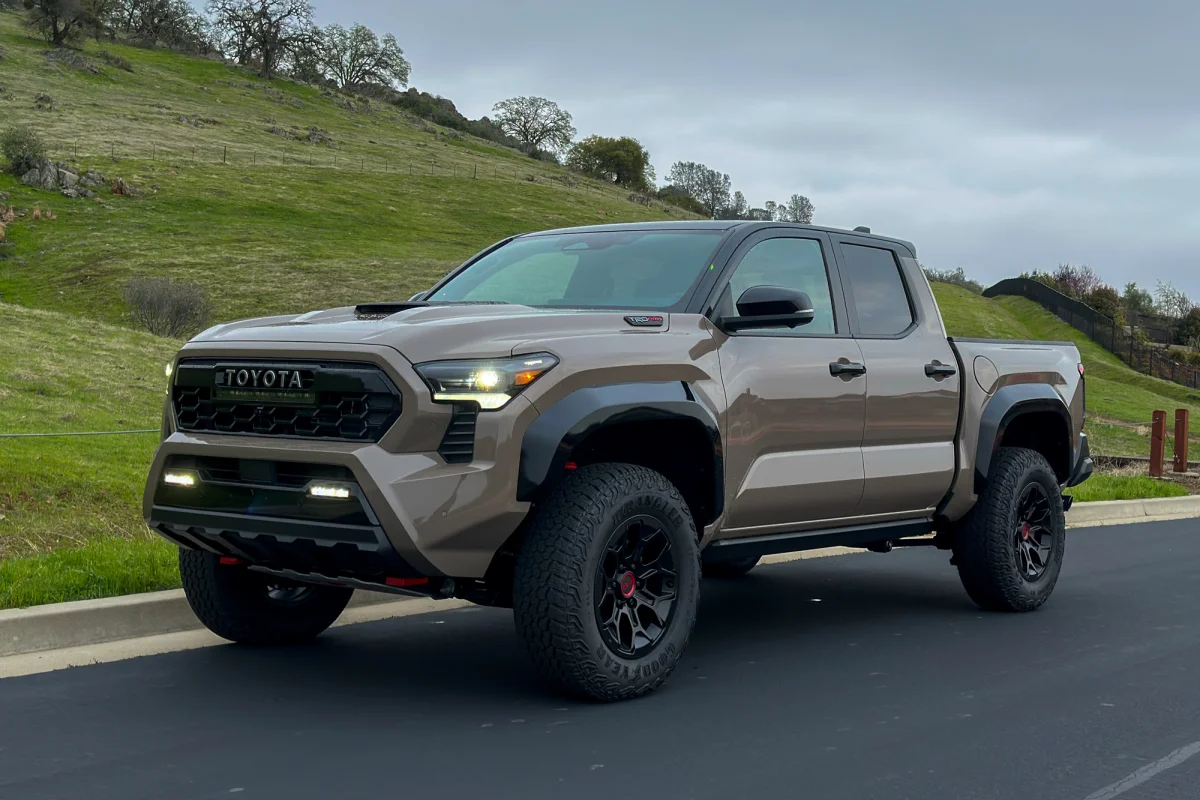
Resale value remains the strongest in the entire midsize truck segment. Owners often recover an unusually high percentage of the original price. Its off-road capability hasn’t come at the cost of dependability. TRD models manage to be both rugged and remarkably trouble-free.
The 2015 model, representing the final year of the second generation, also holds a strong reputation. It’s often cited as one of the most dependable used Tacomas available.
Common complaints on newer turbocharged models involve HVAC systems and occasional driveline issues. Even so, these problems remain far less frequent than on many rivals.
The i-FORCE MAX hybrid option adds power while maintaining Toyota’s typical mechanical discipline. Owners report few unique issues tied specifically to the hybrid system.
Average lifespan estimates often place the Tacoma well above 200,000 miles with proper care. That kind of longevity is rare across the entire midsize segment. Simply put, no truck on this list balances toughness and trust better. That combination is exactly why it tops this ranking.
Specifications:
- Engine: 2.4L Turbocharged 4-cylinder (i-FORCE MAX hybrid available)
- Horsepower: 228–326 hp
- Length: 212.7 inches (Double Cab, long bed)
- Width: 76.6 inches (74.4 inches without mirrors)
Also Read: 7 Cheapest Brands to Maintain Over a Decade
