
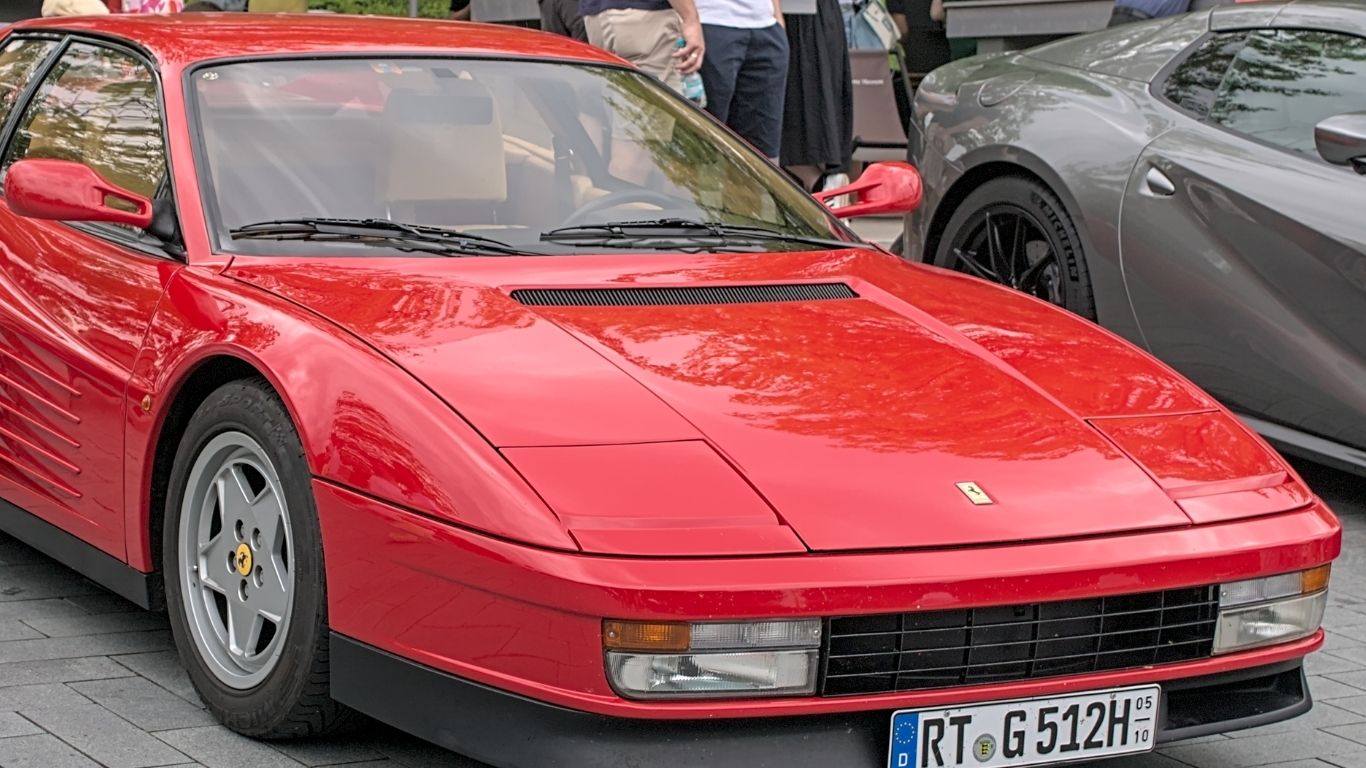
Think back to a teenager’s bedroom in the early 1990s. A Ferrari F40 poster usually held a spot on the wall, showing the low red supercar in motion, with a handwritten note bragging about a 0 to 60 time that seemed untouchable. That image represented peak speed at the time, something reserved for wealthy owners and dream garages.
That poster often defined what many believed was possible in automotive performance during that era, shaping how speed was imagined long before modern technology changed expectations. Fast forward to the present day, and that same performance figure, around 3.7 to 3.8 seconds from cars like the Ferrari F40 and Ferrari F50, is now something found in everyday family SUVs. Parents can match those numbers during school runs while carrying kids, groceries, and daily gear without breaking a sweat.
Advancements in electric motors, turbocharged engines, and advanced all-wheel-drive systems have reshaped what fast feels like in normal traffic. This performance change has become so normal that many drivers do not even realize they are experiencing acceleration that once belonged only to high-end supercars.
This change is not just a spec sheet curiosity. It is happening on roads every day. The list ahead highlights eight family-friendly vehicles that combine space and comfort with straight-line performance that would have embarrassed many 1990s supercars.
These vehicles are not stripped-down performance machines, but fully usable daily transports that still manage to deliver eye-opening acceleration when needed. That combination is what makes them surprisingly quick in real-world driving situations.
1. Tesla Model X Plaid
0-60 MPH Time: 2.5 seconds
- Engine: Three High-Performance Electric Motors
- Horsepower: 1,020 hp
- Torque: 752 lb-ft
- Size: 199.1 in. Long x 78.7 in. Wide
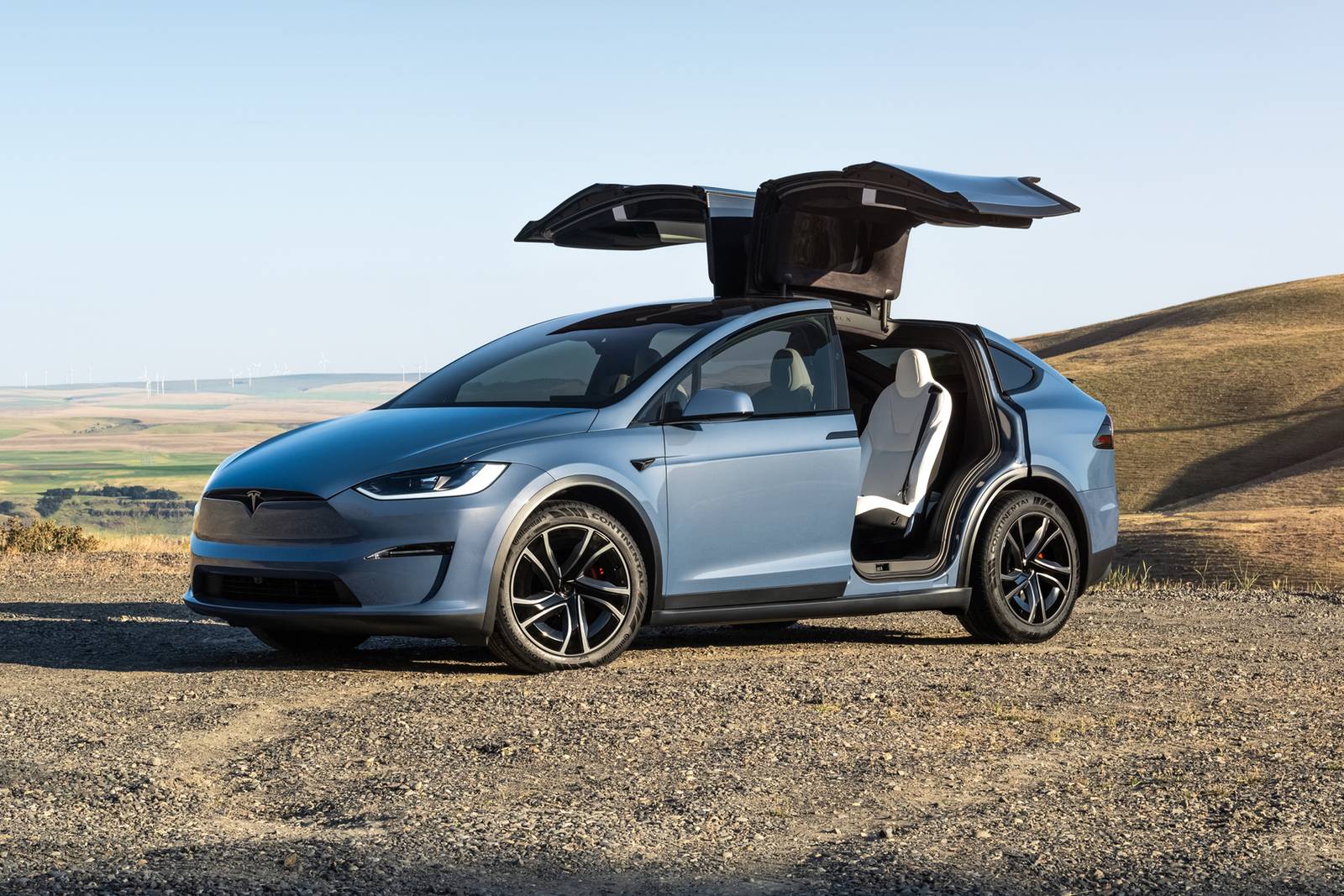
Start with the number that makes this entire comparison possible: 2.5 seconds. That is how long it takes a Tesla Model X Plaid to launch from 0 to 60 mph. For context, that is more than a full second quicker than a Ferrari F40 ever achieved at its very best.
A full second in acceleration is not a minor difference. It is the gap between a vehicle vanishing almost instantly down the road and one that never really gets the chance to come close.
What makes this number genuinely strange to process is the vehicle producing it. The Tesla Model X Plaid is not a stripped-down two-seater built for one purpose. This three-row electric SUV features falcon-wing rear doors and seating for up to seven passengers, which means somewhere in the back of this rocket, there is very likely a car seat, a diaper bag, and a half-eaten granola bar wedged into a cup holder.
The same vehicle hauling kids to soccer practice on a Tuesday afternoon is mechanically capable of humiliating one of the most celebrated supercars ever built. The engineering behind that contradiction comes down to a fundamental difference between how electric motors and internal combustion engines deliver power. It uses three separate electric motors to launch its massive frame forward faster than almost any vehicle built in the 20th century.
Gasoline engines need to build revolutions per minute before they reach peak torque, which creates a slight delay between pressing the pedal and feeling the full shove of acceleration. Electric motors do not have that problem. Torque arrives instantly and completely, the moment current flows, and when you have three separate motors working together, each one independently managing power to different wheels, the result is a launch that feels less like driving and more like being fired out of something.
Weight should, in theory, work against the Model X Plaid in this comparison. At nearly 200 inches long and built with a heavy battery pack running the length of the floor, this is not a lightweight car by any traditional definition. The Ferrari F40, by comparison, was built with obsessive attention to shedding every unnecessary pound.
Yet raw power and instant torque delivery overcome that weight disadvantage so completely that the comparison is not even close anymore. That is the genuinely strange, slightly unbelievable reality of where automotive performance has landed in the modern era.
2. Porsche Cayenne Turbo E-Hybrid
0-60 MPH Time: 3.4 seconds
- Engine: 4.0L Twin-Turbo V8 paired with an Electric Motor
- Horsepower: 729 hp (total system)
- Torque: 700 lb-ft (total system)
- Size: 194.1 in. Long x 78.1 in. Wide
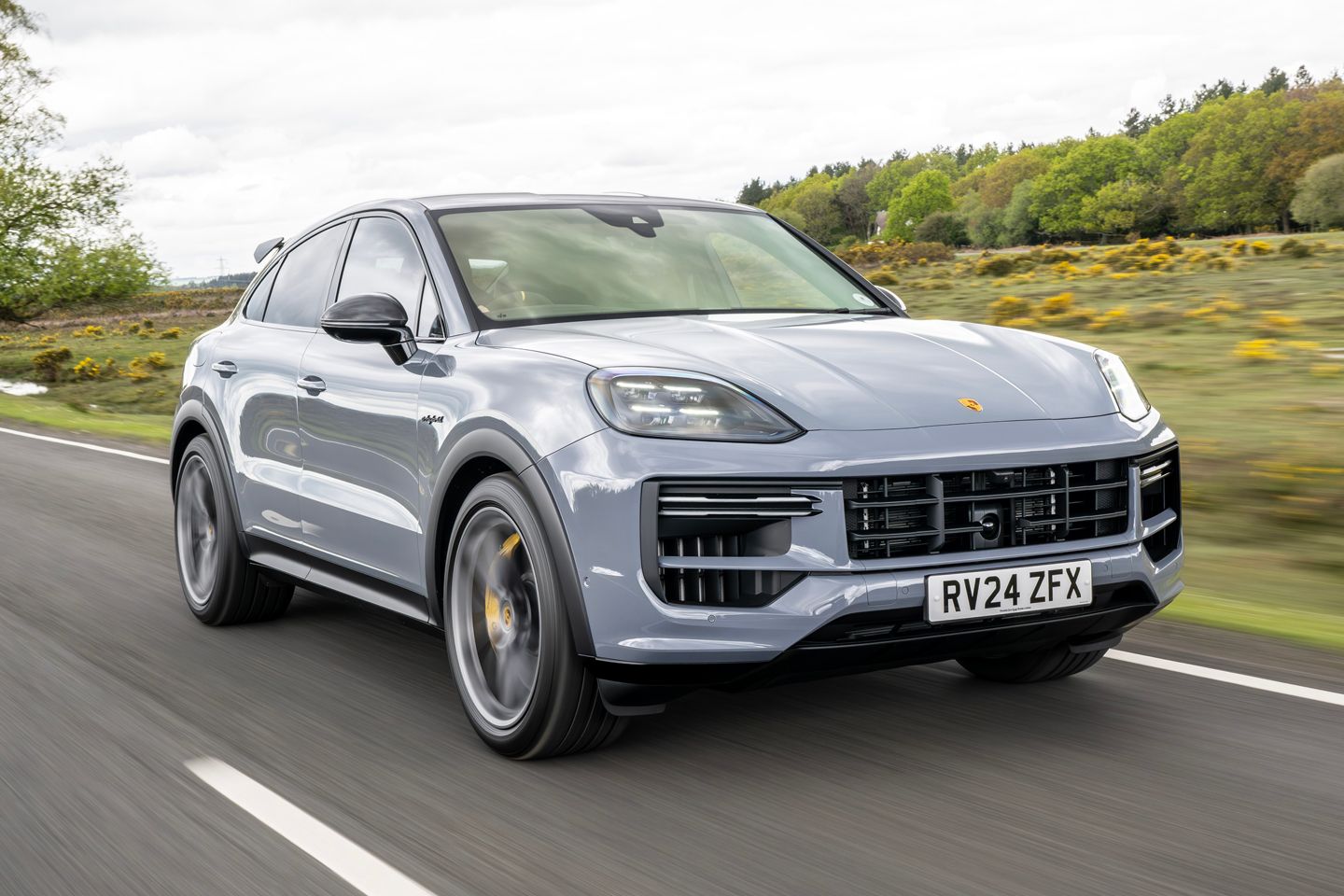
Porsche has spent decades building cars that blur the line between everyday usability and genuine track capability, and the Porsche Cayenne Turbo E-Hybrid might be the cleanest expression of that philosophy yet. As a luxury midsize SUV, the Porsche Cayenne Turbo E-Hybrid balances track-ready performance with daily utility.
That balance is not marketing language. It shows up directly in a 3.4-second sprint to 60 mph, a number that handily beats the Ferrari F40’s best effort while doing it from a vehicle with a full back seat and a properly sized cargo area behind it. What makes this Porsche particularly clever is how it solves a problem that has frustrated turbocharged performance cars for decades: lag.
Traditional turbochargers need exhaust gas flow to spin up before they start forcing extra air into the engine, and that brief delay between flooring the accelerator and feeling the full power arrive has always been the one weakness in an otherwise thrilling turbocharged experience.
Its advanced plug-in hybrid setup fills in any turbo lag with instant electrical power, meaning the electric motor steps in immediately while the twin turbochargers spool up, creating a seamless, continuous wave of acceleration rather than a delayed punch followed by a surge.
That 4.0-liter twin-turbo V8 at the heart of this SUV is shared, in various forms, across several other high-performance Porsche and Volkswagen Group products, and it has earned a reputation as one of the more characterful, properly aggressive engines currently in production.
Pairing that engine with an electric motor and a substantial battery pack does add weight, certainly, but it also adds a layer of acceleration smoothness and low-end shove that a purely gasoline-powered version of this same SUV simply could not replicate on its own.
Daily practicality remains fully intact despite all that performance hardware crammed underneath. A family using this Cayenne for school drop-offs, grocery runs, and weekend trips to the lake gets a comfortable, properly sized interior with genuine cargo capacity, heated seats, and a smooth ride on regular roads.
The fact that the same vehicle can then turn around and embarrass a 1990s supercar on demand is simply an enormous bonus sitting quietly underneath the hood, waiting for the right moment on an empty stretch of highway.
Also Read: 5 Family Cars for Johnson City Commuting and 5 Long-haul Reliable Options
3. Audi RS 6 Avant
0-60 MPH Time: 3.3 seconds
- Engine: 4.0L twin-turbocharged V8
- Horsepower: 621 hp (463 kW)
- Torque: 627 lb-ft (850 Nm)
- Length: 196.7 in (4,995 mm)
- Width: 76.8 in (1,951 mm) (excluding mirrors)
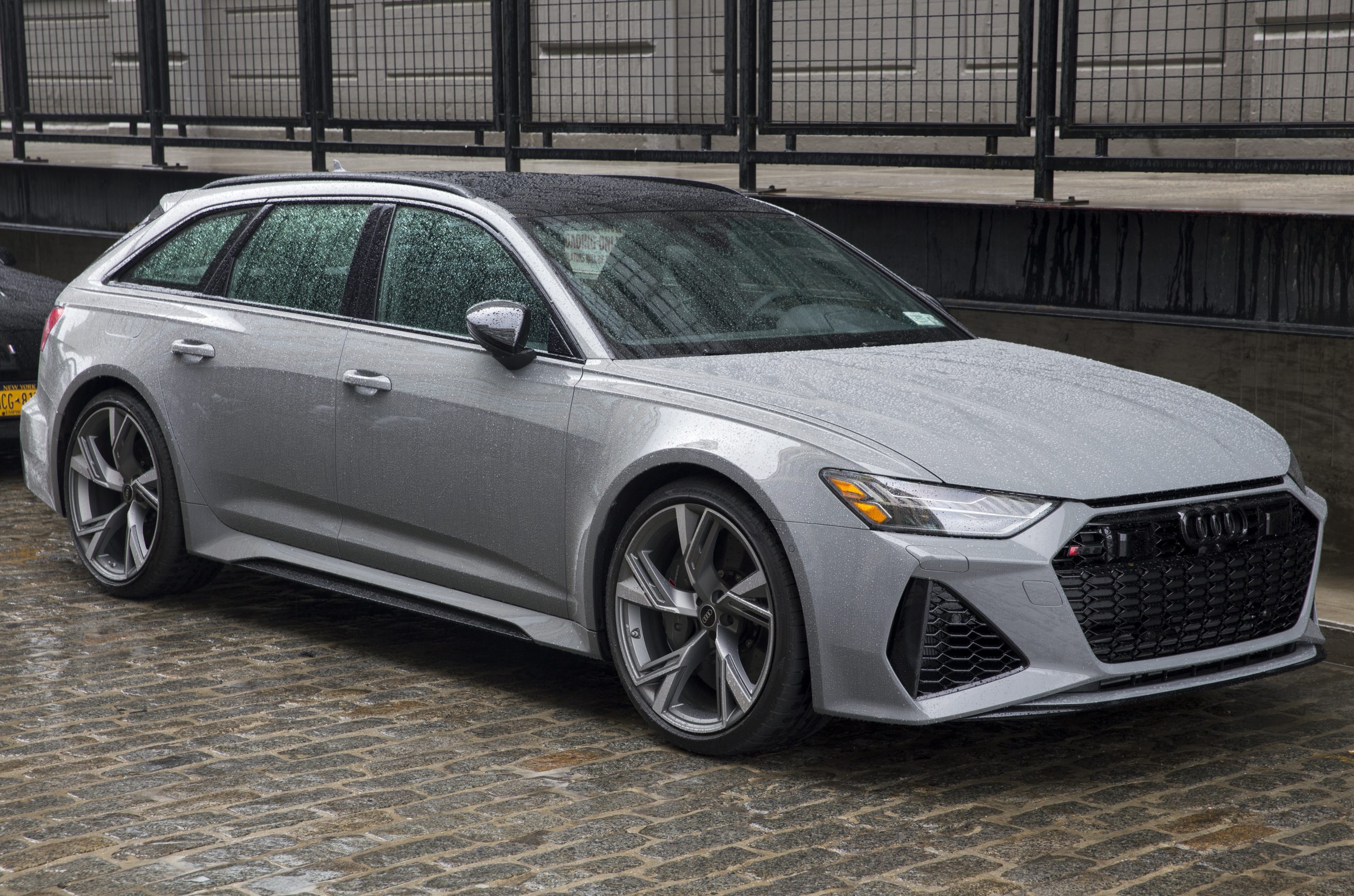
Station wagons in the United States have long carried an outdated reputation, often seen as dull family haulers chosen for convenience rather than excitement. The Audi RS 6 Avant completely overturns that idea. It rockets from 0 to 60 mph in just 3.3 seconds, outpacing a Ferrari F40 by nearly half a second, which says a lot about how far performance engineering has come.
Speed doesn’t come at the expense of usefulness here, and that balance defines what makes this car special. The rear cargo space is generous enough to handle everyday needs like groceries, strollers, or luggage for a weekend trip. While a Ferrari F40 struggles to hold even a small bag behind its tight seats, this Audi easily accommodates a family’s gear with room left over. It blends real-world practicality with acceleration figures that would have sounded impossible to car enthusiasts back in the early 1990s.
Traction plays a major role in making all that power usable. The Quattro all-wheel-drive system ensures strong grip when launching, helping the car put more than 600 horsepower to the ground without wasting energy in wheel spin. By comparison, the Ferrari F40 sends all its power to the rear wheels, requiring a skilled driver to maintain control.
Audi’s system distributes power across all four wheels, delivering steady and reliable acceleration. A mild-hybrid setup adds refinement by smoothing power delivery and sharpening throttle response. The result is a true station wagon that combines comfort, space, and astonishing speed, capable of carrying a family across long distances and still outperforming one of the most iconic supercars ever built.
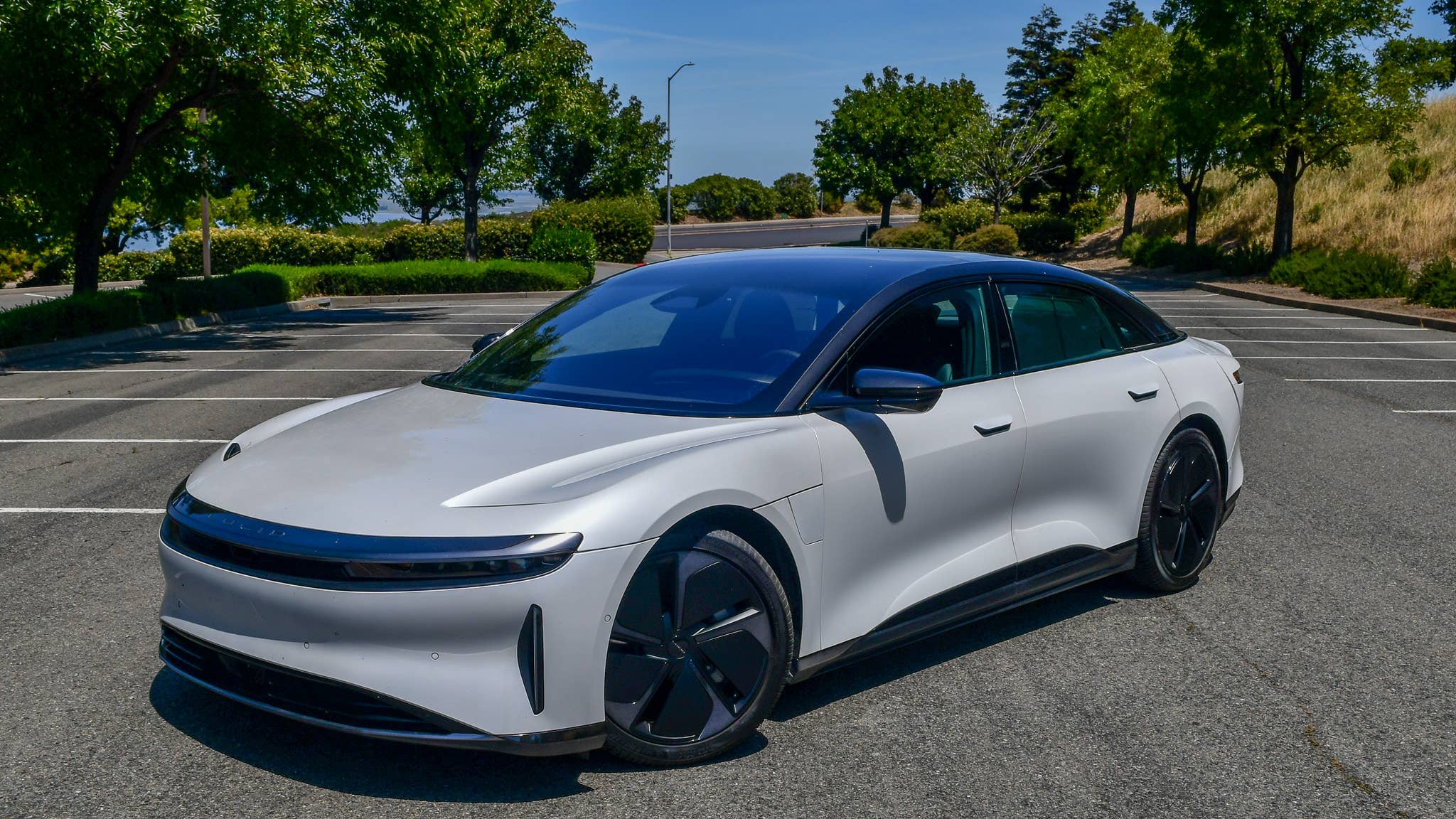
4. Lucid Air Touring
0-60 MPH Time: 3.4 seconds
- Engine: Dual Electric Motors
- Horsepower: 620 hp
- Torque: 885 lb-ft
- Size: 195.9 in. Long x 76.3 in. Wide
Some performance cars announce themselves loudly, with aggressive styling, throaty exhaust notes, and badges that practically shout their intentions. The Lucid Air Touring takes the opposite approach entirely, presenting itself as a sleek, understated luxury sedan that just happens to accelerate hard enough to beat a Ferrari F40 by nearly four tenths of a second.
Rear seat passengers are the real winners in this particular vehicle, and that detail matters enormously for a family considering it as a daily driver. This sleek luxury sedan features one of the roomiest back seats in its class, a genuine rarity among performance-oriented vehicles, which tend to prioritize a low, aggressive roofline over rear headroom and legroom.
Parents who have ever tried wrestling a child into a rear-facing car seat inside a low-slung sports car will understand exactly why this kind of interior space matters in a way that horsepower figures alone never quite capture. Storage space tells an equally surprising story.
Alongside a massive front trunk, the Lucid Air Touring offers a level of cargo flexibility that traditional gasoline-powered luxury sedans simply cannot replicate, since there is no engine occupying that space up front. A family can pack the trunk in the rear, load additional gear into the front trunk, and still have room left over, all while sitting inside a vehicle capable of genuinely shocking acceleration the moment the road opens up.
That 885 lb-ft torque figure deserves particular attention because it is genuinely massive, exceeding what most muscle cars and even several supercars currently on sale can produce. Its low center of gravity and massive torque output allow it to accelerate with zero drama, meaning the Lucid Air Touring does not lurch, squat, or scrabble for grip the way many high-powered vehicles do under hard acceleration.
The battery pack sits low in the chassis, keeping the entire vehicle’s weight close to the ground, and that low center of gravity translates into acceleration that feels composed and controlled rather than violent, even while the actual numbers involved are anything but modest.
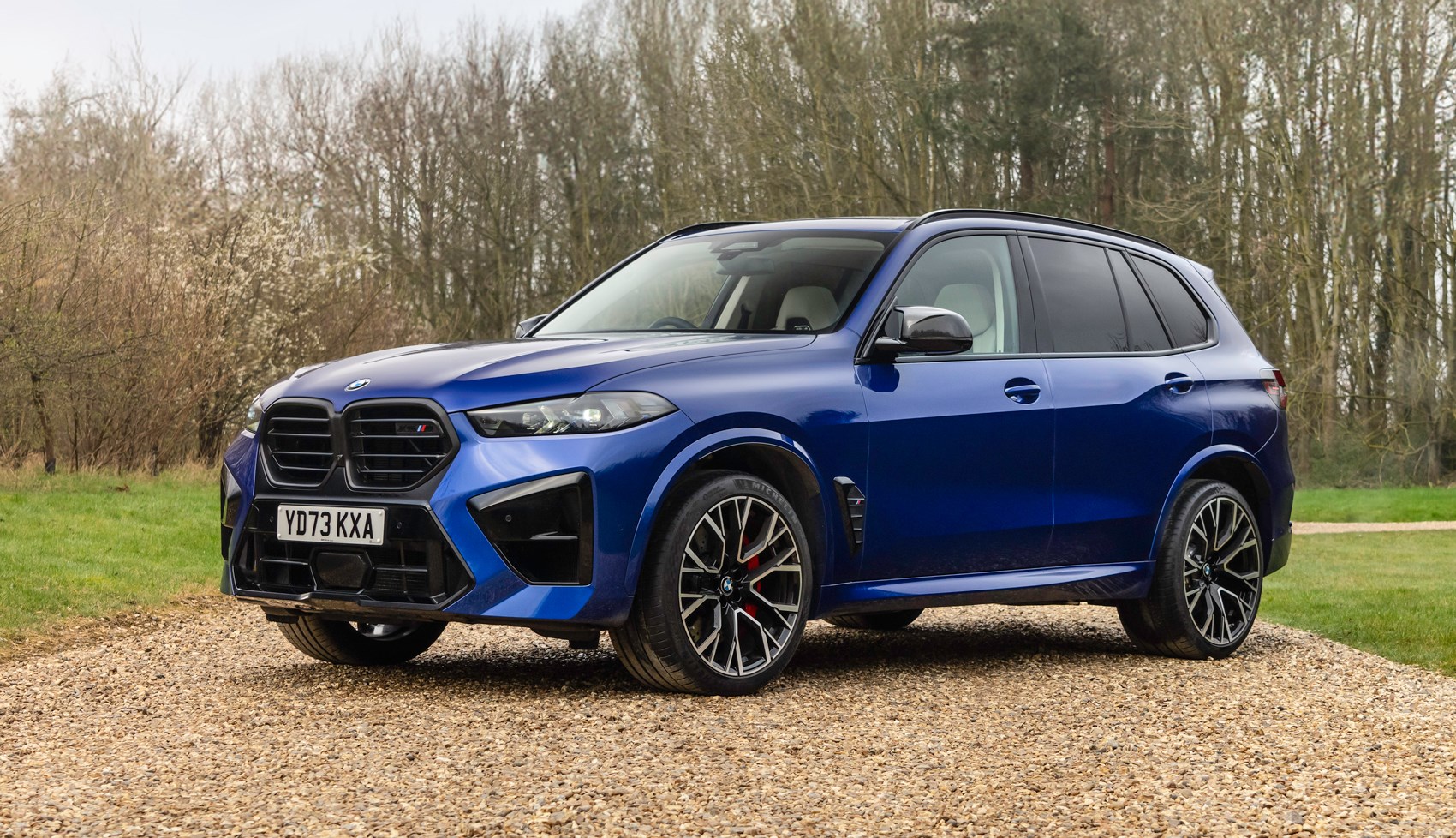
5. BMW M X5 Competition
0-60 MPH Time: 3.7 seconds
- Engine: 4.4L Twin-Turbo V8 Mild-Hybrid
- Horsepower: 617 hp
- Torque: 553 lb-ft
- Size: 194.8 in. Long x 79.3 in. Wide
At first glance, the BMW M X5 Competition comes across like any regular family SUV, the kind you would expect to see handling school runs or grocery trips. Look a little closer, though, and that simple impression quickly fades. Beneath its familiar shape sits serious performance, with a 0 to 60 mph time of just 3.7 seconds. That figure lines up with the Ferrari F40’s widely recognized numbers and can even edge past it depending on testing conditions.
What makes this SUV stand out is how it blends everyday practicality with engineering drawn from motorsport. BMW’s M division designed it with lessons learned on the track, yet it still meets the demands of daily life. It comfortably handles car seats, long drives, and busy parking lots without feeling out of place. Balancing those two sides is not easy, but BMW has spent years refining how to make it work seamlessly.
Under the hood, a 4.4-liter twin-turbo V8 delivers its power with impressive control. The 8-speed transmission is built to handle quick acceleration without hesitation, providing fast and precise gear changes that older automatic systems could never match. Unlike the Ferrari F40, which requires careful use of a manual gearbox to reach its full potential, this SUV makes that performance easy to access with a simple press of the accelerator.
Despite its performance, comfort, and usability remain strong points. The interior offers heated and cooled seats, generous cargo space, and dependable all-weather capability. Families can rely on it for daily driving while enjoying performance that rivals one of the most respected supercars ever made.
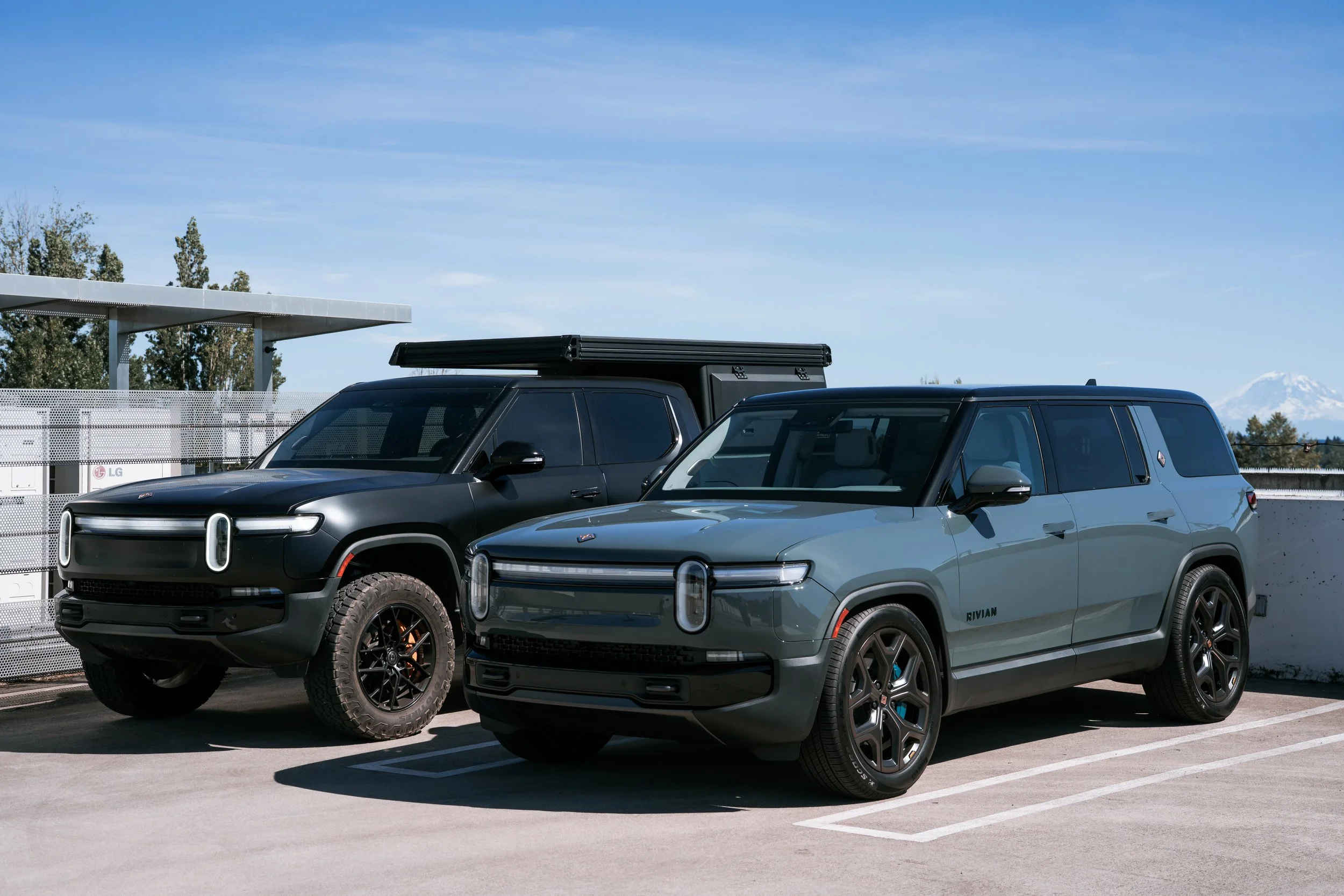
6. Rivian R1S (Quad-Motor)
0-60 MPH Time: 3.0 seconds
- Engine: Four Independent Electric Motors
- Horsepower: 835 hp
- Torque: 908 lb-ft
- Size: 200.8 in. Long x 79.0 in. Wide
Few vehicles on this entire list demonstrate the strange new reality of modern performance as clearly as the Rivian R1S. This is a vehicle built primarily to handle mud, rocks, and genuinely difficult off-road trails, equipped with serious ground clearance and rugged styling that announces its outdoor intentions clearly. Yet that same rugged, trail-ready SUV will hit 60 mph in just 3.0 seconds, comfortably beating a Ferrari F40 by a margin that would have seemed mathematically impossible to anyone reading a road test from 1992.
The R1S is a rugged, three-row off-road SUV that can conquer mud trails and drag strips alike, a sentence that should probably read as a contradiction but does not, because Rivian’s engineering team built this vehicle around a fundamentally different approach to controlling power and traction than anything that existed during the supercar era this article keeps comparing everything against.
That approach centers entirely on motor placement and independent control. By utilizing a dedicated electric motor for each individual wheel, the vehicle calculates traction instantly to maximize launch speed. Instead of one engine sending power through a single transmission and differential system to multiple wheels, each wheel on the R1S has its own dedicated motor, controlled independently by onboard computers monitoring traction conditions many times per second.
That setup allows the vehicle to instantly adjust how much power goes to each individual wheel based on available grip, whether that wheel happens to be sitting on dry pavement, loose gravel, or genuine mud. This same technology that helps the R1S claw its way up a rocky trail without wheelspin is precisely what allows it to launch so explosively from a standing start on pavement.
There is no wasted power, no single wheel spinning uselessly while the others sit idle, because the system distributes torque exactly where it can be used most effectively at any given moment. A family loading three rows of seats with kids and gear for a camping trip gets a vehicle that can handle genuinely difficult road once they arrive and deliver genuinely shocking acceleration on the drive there, all wrapped in the same rugged, practical SUV package.
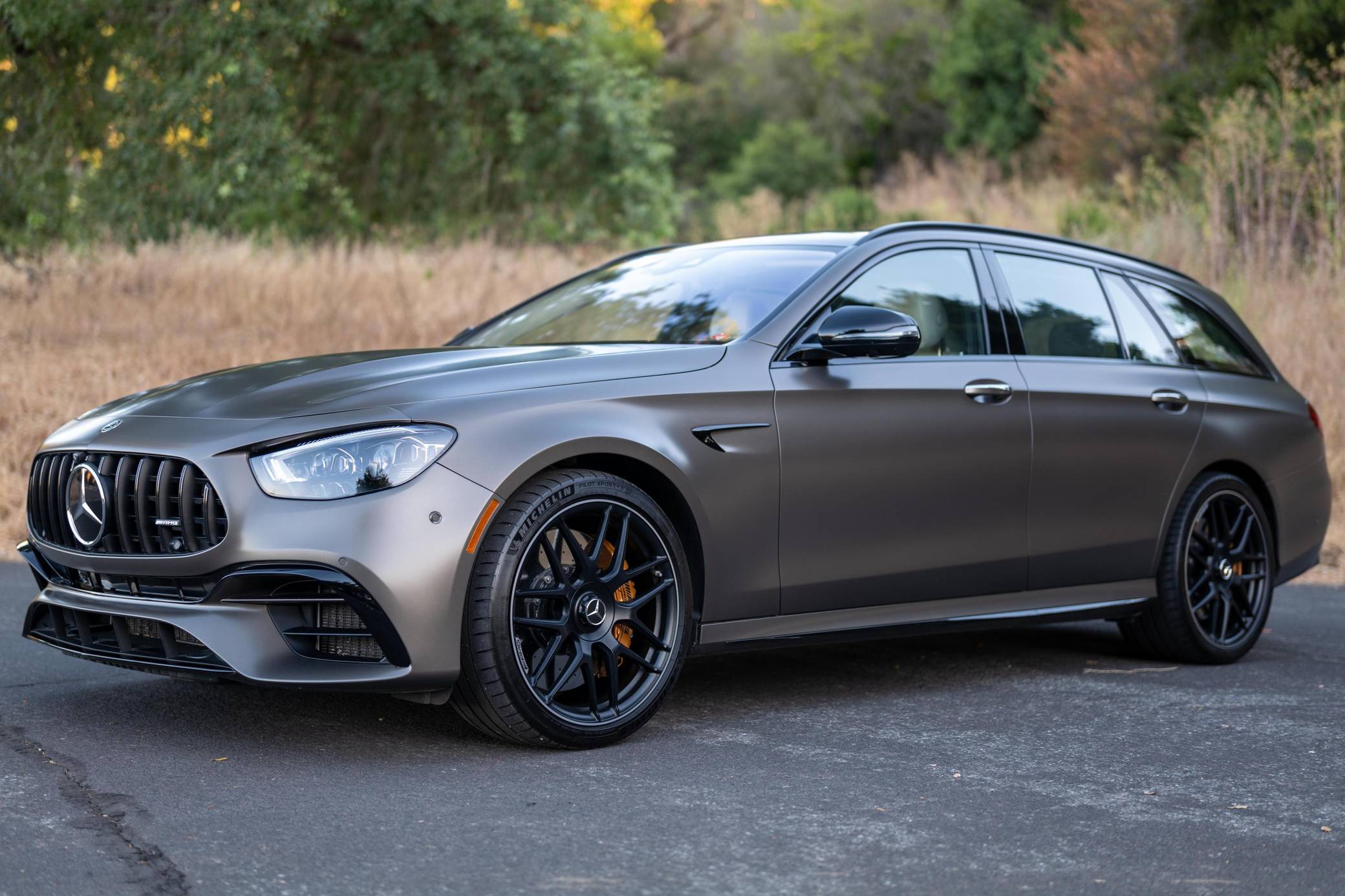
7. Mercedes-AMG E 63 S Wagon
0-60 MPH Time: 3.4 seconds
- Engine: 4.0L Twin-Turbo V8
- Horsepower: 603 hp
- Torque: 627 lb-ft
- Size: 197.1 in. Long x 73.7 in. Wide
Performance cars from Germany have often carried a quiet, understated look, and the Mercedes AMG E 63 S Wagon fits that pattern perfectly. At a glance, it appears to be a refined family vehicle built for comfort and space. Nothing about its design hints at the serious speed hiding underneath, including a 0 to 60 mph time of just 3.4 seconds, placing it well ahead of a Ferrari F40 in straight-line acceleration.
Press the accelerator, and the personality of this wagon becomes impossible to ignore. Its hand-built V8 engine delivers a deep, powerful sound while pushing the car forward with remarkable urgency. Each engine is assembled by a single technician, following Mercedes AMG’s “one man, one engine” philosophy. That level of care brings a sense of character that goes beyond simple performance numbers, giving the car both sound and feel that stand out.
Beyond the performance, this wagon remains highly practical for everyday use. It offers a spacious cargo area, comfortable seating for five, and the kind of stability that makes long drives feel easy and relaxed. Families can depend on it for daily routines without sacrificing comfort or convenience, even with the advanced performance hardware working beneath the surface.
Looking at this car alongside the Ferrari F40 shows how far automotive engineering has progressed. The F40 focused entirely on speed, leaving out many comfort features and daily usability. This wagon matches that level of acceleration while adding modern conveniences like climate control, premium audio, and generous storage space, blending speed with real-world usability in a way that older supercars never could.
Also Read: 8 Family Cars With Secret Performance Versions
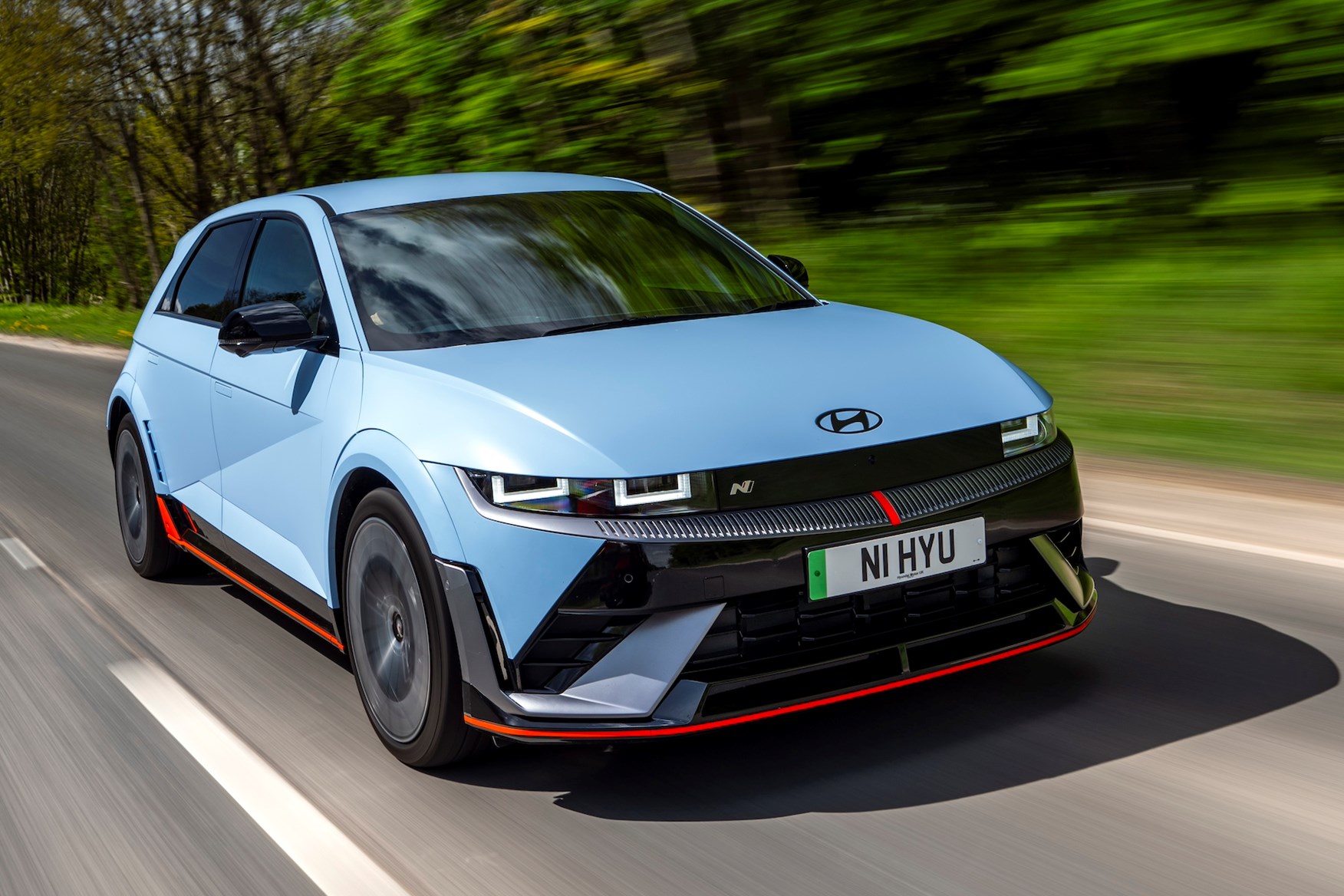
8. Hyundai Ioniq 5 N
0-60 MPH Time: 3.2 seconds
- Engine: Dual High-Output Electric Motors
- Horsepower: 641 hp (with N Grin Boost active)
- Torque: 568 lb-ft
- Size: 185.6 in. Long x 76.4 in. Wide
Ending this list with the Hyundai Ioniq 5 N makes perfect sense, as it highlights a bigger change happening across the car industry. High-level performance is no longer limited to six-figure price tags, making it possible for regular families to consider cars that deliver extreme speed.
At its core, this performance-focused crossover blends a roomy hatchback design with advanced track-ready technology. The result is a 0 to 60 mph time of just 3.2 seconds, placing it comfortably ahead of a Ferrari F40. While many vehicles capable of this kind of speed wear luxury badges and come with steep prices, the Ioniq 5 N stands out by offering similar thrills from a more affordable, mainstream brand. That opens the door for far more buyers to experience acceleration that once felt out of reach.
Engineers at Hyundai also recognized that speed alone is not what makes performance cars exciting. To bring back that emotional connection, they introduced simulated gear changes and specialized driving modes. Even though electric motors do not require traditional transmissions, this system recreates the feel of shifting gears, complete with sound effects and physical feedback. That added layer makes driving feel more engaging instead of just quick in a straight line.
Daily usability remains just as strong as its performance. The Ioniq 5 N keeps its spacious interior, comfortable rear seating, and practical cargo area. It can handle school runs and errands during the week, then deliver thrilling track-day performance when the opportunity arises. This balance shows how high-performance capability is becoming more accessible than ever before.
