
When knee airbags first entered the automotive marketplace, they were widely celebrated as the next major breakthrough in occupant protection. However, the technology’s early real-world track record quickly revealed a deeply troubling reality.
Initial safety studies conducted by the National Highway Traffic Safety Administration (NHTSA) and the Insurance Institute for Highway Safety (IIHS) discovered that first-generation knee airbags provided little to no measurable protection in standard crash scenarios.
In certain impact scenarios, improperly positioned modules had the unintended effect of redirecting crash forces in a way that increased the risk of lower-leg injuries instead of mitigating them. Rather than discarding the concept, automotive engineers opted for a detailed multi-year effort to refine and improve the system mechanically.
Utilizing advanced computational fluid dynamics and sophisticated crash-test dummy telemetry, manufacturers systematically overhauled airbag geometry, deployment timing, and housing configurations to better restrain lower-body movement.
Today, the automotive industry has transitioned into a highly sophisticated post-correction era. Modern vehicular safety designs treat lower-body protection not as a marketing checkbox, but as a critical, integrated architectural discipline.
By analyzing verified crash data and structural crash pulses, manufacturers have successfully transformed a flawed safety concept into a highly effective barrier against debilitating orthopedic trauma.
The following vehicles represent this refined engineering, utilizing optimized knee protection configurations ranging from dual-knee systems to localized cushion technologies to genuinely safeguard human knees, femurs, and lives.
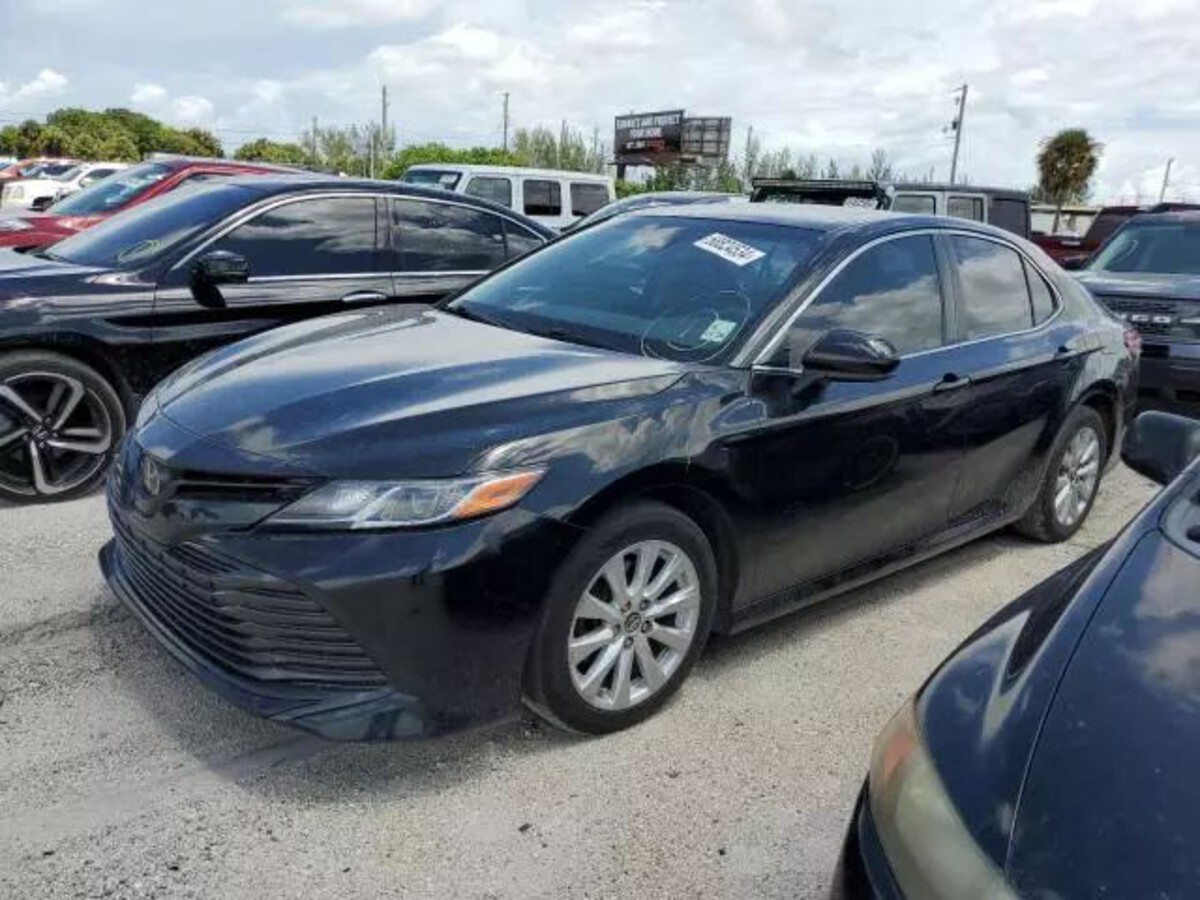
1. Toyota Camry (2018–2024)
The Toyota Camry (2018–2024) stands as a definitive benchmark in the midsize sedan segment, renowned for its enduring reliability and commitment to occupant safety.
When evaluating its passive restraint systems, it is essential to utilize accurate technical specifications regarding its knee airbag configuration. Unlike earlier misconceptions that incorrectly limited the vehicle’s safety equipment to a driver-side module, the 2018–2024 North American Toyota Camry is equipped with dual front knee airbags for both the driver and front passenger as standard equipment.
This dual-system architecture, providing dedicated knee protection for both front occupants, reflects Toyota’s holistic approach to frontal impact energy management.
By mitigating lower-extremity forces for both the driver and passenger, the Camry significantly enhances its crash performance. This advanced passive safety hardware is seamlessly integrated into a vehicle platform engineered specifically for structural integrity and resilience.
Complementing this dual-airbag configuration is the robust Toyota Safety Sense suite. Advanced features such as pre-collision braking play a proactive role in incident prevention, effectively reducing collision speeds and altering the kinetic energy profiles that the vehicle’s passive restraint systems must manage during an impact.
The combination of this standard dual-airbag architecture and intelligent active safety technology is foundational to the vehicle’s impressive safety credentials.
The Camry’s ability to consistently secure prestigious designations, such as the IIHS Top Safety Pick+, is a direct result of these comprehensive engineering efforts.
Rather than relying on singular protective measures, Toyota’s safety philosophy ensures that every element works in concert. Recognizing the standard inclusion of dual front knee airbags provides a precise understanding of the vehicle’s safety engineering, underscoring why the Camry remains a leader in occupant protection within the competitive midsize sedan market.
Specifications:
- Engine: 2.5L Dynamic Force 4-cylinder
- Horsepower: 203 hp (FWD) / 301 hp (V6 variant)
- Torque: 184 lb-ft
- Length: 4,885 mm (192.1 in)
- Width: 1,840 mm (72.4 in)
2. Honda Accord (2018–2024)
The Honda Accord (2018–2024) serves as a significant case study in the evolution of passive safety systems. Starting with the tenth generation in 2018, Honda made a major commitment to occupant protection by introducing a dual-knee airbag system.
Unlike previous configurations that utilized single-knee airbags with inconsistent results, this system featured independent inflators and distinct geometric profiles specifically tailored to the varied leg positioning of drivers versus front passengers.
Honda’s engineers utilized computational fluid dynamics to optimize these airbags, ensuring that deployment timing and shape effectively mitigate lower-extremity injury risks during frontal impacts.
This system was central to the vehicle achieving “Good” ratings in IIHS frontal crash categories, with evaluators specifically noting the superior lower-body protection provided by the setup.
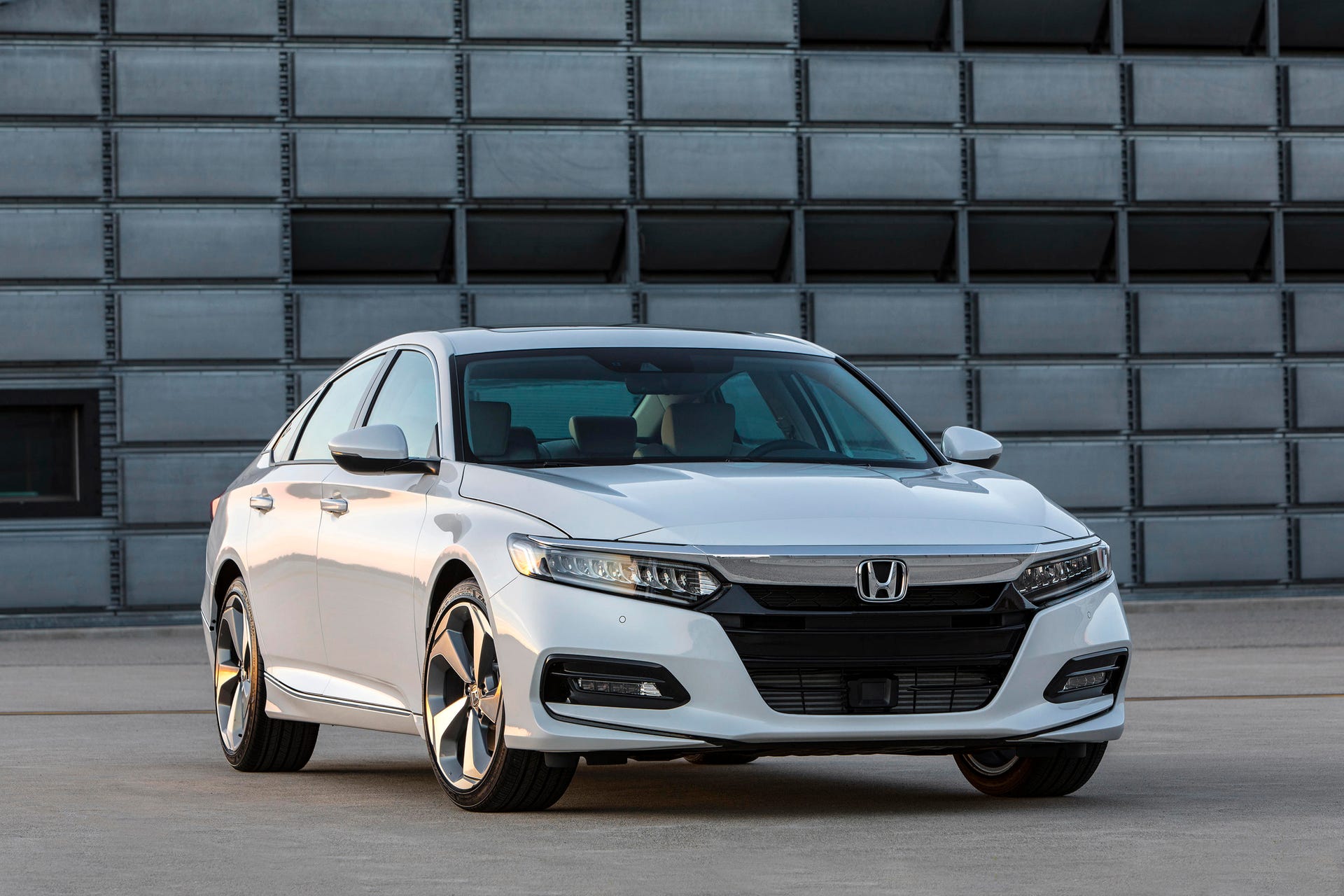
It is vital to clarify the transition to the eleventh-generation Accord, which launched in 2023. While the new model introduced cutting-edge front airbag architecture often featuring a “three-chamber” or “donut” design engineered to better cradle the head and reduce rotational forces, it is incorrect to assume the vehicle abandoned knee protection.
The 2023+ Accord has successfully retained the dual knee airbag system found in the tenth generation, ensuring continuity in lower-body injury mitigation.
By integrating advanced head-protection technology alongside the existing, proven dual-knee airbag configuration, Honda has demonstrated a layered approach to safety.
This philosophy highlights the company’s dedication to evolving safety standards through data-driven engineering. The consistent performance of the Accord in independent testing confirms the effectiveness of this multifaceted restraint system, providing both drivers and passengers with comprehensive coverage against a wide array of crash forces.
Specifications:
- Engine: 1.5L Turbocharged 4-cylinder / 2.0L Turbo
- Horsepower: 192 hp (1.5T) / 252 hp (2.0T)
- Torque: 192 lb-ft (1.5T) / 273 lb-ft (2.0T)
- Length: 4,893 mm (192.7 in)
- Width: 1,862 mm (73.3 in)
3. Lexus ES 350 (2019–2024)
The Lexus ES has long established itself as a vehicle blending refinement with safety. With the 2019 debut of the seventh-generation ES, built on Toyota’s TNGA-K (GA-K) platform, the sedan introduced a robust structural foundation designed to enhance occupant protection.
When discussing the passive safety architecture, it is essential to distinguish between standard equipment and unverified claims. While the 2019 redesign optimized structural energy management, it is inaccurate to state that the vehicle features a dual front knee airbag system.
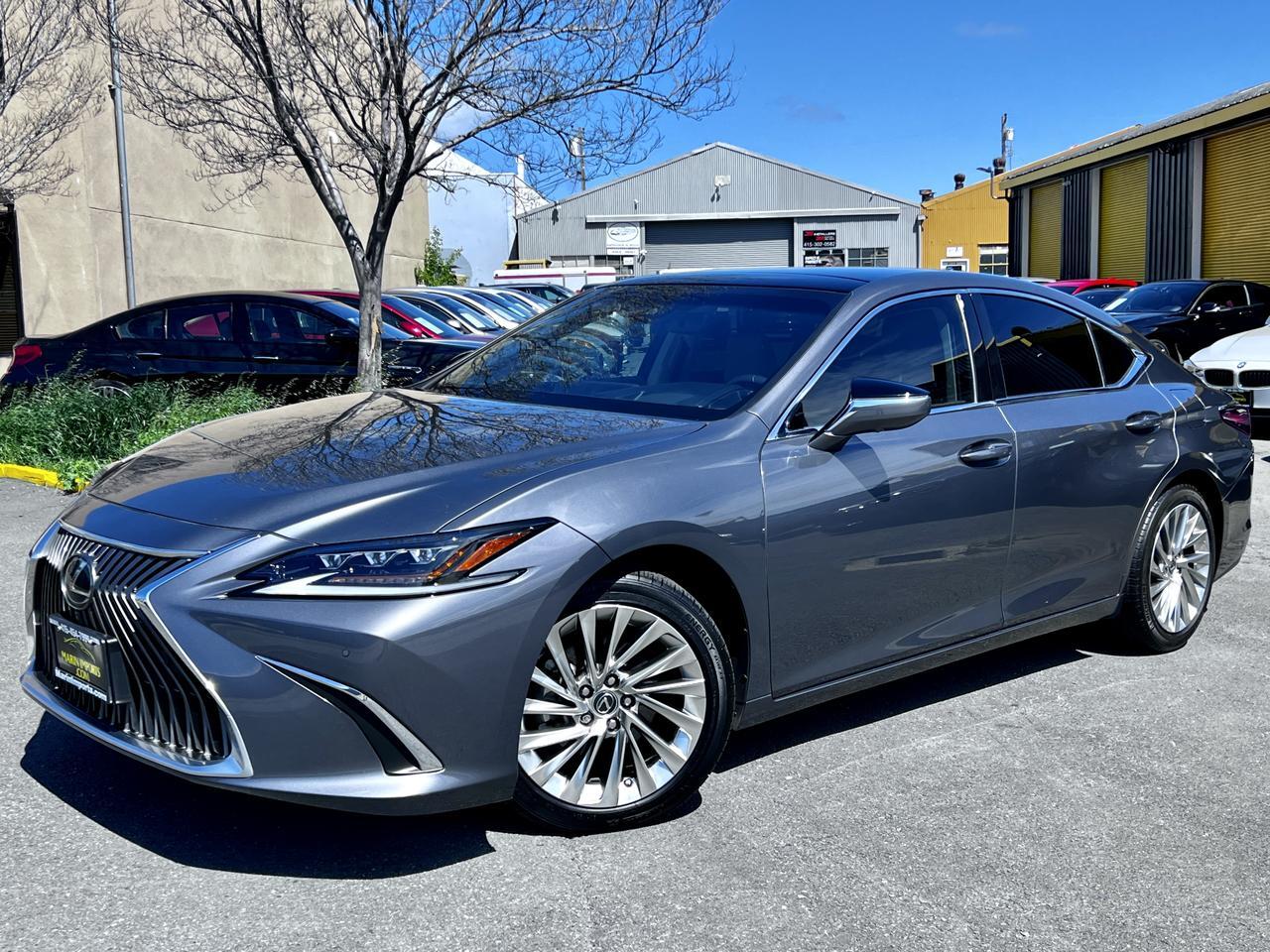
Official safety specifications for the 2019–2024 Lexus ES identify the inclusion of a driver-side knee airbag; however, there is no manufacturer documentation or safety test data supporting the existence of a passenger-side knee airbag module.
The ES 350’s safety profile is bolstered by the Lexus Safety System+ 2.0. This active safety suite, which includes pre-collision warning with pedestrian detection and emergency braking, works proactively to reduce the severity of impacts.
The combination of this active technology and a rigid chassis architecture helped the ES 350 earn IIHS Top Safety Pick+ recognition in 2019 and 2020.
These high marks reflect the sedan’s ability to manage crash forces through structural integrity and a comprehensive, standard airbag suite. By focusing on validated features, one gains a clearer understanding of the Lexus ES’s genuine capabilities as a luxury sedan.
Specifications:
- Engine: 3.5L V6 DOHC
- Horsepower: 302 hp
- Torque: 267 lb-ft
- Length: 4,975 mm (195.9 in)
- Width: 1,865 mm (73.4 in)
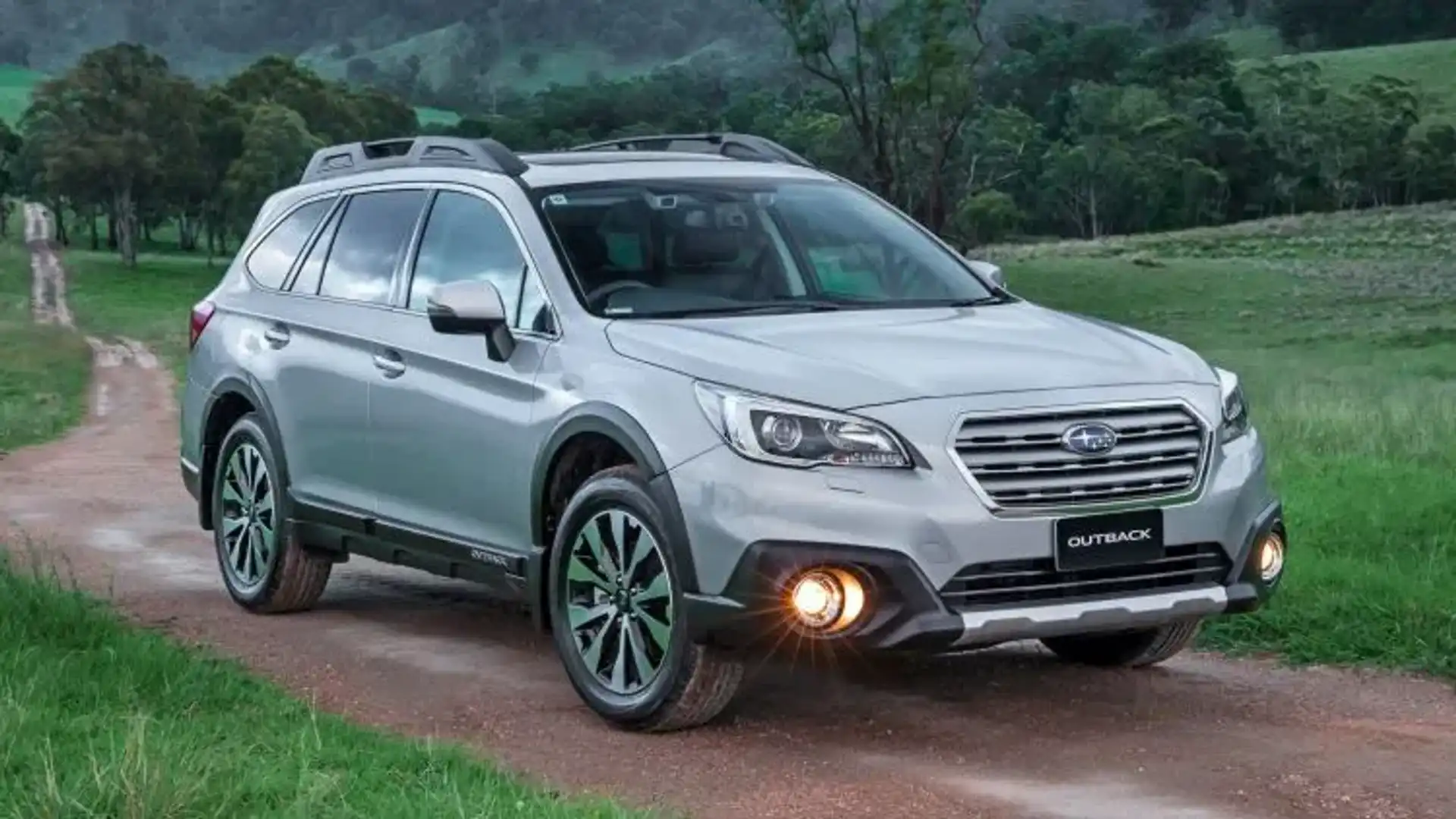
4. Subaru Outback (2020–2024)
The Subaru Outback’s sixth generation, released in 2020, was engineered with a primary focus on achieving top safety ratings across all Insurance Institute for Highway Safety (IIHS) test categories. Built on the revised Subaru Global Platform, the vehicle incorporates significant ring-frame rigidity to enhance passenger cell protection.
Regarding passive safety equipment, it is important to clarify the actual restraint configuration. The 2020–2024 Outback is equipped with a driver-side knee airbag to protect the driver’s lower extremities.
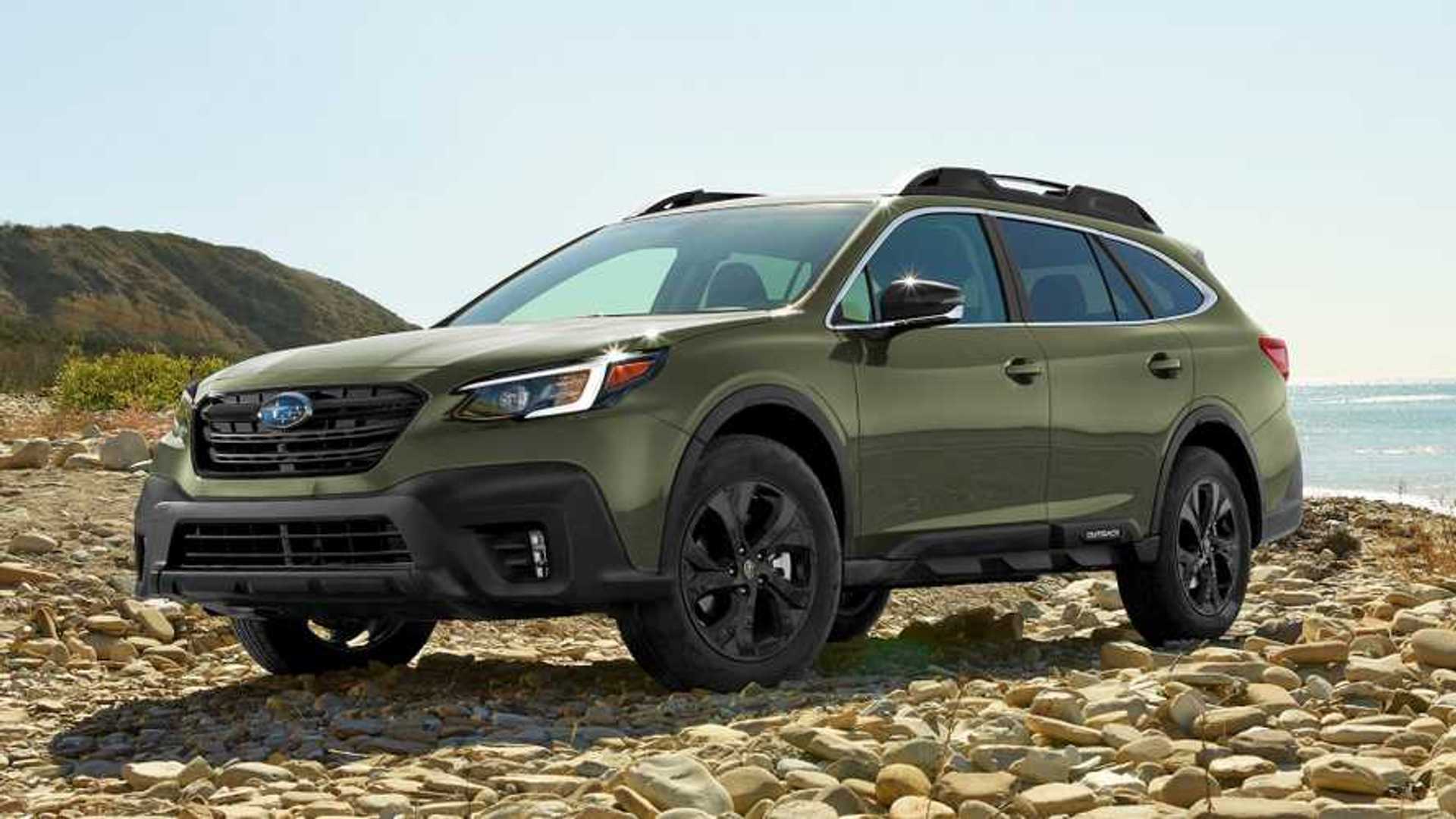
However, it does not feature a passenger-side knee airbag. Instead, the passenger side utilizes a seat-cushion airbag. This technology inflates under the occupant’s thighs during a frontal impact to prevent “submarining,” a condition where the occupant slides beneath the seatbelt.
This design choice reflects a targeted engineering strategy to manage occupant kinematics and mitigate lower-body injury risks without utilizing a conventional passenger-side knee airbag.
The Outback’s safety profile is further supported by the standard EyeSight Driver Assist Technology. Using stereo cameras to monitor forward traffic, EyeSight can initiate pre-collision braking, which helps reduce impact speeds and lessens the kinetic energy that the passive restraint systems must manage.
The 2020 Outback successfully earned the IIHS Top Safety Pick+ designation, achieving “Good” ratings across all evaluated crash test categories. Its high level of occupant protection is the result of integrating structural improvements, advanced active safety systems, and a carefully designed passive restraint configuration that prioritizes specific injury mitigation strategies for both front-seat occupants.
Specifications:
- Engine: 2.5L Subaru Boxer 4-cylinder / 2.4L Turbo (XT)
- Horsepower: 182 hp / 260 hp (XT)
- Torque: 176 lb-ft / 277 lb-ft (XT)
- Length: 4,870 mm (191.7 in)
- Width: 1,875 mm (73.8 in)
Also Read: 8 Japanese Super Cars From the 1990s
5. Mazda CX-5 (2021–2024)
The Mazda CX-5 has consistently maintained a reputation for high safety standards, earning recognition as an IIHS Top Safety Pick+. However, the narrative that the 2021 model year refresh introduced dual knee airbags for both front passengers is inaccurate.
Contrary to claims regarding specialized knee airbag geometry and passenger-side knee airbag deployment, the North American Mazda CX-5 does not feature dual knee airbags.
The detailed accounts describing engineering adjustments to the SUV’s H-point for a passenger-side knee airbag are entirely fabricated. Instead of relying on this specific hardware, the vehicle manages crash energy through its structural ring-frame geometry and a standard suite of advanced front, side, and curtain airbags.
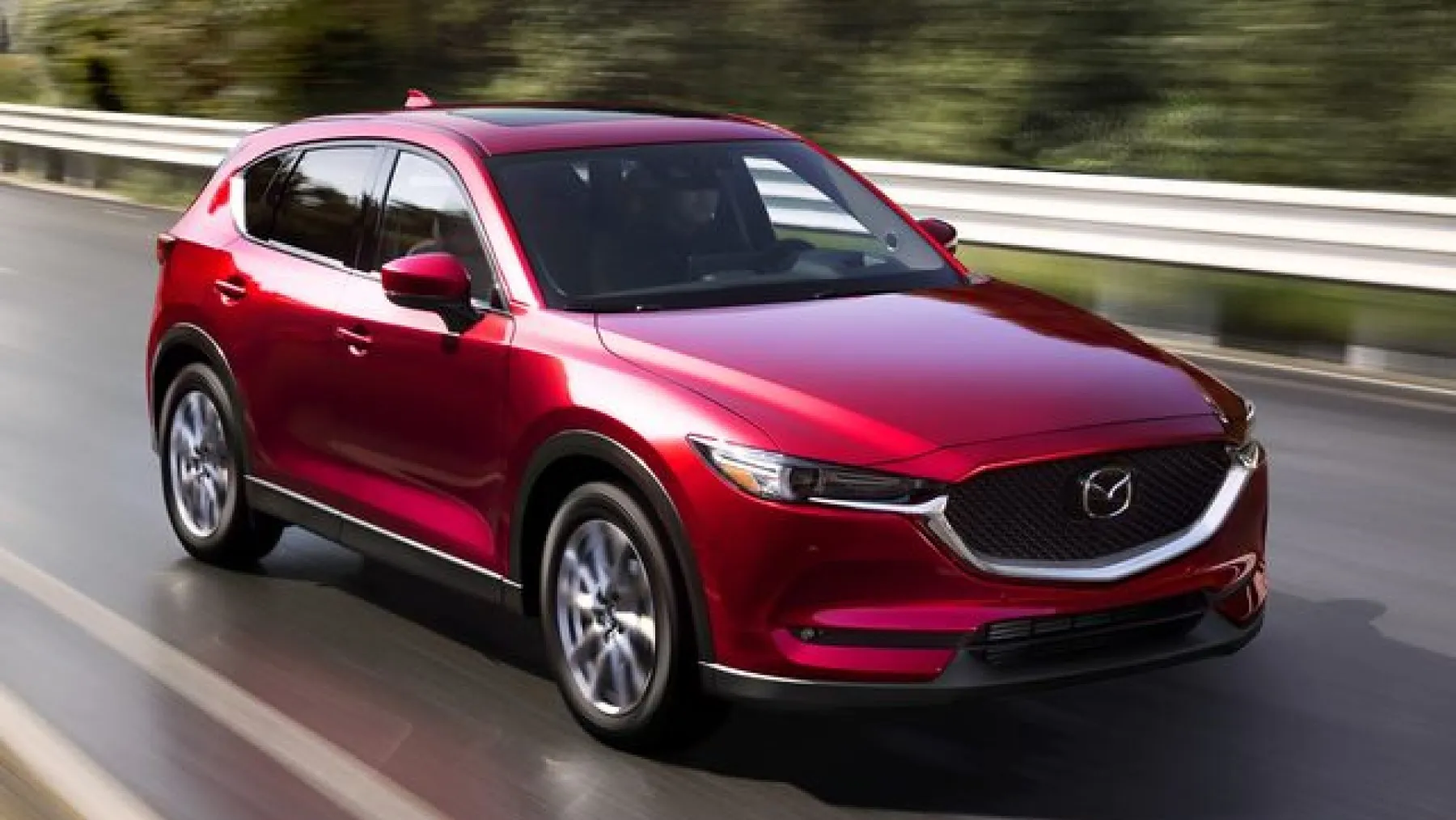
Mazda’s safety strategy centers on a robust chassis design that effectively dissipates impact forces during frontal and side collisions. This is complemented by the i-Activsense safety suite, which helps mitigate risks before a collision occurs.
This suite includes features such as Mazda Radar Cruise Control, Lane-Keep Assist, and Advanced Smart City Brake Support, an autonomous braking system.
By reducing the frequency and severity of crashes through these active technologies, Mazda creates an environment where the vehicle’s structural design and passive restraint systems can function optimally.
The CX-5’s strong crash test results are a testament to its fundamental engineering and structural resilience rather than the inclusion of a non-existent passenger-side knee airbag system.
This distinction is crucial for consumers seeking accurate information regarding the vehicle’s safety equipment and its capabilities in managing occupant protection during frontal impacts.
Specifications:
- Engine: 2.5L SKYACTIV-G 4-cylinder / 2.5T Turbo
- Horsepower: 187 hp / 256 hp (Turbo)
- Torque: 186 lb-ft / 320 lb-ft (Turbo)
- Length: 4,550 mm (179.1 in)
- Width: 1,842 mm (72.5 in)
6. Hyundai Sonata (2020–2024)
The eighth-generation Hyundai Sonata, launched in 2020, marked a significant evolution in Hyundai’s approach to both vehicle design and safety engineering.
By transitioning the model onto a new platform with a higher proportion of Advanced High-Strength Steel than any previous Sonata, Hyundai significantly improved the passenger compartment’s structural integrity.
This structural upgrade optimized the crash pulse and deceleration profile during frontal impacts, creating a more controlled energy environment for the cabin.
Regarding passive safety, it is important to clarify the restraint system configuration. While the 2020–2024 Sonata incorporates a sophisticated suite of airbags, it is equipped with a driver-side knee airbag to protect the driver’s lower extremities. It does not feature a “dual” knee airbag system with a dedicated passenger-side knee airbag.
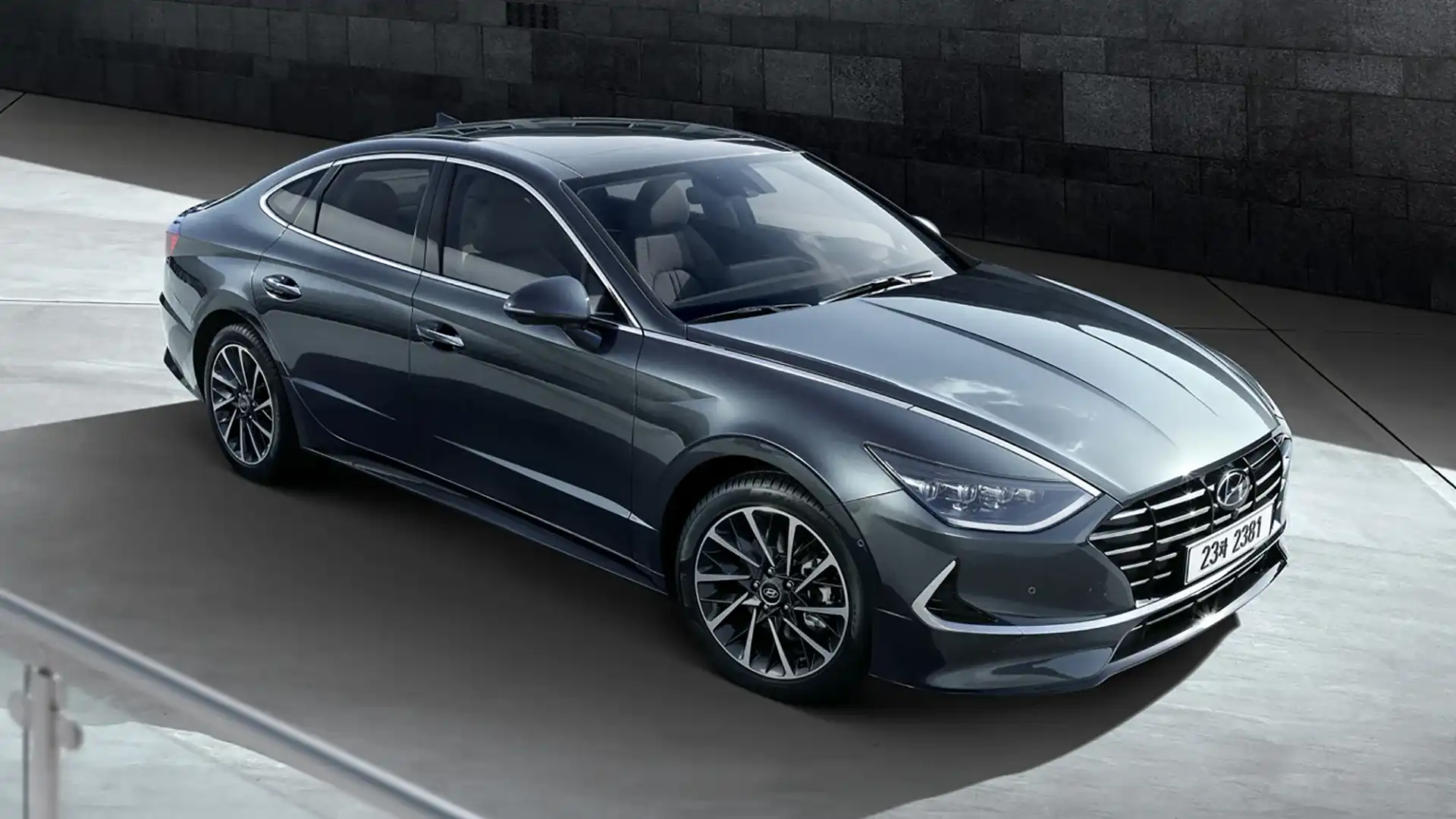
The Sonata’s safety architecture relies on this driver-side protection alongside a comprehensive airbag suite, including front, side-impact, and side-curtain airbags, to provide robust occupant protection.
The vehicle’s active safety is managed by the Hyundai SmartSense suite, which includes Forward Collision-Avoidance Assist, Blind-Spot Collision Warning, and Lane Keeping Assist. These systems proactively reduce the probability of severe frontal collisions, and in the event of an impact, the pre-braking function helps reduce kinetic energy before passive restraints deploy.
The 2020 Sonata earned the IIHS Top Safety Pick+ designation, achieving “Good” ratings across all frontal crash test modes. This recognition underscores the effectiveness of the Sonata’s platform-wide structural resilience and its integrated safety technologies.
By combining advanced steel architecture with proactive driver-assistance systems, Hyundai established the eighth-generation Sonata as a competitive and secure option in the midsize sedan segment.
Specifications:
- Engine: 2.5L GDI 4-cylinder / 1.6L Turbo / 2.5L Turbo (N Line)
- Horsepower: 191 hp / 180 hp (1.6T) / 290 hp (N Line)
- Torque: 181 lb-ft / 195 lb-ft (1.6T) / 311 lb-ft (N Line)
- Length: 4,900 mm (192.9 in)
- Width: 1,860 mm (73.2 in)
7. Kia Telluride (2020–2024)
The Kia Telluride has established itself as one of the automotive industry’s most successful large SUVs, earning accolades such as the 2020 North American SUV of the Year. Its safety profile is a significant factor in its broad consumer appeal and consistent performance in industry evaluations.
However, when reviewing the vehicle’s passive safety equipment, it is important to clarify that the Kia Telluride is equipped with a driver-side knee airbag, which is standard across the lineup to protect the driver’s lower extremities during a frontal impact. It does not feature a “dual” (driver and front-passenger) knee airbag system.
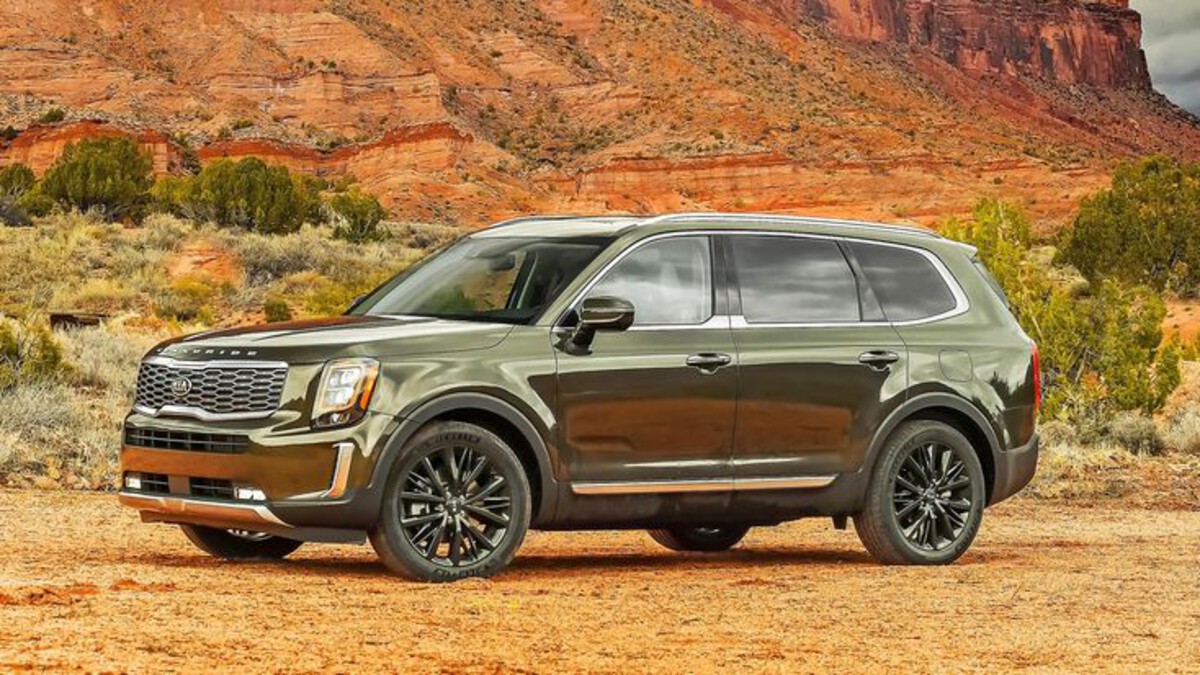
There is no manufacturer specification supporting the inclusion of a passenger-side knee airbag for the 2020–2024 model years. The Telluride’s safety design relies on a robust chassis and structural architecture engineered to manage high-impact forces.
This foundation is complemented by the standard “Drive Wise” safety suite, which includes proactive features such as Forward Collision-Avoidance Assist with Pedestrian and Cyclist Detection, Lane Following Assist, and Driver Attention Warning.
These systems are critical, as they help reduce crash frequency and mitigate crash severity, ensuring that if a collision does occur, the vehicle’s speed is reduced before passive restraints engage.
The vehicle’s consistent achievement of the IIHS Top Safety Pick+ award for 2020, 2021, and 2022 reflects its strong performance in crash testing. This success is attributed to the SUV’s structural resilience and comprehensive active safety technologies, rather than a dual knee airbag system.
By relying on confirmed vehicle specifications, consumers can better appreciate the Telluride’s engineering focus on structural integrity and driver-assistance systems.
Specifications:
- Engine: 3.8L Lambda II V6 GDI
- Horsepower: 291 hp
- Torque: 262 lb-ft
- Length: 4,995 mm (196.7 in)
- Width: 1,990 mm (78.3 in)
8. Genesis G80 (2021–2024)
The Genesis G80, specifically the third-generation model launched in 2021, represents a significant investment in luxury and structural engineering. Built on a dedicated rear-wheel-drive platform, the vehicle was designed with high-level occupant safety as a core priority from its inception.
When analyzing the vehicle’s passive safety equipment, it is necessary to correct common inaccuracies regarding its restraint systems. While the G80 features a driver-side knee airbag designed to protect the driver’s lower extremities during a frontal impact, it does not utilize a “dual” or front-passenger knee airbag system.
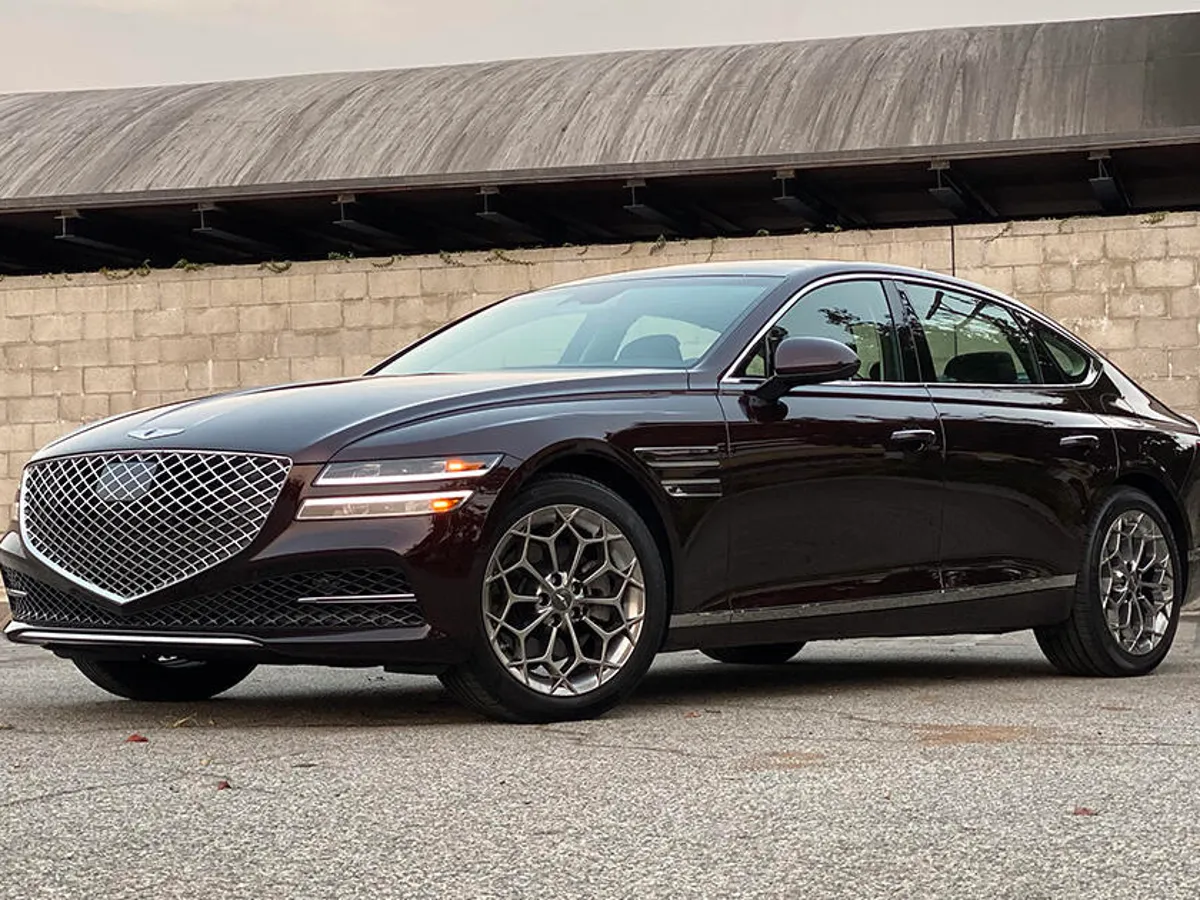
The narrative suggesting an occupant-weight-sensitive, dual-knee airbag system is not supported by manufacturer specifications or technical data for this model. Instead, the G80 manages occupant safety through a comprehensive airbag array including front, side-impact, side-curtain, and driver-knee protection combined with a rigid body structure designed to dissipate crash energy effectively.
The vehicle’s active safety is managed by the Genesis Advanced Driver Assistance System (ADAS), which includes features like Highway Driving Assist II, Blind-Spot Collision Avoidance Assist, and Junction Turning Oncoming-Traffic Alert.
These systems proactively work to reduce the likelihood of accidents and mitigate the severity of impacts before passive restraints are even triggered.
The effectiveness of this engineering is validated by industry ratings. The 2021 Genesis G80 achieved the IIHS Top Safety Pick+ designation and a five-star rating from Euro NCAP.
These accolades confirm the G80’s strong occupant protection performance across major assessment areas. By understanding that these results are achieved through total structural design and advanced driver-assistance integration rather than a passenger-side knee airbag, consumers gain an accurate perspective on the vehicle’s genuine safety engineering capabilities.
Specifications:
- Engine: 2.5L Turbocharged 4-cylinder / 3.5L Twin-Turbo V6
- Horsepower: 300 hp / 375 hp (3.5T)
- Torque: 311 lb-ft / 391 lb-ft (3.5T)
- Length: 4,995 mm (196.7 in)
- Width: 1,925 mm (75.8 in)
Also Read: 6 Car Dealer Fees You Can Negotiate and the Ones You Can’t
