
Minivans remain the strongest choice for families and large groups when cabin room matters more than image. SUVs may dominate modern showrooms, but a purpose-built people mover still offers advantages that most crossovers cannot match.
Sliding doors simplify entry in tight parking spaces, lower floors make it easier for children and older passengers to climb aboard, and three-row seating layouts are usually designed for real people rather than occasional use.
This ranking focuses on usable interior space, not merely exterior measurements. A vehicle can be long and still disappoint if its third row is cramped, its rear cargo area disappears when all seats are occupied, or its seating system is difficult to fold and rearrange.
The best minivans make room for passengers, luggage, strollers, sports gear, shopping bags, and long-distance travel without forcing owners to choose between people and cargo.
The global market provides a much broader mix of family vans than the United States alone. Some models are built to carry eight, nine, or even 11 passengers.
Others place greater emphasis on luxury second-row seating, hybrid efficiency, or flexible rails that let owners move seats to suit different needs.
From large Korean people movers to refined North American family vans, these eight models show how intelligently a cabin can be packaged when passenger space is the main priority.
Also Read: 10 Affordable EVs Targeting Under $30,000 by 2027
1. Hyundai Staria
The Hyundai Staria takes the top position because its interior is shaped around maximum passenger usability. Its futuristic exterior can make it look more like a shuttle from the future than a conventional minivan, yet the design has a clear purpose.
The tall body creates exceptional headroom, the large side windows brighten every row, and the wide sliding-door openings make it easy for passengers to reach the rear seats.
In several global markets, the Staria is offered with seating for up to 11 people. That immediately gives it an advantage over most family minivans, which usually stop at seven or eight seats.
Whether configured with seven, eight, or nine seats, the cabin feels remarkably spacious thanks to a tall roof design that maintains generous headroom throughout the vehicle. Passengers in the third row can sit comfortably without feeling cramped, while younger occupants have enough room to shift around freely without repeatedly brushing against the seats in front of them.
The cabin is also designed to adapt. Depending on the market and trim, rear seats can slide, recline, fold, or be repositioned to prioritize either passengers or luggage.
This makes the Staria useful for large families, hotel transfers, airport work, and long-distance group travel. Its rear cargo space varies greatly with seating layout, but the tall load area gives it an advantage for bulky items.
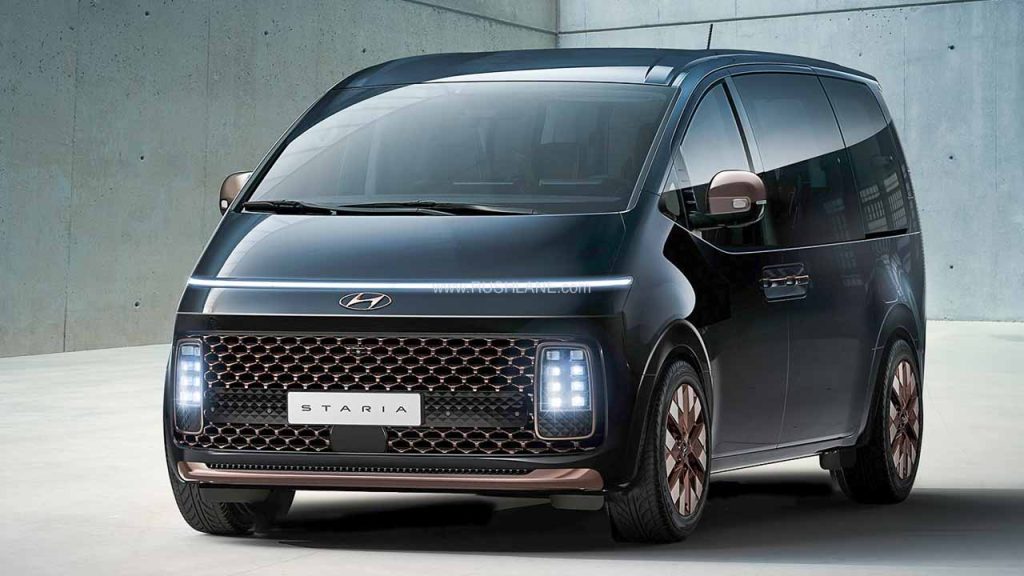
The hybrid version adds another reason to consider it. Hyundai combines a turbocharged gasoline engine with electric assistance, giving the large van better efficiency without sacrificing the relaxed performance needed for a fully loaded trip.
Its main achievement is packaging: the Staria feels like a vehicle designed from the inside outward.
- Engine: 1.6-liter turbocharged hybrid four-cylinder
- Torque: 270 lb-ft
- Horsepower: 242 hp
- Length/Width: 206.8 inches / 78.6 inches
2. Kia Carnival
The Kia Carnival is one of the best examples of how a family minivan can carry serious cargo without making the third row feel like an afterthought. Kia gives it SUV-inspired styling, but the Carnival’s practical strengths are firmly rooted in the traditional minivan formula.
It has power sliding doors, a low step-in height, three usable rows, and a wide cabin that works especially well for families with child seats.
What makes the Carnival particularly effective is the space behind the third row. Many three-row vehicles have enough seats for a family, but leave very little room for luggage once every seat is occupied.
The Carnival offers a deep rear cargo area that can handle grocery bags, school equipment, strollers, and travel luggage without immediately requiring the rear seats to be folded.
In North American specifications, it provides about 40 cubic feet of cargo room behind the third row and more than 145 cubic feet when the cabin is opened up for cargo.
Its second row can be configured in several ways. Standard seating supports a practical eight-passenger arrangement, while higher trims can offer lounge-style captain’s chairs for buyers who prioritize comfort.
The third row folds into the floor, creating a flatter load space and reducing the effort needed to switch from family transport to cargo duty.
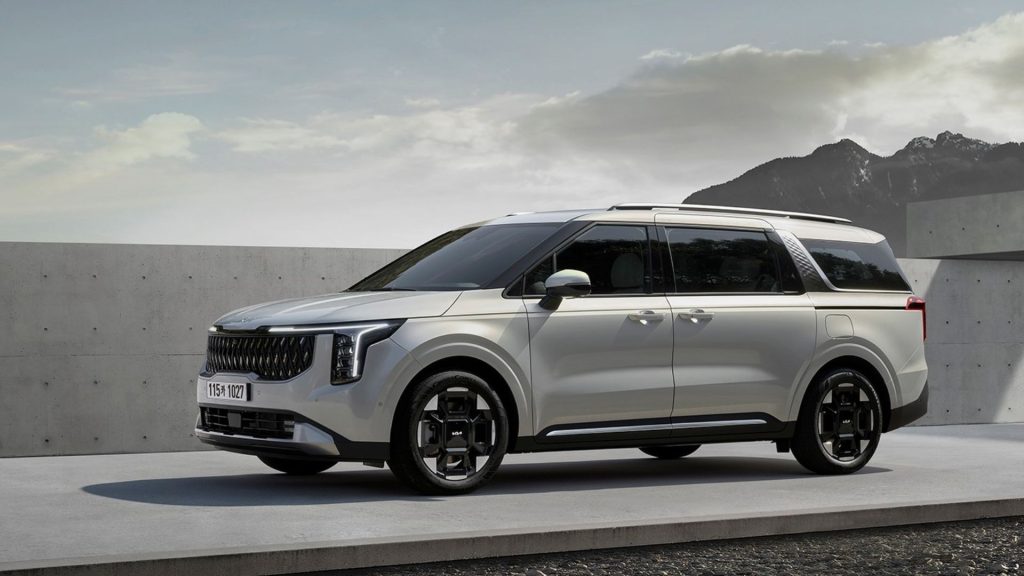
The Carnival does not simply provide a large cabin. It uses the space in a way that suits daily life. Wide door openings help when loading children, the low floor reduces climbing effort, and the broad rear area makes weekend trips less complicated.
Kia also offers both V6 and hybrid powertrains, giving buyers a choice between stronger towing ability and improved fuel economy.
- Engine: 3.5-liter naturally aspirated V6
- Torque: 260 lb-ft
- Horsepower: 287 hp
- Length/Width: 203.0 inches / 78.5 inches
3. Honda Odyssey
The Honda Odyssey earns third place because it makes its interior feel useful in ways that do not always show up in a simple cargo-volume figure. Honda has focused on family convenience, and the result is a cabin that handles child seats, growing children, teenagers, and adults with unusual flexibility.
Its wide sliding doors create a large opening, which is valuable when loading bulky strollers or helping passengers enter the second and third rows.
A major reason the Odyssey remains so practical is its second-row Magic Slide seating system. The second-row seats can move sideways as well as forward and backward, allowing owners to create a central pass-through to the third row or place children closer together.
That arrangement can be more helpful than captain’s chairs for families using multiple child seats. It also gives parents a better way to reach younger passengers without climbing into the vehicle.
Honda provides seating for up to eight people, and the third row is designed for more than occasional use. Adults have reasonable legroom, while the rear bench folds into the floor with one simple motion.
With the third row stowed, the Odyssey becomes a strong cargo carrier for bikes, sports gear, furniture, and travel equipment. Removing the second-row seats creates even more room, though that takes more effort than a fully fold-flat system.
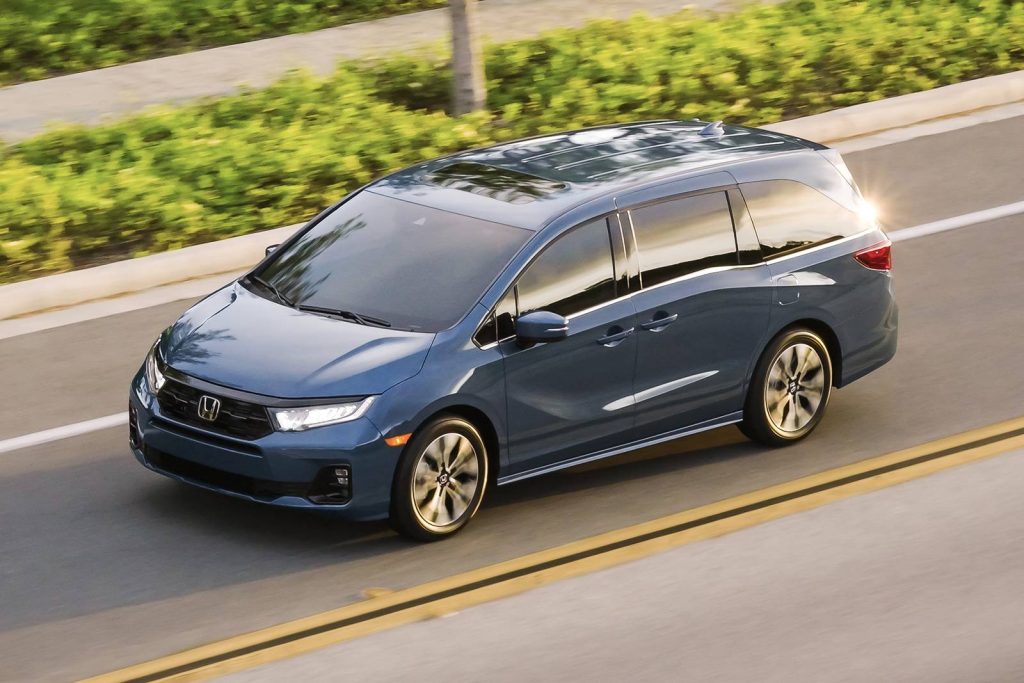
The Odyssey’s cabin does not chase luxury-lounge styling. It concentrates on making family transport easier during ordinary routines. Its rear doors, seating flexibility, deep storage areas, and wide cargo opening are particularly effective for parents who need the vehicle to perform different tasks every day.
- Engine: 3.5-liter naturally aspirated V6
- Torque: 262 lb-ft
- Horsepower: 280 hp
- Length/Width: 205.2 inches / 78.5 inches
4. Chrysler Pacifica
The Chrysler Pacifica ranks highly because it offers one of the cleverest seating systems ever fitted to a minivan. Its key advantage is Stow ’n Go, which allows the second-row seats to fold into compartments in the floor.
Rather than removing heavy seats and finding somewhere to store them, owners can transform the Pacifica from a people carrier into a cargo vehicle within minutes.
That feature changes how the cabin works in real life. A family can use all three rows during the week, then fold the second and third rows for a furniture run, a home-improvement project, or a weekend camping trip.
The flat load floor makes bulky items easier to manage, while the underfloor compartments can also be used as hidden storage when the seats are upright.
The Pacifica can carry seven or eight passengers, depending on the seating configuration. Its third row provides respectable room for children and usable space for adults on shorter journeys.
Behind that row, there is enough cargo capacity for regular family errands and smaller travel bags. Fold the rear seats, and the interior becomes much more versatile than most three-row SUVs.
Another benefit is the availability of all-wheel drive, something not offered by every traditional minivan. That can matter for buyers in snowy regions who want passenger space without giving up extra traction.
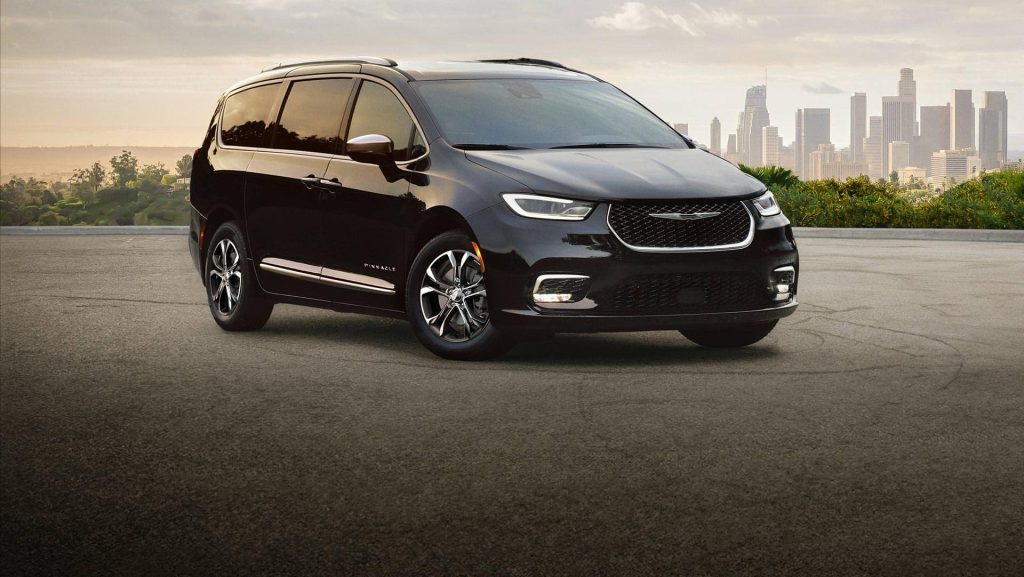
Chrysler also sells a plug-in hybrid Pacifica, though its battery packaging means it does not use the same Stow ’n Go second-row seating system as the gasoline version.
The Pacifica is not ranked this high simply because it is large. It earns the position because its cabin can change quickly, and that adaptability gives owners more usable space across a wider range of daily situations.
- Engine: 3.6-liter naturally aspirated V6
- Torque: 262 lb-ft
- Horsepower: 287 hp
- Length/Width: 204.3 inches / 79.6 inches
5. Volkswagen Multivan
The Volkswagen Multivan takes a different route to interior usefulness. Instead of relying on deeply fixed seats or a permanent second-row layout, it uses a flexible rail system that allows the cabin to be rearranged for changing needs.
This makes it especially effective for owners who carry passengers one day and need a large, open cargo area the next.
Depending on the market, the Multivan is offered with seven or eight seats, and the long-wheelbase version provides even more room behind the rear row. Its individual rear seats can slide along rails, be moved closer together, or be removed when maximum load space is needed.
A central table can also slide through the cabin, giving passengers a useful surface for snacks, laptops, games, or travel items during long journeys.
This approach creates a more lounge-like interior than many traditional minivans. Rather than forcing every passenger into a fixed row, the Multivan lets owners decide how much legroom each section needs.
Families can create a larger gap between the second and third rows, while business users can turn the rear cabin into a mobile meeting area. The wide sliding doors also make it easier to enter and exit without disturbing passengers already seated inside.
The Multivan is not as tall as the Hyundai Staria, but its interior packaging is exceptionally adaptable. It is especially strong for buyers who do not always use the same seating arrangement.
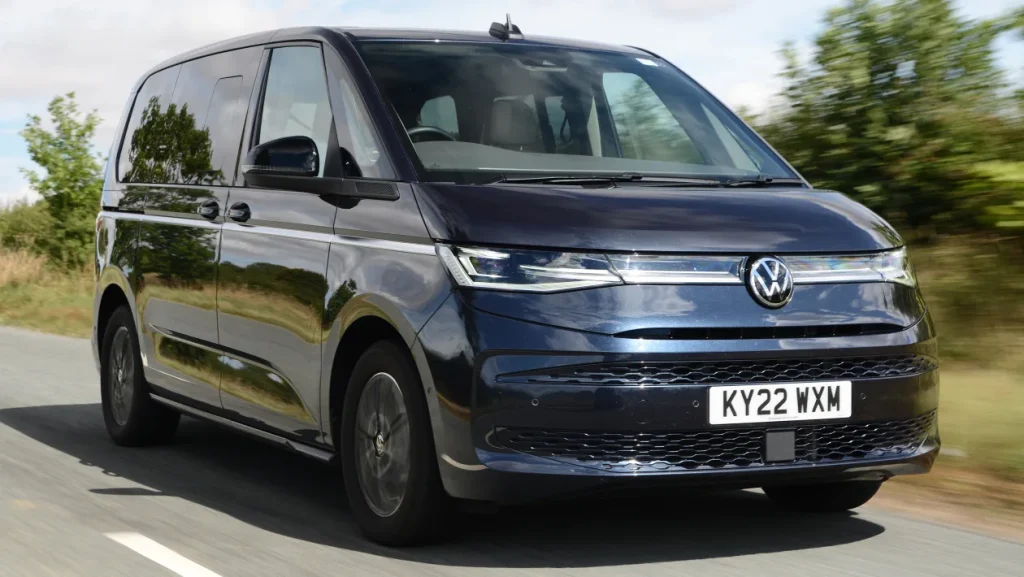
A family with two children may use it as a spacious five-seater during the week, then install additional seats for relatives or friends during holidays.
Volkswagen offers several engines globally, including gasoline, diesel, and plug-in hybrid choices. The long-wheelbase model is the best option for buyers who want the greatest luggage capacity while keeping multiple rows in place.
- Engine: 1.5L turbocharged TSI I4 (136 hp), 2.0L turbocharged TDI I4 (150 hp), 2.0L turbocharged TSI I4 (204 hp), or 1.4L TSI plug-in hybrid (218 hp combined)
- Horsepower: 136–218 hp
- Torque: 162–266 lb-ft (220–360 Nm)
- Length: 193.1–208.8 in (4,904–5,304 mm)
- Width: 75.0–76.4 in (1,904–1,941 mm) (excluding mirrors)
6. Lexus LM
The Lexus LM is unlike the other vehicles in this ranking because it treats interior space as a luxury experience rather than simply a family requirement. It is based on the same broad people-mover concept as the Toyota Alphard, but Lexus has turned the cabin into a high-end passenger lounge.
In its most extravagant configuration, the LM has only four seats, allowing the rear compartment to become exceptionally spacious.
That arrangement may sound less practical than an eight-seat minivan, but it is highly usable for buyers who travel with a driver, business clients, or close family members. The rear seats can recline deeply, include leg supports, and provide a level of personal space usually associated with first-class airline cabins.
A partition can separate the rear passengers from the driver, while a large display, premium audio system, refrigerator, and fold-out tables add to the executive-travel experience.
Other versions offer six or seven seats, making the LM more suitable for families who still want premium materials and quiet, long-distance comfort. Even with more seats, the tall roof and wide body provide generous headroom and shoulder room.
The large sliding doors create a dignified entry point, while the high-quality cabin insulation helps reduce road and wind noise.
The LM does not rank higher because its most luxurious layouts sacrifice seating capacity and cargo flexibility. It is not designed for hauling furniture, sports equipment, or eight passengers with luggage. Its strength is giving fewer passengers much more space than they would receive in a conventional luxury SUV.
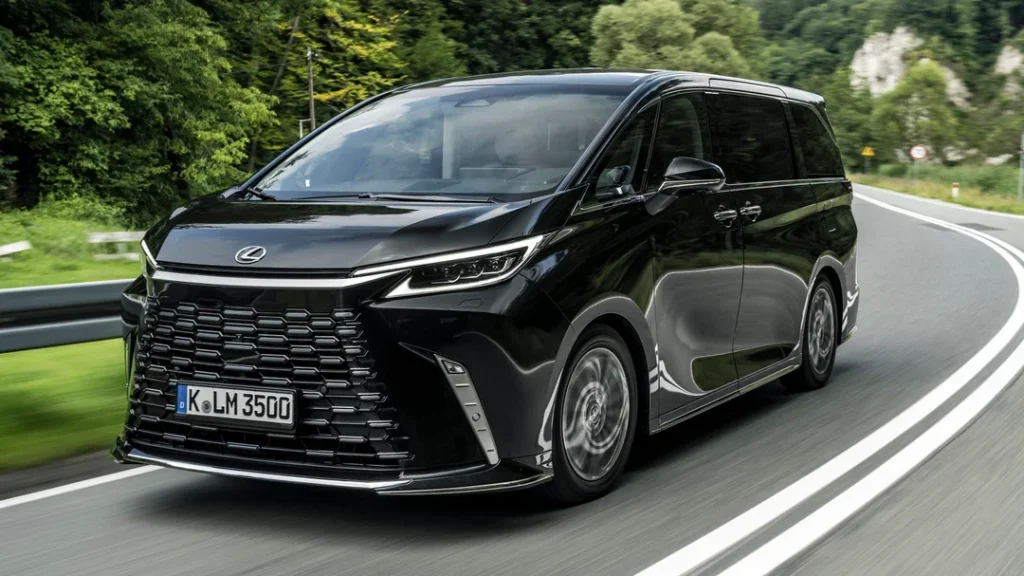
For airport transfers, executive travel, and high-end family use, the Lexus LM offers one of the most comfortable rear cabins in the minivan world. Its space is used for comfort rather than maximum headcount, which gives it a very different kind of practicality.
- Engine: 2.4-liter turbocharged hybrid four-cylinder
- Torque: 339 lb-ft
- Horsepower: 371 hp
- Length/Width: 201.8 inches / 74.4 inches
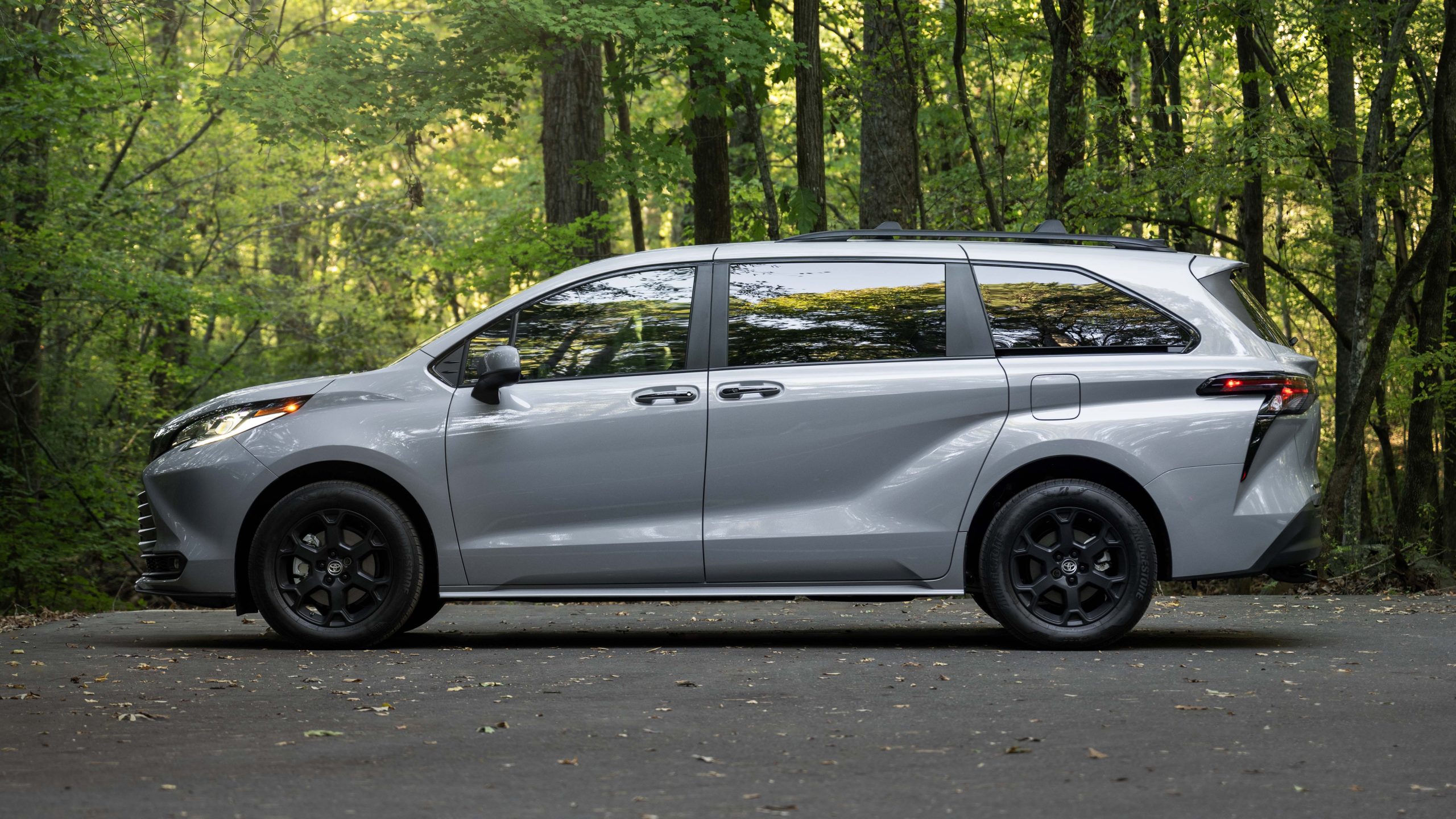
7. Toyota Sienna
The Toyota Sienna earns seventh place not because it lacks room, but because it approaches interior packaging with a stronger focus on efficiency and everyday comfort than maximum cargo transformation.
It remains one of the most capable family minivans on sale, with seating for seven or eight passengers, wide sliding doors, and enough third-row space for children, teenagers, and adults on shorter trips.
Toyota’s interior design works particularly well for families who use every seat regularly. The second row is comfortable and spacious, while the third row folds neatly into the floor when extra cargo capacity is needed.
With every seat occupied, there is still enough space behind the rear row for grocery bags, smaller suitcases, backpacks, and daily essentials. When the third row is folded, the Sienna becomes much more useful for airport runs, sports equipment, and larger shopping trips.
Where the Sienna differs from the Chrysler Pacifica is in its second-row seating. The second-row seats are designed for comfort and long-distance support, but they do not fold into the floor.
Owners who need the largest possible flat cargo area must remove those seats, which is less convenient than the Pacifica’s Stow ’n Go system. Still, many families may prefer the Sienna’s more comfortable second-row seating for regular passenger use.
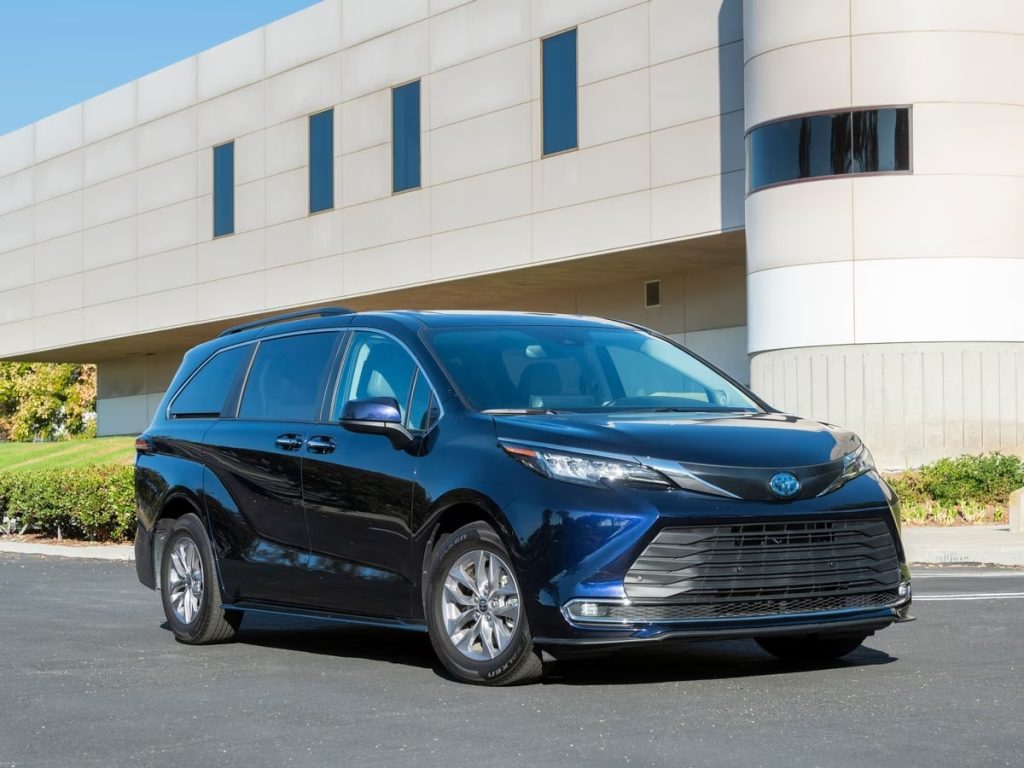
Another important advantage is its hybrid-only powertrain. Toyota gives every Sienna a 2.5-liter hybrid system, helping this large people mover return fuel economy that many three-row SUVs cannot match. Available all-wheel drive also adds confidence for wet roads and winter travel.
The Sienna is best suited to buyers who need a comfortable, efficient, and well-organized family van rather than a vehicle that frequently changes from passenger transport into a cargo hauler.
- Engine: 2.5-liter hybrid four-cylinder
- Torque: 176 lb-ft
- Horsepower: 245 hp combined
- Length/Width: 203.7 inches / 78.5 inches
8. Volkswagen ID. Buzz
The Volkswagen ID. Buzz finishes the list because it offers a pleasant, airy cabin but has less usable luggage space than the larger and more traditional minivans above it. Its retro-inspired design attracts attention, yet the interior has a thoroughly modern layout.
The electric powertrain creates a quiet driving experience, and the flat floor helps the cabin feel open from the front seats to the third row.
The long-wheelbase passenger version can carry up to seven people, with a choice of six- or seven-seat layouts depending on the market. Its tall roofline provides generous headroom, and the large windows make the cabin feel brighter than many three-row SUVs.
Sliding rear doors also help passengers climb into the second and third rows without the awkward movement required by conventional hinged doors.
The ID. Buzz is especially appealing for families who want an electric vehicle but do not want the usual SUV shape. It has a flexible seating layout, practical storage areas, and a broad rear opening for loading bags or equipment.
Its third row is more usable than many electric crossovers, although cargo room becomes limited when all seats are occupied. This is where it falls behind larger minivans such as the Hyundai Staria, Kia Carnival, and Toyota Sienna.
Volkswagen offers rear-wheel-drive and all-wheel-drive versions. The dual-motor model gives the electric van stronger acceleration and extra traction, while the large battery supports family travel with planned charging stops.
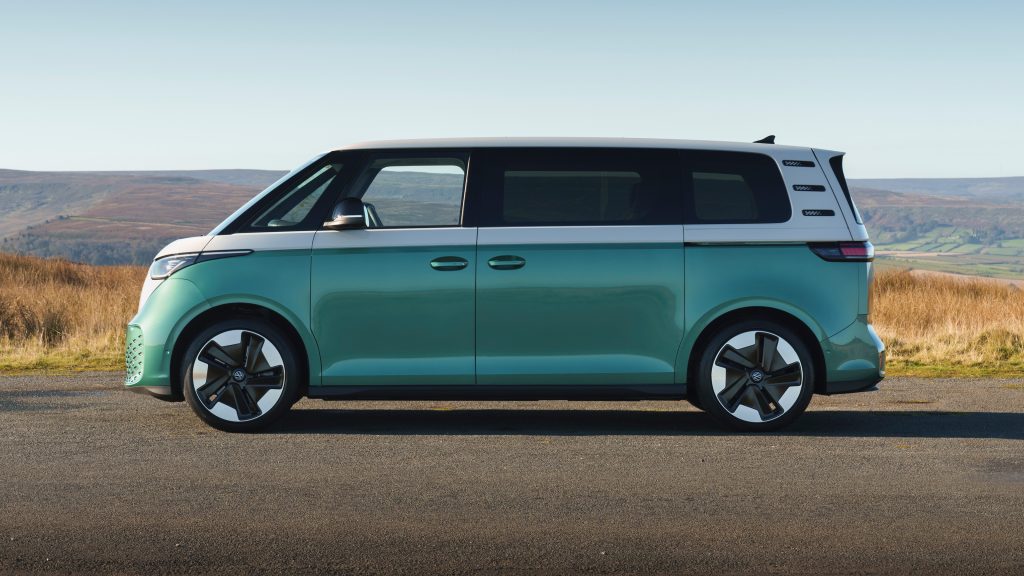
The ID. Buzz is not the best choice for buyers who regularly carry seven passengers with heavy luggage. Its strength lies in combining electric driving, easy access, and a cheerful cabin that makes family journeys feel less ordinary.
- Engine: Dual electric motors
- Torque: 413 lb-ft
- Horsepower: 335 hp
- Length/Width: 195.4 inches / 78.1 inches
Also Read: 8 Hidden Features In The Hyundai Palisade
