
The automotive market is entering another major transition after 2026, and the list of vehicles heading toward retirement includes everything from affordable commuter cars to expensive luxury grand tourers. Some are ending because buyers have shifted toward SUVs and crossovers.
Others are being removed as manufacturers reduce slow-selling nameplates, simplify their product ranges, or prepare replacement models with hybrid and electric powertrains.
A few departures are especially significant because they represent vehicle types that are becoming rare: naturally aspirated V8 coupes, traditional roadsters, large luxury two-doors, inexpensive manual-friendly sedans, and low-slung sports cars.
For enthusiasts, the biggest concern is not simply that these cars are disappearing. It is that many of them have no direct replacement planned. A convertible such as the BMW Z4 may not return in the same form, while the Lexus LC 500 takes its 5.0-liter V8 with it.
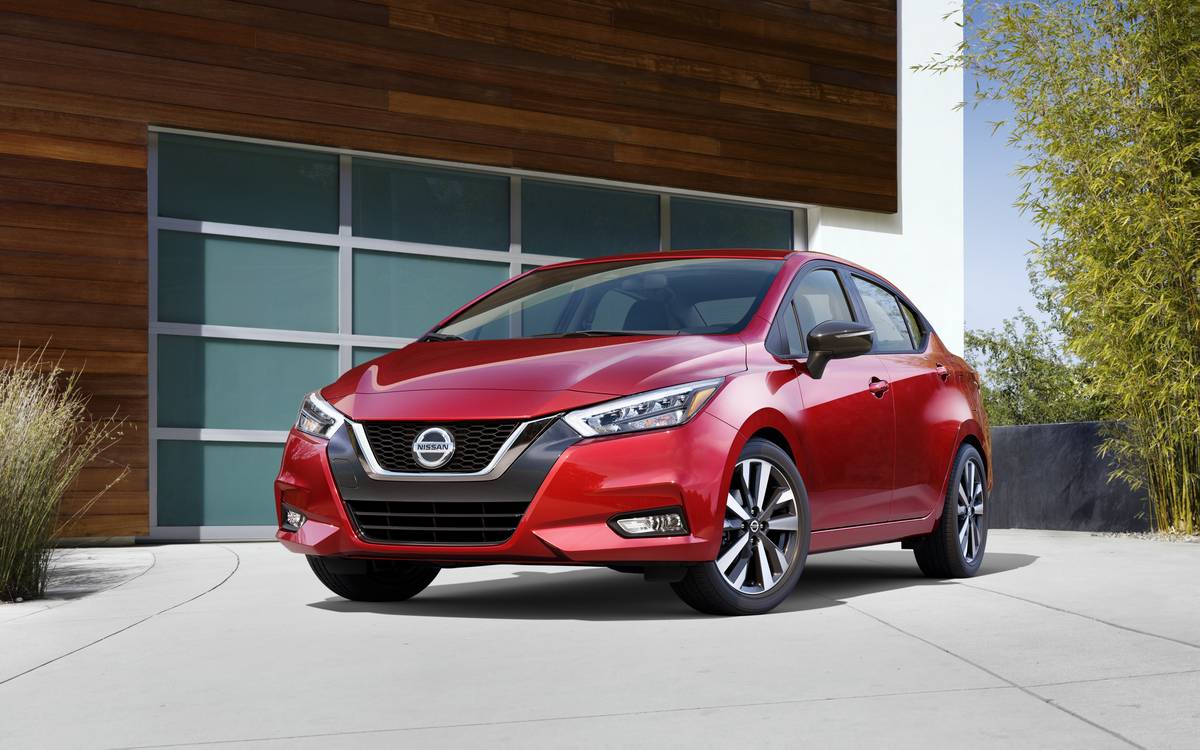
At the more affordable end, the Nissan Altima, Versa, and Kia Soul demonstrate how quickly mainstream passenger cars are being pushed aside by crossovers and electrified alternatives.
These departures also create a final opportunity for buyers who still want something different from the usual SUV formula. The 2026 model year will be the final showroom moment for several distinctive vehicles, making this group worth watching before production ends.
Also Read: 10 Affordable EVs Targeting Under $30,000 by 2027
1. Lexus LC 500
The Lexus LC 500 is one of the most emotional cars leaving showrooms after 2026. It was never built to chase huge sales numbers or compete purely on practicality.
Instead, Lexus created a grand touring coupe that looked close to a concept car, used a naturally aspirated V8 at a time when rivals were moving toward turbochargers, and offered a driving character that felt deliberately old-school in the best way.
Lexus has confirmed that LC 500 production will end after the 2026 model year, with manufacturing scheduled to conclude in August 2026. Its departure is important because the LC 500 represents a type of luxury coupe that is becoming difficult to find.
The long hood, low roofline, rear-wheel-drive layout, and high-revving 5.0-liter engine give it an identity far removed from modern performance cars that rely heavily on turbocharging, hybrid assistance, or all-wheel drive.
The final model year also serves as a farewell to one of Lexus’s most admired designs. Even nearly a decade after its introduction, the LC still looks dramatic from nearly every angle.
Its cabin is equally distinctive, mixing premium materials with a driver-focused layout rather than copying the screen-heavy approach used by many newer luxury cars.
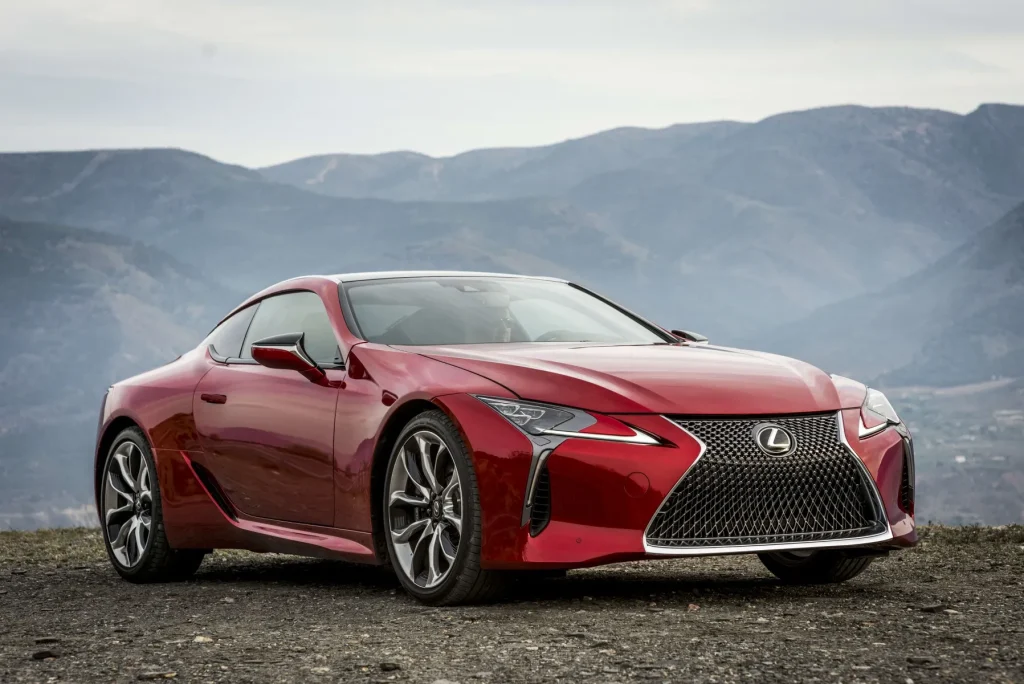
Sales volumes were modest, but the LC 500 was never a mass-market product. It existed to show what Lexus could build when style and character came before volume. Once it leaves the lineup, buyers wanting a new naturally aspirated V8 Lexus coupe will have no equivalent alternative in the showroom.
- Engine: 5.0-liter naturally aspirated V8
- Torque: 398 lb-ft
- Horsepower: 471 hp
- Length/Width: 187.4 inches / 75.6 inches
2. BMW Z4
The BMW Z4 will leave the market after 2026, bringing an end to one of BMW’s longest-running roadster traditions. The model has represented the brand’s compact open-top sports car formula for more than two decades, offering rear-wheel-drive balance, a short wheelbase, and a folding soft top designed for drivers who want a more direct connection with the road.
Unlike the older Z3 and early Z4 generations, the current model was developed alongside the Toyota GR Supra. The two cars share much of their underlying engineering, including BMW powertrains and a platform produced at Magna Steyr in Austria.
Yet the Z4 takes a very different approach. Where the Supra is a fixed-roof coupe aimed at track-day-style performance, the BMW is a convertible grand tourer that can switch from relaxed cruising to serious back-road driving.
The M40i version is the one enthusiasts will remember most. Its turbocharged inline-six delivers strong acceleration, a rich exhaust note, and enough power to make the compact roadster feel far quicker than its size suggests.
BMW also offered a manual transmission on the Z4 M40i in select markets, a rare decision in an era when manual gearboxes have almost vanished from luxury convertibles.
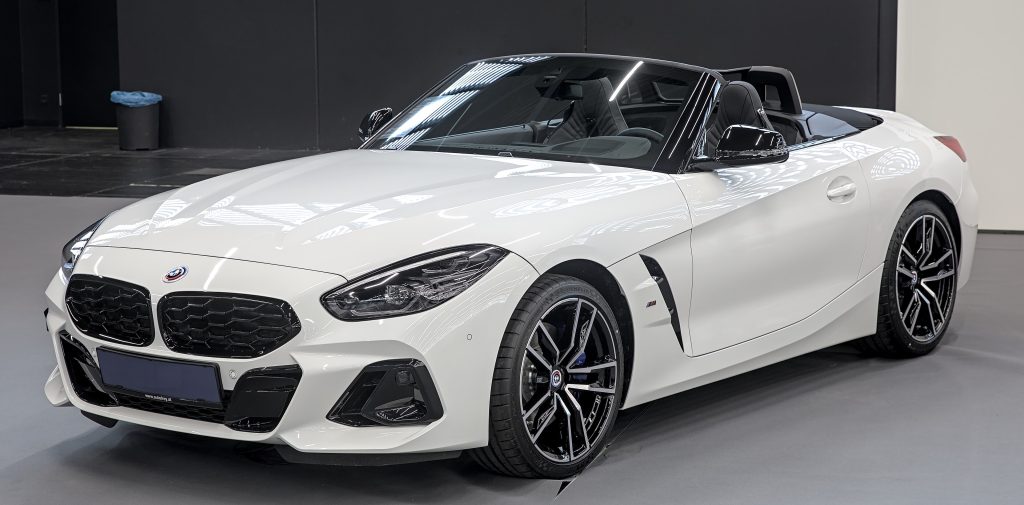
Its disappearance reflects a difficult reality for roadsters. Buyers increasingly choose SUVs, performance sedans, and electric cars instead of two-seat convertibles. The Z4 may not have been BMW’s highest-volume vehicle, but it gave the lineup a sense of fun that cannot easily be replaced by another crossover.
- Engine: 3.0-liter turbocharged inline-six
- Torque: 369 lb-ft
- Horsepower: 382 hp
- Length/Width: 170.7 inches / 73.4 inches
3. BMW 8 Series
The BMW 8 Series is disappearing at a time when large luxury coupes are becoming increasingly difficult to justify in a market dominated by SUVs.
BMW brought the 8 Series back for the 2019 model year as a flagship grand tourer, positioned above the 4 Series and designed to give the brand a more exclusive alternative to the traditional luxury sedan.
It arrived as a coupe, convertible, and four-door Gran Coupe, covering several different interpretations of high-end performance.
Production of the 8 Series is expected to end after the 2026 model year, closing the chapter on a model that never became a high-volume seller but remained important for BMW’s image.
The coupe delivered a low, wide stance and a long-distance driving character that separated it from the more aggressive M4. The Gran Coupe added four doors and greater rear-seat usefulness, while the convertible appealed to buyers wanting an open-air luxury car with serious performance.
The M850i xDrive became the heart of the range for many buyers. Its twin-turbocharged V8 gave the 8 Series effortless acceleration, while all-wheel drive made the power easier to use in changing weather.
It was not a lightweight sports car, and BMW never pretended otherwise. Its appeal came from speed, refinement, and the ability to cover long highway distances with very little effort.
The end of the 8 Series also reflects BMW’s changing priorities. Electric sedans, SUVs, and high-volume performance models now receive more attention than expensive two-door grand tourers.
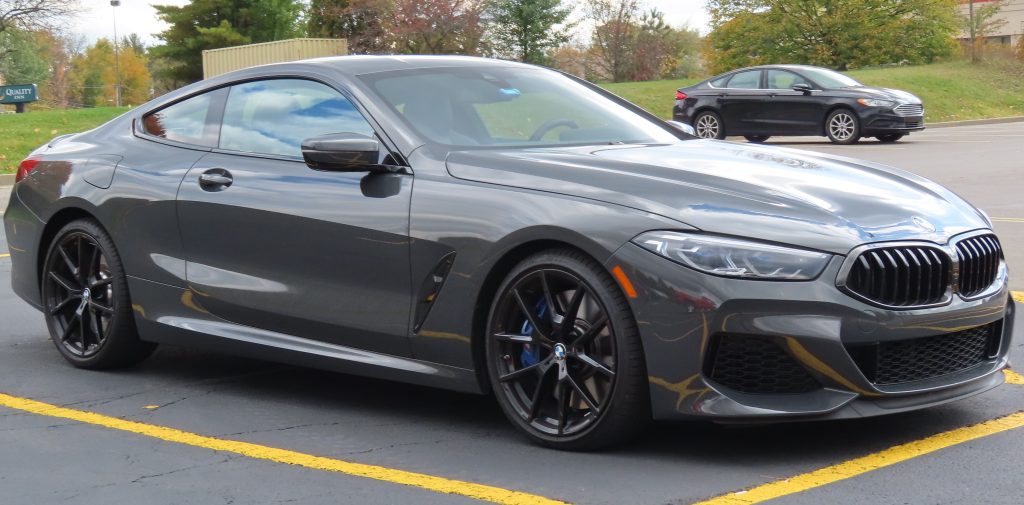
For buyers who still prefer a traditional luxury coupe, the final 8 Series models may become more appealing once the showroom supply disappears.
- Engine: 4.4-liter twin-turbocharged V8
- Torque: 553 lb-ft
- Horsepower: 523 hp
- Length/Width: 191.2 inches / 74.9 inches
4. Tesla Model S
The Tesla Model S changed the direction of the modern electric-car market, but its time in showrooms is coming to an end after 2026. When it first arrived, the Model S proved that an EV could be quick, spacious, stylish, and capable of traveling farther than most electric vehicles available at the time.
It helped turn Tesla from a small startup with one niche sports car into one of the most influential names in the global auto industry.
Its departure is striking because the Model S was once Tesla’s defining vehicle. It introduced many buyers to the idea that electric cars could be luxury products rather than compromised commuter machines.
The liftback body gave it a practical cargo area, its large battery pack allowed long-distance travel, and its instant torque made it feel much quicker than many gasoline-powered luxury sedans.
Tesla has gradually shifted its focus toward the Model 3 and Model Y, which account for the vast majority of the company’s sales. The Model S remained the flagship, but its higher price and aging platform made it less central to Tesla’s plans.
The company has indicated that production of the Model S and Model X will end as manufacturing space is redirected toward future products and robotics projects.
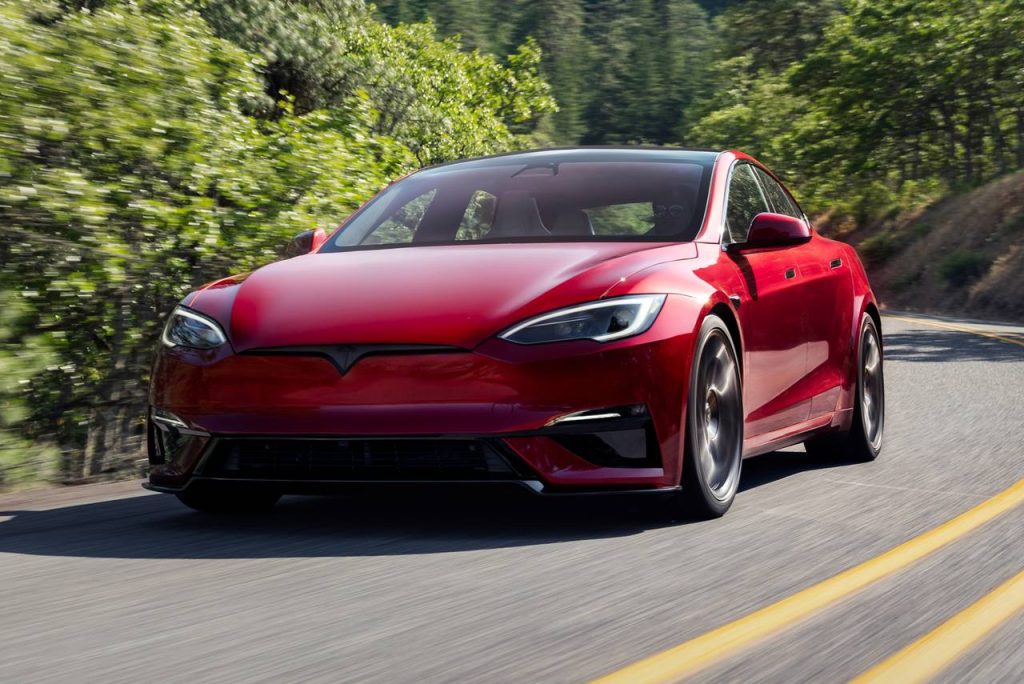
The Model S Plaid will leave behind one of the most dramatic performance records in the EV world. With three electric motors and extraordinary straight-line acceleration, it can outrun many exotic supercars while carrying five passengers.
Yet its legacy is larger than its acceleration figures. The Model S helped force established manufacturers to take electric vehicles seriously, and nearly every premium EV sold today exists in a market it helped create.
- Engine: Tri-motor electric powertrain
- Torque: 1,050 lb-ft estimated
- Horsepower: 1,020 hp
- Length/Width: 197.7 inches / 78.2 inches
5. Tesla Model X
The Tesla Model X is not disappearing quietly. Its unusual shape, dramatic rear doors, and instant electric performance ensured that it never blended into the luxury SUV crowd. After 2026, however, Tesla’s most recognizable SUV will leave production alongside the Model S, ending a run that began with first customer deliveries in 2015.
The Model X arrived when electric SUVs were still rare and often limited by short range, modest power, or basic interiors. Tesla took a more ambitious route. It gave the vehicle three rows of seating, a large battery pack, all-wheel drive, and rear Falcon Wing doors that opened upward rather than outward.
Those doors became the Model X’s defining feature. They made the SUV memorable, even if their complexity also made them one of the most debated parts of the vehicle.
Tesla later turned the Model X into a performance machine with the Plaid version. Three electric motors gave it acceleration that few large SUVs could approach, while its low-mounted battery pack helped reduce body roll compared with many tall luxury vehicles.
The cabin remained focused on screens and software, creating a very different ownership experience from traditional German or American luxury SUVs.
The decision to end the Model X reflects Tesla’s changing business direction. Model 3 and Model Y sales became far more important to the company, while future manufacturing capacity is being directed toward newer projects.
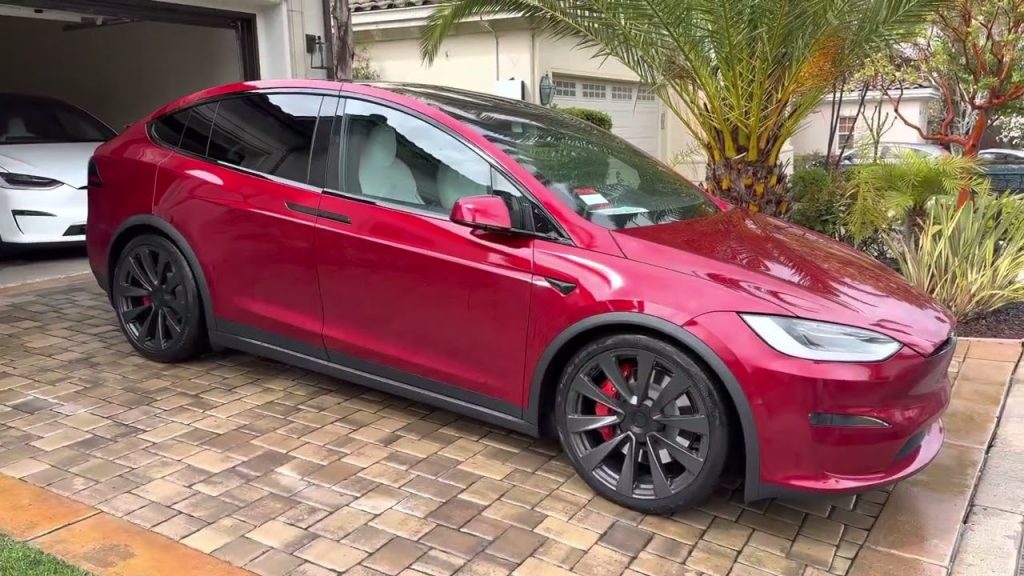
The Model X leaves behind a strange but influential legacy. It proved that an electric SUV could be fast, spacious, expensive, and technically ambitious long before most established automakers had serious alternatives.
- Engine: Tri-motor electric powertrain
- Torque: 1,050 lb-ft estimated
- Horsepower: 1,020 hp
- Length/Width: 199.1 inches / 78.7 inches
6. Hyundai Ioniq 6 Base Model
The Hyundai Ioniq 6 base model is leaving the U.S. market after 2026, although the nameplate itself is not disappearing completely.
Hyundai is expected to keep the high-performance Ioniq 6 N available in limited numbers, but the standard version that introduced buyers to the streamlined electric sedan is being removed from showrooms.
That distinction matters because the regular Ioniq 6 was designed as an efficient, relatively attainable EV rather than a specialized performance vehicle.
Its styling was unlike nearly anything else in the electric-car market. Instead of adopting the tall crossover profile that dominates modern EV sales, Hyundai created a low sedan with a curved roofline and a shape focused heavily on aerodynamic efficiency.
The result was a vehicle capable of impressive range figures while using a battery smaller than some rivals. For drivers who wanted an EV that looked different from an SUV, the Ioniq 6 offered a rare alternative.
The base rear-wheel-drive model also made the Ioniq 6 more accessible. It paired a single electric motor with a smaller battery pack, giving buyers a lower entry price while still delivering the quiet, responsive driving behavior expected from a modern EV.
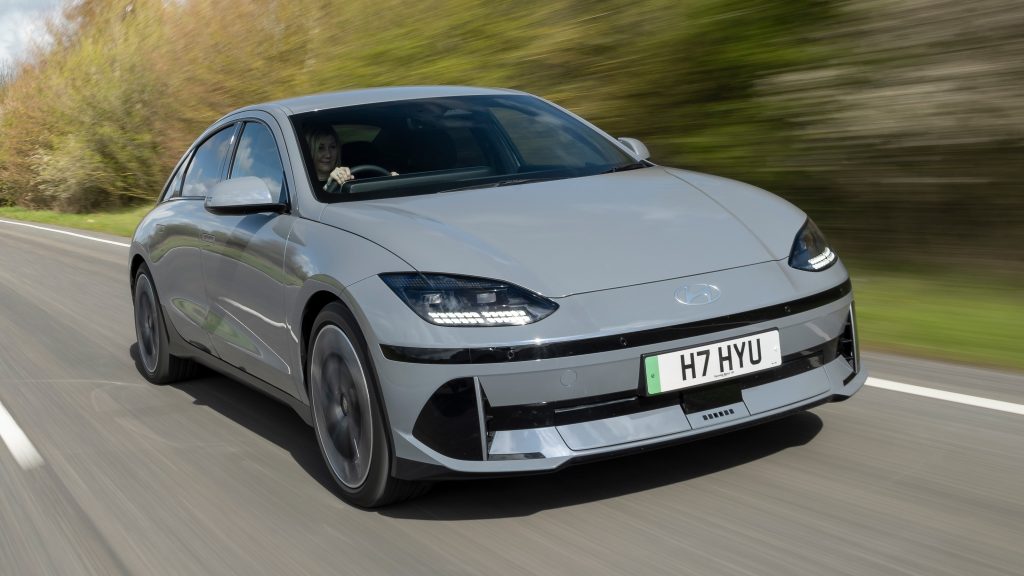
Yet sales of electric sedans have been much slower than sales of electric crossovers, and Hyundai’s Ioniq 5 has attracted far more attention in the United States.
Its exit shows how quickly consumer preferences can reshape an automaker’s lineup. The Ioniq 6 remains technically impressive, but efficiency and distinctive styling were not enough to overcome the market’s growing preference for taller, more practical electric SUVs.
- Engine: Single permanent-magnet electric motor
- Torque: 258 lb-ft
- Horsepower: 149 hp
- Length/Width: 191.1 inches / 74.0 inches
7. Nissan Altima
The Nissan Altima is approaching the end of its current generation after the 2026 model year, closing a long chapter for one of the best-known midsize sedans in the United States. Nissan briefly appeared ready to end the Altima earlier, then kept it alive for 2026 with a reduced lineup.
That extension gives the sedan one final chance in showrooms before the company moves further toward crossovers, electrification, and newer sedan products.
For much of its history, the Altima was a major part of Nissan’s American lineup. It offered families and commuters a practical alternative to the Toyota Camry, Honda Accord, and Hyundai Sonata, while available all-wheel drive gave it an advantage in regions with rain, snow, and changing road conditions.
The final version keeps that useful formula, although the trim range is much smaller than before. Nissan dropped the entry-level S and higher-end SL trims for 2026, leaving the SV and SR as the primary choices.
Both use a 2.5-liter four-cylinder engine and a continuously variable transmission, with front-wheel drive standard and all-wheel drive available. The SR adds a sportier appearance, larger wheels, and darker exterior details, but the Altima’s main strength remains its easygoing daily-driving nature.
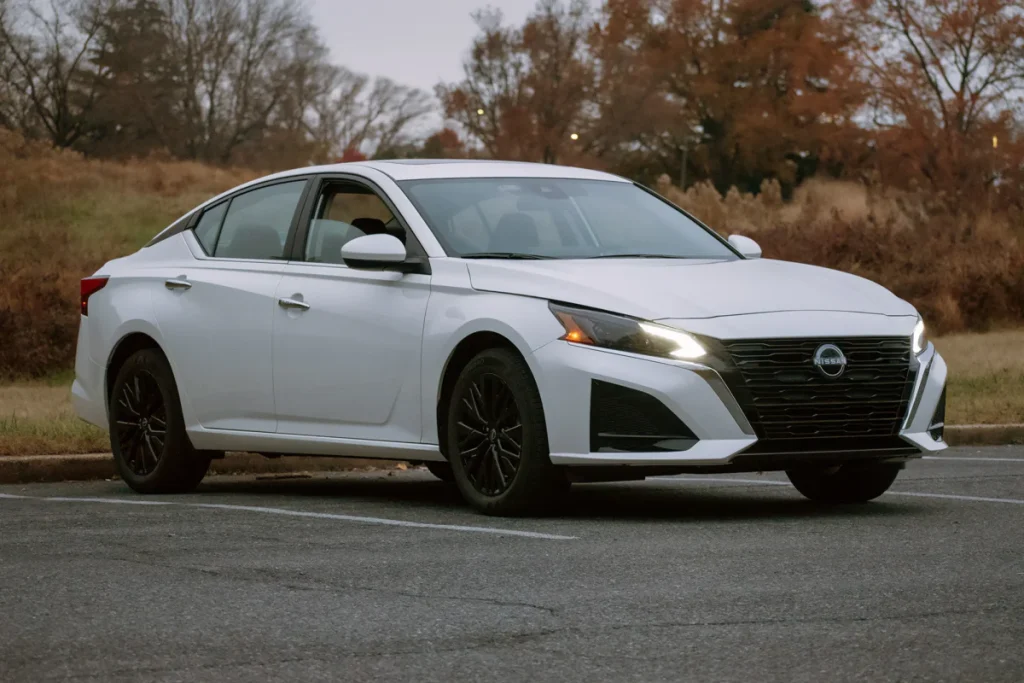
Its exit matters because midsize sedans are no longer the automatic family-car choice they once were. Crossovers now dominate dealership sales, even when sedans can offer better fuel economy, lower prices, and more composed highway manners.
The Altima will leave behind a familiar nameplate that spent more than three decades serving buyers who wanted a straightforward, comfortable gasoline-powered sedan.
- Engine: 2.5-liter naturally aspirated four-cylinder
- Torque: 180 lb-ft
- Horsepower: 188 hp
- Length/Width: 192.9 inches / 72.9 inches
8. Nissan Versa
The Nissan Versa has already reached the end of its U.S. production run, making it one of the most important losses for budget-conscious new-car shoppers.
Nissan ended Versa production for the American market in December 2025, so remaining vehicles may still appear at dealerships after that date, but there is no new 2026 Versa for U.S. buyers.
Its departure is bigger than the loss of one small sedan. The Versa was the final new vehicle in America to carry a starting price below $20,000. That made it a rare entry point for first-time buyers, students, commuters, and families who needed a factory warranty without moving into the used-car market.
As new-car prices have climbed, the Versa’s role has become increasingly valuable even though it was never a glamorous vehicle.
Nissan offered the final Versa with a 1.6-liter four-cylinder engine, front-wheel drive, and a continuously variable transmission. It did not promise sports-car performance, but it provided low running costs, useful interior space for its size, and fuel economy that made it sensible for daily commuting.
The sedan also gained more safety technology and infotainment features over time, helping it feel less basic than older budget cars.
The Versa continues in other markets, including Mexico, where Nissan has introduced a newer generation. American buyers, however, are losing one of the simplest and most affordable ways to purchase a brand-new car.
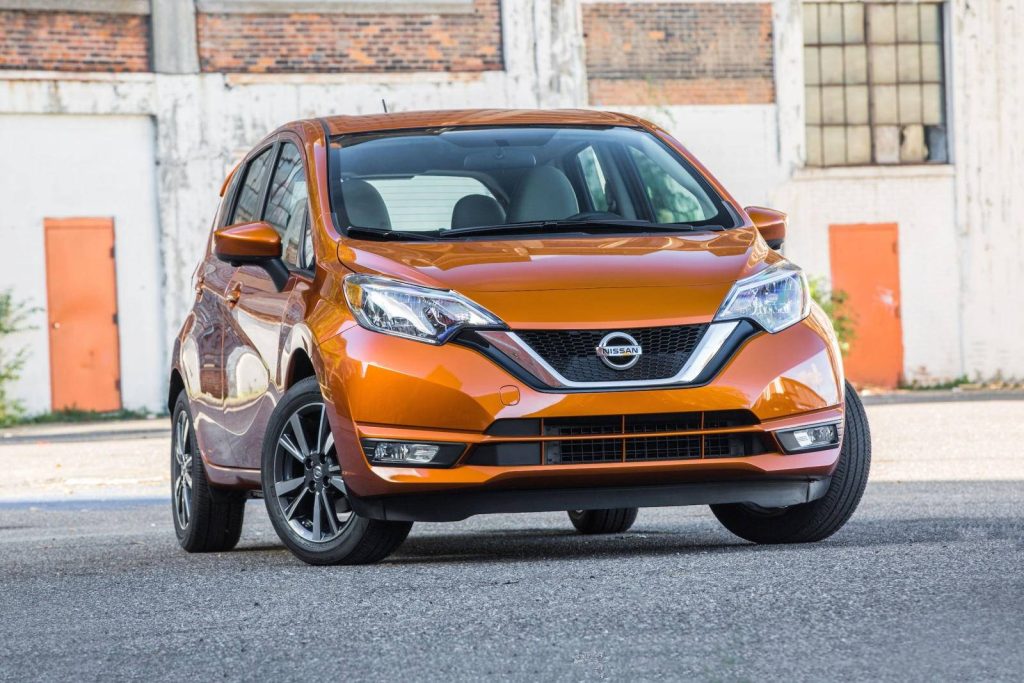
Its disappearance shows how sharply the entry-level market has changed. A vehicle once defined by its low price is now difficult to replace at anything close to the same cost.
- Engine: 1.6-liter naturally aspirated four-cylinder
- Torque: 112 lb-ft
- Horsepower: 122 hp
- Length/Width: 177.0 inches / 68.5 inches
9. Kia Soul
The Kia Soul is set to disappear after the 2026 model year, ending one of the most recognizable compact cars sold in America. Since its debut, the Soul has never followed the normal formula for a small hatchback or crossover.
Its upright body, squared-off roofline, tall windows, and distinctive styling gave it a personality that stood apart from the rounded shapes used by most competitors.
Kia positioned the Soul as a practical vehicle for drivers who wanted the interior usefulness of a small crossover without the size, weight, or price of a larger SUV.
The high roof made the cabin feel surprisingly open, while the boxy rear section created useful cargo space. It was especially popular with younger buyers, city commuters, and owners who wanted something more expressive than a conventional compact sedan.
The final Soul continues with a 2.0-liter four-cylinder engine and a continuously variable automatic transmission. It is not intended to be a performance vehicle.
Instead, its strengths come from visibility, easy maneuverability, accessible pricing, and a cabin layout that makes daily errands less difficult. The tall seating position also gives it an advantage over many low-riding hatchbacks.
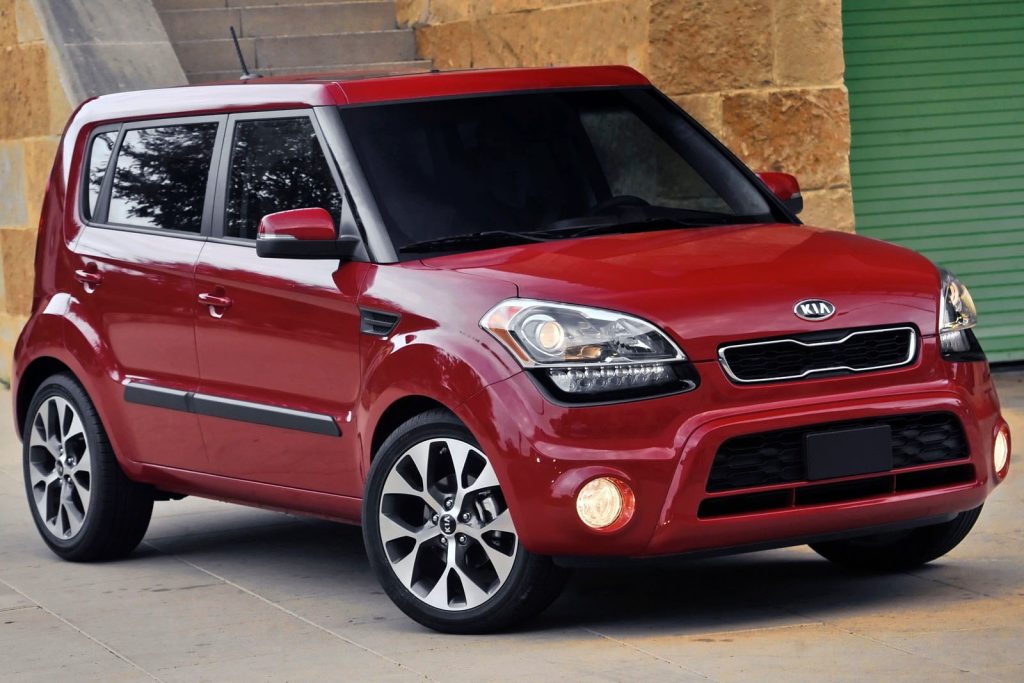
Kia’s decision reflects how quickly its product lineup has changed. The company now has a much larger range of crossovers, hybrids, and electric vehicles, leaving less room for a niche model with a shape that does not fit neatly into one category.
The Soul’s departure will be disappointing for buyers who value individuality. Few vehicles offered the same combination of compact dimensions, practical packaging, and unmistakable visual identity.
- Engine: 2.0-liter naturally aspirated four-cylinder
- Torque: 132 lb-ft
- Horsepower: 147 hp
- Length/Width: 165.2 inches / 70.9 inches
10. Toyota GR Supra
The Toyota GR Supra ends production after the 2026 model year, bringing the fifth-generation model to the end of its run. For performance-car fans, this is one of the most significant showroom departures on the list.
The Supra name carries decades of history, and its return in 2019 marked the revival of a badge that had been absent from Toyota dealerships since the previous generation ended in 2002.
This Supra arrived through a partnership with BMW and shared major mechanical components with the BMW Z4. That connection created debate from the beginning, particularly because the engine, transmission, and basic architecture came from BMW.
Yet Toyota gave the coupe its own suspension tuning, chassis calibration, styling, and driver-focused character. The result was a car that felt more serious and more track-oriented than many expected.
For its final year, Toyota has concentrated on the 3.0-liter turbocharged inline-six version. Buyers can choose either a six-speed manual transmission or an eight-speed automatic, allowing the Supra to appeal to two very different audiences.
The manual gives drivers a more involved experience, while the automatic delivers quicker acceleration and easier daily use.
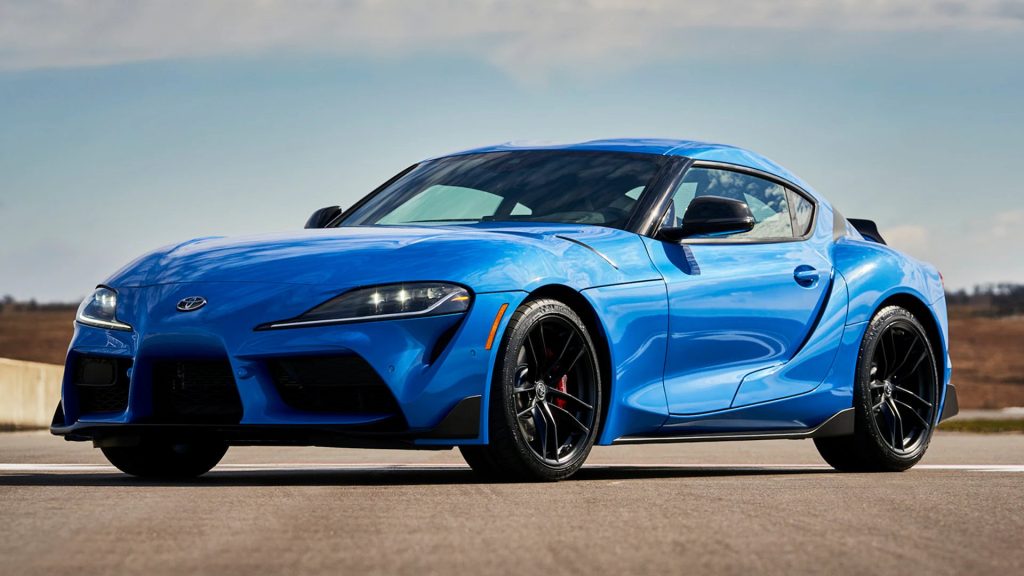
Toyota also created an Mk V Final Edition to close this chapter. It adds chassis improvements, larger front brake rotors, revised suspension tuning, extra bracing, and special exterior details. Those changes are meant to make the final Supra sharper rather than simply more decorative.
The future of the Supra name remains uncertain, although Toyota has suggested that another generation could eventually arrive. Until then, the 2026 GR Supra stands as the final opportunity to buy this BMW-powered, rear-wheel-drive Toyota sports coupe new.
- Engine: 3.0-liter turbocharged inline-six
- Torque: 368 lb-ft
- Horsepower: 382 hp
- Length/Width: 172.5 inches / 73.0 inches
Also Read: 10 Hidden Features In The Toyota Tacoma
