
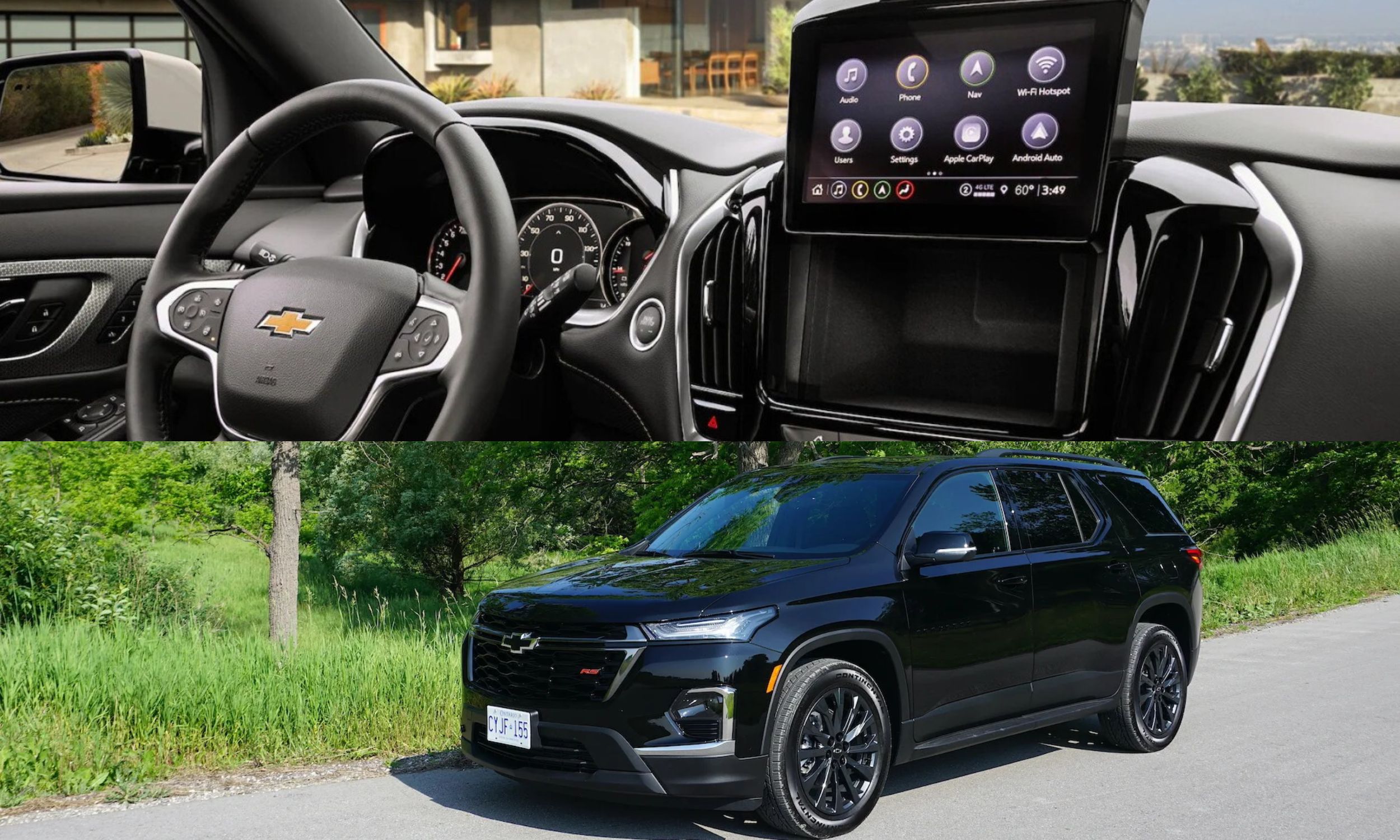
Buying a used three-row SUV involves more than checking the mileage or making sure the interior looks clean. The model year can have a major impact on reliability, and the Chevrolet Traverse is a good example.
Some years have earned a solid reputation for dependable performance, while others are known for expensive mechanical problems that can quickly turn a bargain into a costly mistake. Spending time researching before buying can save both money and unnecessary stress.
Data from sources such as CarComplaints, RepairPal, and Consumer Reports shows clear differences between Traverse model years. Several early first-generation models experienced engine, transmission, and other reliability issues, while later versions received improvements that made them much more dependable for everyday driving.
Two Traverses may appear nearly identical, but their long-term ownership experience can be very different. Choosing the right model year is one of the smartest decisions you can make when shopping for a used Chevrolet Traverse.
The 4 Best Years
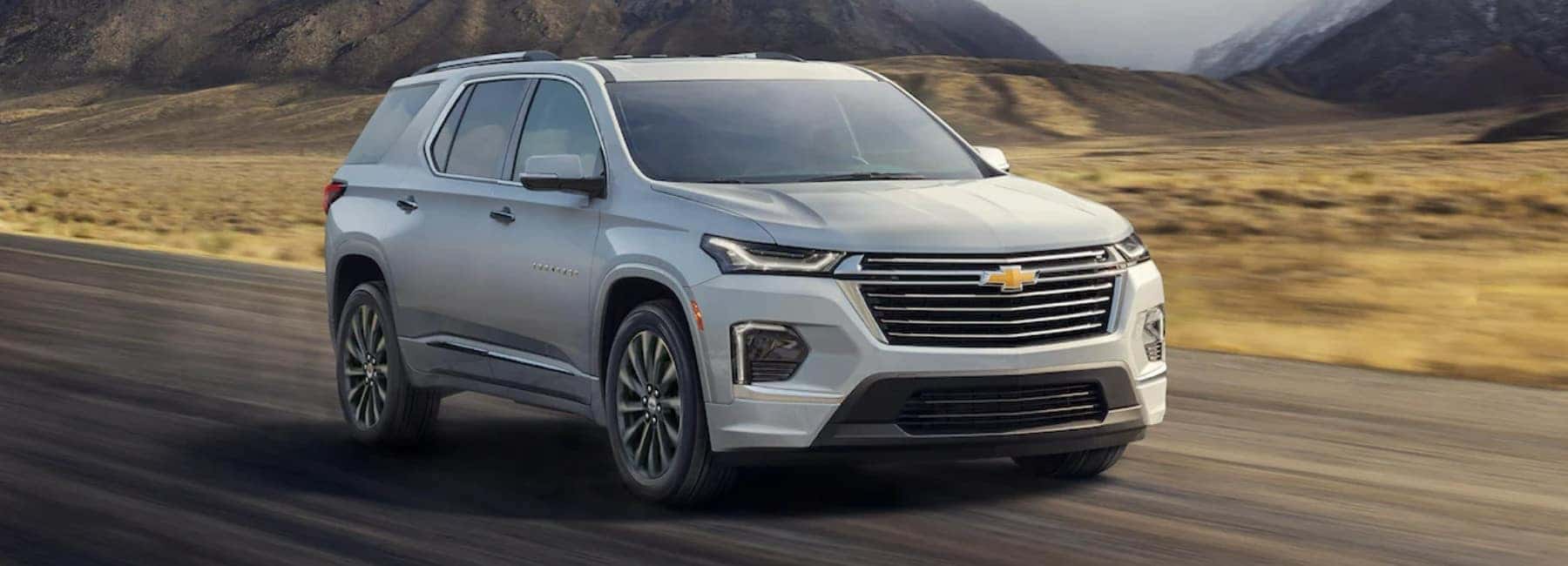
1. 2023 Chevrolet Traverse
- Engine: 3.6-liter Naturally Aspirated V6
- Horsepower: 310 hp
- Torque: 266 lb-ft
- Size: 204.3″ L x 78.6″ W x 70.7″ H
Why It’s One of the Best: As the final model year of the second generation, the 2023 Traverse benefits from years of engineering improvements. It has relatively few reported mechanical issues compared with earlier models and offers dependable performance, a refined nine-speed automatic transmission, and standard Chevrolet Safety Assist.
By the time the 2023 Chevrolet Traverse arrived, it had become one of the strongest versions of the second generation. Chevrolet spent several years refining the SUV, fixing many of the problems that affected earlier models. Buyers looking for a dependable used three-row SUV will find that this model year benefits from those improvements, making it one of the safest choices in the lineup.
Power comes from a proven 3.6-liter naturally aspirated V6 engine producing 310 horsepower and 266 lb-ft of torque. That output gives the Traverse enough strength for everyday driving, highway overtaking, and light towing without feeling strained.
Measuring 204.3 inches long, 78.6 inches wide, and 70.7 inches tall, it provides generous cabin space for passengers and luggage, making it well suited for family trips, school runs, and long-distance travel. The roomy interior remains one of the SUV’s biggest attractions, especially for buyers who regularly carry seven or eight occupants.
Another area where the 2023 model stands out is its improved driving experience. The nine-speed automatic transmission had already received several software updates before this model year reached showrooms, helping it deliver smoother gear changes and better response than many earlier versions.
Chevrolet also made its Safety Assist package standard across the range, giving every trim forward collision alert, automatic emergency braking, lane keep assist, and other useful driver aids without forcing buyers into more expensive variants. Owner feedback also paints a positive picture. Reports of mechanical problems dropped compared with earlier years, showing that Chevrolet had addressed many of the issues that once affected the Traverse.
If you want the newest version of the second-generation model without worrying about early production faults, the 2023 Traverse stands out as a dependable option that offers comfort, space, solid performance, and greater peace of mind.
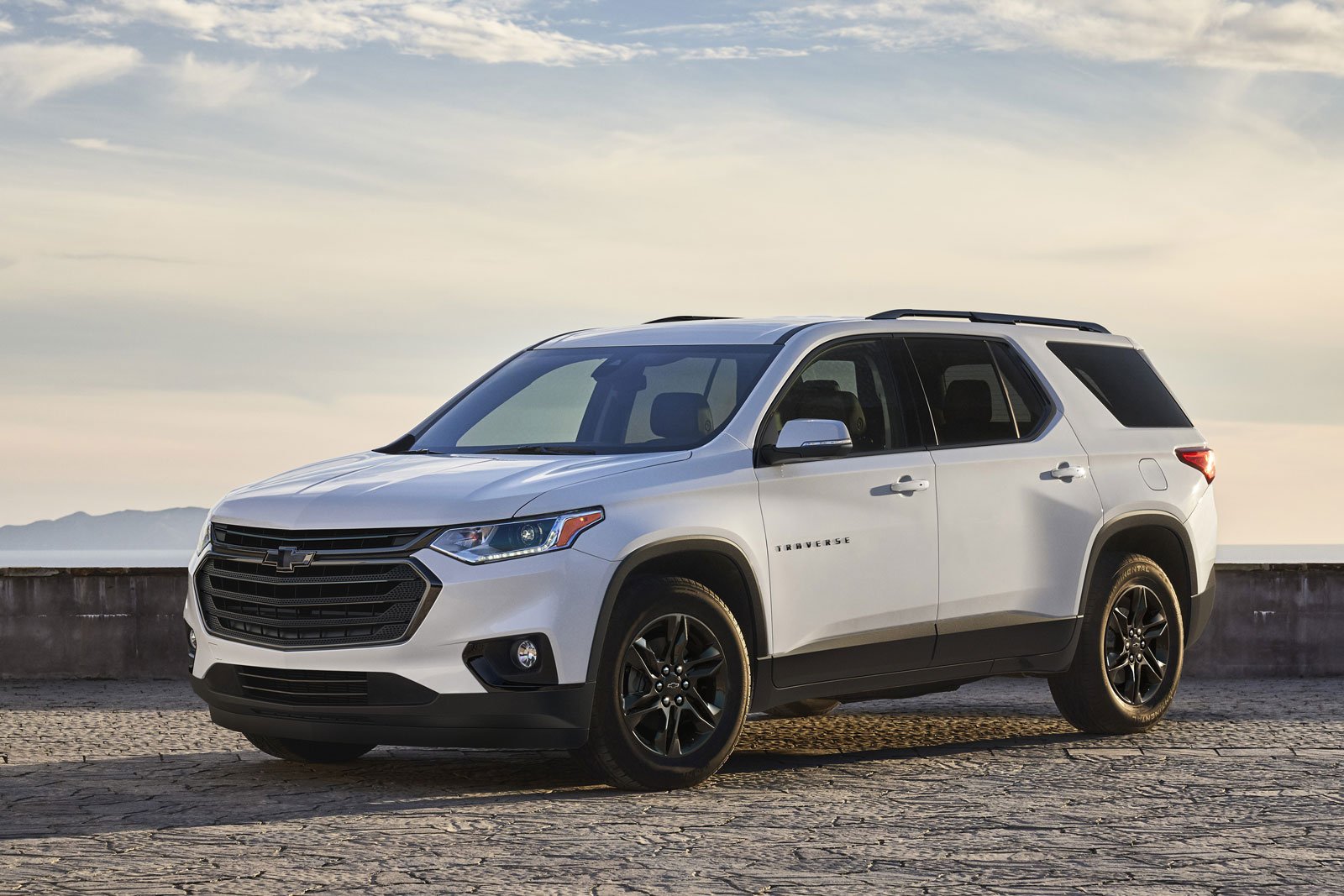
2. 2022 Chevrolet Traverse
- Engine: 3.6-liter Naturally Aspirated V6
- Horsepower: 310 hp
- Torque: 266 lb-ft
- Size: 204.3″ L x 78.6″ W x 70.7″ H
Why It’s One of the Best: The refreshed 2022 model resolved many of the electrical and transmission concerns reported on earlier second-generation vehicles. It combines strong reliability with updated technology and safety features.
Refresh years in the auto industry often mean more than a new grille or updated taillights. For the 2022 Traverse, the mid-cycle update addressed real mechanical concerns that had frustrated owners of the 2018 and 2019 models. Powering this SUV is the same 3.6-liter V6 found across the second generation, delivering 310 horsepower and 266 lb-ft of torque, plenty of capability for hauling passengers, luggage, or a light trailer without strain.
Exterior dimensions match its 2023 successor almost exactly, at 204.3 inches long, 78.6 inches wide, and 70.7 inches tall, preserving the same generous cabin space that made the Traverse a popular choice among larger families.
What changed under the surface mattered more than what changed on the outside. Chevrolet used this refresh to correct many of the electrical gremlins and transmission hesitation issues that had generated a steady stream of owner complaints in the years prior.
Infotainment problems that had frustrated drivers were largely resolved, and the nine-speed automatic transmission received calibration updates that delivered smoother gear changes than earlier second-generation models. The refresh also brought upgraded technology, including improved driver assistance features and a more responsive touchscreen interface that felt like a meaningful improvement instead of a small update.
Buyers cross-shopping this Traverse against slightly older second-generation models will find the 2022 version offers the best combination of modern features and proven reliability at what tends to be a more approachable used price point than the newer 2023 model. For families who want a roomy, dependable three-row SUV without paying a premium for the very newest model year, the 2022 Traverse checks nearly every box a shopper could ask for.
Also Read: Chevrolet Traverse vs Toyota Grand Highlander Comparison: Which Is Better?
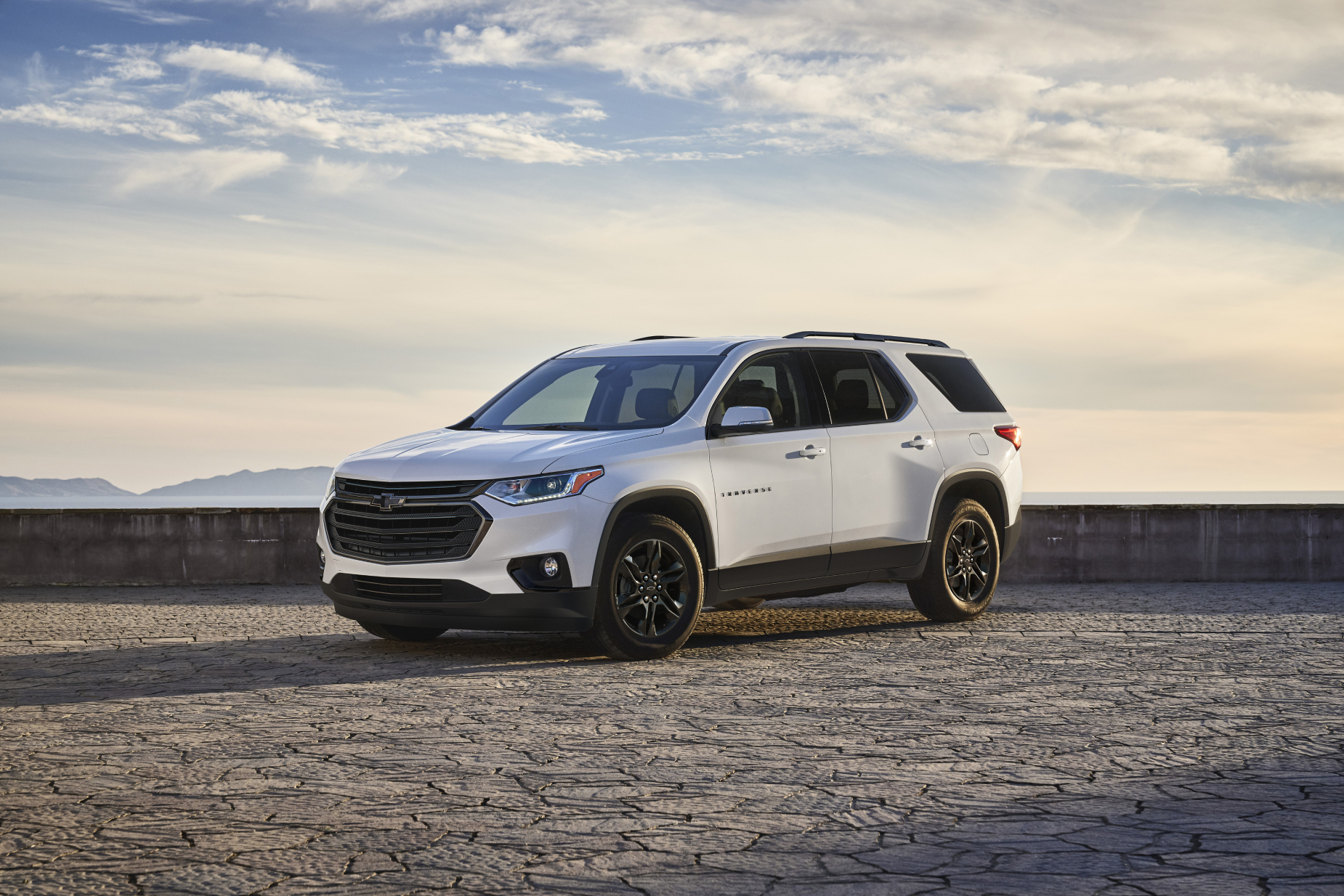
3. 2021 Chevrolet Traverse
- Engine: 3.6-liter Naturally Aspirated V6
- Horsepower: 310 hp
- Torque: 266 lb-ft
- Size: 204.3″ L x 78.6″ W x 70.7″ H
Why It’s One of the Best: Built before the 2022 facelift, the 2021 Traverse had already benefited from several years of refinement. It consistently earns favorable owner feedback for drivetrain durability and lower-than-average repair frequency.
Choosing a slightly older SUV can be a smart financial decision, and the 2021 Chevrolet Traverse proves that point. Although it arrived before Chevrolet introduced its mid-cycle update, this version delivers the same dependable 3.6-litre V6 engine found in the 2022 and 2023 models. It produces 310 horsepower and 266 lb-ft of torque, giving drivers the same level of performance without paying extra for a newer badge.
Unlike what many buyers expect, the 2021 Traverse gives up very little compared to later versions. It measures 204.3 inches in length, 78.6 inches in width, and 70.7 inches in height, so cabin comfort and cargo space remain exactly the same. Families still get generous seating, plenty of storage, and the practicality that has made the Traverse a popular choice for daily use and long-distance travel. Anyone comparing model years will find that interior space remains unchanged.
By the time this model arrived, Chevrolet had already corrected many of the early problems that affected the second-generation Traverse when it debuted in 2018. Issues such as the “Shift to Park” fault and transmission hesitation had received multiple improvements, giving buyers greater confidence. Reports from owners and vehicle repair records also point to dependable drivetrain performance, with fewer repair concerns than those seen in earlier second-generation models.
For buyers watching their spending, the 2021 Traverse stands out because it combines proven dependability with the same safety equipment and technology available in newer versions. Since used prices are usually lower than the 2022 and 2023 models, shoppers can save money without giving up comfort, performance, or everyday convenience.
If reliability, practicality, and affordability matter most, this model year deserves serious consideration and continues to earn praise from owners who value dependable transportation instead of relying only on manufacturer claims.
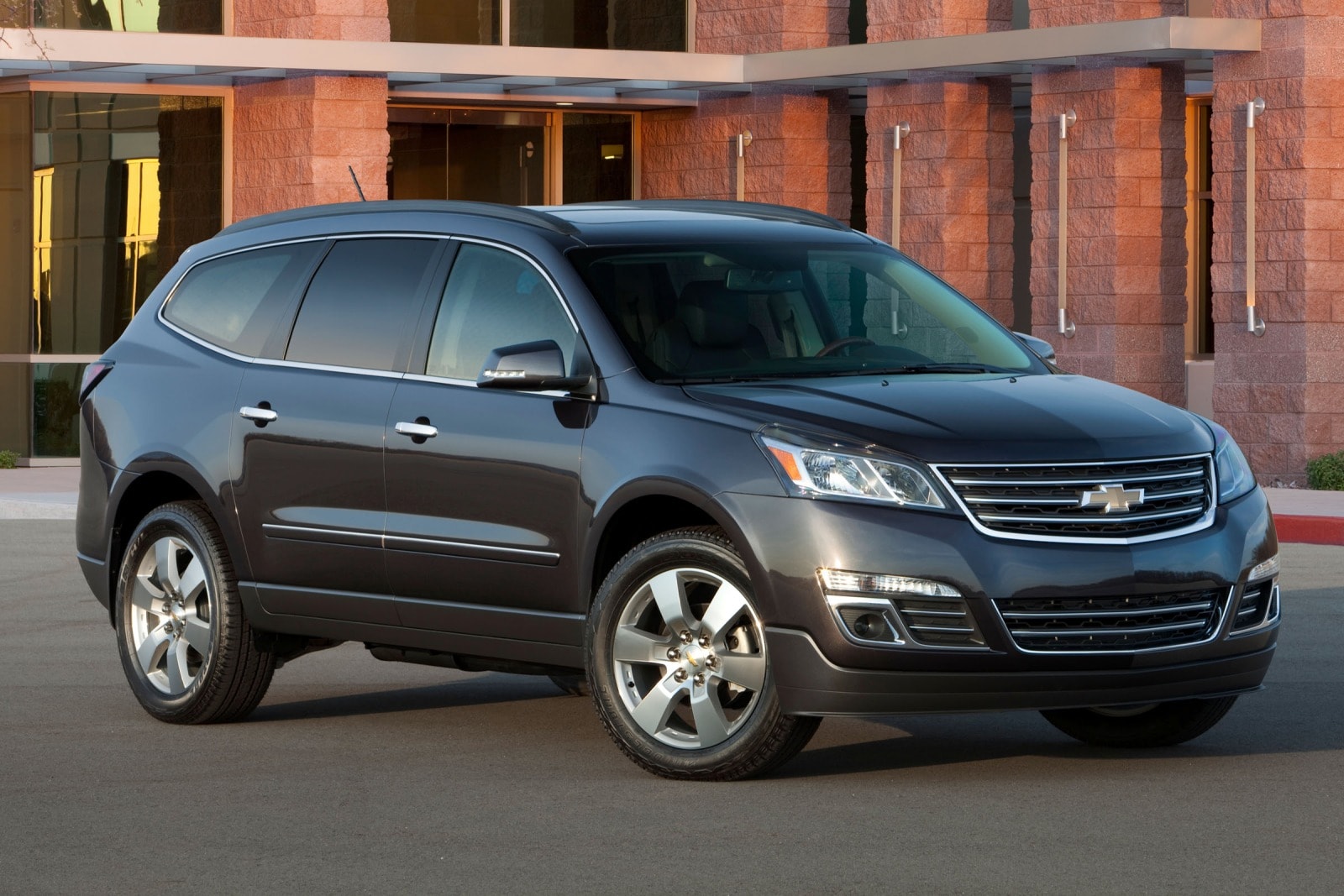
4. 2017 Chevrolet Traverse
- Engine: 3.6-liter Naturally Aspirated V6
- Horsepower: 281 hp
- Torque: 266 lb-ft
- Size: 203.7″ L x 78.5″ W x 69.9″ H
Why It’s One of the Best: As the last model year of the first generation, the 2017 Traverse addressed many of the timing chain, steering, and drivetrain concerns found on earlier models, making it the strongest choice among first-generation Traverses.
Is it possible for a much-maligned first generation to end on a genuine high note? The 2017 Traverse suggests the answer is yes. This model year uses a 3.6-liter naturally aspirated V6 producing 281 horsepower and 266 lb-ft of torque, slightly less output than the second-generation models covered above but still respectable for its era.
Dimensions measure 203.7 inches long, 78.5 inches wide, and 69.9 inches tall, keeping it close in size to its successor despite belonging to an entirely different generation. What makes 2017 stand apart from its first-generation siblings comes down almost entirely to what Chevrolet fixed under the surface.
Timing chain failures that had plagued earlier Traverse models throughout the early 2010s had been largely addressed by this final year, along with steering system problems and drivetrain concerns that generated a steady flow of complaints and expensive repair bills for owners of older versions.
Years of engineering revisions had gradually chipped away at these issues, and by the time 2017 arrived, the worst of the mechanical problems associated with this generation had mostly been resolved.
This makes the 2017 model a genuinely smart choice for budget shoppers specifically seeking a first-generation Traverse, perhaps for its lower used pricing compared to second-generation models, without inheriting the reliability nightmares tied to the SUV’s earlier production years.
Buyers should still expect a slightly older feature set and less advanced safety technology compared to 2018 and beyond, a fair trade-off for those prioritizing a lower purchase price. For anyone dead set on an older, more affordable Traverse, 2017 stands as the clear pick among first-generation options.
The 4 Worst Years
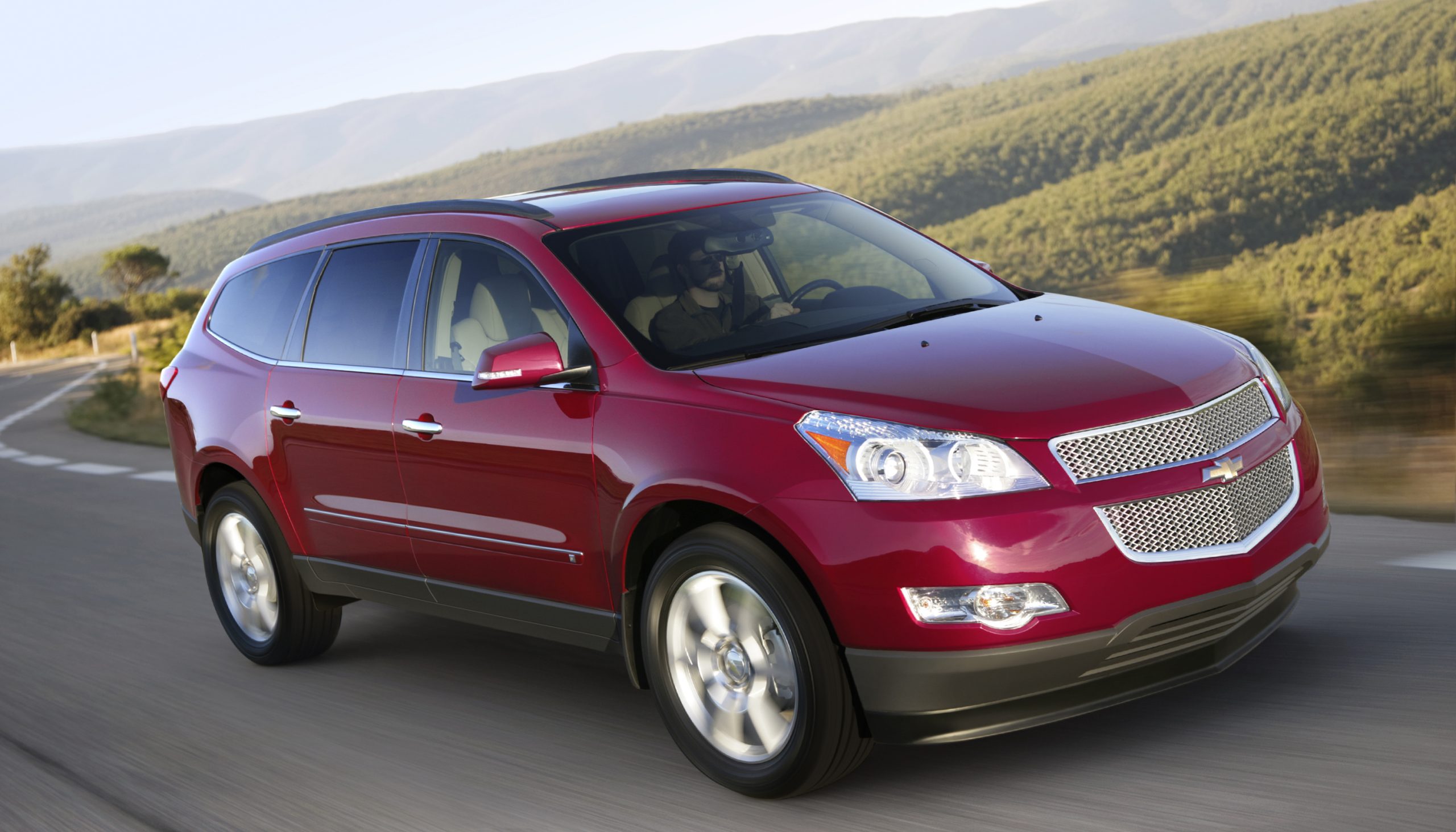
1. 2011 Chevrolet Traverse
- Engine: 3.6-liter Naturally Aspirated V6
- Horsepower: 281 hp
- Torque: 266 lb-ft
- Size: 205.1″ L x 78.4″ W x 69.9″ H
Why It’s One of the Worst: Frequently identified as the least dependable Traverse model year due to widespread timing chain failures, excessive oil consumption, power steering problems, and expensive engine repairs that often occurred well before 100,000 miles.
If there’s one Traverse model year that shows up consistently at the top of every unreliable vehicle list, it’s this one. The 2011 model runs the same basic 3.6-liter V6 architecture found throughout the first generation, rated at 281 horsepower and 266 lb-ft of torque, numbers that looked competitive on paper but couldn’t make up for the mechanical problems lurking underneath.
Dimensions measure 205.1 inches long, 78.4 inches wide, and 69.9 inches tall, giving it a footprint similar to later Traverse years despite carrying a dramatically worse reliability record. Timing chain failures top the list of documented complaints, with many owners reporting chain stretch and related engine damage occurring well before the 100,000-mile mark, a point where most engines should still have plenty of life left.
Excessive oil consumption compounded these engine problems further, forcing owners into frequent oil top-offs between scheduled changes just to keep the engine properly lubricated. Power steering issues added another layer of frustration, with some owners reporting sudden loss of steering assist, a genuinely concerning problem for a vehicle this size carrying passengers and cargo.
Repair costs associated with these combined issues climbed quickly, often blindsiding owners who expected a mid-size SUV from a mainstream brand to hold up better than this. CarComplaints and RepairPal both flag 2011 repeatedly as the single worst year across the Traverse’s production history, a distinction that has followed this specific model year across nearly every long-term reliability study published since.
Anyone considering a used first-generation Traverse should treat 2011 as the year to avoid entirely, regardless of how attractive the asking price might look on a used car listing.
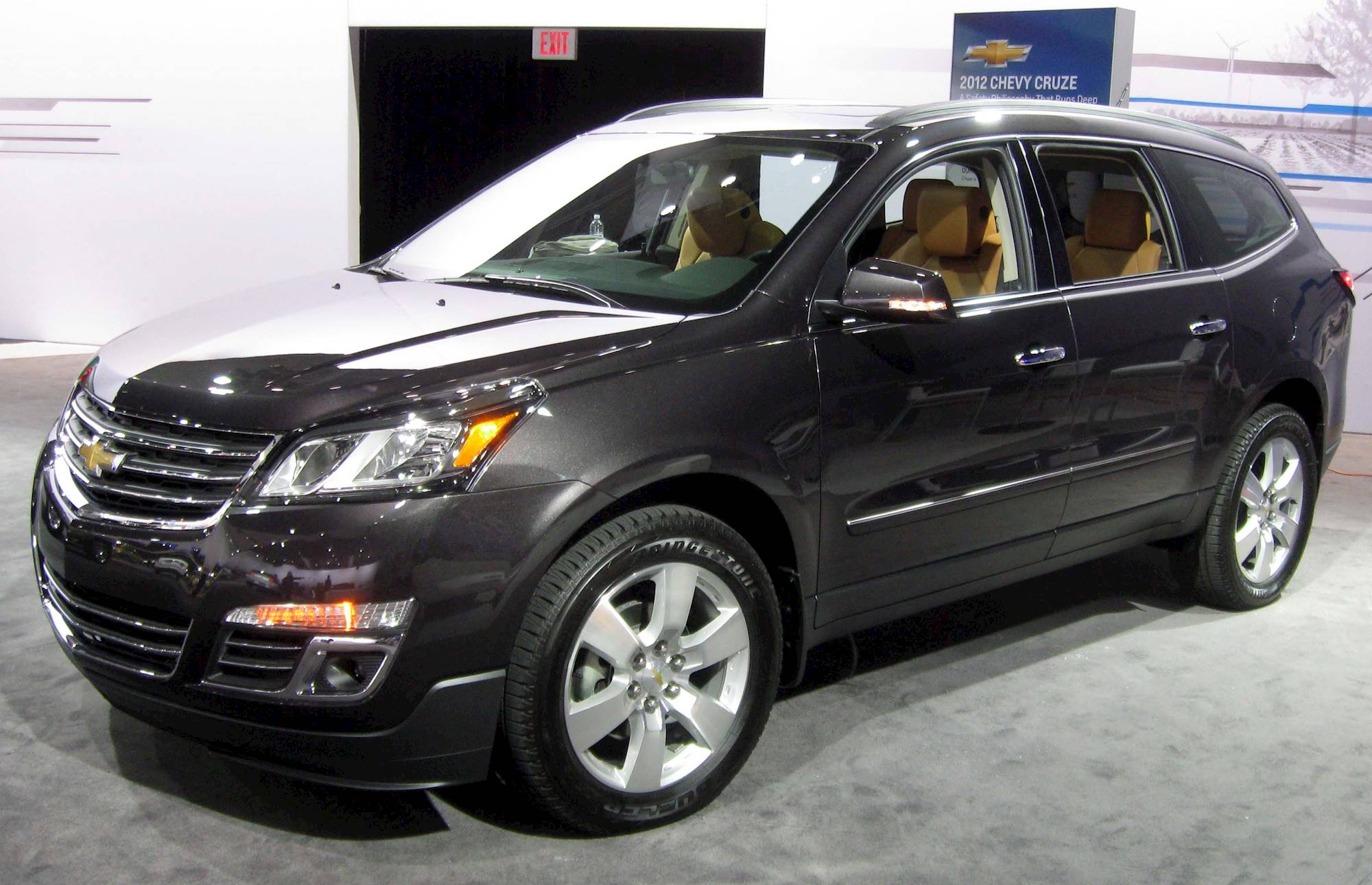
2. 2010 Chevrolet Traverse
- Engine: 3.6-liter Naturally Aspirated V6
- Horsepower: 281 hp
- Torque: 266 lb-ft
- Size: 205.1″ L x 78.4″ W x 69.9″ H
Why It’s One of the Worst: This model generated a high volume of owner complaints involving timing chain wear, steering system failures, water pump issues, and transmission problems, resulting in costly repairs for many owners.
Anyone considering a used Chevrolet Traverse should think twice before choosing the 2010 model. It shares many of the same mechanical problems found in the 2011 version, making it one of the least desirable years in the lineup. Under the bonnet is a 3.6-liter V6 engine producing 281 horsepower and 266 lb-ft of torque. Its size also remains almost unchanged, measuring 205.1 inches long, 78.4 inches wide, and 69.9 inches tall.
One of the biggest complaints from owners involves premature timing chain wear. Reports from repair records show this issue appeared repeatedly, pointing to a problem Chevrolet had not fully corrected at the time. The steering system also caused plenty of frustration, with some drivers losing power steering assistance while on the road. For families using the Traverse every day, this created genuine safety concerns and added expensive repair costs.
Many owners also dealt with failing water pumps and coolant leaks. If these problems were ignored, they could lead to engine damage and even higher repair bills. The transmission did not help matters either, as rough gear changes and unexpected failures became common complaints. Some vehicles required costly transmission rebuilds or complete replacements long before reaching high mileage.
When all these faults are considered together, it becomes clear why the 2010 Traverse has earned such a poor reputation among used SUV buyers. Repair records consistently place this model year near the bottom of the range. Anyone hoping to save money with a used Traverse is far better off choosing a later model instead of taking the risk with this one.
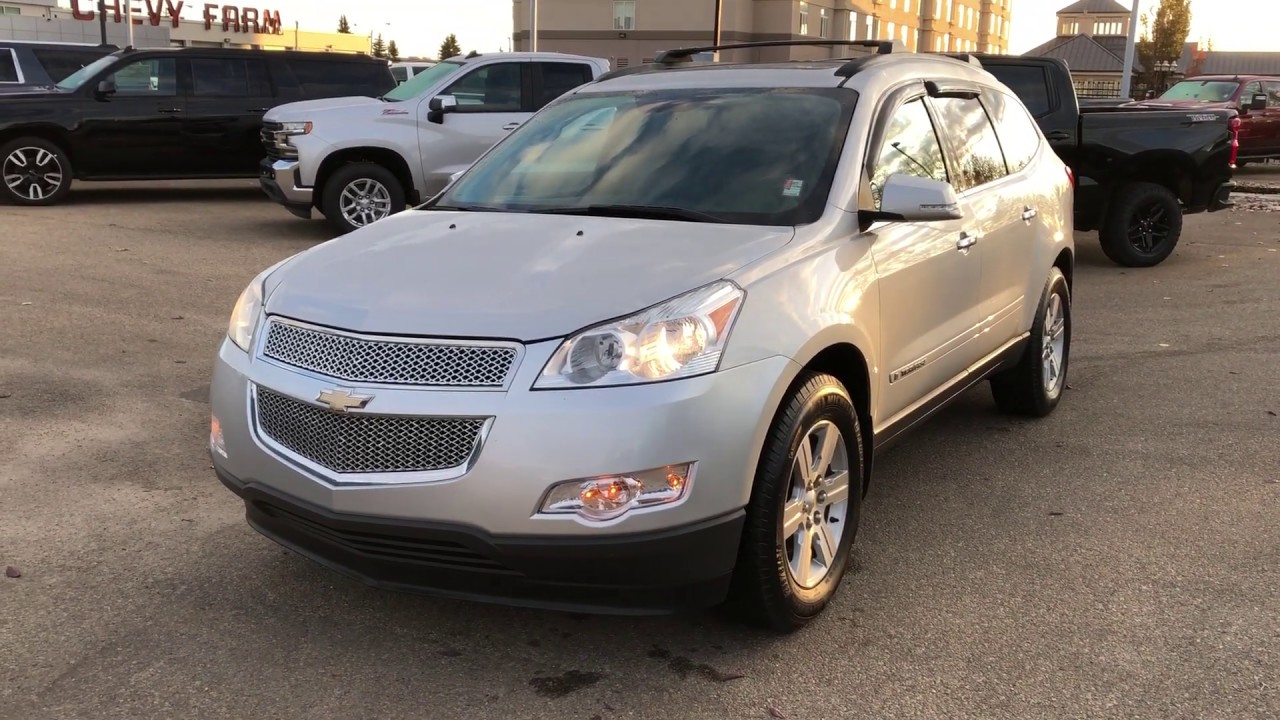
3. 2009 Chevrolet Traverse
- Engine: 3.6-liter Naturally Aspirated V6
- Horsepower: 281 hp
- Torque: 266 lb-ft
- Size: 205.1″ L x 78.4″ W x 69.9″ H
Why It’s One of the Worst: As the first production year, the 2009 Traverse experienced numerous early-production issues, including timing chain wear, transmission failures, steering problems, and water pump failures that affected long-term dependability.
Every new model faces growing pains during its first year on sale, and the 2009 Traverse experienced more than its fair share. As the very first production year for this SUV, it carries the same 3.6-liter V6 engine rated at 281 horsepower and 266 lb-ft of torque, along with dimensions of 205.1 inches long, 78.4 inches wide, and 69.9 inches tall, establishing the template that later first-generation years would largely follow, problems included.
Being first off the assembly line meant this model absorbed the full weight of early engineering oversights that Chevrolet hadn’t yet caught or corrected. Timing chain wear appeared early in this SUV’s life, a problem that would go on to haunt the Traverse for several more years before real fixes arrived.
Transmission failures added to the trouble, with some owners reporting complete transmission replacement needs at surprisingly low mileage, a repair bill that can run into thousands of dollars depending on the shop and parts involved. Steering problems mirrored what later model years would also experience, raising safety concerns for a vehicle marketed heavily toward families needing dependable daily transportation.
Water pump failures rounded out the list of documented issues, often requiring additional repairs to address coolant system damage that resulted from prolonged leaks.
Because this was the launch year for an entirely new vehicle platform, Chevrolet was still working through the typical early production learning curve that most new models face, but that fact offers little comfort to owners who dealt with the resulting repair bills firsthand. Long-term dependability data collected in the years since consistently places 2009 among the Traverse’s weakest model years on record.
Also Read: 10 Hidden Features in the Chevrolet Traverse
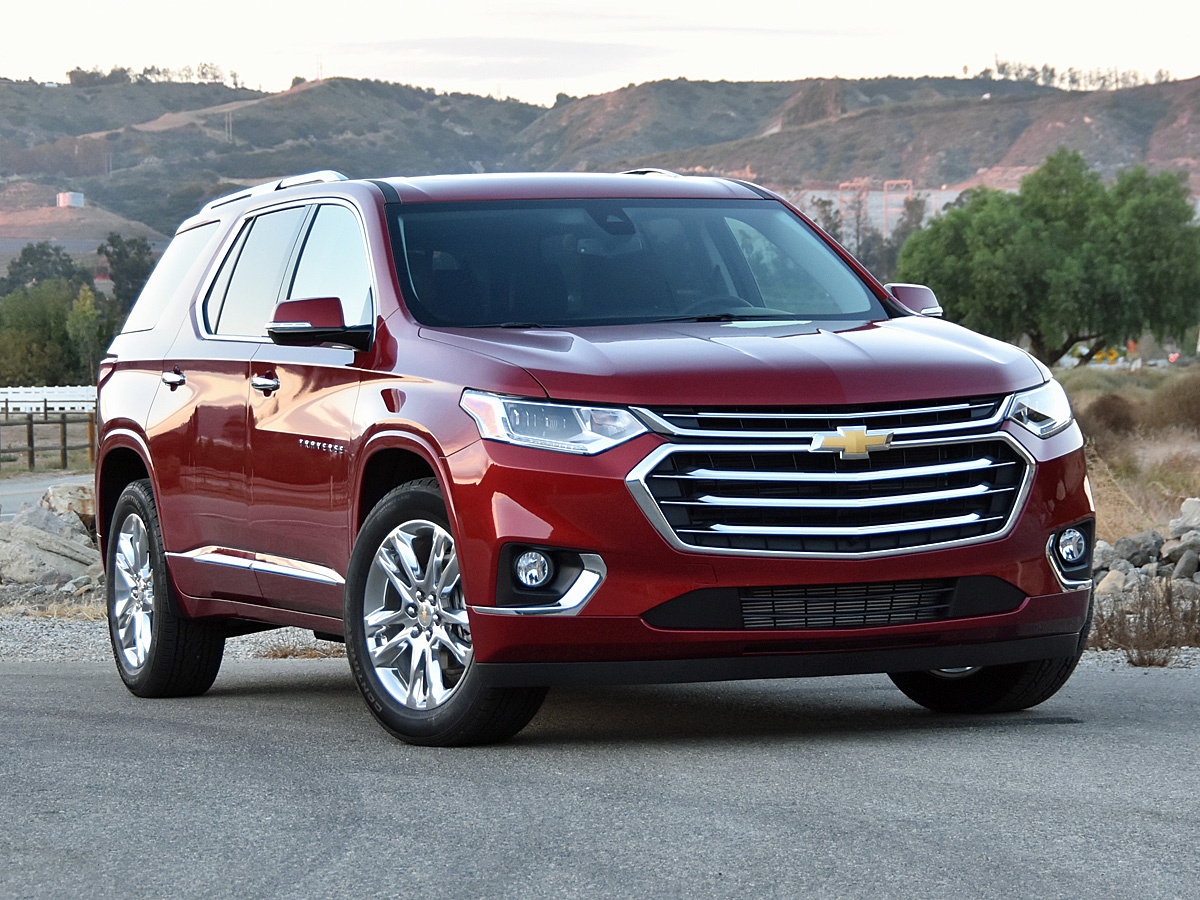
4. 2018 Chevrolet Traverse
- Engine: 3.6-liter Naturally Aspirated V6
- Horsepower: 310 hp
- Torque: 266 lb-ft
- Size: 204.3″ L x 78.6″ W x 70.7″ H
Why It’s One of the Worst: The first year of the second generation introduced several early-production concerns, including the widely reported “Shift to Park” malfunction, transmission hesitation, infotainment glitches, and electrical issues that were largely resolved in later model years.
New generation, same story. When Chevrolet redesigned the Traverse for 2018, the SUV gained a more powerful 3.6-liter V6 producing 310 horsepower and 266 lb-ft of torque, along with dimensions of 204.3 inches long, 78.6 inches wide, and 70.7 inches tall, marking a genuine step forward in both output and interior room compared to the outgoing first generation.
That fresh start came bundled with a fresh set of problems, though, many of which trace directly back to the challenges of launching an entirely redesigned platform. Chief among these was the widely reported “Shift to Park” malfunction, a glitch that could prevent the vehicle from properly registering that it had been shifted into park, creating a legitimate safety concern for owners and prompting real frustration among early buyers.
Transmission hesitation added to the trouble, with drivers reporting a noticeable delay or rough feel when accelerating from a stop, an issue that Chevrolet would go on to address through calibration updates in later years. Infotainment glitches plagued this launch year as well, with touchscreen freezes and connectivity problems cropping up frequently enough to generate a steady stream of complaints across owner forums and repair tracking sites.
Electrical issues rounded out the list, ranging from minor sensor malfunctions to more frustrating problems affecting various convenience features throughout the cabin.
The good news is that Chevrolet worked through nearly all of these concerns by the time the 2021 and 2022 refresh years arrived, proving the underlying platform was sound even if the launch year needed some real-world testing to reveal its flaws. Buyers should treat 2018 as the one second-generation year worth skipping.
