
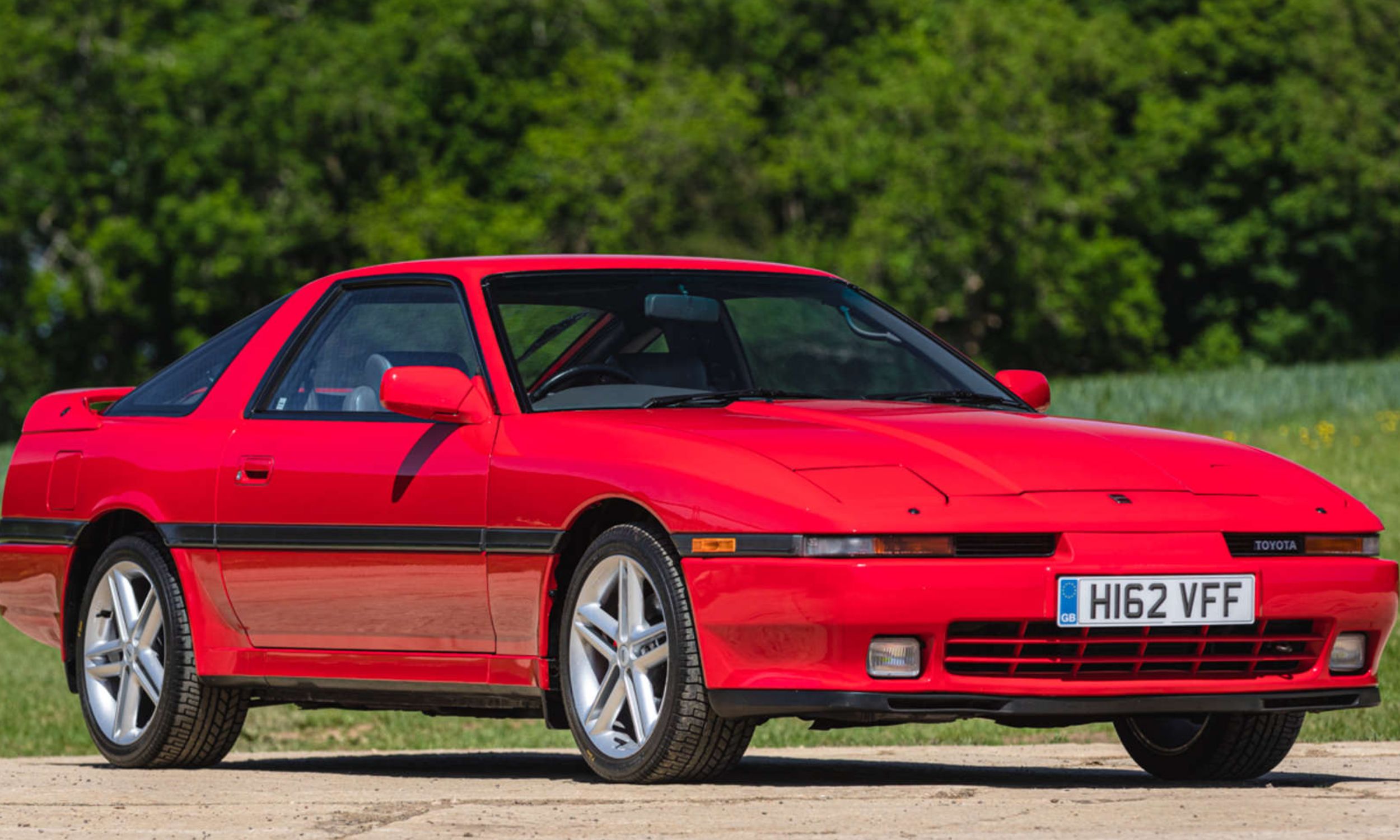
A car that once sat on dealer lots with a sticker price under forty grand now routinely sells for six figures, and nobody seems shocked anymore. The 1990s Toyota Supra, specifically the fourth-generation MK4 built from 1993 to 2002, has quietly become one of the most sought-after Japanese performance cars on the planet.
Prices that hovered around thirty thousand dollars a decade ago have rocketed past the hundred-thousand-dollar mark for clean, unmolested examples, and turbo models in excellent condition can fetch even more at auction. This is not some passing fad driven by nostalgia alone.
A mix of bulletproof engineering, pop culture fame, shrinking supply, and a passionate global fan base has turned this Japanese coupe into a genuine investment-grade collector car. Anyone who owned one in the late nineties and sold it cheap a few years later is probably wincing right about now.
This breakdown digs into exactly why the MK4 Supra refuses to slow down in value, and what that means for collectors, drivers, and curious onlookers watching the numbers climb.
The Legendary 2JZ-GTE Engine Changed Everything
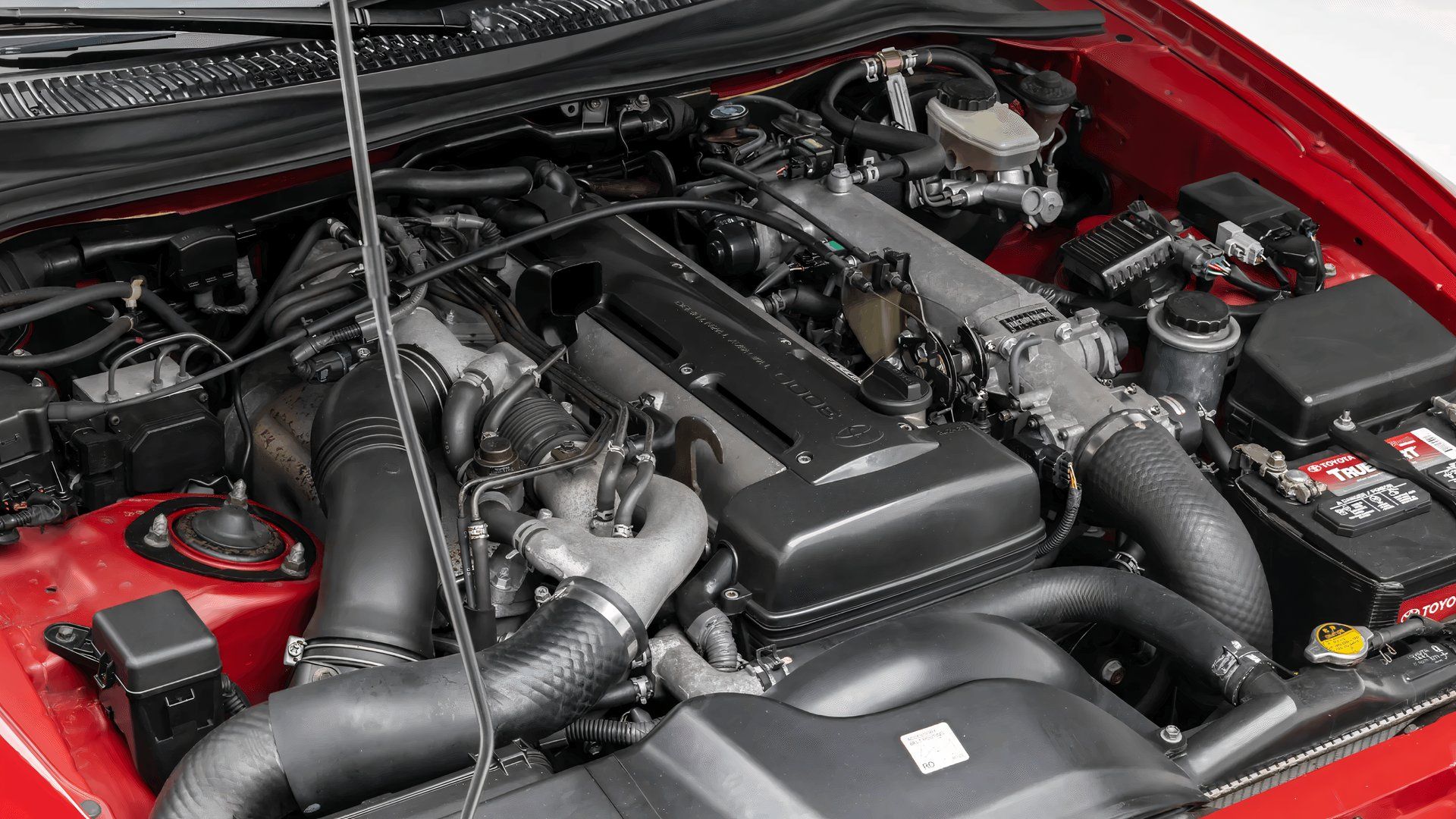
Conversations about the MK4 Supra almost always lead back to one engine: the 2JZ-GTE. This twin-turbocharged 3.0-liter inline-six plays a huge role in why this generation commands such high prices today. It is not just about power figures. What makes this engine stand out is how it blends strength, reliability, and tuning potential in a way that very few factory engines ever have.
At the core of its reputation is durability. Toyota built the 2JZ-GTE with a cast-iron block and extremely strong internal components, giving it the ability to handle far more power than it originally produced. From the factory, it delivered around 320 horsepower, which was already impressive at the time.
What surprised everyone was how easily it could go far beyond that. With the right upgrades, many builds have pushed well past 1,000 horsepower while still relying on the original engine block. That level of strength helped the engine earn widespread respect among tuners and racers.
Performance alone does not tell the whole story. The engine also responds well to modifications, which made it a favorite platform for enthusiasts. Larger turbochargers, upgraded fuel systems, and custom tuning can all unlock serious gains without making the car unreliable. This consistency helped build a strong community around the Supra, keeping it relevant long after production ended.
Comparing it to the newer Supra highlights the difference. Modern engines are advanced and efficient, yet they lack the long history of extreme builds that surrounds the 2JZ-GTE. Buyers recognize that legacy, and it continues to influence demand. That lasting reputation plays a direct role in why MK4 Supra prices remain so high today.
Hollywood Fame Turned a Sports Car Into a Cultural Icon
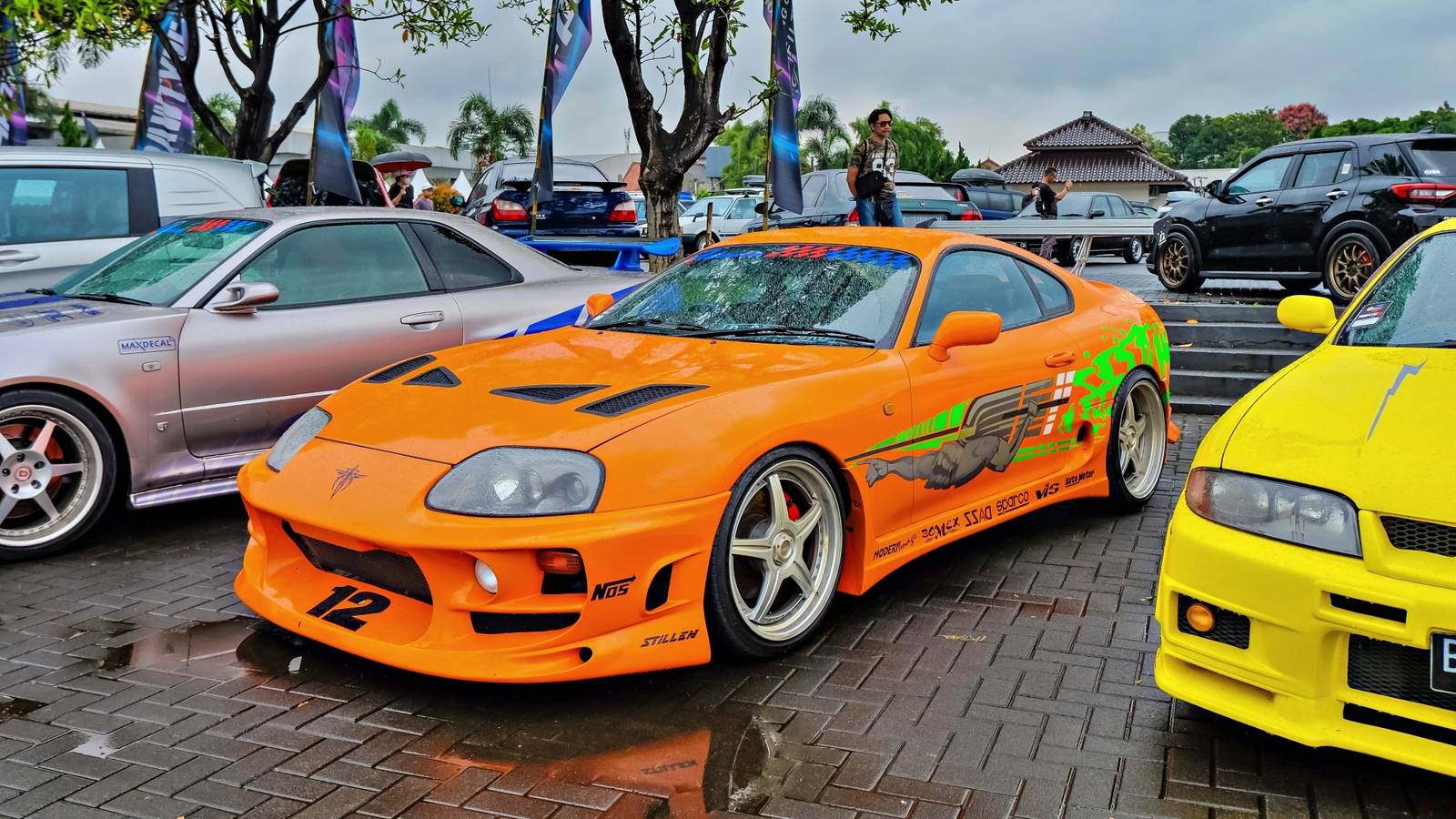
Engineering excellence alone rarely explains a price surge of this size. Somewhere along the way, the MK4 Supra stopped being just a well-built sports car and became a symbol recognized by people who have never even sat behind the wheel of one. The turning point traces back to a single orange coupe that appeared on movie screens in 2001, and the ripple effects from that moment have never fully settled.
The Fast and the Furious franchise took a respected but relatively niche Japanese sports car and beamed it into mainstream pop culture overnight. Brian O’Conner’s heavily modified orange Supra became one of the most recognizable movie cars of its generation, instantly elevating the model’s profile among audiences who had never previously paid attention to Japanese performance imports. Teenagers who watched that movie in theaters grew into adults with disposable income, and many of them never forgot the poster on their bedroom wall or the way that car sounded tearing down a city street on screen.
That kind of cultural imprint does not fade the way ordinary advertising does. You can note this with the MK4 Supra, whose value shot up after appearing in iconic films, and the value continues to rise as more collectors and enthusiasts try to get their hands on the model while available units keep shrinking in the market.
The franchise itself kept growing for over two decades, releasing sequel after sequel and continually reintroducing new generations of viewers to the same cultural touchpoint. Each new film seemed to reignite interest in the original cars that started it all, creating a self-reinforcing cycle where nostalgia kept feeding fresh demand.
Beyond cinema, the Supra carved out a parallel reputation in motorsport and video game culture. Racing simulators and arcade games throughout the late nineties and 2000s frequently featured the MK4 as a playable car, cementing its image among an entirely different audience of car enthusiasts who experienced the Supra through a controller before ever seeing one in person. That digital exposure built brand familiarity at a global scale that traditional automotive marketing rarely achieves.
Once a car achieves that level of recognition outside its original buyer base, an entirely different type of collector enters the market. People are no longer just shopping for a fast, reliable coupe. They are chasing a tangible piece of a cultural moment that shaped their taste in cars during their formative years, and that emotional pull tends to loosen wallets considerably more than spec sheets ever could on their own.
Also Read: 10 Steps That Keep a Toyota Supra Turbo Reliable Past 300k
Supply, Rarity, and the Collector Market Effect
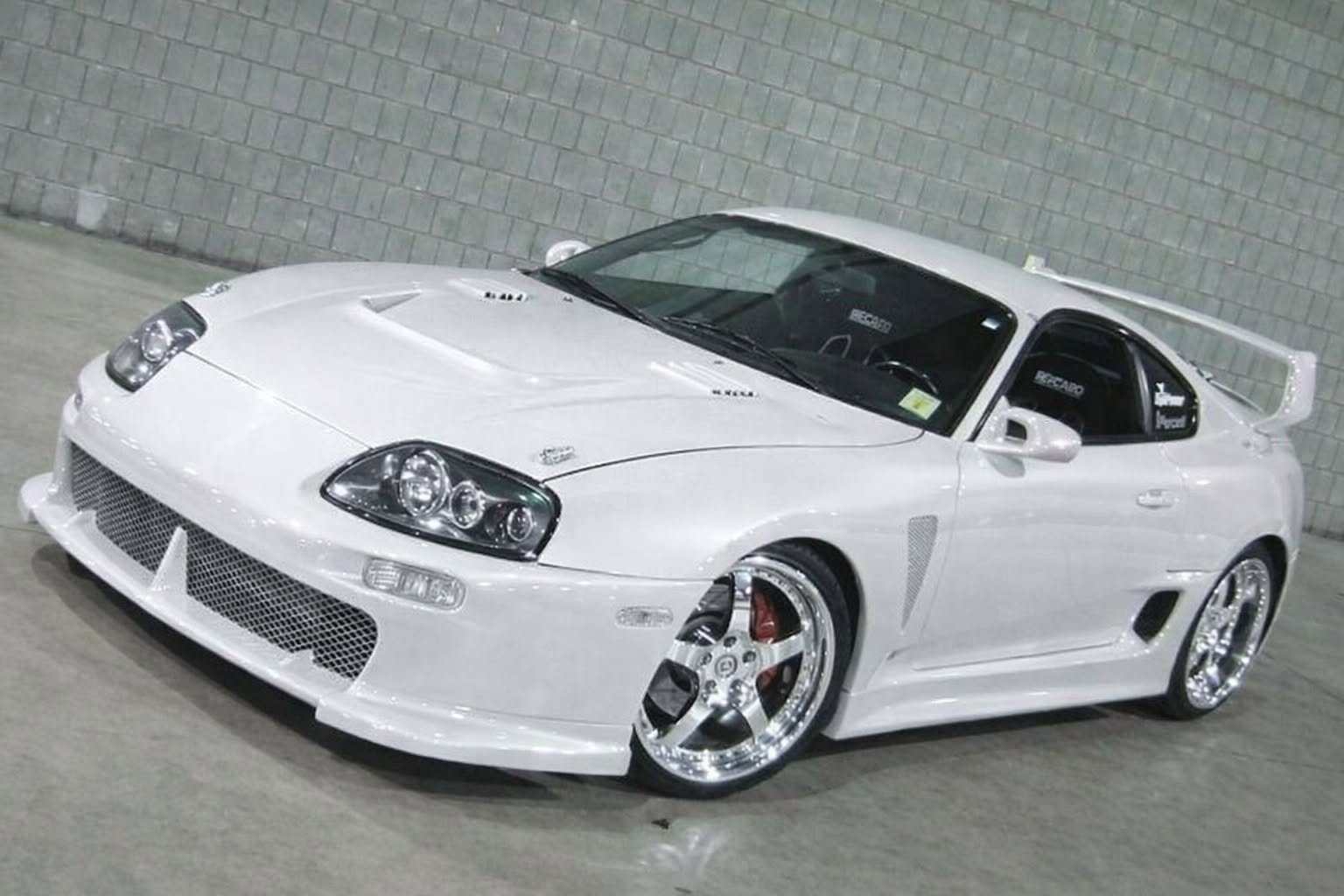
Step into the collector car space, and the rules change quickly. Value is no longer determined only by performance or reliability. Rarity, condition, and originality begin to matter just as much, if not more. The Toyota Supra Mk4 (A80) checks all of those boxes.
Production ended more than two decades ago, which means no new examples are entering the market. Every year, the number of available cars shrinks. Some are modified heavily, others are driven extensively, and a few are carefully preserved. That natural decline in supply increases competition among buyers.
Collectors tend to prioritize originality. A stock Supra with factory paint, interior, and components often commands a higher price than a modified version, even if the modified car produces more power. This preference has created a divide in the market, where clean, untouched examples sit at the top of the value ladder.
Auction results reflect this trend clearly. Well-maintained Supras have reached prices that rival or exceed those of newer performance cars. Buyers are willing to pay a premium for authenticity, especially when documentation and ownership history are available.
Another factor influencing prices involves global demand. The Supra is not limited to one region. Enthusiasts across North America, Europe, and Asia all compete for the same shrinking pool of vehicles. That international interest adds pressure to pricing, especially for rare configurations or low-mileage units.
Restoration costs also contribute to rising values. Bringing a neglected Supra back to original condition can require time, effort, and expense. As a result, buyers often prefer to pay more upfront for a well-kept example rather than take on a full restoration project.
All of these elements combine to create a classic collector scenario. Limited supply meets steady demand, pushing values higher with each passing year.
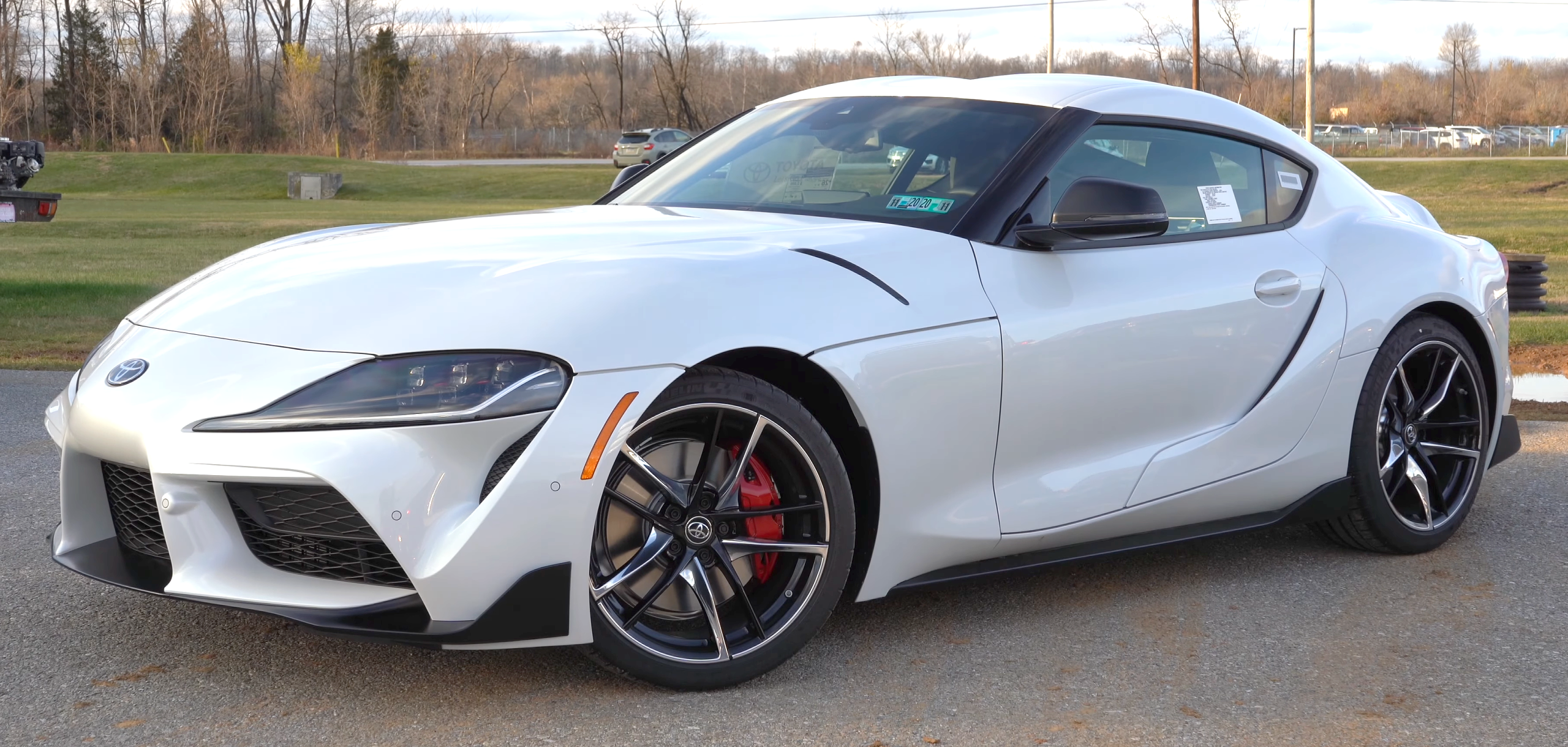
Shrinking Supply Keeps Pushing Prices Higher
Simple supply and demand explain much of the rising value of the fourth-generation Toyota Supra. Production ended in 2002, which means no new units have entered the market for more than twenty years. Since then, the total number of cars has steadily declined due to accidents, wear, poor maintenance, and heavy modifications. What remains is a shrinking pool of vehicles, while interest from buyers continues to grow. With fewer cars available and more people wanting them, prices naturally keep rising.
Production numbers were never especially high to begin with. Unlike mass-produced models such as the Camry, the Supra was built in smaller volumes. That limited starting point, combined with decades of attrition, has made clean examples increasingly rare. Many cars passed through multiple owners during the 2000s, often driven hard or modified without concern for long-term value. As a result, well-preserved, original cars are now difficult to find, which pushes buyers to compete for the best remaining units.
Location also affects pricing. In regions where supply is low and demand is strong, values tend to rise faster. Importing cars from other markets adds shipping, taxes, and registration costs, making already expensive vehicles even pricier. Some collectors still pursue rare versions from overseas despite these added expenses.
Documentation plays an important role as well. Cars with clear ownership history, proper import records, and complete service documentation attract higher prices. Buyers prefer vehicles with verified backgrounds, which further narrows the available pool and increases competition for those specific examples.
