
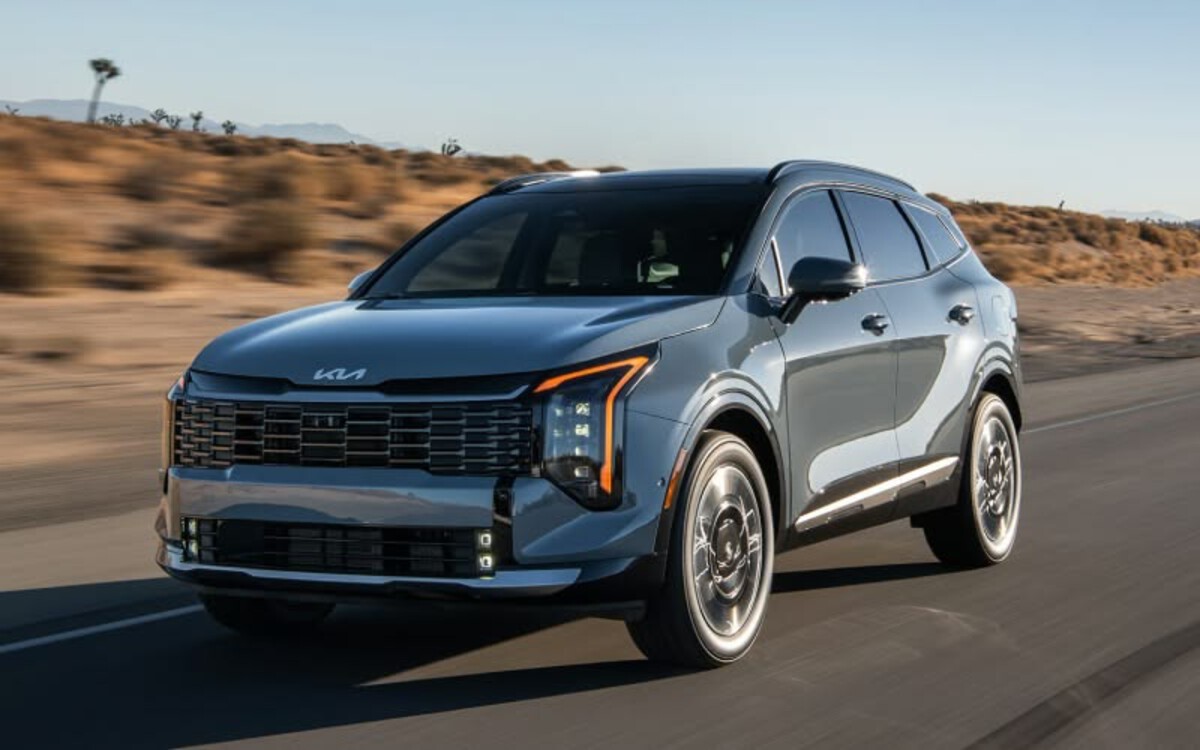
The Kia Sportage is widely recognized for its bold styling, spacious cabin, modern dashboard, and long equipment list, but many owners do not use every useful function built into the SUV.
Some features are easy to miss because they are placed inside the infotainment settings, hidden behind steering-wheel controls, or only activate after a certain driving condition is met.
Others are available only on selected trims, which means two Sportage owners may have different equipment even when their vehicles look almost identical from the outside.
Knowing these functions can make daily driving more convenient. A feature that seems small at first, such as a programmable tailgate opening height or a switchable climate-control panel, can become useful every day in tight parking spaces, crowded driveways, hot weather, or long highway trips.
The Sportage also includes driver-assistance settings that can be adjusted to suit different driving habits instead of forcing every owner to use the same response level.
This guide focuses on useful functions that can remain unnoticed after delivery. Availability depends on model year, market, powertrain, and trim level, so owners should check the vehicle’s infotainment menus and owner’s manual before assuming every feature is included.
The first two hidden functions show how the Sportage can make loading cargo and managing the cabin much easier.
Also Read: 10 Most Durable Off-Road Tires Ranked for 2026
1. Smart Power Tailgate With Adjustable Opening Height
The Kia Sportage can be fitted with a smart power tailgate that opens automatically when the key is detected behind the vehicle for a few seconds. This is especially helpful when carrying grocery bags, luggage, boxes, or other items that make it difficult to press the tailgate button.
Instead of placing everything on the ground, the driver can stand near the rear bumper with the smart key in a pocket or bag. The vehicle recognizes the key and gives an audible warning before opening the tailgate.
Many owners know that the Sportage has a power tailgate, but fewer realize that its opening height can often be adjusted. This becomes valuable in low garages, basement parking areas, covered carports, or spaces with hanging pipes and beams.
A tall tailgate can strike an obstruction if it opens fully, while a shorter programmed height allows the driver to use the cargo area without worrying about damage.
To set a preferred height, open the tailgate manually to the desired position, then press and hold the power tailgate close button until the system confirms the setting.
The exact process can differ by model year, so it is important to confirm the instructions in the vehicle menu or manual. Once programmed, the tailgate will stop at that chosen height each time it opens.
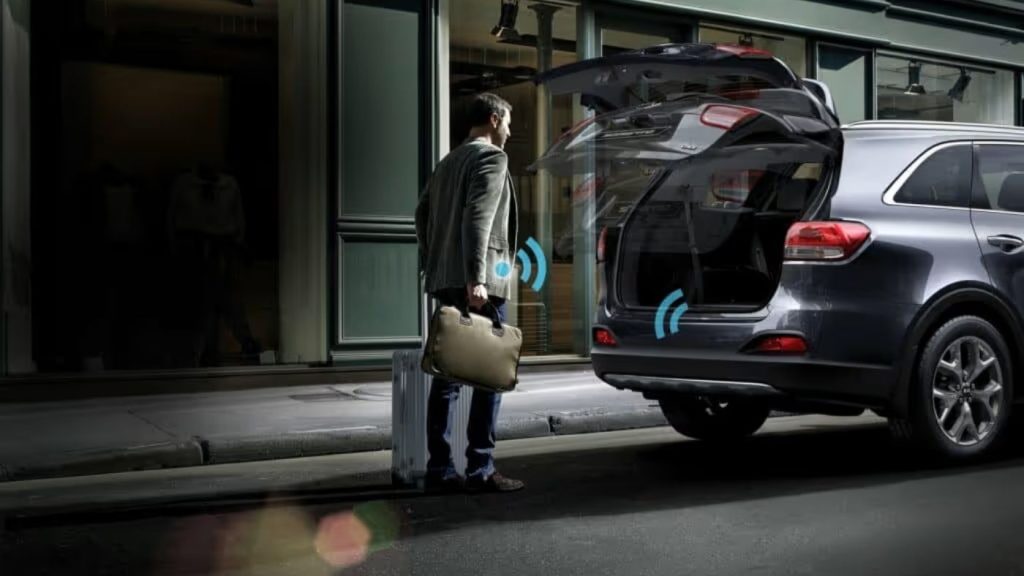
The smart tailgate can also be disabled through the vehicle settings if the driver does not want it to activate near the rear of the SUV. This is useful when washing the car, loading items near a wall, or standing behind the vehicle in a crowded area.
2. Switchable Infotainment And Climate Control Touch Panel
One of the Sportage’s most distinctive interior details is the touch-sensitive control strip below the central display. At first glance, it can look like a normal row of climate-control buttons. However, this panel has a second purpose.
It can switch between climate controls and infotainment shortcuts, allowing the same space to perform two different jobs.
When the climate setting is active, the panel gives access to temperature adjustment, fan speed, air conditioning, front defrost, rear defrost, and other cabin functions. With a tap of the switch button, the controls change into shortcuts for navigation, media, radio, map functions, and setup menus.
This design reduces clutter on the dashboard and gives the cabin a cleaner appearance than a traditional layout filled with separate buttons.
The feature can be confusing during the first few days of ownership because drivers may press the panel expecting one function and find that another menu appears.
Once understood, it becomes a useful shortcut. A driver can quickly change the cabin temperature during a hot afternoon, then switch to navigation controls without reaching for the touchscreen.
There is also a practical safety benefit. Physical-style touch controls placed lower on the dashboard can be easier to use than searching through multiple infotainment menus while driving. The driver can make quick adjustments with less distraction, especially after becoming familiar with the panel layout.
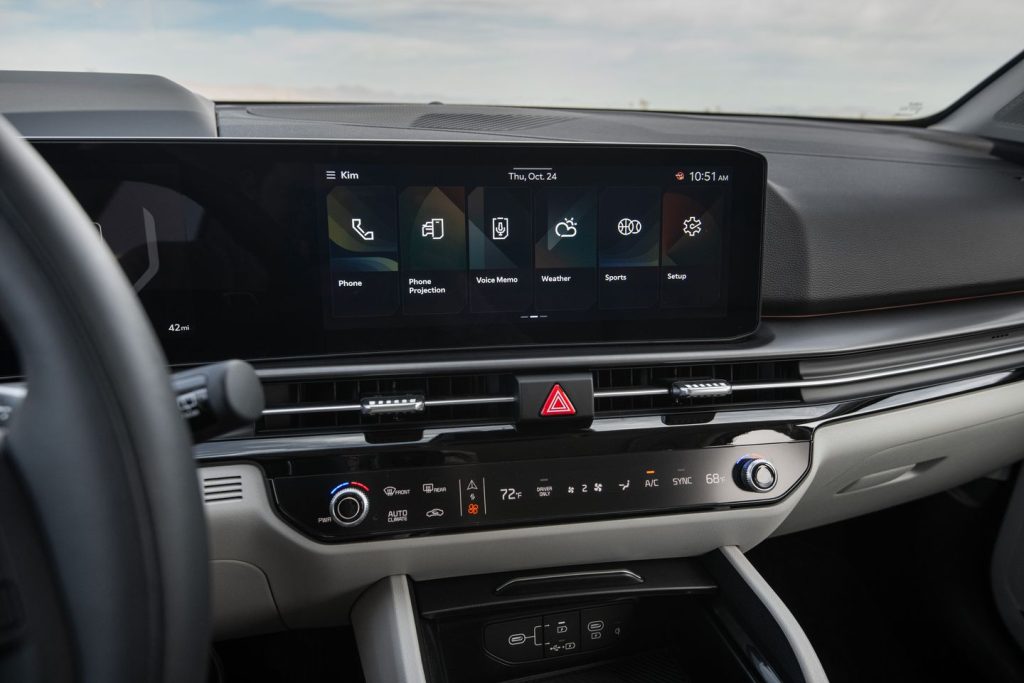
Some Sportage trims may include a different dashboard arrangement, so this feature is not available on every version. Owners should also keep the touch panel clean, because fingerprints, dust, and moisture can make the icons harder to see in bright sunlight.
3. Remote Smart Parking Assist For Tight Spaces
Parking can become difficult when a Sportage is squeezed between two vehicles or positioned close to a garage wall. On selected higher trims, Kia offers Remote Smart Parking Assist, a feature that can move the SUV forward or backward while the driver stands outside with the smart key.
It is designed for situations where there is not enough room to comfortably open the driver’s door after parking.
The system is not intended to replace driver attention. Instead, it gives the owner another option when a narrow parking space makes entering or leaving the vehicle inconvenient.
After stopping the Sportage, shifting into park, exiting with the smart key, and closing the doors, the driver can use the remote buttons to guide the SUV slowly forward or backward. The vehicle controls steering, gear selection, and low-speed movement while the button is held.
This can be particularly useful in apartment parking areas, crowded shopping centers, and garages where another vehicle has parked too close.
A driver may be able to step out before pulling the Sportage into the final position, then use the remote function to complete the maneuver. When it is time to leave, the SUV can be moved out enough to create room for the driver to get inside.
The driver must remain close to the vehicle and keep watching the surroundings. The system can stop if it detects an obstacle, but sensors cannot recognize every possible object, surface, person, or hazard. Curbs, narrow poles, low objects, uneven ground, and poor weather can affect performance.
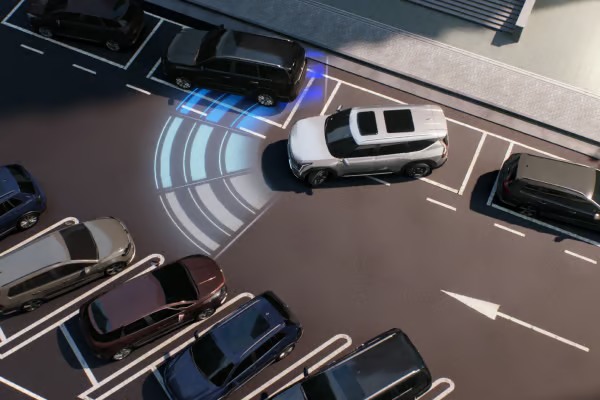
Remote Smart Parking Assist is normally limited to selected upper trims and may differ depending on the country where the Sportage is sold.
It is one of those features that can remain unused simply because many owners do not realize the smart key has more functions than locking and unlocking the doors.
4. Drive Mode And Terrain Mode Settings
The Kia Sportage is built for daily commuting, but it also includes driving settings that can change the SUV’s response when road conditions become less predictable. Many drivers leave the vehicle in its default mode and never touch the drive mode selector.
That means they may miss the different steering, throttle, transmission, and traction responses available through the system.
Normal mode is intended for regular city and highway driving. It balances fuel use, throttle response, and steering feel without making the Sportage feel too sharp or too relaxed. Sport mode changes the character of the SUV by making accelerator response more immediate and allowing the transmission to hold lower gears longer.
This can be useful when joining fast-moving traffic, overtaking on a highway, or driving through hilly roads where a quicker response is needed.
Smart mode works differently. Instead of keeping one fixed setting, it observes driving behavior and can adjust between calmer and more responsive settings.
A driver who alternates between traffic-heavy roads and open highways may find this mode more convenient because the vehicle adapts without requiring constant manual changes.
All-wheel-drive Sportage models may also include Terrain mode. This feature is designed for snow, mud, and sand, helping the vehicle manage wheel slip by adjusting traction control and power delivery.
It does not turn the Sportage into a serious off-road vehicle, but it can provide more confidence on slippery roads, loose surfaces, or wet ground.
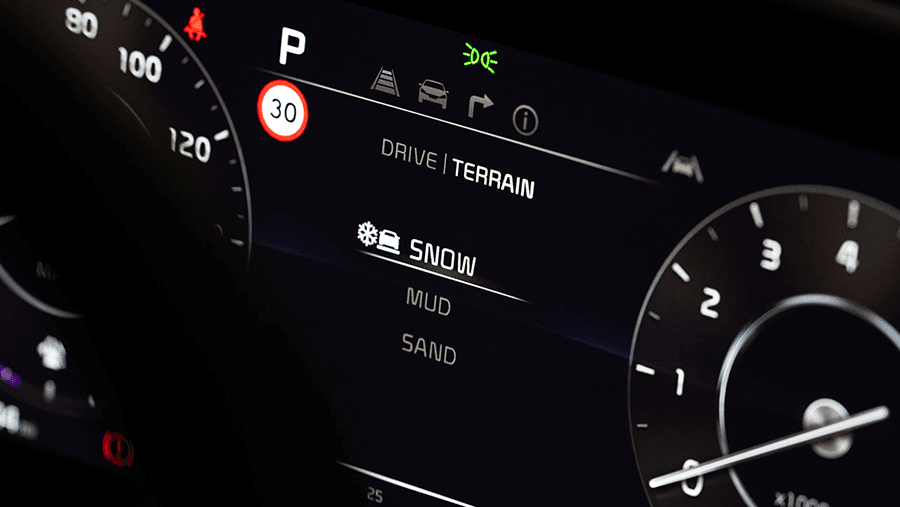
The hidden part of this feature is that the selected mode may affect more than acceleration. It can influence transmission behavior, steering weight, traction response, and the way the SUV reacts when the wheels lose grip.
Owners should test each mode in a safe area to understand how their Sportage feels before needing it during difficult weather.
5. Digital Key 2 Touch And Smartphone Access
On selected Kia Sportage versions, the traditional key fob is not the only way to unlock and start the SUV. Digital Key 2 Touch allows compatible smartphones and smartwatches to work as a vehicle key.
This function can be easy to miss because it requires setup through the Kia Connect app and a compatible device, but it can be extremely useful for drivers who prefer carrying fewer items.
Once activated, the phone can unlock or lock the doors by being held near the door handle. The vehicle can also be started when the authorized device is placed in the correct area inside the cabin. Instead of searching through a pocket, bag, or jacket for the key fob, the owner can use a device that is already carried throughout the day.
A particularly useful part of this system is digital key sharing. The main owner can send temporary or permanent access to another compatible device, depending on the available software and market.
This can help when a family member needs the vehicle, when someone has to collect an item from the cabin, or when the owner wants to provide access without handing over the physical key.
The permissions can usually be removed later through the app, giving the owner more control than a spare key. This can be useful when lending the Sportage for a short period.
If the phone battery becomes weak, some compatible devices can still communicate through near-field technology, although the exact backup function depends on the phone model.
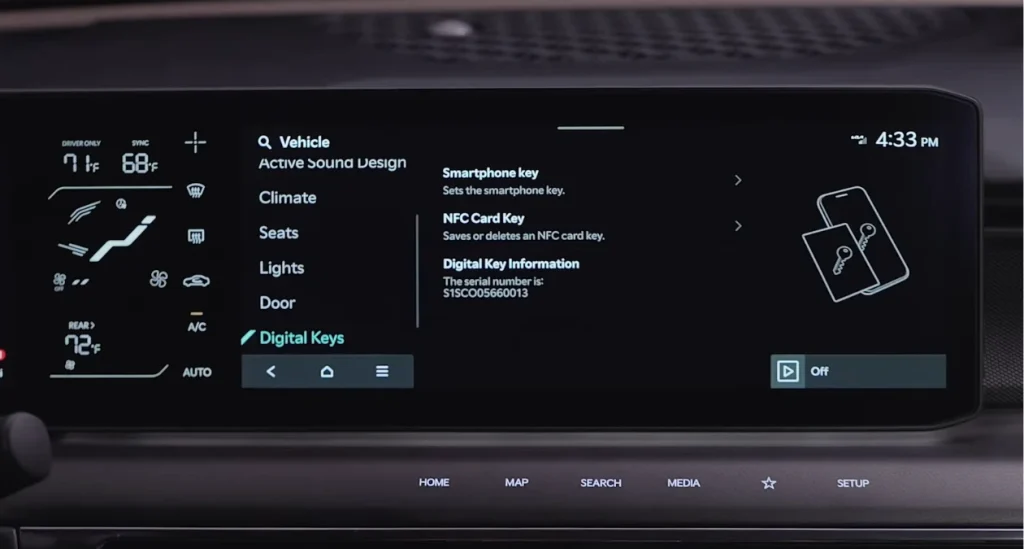
Digital key availability differs by trim, country, smartphone brand, and model year. Owners should confirm compatibility before relying on it as their only key. Keeping the physical key fob nearby during the first few weeks is still a sensible habit until the setup process becomes familiar.
6. Rear Occupant Alert And Safe Exit Warning
The Kia Sportage includes safety features designed to protect people after the vehicle has stopped, not just while it is moving. Two of the most useful are Rear Occupant Alert and Safe Exit Warning. They can remain unnoticed because they work quietly in the background, yet they can make a major difference during busy daily routines.
The Rear Occupant Alert is intended to remind the driver to check the rear seats before leaving the SUV. Depending on the version, the system can monitor rear-door activity or use cabin sensors to detect movement after the ignition is switched off.
If the Sportage believes a child, pet, bag, or passenger may still be in the rear area, it can display a warning message and sound an alert. Some versions may also send a notification through connected services.
This feature is especially useful for parents, drivers carrying pets, or people who regularly place work bags and groceries behind the front seats. It does not replace physically checking the cabin, but it adds another reminder during rushed mornings or tiring evenings.
Safe Exit Warning works differently. It monitors approaching traffic from behind when occupants are preparing to open a door. If the system detects a vehicle, motorcycle, bicycle, or other road user approaching from the rear, it can warn the occupants before the door is opened into its path.
In some versions, the electronic child lock can also help prevent a rear passenger from opening the door at the wrong moment.
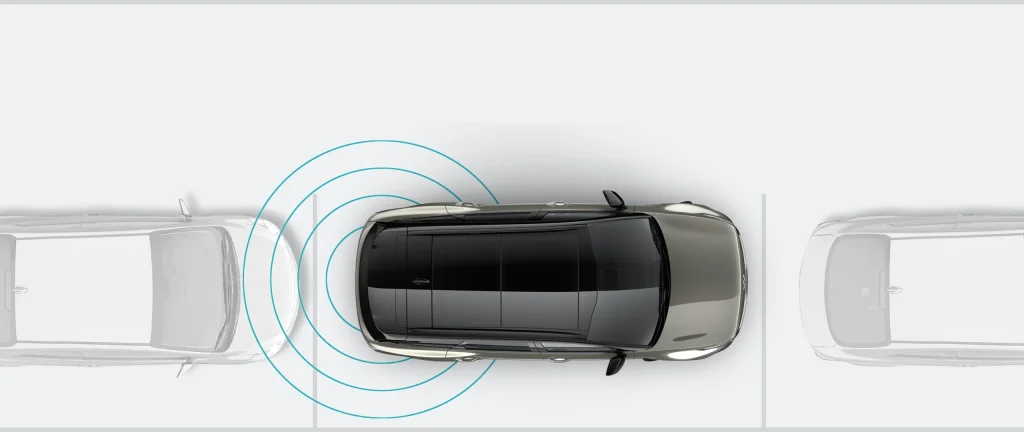
Drivers can adjust these systems through the vehicle settings menu. Warning volume, activation preferences, and alert behavior may vary by trim. It is worth checking the menu after buying the Sportage because these protections may be turned off or set differently from the factory.
7. Highway Driving Assist And Custom Driver Assistance Settings
The Kia Sportage has several driver-assistance systems that many owners recognize by name but do not fully personalize. Highway Driving Assist is one of the most useful examples on selected trims.
It combines adaptive cruise control with lane-centering support to help the SUV maintain a chosen speed, follow traffic at a set distance, and stay positioned within visible lane markings on suitable highways.
The feature is not autonomous driving, and the driver must keep both hands ready and remain focused on the road. Still, it can reduce fatigue during long expressway journeys by handling small steering corrections and repeated speed adjustments.
When traffic slows, the system can reduce speed automatically. When the lane ahead becomes clear, it can accelerate back toward the selected cruise-control speed.
What many owners miss is the ability to change how these systems behave. Through the driver-assistance settings menu, the Sportage may allow adjustments for following distance, lane-keeping sensitivity, warning timing, steering assistance, and speed-limit warning functions.
A driver who feels that the vehicle reacts too early or too late can often modify the alert timing instead of turning the feature off completely.
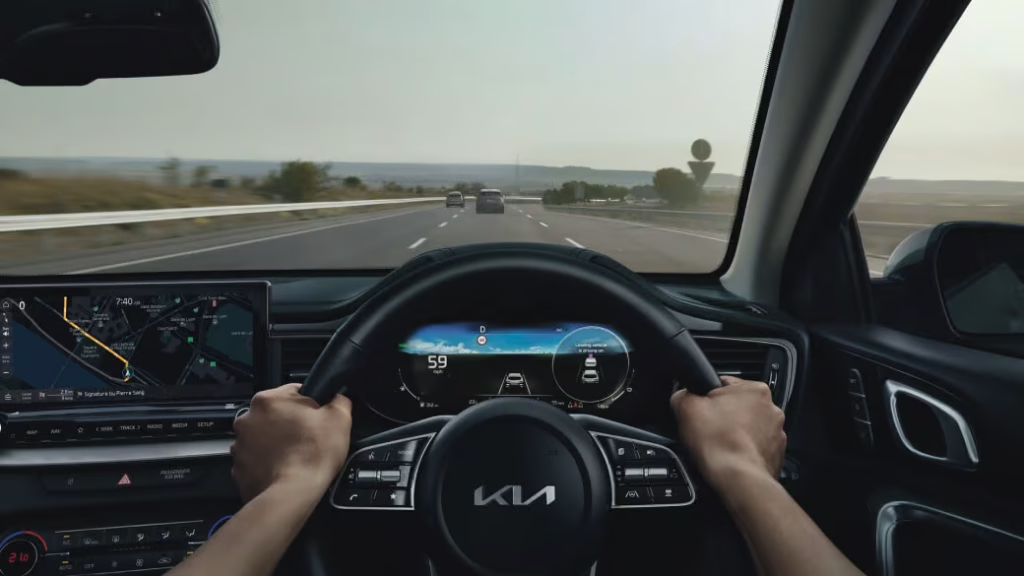
The lane-following function can also be useful during normal highway driving, but it depends on clear road markings, camera visibility, weather conditions, and the road surface. Heavy rain, faded lane paint, sharp curves, glare, or blocked cameras can reduce its effectiveness.
Drivers should spend time understanding the steering-wheel buttons before using Highway Driving Assist on a busy road. Once familiar with the controls, the Sportage can feel more relaxed during long-distance travel while still requiring full driver supervision at all times.
8. Remote Start With Climate Control Preconditioning
Remote start is more than a way to start the engine from a distance. In the Kia Sportage, this feature can help prepare the cabin before the driver gets inside.
On compatible versions, the owner can use the smart key or the Kia Connect app to start the SUV remotely and activate climate settings. This can make a noticeable difference during very hot afternoons, cold mornings, or humid weather.
If the Sportage is parked under direct sunlight, the cabin can become uncomfortable within minutes. Remote climate preconditioning allows the air conditioning system to begin cooling the interior before the driver reaches the vehicle.
In colder conditions, the heater can warm the cabin and help clear mist from the windows. Some versions may also activate heated seats, the heated steering wheel, or rear-window defrost functions when the required settings are enabled.
The function is particularly convenient for drivers who park outdoors at work, outside apartment buildings, or in open shopping areas. Instead of entering a hot cabin and waiting for the air conditioning to work, the interior can already be closer to a comfortable temperature.
A hidden advantage is that the owner can often set the remote-start duration and climate preferences through the connected-services app. This gives more control than simply pressing the engine-start button.
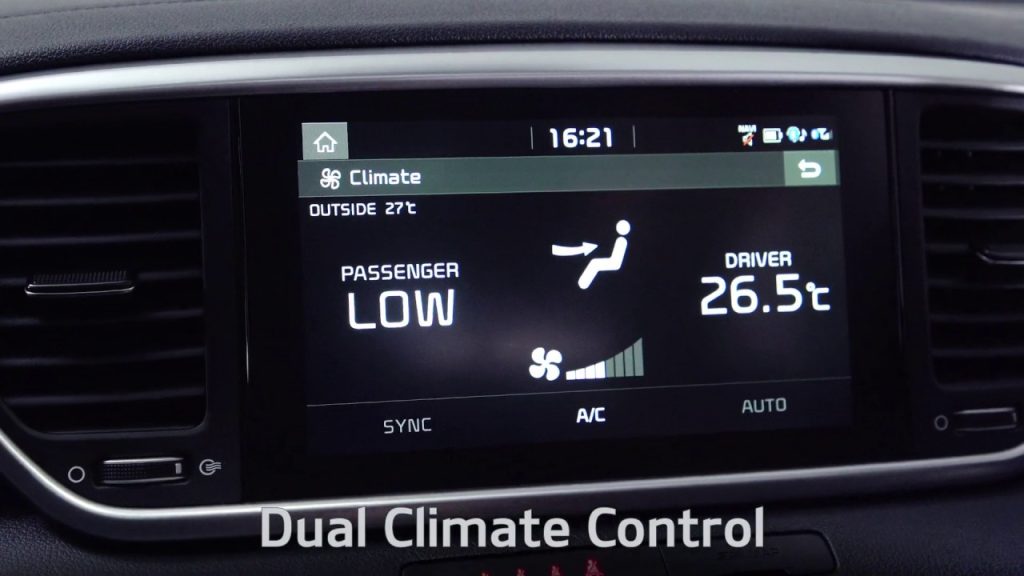
However, remote start may not operate if the fuel level is too low, the hood is open, the doors are unlocked, or the vehicle detects another safety-related condition.
The Sportage will usually switch off after a limited time if the driver does not enter the vehicle. This prevents unnecessary fuel use and keeps the feature from running longer than intended. Checking the Kia Connect settings can help owners make better use of this convenient function.
Also Read: 10 Hidden Features In The Toyota Tacoma
