
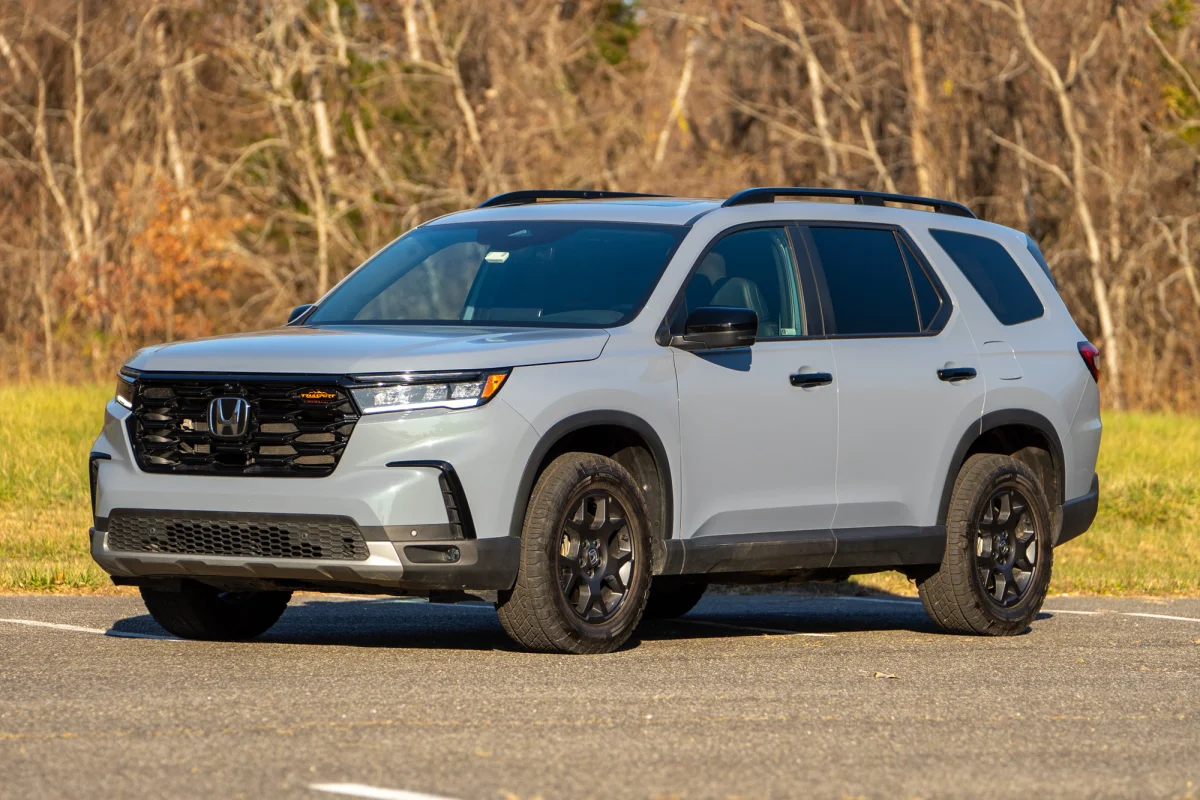
The Honda Pilot is designed to make family travel easier, but several of its most useful functions can go unnoticed after the first few weeks of ownership. Drivers often learn the basic controls quickly, including the touchscreen, climate system, rear camera, and power tailgate.
Yet the Pilot includes deeper convenience settings, flexible seating functions, driver-assistance adjustments, and cargo-area details that can make daily use far more convenient.
These features are especially useful because the Pilot is often used for school runs, road trips, airport pickups, grocery shopping, towing, and long family drives.
A small setting can save time in a crowded parking lot, while a hidden storage area or configurable driving mode can make the SUV better suited to changing conditions.
Some functions are standard across much of the lineup, while others are limited to higher trims such as the TrailSport, Touring, Elite, or Black Edition.
Availability can also vary by model year and market. Owners should check their vehicle’s manual and infotainment settings before using any feature for the first time. The current Pilot uses a 3.5-liter V6 with 285 horsepower and 262 lb-ft of torque, and it measures 199.9 inches long and 78.5 inches wide.
Also Read: 10 Hidden Features in the Honda Accord
1. Programmable Power Tailgate Height
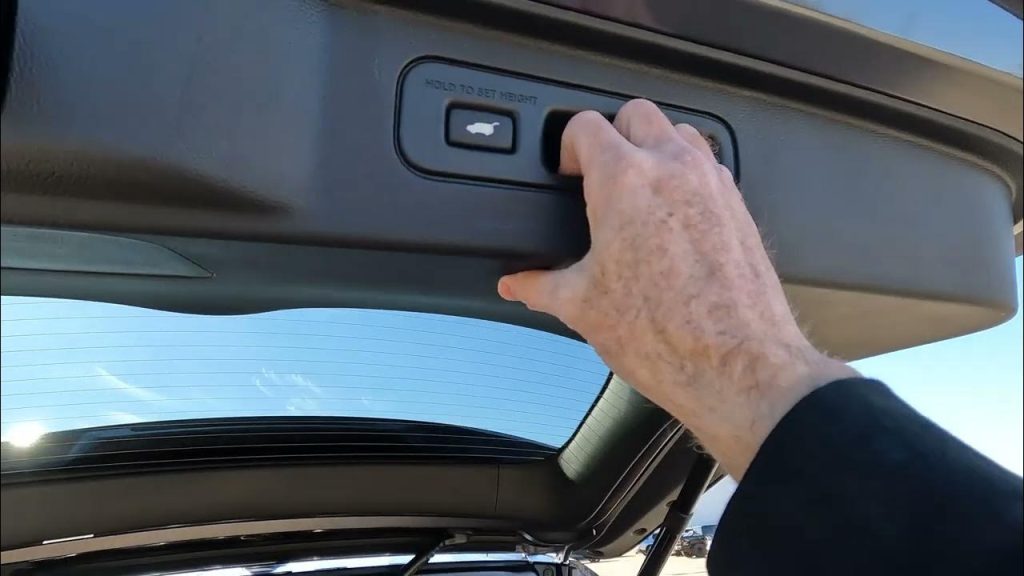
A power tailgate is useful on its own, but the Honda Pilot can make it even more practical by allowing owners to set a custom opening height.
This function is easy to overlook because the tailgate will open fully from the factory. That can become inconvenient in a low garage, covered parking structure, or driveway with a roof beam positioned behind the SUV.
The programmable-height feature allows the owner to stop the tailgate at a safer level. After opening it, move the tailgate to the preferred position, then press and hold the tailgate close button until the vehicle confirms the setting.
The next time the power tailgate opens, it should stop at that programmed height rather than rising to its maximum position. The exact confirmation signal and button procedure can vary by model year, so the owner’s manual remains the best place to verify the process.
This setting is also helpful for shorter drivers. A fully raised tailgate can be difficult to reach, particularly on a large three-row SUV like the Pilot. Setting it slightly lower can make closing the tailgate easier without sacrificing access to the cargo area.
Selected trims also add hands-free access. With the key fob nearby, the driver can use a foot motion beneath the rear bumper to open the tailgate when both hands are occupied. Some versions include a walk-away close function, which can close the tailgate after the driver leaves the rear of the vehicle with the key.
2. One-Motion Third-Row Magic Seat
The Honda Pilot has a third-row seating system designed to disappear quickly when cargo space becomes more important than passenger capacity.
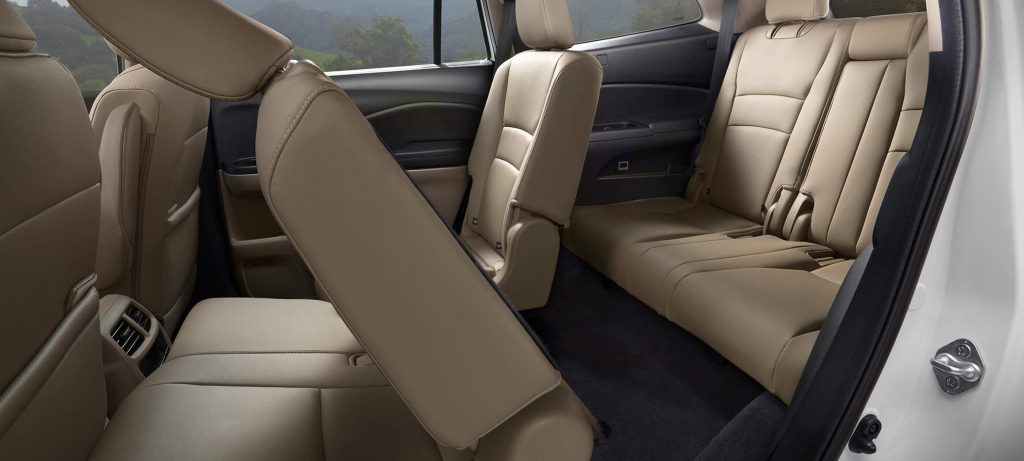
Known as the One-Motion 60/40 Split Third-Row Magic Seat, it lets the driver fold either side of the rear bench using simple pull straps. Many owners know the third row folds, but they may not realize how quickly it can create a flat loading floor.
Instead of removing seats or wrestling with heavy sections, the driver can open the tailgate and pull the appropriate strap. The seatback folds forward, and the seat base moves into the floor area. This creates a more useful cargo surface for luggage, furniture boxes, sports equipment, strollers, or shopping bags.
Folding only one side still leaves space for a passenger in the third row, while folding both sides turns the Pilot into a much more capable cargo carrier.
The feature becomes particularly useful during trips when plans change. A family may leave home with all three rows in use, then need additional room for bags, groceries, or purchases later in the day. The pilot can adapt without requiring tools or a complicated seat-removal process.
Owners should make sure the third-row seat belts are not trapped beneath the folded seat sections. It is also important to remove loose objects from the seat cushions before folding them. When returning the seats to their upright position, push firmly until the latches lock and confirm that the head restraints are properly positioned.
The pilot’s cargo area also includes tie-down anchors and bag hooks on selected versions, helping keep smaller items from rolling around after the third row has been folded.
3. Stowable Second-Row Center Seat
The Honda Pilot’s second row can do more than carry passengers. On many trims, the middle seat can be removed and stored inside a dedicated compartment in the cargo floor.
This is a particularly clever feature because it gives owners a choice between eight-passenger seating and a more open second-row layout without needing to leave the seat at home.
When the center section is installed, the pilot can carry an extra passenger. This is useful for larger families, carpools, or occasions when every seating position matters.
When it is removed, the second row becomes easier to move through, creating a practical path to the third row. Children can reach the back seats more easily, and adults do not need to fold a large seat section forward every time someone enters or exits.
The storage compartment is located beneath the cargo floor. Honda designed it so the removed center seat can be carried inside the vehicle rather than taking up space in a garage.
This helps prevent the seat from getting dirty, damaged, or forgotten when it is needed again. Before removing it, owners should make sure the seat is empty, the belt is properly positioned, and the seat is released according to the instructions in the manual.
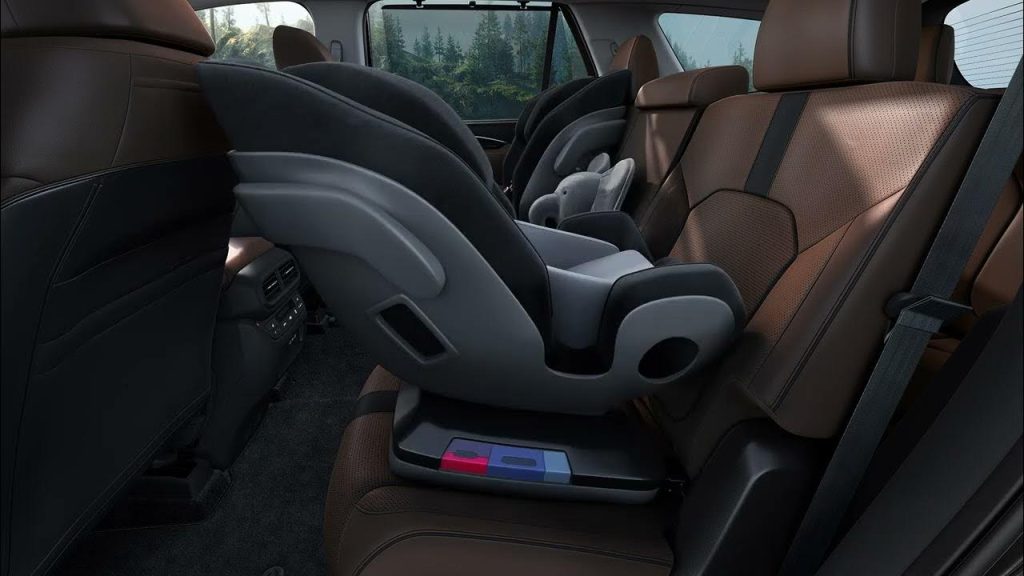
This feature is especially useful for families whose seating needs change from week to week. One day, the pilot can function as an eight-seat SUV for a school trip.
The next day, it can provide a more convenient walk-through area for children heading to the third row. It is a flexible solution that many owners may not notice until they look closely at the cargo-floor storage area.
4. CabinTalk In-Car PA System
Long trips can become noisy when passengers in the third row cannot hear the driver clearly. The Honda Pilot answers that problem with CabinTalk, an in-car communication system available on selected trims.
It allows the driver’s voice to come through the rear speakers, making it easier to speak with children or other passengers without raising one’s voice.
The feature works through the infotainment system and is designed to make normal conversation easier inside a large three-row SUV.
A parent can remind children about an upcoming stop, ask a passenger to check for a bag, or give simple directions without turning around. This can be especially useful when road noise, music, air conditioning, or highway speeds make the cabin louder.
CabinTalk is not intended to feel like a formal public-address system. It is simply a convenient way to communicate through the vehicle’s audio system.
The driver speaks normally, and the sound is directed toward the rear seating areas. On compatible versions, it can work through the rear speakers even when passengers are seated in the third row.
Families may find it most useful during road trips, school drop-offs, airport drives, and busy weekend travel. Instead of repeatedly calling out toward the back of the cabin, the driver can keep attention on the road while still being heard. That is a small advantage, but it can reduce distraction during long drives.
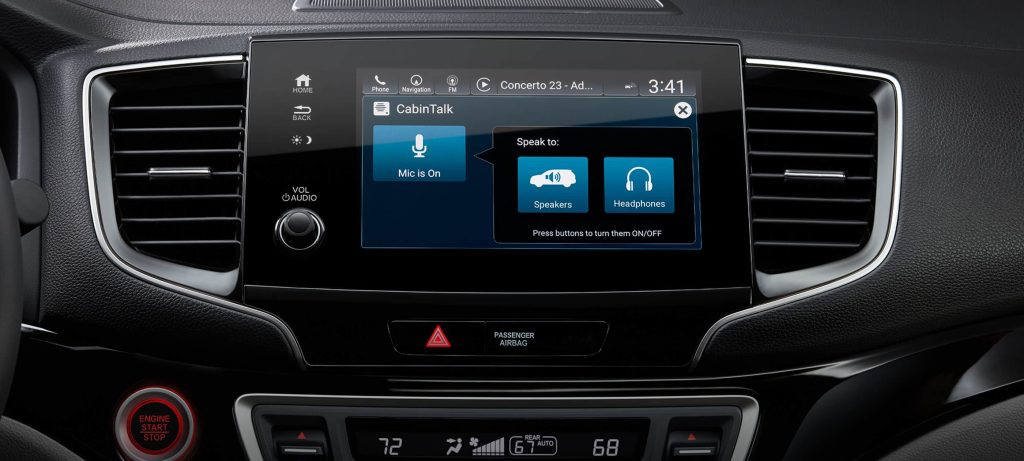
CabinTalk is limited to selected Pilot trims, so owners should check the infotainment menu and feature list. The system is part of the pilot’s family-focused design, showing that convenience can come from simple functions rather than only large screens or advanced driving technology.
5. TrailSport TrailWatch Camera System
The Honda Pilot TrailSport includes a feature that can be very helpful when the road surface becomes rough, narrow, or difficult to judge from the driver’s seat.
Called TrailWatch, this camera system uses multiple exterior cameras to show what is happening around the SUV at low speeds.
It is particularly useful when driving over uneven ground, approaching a steep driveway, entering a tight campsite, or placing the wheels carefully around rocks, ruts, and deep puddles.
A large three-row SUV can be difficult to position accurately because the hood is tall and the front corners are far from the driver. TrailWatch reduces that uncertainty by displaying views of the area ahead of and beside the pilot on the central screen.
The driver can check where the front wheels are heading, how close the bumper is to an obstacle, and whether the vehicle has enough space to pass through a narrow section.
The system is not only for off-road driving. It can also be useful in urban situations. A driver entering a cramped parking garage, pulling close to a curb, or turning around in a narrow lane may find the camera views more helpful than relying on mirrors alone. The feature works best at low speeds, where careful placement matters more than fast reactions.
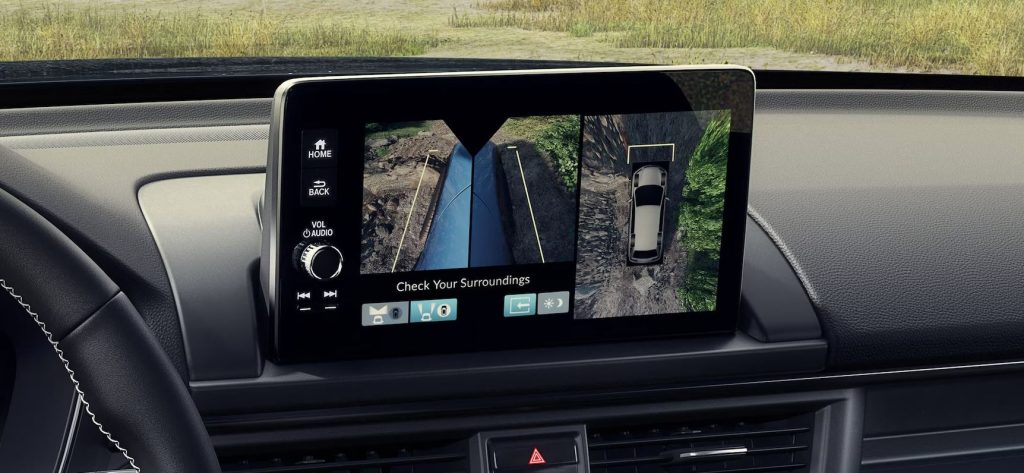
TrailWatch is generally associated with the TrailSport trim, which also adds equipment intended for light off-pavement use. Drivers should still remember that cameras cannot show every hazard. Tall grass, mud, heavy rain, darkness, and dirty camera lenses can reduce visibility. The screen should support careful driving, not replace attention.
For Pilot owners who occasionally leave paved roads or simply want better visibility in tight spaces, TrailWatch is one of the most useful hidden functions in the SUV.
6. Individual Drive Mode Customization
Many Honda Pilot owners use Normal mode every day and never investigate the settings available through the drive-mode selector. The system does more than provide a sport setting for quicker response.
Depending on trim level, the Pilot can offer Normal, Econ, Sport, Snow, Trail, Sand, and Tow modes. Each one changes how the SUV responds to throttle inputs, transmission behavior, traction control, and all-wheel-drive power delivery.
The Individual mode is the hidden part that deserves more attention. Rather than accepting one preset personality, the driver can create a preferred combination of settings.
Someone who likes lighter steering but wants a sharper accelerator response can make those choices separately. Another owner may prefer a calmer powertrain setting for commuting while keeping stronger all-wheel-drive behavior for wet weather.
This can be more useful than constantly switching between modes. A driver who spends most days in traffic may want the smoothness of normal mode but also enjoys the quicker response associated with sport mode when joining a highway.
Individual mode can provide a middle ground that feels natural without making the pilot too aggressive or too relaxed.
The TrailSport version gives this system extra importance because its terrain modes are designed to help on loose surfaces. Snow mode can support traction on slippery roads, while Trail and Sand settings adjust the way power is sent to the wheels when grip becomes limited.
These modes do not make the Pilot a hardcore off-road vehicle, but they can help the driver manage difficult conditions with more confidence.
Owners can find the settings through the drive-mode control and the instrument display menus. Spending a few minutes testing the available choices on a safe road can make the pilot feel better suited to personal driving habits.
7. Walk-Away Auto-Lock And Remote Window Control
The Honda Pilot can help owners avoid a common daily mistake: walking away without locking the SUV. On selected versions, Walk-Away Auto Lock automatically locks the doors after the driver exits with the key fob and moves a short distance away.
It is a simple feature, but it can be very useful for parents carrying bags, drivers leaving the vehicle in a busy parking lot, or anyone who often has their hands full.
The system can usually be activated through the vehicle settings menu. Once enabled, the pilot checks whether the key fob has left the area and whether all doors and the tailgate are closed. If everything is secure, the doors lock automatically after a short delay.
The vehicle may provide an audible confirmation, helping the driver know that the locking process has been completed.
Another useful key-fob function is remote window control. On compatible Pilot models, pressing the unlock button once and then holding it can lower the windows from outside the SUV. This can quickly release trapped heat before entering the cabin on a hot afternoon.
It is especially helpful when the pilot has been parked in direct sunlight for several hours, and the interior feels uncomfortable.
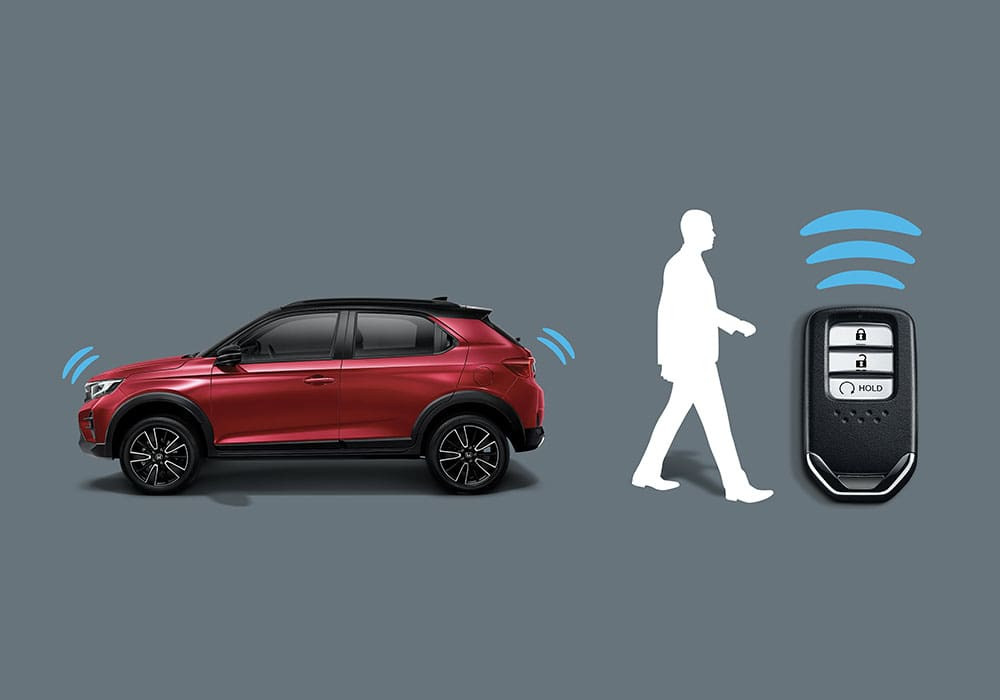
Some owners may also be able to open the panoramic moonroof through the same remote-control sequence, depending on trim and model year. The function should be used carefully because the driver needs to make sure the area around the vehicle is clear and that rain is not expected.
Walk-away auto lock and remote window control are not dramatic features, but they can improve daily convenience. They reduce the number of small tasks a driver must remember while making the Pilot easier to use during busy family routines.
8. Conversation Mirror And Rear Cabin View
The Honda Pilot is a large three-row SUV, which means the driver cannot always see what is happening behind the front seats.
Honda includes a small but useful solution in the overhead console: the conversation mirror. This feature is easy to miss because it is hidden inside the sunglasses holder near the front interior lights.
When opened, the mirror gives the driver a view of the second and third rows without needing to turn around.
It can be useful for checking whether children are asleep, seeing if a passenger has dropped something, or confirming that everyone is seated before pulling away. Unlike a rearview camera, the conversation mirror works even when the pilot is parked and the ignition is off.
The feature is particularly valuable for families with younger children. A parent can monitor the rear seating area while keeping attention focused ahead.
It can also help when the third-row passengers need assistance, such as locating a charging cable, fastening a seat belt, or reaching a bag. The mirror may seem like a small addition, but it can reduce distractions because the driver does not need to twist around to look behind.
On higher trims, the Pilot may also offer a rear-seat camera view through the infotainment screen. This provides a clearer image of the back rows, especially at night or when the cabin is crowded.
The camera view can be more useful than the mirror when passengers are seated low or when head restraints block the driver’s line of sight.
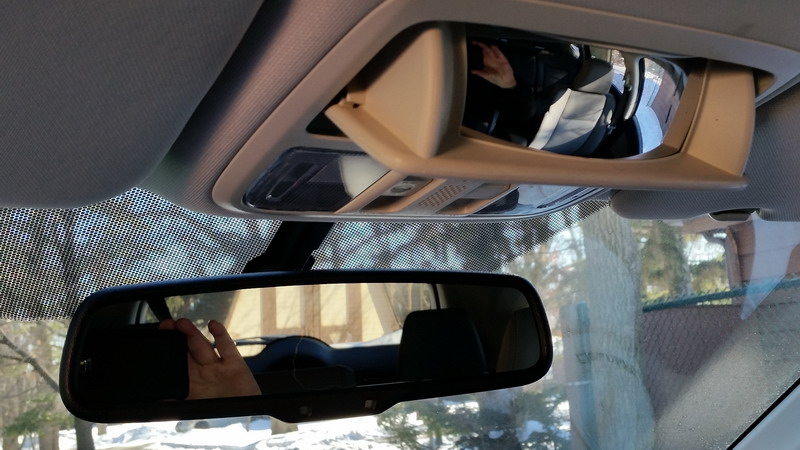
Both systems are designed for convenience, not as substitutes for proper supervision. Still, they show how the Pilot has been designed around family travel. A hidden mirror and cabin-view feature can make a long drive calmer by helping the driver stay aware of the passengers behind them.
9. Hidden Underfloor Cargo Storage And Reversible Lid
The Honda Pilot’s cargo area has more capability than it first appears to offer. Beneath the rear load floor, selected trims include a hidden storage compartment that can hold smaller items out of sight.
This space is useful for objects that would otherwise slide around the cargo area, including charging cables, emergency supplies, cleaning products, reusable shopping bags, tools, or wet footwear after a trip.
The compartment is especially helpful when the third row is folded flat. Large cargo items can be placed on top, while valuables and smaller belongings remain concealed below the floor.
That keeps the cabin tidier and reduces the chance that loose objects will move around during braking or cornering. Families may also use the storage area to keep blankets, first-aid kits, umbrellas, or children’s travel items ready for unexpected situations.
On some versions, the cargo floor panel can be reversed. One side has a carpeted finish suited to normal luggage and everyday use, while the other side has a more durable surface designed for muddy boots, sports gear, or damp items.
This is a practical detail for owners who use the Pilot for camping, beach trips, school sports, or outdoor activities. Instead of worrying about damaging the carpeted cargo floor, the panel can be flipped to the easier-to-clean side.
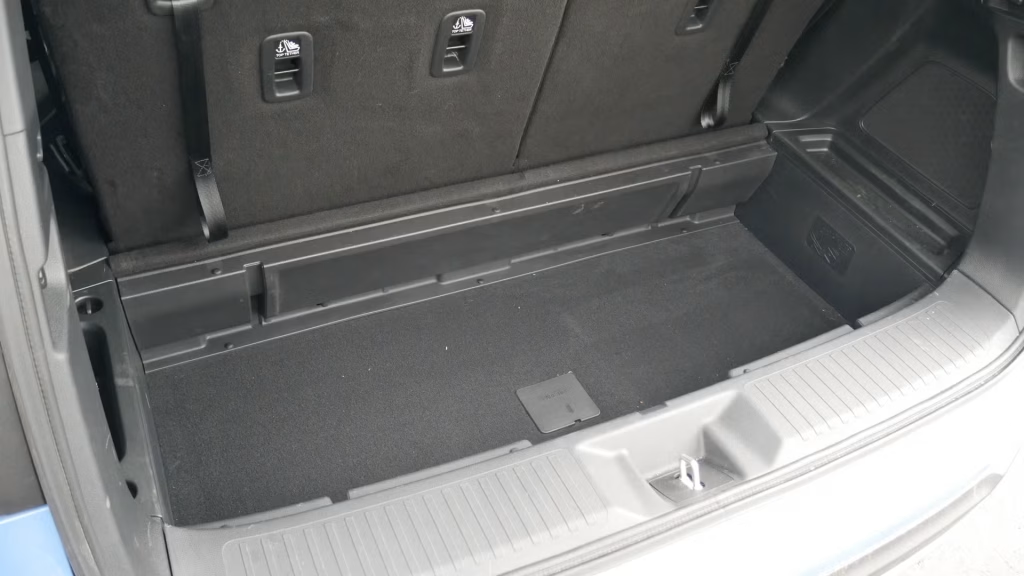
The cargo floor should be lifted carefully, particularly when the vehicle is loaded. Owners should also make sure the panel is seated securely before placing heavy objects on it. A poorly fitted floor panel can rattle or shift while driving.
This hidden storage area is not a flashy technology feature, but it adds real value to the Pilot’s family-friendly design. It helps the SUV carry more without making the cabin look cluttered.
10. Towing Mode With Trailer Stability Assistance
Many Honda Pilot owners know the SUV can tow, but fewer take time to understand the systems that make towing easier.
When properly equipped, the Pilot can tow a trailer, small boat, camper, or utility load, and its dedicated tow mode helps the vehicle respond more confidently when extra weight is attached behind it.
Two-mode changes the way the transmission behaves. Rather than shifting quickly into higher gears to save fuel, it can hold lower gears longer to keep the V6 engine in its stronger power range.
This helps when climbing hills, merging onto highways, or maintaining speed with passengers and cargo inside the SUV. It can also reduce repeated gear hunting, which happens when a transmission keeps shifting up and down while pulling a load.
Trailer Stability Assist is another useful function. If the system detects trailer sway, it can apply braking force and reduce engine power to help bring the combination back under control.
This does not remove the need for correct trailer loading, proper tire pressure, or a suitable hitch setup. However, it can provide extra support when crosswinds, uneven roads, or sudden steering inputs make a trailer begin to move unpredictably.
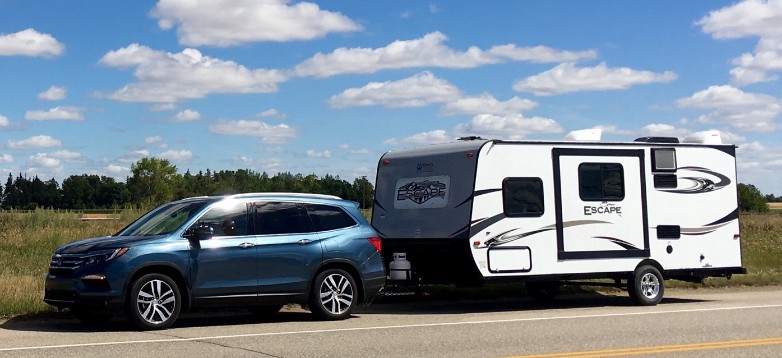
The pilot’s towing capability depends on trim, drivetrain, accessories, and trailer equipment. All-wheel-drive versions can tow more than front-wheel-drive models when properly equipped, so owners should confirm the exact rating listed for their vehicle before attaching a trailer.
Before a long trip, drivers should check trailer lights, safety chains, hitch connections, tire pressures, and load balance. Tow mode is most effective when the trailer is correctly set up. Used properly, this hidden feature can make the pilot feel more controlled and less stressed when carrying a serious load.
Also Read: 10 Hidden Features In The Toyota RAV4
