
For many years, buying a luxury vehicle usually meant preparing for expensive maintenance and repair costs. Premium badges were often linked to costly replacement parts, specialist mechanics, and unexpected workshop visits that could put pressure on any owner’s budget. Many people accepted those expenses as part of owning a high-end car.
Things have changed in recent years. Several luxury manufacturers now build vehicles that are much cheaper to maintain than many buyers expect. Improvements in engineering, better production methods, and the growing use of electric powertrains with fewer moving parts have helped reduce long-term servicing costs. Some premium models now cost a little more to maintain than everyday family cars, making luxury ownership more realistic for a wider range of buyers.
Choosing a luxury vehicle no longer means accepting years of costly repairs. Buyers now have access to models that deliver premium comfort, strong performance, and dependable reliability without placing a heavy burden on maintenance budgets. Careful engineering and proven mechanical components have helped many of these vehicles earn a reputation for affordable ownership.
This list highlights ten luxury vehicles with the lowest estimated maintenance costs across ten years, based on long-term fleet data. Alongside those ownership figures, you’ll also find performance details, horsepower ratings, and useful specifications to help you compare each model and make a well-informed decision before spending your money.
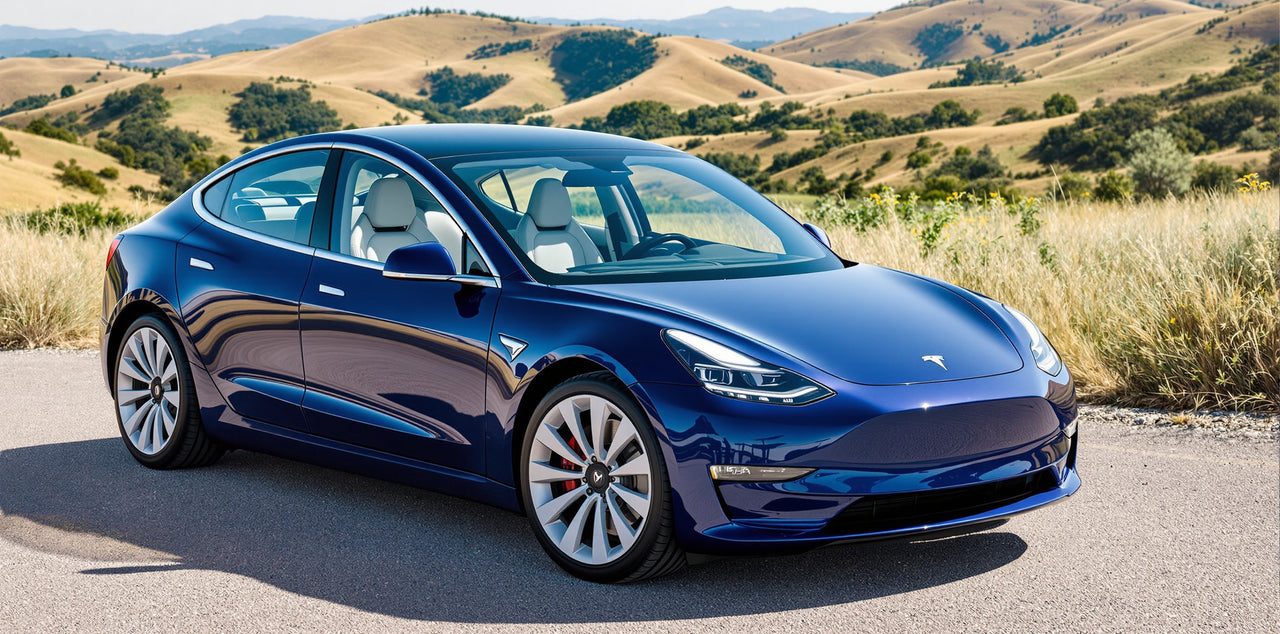
1. Tesla Model 3
10-Year Maintenance Cost: $3,587
- Engine: Single Rear Electric Motor
- Horsepower: 271 hp
- Torque: 310 lb-ft
- Size: 185.8″ L x 72.8″ W x 56.7″ H
Simplicity wins here, plain and simple. The Tesla Model 3 uses a single rear electric motor producing 271 horsepower and 310 lb-ft of torque, a setup with a fraction of the components found in a traditional gasoline engine. No oil changes. No spark plugs. No timing belt to worry about snapping at 80,000 miles.
Measuring 185.8 inches long, 72.8 inches wide, and 56.7 inches tall, the Model 3 fits comfortably into the compact luxury sedan category while offering interior space that feels larger than its footprint suggests. Its electric motor sends power directly to the rear wheels without a traditional transmission, which removes an entire category of potential repair costs that gasoline-powered luxury sedans deal with regularly.
According to fleet data compiled from long-term ownership records, the Model 3 racks up just $3,587 in cumulative maintenance costs across ten years. That figure sits dramatically lower than what most luxury sedans accumulate in half that time. Brake wear even slows down thanks to regenerative braking, a feature that uses the electric motor to slow the car and recapture energy, meaning brake pads last considerably longer than they would in a conventional vehicle.
Owners report far fewer trips to the shop, since routine maintenance largely consists of tire rotations, cabin air filter swaps, and occasional software updates that happen automatically rather than requiring an appointment. There’s no exhaust system to rust out, no fuel injectors to clean, and no catalytic converter that could fail or attract thieves.
What makes this figure so remarkable isn’t just the dollar amount. It’s the fact that a vehicle wearing genuine luxury pricing and performance credentials can rack up maintenance costs lower than plenty of budget economy cars, proving that electric simplicity translates directly into long-term financial relief for owners willing to make the switch.
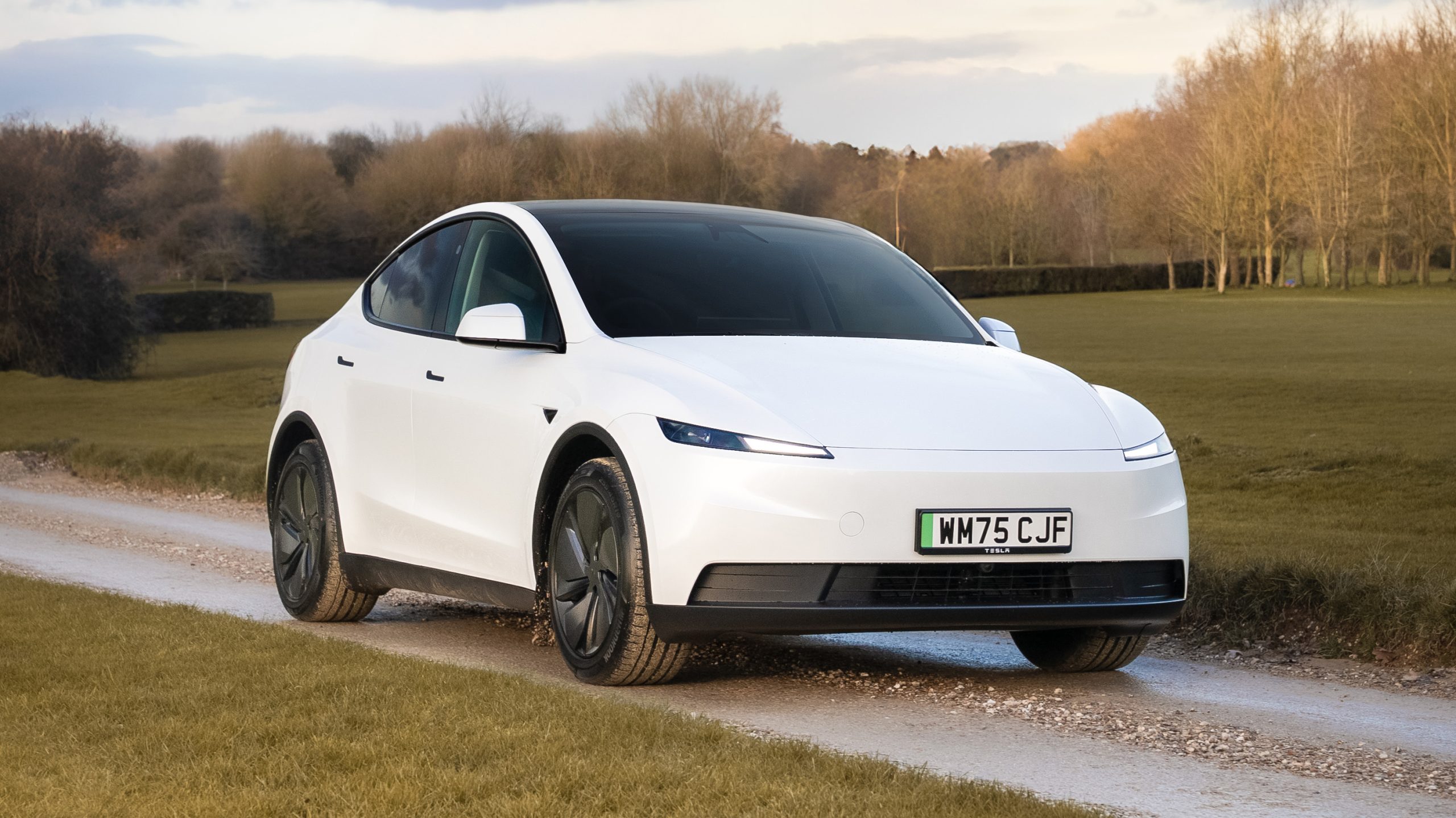
2. Tesla Model Y
10-Year Maintenance Cost: $4,732
- Engine: Dual Motor Electric (AWD)
- Horsepower: 384 hp
- Torque: 376 lb-ft
- Size: 187.0″ L x 75.6″ W x 63.9″ H
Buyers looking for extra space without giving up low ownership costs will find plenty to appreciate in the Tesla Model Y. Although it costs a little more to maintain than the Model 3, it remains far less expensive to own than many luxury crossovers powered by petrol engines. Its dual-motor All Wheel Drive system produces 384 horsepower and 376 lb-ft of torque, delivering quick acceleration while keeping the mechanical design straightforward.
The Model Y measures 187.0 inches in length, 75.6 inches in width, and 63.9 inches in height. Its taller body provides more headroom, extra cargo capacity, and a higher driving position than the Model 3. These qualities make it a practical choice for families and drivers who want the flexibility of a compact SUV without moving into a much larger vehicle.
Fleet data estimates ten-year maintenance costs at about $4,732. Despite having two electric motors instead of one, servicing expenses remain impressively low. While an All Wheel Drive system adds extra components, the vehicle continues to deliver dependable ownership with fewer maintenance requirements than many traditional luxury SUVs.
Drivers should expect tyres and suspension components to wear out a little faster due to the Model Y’s extra weight and strong acceleration. Even with those factors, ownership costs stay well below those of comparable petrol-powered luxury crossovers. For anyone seeking generous interior space, brisk performance, and manageable long-term running costs, the Model Y remains a smart choice that balances everyday practicality with dependable value.
Also Read: 5 New Cars With a Standard 360 Camera vs 5 Where It Costs Extra
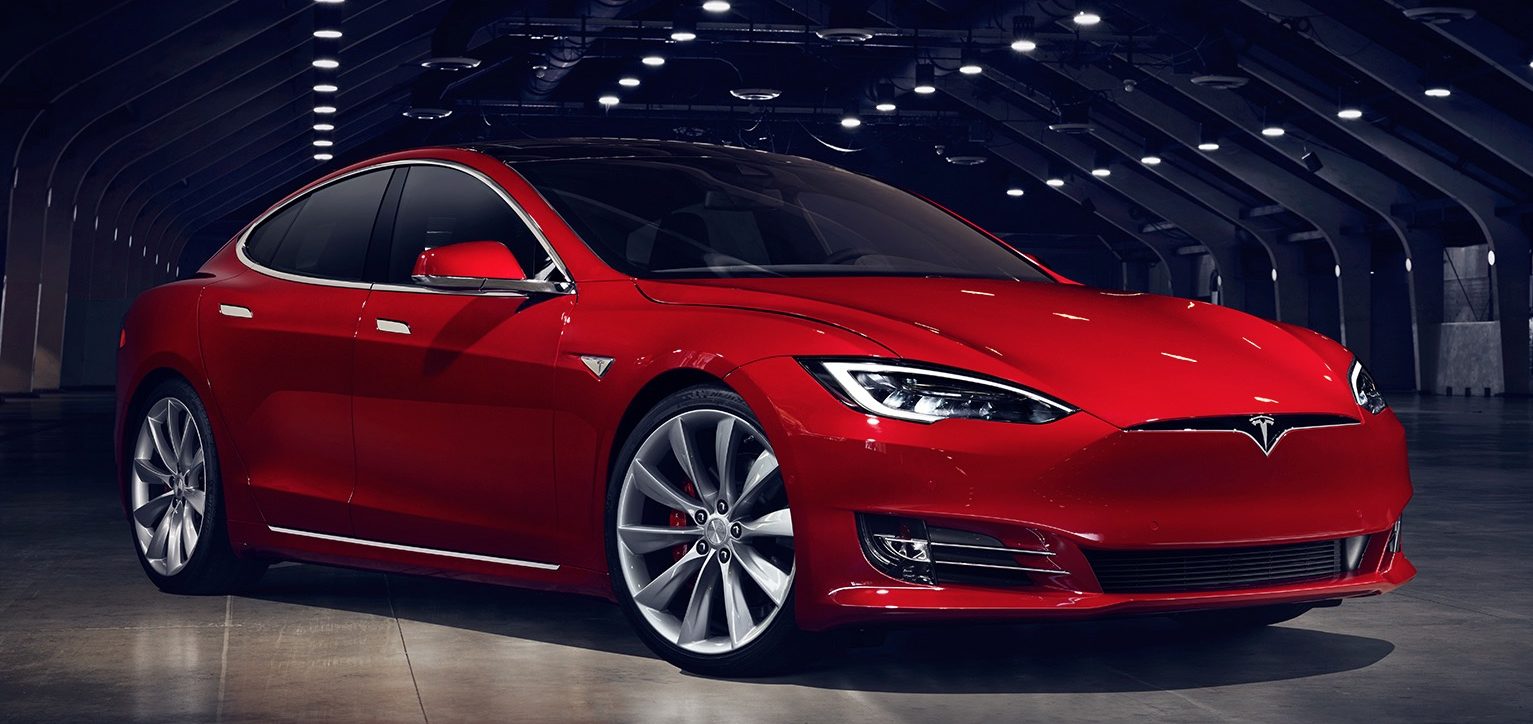
3. Tesla Model S
10-Year Maintenance Cost: $4,981
- Engine: Dual Motor Electric (AWD)
- Horsepower: 670 hp
- Torque: 713 lb-ft
- Size: 197.7″ L x 78.2″ W x 56.3″ H
Finding a luxury sedan that combines thrilling performance with modest maintenance costs is uncommon, yet the Tesla Model S delivers exactly that. This flagship model uses a dual-motor All Wheel Drive system producing 670 horsepower and 713 lb-ft of torque. Those figures place it alongside many high-performance sedans powered by petrol engines, while avoiding many of the servicing expenses normally linked to vehicles in this class.
The Model S measures 197.7 inches in length, 78.2 inches in width, and 56.3 inches in height, making it the largest sedan in Tesla’s current range. Its sleek shape improves efficiency while providing generous cabin space for passengers. Although it is larger than many rivals, the design still gives it a sporty appearance and strong road presence.
Estimated maintenance costs across ten years stand at about $4,981, which is surprisingly reasonable for a luxury car with this level of performance. Electric motors have fewer moving parts than petrol engines, helping reduce servicing needs throughout ownership. Owners also avoid routine jobs such as engine oil changes, transmission servicing, and replacing many parts commonly found in conventional vehicles.
Another advantage comes from regenerative braking, which slows the car while returning energy to the battery. This reduces wear on the brake system and can help extend the life of brake components. Drivers looking for strong acceleration do not have to accept high maintenance costs simply because the Model S delivers impressive power through electric motors instead of a traditional engine.
Compared with many luxury performance sedans, the Tesla Model S offers an attractive balance of speed, comfort, and lower ownership expenses. It remains an appealing choice for buyers seeking premium performance without the costly maintenance usually associated with high-powered vehicles.
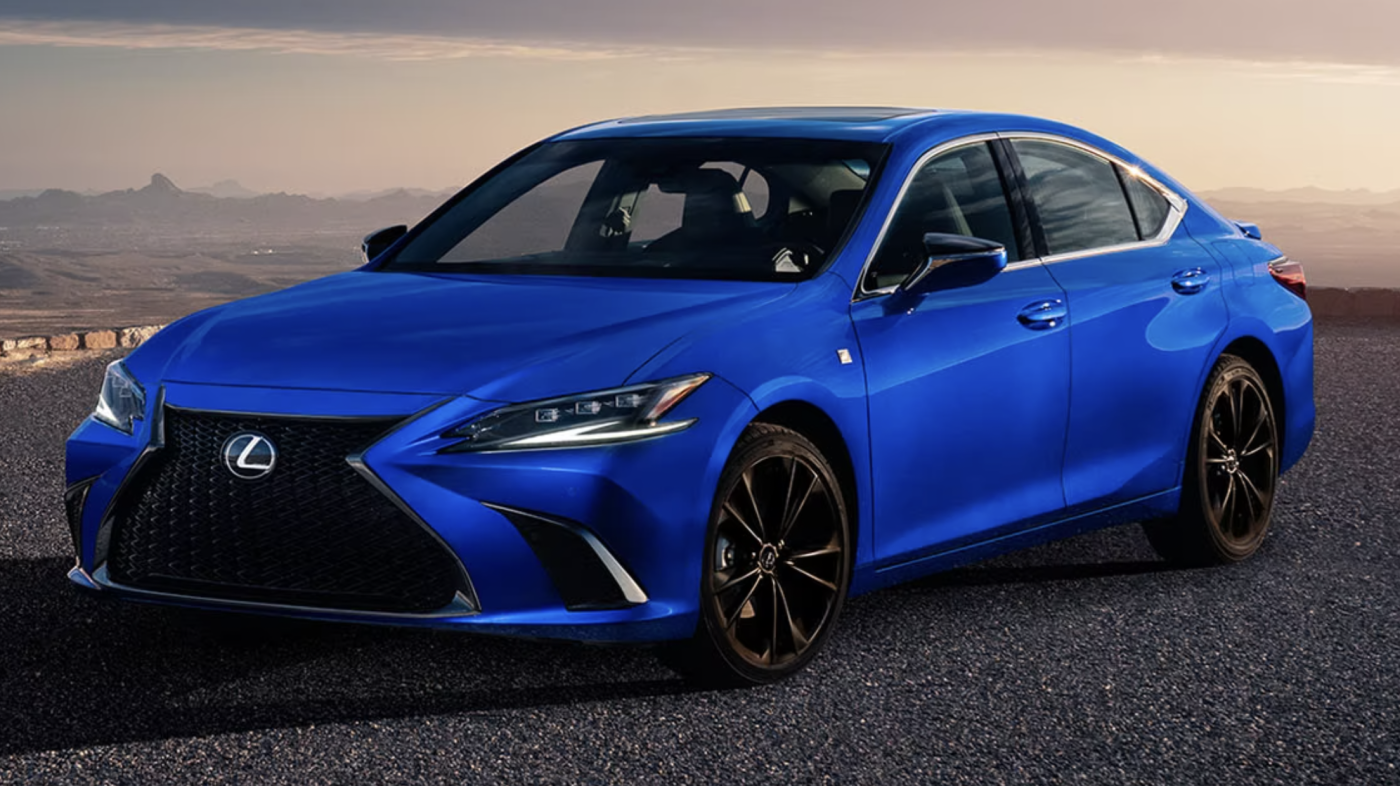
4. Lexus ES 350
10-Year Maintenance Cost: $5,488
- Engine: 3.5-liter Naturally Aspirated V6
- Horsepower: 302 hp
- Torque: 267 lb-ft
- Size: 195.9″ L x 73.4″ W x 56.9″ H
Long-lasting dependability has always been one of the strongest qualities of the Lexus ES 350. The sedan is powered by a 3.5-litre naturally aspirated V6 engine producing 302 horsepower and 267 lb-ft of torque. By avoiding turbocharging, Lexus keeps the engine design simpler, helping reduce the chances of expensive repairs as the vehicle ages.
With a length of 195.9 inches, a width of 73.4 inches, and a height of 56.9 inches, the ES 350 offers generous cabin space for passengers while delivering a smooth and quiet driving experience. It is designed for buyers who value comfort, refinement, and dependable performance ahead of outright speed.
Estimated maintenance costs across ten years stand at about $5,488. That figure reflects Lexus’ long-standing commitment to quality engineering and careful manufacturing. Since the brand shares many components and production standards with Toyota, owners benefit from proven mechanical parts that have earned a strong reputation for durability.
Another advantage comes from the naturally aspirated engine, which operates with fewer components than many turbocharged alternatives. This simpler design places less strain on the engine and helps keep servicing requirements manageable as mileage increases.
Routine maintenance, including oil changes, brake servicing, and fluid replacements, remains straightforward because replacement parts are widely available through Toyota’s extensive supply network.
Buyers comparing the ES 350 with luxury sedans from Germany or Britain will likely appreciate the lower repair costs after the factory warranty expires. It delivers premium comfort and dependable ownership without the high maintenance expenses often linked to many European luxury vehicles.
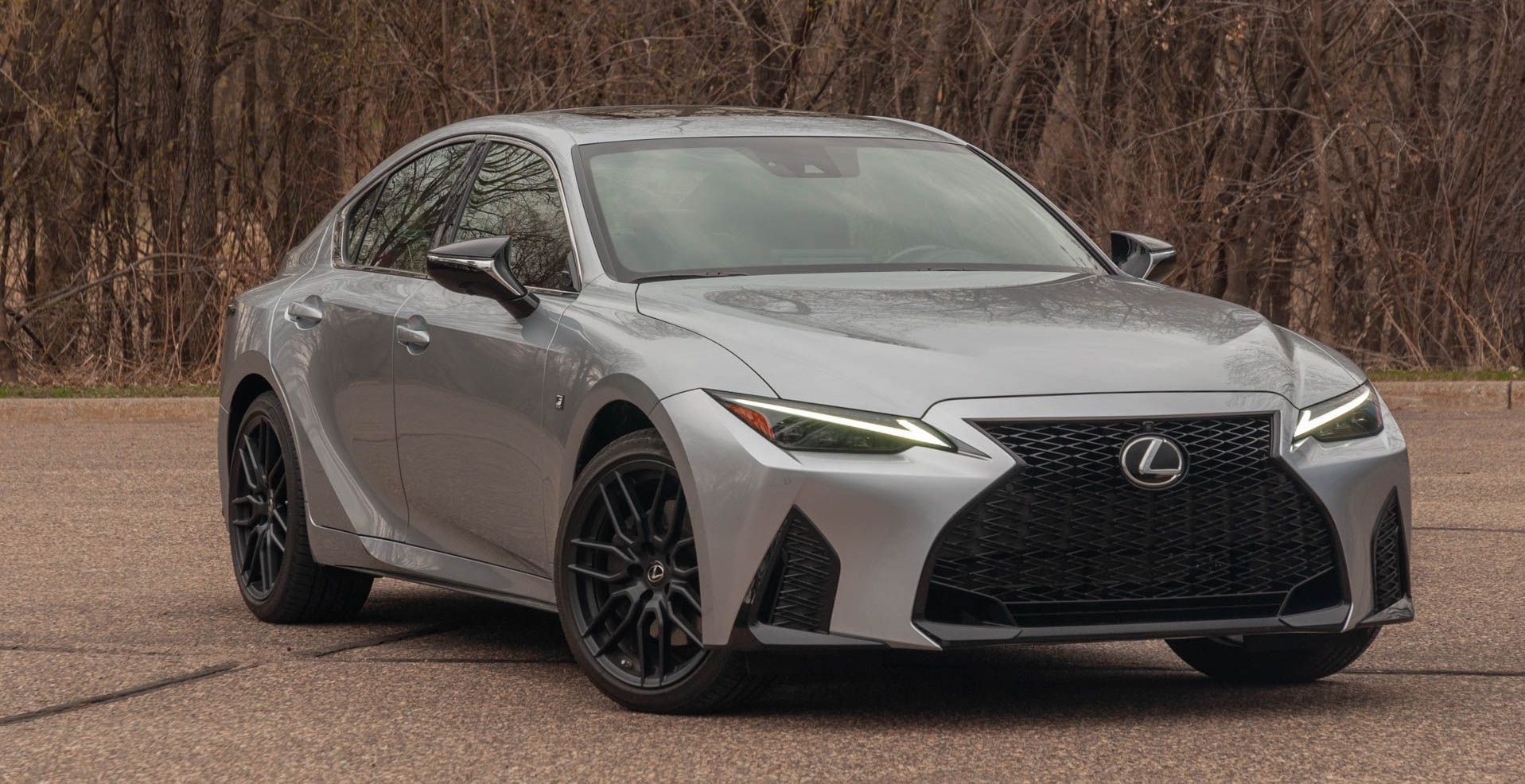
5. Lexus IS 350
10-Year Maintenance Cost: $5,680
- Engine: 3.5-liter Naturally Aspirated V6
- Horsepower: 311 hp
- Torque: 280 lb-ft
- Size: 187.3″ L x 72.4″ W x 56.5″ H
Sharper handling paired with the same dependable philosophy defines this smaller sedan in the Lexus lineup. The IS 350 uses the same 3.5-liter naturally aspirated V6 platform found across several Lexus models, here tuned to produce 311 horsepower and 280 lb-ft of torque, giving it a slightly sportier character than its larger ES sibling.
Dimensions come in at 187.3 inches long, 72.4 inches wide, and 56.5 inches tall, making this a genuinely compact luxury sedan aimed at buyers who want engagement behind the wheel without sacrificing the low-maintenance reputation Lexus has built over multiple decades.
Fleet data places ten-year maintenance costs at $5,680, only slightly higher than the larger ES 350, despite this model’s sportier positioning and marginally higher performance figures. That small gap speaks to how consistently Lexus applies its engineering standards across different models rather than reserving reliability improvements for its most conservative offerings alone.
Buyers who enjoy spirited driving often assume that performance-oriented trims automatically demand higher repair costs, thanks to stiffer suspension components and more aggressive tire compounds wearing faster. While tire replacement costs can run slightly higher here compared to more comfort-focused sedans, the underlying mechanical components remain rooted in the same dependable engineering that keeps Lexus vehicles near the top of every long-term reliability study conducted across the industry.
Rear-wheel-drive layouts, standard on many IS 350 trims, also tend to distribute mechanical wear more evenly than front-wheel-drive alternatives, particularly when it comes to drivetrain components handling the engine’s substantial torque output. For buyers wanting a genuine driver’s car wrapped in a luxury badge, this sedan offers a rare combination.
The excitement of stronger performance figures doesn’t come paired with the financial anxiety that typically accompanies sportier trims from rival luxury brands, many of which see maintenance costs climb sharply once performance-oriented components enter the equation.
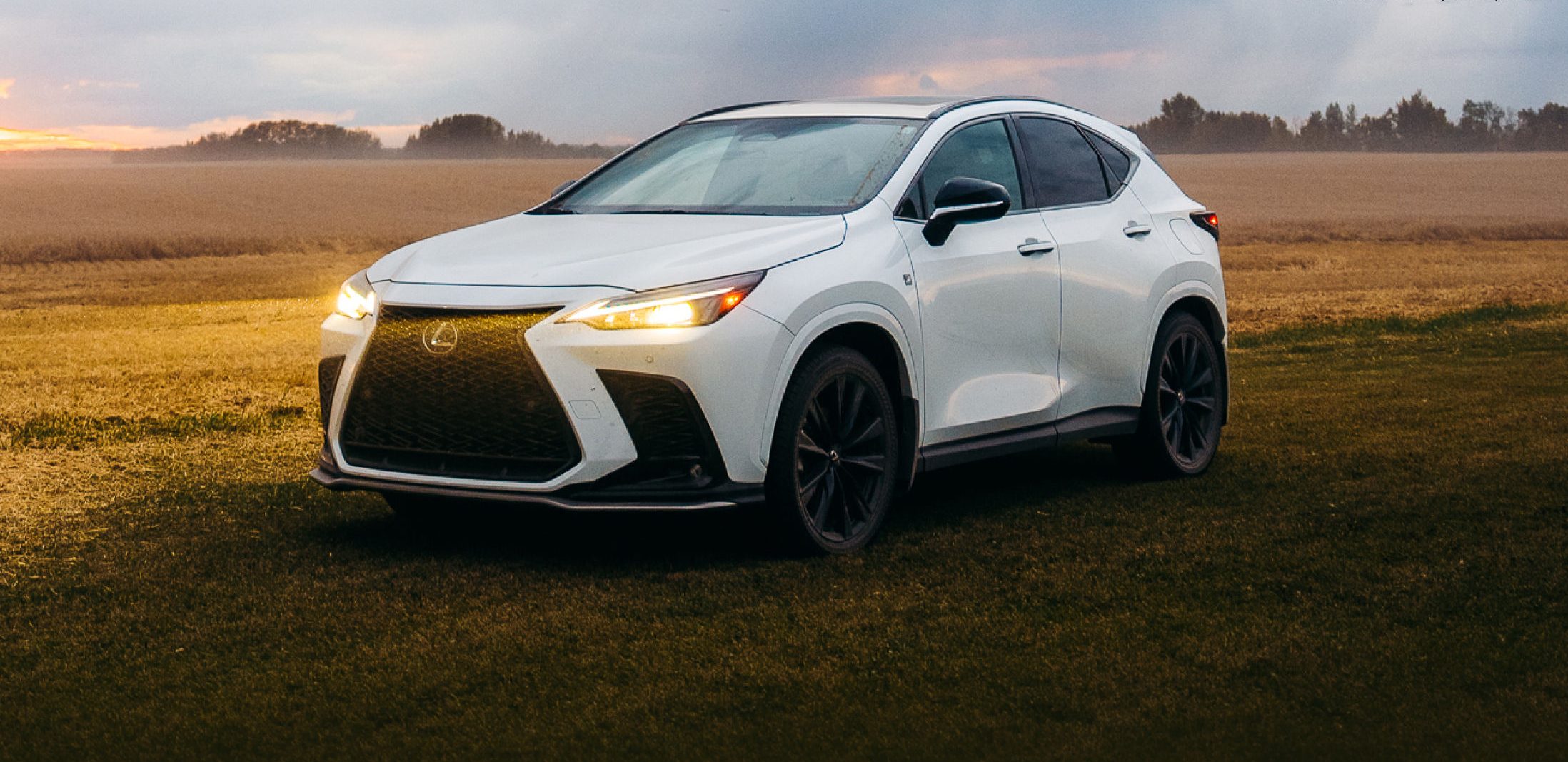
6. Lexus NX 350h (Hybrid)
10-Year Maintenance Cost: $7,136
- Engine: 2.5-liter 4-cylinder Hybrid (Inline-4 + Electric)
- Horsepower: 240 hp
- Torque: 179 lb-ft
- Size: 183.5″ L x 73.4″ W x 65.4″ H
Hybrid technology adds a layer of complication that some buyers assume translates directly into higher repair bills, yet the Lexus NX 350h proves that assumption wrong. This compact luxury crossover pairs a 2.5-litre four-cylinder engine with an electric motor, producing a combined 240 horsepower and 179 lb-ft of torque, prioritizing efficiency over outright power.
Measuring 183.5 inches long, 73.4 inches wide, and 65.4 inches tall, the NX 350h offers a taller, more upright profile compared to sedans elsewhere in this list, appealing to buyers wanting crossover practicality without abandoning Lexus’s reputation for dependable engineering.
Ten-year maintenance costs come in at $7,136, a noticeable jump from the sedans mentioned earlier but still considerably lower than most luxury crossovers on the market today, hybrid or otherwise. The added hybrid components, including the electric motor and battery pack, might seem like they’d introduce additional failure points, yet Toyota’s decades of hybrid development, first proven through the Prius, have resulted in hybrid systems with strong long-term durability records.
Brake wear benefits from the same regenerative braking technology found in fully electric vehicles, since the hybrid system captures energy during deceleration rather than relying entirely on friction brakes. This means brake pad replacement intervals tend to stretch longer than in comparable gasoline-only crossovers, offsetting some of the added costs associated with maintaining hybrid-specific components.
Fuel savings compound the financial benefit here too, since the hybrid powertrain reduces gasoline consumption considerably compared to a traditional four-cylinder or six-cylinder crossover engine, meaning owners save money at the pump in addition to lower long-term repair costs.
Buyers considering this crossover should recognize that while its maintenance figure sits higher than the sedans and Tesla models discussed earlier, it remains a genuinely strong value within the compact luxury crossover category, especially for buyers who want SUV practicality without inheriting the repair bills that often come attached to that body style.
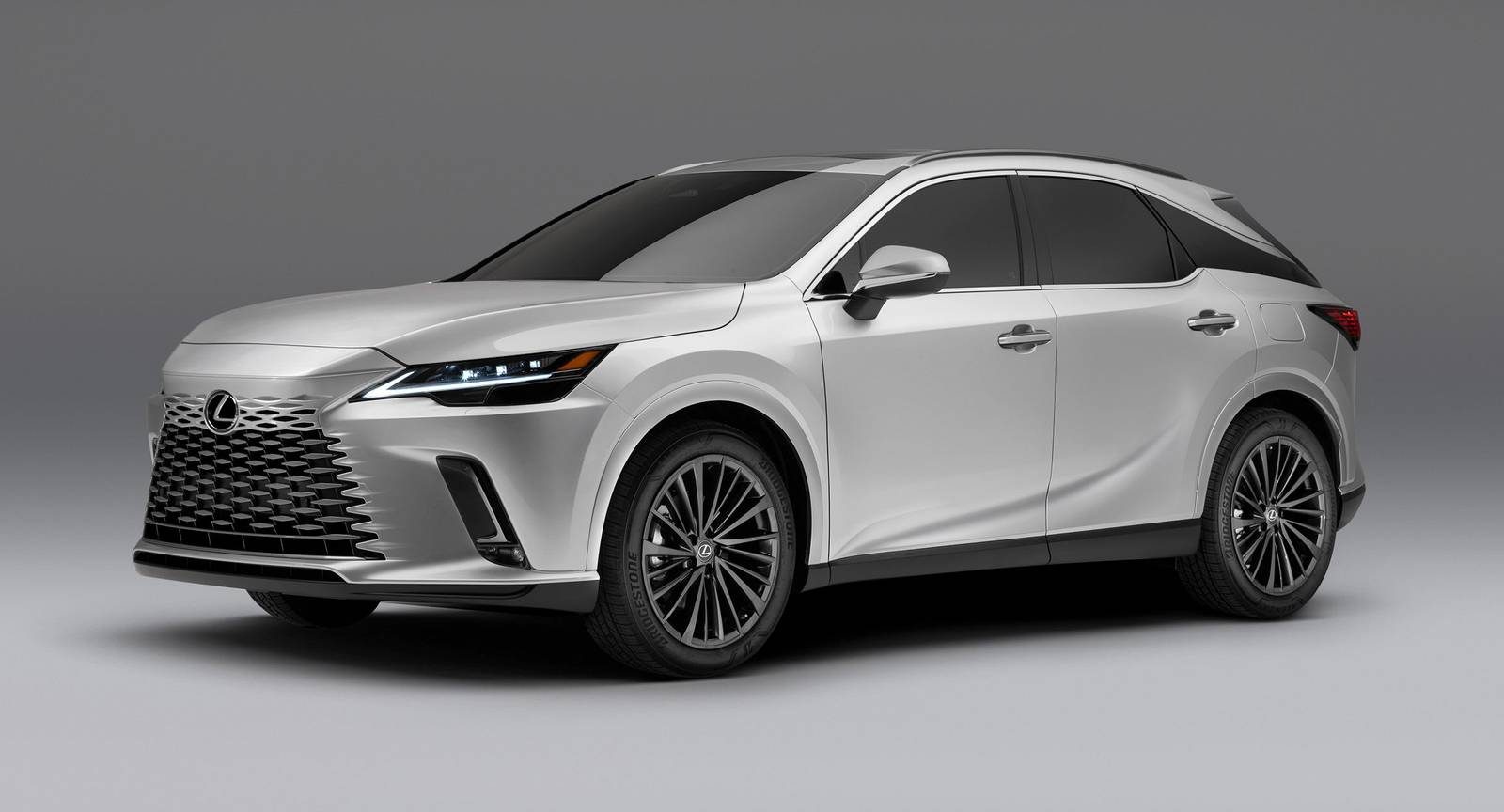
7. Lexus RX 350
10-Year Maintenance Cost: $7,398
- Engine: 2.4-liter Turbocharged Inline-4
- Horsepower: 275 hp
- Torque: 317 lb-ft
- Size: 192.5″ L x 75.6″ W x 67.3″ H
Moving into the midsize luxury SUV category brings slightly higher ownership expenses, yet the Lexus RX 350 still offers good value across many years of use. It is powered by a 2.4-litre turbocharged four-cylinder engine producing 275 horsepower and 317 lb-ft of torque. Unlike earlier Lexus models that relied on naturally aspirated engines, this version adopts turbocharging to improve both performance and efficiency.
The RX 350 measures 192.5 inches in length, 75.6 inches in width, and 67.3 inches in height, giving families a roomy cabin with more passenger and cargo space than the smaller Lexus NX. Its larger dimensions make it well suited for daily commuting, long journeys, and family duties without feeling difficult to drive.
Fleet maintenance records estimate ten-year servicing costs at about $7,398. The higher figure reflects the SUV’s larger size and the extra components found in a turbocharged engine. Even so, ownership costs remain lower than those of many midsize luxury SUVs from European brands, which often require more expensive repairs because of advanced suspension systems, electronic equipment, and higher-priced replacement parts.
Lexus has carried its reputation for dependable engineering into the RX 350 despite adopting newer engine technology. Built on Toyota’s proven engineering foundation, the SUV continues to deliver dependable long-term ownership.
Buyers comparing it with German or British rivals are likely to appreciate its lower repair costs after the factory warranty expires, making it a sensible choice for anyone seeking comfort, strong performance, and dependable reliability without facing unusually expensive maintenance bills later.
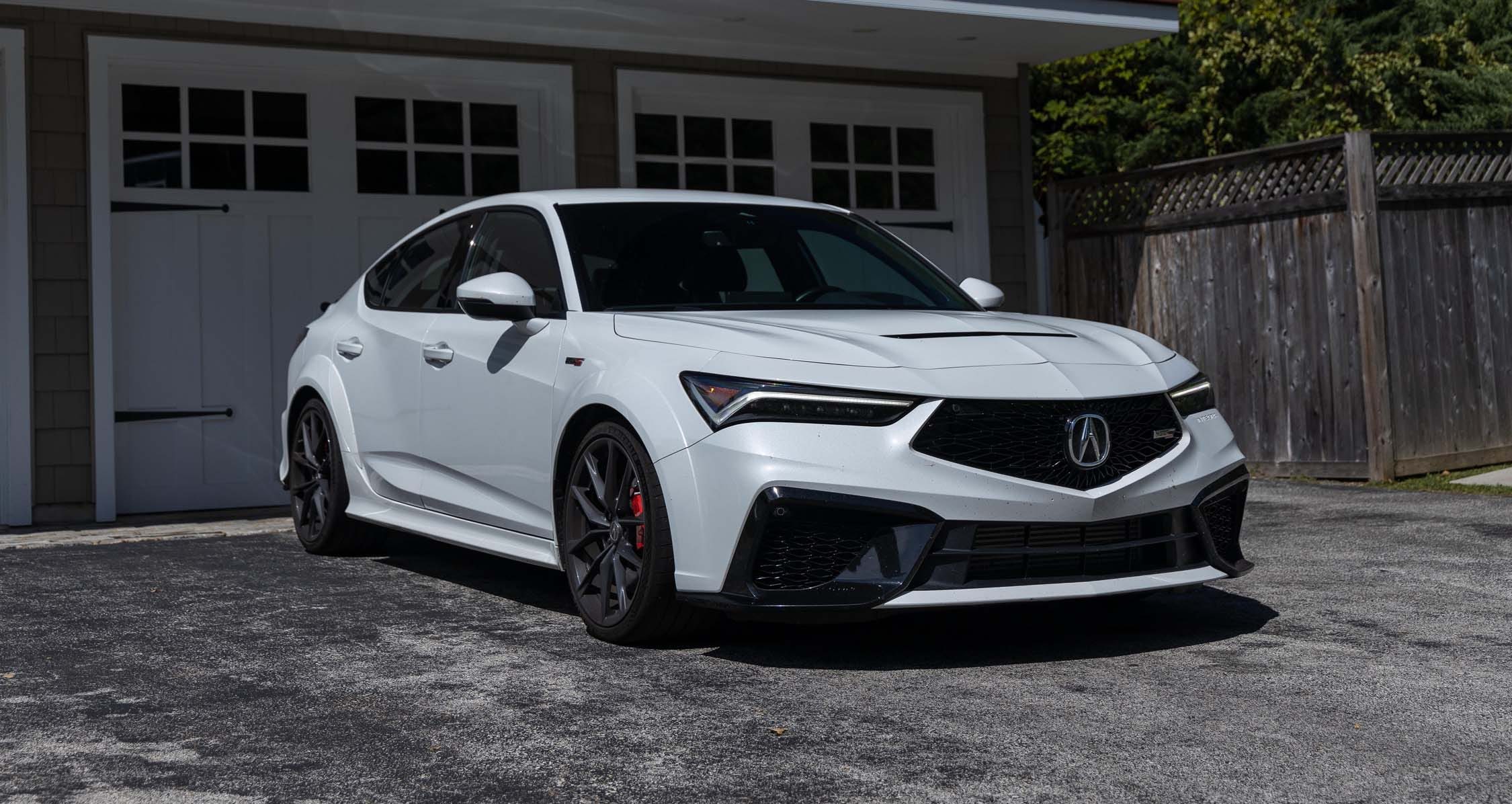
8. Acura ILX / Integra
10-Year Maintenance Cost: $7,549
- Engine: 1.5-liter Turbocharged Inline-4
- Horsepower: 200 hp
- Torque: 192 lb-ft
- Size: 185.8″ L x 72.0″ W x 55.5″ H
Honda’s luxury division brings its own value proposition to this list, one built around efficient turbocharged engineering paired with a reputation for dependable long-term ownership. The Acura ILX, along with its Integra counterpart, uses a 1.5-litre turbocharged four-cylinder engine producing 200 horsepower and 192 lb-ft of torque, a modest but efficient output figure suited to buyers prioritizing affordability over outright performance.
Measuring 185.8 inches long, 72.0 inches wide, and 55.5 inches tall, this compact sedan offers dimensions closely matching the Tesla Model 3 discussed earlier, positioning it as a genuine rival within the entry-level luxury sedan category. Ten-year maintenance costs come in at $7,549, a figure that places this Acura noticeably higher than every Tesla and Lexus model mentioned previously, yet still considerably lower than many rival luxury sedans from European manufacturers occupying a similar price bracket.
Acura’s engineering draws heavily from Honda’s broader manufacturing operations, similar to how Lexus benefits from its connection to Toyota. This shared parts network and quality control philosophy helps keep long-term costs in check, even though the ILX and Integra carry a smaller turbocharged engine that introduces slightly more complication than the naturally aspirated engines found in comparable Lexus sedans.
Buyers interested in this model should expect straightforward routine maintenance throughout most of the ownership period, with costs climbing gradually as the turbocharger and associated components accumulate wear over extended mileage. Timing chains, rather than timing belts, reduce one common source of expensive repair bills that plague some competing turbocharged engines from other manufacturers.
This sedan appeals particularly to younger buyers entering the luxury segment for the first time, offering genuine badge prestige alongside a maintenance profile that remains manageable on a moderate budget, without the financial surprises that often accompany entry-level models from pricier European luxury brands.
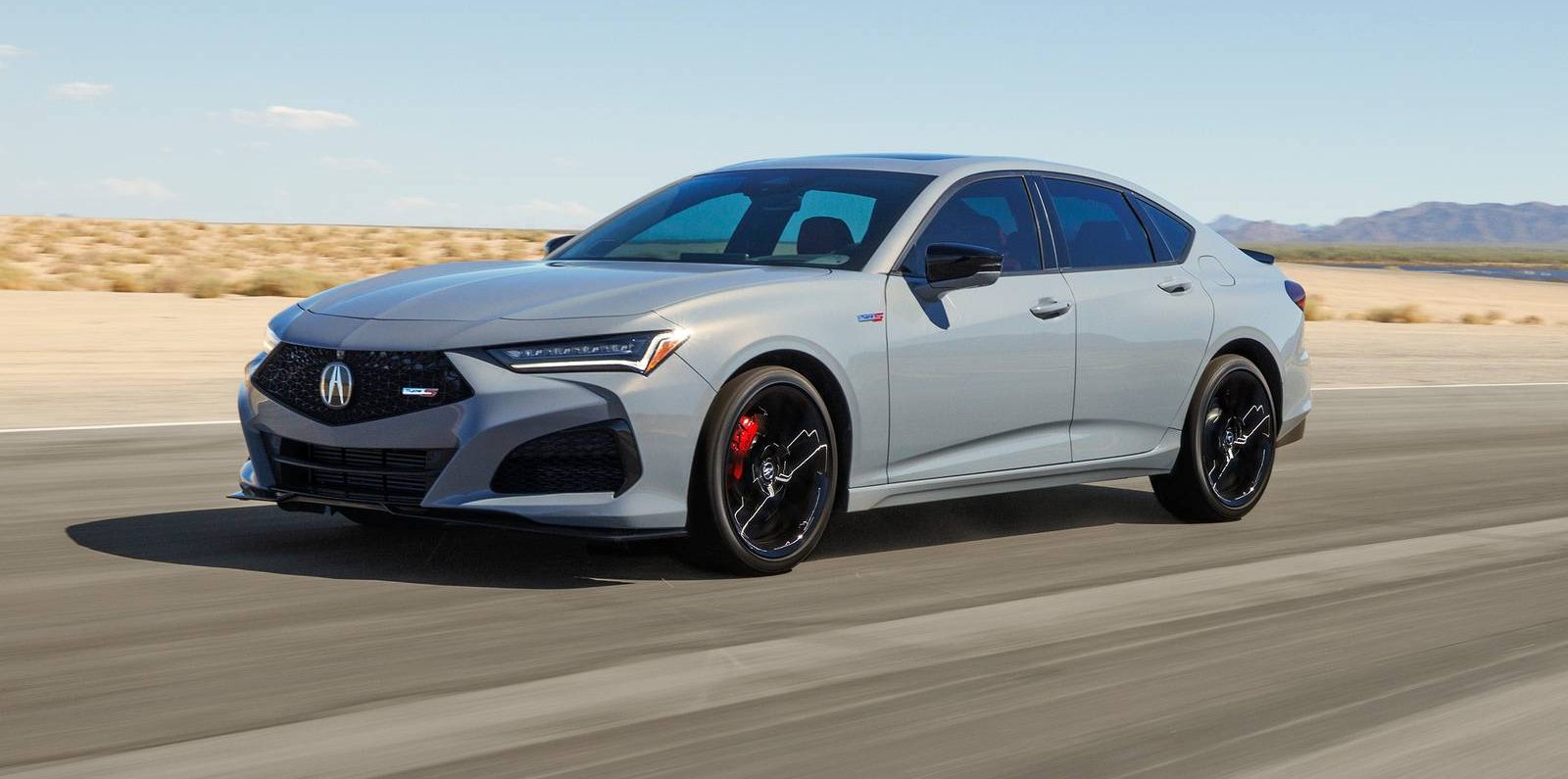
9. Acura TLX
10-Year Maintenance Cost: $7,832
- Engine: 2.0-liter Turbocharged Inline-4
- Horsepower: 272 hp
- Torque: 280 lb-ft
- Size: 194.6″ L x 75.2″ W x 56.4″ H
Stepping up from the ILX brings a larger, more powerful sedan that still manages to keep long-term costs within reasonable territory. The Acura TLX uses a 2.0-litre turbocharged four-cylinder engine producing 272 horsepower and 280 lb-ft of torque, a meaningful jump in output compared to its smaller ILX sibling.
Dimensions measure 194.6 inches long, 75.2 inches wide, and 56.4 inches tall, placing the TLX firmly in the midsize luxury sedan category, competing directly against vehicles from BMW, Mercedes-Benz, and Audi that typically carry considerably higher maintenance projections over a decade of ownership.
Ten-year maintenance costs land at $7,832, a figure that reflects the added complication of a larger turbocharged engine and more sophisticated all-wheel-drive systems available on higher trims. Despite this increase compared to the smaller ILX, the TLX remains competitively priced when measured against its direct European rivals.
Acura has built a reputation over multiple decades for producing sedans with strong reliability records, and the TLX continues that pattern despite embracing more aggressive turbocharged performance than earlier Acura sedans once offered. Buyers get a genuinely engaging driving experience without inheriting the repair bills that often accompany similarly powerful sedans from pricier European brands.
Routine maintenance costs remain reasonable throughout most of the vehicle’s life, with the turbocharged engine requiring slightly more frequent oil changes using higher-grade synthetic oil compared to naturally aspirated alternatives, a modest added expense that still pales in comparison to what many rival luxury sedans demand once their warranty periods expire.
For buyers wanting genuine performance credentials alongside a maintenance bill that won’t spiral out of control, the TLX represents a strong middle ground between the ultra-affordable Lexus lineup and the considerably pricier German competition occupying similar performance territory.
Also Read: 8 Forbidden JDM Cars Americans Can Finally Import This Year
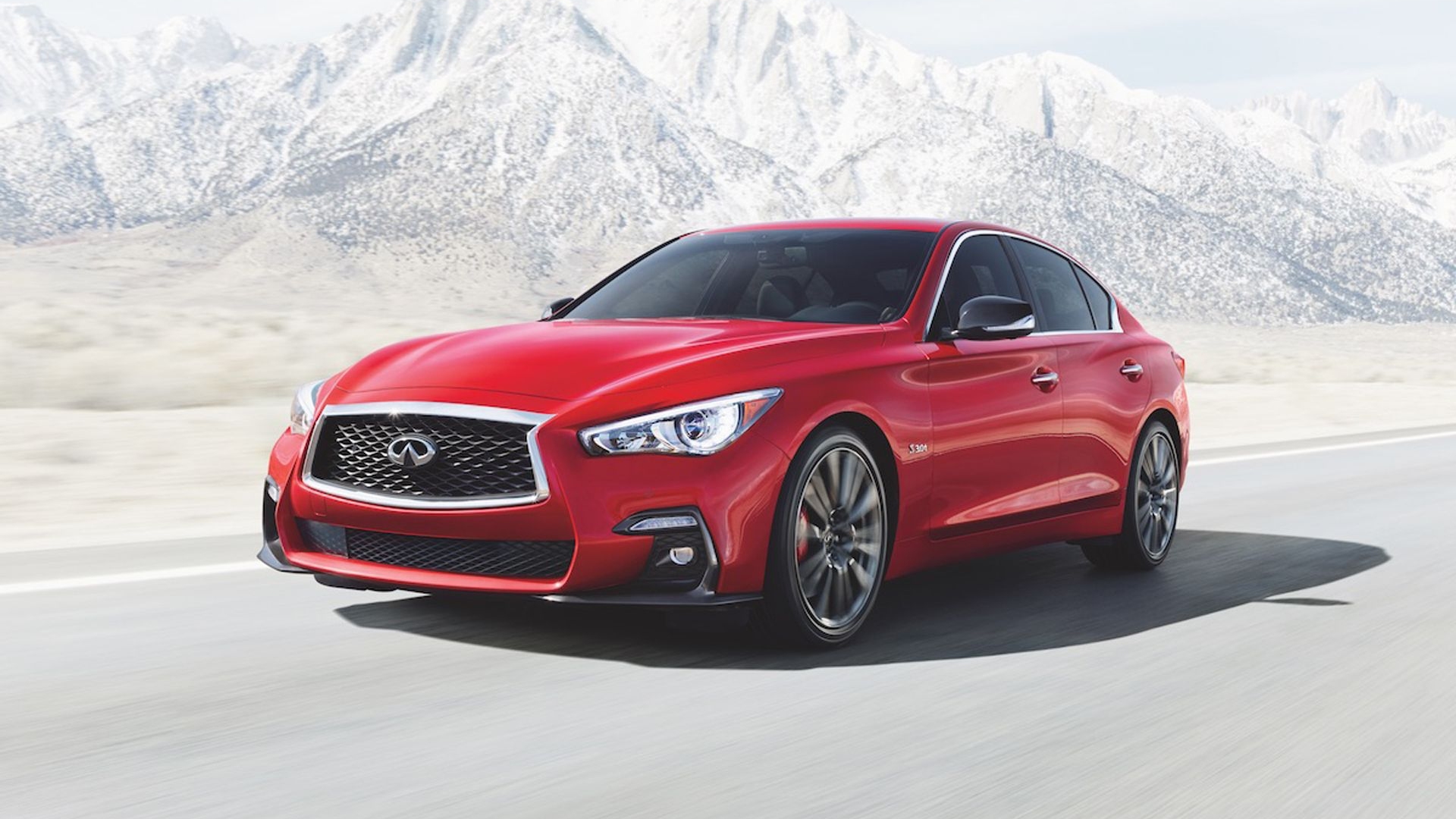
10. Infiniti Q50
10-Year Maintenance Cost: $8,124
- Engine: 3.0-liter Twin-Turbo V6
- Horsepower: 300 hp
- Torque: 295 lb-ft
- Size: 189.6″ L x 71.8″ W x 57.2″ H
Closing this list is a luxury sedan that combines sporty looks with impressive performance. The Infiniti Q50 is powered by a 3.0-litre twin-turbocharged V6 engine producing 300 horsepower and 295 lb-ft of torque. Those figures place it among the strongest performers featured here, making it a solid choice for drivers who enjoy quick acceleration without giving up everyday comfort.
With a length of 189.6 inches, a width of 71.8 inches, and a height of 57.2 inches, the Q50 delivers a balanced size that feels practical for daily driving while still offering a confident road presence. It appeals to buyers who want an engaging driving experience without moving into a much larger and heavier luxury sedan.
Looking at ownership costs, the Q50 records an estimated ten-year maintenance bill of $8,124. That is the highest amount among the vehicles discussed, yet it remains lower than what many German performance sedans usually require during the same period. Its twin-turbocharged V6 engine contains more moving parts than naturally aspirated engines or smaller turbocharged four-cylinder units, which helps explain the added servicing costs.
Behind the Infiniti badge is Nissan’s engineering experience, providing the Q50 with a dependable mechanical foundation despite its stronger performance focus. Owners should expect maintenance expenses to rise as mileage increases, especially when the turbocharging system begins to require extra attention.
Even so, the Q50 still offers a sensible balance between exciting performance and long-term ownership costs, making it an attractive option for drivers seeking luxury without excessive maintenance expenses.
