
Powerful SUVs designed for high-performance driving or demanding off-road adventures are rarely built with fuel economy as a priority. Although many manufacturers have made steady improvements in efficiency across their vehicle ranges, a few large SUVs still consume fuel at a much higher rate than most drivers would like.
Their powerful engines and heavy construction make frequent trips to the gas station almost unavoidable. Several factors contribute to their poor real-world mileage. Large-displacement engines or high-output turbocharged powertrains require plenty of fuel to produce impressive horsepower and torque.
Heavy curb weights, permanent four-wheel-drive systems, oversized off-road tires, and tall, box-shaped bodies all add extra strain on the engine. Every time these SUVs accelerate or maintain highway speeds, they demand far more energy than lighter, more aerodynamic vehicles.
City driving makes the situation even worse. Constant stop-and-go traffic forces these heavy machines to repeatedly move thousands of pounds from a standstill, causing fuel consumption to rise quickly. Drivers who enjoy brisk acceleration can expect fuel economy to drop even further, especially in performance-focused models that are engineered for speed rather than efficiency.
EPA estimates and owner-reported fuel economy figures paint a similar picture. While these SUVs excel in towing, luxury, or off-road capability, they consistently rank among the least fuel-efficient models available today. The following eight vehicles stand out for their exceptionally high real-world fuel consumption, proving that impressive performance and rugged capability often come with a substantial cost at the fuel pump.
1. Jeep Wrangler Rubicon 392
Real-World Fuel Economy: About 11 to 13 MPG, dropping to around 9 MPG in heavy traffic
- Engine: 6.4L Naturally Aspirated HEMI V8
- Horsepower: 470 hp
- Torque: 470 lb-ft
- Size: 188.4 in Long x 73.8 in Wide
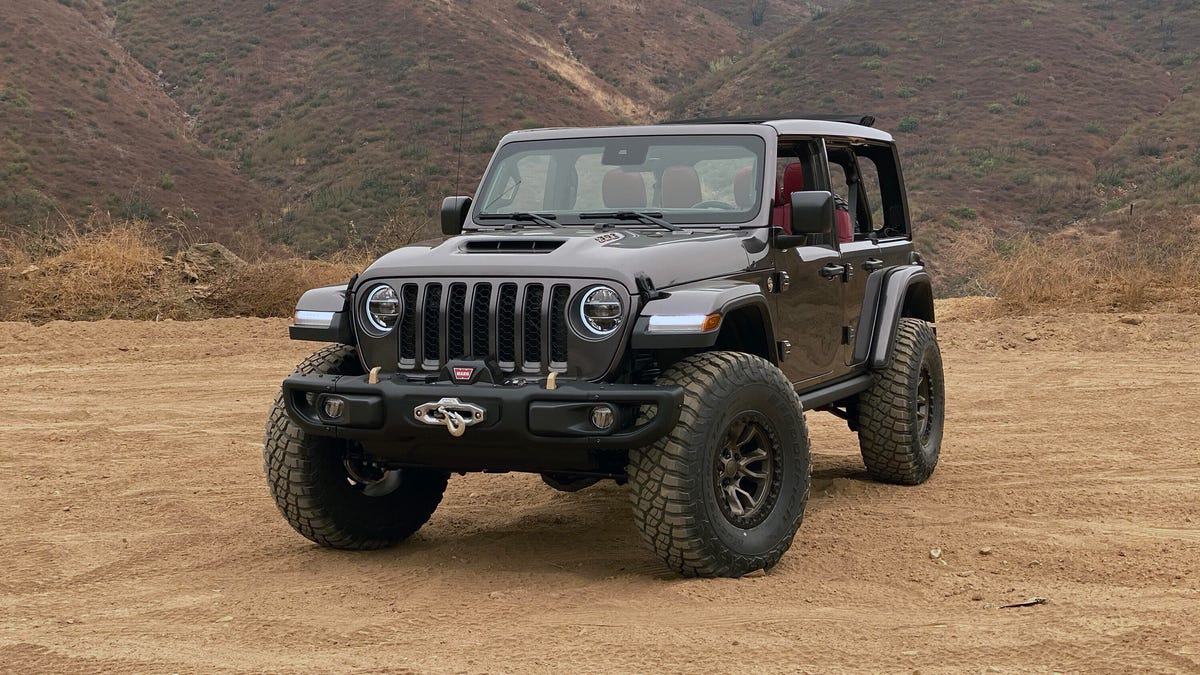
Few factory-built SUVs combine off-road capability and V8 muscle quite like the Jeep Wrangler Rubicon 392. Instead of relying on a smaller turbocharged engine, Jeep installed a 6.4-liter HEMI V8 that produces the same kind of performance expected from a modern muscle car. Press the accelerator and the Wrangler responds with impressive acceleration, but that excitement comes with an equally impressive appetite for fuel.
The Wrangler’s shape makes efficiency almost impossible to achieve. Its upright windshield, removable doors, exposed hinges, and nearly flat front end create plenty of aerodynamic resistance. Once highway speeds increase, the engine must constantly work harder to overcome the air pushing against the vehicle. That alone causes fuel consumption to rise quickly.
Large factory-installed 35-inch all-terrain tires add another challenge. Their extra weight and aggressive tread create more rolling resistance than standard highway tires, forcing the drivetrain to use additional power every time the vehicle moves. Add a full-time four-wheel-drive system and heavy-duty suspension components, and every mile demands more fuel than a typical SUV.
Drivers who spend most of their time in city traffic often report fuel economy dropping into single digits. Even conservative driving habits cannot fully overcome the Wrangler Rubicon 392’s powerful engine and rugged design. Buyers usually accept this tradeoff because the vehicle delivers exceptional off-road performance and unmistakable V8 character, but frequent fuel stops become part of daily ownership.
2. Cadillac Escalade-V
Real-World Fuel Economy: About 11 to 14 MPG, with figures dropping to roughly 8 MPG during spirited driving
- Engine: 6.2L Supercharged V8
- Horsepower: 682 hp
- Torque: 653 lb-ft
- Size: 211.9 to 227.0 in Long x 81.1 in Wide
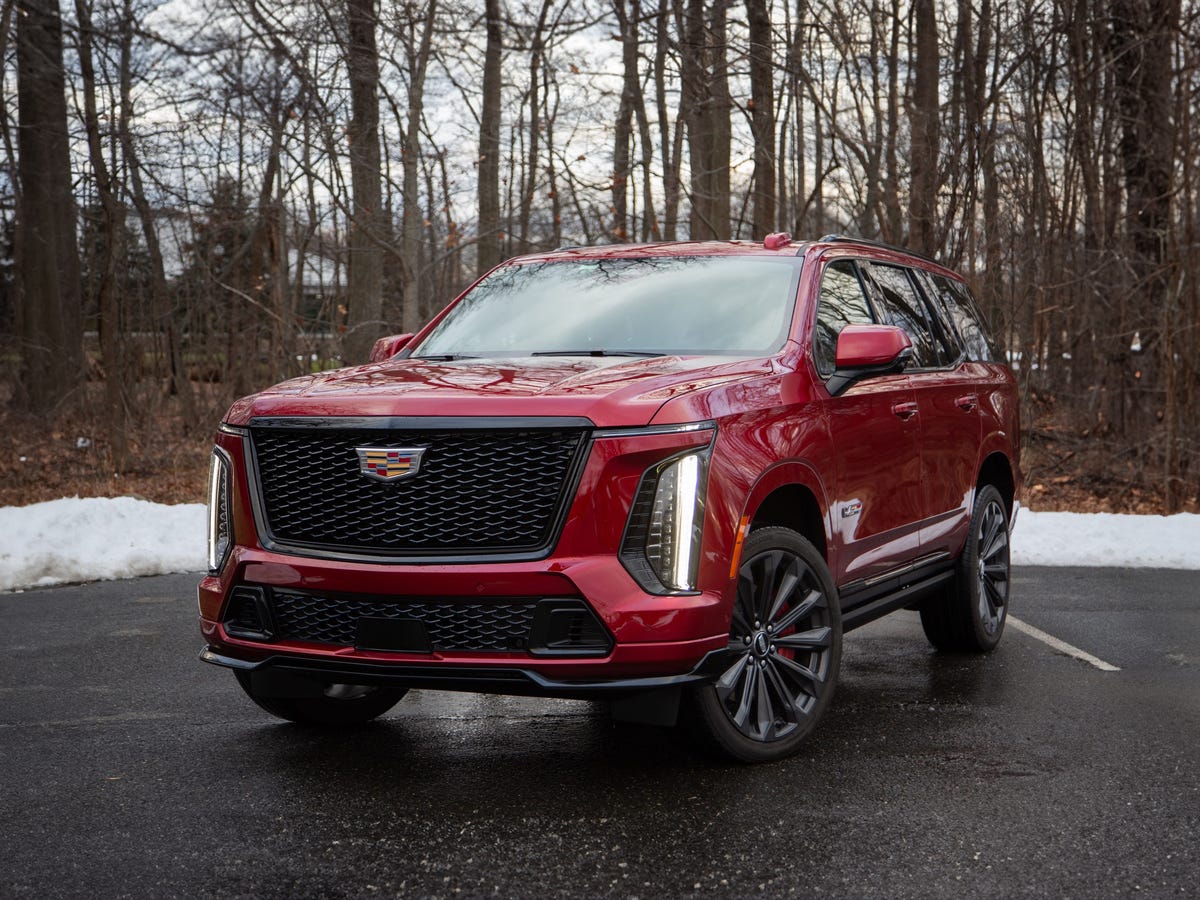
Few full-size luxury SUVs deliver the kind of performance found in the Cadillac Escalade-V. While most vehicles in this segment prioritize comfort and smooth cruising, the Escalade-V adds the power of a high-performance sports car to a spacious three-row cabin.
Under the hood is a supercharged 6.2-liter V8 that produces an incredible 682 horsepower, allowing this large SUV to accelerate with surprising speed despite its massive size. That level of performance, however, comes with one unavoidable tradeoff: exceptionally high fuel consumption.
The Escalade-V weighs well over 6,000 pounds, and moving that much mass requires a tremendous amount of energy. Every time the driver presses the accelerator, the engine delivers an enormous surge of power while the belt-driven supercharger forces additional air into the combustion chambers.
To match that increase in airflow, the engine burns more premium gasoline. Even moderate acceleration uses more fuel than many smaller SUVs consume under similar driving conditions. City driving places an even greater burden on efficiency. Traffic lights, stop-and-go congestion, and repeated acceleration force the engine to work continuously just to move the heavy SUV back to cruising speed.
While the Escalade-V can comfortably handle long highway drives, its powerful engine still consumes a generous amount of fuel, especially when quick passing or spirited acceleration is involved. Every fill-up also comes at a higher cost because the supercharged V8 requires premium gasoline for proper performance.
Buyers rarely choose the Escalade-V because they expect excellent fuel economy. Instead, they are drawn to its combination of luxury, advanced technology, spacious seating, and breathtaking acceleration. The cabin offers premium materials, a quiet ride, and a long list of comfort and safety features, making it one of the most refined high-performance SUVs available.
For many owners, the frequent trips to the gas station are simply part of the price of enjoying everything the Escalade-V has to offer. Anyone considering this SUV should budget for higher fuel costs, especially if daily commuting or spirited driving is part of their routine.
Also Read: 10 SUVs With Third Rows That Are Too Cramped for Adults
3. Ford Bronco Raptor
Real-World Fuel Economy: Around 14 to 15 MPG
- Engine: 3.0L Twin-Turbo EcoBoost V6
- Horsepower: 418 hp
- Torque: 440 lb-ft
- Size: 191.0 in Long x 85.7 in Wide
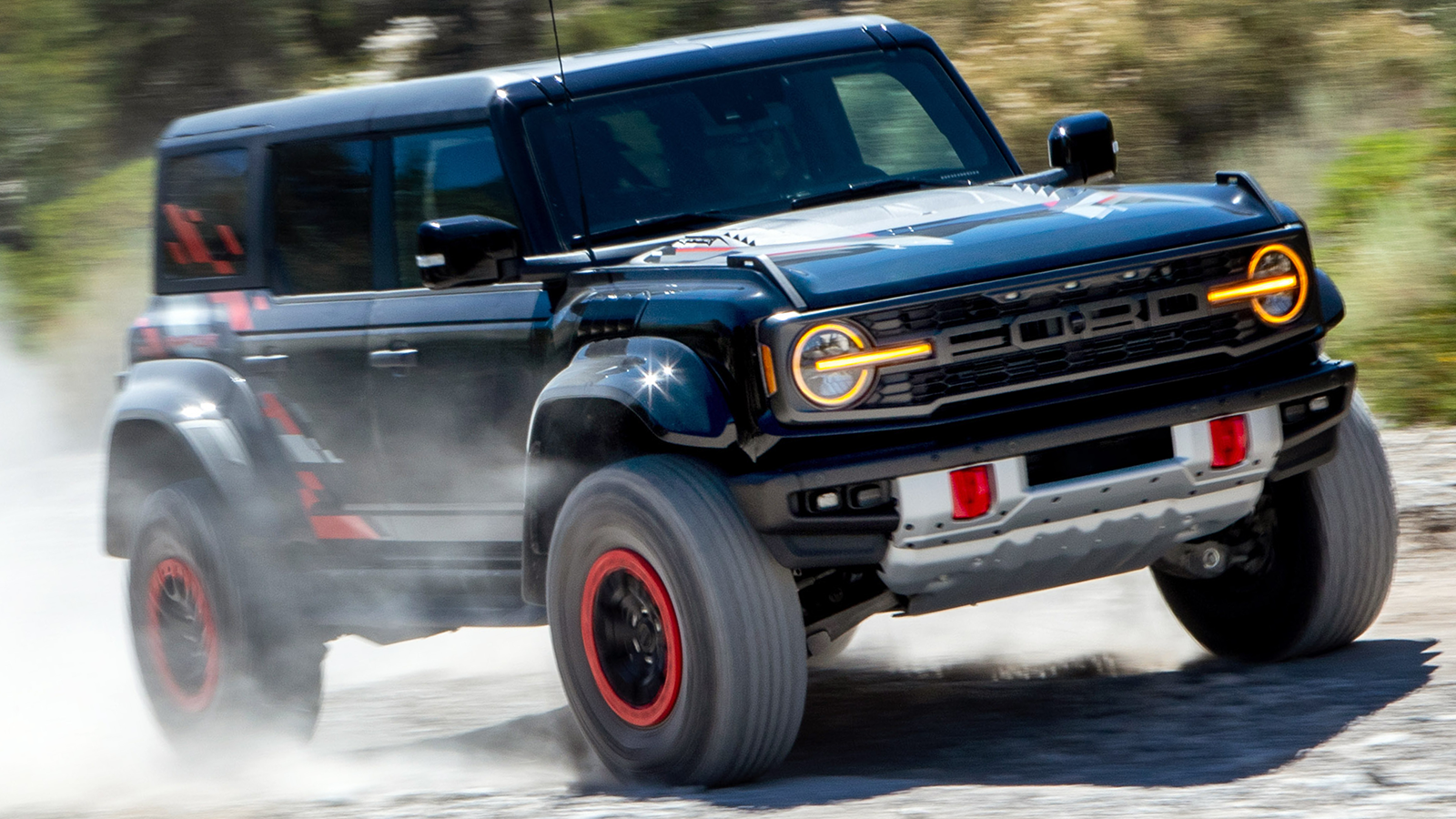
Ford may have replaced a traditional V8 with a twin-turbocharged V6 in the Bronco Raptor, but that change does little to improve real-world fuel economy. This SUV was built with serious off-road performance as its top priority, and many of its design features naturally increase fuel consumption instead of reducing it.
One of the biggest contributors is its rugged construction. The Bronco Raptor rides on an extra-wide track and uses heavy-duty suspension components designed to handle demanding trails. It also comes equipped with massive 37-inch mud-terrain tires and generous ground clearance.
While these features deliver excellent capability on rocks, sand, and uneven road, they also increase aerodynamic drag and rolling resistance. Air flowing beneath the vehicle and around the oversized wheel openings creates additional resistance that becomes more noticeable as highway speeds rise.
Power is supplied by a 3.0-liter twin-turbocharged EcoBoost V6 that delivers strong acceleration and plenty of torque. Even with a smaller engine than many high-performance SUVs, the Bronco Raptor still requires a considerable amount of fuel to move its heavy body and large off-road tires.
Highway fuel economy often ends up close to city mileage because wind resistance steadily increases as speed climbs, limiting any efficiency gains that usually come with long-distance cruising. Drivers who spend weekends tackling rough trails will appreciate everything the Bronco Raptor has to offer.
Its suspension, traction systems, and durable construction allow it to conquer terrain that would stop many other SUVs. Fuel economy, however, remains one of its weakest points. Anyone considering this SUV should expect frequent stops at the gas station, as its focus has always been performance and off-road capability rather than maximizing miles per gallon.
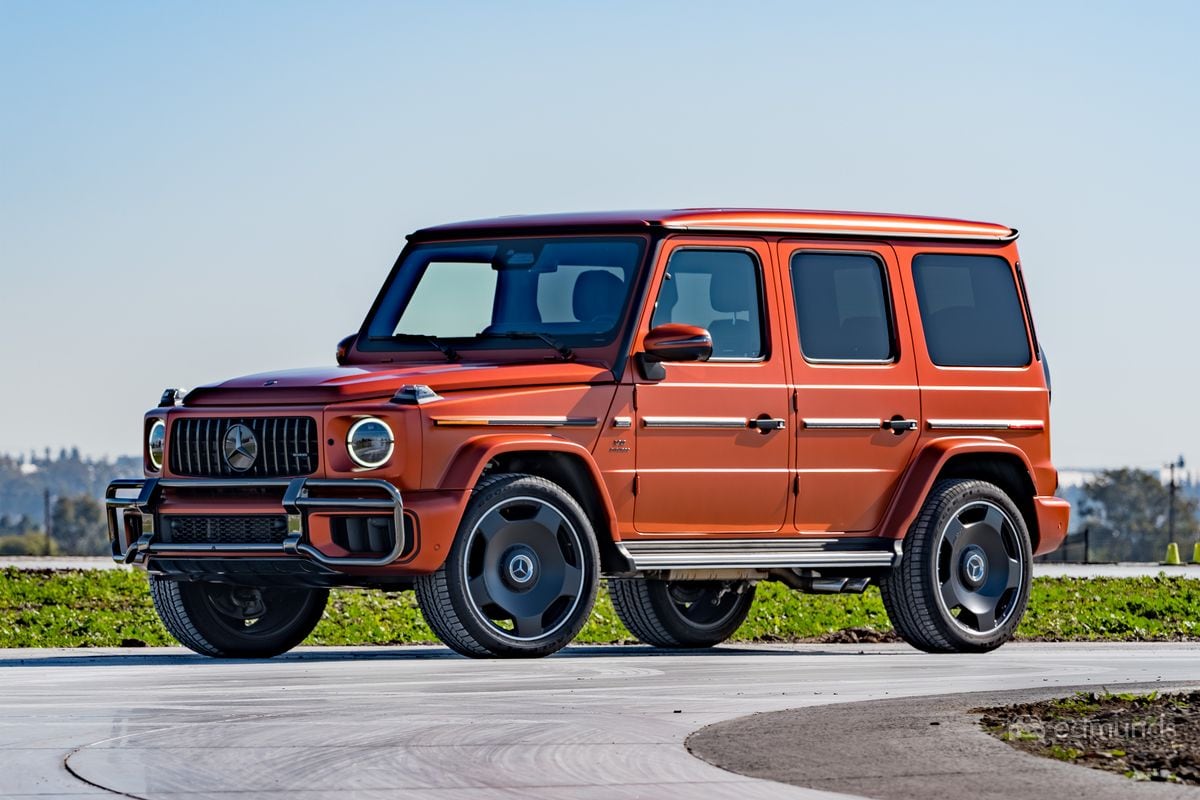
4. Mercedes-AMG G63
Real-World Fuel Economy: Around 12 to 14 MPG
- Engine: 4.0L Twin-Turbo V8
- Horsepower: 577 hp
- Torque: 627 lb-ft
- Size: 191.9 in Long x 78.1 in Wide
The Mercedes-AMG G63 has built its reputation by combining premium luxury with exceptional performance in a design that has changed very little through the years. Its boxy exterior, inspired by the original military G-Class, remains one of the most recognizable SUV designs on the road. While that timeless shape gives the G63 its unmistakable identity, it also plays a major role in its poor fuel economy.
Under the hood sits a handcrafted 4.0-liter twin-turbocharged V8 that produces 577 horsepower and 627 lb-ft of torque. The engine delivers remarkable acceleration for an SUV of this size, allowing the G63 to sprint with surprising ease. Every hard press of the accelerator, however, comes at the cost of increased fuel consumption, especially during city driving where frequent stops demand repeated bursts of power.
Its tall profile and flat body panels create plenty of aerodynamic drag once speeds begin to climb. The upright windshield and squared-off shape force the engine to work harder to push the vehicle through the air than many modern SUVs with smoother, more streamlined designs.
Mercedes includes fuel-saving technology such as cylinder deactivation, but those systems can only do so much against the vehicle’s weight and traditional styling. Heavy traffic places an even greater burden on fuel economy. Every stoplight requires the twin-turbo V8 to move a large luxury SUV back up to speed, quickly increasing fuel use throughout the day.
Buyers typically choose the G63 for its commanding road presence, luxurious cabin, and outstanding performance rather than its efficiency. Anyone planning to own one should be prepared for regular visits to the gas station and the added expense of filling the tank with premium gasoline.
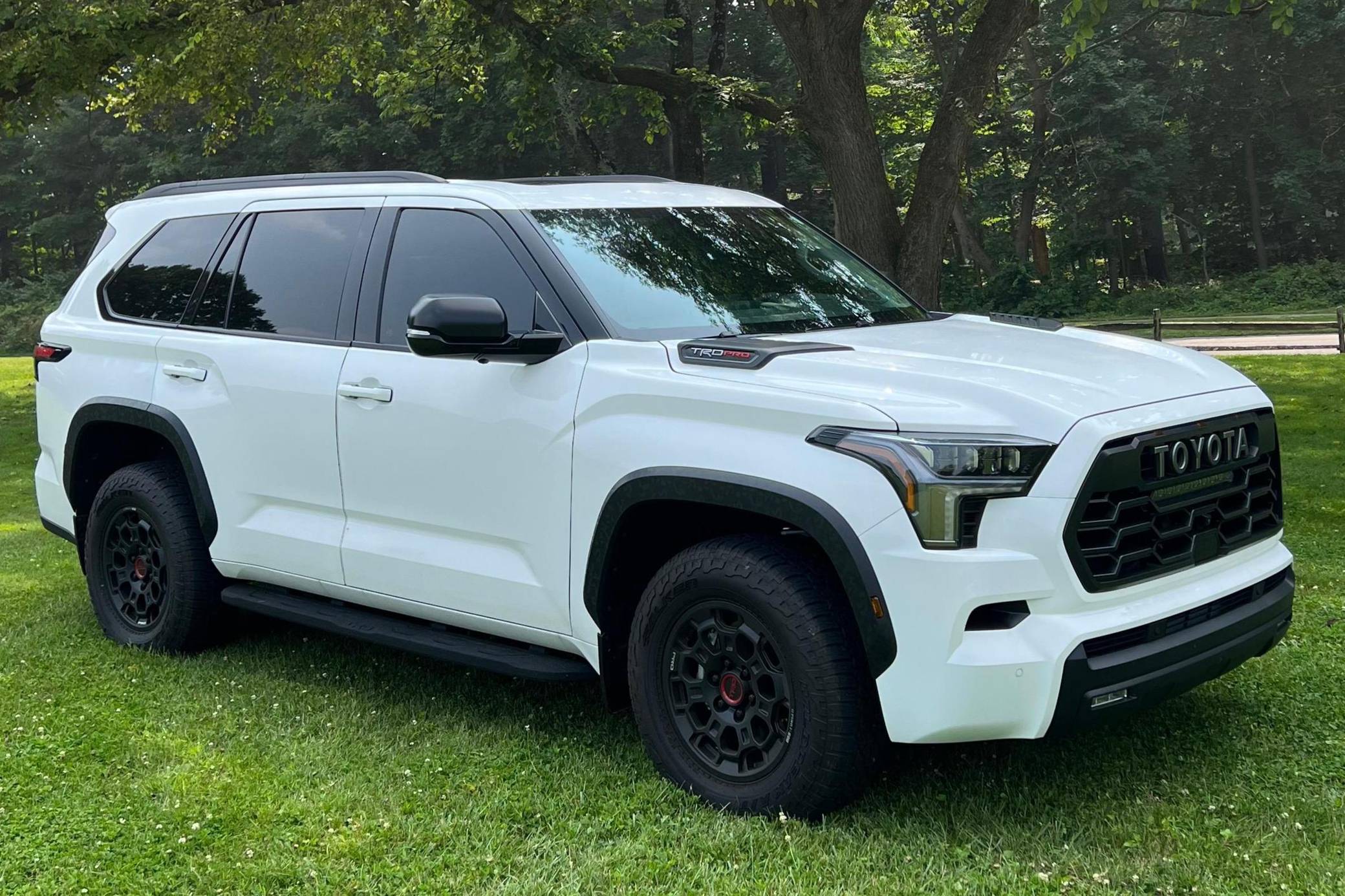
5. Toyota Sequoia TRD Pro
Real-World Fuel Economy: About 16 to 18 MPG
- Engine: 3.4L Twin-Turbo V6 i-FORCE MAX Hybrid
- Horsepower: 437 hp
- Torque: 583 lb-ft
- Size: 208.1 in Long x 79.8 in Wide
Toyota equipped the Sequoia TRD Pro with its advanced i-FORCE MAX hybrid powertrain to improve efficiency without sacrificing towing ability or off-road performance. The combination of a twin-turbocharged 3.4-liter V6 and an electric motor delivers impressive power and strong low-end torque, making this full-size SUV capable of hauling trailers and tackling rough terrain with confidence. Even with hybrid technology, though, real-world fuel economy often falls short of expectations.
A large part of the challenge comes from the Sequoia’s sheer size and weight. Tipping the scales at more than 6,000 pounds, the SUV requires a great deal of energy to accelerate from a stop. The electric motor helps during initial acceleration, but its relatively small battery cannot provide assistance for long periods. Once that extra boost fades, the gasoline engine takes over and does most of the work.
The TRD Pro trim adds features that further reduce efficiency. Heavy-duty suspension components, all-terrain tires, skid plates, and an aggressive ride height increase rolling resistance and aerodynamic drag. These upgrades improve trail capability, yet they also demand additional fuel during everyday driving and long highway trips.
Drivers hoping the hybrid badge will produce fuel economy similar to smaller crossover hybrids may come away disappointed. The Sequoia TRD Pro offers excellent performance, impressive towing capacity, and dependable off-road ability, but physics still plays a major role.
Moving a vehicle of this size requires plenty of energy regardless of the technology under the hood. Buyers choosing the TRD Pro usually value capability above fuel savings, making its higher fuel consumption an accepted part of ownership.
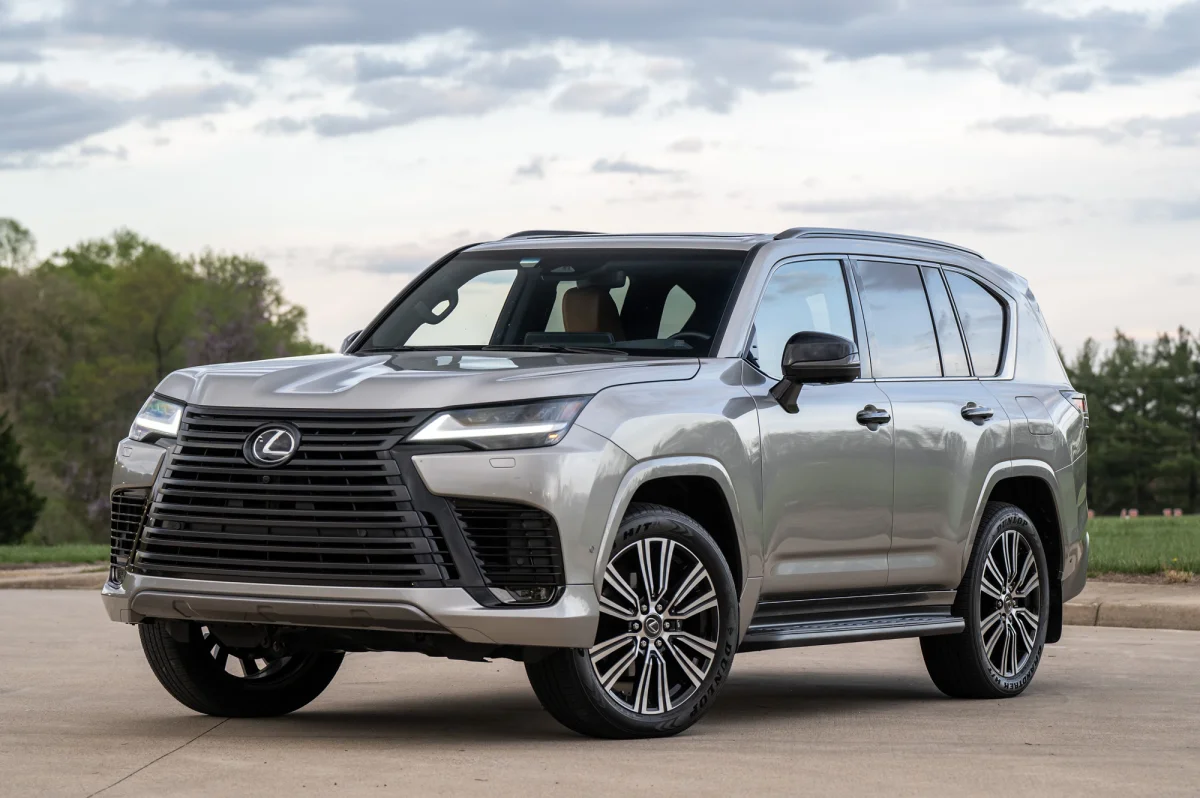
6. Lexus LX 600
Real-World Fuel Economy: About 15 to 19 MPG
- Engine: 3.4L Twin-Turbo V6
- Horsepower: 409 hp
- Torque: 479 lb-ft
- Size: 200.5 in Long x 78.3 in Wide
The Lexus LX 600 delivers luxury, durability, and off-road capability in one premium package. Built on the same rugged platform as the Toyota Land Cruiser, it replaces the previous naturally aspirated V8 with a more modern twin-turbocharged V6. The newer engine improves performance while offering slightly better efficiency, yet real-world fuel economy still remains relatively low for daily driving.
Permanent four-wheel drive contributes heavily to its fuel consumption. Unlike systems that disconnect certain drivetrain components when extra traction is unnecessary, the LX 600 keeps power flowing through all four wheels at all times. This arrangement improves stability and off-road confidence, though it also creates constant mechanical resistance that requires additional engine power.
Weight is another factor. The SUV uses a durable body-on-frame construction designed to handle demanding conditions while providing a quiet and refined ride. That sturdy structure adds mass, making every acceleration require more fuel. City driving becomes especially demanding because repeated stops force the engine to move the heavy vehicle back to speed again and again.
Luxury equipment also adds to the total weight. Premium seating, sound insulation, advanced technology, and upscale materials enhance comfort but increase the load the engine must carry. Buyers often choose the LX 600 because of its reputation for reliability, refinement, and long-term durability rather than fuel efficiency. It remains an outstanding luxury SUV capable of traveling almost anywhere, though frequent fuel stops are part of owning a vehicle built with strength and capability as top priorities.
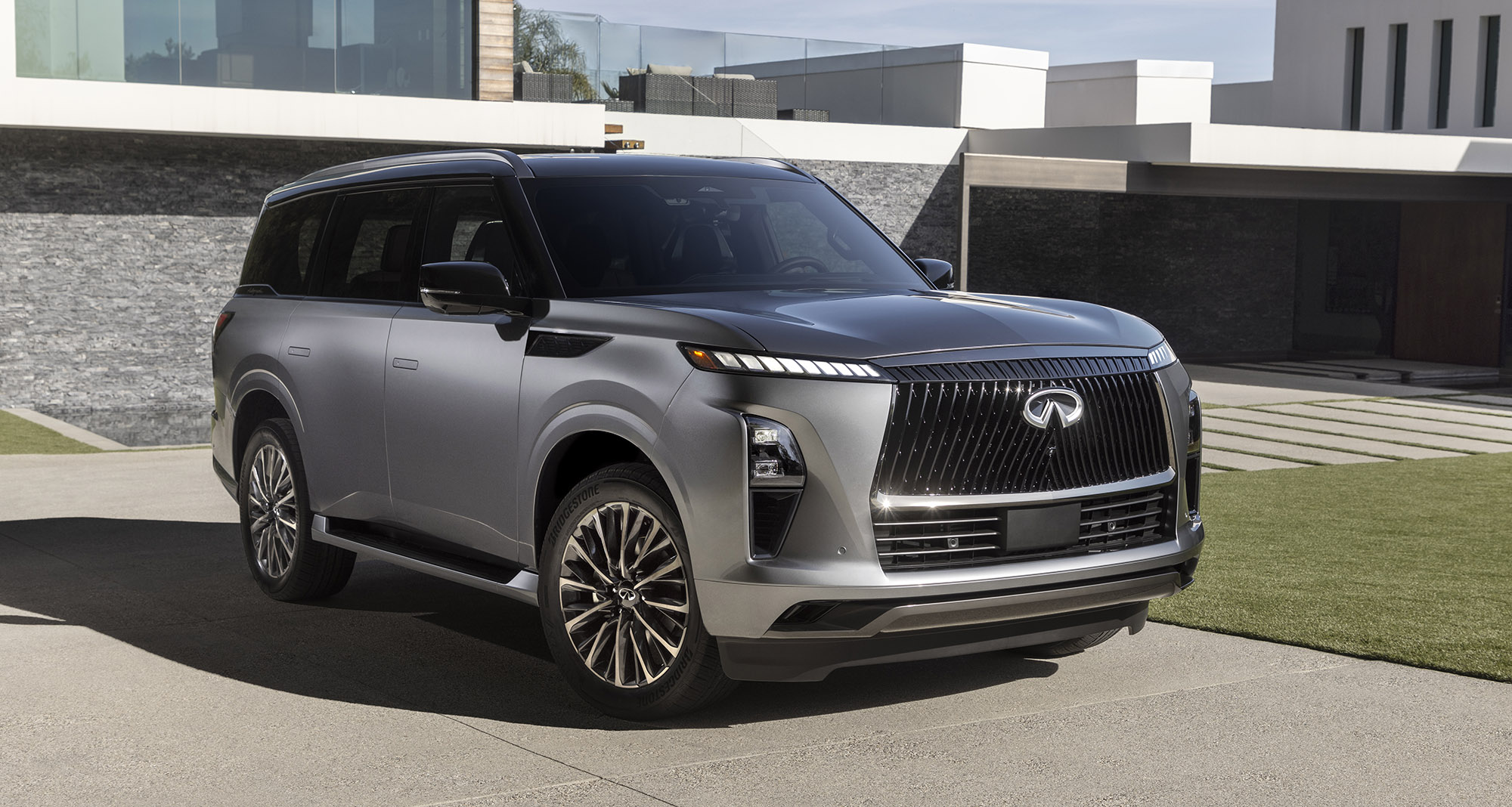
7. Infiniti QX80
Real-World Fuel Economy: About 15 to 18 MPG
- Engine: 3.5L Twin-Turbo V6 (Newer powertrain generation)
- Horsepower: 450 hp
- Torque: 516 lb-ft
- Size: 211.2 in Long x 79.9 in Wide
Infiniti gave the latest QX80 a completely updated powertrain by replacing its longtime V8 with a twin-turbocharged 3.5-liter V6. The new engine produces more horsepower and torque while delivering stronger acceleration across the rev range. Even with this improvement, fuel economy remains below what many buyers expect from a modern luxury SUV.
The QX80 is a large three-row vehicle designed to carry families in comfort while providing generous towing capability. Its long wheelbase, spacious cabin, and heavy construction create a substantial curb weight that demands plenty of power whenever the SUV accelerates. Turbochargers help deliver that power quickly, though generating boost also increases fuel consumption during everyday driving.
Premium gasoline is required to keep the engine operating at peak performance. Drivers who frequently travel in city traffic or make repeated short trips often notice fuel economy dropping well below EPA estimates. Highway cruising offers some improvement, but the SUV’s size and weight continue to limit efficiency compared with smaller luxury crossovers.
Luxury features also contribute to its appetite for fuel. Multiple rows of seating, advanced safety systems, high-end audio equipment, and extensive sound insulation all add weight. Buyers who choose the QX80 usually prioritize comfort, interior space, and effortless performance rather than maximizing miles per gallon.
While the new engine represents a major improvement in refinement and power delivery, filling the tank with premium fuel remains a regular expense for long-term ownership.
Also Read: 10 New SUVs That Still Come With a Full-Size Spare Tire
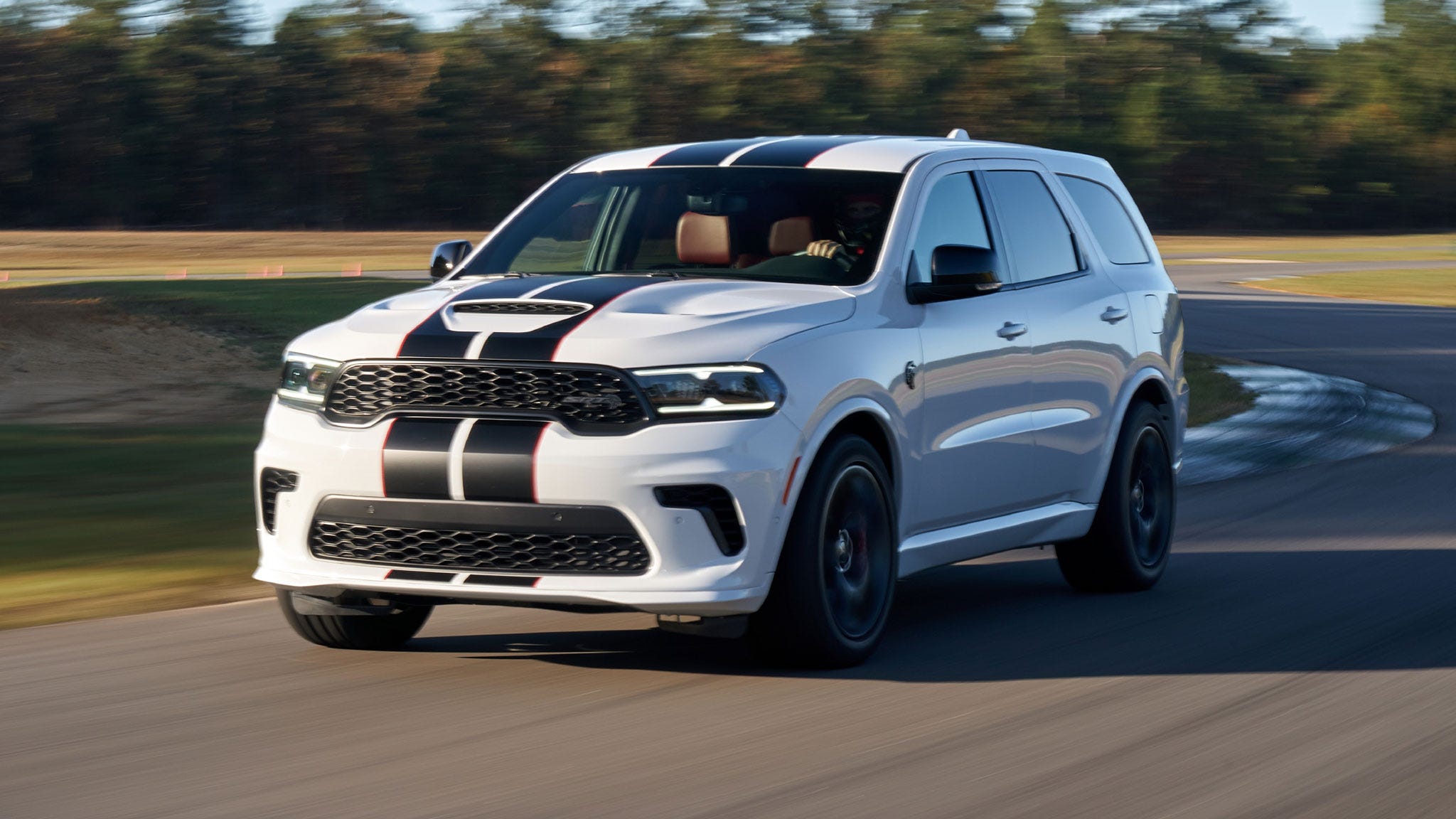
8. Dodge Durango SRT Hellcat
Real-World Fuel Economy: About 11 to 13 MPG, with single-digit figures during aggressive driving
- Engine: 6.2L Supercharged HEMI V8
- Horsepower: 710 hp
- Torque: 645 lb-ft
- Size: 201.0 in Long x 76.4 in Wide
The Dodge Durango SRT Hellcat stands apart from nearly every other family SUV by offering muscle-car performance in a three-row package. Its supercharged 6.2-liter HEMI V8 produces an astonishing 710 horsepower, allowing the Durango to accelerate with remarkable speed despite its size. Such extraordinary performance comes at a heavy cost every time the driver visits the gas station.
The engine relies on a large supercharger that continuously forces additional air into the combustion chambers. To match that extra airflow, the fuel system delivers substantial amounts of gasoline, especially during hard acceleration. Even moderate throttle inputs can increase fuel consumption because the engine is always prepared to produce massive power.
An all-wheel-drive system helps transfer all 710 horsepower to the pavement, improving traction during launches and poor weather conditions. That extra drivetrain hardware also increases weight and creates additional mechanical resistance, reducing efficiency during normal driving. Combined with the SUV’s size, these factors make excellent fuel economy nearly impossible to achieve.
Drivers who take advantage of the Hellcat’s incredible acceleration often see fuel economy fall into the single digits. Even gentle driving rarely produces impressive mileage because the powerful V8 naturally consumes large amounts of fuel. Buyers rarely purchase the Durango SRT Hellcat expecting efficiency.
Instead, they value its unique combination of family practicality, thunderous performance, and unmistakable supercharged character, fully aware that frequent refueling is simply part of owning one of the most powerful SUVs ever built.
