
Engine sharing has become one of the automotive industry’s most effective ways to reduce development costs while allowing manufacturers to benefit from proven engineering.
Although Mazda is often recognized for its Skyactiv technology, rotary engines, and lightweight sports cars, the Japanese automaker has also supplied engines to several vehicles wearing completely different badges.
Through strategic partnerships, joint ventures, and long-standing relationships with companies such as Ford and Mazda, powerplants have found their way into pickups, SUVs, compact cars, and even specialty vehicles sold around the world.
Mazda engines have earned a reputation for combining reliability, responsive performance, and efficient design. Whether naturally aspirated or turbocharged, these engines are known for smooth operation and durable construction.
During the years when Ford held a significant ownership stake in Mazda, engineering cooperation became particularly extensive. Numerous Ford products adopted Mazda-designed four-cylinder engines, while Mazda also benefited from access to Ford platforms and technologies.
These collaborations created vehicles that many buyers never realized shared their mechanical foundations with Mazda models.
Some of these non-Mazda vehicles retained the engines almost unchanged, while others received revised tuning to better match their intended purpose. Regardless of the application, Mazda’s engineering played a major role in shaping its performance and reliability.
The following vehicles all used engines designed or developed by Mazda. Their stories demonstrate how a well-engineered power plant can successfully serve multiple manufacturers while maintaining the qualities that made it successful in the first place.
Also Read: 10 Tools To Fix Scratches On Cars
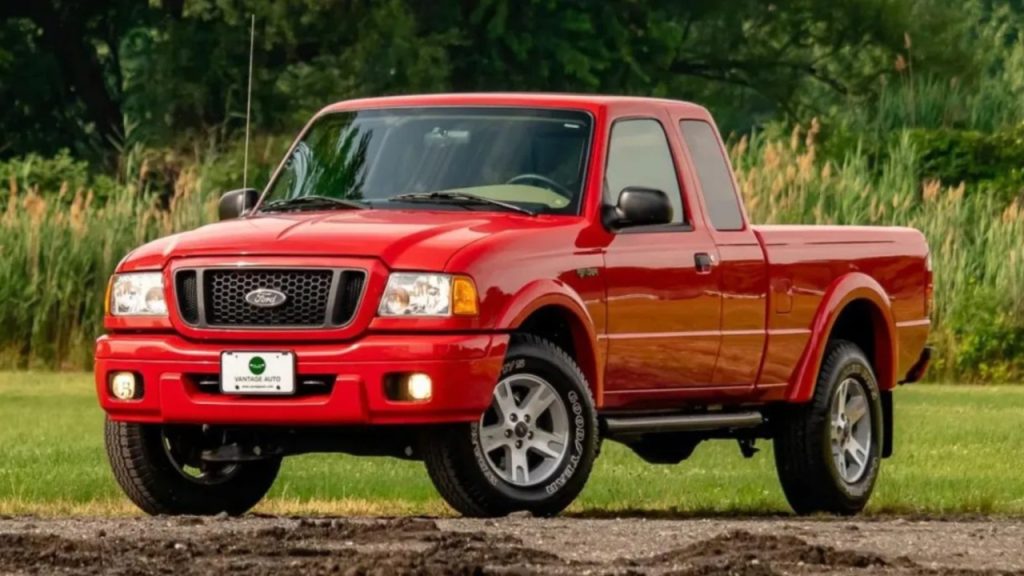
1. Ford Ranger (1998-2011 Global Model)
The Ford Ranger sold in many international markets during the late 1990s and 2000s owed much of its engineering to Mazda. Built alongside the Mazda B-Series pickup, the Ranger shared platforms, chassis components, and several Mazda-developed engines.
Among the most widely used were Mazda’s MZR four-cylinder gasoline engines, which provided an excellent balance of durability, fuel efficiency, and everyday usability.
Instead of creating an entirely separate powertrain for the Ranger, Ford relied on Mazda’s proven engine technology, allowing both companies to benefit from shared development costs and established reliability.
Mazda’s engineering philosophy emphasized simple yet robust construction, making these engines particularly well-suited to pickup truck duty. Whether used by small business owners or private drivers, the engines delivered dependable performance with relatively low maintenance requirements.
Their aluminum construction helped reduce weight, while modern fuel injection systems improved both drivability and fuel economy compared with older designs. Drivers appreciated the engine’s willingness to rev without sacrificing the low-speed flexibility expected from a compact pickup.
The collaboration also demonstrated the close relationship between Ford and Mazda during that era. Although the Ranger carried Ford branding inside and out, much of its mechanical character reflected Mazda engineering.
Many owners accumulated hundreds of thousands of miles with only routine servicing, strengthening the reputation of both the truck and its engine.
Even today, these Rangers remain popular in used markets because the Mazda-designed powerplants have proven themselves capable of delivering dependable service long after many competitors have retired from daily use.
Specifications
- Engine: 2.3-liter Mazda MZR Inline-4
- Torque: 154 lb-ft
- Horsepower: 143 hp
- Length/Width: 197.8 in / 69.4 in
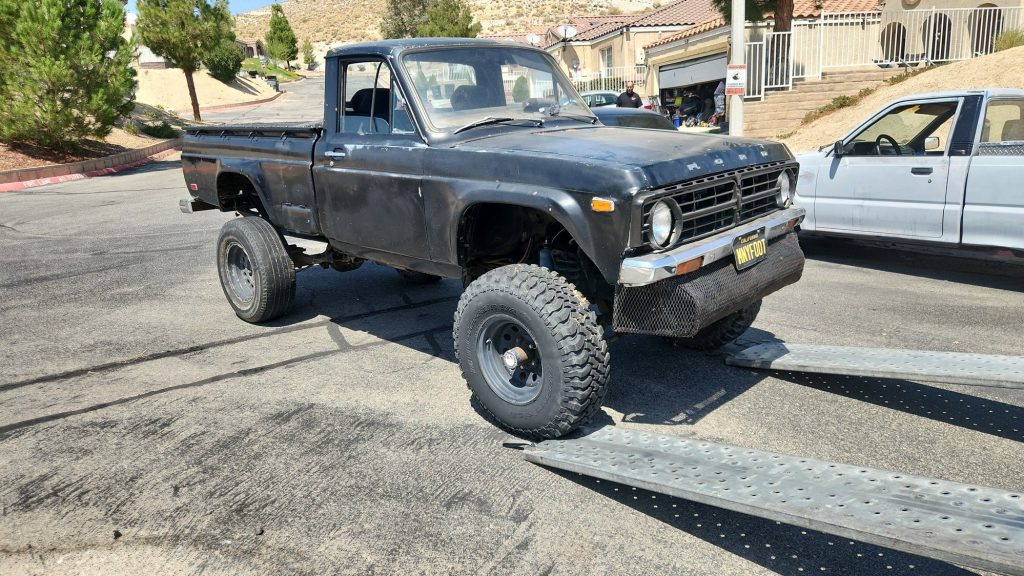
2. Ford Courier
Before the Ranger became Ford’s primary compact pickup in many regions, the Ford Courier had already established a long history of sharing engineering with Mazda.
In fact, several generations of the Courier were essentially rebadged Mazda B-Series trucks built using Mazda platforms and powered by Mazda-designed engines.
This arrangement allowed Ford to compete in the growing compact truck segment without investing in a completely new vehicle. Buyers received the familiar Ford badge, but beneath the sheet metal was proven Japanese engineering that emphasized practicality and durability.
Mazda supplied a variety of gasoline and diesel engines depending on the market. These engines were known for straightforward mechanical designs that made maintenance relatively simple while providing dependable performance for commercial users and everyday drivers alike.
Their ability to withstand heavy workloads helped make the Courier popular with tradespeople, farmers, and small businesses. Smooth power delivery and respectable fuel economy further enhanced the truck’s reputation, particularly in markets where reliability was valued above outright performance.
The Ford Courier became one of the clearest examples of successful international cooperation between two manufacturers. Although it carried Ford branding, its mechanical identity was unmistakably Mazda.
The partnership benefited both companies by expanding production volumes and giving customers access to dependable vehicles without unnecessary engineering duplication.
Decades later, surviving Couriers continue to demonstrate the longevity of Mazda’s engine designs, reminding enthusiasts that some of Ford’s most reliable compact pickups were powered by engines developed in Hiroshima.
Specifications
- Engine: 2.2-liter Mazda F2 Inline-4
- Torque: 118 lb-ft
- Horsepower: 110 hp
- Length/Width: 174.8 in / 66.7 in
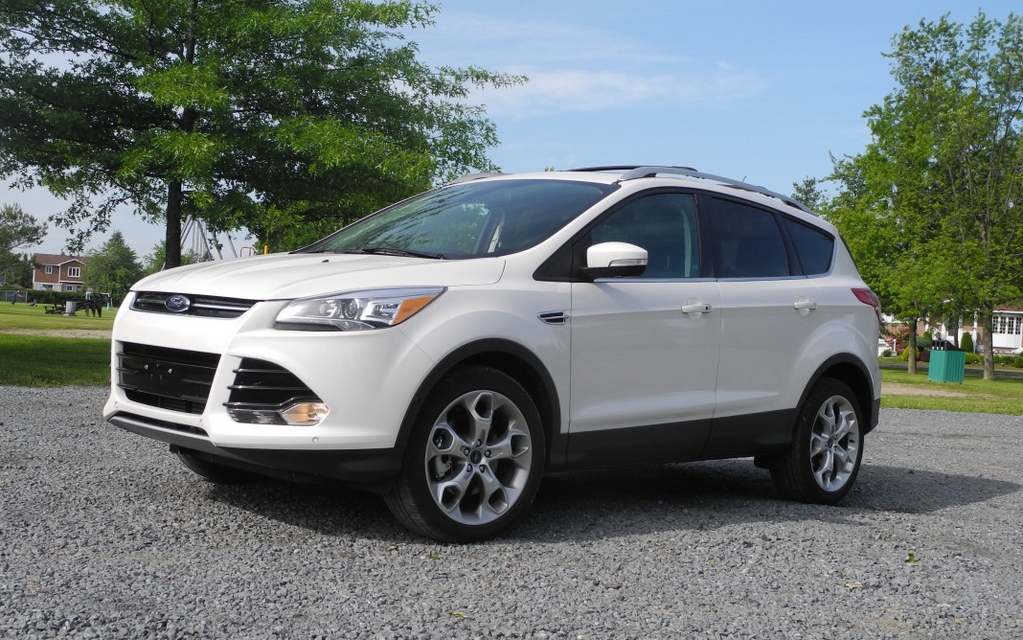
3. Ford Escape (First Generation)
When the first-generation Ford Escape debuted, it quickly became one of the most popular compact SUVs in North America. Much of its appeal came from the engineering collaboration between Ford and Mazda.
The Escape shared its platform with the Mazda Tribute, and several versions were equipped with Mazda’s MZR four-cylinder engine. This modern aluminum powerplant delivered a combination of fuel efficiency, smooth performance, and long-term reliability that suited the growing compact SUV segment perfectly.
Unlike larger SUVs that relied on thirsty V6 engines, the Mazda-designed four-cylinder gave the Escape a lighter front end and more balanced driving dynamics.
The dual overhead cam design, electronic fuel injection, and variable valve timing helped the engine produce responsive acceleration while maintaining respectable fuel economy.
It was equally comfortable in city traffic, on highway commutes, or during light recreational use. Owners frequently praised its ability to operate reliably well beyond 200,000 miles with routine maintenance.
The partnership also allowed Ford to shorten development time while benefiting from Mazda’s expertise in compact engine design.
Rather than creating a completely new engine from scratch, Ford incorporated a proven Mazda powerplant that had already demonstrated its dependability in several applications. Mechanics appreciated its relatively straightforward servicing requirements, while owners valued the low operating costs and consistent performance.
Even years after production ended, first-generation Escape models equipped with the Mazda engine remain popular in the used market because they combine practical utility with an engine that earned an excellent reputation for durability and everyday drivability.
Specifications
- Engine: 2.3-liter Mazda MZR Inline-4
- Torque: 152 lb-ft
- Horsepower: 153 hp
- Length/Width: 174.9 in / 70.1 in
4. Mercury Mariner
The Mercury Mariner may have worn premium styling compared with the Ford Escape, but beneath its refined exterior was much of the same proven engineering developed through Ford’s partnership with Mazda.
The compact SUV shared its platform with the Escape and Mazda Tribute, while entry-level versions received Mazda’s dependable MZR four-cylinder engine.
This arrangement allowed Mercury to offer buyers a comfortable, well-equipped crossover without sacrificing the mechanical reliability that had become one of Mazda’s greatest strengths.
Mazda engineered the MZR engine with lightweight construction, efficient combustion, and low maintenance requirements in mind. Those qualities translated well into the Mariner, providing smooth power delivery during everyday driving while keeping fuel consumption competitive for its class.
The engine responded predictably in urban traffic, accelerated confidently on highways, and remained refined throughout the rev range. It was not intended to be a high-performance engine, but it consistently delivered dependable service over many years of ownership.
The Mariner also demonstrated how successful engine sharing could benefit multiple brands within the same corporate family. Buyers received Mercury’s more upscale interior and styling while enjoying an engine already proven in millions of miles of real-world driving.
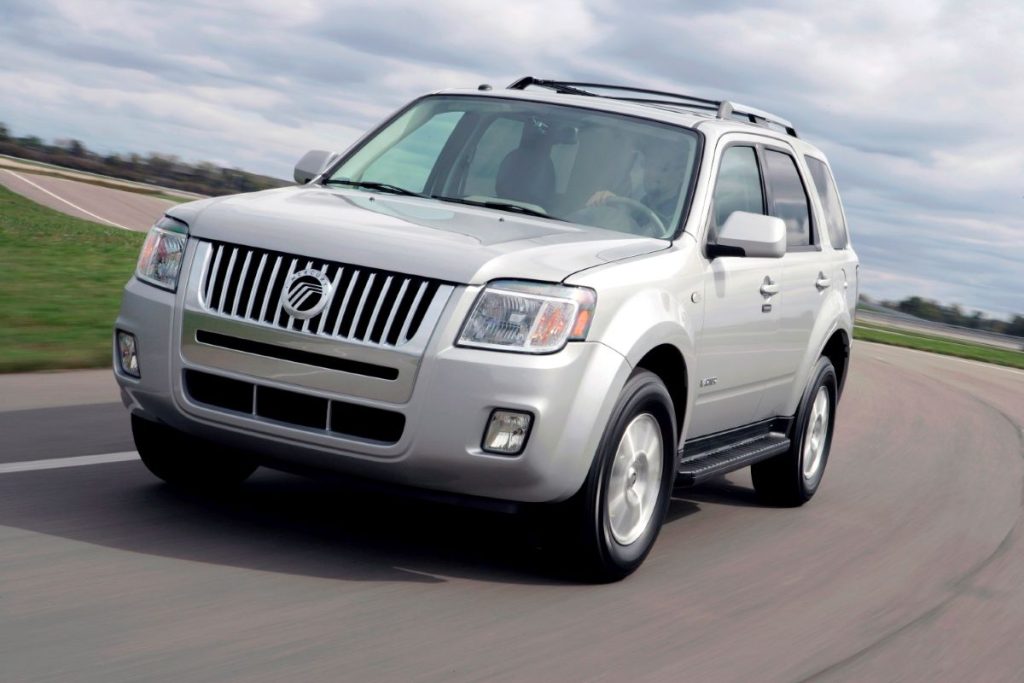
Routine maintenance was straightforward, replacement parts were widely available, and the engine developed a reputation for longevity when serviced properly.
Although the Mercury brand no longer exists, the Mariner remains a reminder of how Mazda’s engineering contributed significantly to several Ford Motor Company products during one of the most collaborative periods in the two manufacturers’ shared history.
Specifications
- Engine: 2.3-liter Mazda MZR Inline-4
- Torque: 152 lb-ft
- Horsepower: 153 hp
- Length/Width: 174.7 in / 70.1 in
5. Ford Fusion (2006-2012 Four-Cylinder Models)
The first-generation Ford Fusion entered the midsize sedan segment at a time when Ford and Mazda were sharing engineering resources extensively. Although the Fusion featured distinctive styling and its own suspension tuning, many four-cylinder versions relied on Mazda’s highly regarded 2.3-liter MZR engine.
This all-aluminum powerplant had already proven itself in several Mazda models, earning praise for its durability, smooth operation, and efficient fuel consumption. Bringing it into the Fusion gave Ford an immediate advantage by pairing a modern engine with a practical family sedan.
Rather than emphasizing outright performance, the MZR engine focused on delivering balanced characteristics suitable for everyday driving. It produced responsive acceleration in city traffic, remained composed during highway cruising, and required relatively little maintenance compared with many competitors of the era.
Drivers appreciated its willingness to rev smoothly, while mechanics often praised its straightforward design and dependable long-term reliability. With routine oil changes and scheduled servicing, many examples comfortably exceeded high mileage without major mechanical problems.
Ford’s decision to use a Mazda-developed engine also demonstrated the strength of the partnership between the two manufacturers. Instead of duplicating engineering efforts, both companies benefited from a proven design that reduced development costs while maintaining high-quality standards.
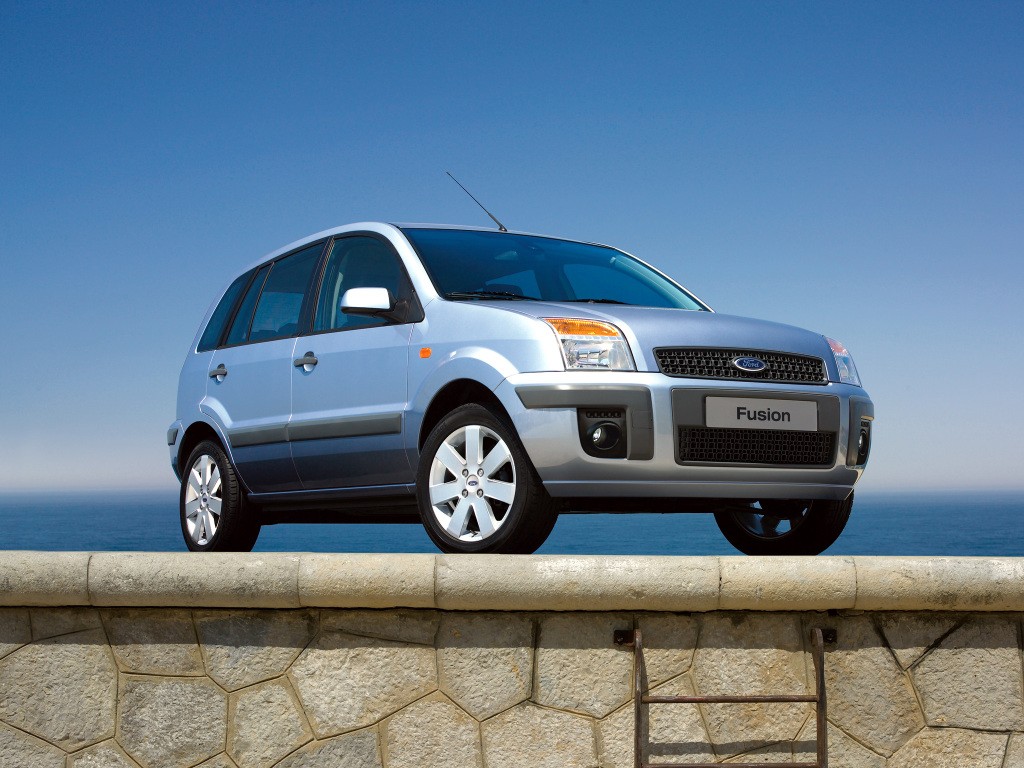
Even years after production ended, many early Fusion sedans continue serving as dependable daily transportation, thanks in large part to the robust Mazda powerplant beneath the hood. It remains one of the clearest examples of successful engine sharing, producing tangible benefits for both manufacturers and customers alike.
Specifications
- Engine: 2.3-liter Mazda MZR Inline-4
- Torque: 156 lb-ft
- Horsepower: 160 hp
- Length/Width: 190.2 in / 72.2 in
6. Mercury Milan
The Mercury Milan shared much of its engineering with the Ford Fusion, but it targeted buyers seeking a slightly more premium driving experience. Beneath its refined styling and upgraded interior, certain Milan models were powered by Mazda’s respected 2.3-liter MZR four-cylinder engine.
By adopting this powerplant, Mercury benefited from an engine already recognized for dependable performance, efficient fuel economy, and low operating costs. It was an ideal match for a sedan designed to provide comfortable transportation without unnecessary complexity.
One of the MZR engine’s greatest strengths was its refinement. The aluminum construction helped reduce vehicle weight, while dual overhead camshafts and variable valve timing contributed to smooth power delivery throughout the rev range.
Whether driving through congested urban streets or covering long interstate journeys, the engine delivered predictable performance without feeling strained.
Owners frequently noted that it required little more than routine maintenance to remain reliable, reinforcing Mazda’s reputation for building long-lasting powertrains.
The Milan illustrated how a shared engine could develop different personalities depending on the vehicle surrounding it. While the powerplant originated from Mazda, Mercury complemented it with quieter cabin insulation, additional comfort features, and a more upscale presentation.
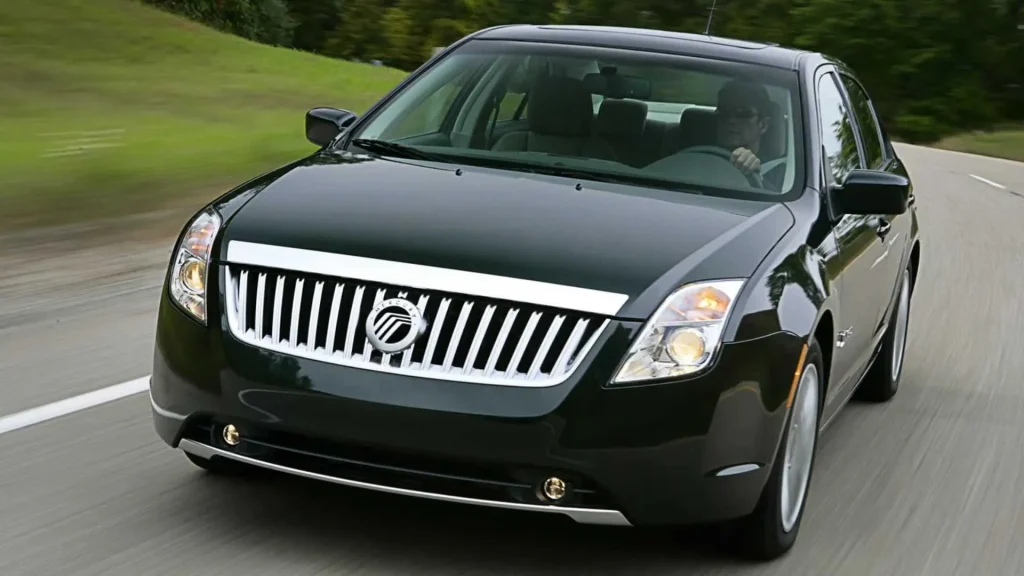
The result was a sedan that appealed to buyers looking for reliability combined with a touch of luxury. Although Mercury has since disappeared from the marketplace, the Milan continues to be remembered as one of the brand’s most dependable models, with Mazda’s engineering playing a significant role in that reputation.
Specifications
- Engine: 2.3-liter Mazda MZR Inline-4
- Torque: 156 lb-ft
- Horsepower: 160 hp
- Length/Width: 190.2 in / 72.2 in
7. Ford Transit Connect (First Generation North America)
The first-generation Ford Transit Connect introduced North American buyers to a compact commercial van that emphasized efficiency rather than outright hauling capacity. Behind its practical design was a dependable engine developed by Mazda.
Ford selected the 2.0-liter MZR inline-four because it had already established a reputation for reliability, low operating costs, and consistent performance in passenger vehicles.
Adapting this proven engine for commercial use allowed Ford to offer business owners a vehicle that was economical to purchase, inexpensive to maintain, and capable of handling demanding daily workloads.
Unlike larger commercial vans equipped with thirsty V6 or V8 engines, the Mazda-designed four-cylinder focused on efficiency. It generated sufficient torque for urban deliveries while maintaining respectable fuel economy during constant stop-and-go driving.
The lightweight aluminum construction also helped improve vehicle balance and reduce stress on the front suspension.
Fleet operators appreciated the engine’s durability because many Transit Connects accumulated hundreds of thousands of miles with only routine servicing. Replacement parts were widely available, and mechanics were already familiar with the engine’s straightforward design.
Ford’s decision to use a Mazda powerplant reflected the confidence it had developed through years of engineering collaboration. Rather than investing in a new commercial engine, the company relied on a unit that had already proven itself in real-world conditions.
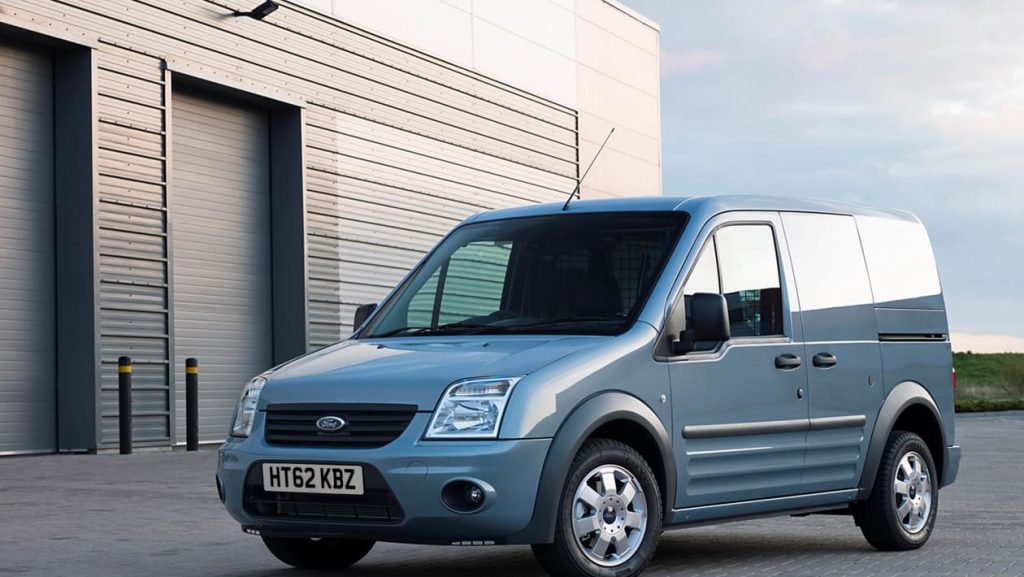
The result was a compact van that became popular with delivery companies, electricians, plumbers, and small business owners across North America.
Even today, many first-generation Transit Connects remain in active service, largely because of the dependable Mazda engine that continues to provide reliable performance long after production ended.
Specifications
- Engine: 2.0-liter Mazda MZR Inline-4
- Torque: 136 lb-ft
- Horsepower: 136 hp
- Length/Width: 180.6 in / 70.7 in
8. Ford Fiesta (North American First Generation)
When Ford reintroduced the Fiesta to North America for the 2011 model year, it needed an efficient engine capable of delivering competitive fuel economy without sacrificing everyday drivability. The solution came from Mazda’s proven MZR engine family.
Early Fiesta models used a 1.6-liter naturally aspirated four-cylinder that traced its origins directly to Mazda engineering. Although Ford later adapted and refined the powerplant for its own applications, the engine’s fundamental architecture remained rooted in Mazda’s successful compact engine program.
The 1.6-liter engine complemented the Fiesta’s lightweight chassis perfectly. It provided smooth acceleration for city driving, respectable highway performance, and impressive fuel efficiency that appealed to budget-conscious buyers.
Drivers appreciated its responsive nature, while the engine’s aluminum construction helped reduce the full vehicle weight and improve handling. Maintenance requirements remained relatively simple, contributing to low ownership costs throughout the vehicle’s life.
The Fiesta demonstrated that Mazda’s engineering expertise extended well beyond larger family vehicles and crossovers. Even in a compact hatchback or sedan, the engine delivered the reliability and efficiency that had become defining characteristics of Mazda’s MZR family.
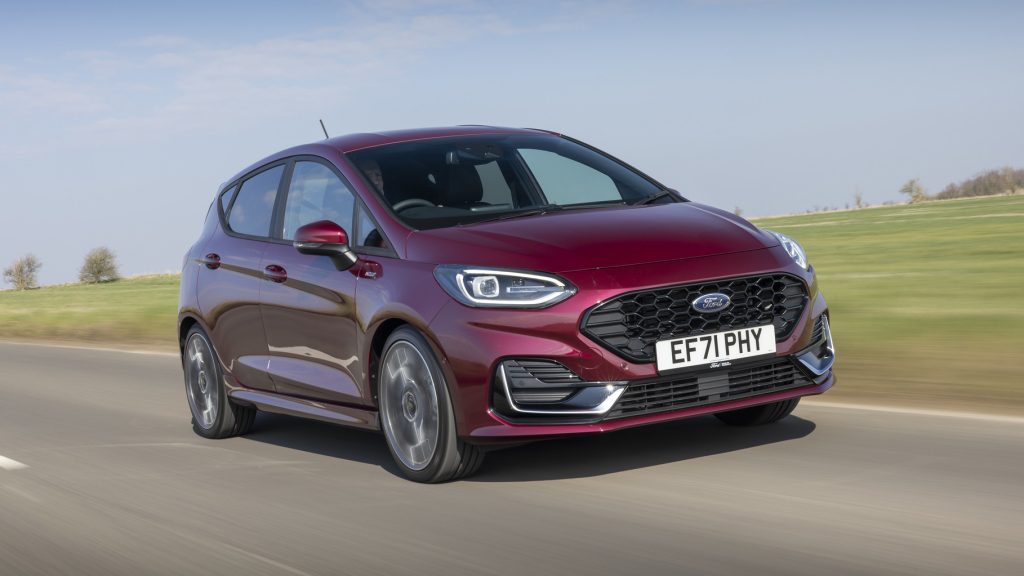
Ford benefited from using a thoroughly developed design instead of creating a completely new small-displacement engine, allowing the Fiesta to compete effectively in a crowded market.
Years later, many of these cars remain dependable daily drivers, with their Mazda-derived engines continuing to perform reliably despite extensive urban use and high accumulated mileage.
Specifications
- Engine: 1.6-liter Mazda MZR Inline-4
- Torque: 112 lb-ft
- Horsepower: 120 hp
- Length/Width: 160.1 in / 67.8 in
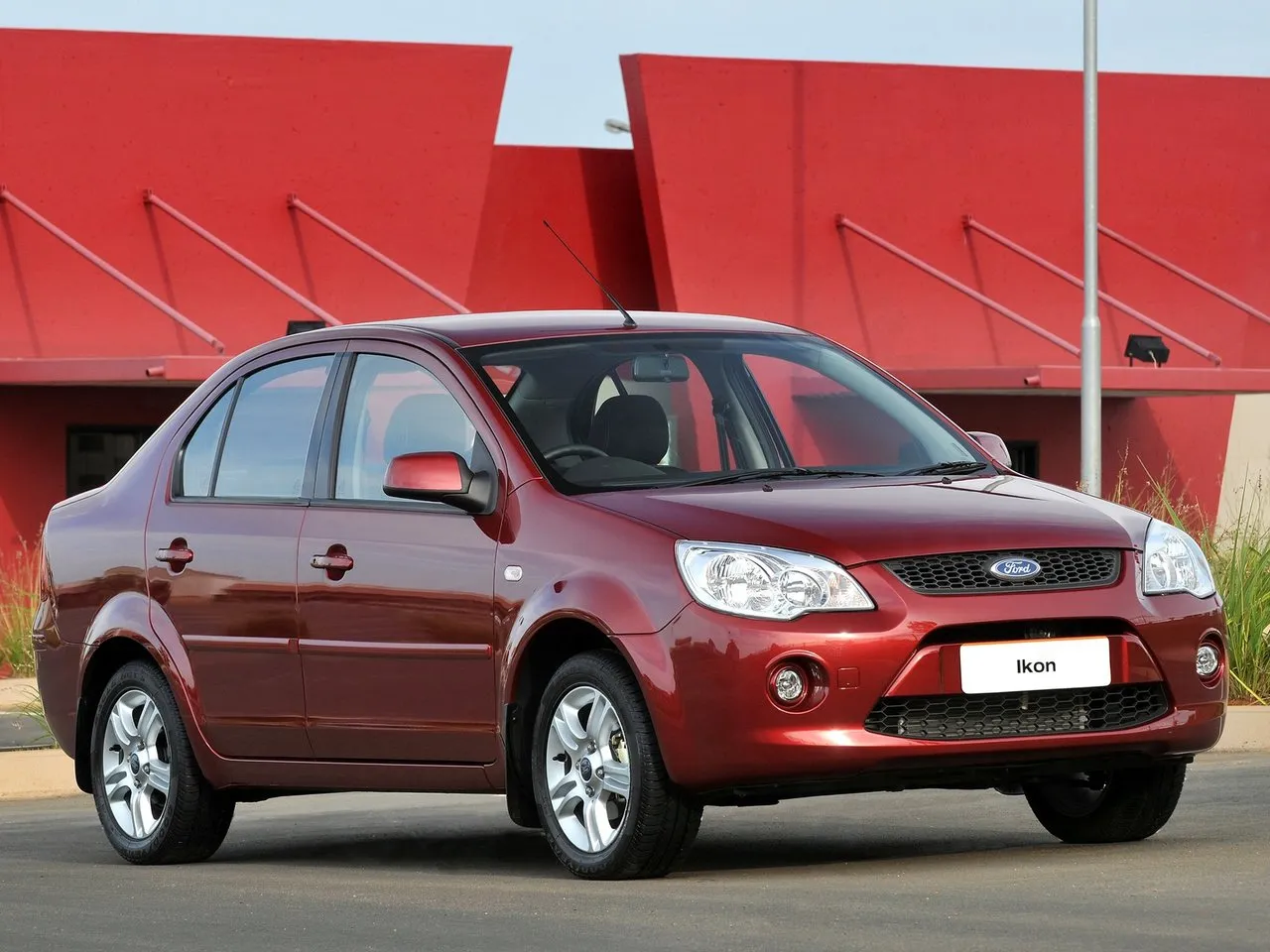
9. Ford Ikon
The Ford Ikon became an important model for emerging markets, particularly in India, South Africa, and parts of Latin America. While its compact dimensions and affordable pricing attracted a wide customer base, much of its dependability came from Mazda engineering.
Certain gasoline variants of the Ikon used Mazda’s B-series and later Mazda-derived Rocam family architecture through the long-standing Ford-Mazda partnership.
These engines were selected because they combined mechanical simplicity with excellent durability, qualities that were especially valuable in markets where owners often faced challenging road conditions and varying fuel quality.
Instead of focusing on outright performance, the Mazda-designed engine emphasized reliability and ease of maintenance. The lightweight four-cylinder provided adequate power for city commuting while remaining efficient during longer highway journeys.
Mechanics appreciated its straightforward construction because most routine servicing could be completed without specialized equipment. Owners frequently reported high mileage with relatively few major mechanical issues, helping the Ikon earn a reputation as an economical and dependable sedan.
The collaboration also demonstrated how Mazda’s engineering philosophy could be adapted for different global markets.
Ford was able to offer a competitively priced vehicle without compromising engine quality, while Mazda’s proven design continued to build a reputation for longevity outside its own product lineup.
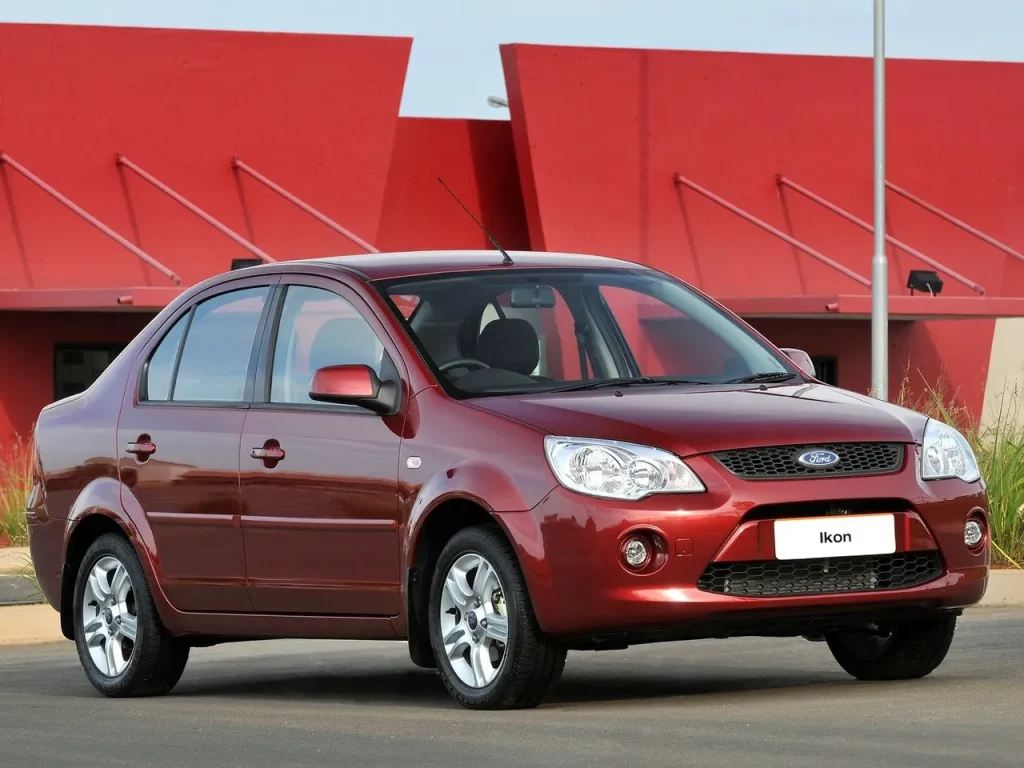
Even years after production ended, many Ford Ikons remain in daily use, particularly in developing markets where durability is often valued above luxury or high performance.
The continued presence of these cars on the road reflects the strength of the Mazda-developed engine that powered them and highlights the success of one of Ford’s longest-running engineering partnerships.
Specifications
- Engine: 1.6-liter Mazda B6 Inline-4
- Torque: 99 lb-ft
- Horsepower: 92 hp
- Length/Width: 163.6 in / 64.8 in
10. Ford Laser
The Ford Laser stands as one of the most successful examples of automotive badge engineering, sharing nearly all of its mechanical foundations with the Mazda 323 across multiple generations.
Sold throughout Asia, Australia, New Zealand, and several other international markets, the Laser relied heavily on Mazda-designed engines that ranged from efficient 1.3-liter units to more powerful twin-cam four-cylinder powerplants.
Rather than simply borrowing an engine, Ford essentially adopted Mazda’s complete small-car engineering package, creating a vehicle that quickly developed a reputation for reliability and low ownership costs.
Mazda’s engines gave the Laser smooth power delivery, excellent fuel economy, and dependable long-term performance. Whether fitted with a basic single-overhead-cam engine or a more advanced dual-overhead-cam variant, the car offered predictable drivability that appealed to commuters and families alike.
Routine maintenance was uncomplicated, replacement parts were widely available, and the engines demonstrated impressive durability even under demanding operating conditions. Many owners accumulated substantial mileage while performing little more than scheduled maintenance.
The Ford Laser became particularly popular because it combined Ford’s established dealer network with Mazda’s respected engineering.
Buyers often appreciated the familiar Ford branding without realizing that much of the vehicle’s mechanical excellence originated in Hiroshima.
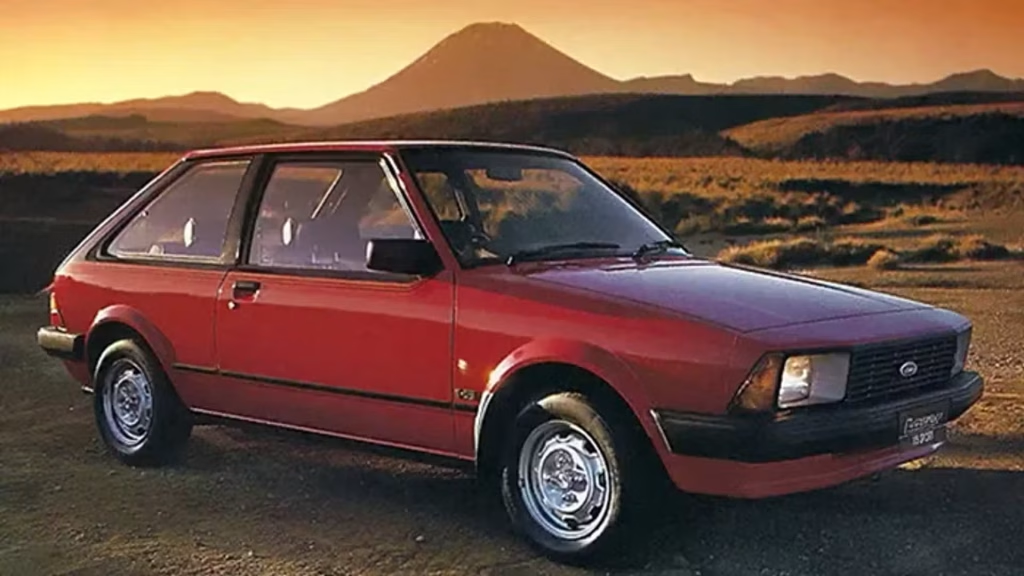
Decades after production ended, surviving examples continue to serve enthusiasts and collectors who value their straightforward engineering and dependable Mazda powerplants.
The Laser remains one of the clearest demonstrations that a well-designed engine can successfully support another manufacturer’s vehicle while preserving the reliability, efficiency, and practicality that made it successful from the beginning.
Specifications
- Engine: 1.8-liter Mazda BP DOHC Inline-4
- Torque: 117 lb-ft
- Horsepower: 127 hp
- Length/Width: 167.5 in / 66.7 in
Also Read: 10 SUVs With Third Rows That Are Too Cramped for Adults
