
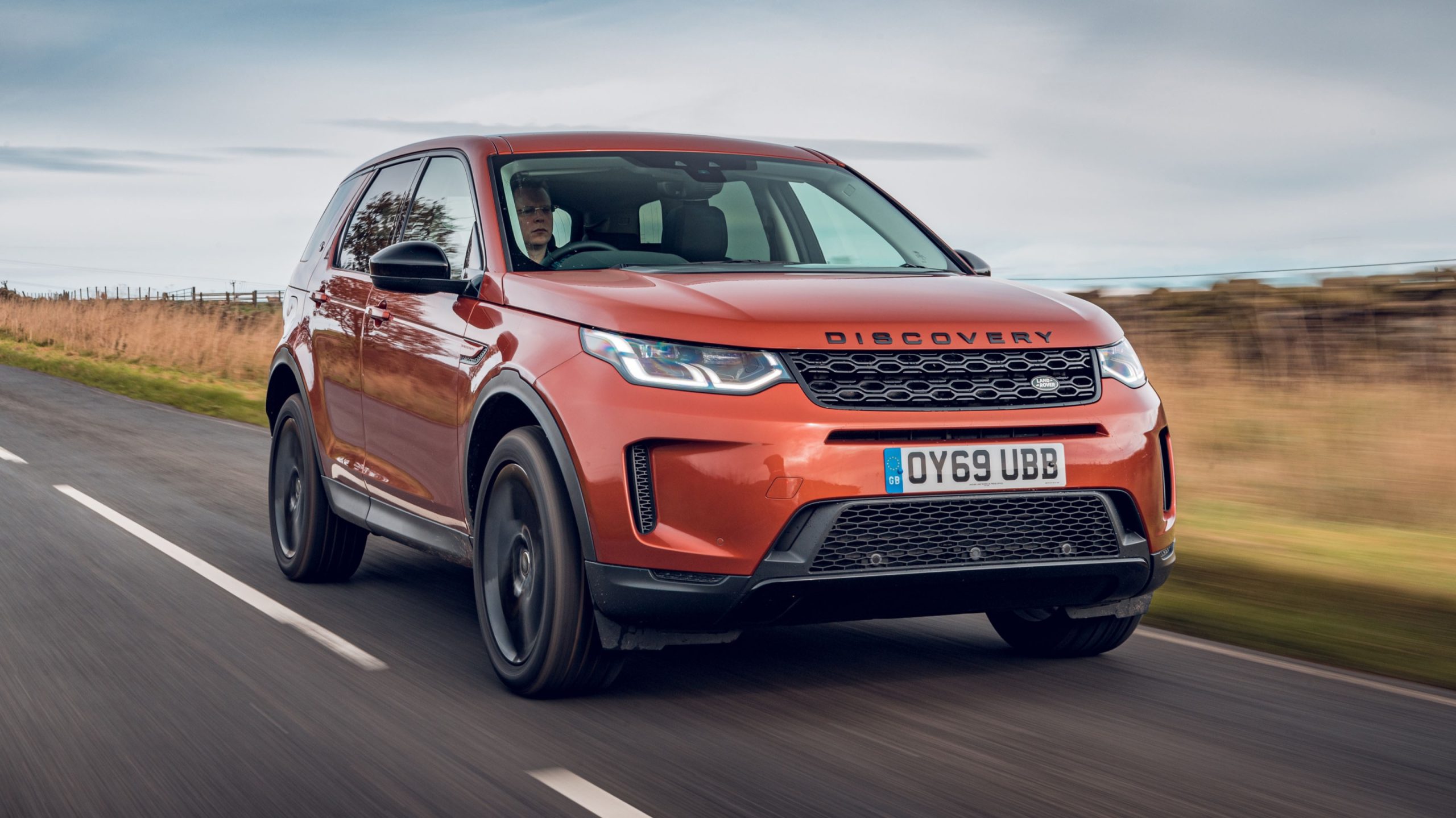
Jaguar Land Rover is taking an unusual approach to one of its latest U.S. safety recalls. Instead of replacing a defective electrical connector or installing redesigned hardware, the company will repair affected vehicles by applying a protective lubricant gel to the existing connector terminals.
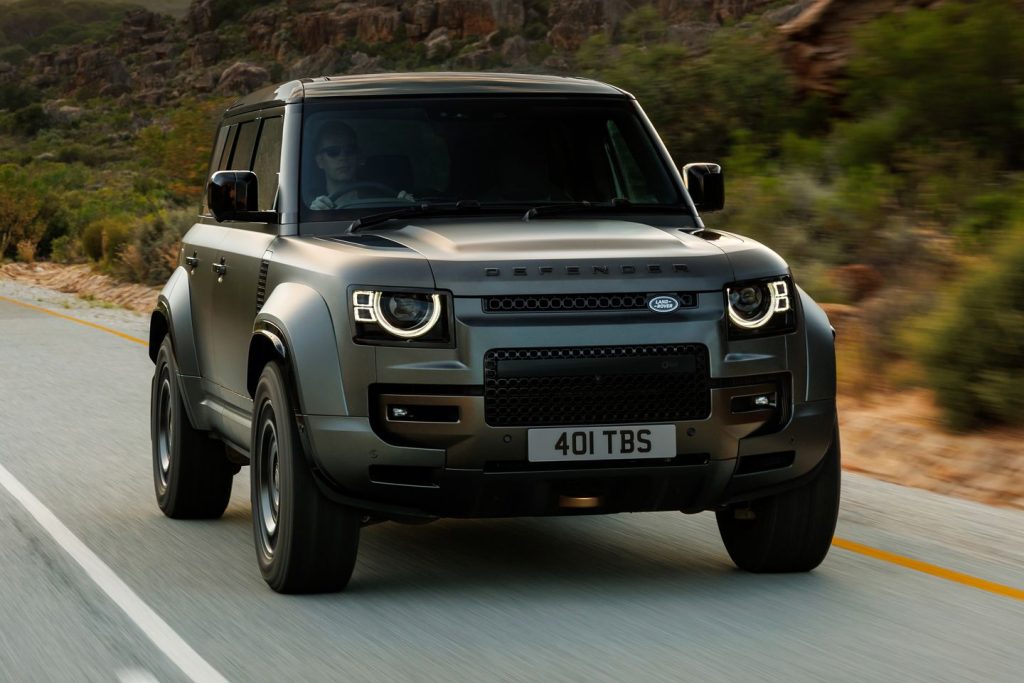
The recall covers 250,857 Land Rover SUVs in the United States, including certain 2020 through 2026 Defender, Discovery, and Range Rover models.
According to the U.S. National Highway Traffic Safety Administration (NHTSA), corrosion can develop inside the driver’s airbag clockspring connector, increasing electrical resistance and potentially preventing the driver’s airbag from deploying during a crash.
Rather than replacing the connector assembly, Jaguar Land Rover concluded that applying a specially formulated protective lubricant gel to the connector terminals effectively prevents the corrosion responsible for the problem. The repair will be performed free of charge at authorized dealers.
The remedy may sound surprisingly simple, but it reflects a broader trend in modern vehicle recalls. Automakers increasingly use engineering solutions that eliminate the root cause of a defect instead of automatically replacing expensive components.
Also Read: 10 Tools To Fix Scratches On Cars
Understanding the Problem
The affected part is the driver’s airbag clockspring connector. A clockspring is an electrical device located inside the steering column behind the steering wheel. It allows electrical signals to pass between the steering wheel and the vehicle while the wheel rotates continuously.
Without it, systems such as the following:
- Driver’s airbag
- Horn
- Steering-wheel buttons
- Paddle shifters
- Driver-assistance controls
would lose their electrical connection every time the steering wheel turned. In the recalled Jaguar Land Rover vehicles, engineers discovered that the connector terminals inside the clockspring can experience fretting corrosion.
Unlike ordinary rust caused by moisture, fretting corrosion develops when two metal surfaces make tiny repeated movements against one another. Those microscopic vibrations gradually wear away protective surface coatings, allowing oxidation to form.
Over time, that corrosion increases electrical resistance. If resistance becomes high enough, the airbag control module may no longer receive a reliable electrical connection to the driver’s airbag, preventing deployment during a collision.
Why JLR Isn’t Replacing the Connector
Many recalls involve replacing defective components. Airbags, fuel pumps, steering racks, batteries, and electrical modules are often swapped with redesigned parts.
Jaguar Land Rover reached a different conclusion after months of investigation. According to documents submitted to NHTSA, engineers determined that the connector itself was not fundamentally defective. Instead, the concern centered on corrosion developing at the contact terminals.
The company found that applying a specially designed protective lubricant gel prevents oxygen from reaching the connector surfaces while also reducing the microscopic movement responsible for fretting corrosion.
Because the gel addresses the underlying cause of the increased resistance, replacing the connector would provide little additional benefit unless the corrosion had already caused irreversible damage.
As a result, dealers will simply clean the affected area and apply the lubricant rather than replacing parts.
Months of Investigation Led to the Solution
The recall was not announced immediately after Jaguar Land Rover noticed warning lights. According to NHTSA’s recall filing, the company first opened an internal investigation in August 2025 after seeing an increase in warranty claims involving illuminated airbag warning lamps.
Initially, engineers could not reproduce the issue. Returned components were analyzed by supplier Alps Alpine Europe GmbH, which eventually identified oxidation on several connector pins.
That discovery shifted the investigation toward understanding why the corrosion was forming.
Jaguar Land Rover then conducted vibration testing that successfully reproduced fretting corrosion under normal vehicle movement.
Statistical experts reviewed warranty data covering multiple vehicle lines but were unable to identify a consistent production batch or customer usage pattern.
Because the condition could potentially prevent airbag deployment, Jaguar Land Rover’s Product Safety and Compliance Committee decided in June 2026 that a recall was necessary, despite there being no confirmed reports of airbag non-deployment, crashes, injuries, or fires related to the issue in the United States.
Owners Receive Advance Warning
One reason Jaguar Land Rover felt comfortable using the lubricant-gel repair is that affected vehicles typically provide a warning before the condition becomes dangerous.
Engineering analysis showed that the airbag warning light generally illuminates between 300 and 400 miles before a potential airbag non-deployment could occur.
That warning gives owners time to schedule service before the connector reaches a critical level of resistance.
It also means many vehicles may never experience an actual deployment failure if the warning lamp is addressed promptly. Drivers should never ignore an illuminated airbag warning light.
Even if the vehicle appears to drive normally, the supplemental restraint system may not function correctly during a collision.
Production Has Already Been Updated
Jaguar Land Rover has already incorporated the repair into production. According to NHTSA documentation, the manufacturing process was updated in early June 2026 to include the application of the same protective lubricant gel during vehicle assembly.
That means newly built vehicles leaving the factory should already have the improved protection against connector corrosion. This is common practice during recalls.
Once engineers identify an effective remedy, manufacturers usually introduce the correction into production before customers begin receiving recall notifications.
In this case, Jaguar Land Rover chose to modify the assembly process rather than redesign the connector itself.
Which Vehicles Are Included?
The recall affects 250,857 vehicles sold in the United States.
Models include certain:
- Land Rover Defender
- Land Rover Discovery
- Range Rover
Built between late 2019 and early 2026.
The Defender accounts for the largest share of affected vehicles, followed by the Discovery and Range Rover. Jaguar Land Rover has also issued a stop-sale on unsold affected vehicles until the lubricant-gel remedy has been applied.
Owners will receive recall notifications beginning in August 2026, while dealers were informed about the campaign in late June.
Why This Recall Is Interesting
The repair itself is what makes this campaign unusual. Most people expect recalls to involve replacing expensive parts.
Instead, Jaguar Land Rover is relying on a preventive engineering solution that addresses the physical cause of the defect rather than replacing otherwise functional hardware.
That approach saves time, reduces repair costs, minimizes parts shortages, and avoids unnecessary waste.
It also demonstrates how modern automotive engineering increasingly focuses on understanding why a component fails instead of assuming the component itself must always be replaced.
Provided the lubricant continues to prevent corrosion throughout the vehicle’s service life, the repair should restore the connector’s long-term reliability without requiring installation of an entirely new clockspring assembly.
What Owners Should Do
Owners of affected vehicles should check whether their SUV is included once VIN lookup information becomes available through NHTSA or Jaguar Land Rover’s recall website.
If an airbag warning light appears before receiving a recall notice, owners should schedule service immediately rather than waiting for the official notification.
The repair is free, requires no replacement parts, and is expected to take considerably less time than replacing an entire steering-column clockspring assembly.
Jaguar Land Rover’s latest recall shows that not every safety campaign requires replacing major components. After months of engineering analysis, the company determined that corrosion inside the driver’s airbag connector could be prevented by applying a protective lubricant gel directly to the connector terminals.
The recall affects more than 250,000 Defender, Discovery, and Range Rover SUVs in the United States. Although no crashes or injuries have been linked to the condition, Jaguar Land Rover chose to act proactively, updating production vehicles with the same protective treatment while offering existing owners a free repair.
Also Read: 10 Cheapest Cars in the US That Cost a Fortune in Other Countries
