
Car theft in America has been a persistent and costly problem for decades. But in recent years, the story has begun to shift, and the data shows something fascinating happening underneath the surface.
Vehicle thefts across the United States declined in 2025 to the lowest levels in several decades, marking a 23% decrease from 2024, according to analysis from the National Insurance Crime Bureau (NICB). A total of 659,880 vehicles were reported stolen nationwide last year, a historic low figure for U.S. vehicle thefts and a clear signal of the end of the pandemic-fueled surge.
But not all cars are created equal when it comes to theft risk. While Hyundais and Kias dominated the most-stolen lists and Dodge muscle cars attracted thieves like magnets, another category of vehicles was quietly enjoying something close to immunity.
Electric cars dominated the list of least stolen vehicles by taking the top three positions. All Tesla models were included, and electric vehicles made up eight of the top 20 cars least likely to be stolen.
The reasons are layered. Six of the 20 models with the fewest claims for whole vehicle theft are electric vehicles. Researchers suggest they may be less likely to be stolen since they’re often parked overnight in well-lit and comparatively secure areas for charging.
Beyond EVs, certain luxury brands, Scandinavian SUVs, and Japanese crossovers also rank among the hardest vehicles to steal thanks to sophisticated immobilizers, encrypted key fobs, onboard GPS, and simply low black-market demand for their parts.
This article dives deep into ten of those vehicles, examining not just their theft statistics but the engineering and technology that keep thieves at bay.
1. Tesla Model 3
When the Highway Loss Data Institute (HLDI) ranked vehicles by whole-vehicle theft claim frequency, the Tesla Model 3 AWD claimed the top spot as the least stolen car in the country.
This is not an accident or coincidence. It is the result of deliberate, layered anti-theft engineering baked into every unit that rolls off the production line. The Model 3 represents a fundamental rethinking of what vehicle security can look like when a carmaker treats software as a first-class weapon against theft.
The centerpiece of the Model 3’s theft resistance is its trio of proprietary security systems. The vehicle comes equipped with real-time GPS tracking that allows owners and law enforcement to pinpoint its location at any moment.
Sentry Mode turns the car’s external cameras into a surveillance network, recording suspicious activity and sending alerts to the owner’s smartphone when anyone approaches too closely.
Most critically, the PIN to Drive feature requires a user-defined PIN to be entered on the touchscreen before the car will move, a simple but devastatingly effective barrier that stops would-be thieves cold, even if they somehow bypass every other layer.
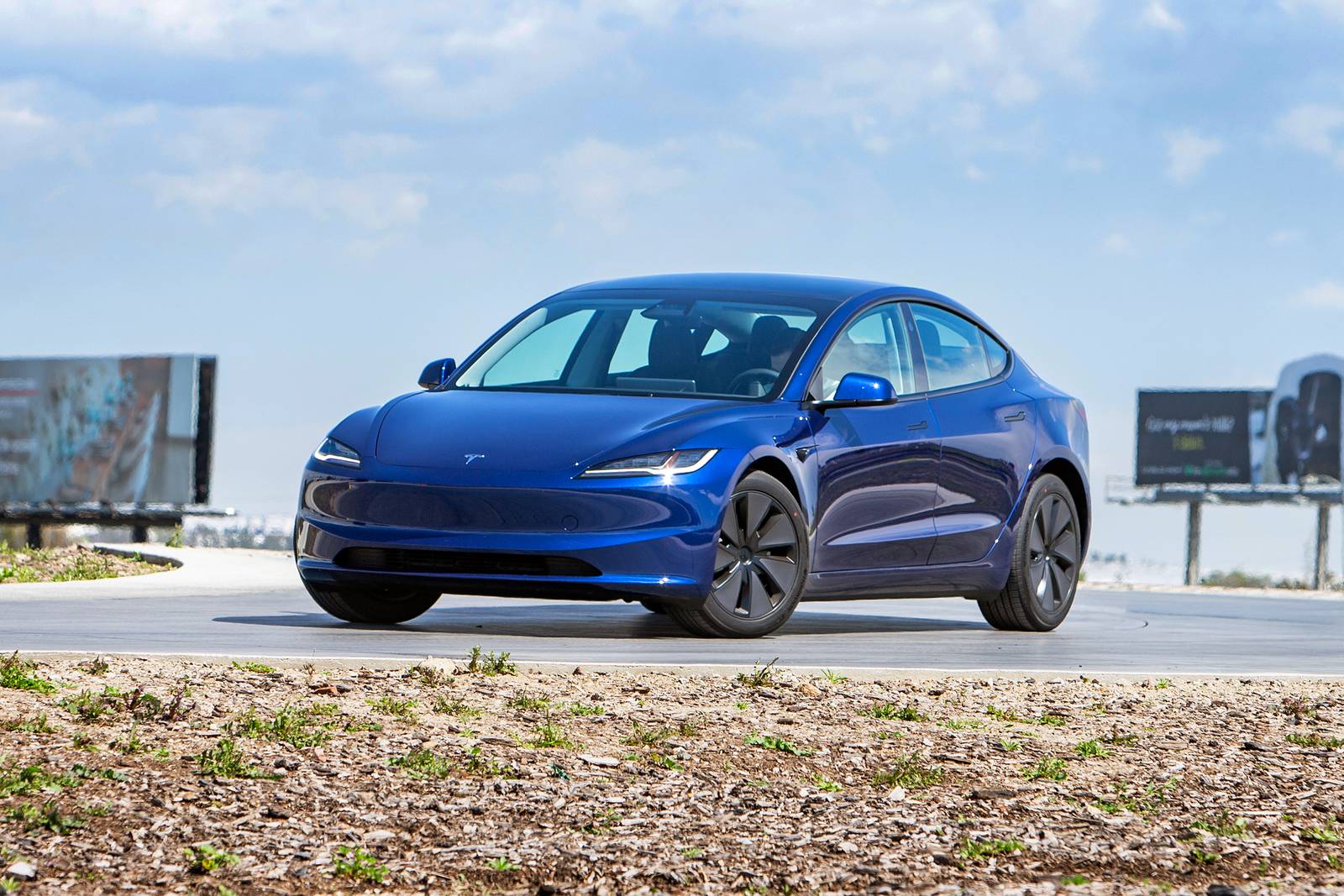
Tesla aims to be not just a vehicle manufacturing company but also a technology company, which is why it offers some of the most advanced features, such as Summon, Autopilot, and over-the-air updates.
Tesla also provides industry-leading anti-theft technologies. Managing Editor of MarketWatch Quentin Fottrell explains that the recovery of stolen Teslas is notable in an industry where the recovery rate was just 58.4% in 2016, while Tesla had a 100% recovery rate that year, thanks in part to its GPS tracking technology.
The Model 3’s theft immunity is compounded by a structural reality that most car thieves quickly grasp, there is essentially no functional black market for stolen Tesla parts. A stolen Elantra or Silverado can be stripped and sold for parts within hours.
A Tesla, by contrast, requires proprietary tools, software authorization, and manufacturer-level access to service most of its components. The economics of stealing one simply do not work in a thief’s favor.
The 2024 Highland refresh brought sweeping changes to the vehicle. It updated the suspension for greater ride comfort, added a rear passenger touchscreen, introduced ventilated front seats, and improved aerodynamics. Tesla states that fifty percent of the Model 3’s components have been changed for the 2024 Highland version.
The interior now also features up to a 17-speaker sound system and customizable ambient lighting, marking a significant leap in premium refinement.
Specifications:
- Engine: Dual electric motors, Permanent Magnet Synchronous Motor (front & rear)
- Horsepower: 358 hp combined
- Torque: 430 lb-ft combined
- Length: 184.8 inches
- Width: 72.8 inches
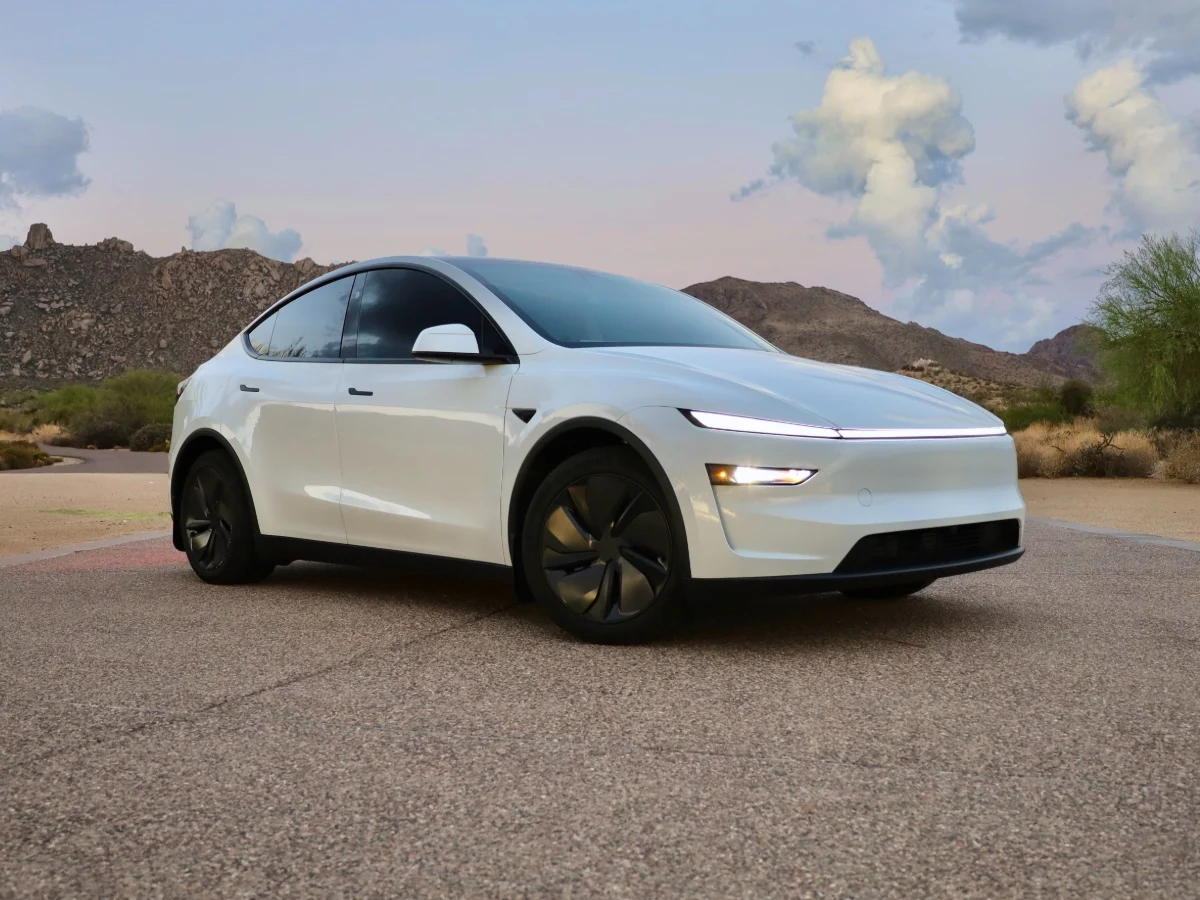
2. Tesla Model Y AWD
The Tesla Model Y carries virtually every advantage of the Model 3’s anti-theft architecture into a larger, more family-oriented body. It ranked second on the HLDI’s least-stolen list, making the Musk-engineered security ecosystem the dominant force at the top of the chart.
The Model Y is America’s best-selling vehicle, which makes its low theft rate all the more remarkable. Popularity normally attracts thieves, yet the Model Y bucks that rule entirely.
Like the Model 3, the Model Y is equipped with Sentry Mode, PIN to Drive, and always-on cellular and GPS connectivity. The car is essentially in permanent communication with Tesla’s servers, which means its location is never truly unknown.
Even if a sophisticated thief managed to physically move the vehicle, a near-impossible feat without the owner’s credentials, Tesla can remotely disable driving capability and broadcast the car’s location to authorities in real time.
Electric vehicles are essentially theft-proof for three reasons: they’re typically charged in locked garages, they have always-on GPS and cellular connectivity, and stolen EVs can be remotely disabled by the manufacturer.
As a bonus, there’s no functional used EV parts black market yet. The Model Y benefits from all three of these advantages simultaneously, creating what amounts to a near-perfect theft-resistance profile.
The Model Y’s theft-resistant design is also enhanced by its charging behavior. Most owners charge overnight in home garages, one of the most secure parking environments possible.
The vehicle rarely sits unattended in dark, isolated parking lots where opportunistic theft is most likely. This behavioral pattern, driven purely by the necessity of EV charging, inadvertently serves as a powerful theft deterrent.
The 2024 Model Y received the Highland-inspired refresh in select markets and continues to offer three powertrain options: Standard, Long Range AWD, and Performance.
Each variant delivers the same comprehensive security suite regardless of trim. The interior is clean, minimal, and dominated by a 15.4-inch central touchscreen that handles all major vehicle controls.
Specifications:
- Engine: Dual electric motors, Permanent Magnet Synchronous
- Horsepower: 384 hp combined
- Torque: 376 lb-ft combined
- Length: 187.0 inches
- Width: 75.6 inches
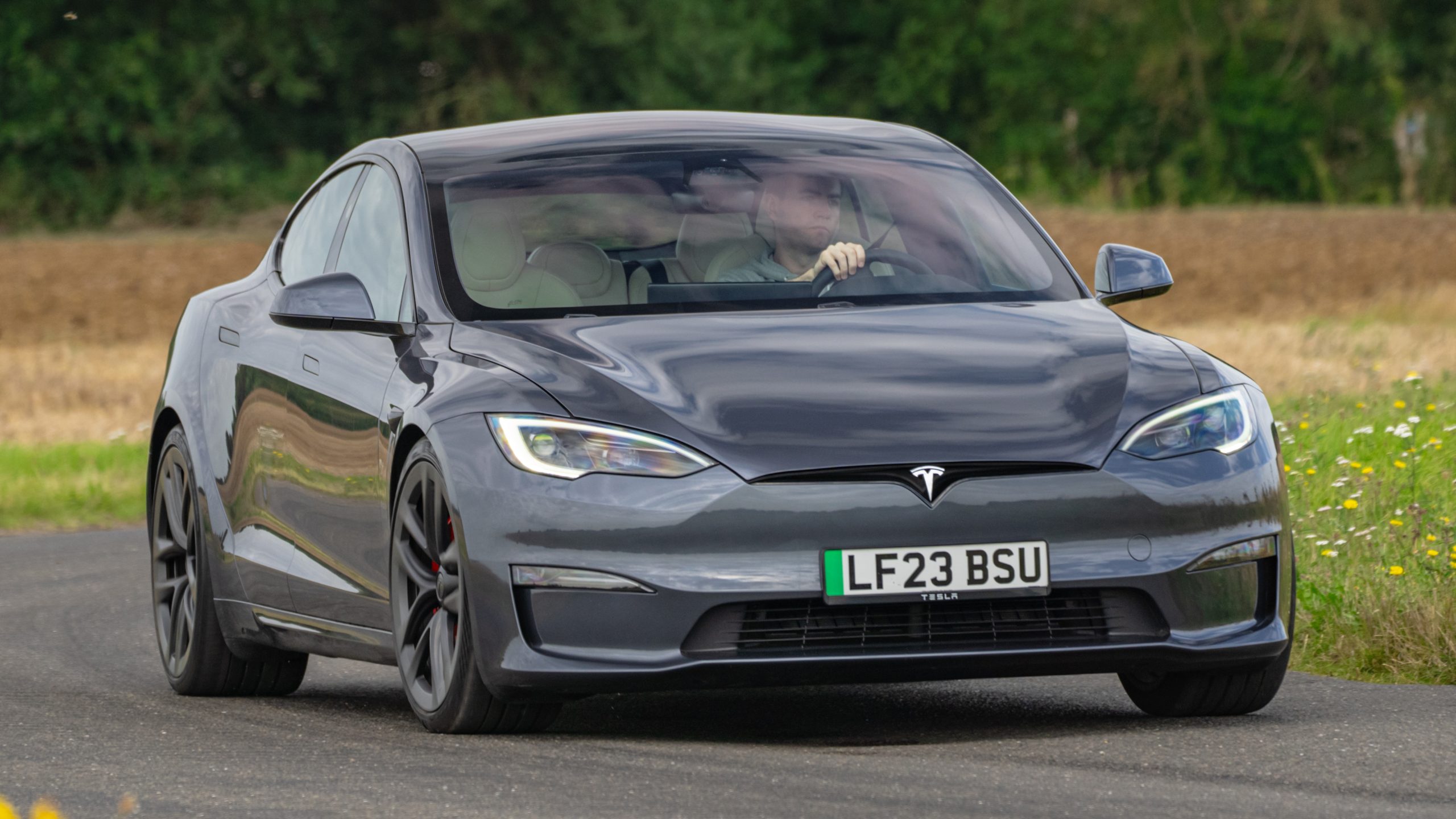
3. Tesla Model S AWD
The Tesla Model S is the original Tesla, the car that proved an electric luxury sedan could be taken seriously. It shares the number-four position on the HLDI’s least-stolen list alongside the Toyota RAV4 Prime and demonstrates that even a high-value, high-prestige vehicle can achieve near-zero theft rates when security is engineered correctly.
Luxury cars are typically prized targets for organized theft rings. The Model S is a notable exception. The Model S carries Tesla’s full security arsenal, PIN to Drive, Sentry Mode, GPS tracking, and remote disablement, but also adds the heft of a flagship-level computing architecture.
The vehicle runs on Tesla’s most powerful onboard hardware and communicates with Tesla’s servers more consistently and with greater bandwidth than lower-tier models. This means security responses are faster and more robust.
Tesla’s commitment to integrating cutting-edge security features has positioned its vehicles among the least stolen. Both the Model 3 and Model Y are equipped with GPS tracking that enables real-time location monitoring, facilitating swift recovery in the event of theft, Sentry Mode, which acts as a virtual surveillance system recording suspicious activities around the vehicle, and PIN to Drive, which requires a user-defined PIN before the vehicle can be driven, adding an extra layer of security.
The 2024 Model S continues Tesla’s tradition of over the air software updates that deliver new security features directly to the vehicle. Owners do not need to visit a dealership to stay up to date. With these updates, the car becomes smarter and more secure over time without requiring any action from the driver.
Specifications:
- Engine: Dual electric motors, Permanent Magnet Synchronous
- Horsepower: 670 hp (Plaid: 1,020 hp)
- Torque: 537 lb-ft (Plaid: 1,050 lb-ft)
- Length: 196.0 inches
- Width: 77.3 inches
4. Volvo XC90 AWD
The Volvo XC90 occupies the sixth spot on the HLDI’s least-stolen vehicle rankings, making it the highest-ranking non-Tesla on the list and the definitive theft-resistant choice among traditional internal combustion SUVs.
Owners of Volvo models such as the S60 and XC90 report few claims of theft, even in urban areas. That speaks volumes. The XC90’s safety reputation extends beyond passive crash protection it is genuinely hard to steal.
The XC90 employs a multi-layered immobilizer system that requires encrypted communication between the key fob and the vehicle’s ECU before the engine will start.
Cloning or spoofing the key signal is exceptionally difficult due to the rolling-code encryption Volvo uses. The car also features alarm systems with interior motion sensors, tilt sensors, and glass breakage detection, all designed to trigger even if thieves attempt a silent entry.
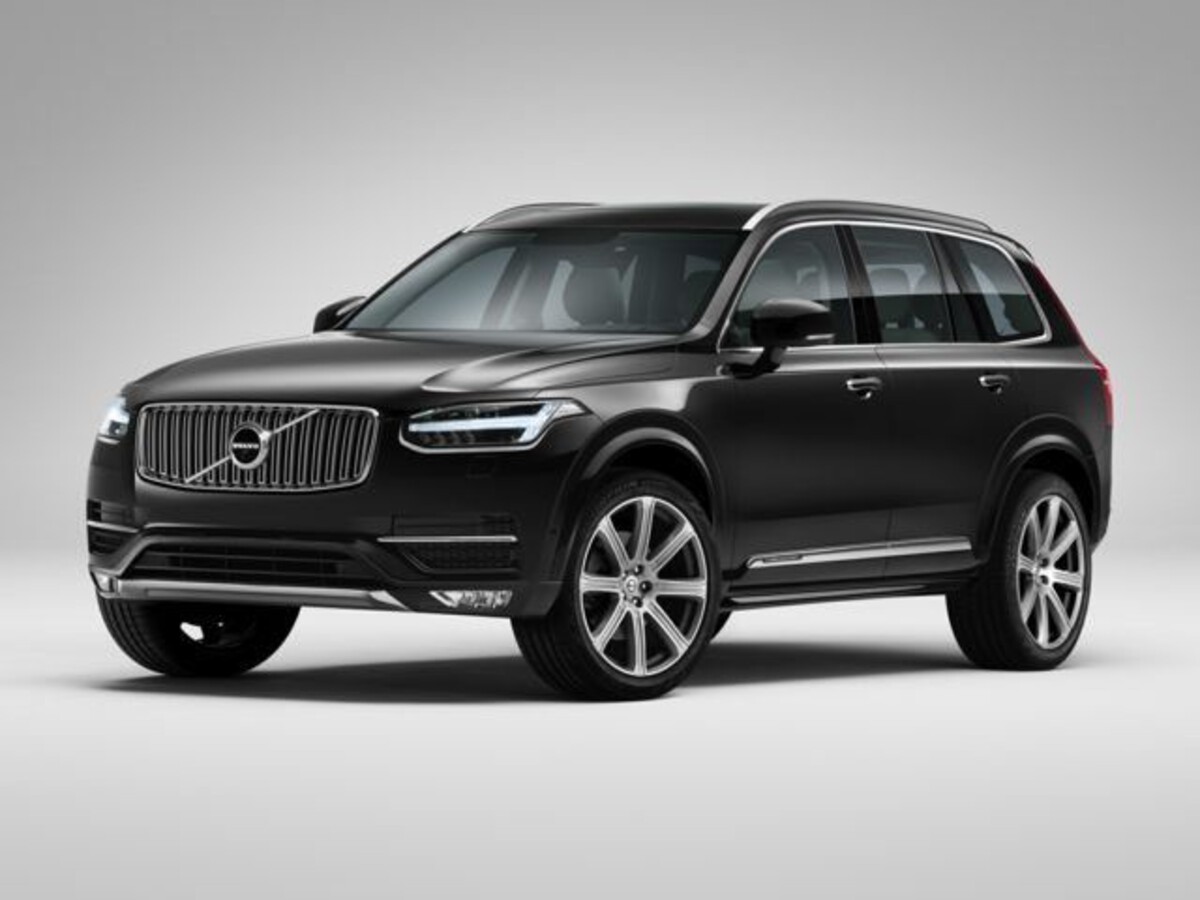
Volvo vehicles’ robust security measures make them less appealing to car thieves. Part of this is cultural. Volvo’s design philosophy has always emphasized understated elegance over flash, which means XC90s don’t attract the street-level attention that thieves tend to seek. A thief scanning a parking lot is more likely to notice a flashy sports car than a tasteful, muted-silver Swedish SUV.
The XC90 is also technically complex in ways that deter opportunistic stripping. Its Sensus infotainment system, proprietary electrical architecture, and integrated safety modules require dealer-level tools to access or remove.
Each XC90 comes with forward collision warning, automated emergency braking, blind-spot monitoring, rear cross-traffic alert, and lane departure warning systems. These advanced electronics also happen to make unauthorized access far more complicated.
Specifications:
- Engine: 2.0-liter turbocharged and supercharged four-cylinder, mild hybrid
- Horsepower: 295 hp
- Torque: 310 lb-ft
- Length: 195.0 inches
- Width: 75.7 inches
Also Read: How Many Miles the Average American Drives Per Year by States
5. Volvo XC40 AWD
The Volvo XC40 secured the seventh position on the HLDI least-stolen rankings, making Volvo the only brand to land two vehicles in the top 10. The XC40 is the brand’s entry-level compact luxury crossover, but “entry-level” does not apply to its security credentials.
It carries the same sophisticated anti-theft DNA as its larger sibling while offering a more accessible price point and a sportier urban aesthetic. The XC40’s compact dimensions make it a popular choice for city dwellers, which is precisely the environment where theft risk is highest.
Yet it continues to log extremely low theft claims. This paradox is explained by the vehicle’s robust keyless entry encryption, active alarm system, and the Volvo On Call connected car platform, which allows owners to track the vehicle’s real-time location via smartphone. If an XC40 is moved without authorization, the owner knows within seconds.
The XC40 is also available as the fully electric XC40 Recharge, which carries additional Tesla-style protections, including permanent cellular connectivity and remote immobilization capability.
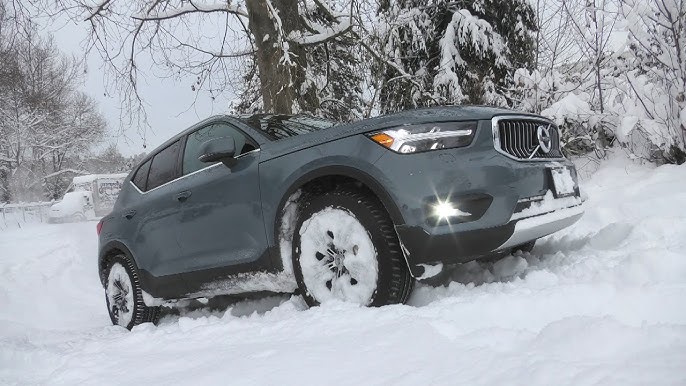
EVs generally have lower theft rates due to their integrated tracking systems, advanced software security, and unique charging habits, which often require them to be parked in secured areas. The electric XC40 benefits from all of these simultaneously.
From a parts-theft perspective, the XC40 occupies a particularly unattractive position for thieves. Unlike a Honda Accord or Toyota Camry, where stolen parts have an established and liquid black market, XC40 components serve a relatively narrow, brand-specific audience.
Its safety suite includes Volvo’s City Safety automatic braking, rear collision warning, and cross-traffic alert. The interior is thoughtfully designed with clever storage solutions that have become a hallmark of the XC40’s appeal.
Specifications:
- Engine: 2.0-liter turbocharged four-cylinder, mild hybrid
- Horsepower: 197 hp
- Torque: 221 lb-ft
- Length: 174.2 inches
- Width: 72.1 inches
6. Ford Mustang Mach-E
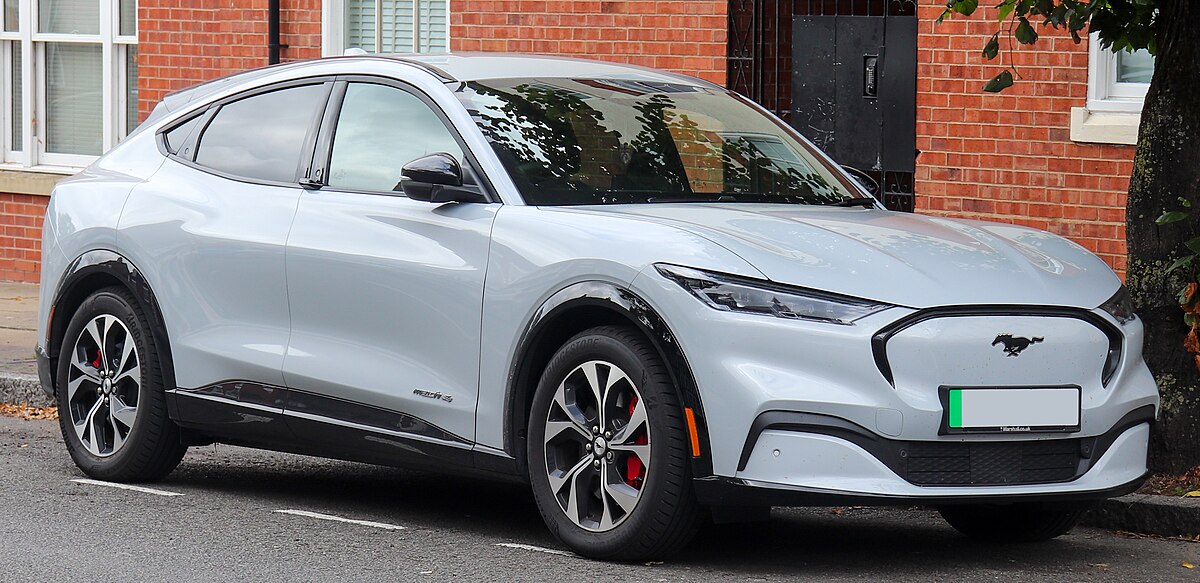
The Ford Mustang Mach-E ranks eighth on the HLDI least-stolen list, a result that surprises many who assume anything wearing a Mustang badge would be prime theft bait.
The traditional Mustang has been a target of car thieves for decades. But the Mach-E, Ford’s fully electric reimagining of the nameplate as a crossover SUV, benefits from the protective umbrella of EV security technology and its own unique connected-car platform.
The Mach-E employs Ford’s BlueCruise connected driving platform and the FordPass smartphone app, which provides real-time location tracking, remote lock and unlock, vehicle status monitoring, and alert notifications when the vehicle is moved or accessed without authorization.
This digital ecosystem functions similarly to Tesla’s security architecture and gives owners and law enforcement the same immediate response capability.
The HLDI report notes that electric vehicles have theft claim frequencies that are more than 85% lower than the all-vehicle average. The reason? Garages, most likely.
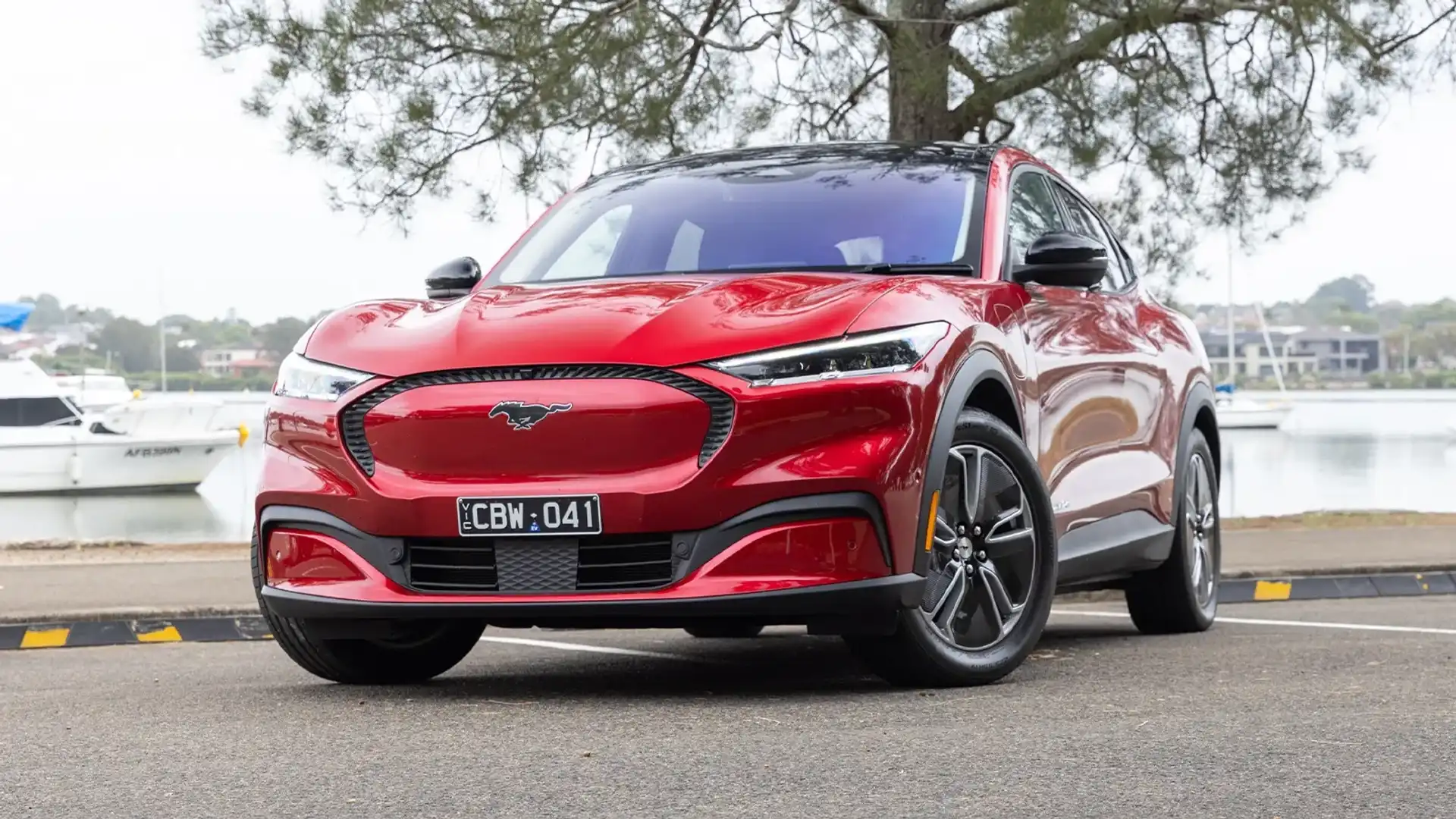
As past HLDI studies have noted, electric vehicles are likely to be garaged or parked near buildings to facilitate charging, making them less attractive to thieves.
Mach-E owners follow this same pattern, charging at home overnight and parking in more secure environments than the average gasoline vehicle owner.
The Mach-E also benefits from the absence of a traditional ignition system. There is no key cylinder to pick, no ignition column to strip, and no hot-wiring vulnerability.
There is no functional used EV parts black market yet, which means stripping a Mach-E yields little profit compared to a conventional vehicle. This economic calculus discourages professional theft rings from targeting it.
Specifications:
- Engine: Single electric motor, rear-wheel drive
- Horsepower: 266 hp
- Torque: 317 lb-ft
- Length: 186.0 inches
- Width: 74.1 inches
7. Volkswagen ID.4
The Volkswagen ID.4 tied for ninth position on the HLDI least-stolen list, an impressive result for a midsize crossover from a mass-market brand. Most VW models are not particularly theft-resistant, but the ID.4’s status as an all-electric vehicle fundamentally changes the equation.
Germany’s engineering precision, combined with EV-inherent security features, makes this one of the safest cars to own from a theft-risk perspective.
The ID.4 runs on Volkswagen’s MEB electric platform, which was designed from the ground up with digital security in mind. The vehicle’s over-the-air update capability means Volkswagen can push security patches without requiring an owner to visit a dealership.
Its We Connect app provides remote access features, including real-time location monitoring, theft alarm status, and vehicle status reporting directly to a smartphone.
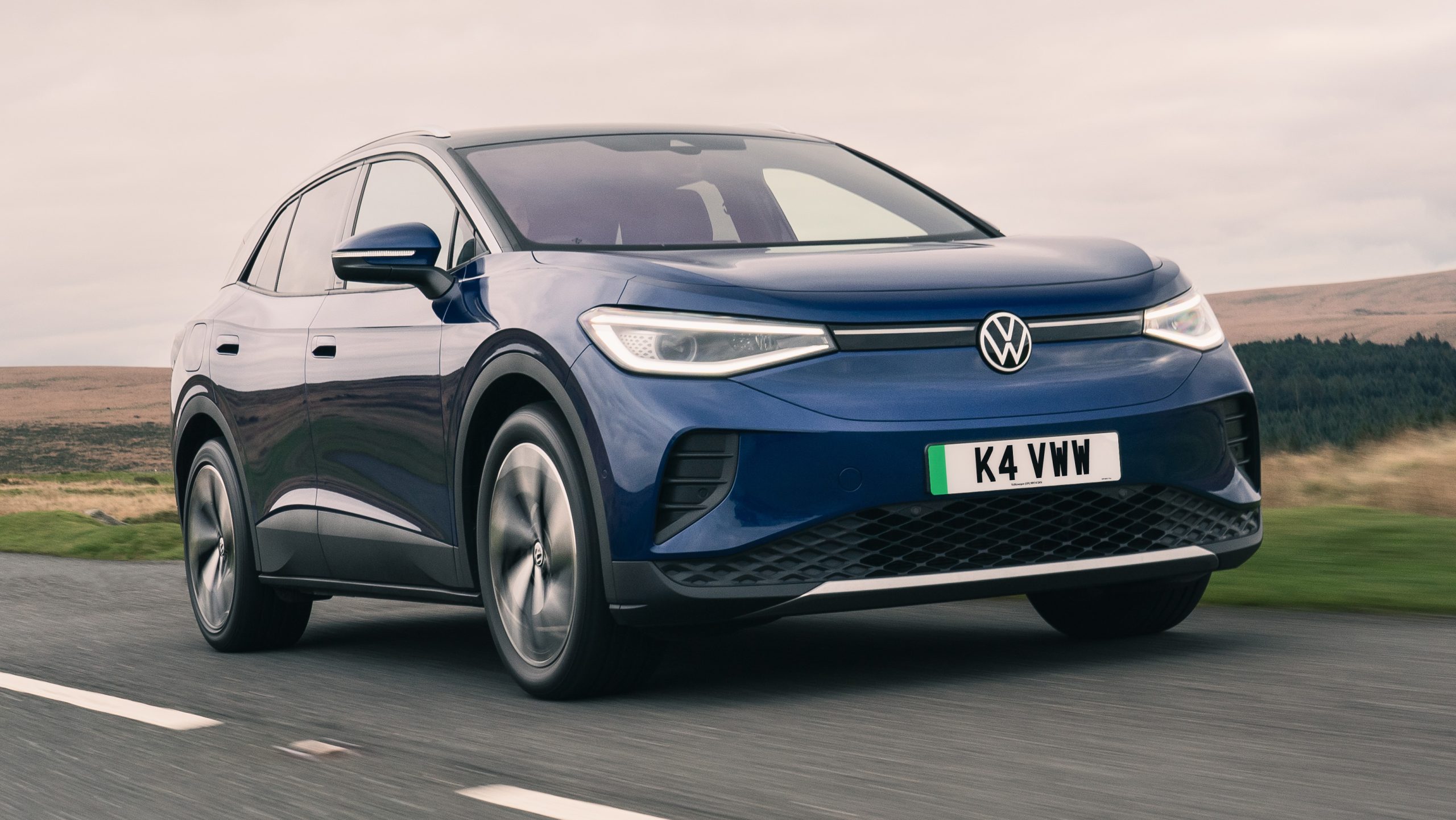
Like other EVs on this list, the ID.4 benefits from the behavioral patterns of its typical owner. Most ID.4 owners charge at home or at workplace charging stations, environments that are inherently more supervised and secure than random street parking. The car spends less time in the high-risk overnight street-parking situations that expose conventional vehicles to theft.
The ID.4’s keyless entry system uses proximity-based encrypted communication that is substantially harder to relay-attack than older keyless systems.
From a parts perspective, the ID.4 uses battery modules and electric drive components that are deeply integrated into the car’s software. Individual modules cannot simply be removed and installed in another vehicle without extensive programming. This reduces the vehicle’s attractiveness to organized parts-theft rings that have driven theft rates up for other popular models.
Specifications:
- Engine: Dual electric motors, AWD
- Horsepower: 295 hp
- Torque: 339 lb-ft
- Length: 180.5 inches
- Width: 74.2 inches
8. Subaru Crosstrek
The Subaru Crosstrek tied for ninth on the HLDI least-stolen list, making it one of the most surprising entries on this entire ranking. The Crosstrek is not a luxury vehicle.
It is not particularly expensive or high-tech by the standards of this list. Yet it consistently records among the lowest theft claim rates in the entire industry, a result driven by a combination of practical security features and, crucially, the demographics and behaviors of its typical owner.
The Subaru Ascent comes very close to being a car thief’s worst nightmare. According to auto industry expert Denis Flierl, this vehicle has an extremely low car theft rate, alongside other models like the Volvo XC60, Chevy Traverse, and GMC Acadia. The Crosstrek shares Subaru’s brand DNA and platform architecture, benefiting from the same security philosophy across the lineup.
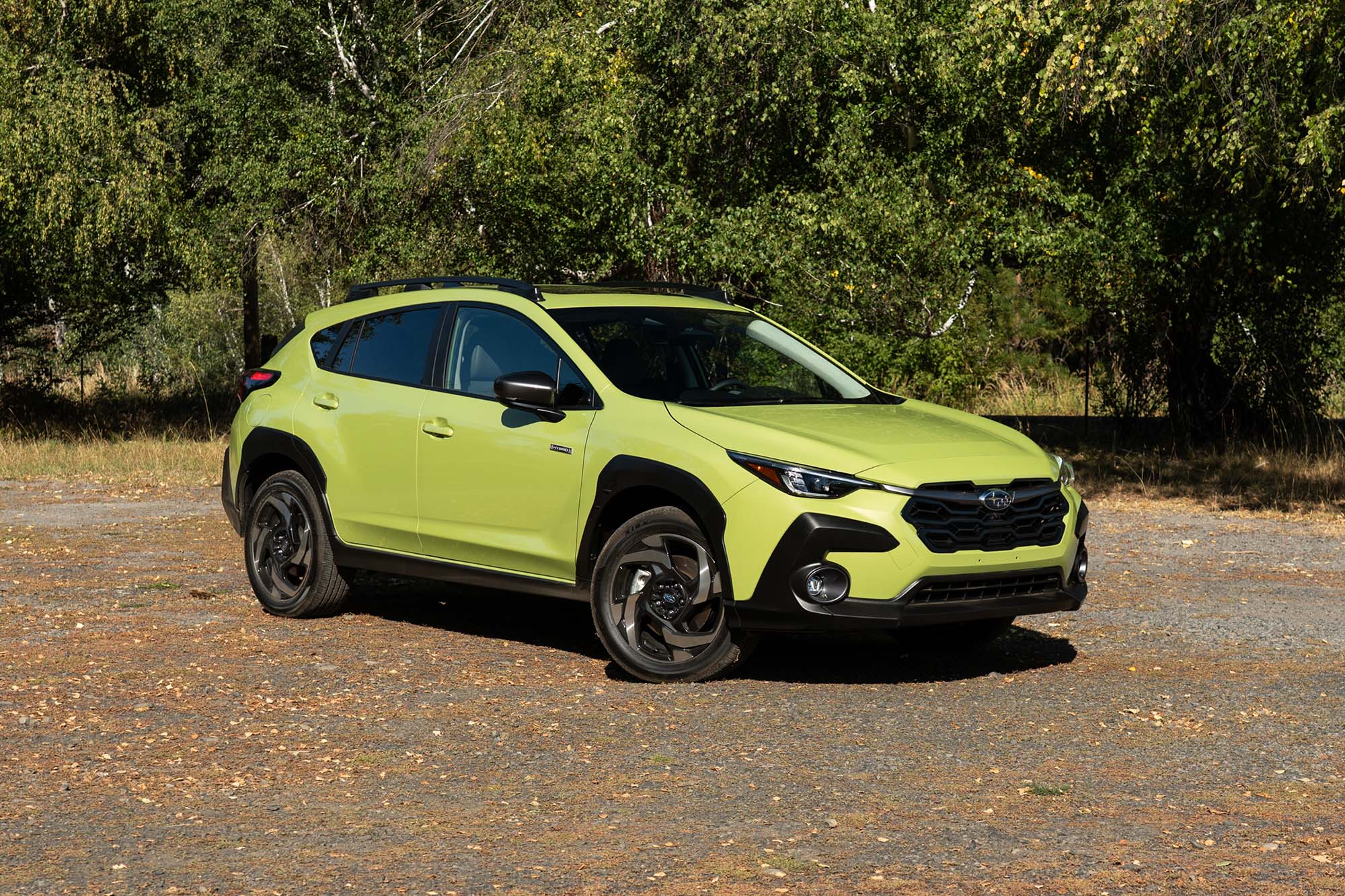
Subaru’s Symmetrical All-Wheel Drive system is standard on every Crosstrek and contributes indirectly to theft resistance. The drivetrain is unique to Subaru and highly integrated with the vehicle’s suspension and transmission in ways that make field repairs or modifications difficult. Stolen Crosstreks are harder to convert, disguise, or sell as parts than vehicles with more common drivetrain configurations.
The Crosstrek’s EyeSight driver-assistance suite adds another layer of complexity that deters theft. This camera-based system is integrated at the hardware level and cannot be easily removed or transferred to another vehicle. Attempting to strip a Crosstrek of its EyeSight components typically requires specialized knowledge that casual thieves do not possess.
Specifications:
- Engine: 2.5-liter naturally aspirated four-cylinder boxer
- Horsepower: 182 hp
- Torque: 178 lb-ft
- Length: 175.8 inches
- Width: 71.0 inches
9. Lexus NX 350 AWD
The Lexus NX 350 AWD tied for ninth on the HLDI least-stolen list, representing the Toyota family’s premium contribution to theft-resistant vehicles.
While Toyota’s mainstream models like the Camry and Tacoma sit near the top of the most-stolen lists, the Lexus NX has carved out a position at the exact opposite end of the spectrum thanks to more sophisticated security systems, a different ownership profile, and a parts market that is far less liquid than Toyota’s mass-market vehicles.
Newer model years of the same car are often harder to steal than older ones. A 2024 Toyota Camry might include advanced GPS tracking, biometric access, and smartphone-linked alarms.
The NX 350 goes further, deploying Lexus Link Pro connected services that include real-time GPS tracking, unauthorized movement alerts, stolen vehicle assistance, and automatic collision notification, all accessible via the Lexus app on the owner’s smartphone.
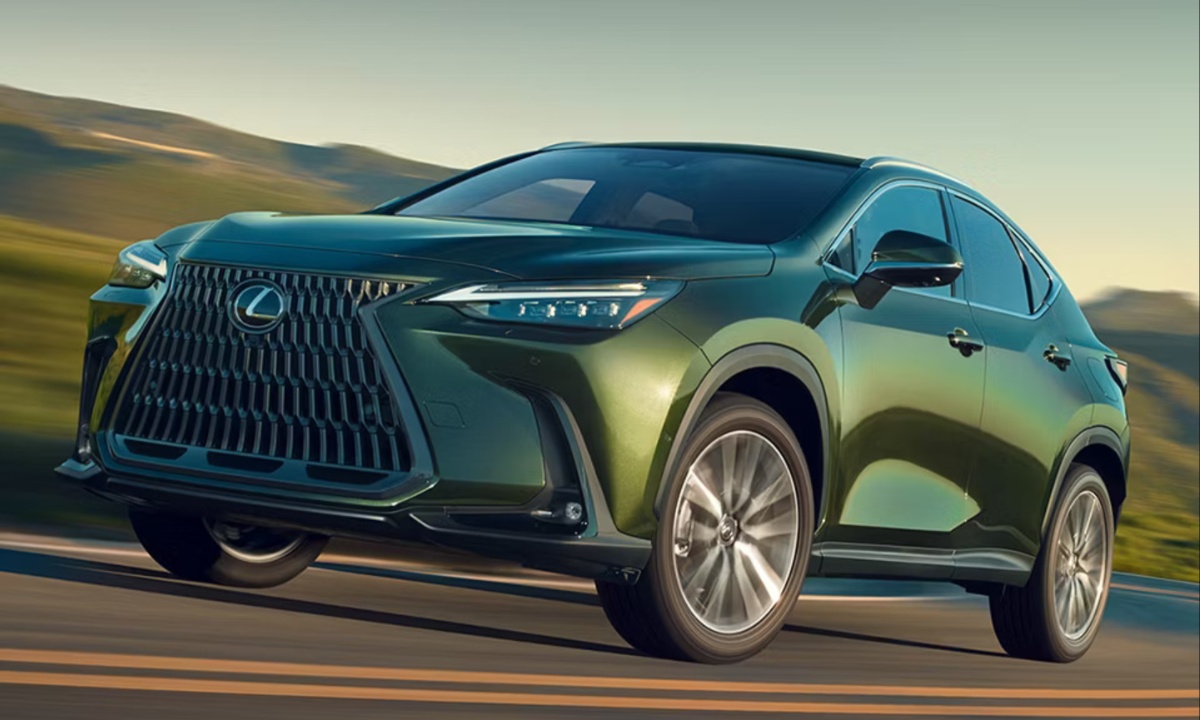
The NX 350’s security begins before the driver even touches the car. Its Advanced Key system uses rolling-code encrypted signals that change with every use, preventing relay attacks that have compromised older keyless systems.
The interior features a push-button ignition tied to the key’s encrypted identity, and attempting to bypass this system requires expensive, specialized equipment that most opportunistic thieves simply do not have.
Lexus vehicles also occupy a comfortable middle ground in terms of theft desirability. They are valuable enough to represent a significant score, but their parts market is narrower and more specialized than Toyota’s mass-market lineup.
The cabin is fitted with a 14-inch touchscreen infotainment system and a crisp, driver-focused cockpit that sets the standard for human-machine interface in its segment.
Specifications:
- Engine: 2.4-liter turbocharged four-cylinder
- Horsepower: 275 hp
- Torque: 317 lb-ft
- Length: 183.5 inches
- Width: 73.6 inches
10. Toyota RAV4 Prime
The Toyota RAV4 Prime tied for fourth on the HLDI least-stolen list, an astonishing result for a vehicle that shares its nameplate with one of the most popular SUVs in America.
The standard RAV4 is a reasonably high-theft vehicle due to its ubiquity and valuable catalytic converter. The Prime plug-in hybrid variant, however, tells a completely different story. Its dual-mode powertrain, higher price point, and EV-derived security features place it in a fundamentally different category.
The Toyota RAV4 Prime tied for fourth on the HLDI least-stolen list alongside the Tesla Model S AWD. This pairing illustrates the dramatic impact that electrification and connected-car technology have on theft outcomes.
The RAV4 Prime’s plug-in hybrid nature means it is typically charged overnight in a garage, the same protective behavior that shields Tesla owners.
The RAV4 Prime runs Toyota’s Safety Sense 2.0 platform as standard equipment, which includes pre-collision alert, automatic emergency braking, lane departure warning, and radar cruise control.
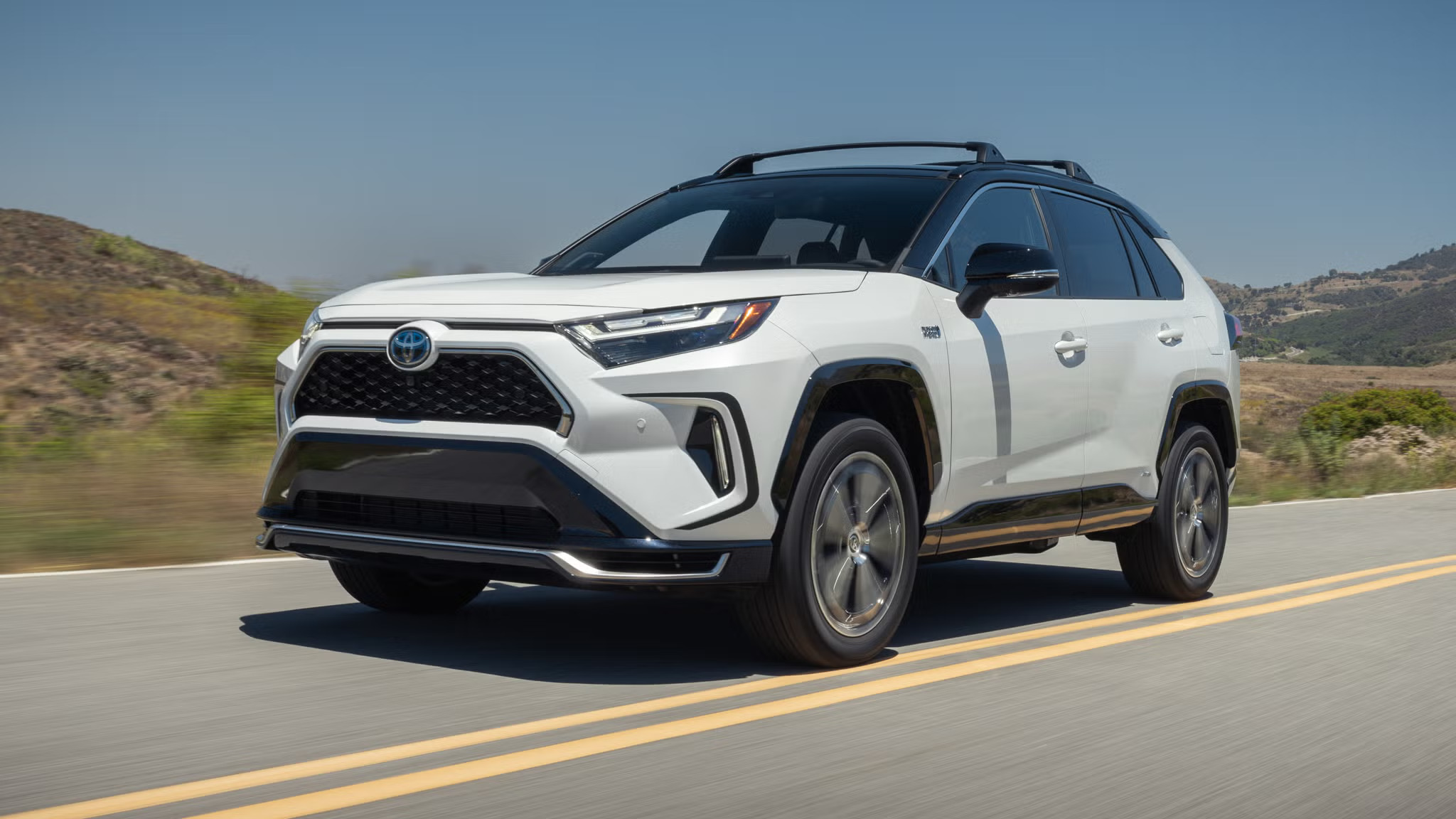
Beyond these safety features, the vehicle also includes Toyota’s Connected Services platform with Remote Start and Remote Lock functions managed via smartphone. The telematics system provides location tracking and theft notifications through Toyota’s Owners portal.
The RAV4 Prime also benefits from a parts-theft deterrent that is specific to its hybrid powertrain. Its catalytic converter, a prime target for thieves on the standard RAV4, is positioned differently and configured to work with the hybrid system in a way that makes removal more technically challenging.
Combined, these factors produce an outcome that positions the RAV4 Prime among the safest vehicles on the road from a theft perspective, despite its parent model’s more mixed record.
Specifications:
- Engine: 2.5-liter Atkinson-cycle four-cylinder + dual electric motors (PHEV)
- Combined System Horsepower: 302 hp
- Torque: 175 lb-ft (engine); electric motors supplement torque significantly
- Length: 181.5 inches
- Width: 73.0 inches
Also Read: 8 Cars With Knee Airbags for Both Front Passengers
