
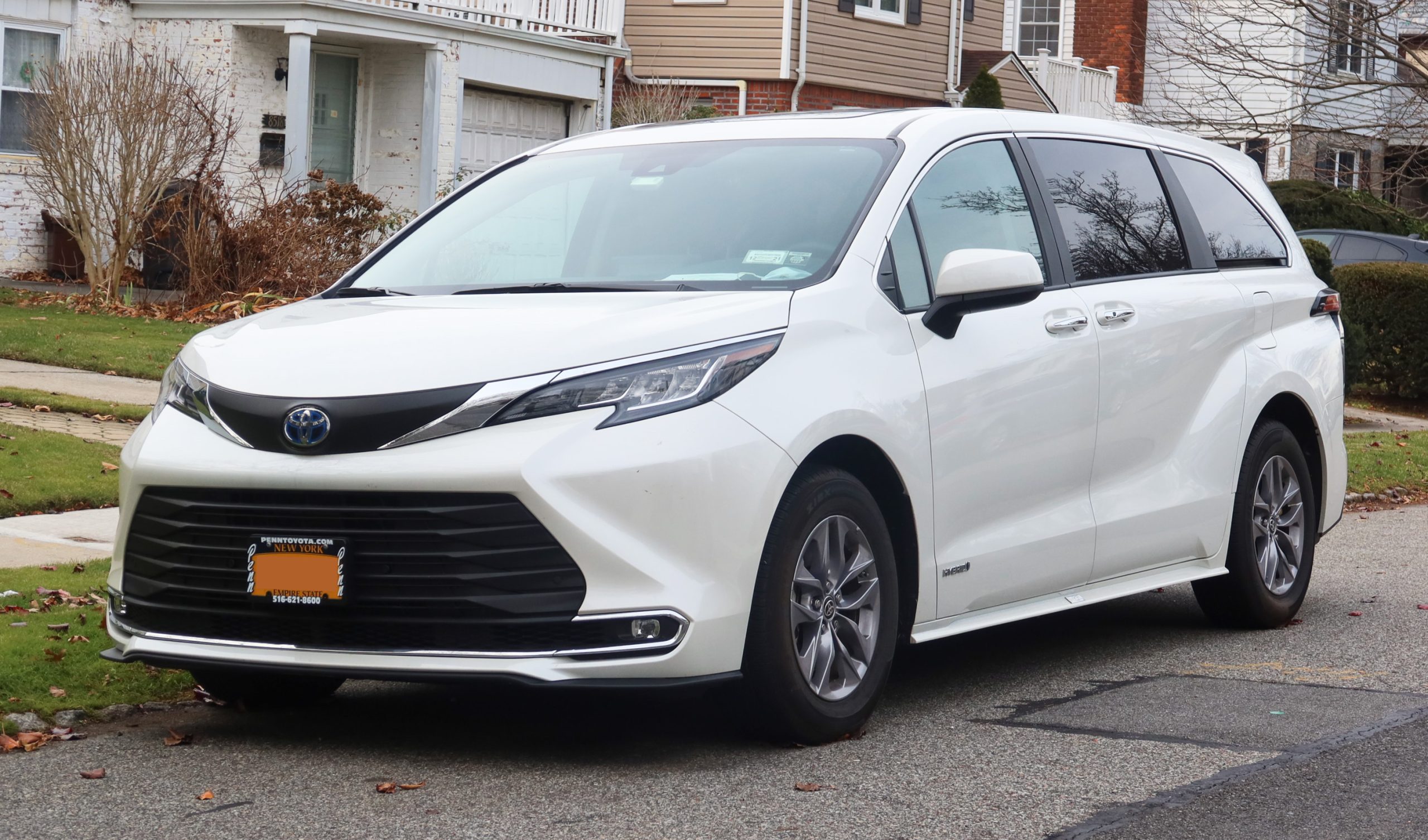
Minivans remain the most space-efficient family vehicles on the road today. Their boxy shapes and low floors beat SUVs at hauling people and gear. Sliding doors and flat floors make loading easy in tight driveways and parking lots.
This list ranks eight minivans by total cargo and passenger volume. Some are brand new for 2026. Others are discontinued models still common on used lots. Ranking these vans by cargo space comes down to a simple method. Take the maximum volume figure, then work down the list from there.
Engine output, dimensions, and torque numbers are included for each entry. These specs help explain why some vans haul more than others. A bigger footprint usually means a roomier cabin. But seat design and removability matter just as much as size.
Reliable family haulers balance power, comfort, and storage. The vans below show how that balance has shifted over two decades. Newer entries lean toward hybrid efficiency and tech. Older ones often had simpler seats that folded away more completely. Either way, this list helps buyers and minivan fans see where each model truly stands.
The minivan market remains the definitive solution for families who refuse to compromise on space, utility, or convenience. Despite the proliferation of three-row SUVs, the unique architectural advantages of the minivan’s low floors, sliding doors, and boxy, efficient interiors remain unmatched. Below is an in-depth analysis of eight significant minivans, including current market leaders and legendary legacy models that shaped the segment.
1. Honda Odyssey
The Honda Odyssey has long served as the benchmark by which all other minivans are measured. Its reputation for longevity and reliability is matched only by its exceptional interior packaging.
The defining feature of the Odyssey is its “Magic Slide” second-row seating system, which allows the middle seats to slide laterally and longitudinally, providing multiple configuration options for child safety seats, third-row access, and cargo management.
Unlike many competitors that force a compromise between passenger comfort and utility, the Odyssey delivers a cavernous interior that feels airy and premium.
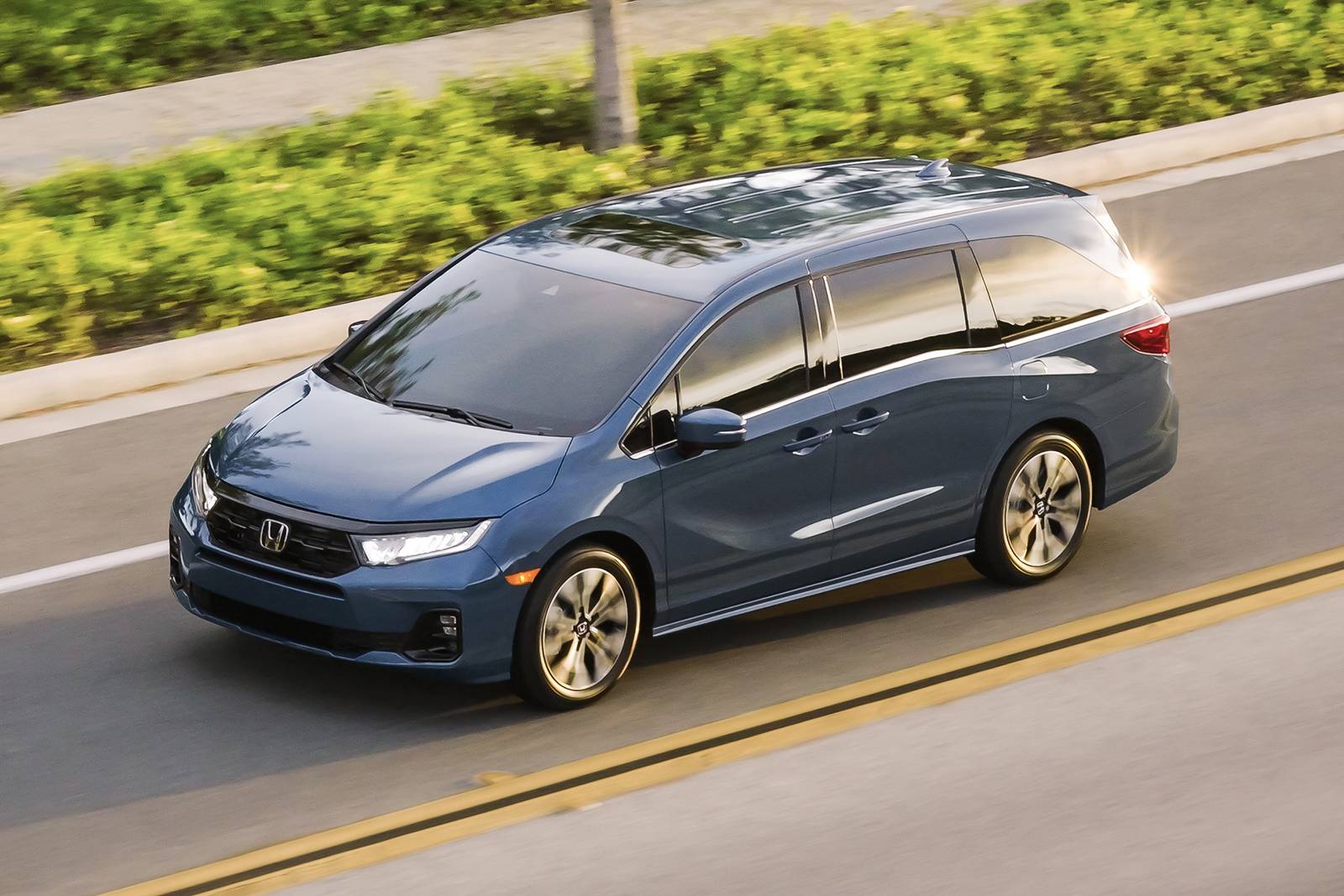
Behind the wheel, the Odyssey feels smaller than it is, thanks to a refined chassis and a potent V6 powertrain that provides smooth, confident acceleration, a trait often missing in the more efficiency-focused hybrid models on the market today.
While some rivals have moved toward hybrid-only lineups, Honda’s dedication to a powerful, gas-driven V6 provides a consistent, predictable driving experience that many suburban parents prefer.
The infotainment system is intuitive, and the ergonomics of the cabin are designed with the chaos of family life in mind. Whether you are hauling a soccer team or moving large furniture, the Odyssey remains the gold standard for versatility.
Specifications:
- Engine: 3.5L V6
- Horsepower: 280 hp
- Torque: 262 lb-ft
- Length: 205.2 inches
- Width: 78.5 inches
2. Kia Carnival
The Kia Carnival successfully bridges the gap between a minivan and a luxury SUV, marketing itself as a “Life Utility Vehicle.” It abandons the traditional, rounded “jellybean” aesthetic of the segment in favor of bold, upright styling, squared-off lines, and an imposing front fascia that looks more like a modern three-row crossover.
This design choice has been a massive hit with families who want the utility of a sliding-door vehicle without the stigma of the “soccer mom” image.
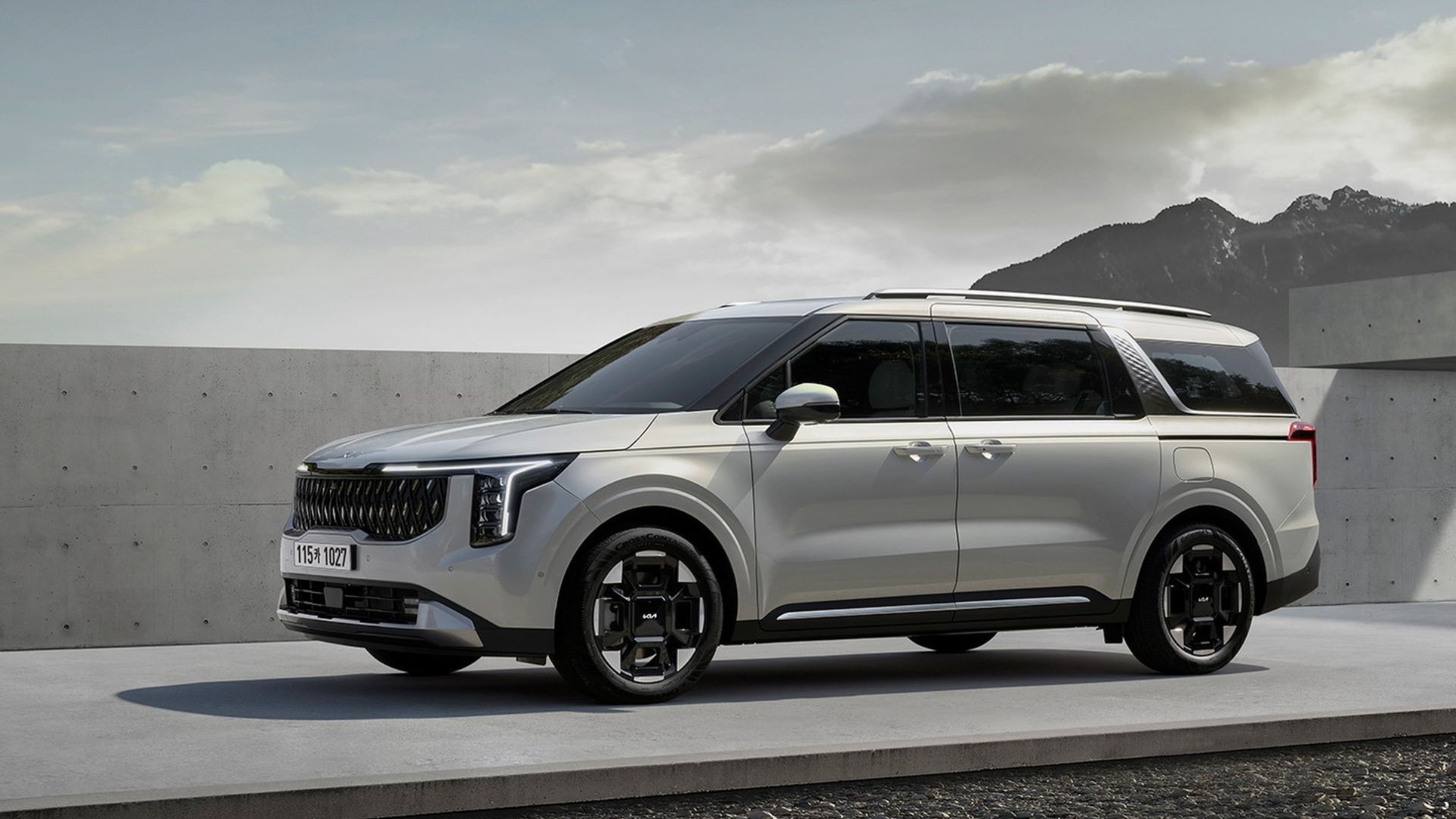
Inside, the Carnival is arguably the most luxurious van in the current market. Higher trims offer “VIP Lounge” seating, which features heating, ventilation, and deep reclining functionality, essentially turning the second row into a private cinema.
The interior feels upscale, featuring dual-screen panoramic displays and high-quality materials that wouldn’t feel out of place in a European luxury sedan.
While it lacks the ultimate, flat-folding cargo flexibility of the Chrysler Pacifica, it makes up for it with massive physical dimensions and a powertrain that is currently among the most powerful in the segment.
It is a bold statement piece that prioritizes interior comfort, modern technology, and road presence, making it a compelling alternative for those who find the traditional minivan aesthetic too dated.
Specifications:
- Engine: 3.5L V6
- Horsepower: 290 hp
- Torque: 262 lb-ft
- Length: 203.0 inches
- Width: 78.5 inches
3. Chrysler Pacifica
The Chrysler Pacifica is the ultimate innovator in the minivan segment, primarily due to its revolutionary “Stow ‘n Go” seating system. While other manufacturers require you to physically remove bulky seats to maximize cargo space, a task that often requires a two-person lift and dedicated garage storage, the Pacifica allows you to fold both the second and third rows completely flat into the floor in seconds.
This transformation is nearly instantaneous and makes the Pacifica the most adaptable vehicle for families who frequently transition between school runs and hardware store supply trips.
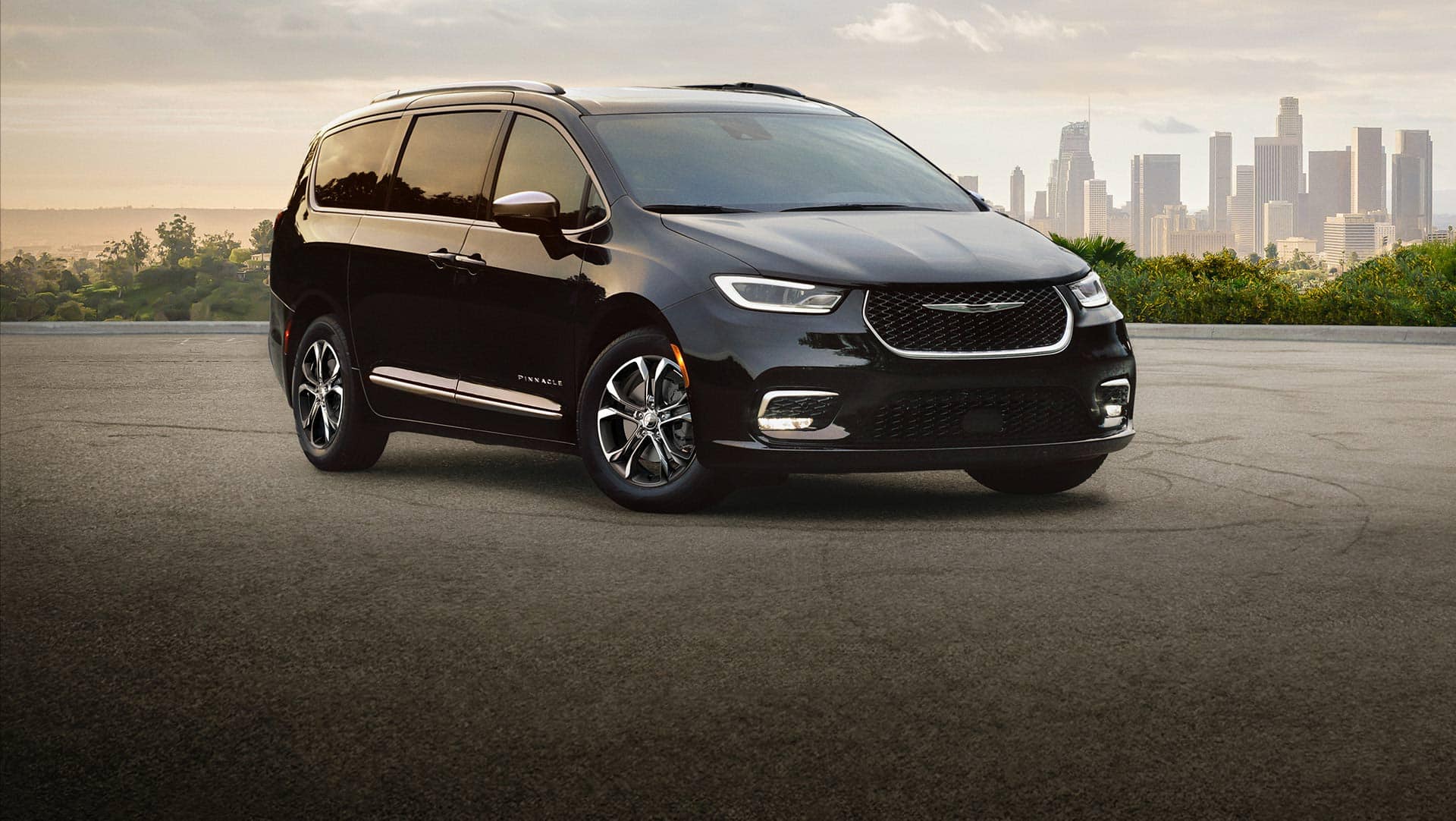
Beyond its seating genius, the Pacifica is a sophisticated road-trip vehicle. It offers a refined, quiet cabin and an available Plug-in Hybrid (PHEV) powertrain that remains a unique selling proposition in the minivan world, allowing for limited electric-only driving.
Its suspension is tuned for comfort, effectively soaking up road imperfections, which is vital for keeping sleeping children undisturbed. The Uconnect infotainment system is widely considered one of the best in the industry, offering quick response times and logical menu structures.
Whether you choose the gas-only V6 for its towing capability or the hybrid for its efficiency, the Pacifica consistently delivers a blend of luxury and raw, functional versatility that is difficult to surpass.
Specifications:
- Engine: 3.6L V6
- Horsepower: 287 hp
- Torque: 262 lb-ft
- Length: 204.3 inches
- Width: 79.6 inches
4. Toyota Sienna
The Toyota Sienna is the undisputed king of efficiency. Since its redesign, the Sienna has been offered exclusively as a hybrid, effectively eliminating the V6 option in favor of a 2.5-liter four-cylinder hybrid system.
This shift has resulted in fuel economy figures that were previously unimaginable for a vehicle of this size. For families covering high annual mileages, the Sienna’s ability to achieve 35+ mpg combined is a massive financial advantage over gas-only rivals.
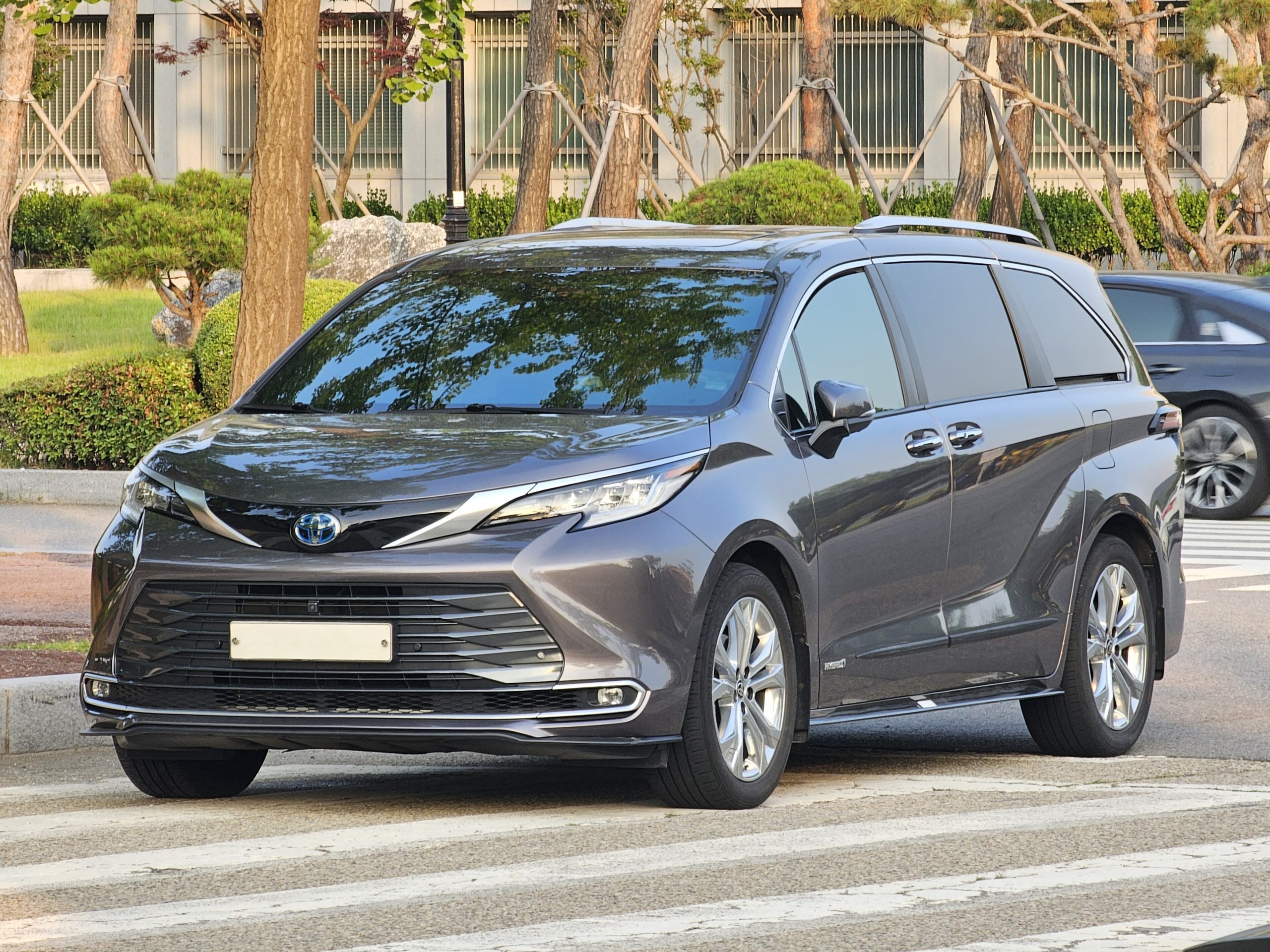
The interior is beautifully designed, with a “bridge console” that places the shifter and controls high up, creating a more car-like feel for the driver. However, there is a trade-off for its hybrid architecture: the second-row seats are not removable.
Because they house airbags and electronic sensors, the seats are essentially fixed, which limits the maximum cargo floor area compared to the Honda Odyssey or Chrysler Pacifica.
Despite this, the Sienna remains a top-tier choice for its legendary Toyota reliability and the availability of Electronic On-Demand All-Wheel Drive, which provides extra peace of mind for families living in snowy climates. It is the rational, long-term choice for the practical buyer.
Specifications:
- Engine: 2.5L 4-cylinder Hybrid
- Horsepower: 245 hp (combined)
- Torque: 176 lb-ft (engine only)
- Length: 203.7 inches
- Width: 78.5 inches
Also Read: 10 Toughest Cars, SUVs and Trucks on the Road
5. Volkswagen ID. Buzz
The Volkswagen ID. Buzz is a triumph of design and packaging. Bringing the iconic look of the classic Microbus into the modern electric era, the ID. Buzz captures attention everywhere it goes.
Unlike internal combustion vans that must be built around a bulky engine, transmission, and driveshaft, the ID. Buzz uses the modular electric drive matrix (MEB) platform. This allows for a completely flat floor, an extended wheelbase, and wheels pushed to the extreme corners of the vehicle.
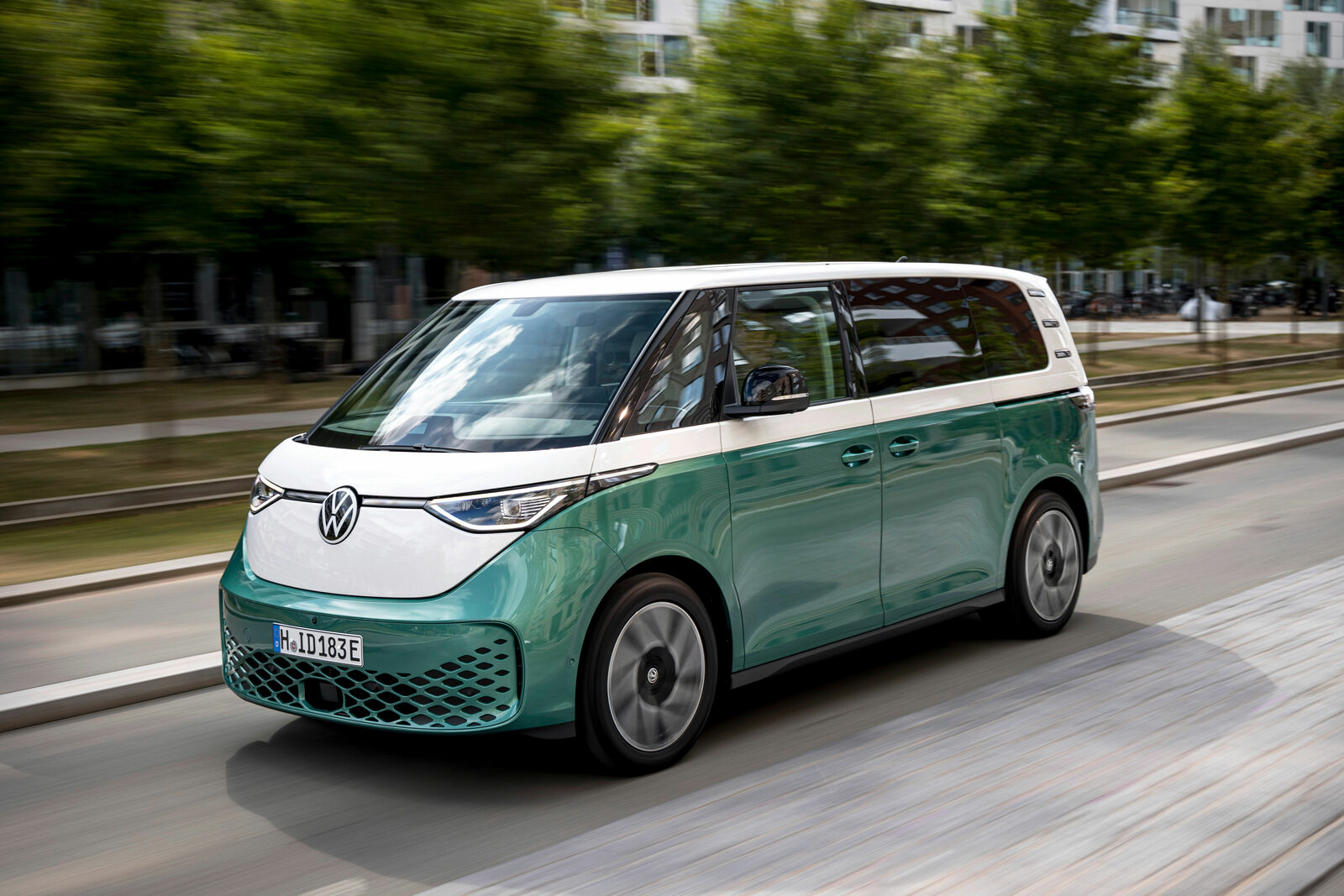
The result is an interior that feels disproportionately large compared to its exterior footprint. With the batteries mounted low in the chassis, the center of gravity is excellent, giving the ID. Buzz has surprisingly nimble handling characteristics. It is not designed to be the largest hauler on this list, but it is certainly the most charismatic.
Its appeal lies in its retro-futuristic aesthetic, sustainable EV operation, and the clever use of vertical space. While it may not have the massive V6 towing capacity or the extreme cargo volume of the Odyssey, it represents the future of the segment: space-efficient, eco-friendly, and undeniably stylish for the modern, tech-forward family.
Specifications:
- Engine: Electric Motor (Rear-Mounted)
- Horsepower: 282 hp
- Torque: 413 lb-ft
- Length: 195.3 inches
- Width: 77.9 inches
6. Dodge Grand Caravan
The Dodge Grand Caravan is a legend, having effectively invented the modern minivan segment alongside its Chrysler stablemates. Though it was discontinued in 2020, it remains a ubiquitous sight on used lots, largely because it was the most affordable “Stow ‘n Go” vehicle ever made.
For decades, it provided a utilitarian solution for budget-conscious families who needed maximum space without the premium price tag of a newer, tech-heavy van.
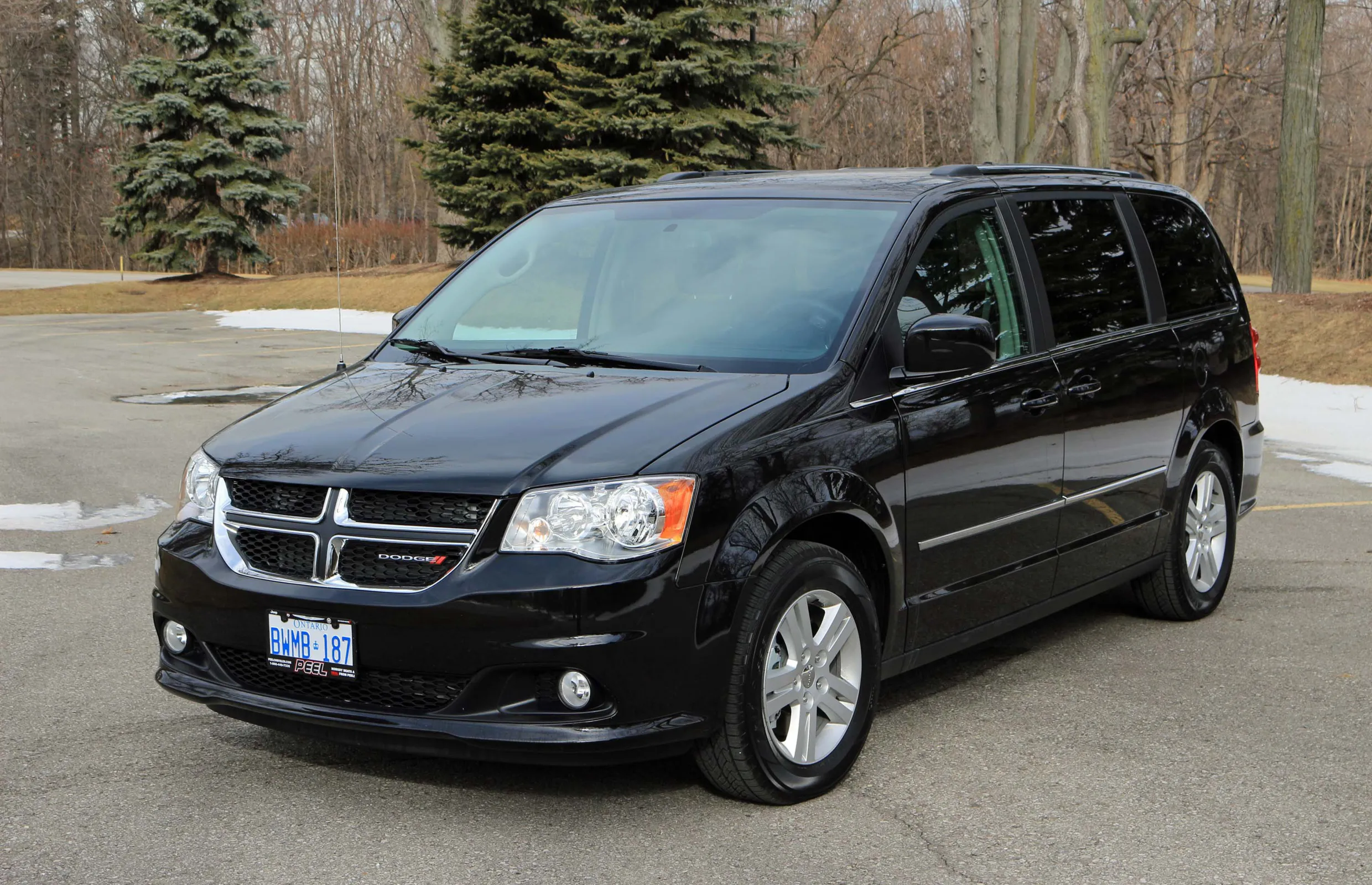
The appeal of the Grand Caravan lay in its simplicity. It was rugged, parts were (and are) inexpensive and widely available, and the mechanicals were battle-tested over many years.
While it lacked the refined materials and advanced safety suites of the 2026 models, the Grand Caravan was an honest, hardworking machine. It was perfect for those who didn’t mind a rough-around-the-edges interior if it meant they could drop the seats, load a mountain of camping gear, and hit the road without worrying about scratching a high-end trim piece. Its legacy is one of pure, unadulterated utility.
Specifications:
- Engine: 3.6L V6
- Horsepower: 283 hp
- Torque: 260 lb-ft
- Length: 203.7 inches
- Width: 78.7 inches
7. Kia Sedona
Before the Kia Carnival took the reins as Kia’s premium “Life Utility Vehicle,” the Kia Sedona served as the brand’s reliable, value-driven minivan entry.
The Sedona was designed to be a direct competitor to the Japanese titans like the Odyssey and Sienna, focusing on offering more equipment for less money. It was characterized by its sturdy build and a very capable V6 engine that provided plenty of power for fully loaded road trips.
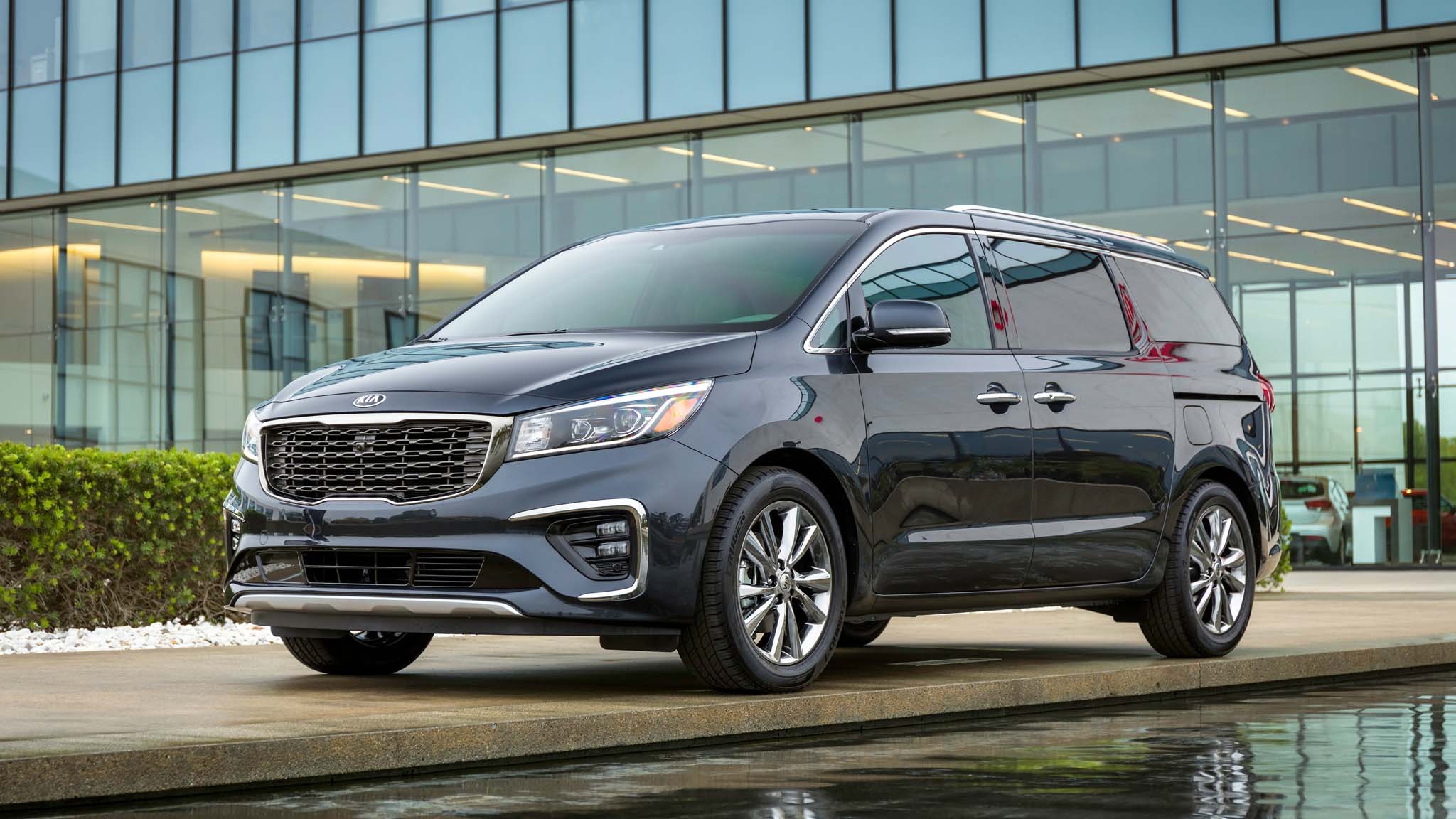
The Sedona’s interior was notably ergonomic, with comfortable seating and a layout that was intuitive for families. While it didn’t have the “wow” factor of the current Carnival, it was highly respected for its safety ratings and its long warranty coverage, which gave peace of mind to used-car buyers.
It was a vehicle that excelled at being a “good enough” machine for everyone, good for commuting, good for vacations, and good for the household budget. It serves as a reminder that Kia was perfecting the minivan formula for years before their recent design renaissance.
Specifications:
- Engine: 3.3L V6
- Horsepower: 276 hp
- Torque: 248 lb-ft
- Length: 201.4 inches
- Width: 78.1 inches
8. Nissan Quest
The Nissan Quest is perhaps the most distinctive entry on this list. Nissan took a massive design risk with the final generation, producing a van with a unique, polarizing shape, an oversized dashboard, and a very “lounge-like” atmosphere.
It was essentially an anti-minivan in terms of style, opting for bold curves and premium, soft-touch materials that aimed to raise the segment above mere utility.
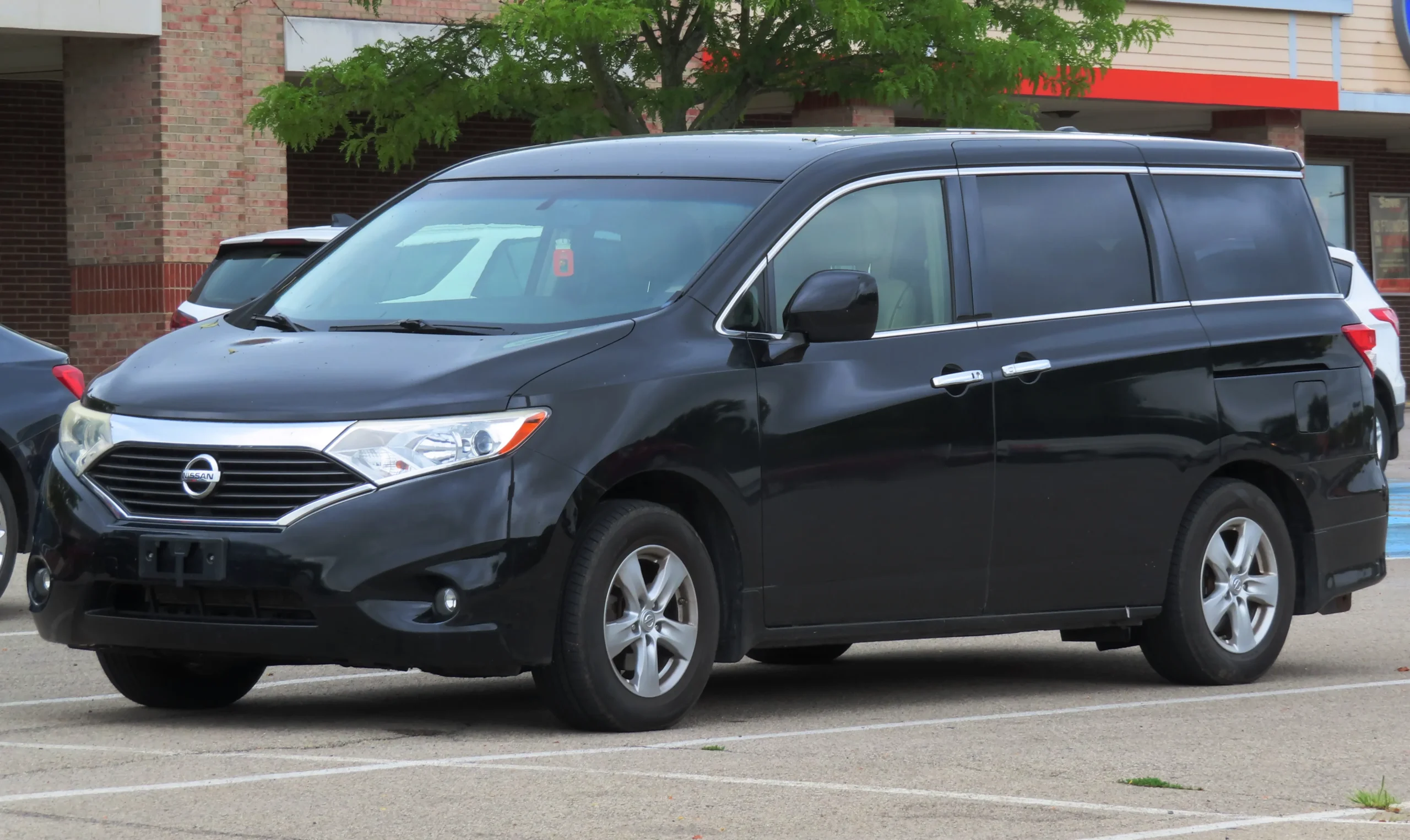
The Quest was incredibly comfortable to ride in, with seats that felt more like living room armchairs than automotive benches. It also utilized a Continuously Variable Transmission (CVT) paired with a robust V6, making it remarkably smooth and quiet on the highway.
While its unique design limited its maximum cargo capacity compared to the boxier Odyssey or Grand Caravan, the Quest found a niche audience who wanted a luxurious, high-end “people mover” rather than a utilitarian van.
Though it didn’t sell in the same numbers as the segment giants, it remains a testament to the fact that minivans can and should be comfortable, unique, and enjoyable to drive.
Specifications:
- Engine: 3.5L V6
- Horsepower: 260 hp
- Torque: 240 lb-ft
- Length: 201.0 inches
- Width: 78.0 inches
Also Read: 8 Cars With Knee Airbags for Both Front Passengers
