Electric vehicles have made remarkable progress in driving range, charging speed, and efficiency, but one challenge continues to affect nearly every battery-powered model: freezing temperatures.
Cold weather changes how lithium-ion batteries perform, reducing their ability to deliver and accept energy efficiently.
At the same time, drivers rely on cabin heating, heated seats, heated steering wheels, window defrosters, and battery thermal management systems, all of which consume additional electricity. The combined effect can significantly reduce the distance an EV can travel on a full charge.
Independent winter range tests conducted in North America and Europe have repeatedly shown that some electric vehicles lose more than 30 per cent of their rated driving range when temperatures drop well below freezing.
The exact reduction depends on factors such as battery chemistry, heat pump efficiency, preconditioning capability, driving speed, tire choice, and whether the vehicle begins its journey with a warm battery.
Short trips can be especially demanding because the battery and cabin require energy to reach operating temperature before peak efficiency is achieved.
This does not mean these vehicles are poor choices. Many remain excellent EVs throughout the year, particularly when owners understand how to prepare them for winter driving.
The following models have all demonstrated noticeable cold-weather range reductions in independent testing, illustrating how harsh winter conditions can have a major impact on real-world electric vehicle performance.
Also Read: 8 EVs That Lose the Most Range on the Highway
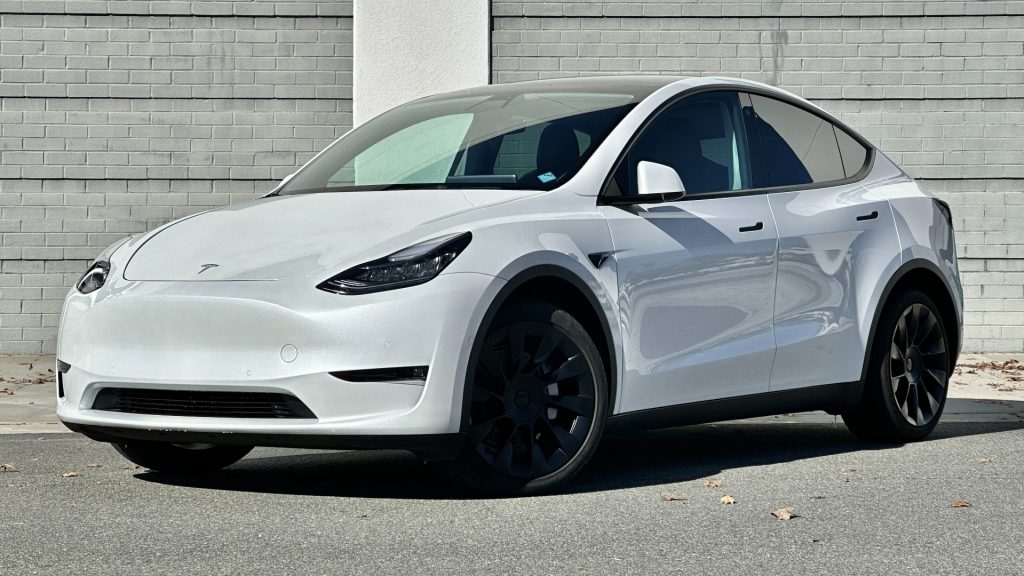
1. Tesla Model Y Long Range
The Tesla Model Y Long Range is one of the world’s best-selling electric SUVs thanks to its impressive efficiency, spacious cabin, and access to Tesla’s extensive Supercharger network. Under moderate weather conditions, it consistently delivers a strong real-world driving range.
Winter, however, introduces a very different operating environment. Independent cold-weather testing has shown that when temperatures fall well below freezing, the Model Y can lose more than 30 percent of its available range, particularly during highway driving, where aerodynamic drag and sustained battery demand increase energy consumption.
Several factors contribute to this reduction. Lithium-ion batteries operate less efficiently in cold conditions, limiting the amount of usable energy until the battery reaches its ideal temperature.
While Tesla’s sophisticated thermal management system works continuously to warm the battery, that process itself requires electricity. Cabin heating, windshield defrosting, heated mirrors, heated seats, and steering wheel heating further increase energy demand during winter journeys.
Drivers making several short trips may notice even greater losses because the battery repeatedly starts from a cold state before fully warming.
Fortunately, Tesla provides tools that help reduce the impact. Battery preconditioning while the vehicle remains plugged in, scheduled departure times, and navigation-assisted battery warming before fast charging all improve efficiency in cold climates.
Even so, drivers planning long winter road trips should expect noticeably shorter intervals between charging stops than during warmer months. The Model Y remains highly capable in snowy regions, but understanding seasonal range changes is essential for accurate trip planning and stress-free ownership.
Specifications
- Engine: Dual Electric Motors
- Torque: 376 lb-ft
- Horsepower: 425 hp
- Length/Width: 187.0 in / 75.6 in
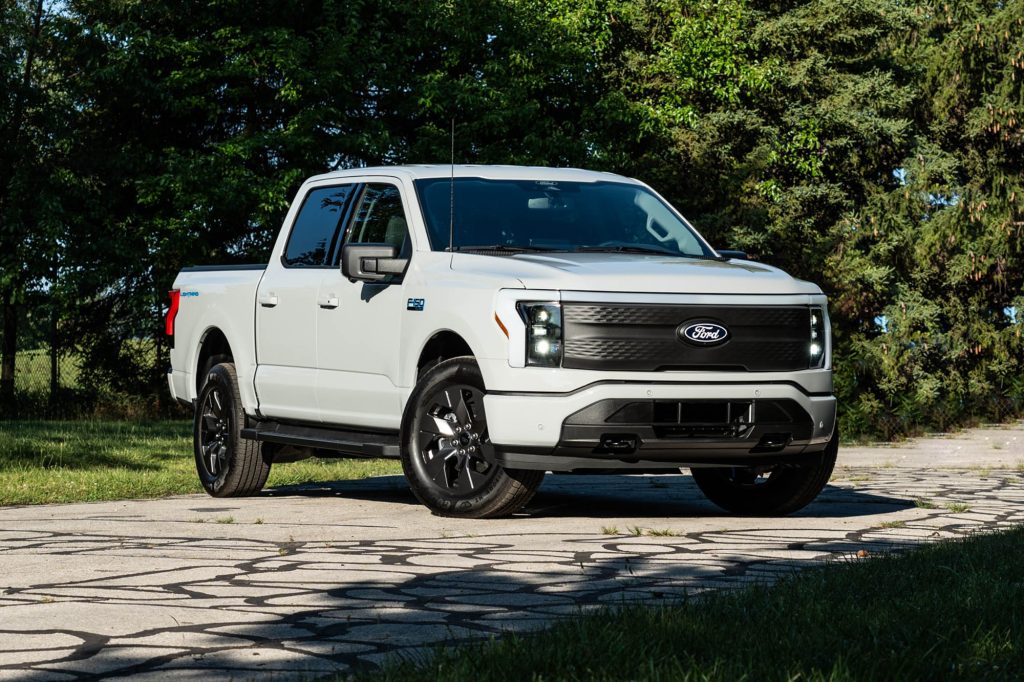
2. Ford F-150 Lightning
The Ford F-150 Lightning brings electric power to America’s best-selling pickup, combining familiar truck capability with instant torque and quiet operation. Its large battery pack provides a competitive range during mild weather, but freezing temperatures can have a pronounced effect on efficiency.
Multiple independent winter evaluations have reported range reductions exceeding 30 percent under sustained cold-weather driving, particularly when temperatures remain below freezing and highway speeds are maintained for extended periods.
Unlike smaller electric cars, the F-150 Lightning carries significant weight and presents a large frontal area to the wind. Cold, dense air increases aerodynamic resistance, requiring additional energy to maintain speed.
Heating the spacious crew cab also demands considerably more electricity than warming the interior of a compact sedan.
Meanwhile, the battery management system works continuously to maintain optimal operating temperatures, consuming energy before that power reaches the wheels. Towing, hauling cargo, or driving through snow-covered roads can reduce range even further during winter.
Ford has equipped the Lightning with battery preconditioning and intelligent thermal management to help minimize efficiency losses.
Owners who charge overnight and warm both the battery and cabin while the truck remains plugged in often experience better real-world winter performance than those beginning trips with a cold battery.
Careful route planning also becomes increasingly important during freezing conditions because charging opportunities may need to be used more frequently.
Despite the seasonal range reduction, the Lightning continues to deliver impressive towing capability, smooth acceleration, and practical everyday usability, making it a compelling electric pickup for drivers willing to adapt their winter driving habits.
Specifications
- Engine: Dual Electric Motors
- Torque: 775 lb-ft
- Horsepower: 580 hp
- Length/Width: 232.7 in / 80.0 in
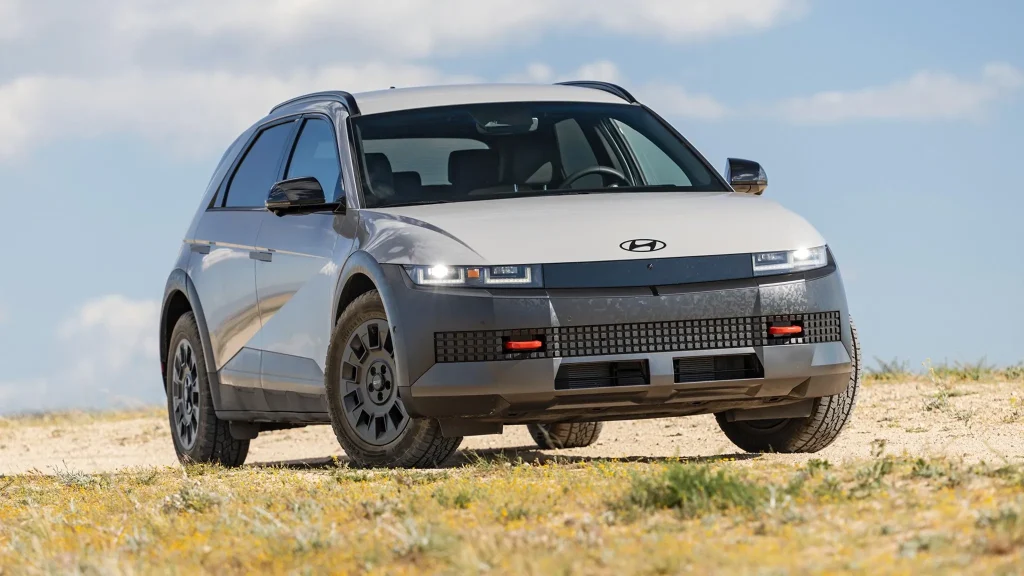
3. Hyundai Ioniq 5
The Hyundai Ioniq 5 has earned widespread praise for its futuristic styling, ultra-fast 800-volt charging architecture, and comfortable interior. In mild weather, it is among the most efficient electric crossovers in its class, especially in rear-wheel-drive form.
Winter conditions, however, present a different challenge. Independent cold-weather evaluations have shown that the Ioniq 5 can lose more than 30 percent of its usable driving range when temperatures remain well below freezing, particularly on long highway trips where sustained speeds place greater demand on the battery.
The reduction is the result of several factors working together. Cold temperatures slow the chemical reactions inside the battery cells, reducing efficiency until the pack reaches its ideal operating temperature.
The vehicle’s battery heating system consumes additional electricity to warm the pack, while the cabin heater, rear window defroster, heated mirrors, heated seats, and steering wheel all increase energy consumption.
Drivers making repeated short journeys may notice the largest losses because the battery rarely has enough time to warm completely before the trip ends.
Hyundai has addressed winter driving with battery preconditioning on many versions, allowing the pack to warm before arriving at a fast charger. Vehicles equipped with a heat pump also manage cabin heating more efficiently than traditional electric resistance heaters, helping reduce some of the seasonal range loss.
Even with those advantages, owners should expect shorter driving distances during severe winter weather and plan charging stops accordingly. The Ioniq 5 remains an outstanding electric crossover throughout the year, but understanding how freezing temperatures influence battery performance makes winter travel far more predictable.
Specifications
- Engine: Dual Electric Motors
- Torque: 446 lb-ft
- Horsepower: 320 hp
- Length/Width: 182.5 in / 74.4 in
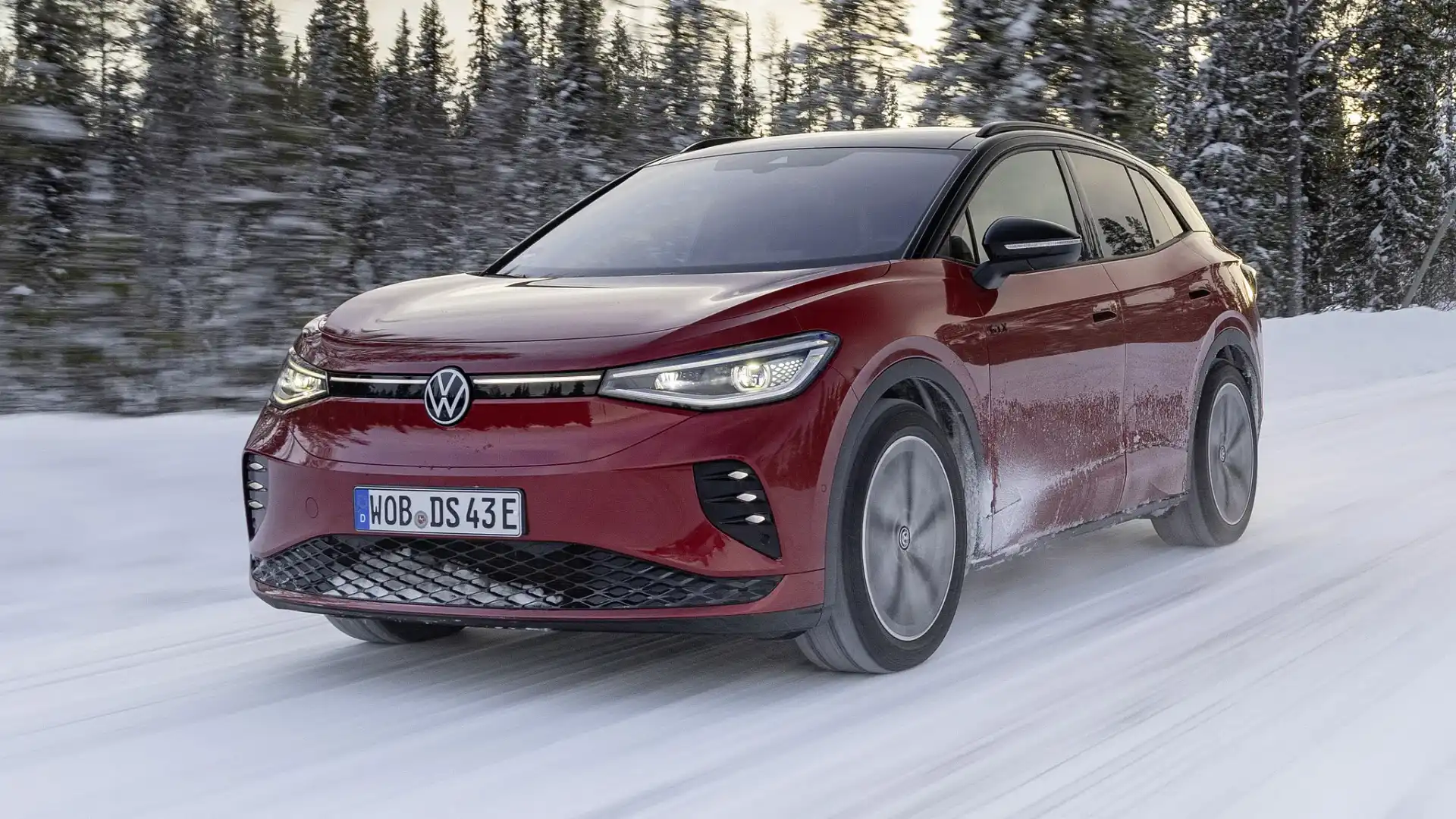
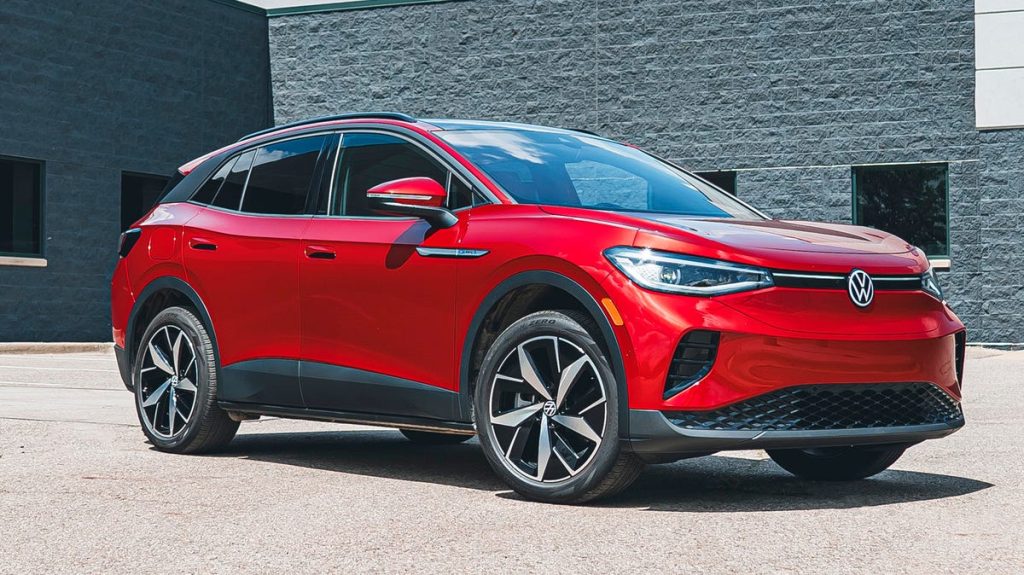
4. Volkswagen ID.4
The Volkswagen ID.4 was developed to provide a practical and family-friendly electric SUV, offering comfortable ride quality, generous passenger space, and straightforward driving manners.
During spring and summer, it delivers dependable efficiency for commuting and weekend travel. Once temperatures fall well below freezing, though, independent testing has demonstrated that the ID.4 can experience driving range reductions exceeding 30 percent, depending on temperature, speed, and road conditions.
Battery chemistry plays a major role in this change. Cold lithium-ion cells cannot release energy as efficiently as warm ones, causing higher electricity consumption for the same distance traveled.
The vehicle must also dedicate energy to warming the battery itself before it reaches peak operating efficiency. At the same time, occupants naturally rely on climate control, windshield defrosting, heated seats, and other comfort features that increase power demand.
Highway driving amplifies the effect because cold air creates greater aerodynamic resistance while sustained speeds require constant battery output.
Volkswagen incorporates thermal management technology designed to protect battery health and maintain consistent performance throughout changing seasons.
Even so, drivers can improve winter efficiency by preheating the cabin while the vehicle remains connected to a charger, maintaining proper tire pressure, and avoiding unnecessary high-speed acceleration immediately after departure.
Long-distance winter travel may require additional charging stops compared with warmer months, making route planning more important than usual.
Although the seasonal range reduction is noticeable, the ID.4 continues to provide a comfortable, refined driving experience and remains a practical electric SUV for drivers who regularly encounter cold climates.
Specifications
- Engine: Dual Electric Motors
- Torque: 402 lb-ft
- Horsepower: 335 hp
- Length/Width: 180.5 in / 72.9 in
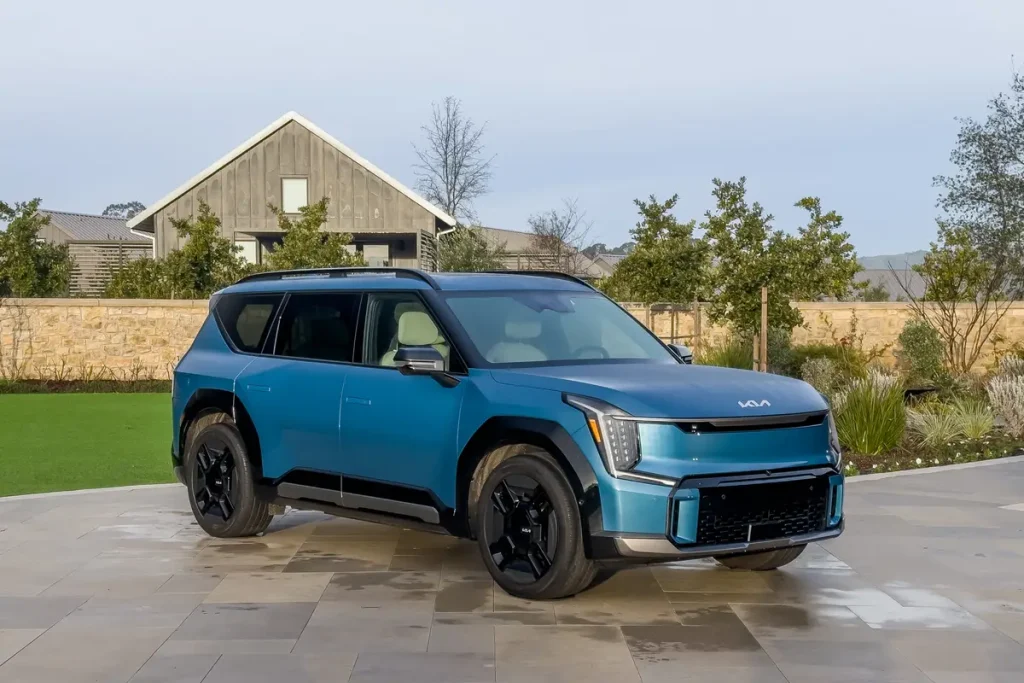
5. Kia EV9
The Kia EV9 has quickly established itself as one of the most practical three-row electric SUVs on the market. With seating for up to seven passengers, a spacious cargo area, and an advanced 800-volt electrical architecture, it is designed for family road trips as much as daily commuting.
During moderate weather, the EV9 offers a competitive driving range for a vehicle of its size. In freezing temperatures, however, independent winter tests have shown that it can lose more than 30 percent of its available range, especially when carrying multiple passengers and traveling at sustained highway speeds.
A large SUV naturally requires more energy to move than a compact crossover, and winter conditions magnify that demand. Cold air increases aerodynamic drag, while snow-covered or wet roads create greater rolling resistance.
The EV9 must also use electricity to heat its sizeable cabin, warm the battery pack, operate defrosters, and power heated seats and steering wheels. Every one of these systems draws energy from the battery, reducing the distance available for driving.
Families taking several short trips may experience even greater efficiency losses because the battery often remains below its optimal operating temperature.
Kia equips the EV9 with battery preconditioning and sophisticated thermal management to improve cold-weather performance. Models fitted with a heat pump can warm the interior more efficiently than systems relying solely on electric resistance heating.
Owners who charge at home and preheat the vehicle before departure usually see better winter efficiency than those starting with a cold battery. Despite the seasonal reduction in driving range, the EV9 remains an exceptionally capable electric family SUV.
Careful charging planning and realistic winter expectations allow owners to continue enjoying their comfort, practicality, and impressive long-distance capability throughout the colder months.
Specifications
- Engine: Dual Electric Motors
- Torque: 516 lb-ft
- Horsepower: 379 hp
- Length/Width: 197.2 in / 77.9 in
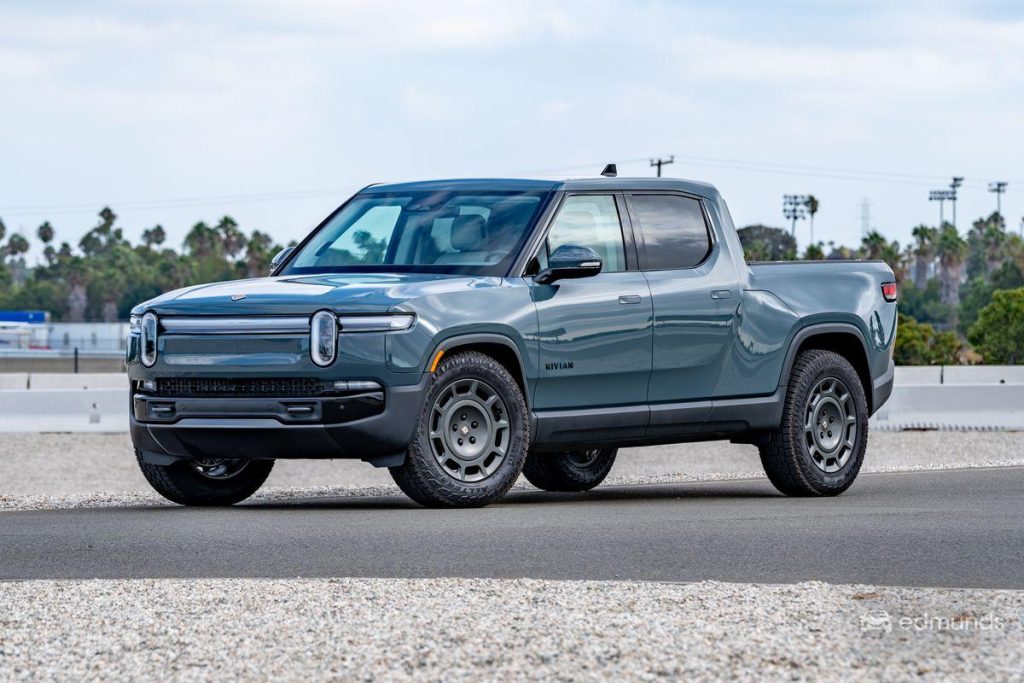
6. Rivian R1T
Unlike many electric pickups that focus primarily on urban use, the Rivian R1T was engineered for adventure. It combines exceptional off-road capability with powerful acceleration, generous ground clearance, and a sophisticated all-wheel-drive system.
Those strengths make it attractive for drivers who enjoy outdoor activities throughout the year, including winter recreation. Unfortunately, harsh cold weather presents one of the most demanding environments for any electric truck.
Independent testing has indicated that the R1T can lose more than 30 percent of its driving range when temperatures remain well below freezing, with even larger reductions possible during off-road driving or when towing.
Several characteristics contribute to this outcome. The R1T’s substantial curb weight requires significant energy even in ideal weather. Add dense winter air, snow-covered roads, and cold battery chemistry, and efficiency naturally declines.
The truck’s battery management system continuously works to maintain proper cell temperatures, while the spacious cabin demands additional energy for heating. Accessories such as heated seats, a heated steering wheel, defrosters, and exterior mirror heaters further increase electricity consumption.
Drivers venturing into mountainous terrain may also encounter steep climbs that place additional demands on the battery before regenerative braking can recover some of that energy during descents.
Rivian has developed advanced thermal management software that helps optimize battery temperature and charging performance during winter. Preconditioning the battery before departure or before reaching a fast charger can noticeably improve efficiency and charging speeds.
Nevertheless, owners planning remote winter adventures should build extra charging stops into their routes and maintain a comfortable reserve of battery capacity.
The R1T remains one of the most capable electric pickups available, but freezing temperatures clearly demonstrate how environmental conditions can significantly influence real-world electric vehicle range.
Specifications
- Engine: Quad Electric Motors
- Torque: 908 lb-ft
- Horsepower: 835 hp
- Length/Width: 217.1 in / 79.3 in
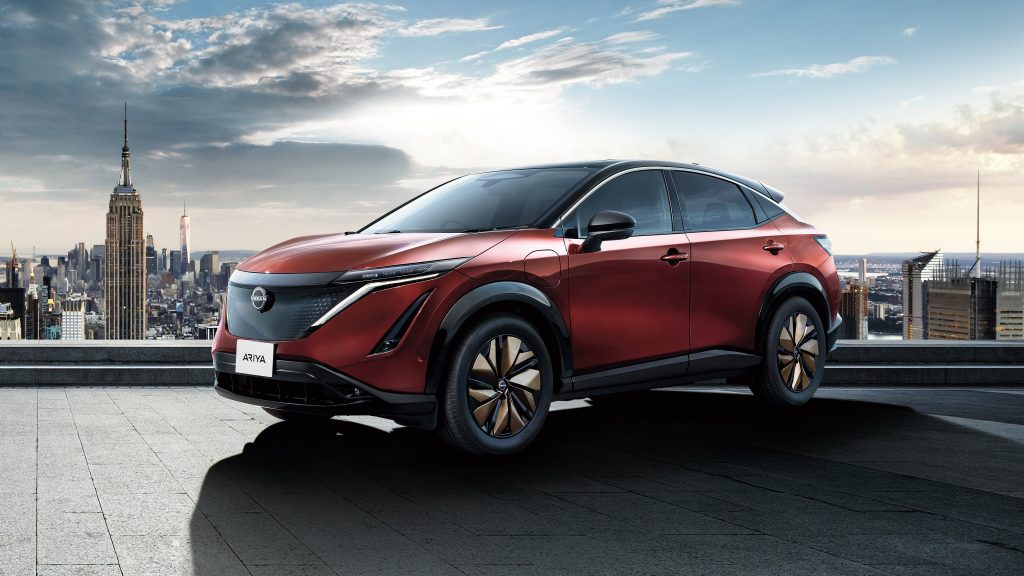
7. Nissan Ariya
The Nissan Ariya represents a major step forward for the brand’s electric vehicle lineup, combining sleek styling, a quiet cabin, and smooth everyday performance.
Available with either front-wheel drive or the dual-motor e-4ORCE all-wheel-drive system, the Ariya delivers a refined driving experience that appeals to commuters and families alike. During moderate weather, it offers competitive efficiency and dependable real-world range.
In freezing conditions, however, independent winter testing has shown that the Ariya can lose more than 30 percent of its available driving range, particularly when temperatures remain well below 32 degrees Fahrenheit and highway speeds are sustained for long periods.
The reasons extend beyond battery chemistry alone. Cold temperatures reduce the battery’s ability to release energy efficiently until it reaches its ideal operating temperature. At the same time, the Ariya’s climate control system works harder to warm the spacious interior, clear fogged windows, and maintain passenger comfort.
Heated seats, a heated steering wheel, and battery thermal management all require electricity that would otherwise be used for propulsion. Short urban trips can be especially inefficient because the battery may never reach its most efficient operating temperature before the journey ends.
Drivers can reduce the impact by charging overnight and preconditioning the cabin while the vehicle remains plugged into a home charger. This strategy allows grid electricity to warm the battery and interior instead of relying solely on stored battery energy after departure.
Smooth acceleration and moderate highway speeds also help extend winter range. Although the Ariya experiences noticeable efficiency losses during severe cold spells, it remains a comfortable and practical electric crossover.
Understanding how seasonal conditions affect performance allows owners to plan charging stops more effectively and enjoy reliable transportation throughout the winter months.
Specifications
- Engine: Dual Electric Motors
- Torque: 442 lb-ft
- Horsepower: 389 hp
- Length/Width: 182.9 in / 72.8 in
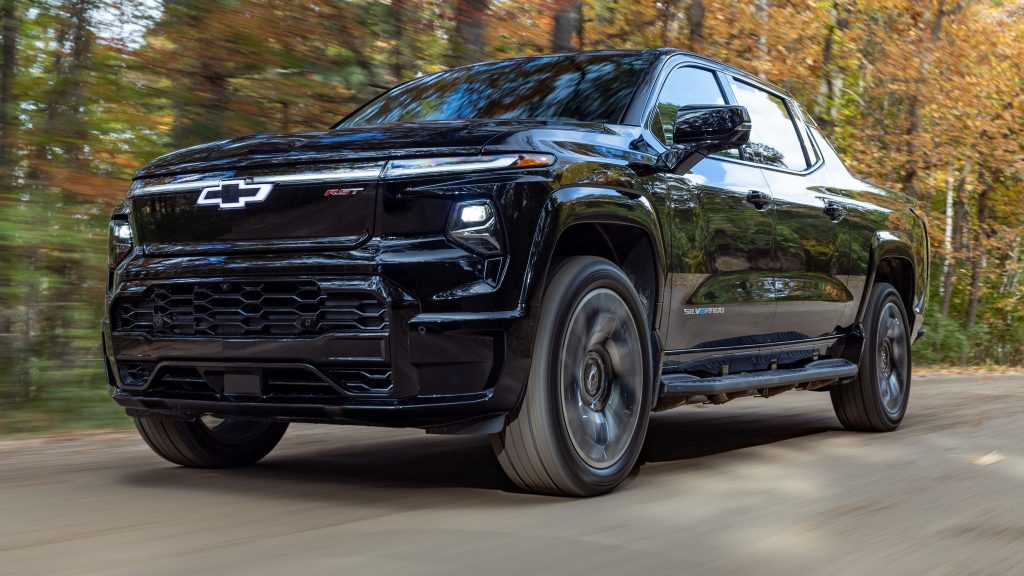
8. Chevrolet Silverado EV
The Chevrolet Silverado EV enters the electric pickup market with a massive battery pack, impressive towing capability, and a long-advertised driving range under favorable conditions. Those qualities make it attractive for buyers who frequently travel long distances or need a truck for demanding work.
Winter driving, however, introduces a completely different set of challenges. Independent evaluations of large electric trucks have consistently demonstrated that freezing temperatures can reduce driving range by more than 30 percent, and the Silverado EV is no exception when operating in harsh cold-weather environments.
A vehicle of this size naturally consumes more energy than a smaller electric crossover. The truck’s substantial weight, large frontal area, and wide tires all contribute to increased electricity demand.
When outside temperatures fall below freezing, the battery management system must warm the battery pack before it can deliver peak performance.
Meanwhile, heating the expansive cabin, operating the windshield and rear window defrosters, warming the mirrors, and powering heated seats require additional energy throughout the journey.
Drivers carrying heavy cargo or towing trailers during winter should expect even greater reductions because both activities substantially increase power consumption.
Chevrolet incorporates sophisticated thermal management technology to maintain battery health and support reliable charging performance in cold weather. Owners who precondition the truck while it remains connected to a charger often achieve better efficiency than those beginning trips with a cold battery.
Planning charging stops with extra reserve capacity is also recommended during winter road trips, particularly in remote areas where charging infrastructure may be limited.
Although freezing temperatures noticeably reduce its driving range, the Silverado EV continues to deliver strong capability, refined driving manners, and the versatility expected from a full-size electric pickup.
Specifications
- Engine: Dual Electric Motors
- Torque: 785 lb-ft
- Horsepower: 760 hp
- Length/Width: 233.1 in / 83.8 in
Also Read: 10 SUVs With Third Rows That Are Too Cramped for Adults